In the world of fine Japanese restaurant dining, few experiences are as revered as a traditional sushi omakase. In Singapore, where food is celebrated like an art form, two names dominate conversations among restaurants in Singapore, standing out as some of Singapore’s most renowned Japanese dining destinations:Ginza Sushi Ichi and Shinji by Kanesaka. Both are Michelin-starred restaurants, with each being a Michelin starred restaurant recognized for their exceptional quality and prestige, promising a world-class dining experience, but at a price point that makes value an important consideration.
When a meal can easily cross the $500 mark, the debate of ginza sushi ichi vs shinji isn’t just about taste — it’s about what diners truly receive for their money. Let’s explore how these two iconic omakase restaurants compare in terms of pricing, ingredients, service, and the overall experience.
Introduction to Omakase Restaurants
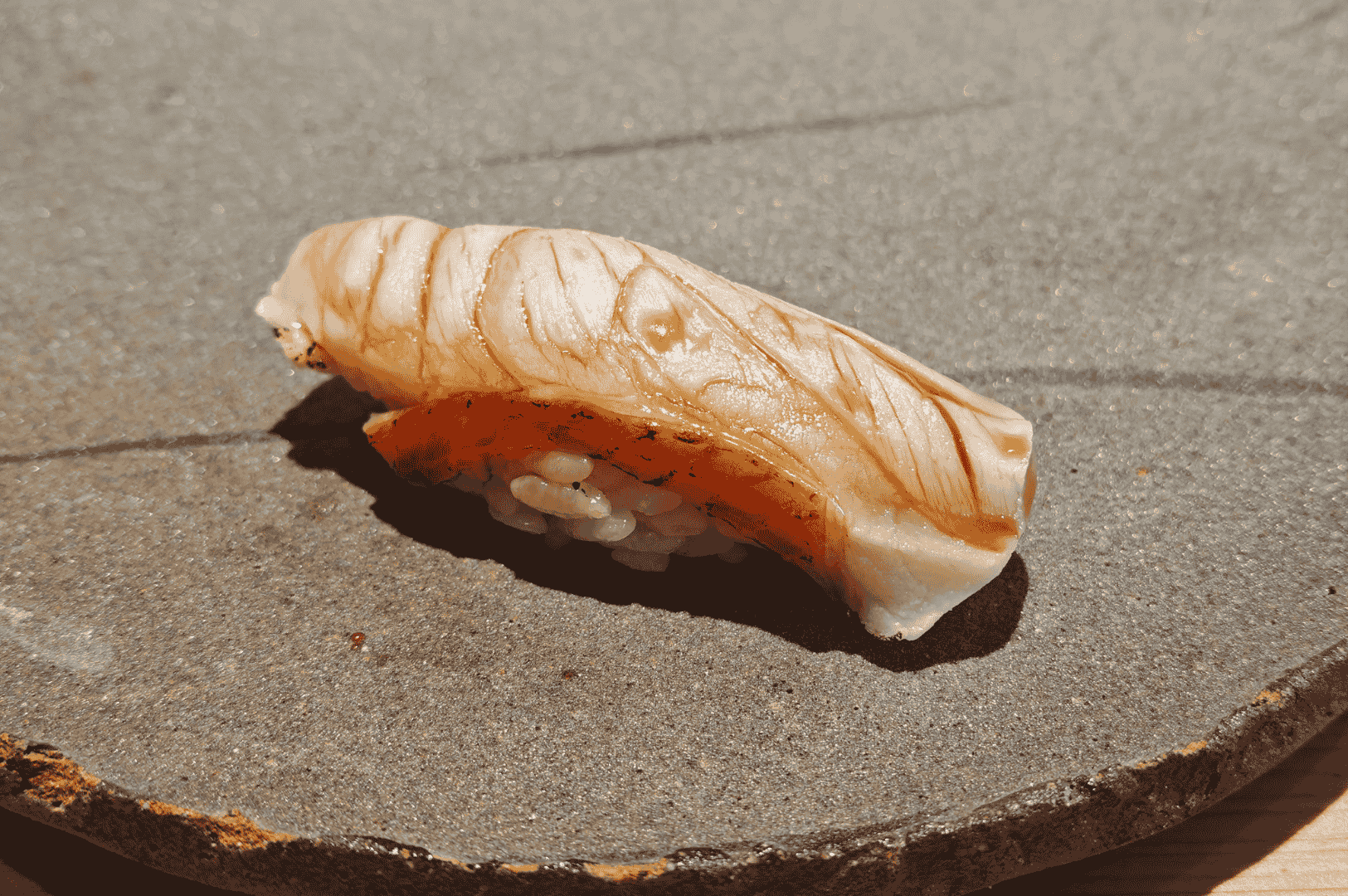
In recent years, omakase restaurants have taken Singapore’s dining scene by storm, captivating food enthusiasts with their blend of artistry, tradition, and the finest Japanese cuisine. The word “omakase” translates to “I’ll leave it up to you,” inviting diners to trust the chef to curate a meal that showcases the best seasonal ingredients and culinary techniques from Japan. This approach transforms every meal into a personalized journey, where each dish—whether it’s delicate nigiri sushi, melt-in-your-mouth medium fatty tuna, or the luxurious richness of sea urchin—reflects the chef’s expertise and creativity.
Omakase menus are designed to surprise and delight, often featuring a progression of dishes that highlight the freshest seafood, premium cuts of tuna belly, and rare seasonal fish like golden eye snapper. Signature items such as steamed abalone with abalone liver sauce or inventive hot dishes are common in Michelin-starred restaurants like Ginza Sushi Ichi and Sushi Kimura, where the focus is on delivering a world-class dining experience. Whether you opt for a lunch omakase or a more elaborate dinner omakase, each menu is thoughtfully crafted to bring out the natural flavors and textures of the ingredients.
Singapore’s omakase scene is as diverse as it is prestigious, with options ranging from the iconic Ginza Sushi Ichi at Raffles Hotel to the revered Shinji by Kanesaka. These restaurants consistently source the finest ingredients from Japan, earning accolades from the Michelin Guide and cementing their status among the best restaurants in Singapore. Whether you’re savoring a simple piece of nigiri or indulging in a multi-course dinner menu, omakase dining promises an unforgettable exploration of Japanese flavors and hospitality.
For anyone seeking to experience the pinnacle of Japanese cuisine, omakase restaurants in Singapore offer an unparalleled adventure. With their focus on seasonal ingredients, meticulous preparation, and world-class service, these establishments invite diners to discover the true essence of Japanese dining—one exquisite dish at a time.
The Contenders: Ginza Sushi Ichi and Shinji by Kanesaka
Sushi Ichi at Raffles Hotel
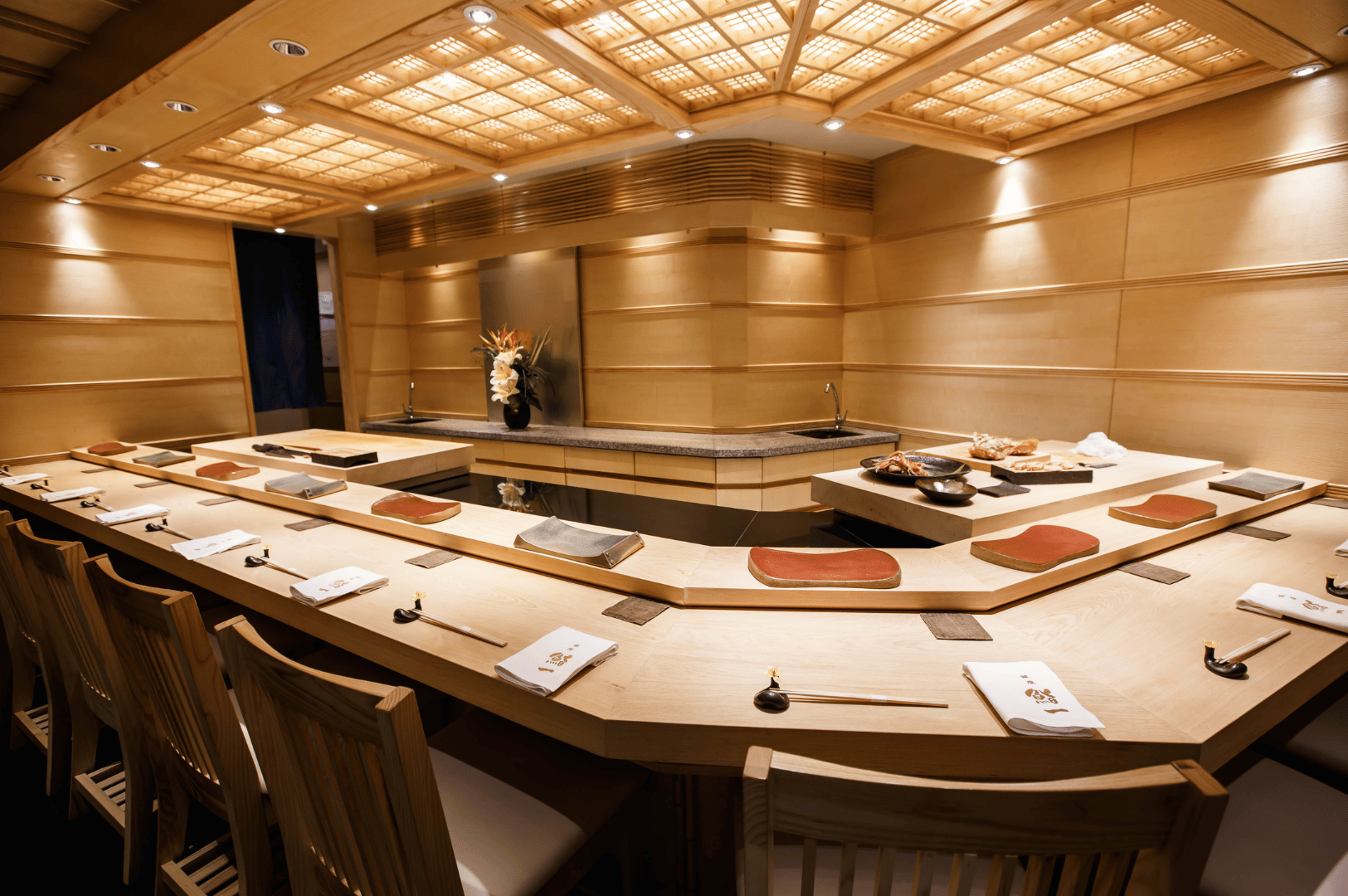
Originally from Tokyo’s Ginza district, Ginza Sushi Ichi launched its Singapore outpost at the historic Raffles Hotel. Known for attentive service, exclusivity, and only one seating per service, the restaurant also offers a private room for guests seeking an even more intimate and luxurious dining experience. The restaurant has impressed Michelin inspectors enough to earn and retain its coveted star. Diners experience a dynamic menu built around seasonal ingredients, with highlights such as golden eye snapper, shima aji, sea bream, and decadent sea urchin.
Shinji by Kanesaka: A Benchmark Among Omakase Restaurants
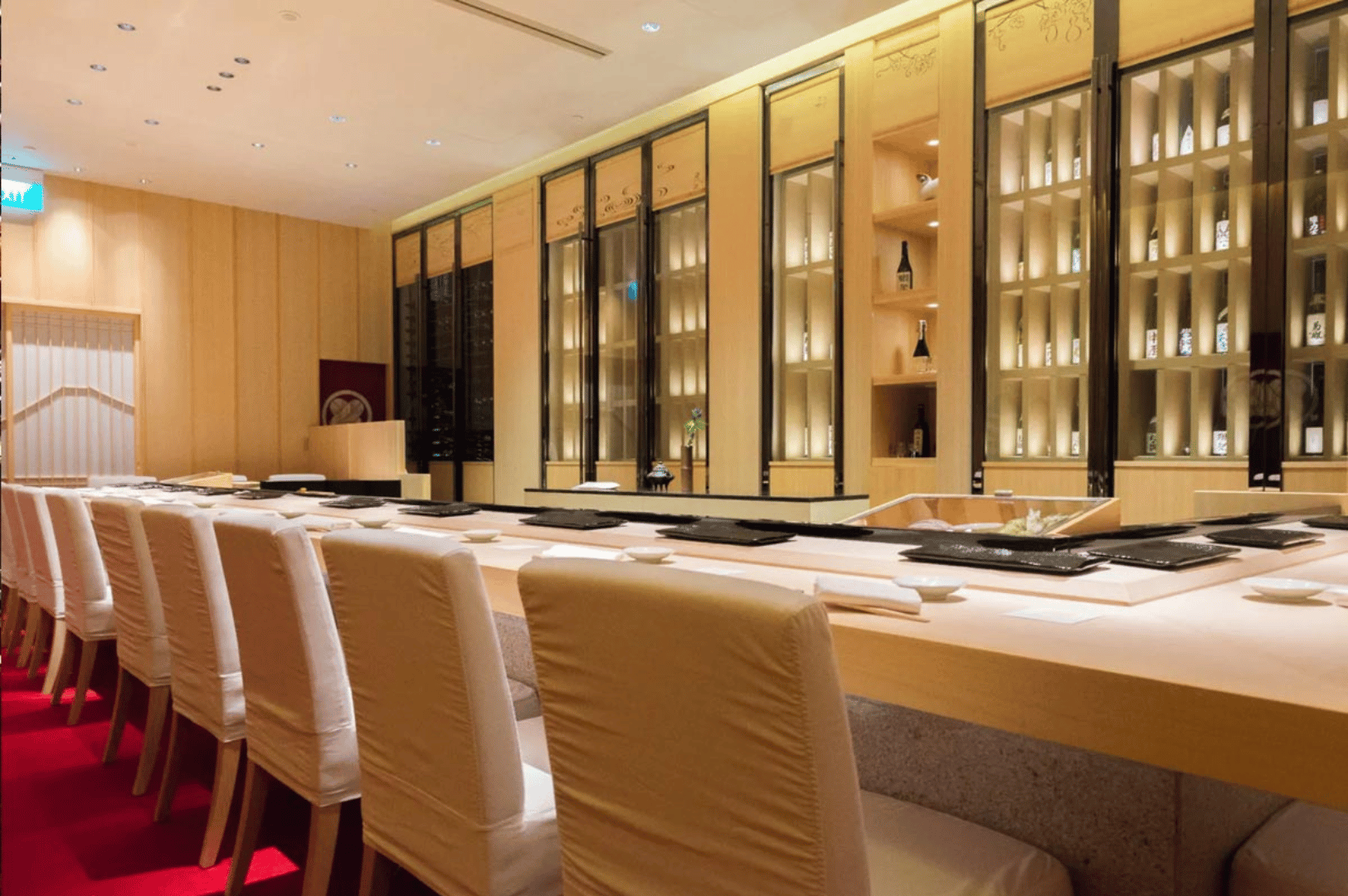
At the Carlton Hotel and St. Regis, Shinji by Kanesaka represents a direct link to Chef Kanesaka’s 2-star Tokyo flagship. Revered as one of the most traditional Japanese restaurants in Singapore, Shinji delivers Edomae-style nigiri sushi in its purest form. Signature highlights include three cuts of tuna: lean akami, medium fatty tuna, and the legendary fatty tuna belly. For purists, this is a temple of precision and tradition.
Opening hours: Shinji by Kanesaka is open Monday to Saturday, 12:00pm–3:00pm for lunch and 6:00pm–10:30pm for dinner. Closed on Sundays.
Price Point Comparison: Lunch vs. Dinner in Top Restaurants in Singapore
Price often determines accessibility at high-end omakase restaurants.
- Shinji by Kanesaka:
- Lunch omakase menu: From $150++, this chef-curated omakase menu features nigiri, sashimi, and miso soup, each dish served in sequence to highlight freshness and presentation.
- Dinner omakase menu: $300++ to $500++, a chef-selected omakase menu with luxurious items like steamed abalone with abalone liver sauce, monkfish liver, and premium tuna belly, all served course by course to showcase the chef’s artistry.
- Ginza Sushi Ichi:
- Lunch omakase menu: Start around $200++, offering a condensed chef-curated omakase menu similar to the dinner experience, with each dish served at the optimal moment.
- Dinner omakase menu: $350++ to $500++, featuring a chef-selected omakase menu with seasonal fish, sea urchin, and hot dishes flown in directly from Japan, all served in a carefully timed sequence.
Verdict: For first-timers, Shinji’s lunch omakase menu offers better entry-level value. For a full splurge, Sushi Ichi shines with creative and indulgent dinner omakase menus.
Ingredient Quality and Seasonal Produce at Omakase Restaurants
Both restaurants import seafood directly from Japan multiple times a week, but their philosophies differ:
- Sushi Ichi: Emphasizes dynamic seasonality. Dishes like steamed abalone with abalone liver sauce, fried vegetables, and uni with rice highlight rare finds and luxurious ingredients. The menu may also feature premium meat options such as Wagyu beef or other high-quality meats, depending on seasonal availability.
- Shinji: Known for flawless classics. Their tuna progression — from lean to fatty tuna belly — is unmatched, while their tamago omelet is legendary among sushi lovers.
Verdict: Sushi Ichi is exciting for adventurous diners; Shinji guarantees textbook perfection with every bite.
Signature Dishes and the Art of the Dining Experience
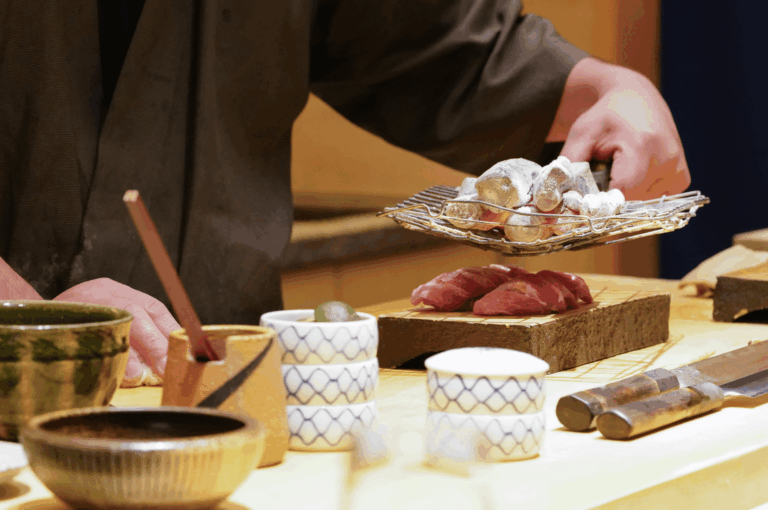
Sushi Ichi: Known for creative appetisers that start the meal, featuring small starter dishes crafted from seasonal or premium ingredients, and hot dishes such as tempura, beef, and seasonal seafood. Their decadent uni and ikura rice bowl is a showstopper, presenting a diverse range of lively flavours in every bite, and miso soup with delicate notes often rounds out the meal. Each dish is carefully prepared to be truly delicious, highlighting the high quality and taste that Sushi Ichi is renowned for.
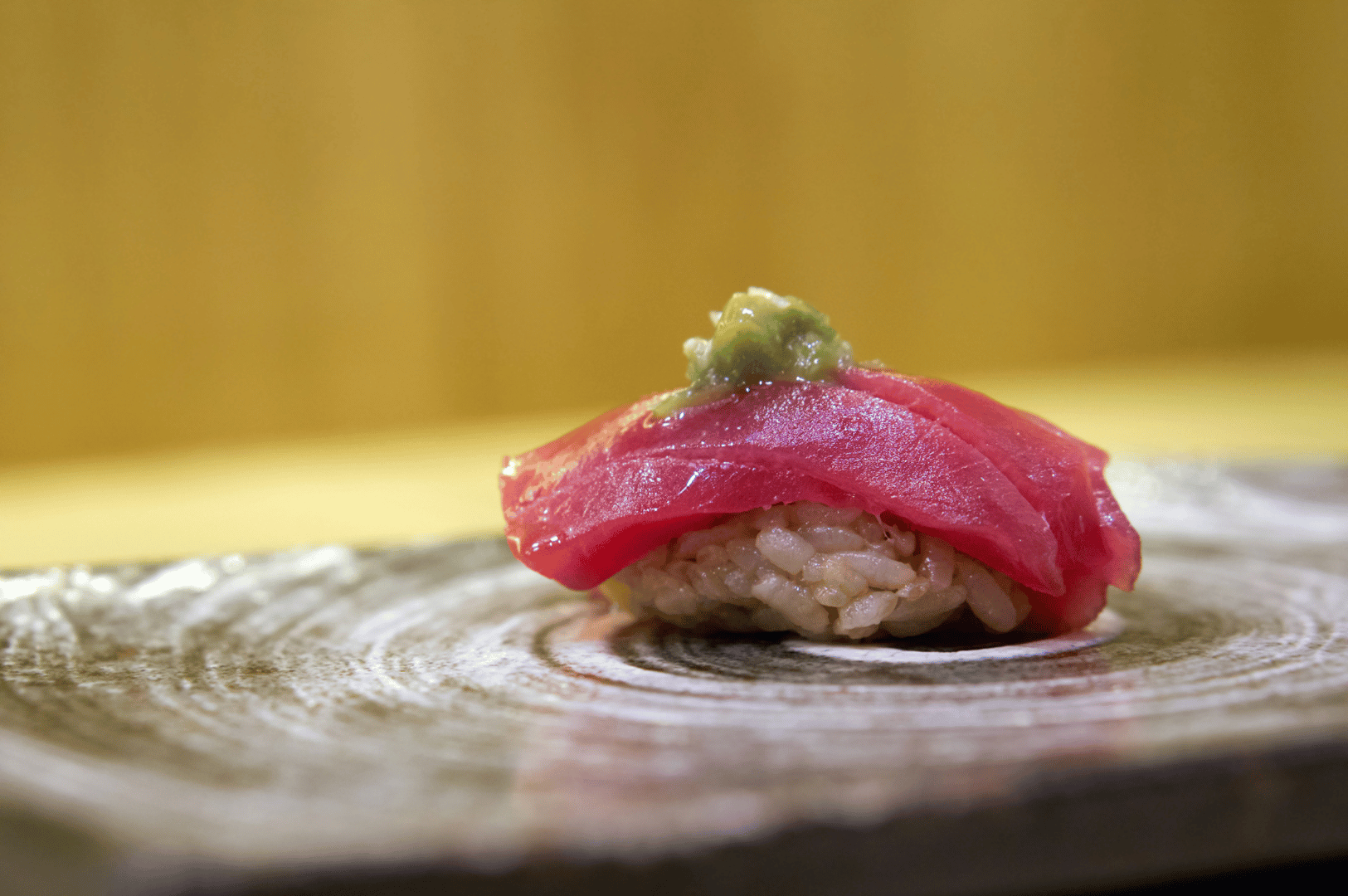
Shinji by Kanesaka: The focus is pure nigiri sushi. The tuna belly sequence is its crown jewel, supported by seasonal produce like sea bream and shima aji. Diners often describe the tamago finale as “cake-like perfection,” and the overall experience is celebrated for its delicious and refined offerings.
Ambiance and Service: Comparing Two Elite Japanese Restaurants
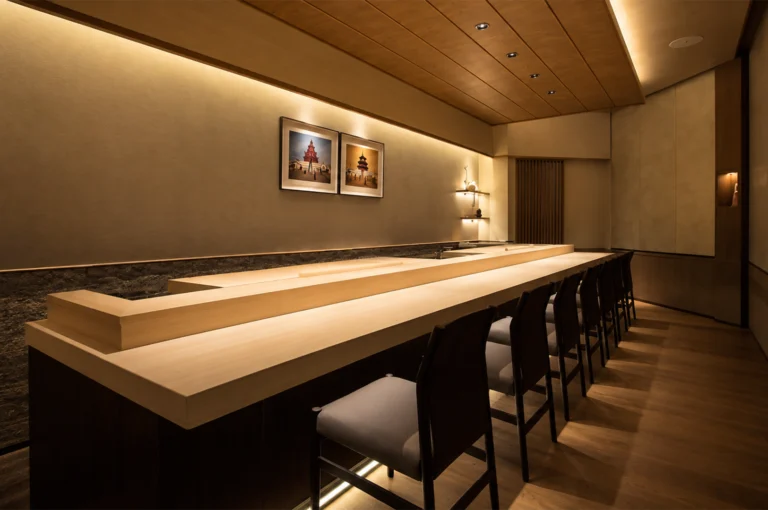
Sushi Ichi: Intimate, with only one seating per service. The chefs are conversational, explaining each course. The cozy setting feels modern and personal. Guests can also enjoy a curated selection of premium sake to complement their meal.
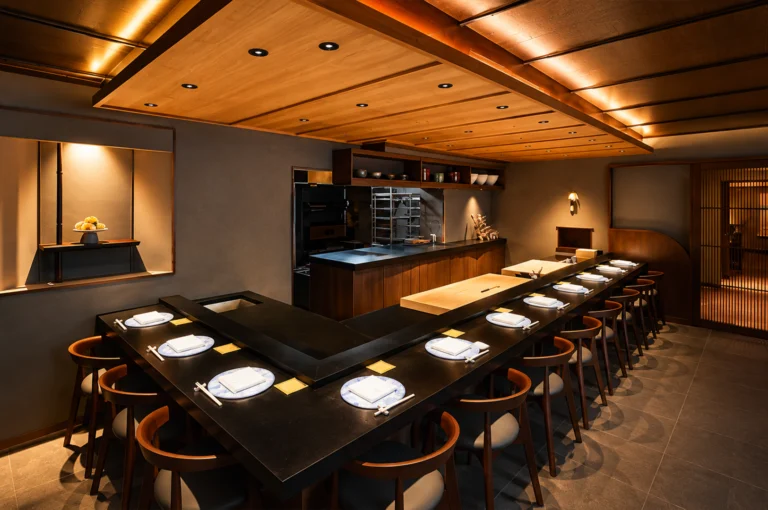
Shinji: Elegant and formal, especially at the Carlton Hotel. Grand hinoki counters and quiet reverence make the dining experience feel like watching a performance. An extensive sake menu is available, offering quality pairings for an authentic Japanese dining experience.
Verdict: Sushi Ichi is perfect for interactive meals; Shinji suits formal, ceremonial occasions.
Portion Size, Satisfaction, and Overall Dining Experience
Both restaurants serve ample omakase menus with multiple courses — sashimi, nigiri, maki, soup, and dessert. Traditionally, green tea is served at the end of the meal or with dessert, complementing the courses and enhancing the authentic Japanese dining experience.
- Shinji: Slightly larger cuts of fish and more substantial nigiri sushi, especially tuna belly and sea bream.
- Sushi Ichi: More variety, with a balance of cooked, fried, and fresh seafood dishes, plus creative appetisers.
Verdict: For bigger bites, choose Shinji; for variety, choose Sushi Ichi.
Prestige and Pedigree: Michelin Stars and the Michelin Guide
Both restaurants have earned the trust of Michelin inspectors:
- Sushi Ichi: Holds a star for its creativity, intimacy, and focus on seasonal fish.
- Shinji by Kanesaka: Recognized for textbook execution, tradition, and mastery, consistently praised in the Michelin guide.
Verdict: Both boast the prestigious Michelin star award, a symbol of international culinary excellence and credibility. Diners seeking creativity lean towards Sushi Ichi, while purists favor Shinji. on just the fish or just the rice is like appreciating only a bit of the sushi, rather than experiencing the harmonious whole intended by the chef.
Who Should Dine Where? Choosing Between Restaurants in Singapore
Choose Ginza Sushi Ichi if:
You want an intimate, interactive dining experience.
You enjoy creative hot dishes and indulgent items like abalone liver sauce.
You prefer a single-seating, boutique-style Japanese restaurant.
Choose Shinji by Kanesaka if:
You value tradition and pure nigiri sushi.
You want one of the benchmark restaurants in Singapore for Edomae sushi.
You appreciate a grand, reverent setting for a formal occasion.
Conclusion: The Final Verdict on Ginza Sushi Ichi vs Shinji
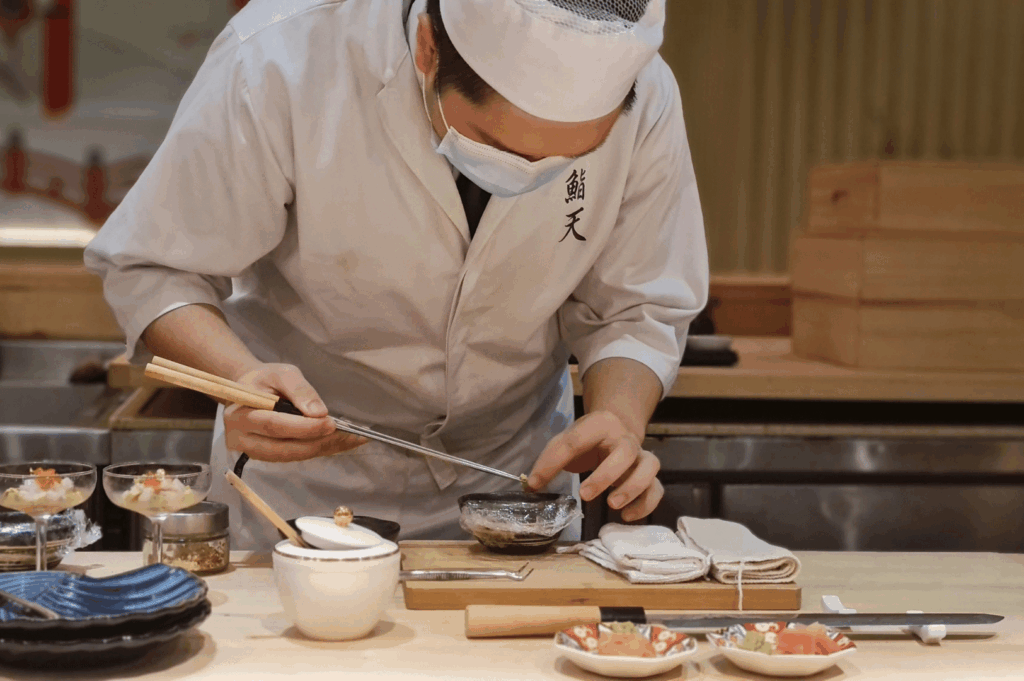
When it comes to ginza sushi ichi vs shinji, there’s no absolute winner — only the right match for your preferences.
- For adventurous diners who enjoy interaction, variety, and seasonal ingredients, Sushi Ichi is worth the premium.
- For purists seeking perfection in nigiri sushi, especially the legendary cuts of tuna belly, Shinji by Kanesaka is unmatched.
If it’s your first step into luxury omakase restaurants, Shinji’s lunch omakase offers outstanding value. For a grand, unforgettable dinner omakase, Sushi Ichi excels with creativity and intimacy. Ultimately, both are world-class restaurants in Singapore that justify their Michelin stars. The best choice is the one that matches your style — whether you want to be surprised by artistry at Sushi Ichi, or awed by tradition at Shinji by Kanesaka.
For a wider perspective on omakase as a dining culture in Singapore, The Ultimate Guide to Omakase in Singapore steps back to map the landscape, while 3 Best Omakase Singapore Places Beyond the Obvious Names (2025 Edition) narrows the focus to distinct counters that reward those seeking something more specific and personal.