A Taste of History: From Tradition to Singapore Japanese Fusion
Singapore’s culinary identity has always been shaped by diversity, and Japanese cuisine quickly became part of its story. Decades ago, the first restaurants catered mostly to expatriates, serving traditional miso soup, simmered dishes, stir fried noodles, soy sauce–based broths, tofu, and seafood imported directly from Japan.
Over time, Singaporeans became more adventurous, traveling widely and developing a love for Japanese food. The next wave of chefs—some trained in Tokyo, others under Japanese masters—brought not just heritage recipes but also a deep understanding of local Singaporean food culture. These chefs learned to cook both traditional Japanese and local Malay dishes, adapting their cooking techniques to blend authentic flavors and create innovative recipes.
With this knowledge, they began asking a powerful question: What if Japanese cooking techniques met the flavors of Singapore? Their experiments paved the way for today’s vibrant Singapore Japanese fusion. Hawker centres, known for serving Malay dishes and other dishes, became important sources of inspiration for fusion chefs seeking to combine diverse culinary traditions.
The Local Pantry: From Soy Sauce to Sesame Oil
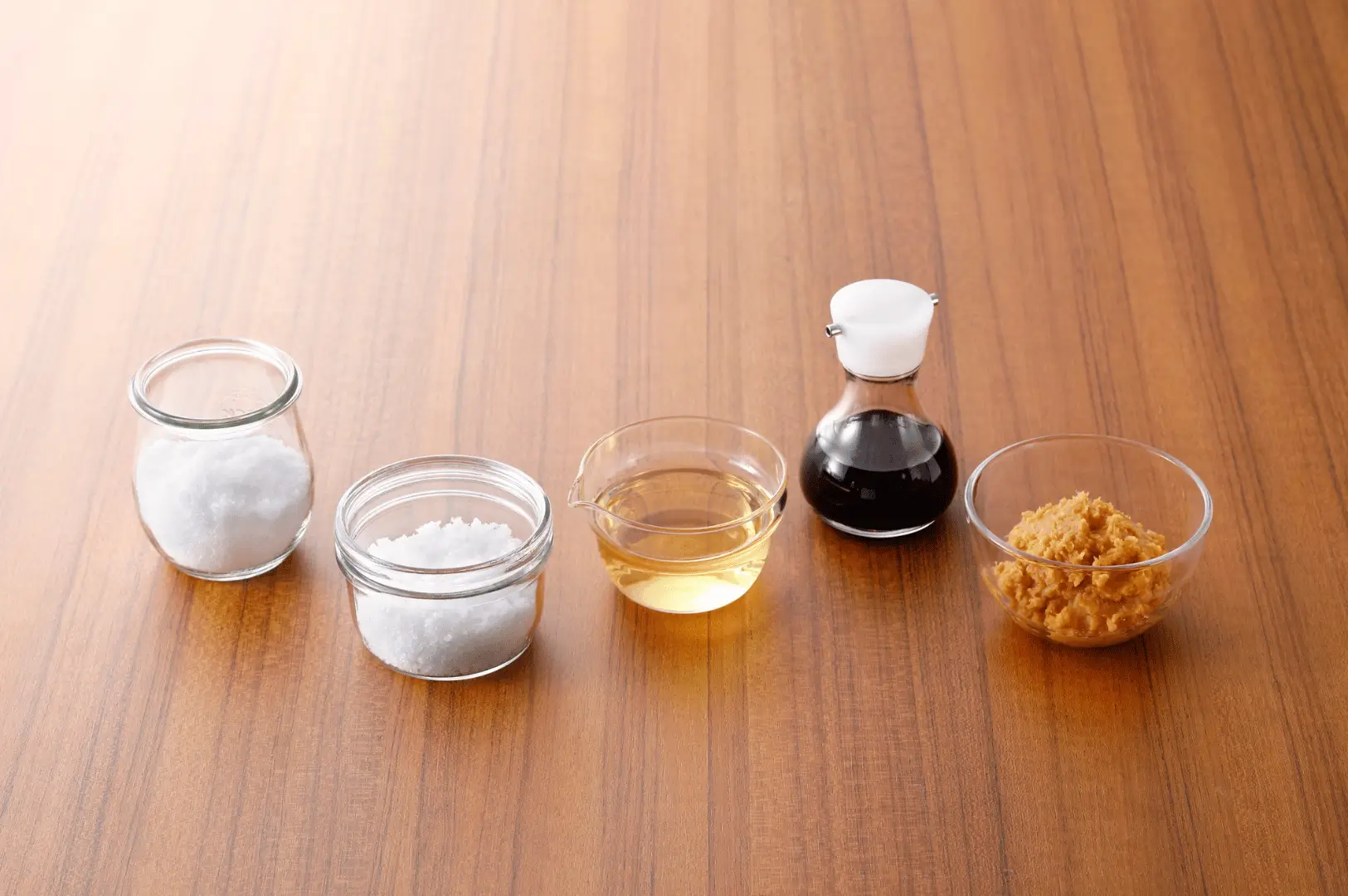
The secret to this fusion lies in carefully chosen ingredients. Japanese cooking emphasizes precision, seasonality, and respect for the main ingredient, values that also resonate in Singapore’s kitchens. In many dishes, other ingredients from both Japanese and Southeast Asian traditions are combined, resulting in a unique mixture of flavors that highlights the best of both culinary worlds.
Herbs and Spices
Laksa leaves, torch ginger flower, pandan, and even curry spices are blended into soups, sauces, salads, and even sushi rice. Their aromas create layers of taste instantly recognizable to local taste buds.
Seafood
While premium Japanese fish remain prized, chefs also feature Singapore’s own treasures: grouper, flower crab, and red snapper. Prepared with soy sauce, sesame oil, chicken broth, dashi, black pepper, and sometimes even shrimp paste, these dishes honor both terroirs.
Fruits and Vegetables
Tropical seasonal fruits like calamansi, mangosteen, and jackfruit are appearing in sauces, steamed mixtures, simmered dishes, baked goods, and even salads. Local vegetables such as wing beans, bitter gourd, and chayote are reimagined as deep fried potato starch tempura or tossed into stir fried noodles.
Pantry Staples
Classic Japanese sauces like awase miso, hon mirin, soy sauce, sesame oil, sugar, wheat flour, buckwheat flour, and potato starch meet Southeast Asian essentials such as coconut milk, white pepper, black pepper, shrimp paste, and char kway teow noodles. The result is a marriage of flavor and technique that feels both surprising and inevitable.
Japanese Noodles and Rice: Staples Reimagined
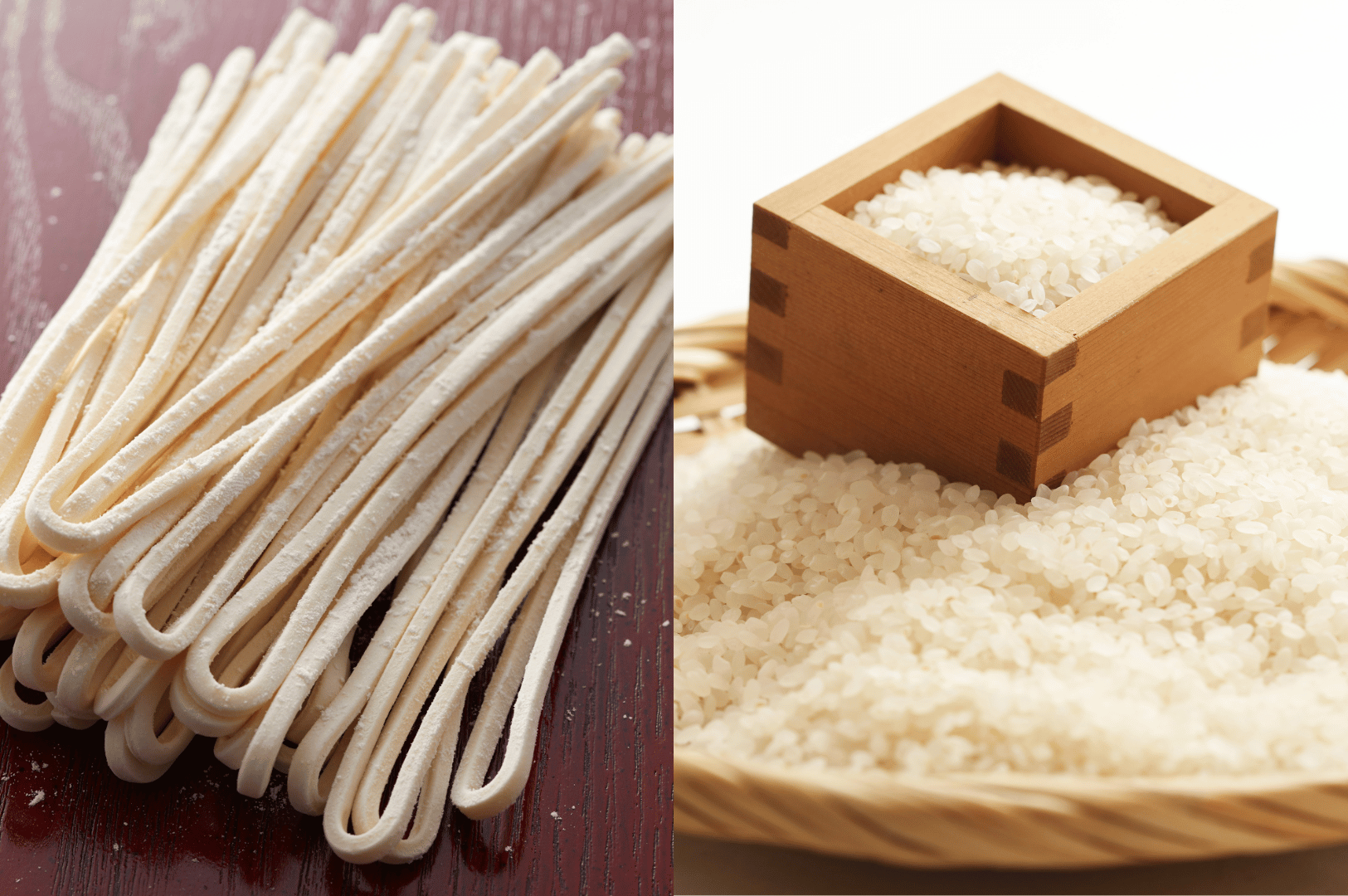
Noodles and rice are the heart of Japanese cuisine, and in Singapore, these staples have been transformed in creative and delicious ways. Stir fried noodles, whether made from wheat flour or buckwheat flour, are a testament to the adaptability of Japanese cooking. Dishes like yakisoba and soba are reinterpreted with local twists—think stir fried noodles tossed with soy sauce, sesame oil, and a generous sprinkle of green onions, creating a dish that bursts with flavor and aroma. Japanese rice, prized for its texture and subtle sweetness, forms the base of many dishes, from sushi to curry. The addition of sauces, such as a savory soy sauce reduction or a fragrant sesame oil drizzle, elevates the taste of both noodles and rice, making them the star of many dishes.
Chefs Leading the Way: From Char Kway Teow to Fine Dining
Chef-Owner LG Han of Labyrinth
At his Michelin-starred restaurant, Chef Han blends Japanese techniques with Singaporean heritage recipes. A broth made with local seafood, dashi, soy sauce, sesame oil, chicken, and herbs might echo the flavors of both miso soup and a hawker seafood soup.
Esora Restaurant
Esora interprets Japanese kappo dining through a Singaporean lens. Imagine Hokkaido uni paired with a delicate sauce scented with torch ginger, or a custard of egg yolk, soy sauce, mirin, sugar, sesame oil, coconut milk, and local citrus. Their menu balances Japanese elegance with tropical soul.
The Masses
A casual favorite, The Masses takes inspiration from both French and Japanese cooking. Think char kway teow–inspired stir fried noodles with soy sauce, sesame oil, and black pepper, or cured mackerel brightened by calamansi. Proof that fusion food can be playful without losing depth.
Signature Plates: Black Pepper Meets Sushi Rice
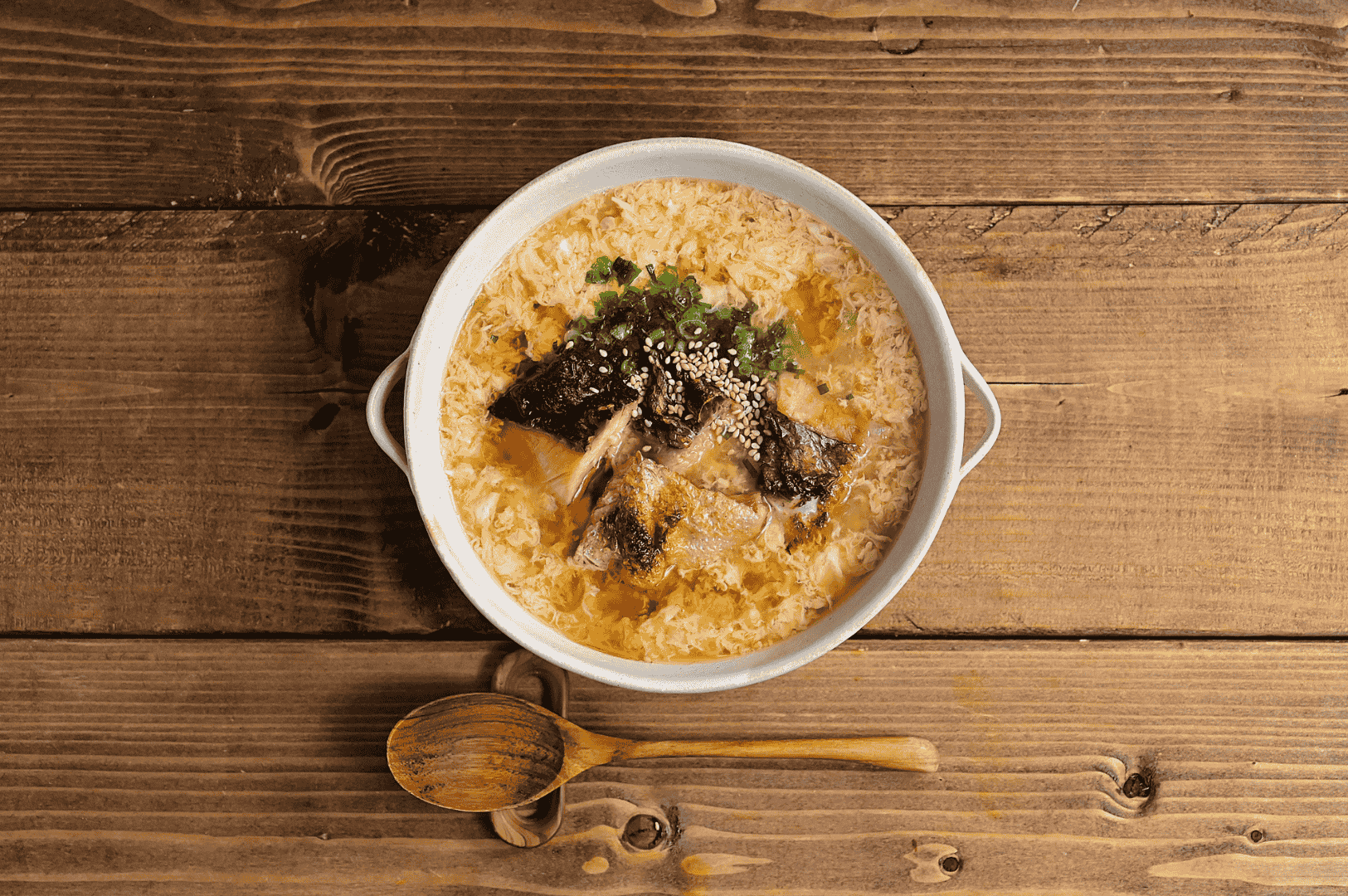
The success of this movement is best tasted in signature dishes that showcase balance, creativity, and respect for both cuisines.
- Laksa Leaf Chawanmushi – A silky steamed egg custard enriched with laksa leaf, soy sauce, sesame oil, chicken broth, salt, and dashi.
- Hae Bee Hiam Maki Roll – A maki roll with shrimp paste sambal, sushi rice, vegetables, egg, potato starch crunch, and a dusting of black pepper.
- Torch Ginger Ponzu – A reimagined dipping sauce of soy sauce, hon mirin, dashi, calamansi juice, and torch ginger flower, perfect with fish or beef.
- Pandan Tamago – The classic layered egg omelet infused with pandan, soy sauce, sugar, mirin, sesame oil, and a hint of sweet coconut milk. The omelet is slightly sweeter due to the use of mirin and coconut milk.
These dishes are typically served hot or cold depending on the recipe, often accompanied by traditional garnishes or dipping sauces, and presented in a style that highlights both Japanese and Southeast Asian influences.
Technique Meets Terroir: From Potato Starch to Kway Teow
What makes this fusion exciting is not just swapping ingredients but applying Japanese cooking techniques to Singapore’s pantry.
Stir Fried Noodles: Whether made from buckwheat flour soba or kway teow stir fried with soy sauce, sesame oil, seafood, chicken, beef, egg, black pepper, and white pepper, the harmony of wok hei and Japanese precision is irresistible..
Fermentation: Local papaya or wing beans transformed into pickles, echoing Japanese tsukemono.
Simmered Dishes: Chicken broth, pork belly, soy sauce, sesame oil, sugar, salt, dashi, egg yolk, herbs, and vegetables slowly cooked for depth of taste. When making dashi for these dishes, using traditional methods can increase prep time, while dashi packets or powder offer a shortcut that significantly reduces prep time and simplifies the process.
Deep Fried: Using potato starch for a light, crisp coating that turns golden brown when fried.
Dining Experience: Savoring Fusion at the Table
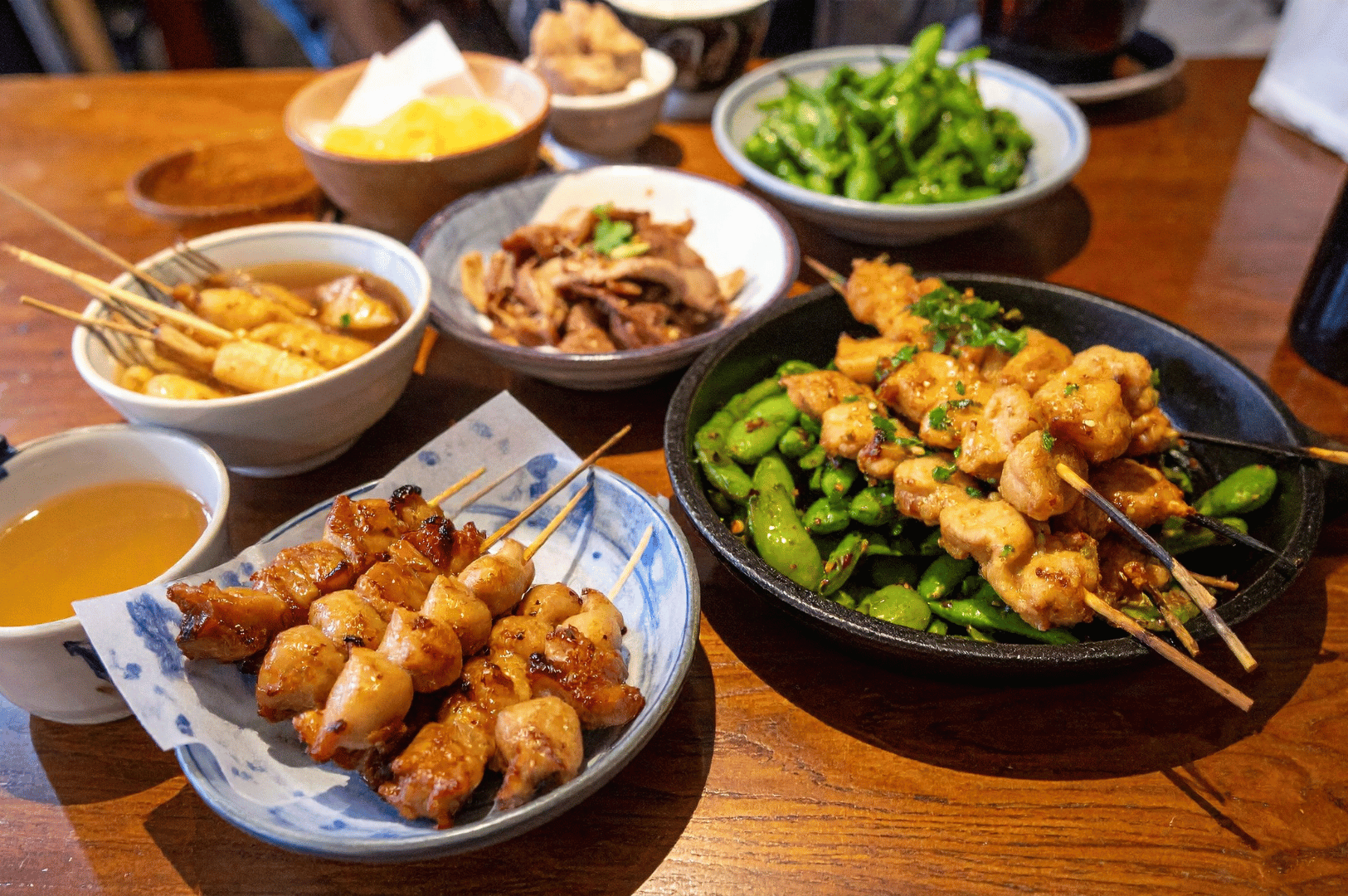
Dining in Japan is an immersive experience, where every detail—from the welcoming atmosphere to the artful presentation—reflects the spirit of omotenashi, or heartfelt hospitality. This tradition of care and attention has found new expression in Singapore, where Japanese cuisine meets the bold flavors of Southeast Asia.
Dishes like char kway teow, a beloved Malay dish, are reimagined with Japanese flair, blending the richness of coconut milk and the umami punch of shrimp paste with classic Japanese techniques. The result is a menu that excites the taste buds and invites diners to explore new flavor combinations.
The fusion of Japanese and Chinese influences, along with the use of curry spices and fresh local ingredients, creates a dining experience that is both familiar and refreshingly novel. Each dish is thoughtfully plated, with garnishes and colors that make every meal a feast for the senses, turning dinner into a celebration of culinary creativity.
Finding Balance: Soy Sauce Authenticity, Char Kway Teow Innovation
For the chefs leading this charge, the goal is not gimmickry. They respect Japanese food traditions while exploring how they can naturally meet Singapore’s. A popular dish like char kway teow stir fried with soy sauce, sesame oil, and black pepper may sit comfortably beside a delicate simmered dish of tofu, vegetables, dashi, and chicken broth.
The balance is key: honoring authenticity while embracing innovation. Diners get the best of both worlds—comfort and surprise in a single meal.
Fusion meals often bring together multiple components from both Japanese and Singaporean traditions, creating complete meals that showcase a harmonious combination and presentation of flavors and elements from each cuisine.
Preservation of Cultural Heritage: Honoring Roots Amidst Change
As Japanese cuisine continues to evolve in Singapore, there remains a deep commitment to preserving its cultural heritage. Chefs honor the past by using time-honored recipes, such as awase miso and dashi, and by showcasing seasonal fruits and ingredients that reflect the rhythms of nature.
Heritage recipes are lovingly adapted, ensuring that the essence of Japanese cooking—its respect for balance, simplicity, and seasonality—remains intact. Traditional techniques like simmering and steaming are passed down through generations, preserving the unique textures and flavors that define classic Japanese dishes.
Even as new influences and ingredients are woven into the culinary landscape, the heart of Japanese cuisine endures, offering a taste of history in every bite. This dedication to authenticity ensures that, amidst innovation and change, the soul of Japanese food continues to thrive, connecting diners to a rich and storied legacy.
The Future: Kway Teow, Sesame Oil, and Beyond
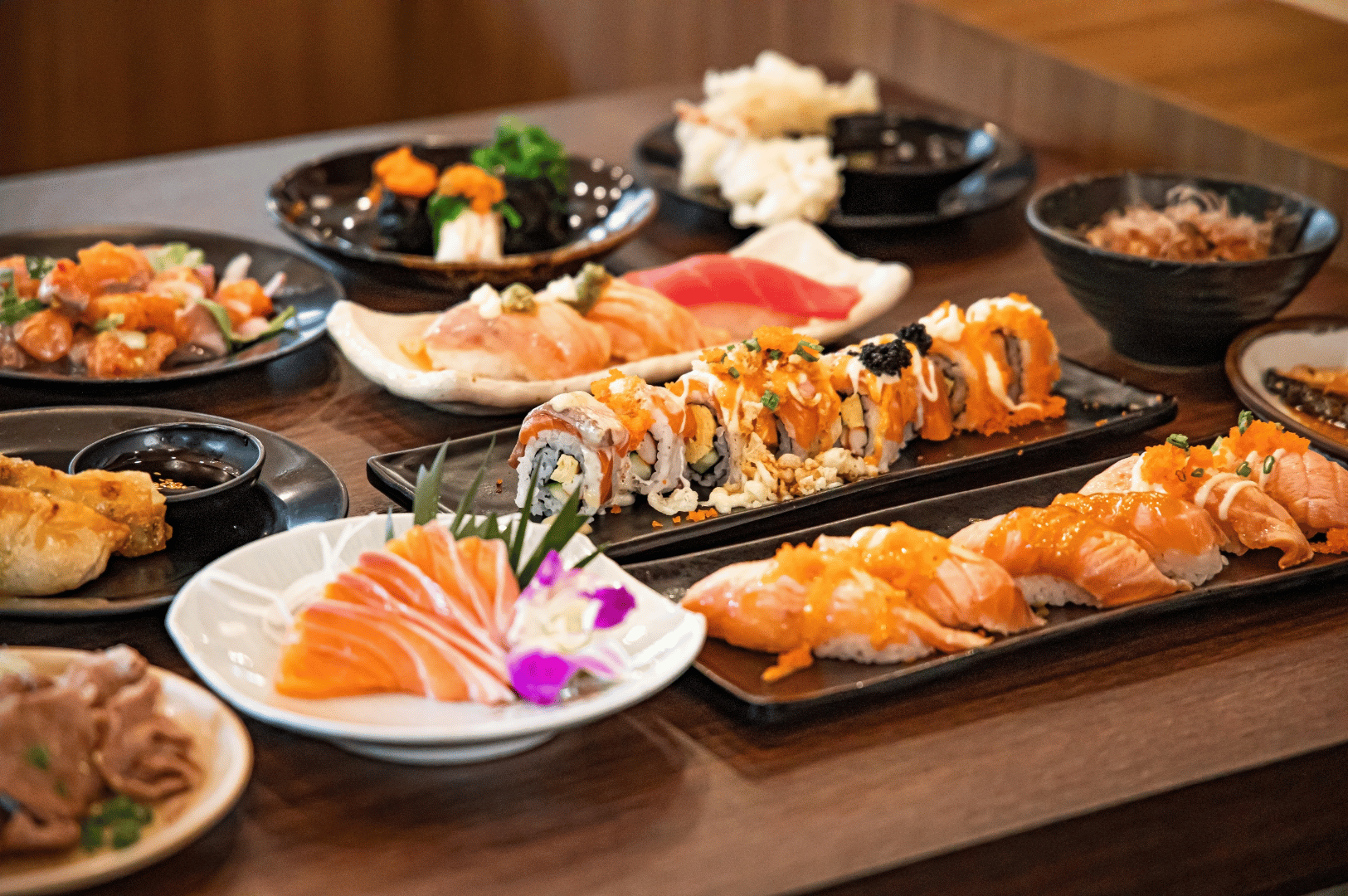
As sustainability becomes central to dining, more restaurants are sourcing fresh seafood, vegetables, rice, noodles, meat, chicken, and eggs directly from local farms and fisheries. The trend of Singapore Japanese fusion is set to grow, incorporating forgotten heritage recipes, seasonal fruits, sauces, black pepper broths, sesame oil marinades, soy sauce reductions, and even deep fried potato starch snacks.
Each new restaurant or hawker stall serves its own unique take on Singapore Japanese fusion, offering creative combinations and signature dishes that reflect their individual approach to this evolving cuisine.
Expect to see new dishes where kway teow stir fried with soy sauce meets Japanese grilling, or baked goods where sesame oil and egg yolk bring richness. purists favor Shinji. on just the fish or just the rice is like appreciating only a bit of the sushi, rather than experiencing the harmonious whole intended by the chef.
Your Invitation to a Singapore Japanese Fusion Adventure
The marriage of Japanese cuisine and Singaporean food is more than a passing trend—it’s a cultural dialogue told through recipes, sauces, seafood, noodles, rice, meat, vegetables, soups, simmered dishes, stir fried noodles, steamed eggs, and baked goods.
The next time you dine out in Singapore, look for restaurants where soy sauce, sesame oil, potato starch, black pepper, char kway teow, and kway teow stir fried noodles appear alongside Japanese techniques. You’ll discover a menu where many dishes feel both comforting and thrillingly new.
If you’re inspired, try making your own Singapore Japanese fusion recipe at home, or search for recipes that blend the best of both cuisines.
This is the story of fusion food done right—where respect for tradition meets the boldness of innovation.
To dive deeper into Japanese dining culture, explore the omakase experience from start to finish or take a closer look at the value comparison between Ginza Sushi Ichi and Shinji.