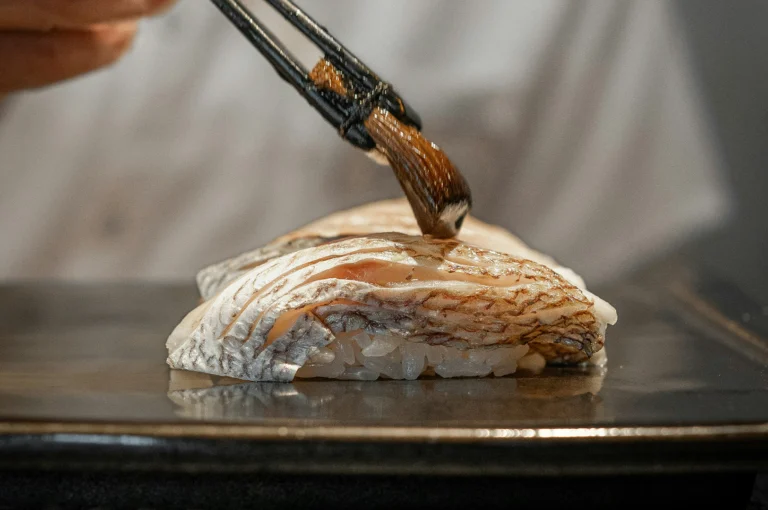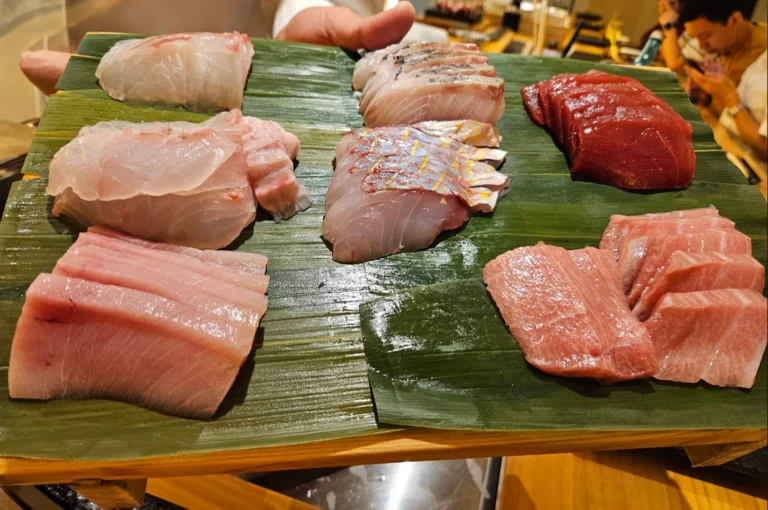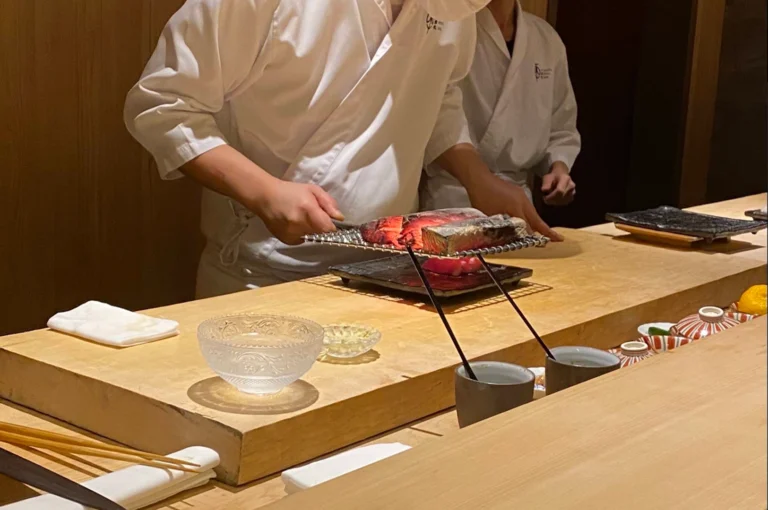
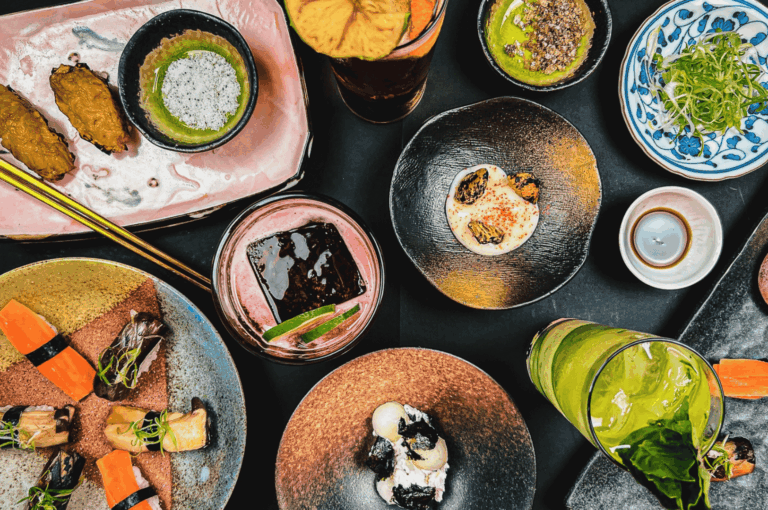
The word omakase conjures images of a master sushi chef, a gleaming hinoki wood counter, and course after course of pristine, glistening fish. It’s a culinary experience built on the pillars of tradition, trust, and the treasures of the sea. But what happens when you remove the sea from the equation? In Singapore, a city celebrated for its innovation and diverse food culture, a new dining movement is answering that question deliciously: vegetarian omakaseSingapore.
This isn’t about simple vegetable tempura or avocado maki. This is a complete reimagining of the omakase experience, where vegetables, tofu, fruits, and mushrooms take center stage. Chefs are merging traditional Japanese cuisine with sustainability and creativity, showcasing the finest ingredients from the land instead of the sea. The result is a plant-based cuisine that’s elegant, soulful, and deeply satisfying — a dining experience that invites vegetarians and vegans alike to indulge their taste buds in a refined celebration of flavor and craft.
From Ocean to Earth: The Philosophy Behind Vegan Japanese Food
At its heart, omakase means “I leave it up to you.” It’s about surrendering control to the chef, trusting them to create a meal from the freshest seasonal ingredients. This philosophy aligns perfectly with the spirit of vegan Japanese food, where simplicity meets artistry.
The Japanese concept of shun (旬), which celebrates produce at its seasonal peak, applies just as beautifully to eggplant, ginger, and japanese rice as it does to seafood. The challenge lies in replicating the umami depth of fish — a task that demands exceptional creativity. Traditional Japanese dishes often rely on egg and eggs for their unique texture and flavor, so chefs in vegetarian omakase creatively use plant-based alternatives or omit them entirely to achieve similar results.
Benefits of Vegetarian Omakase: A Culinary Journey Like No Other
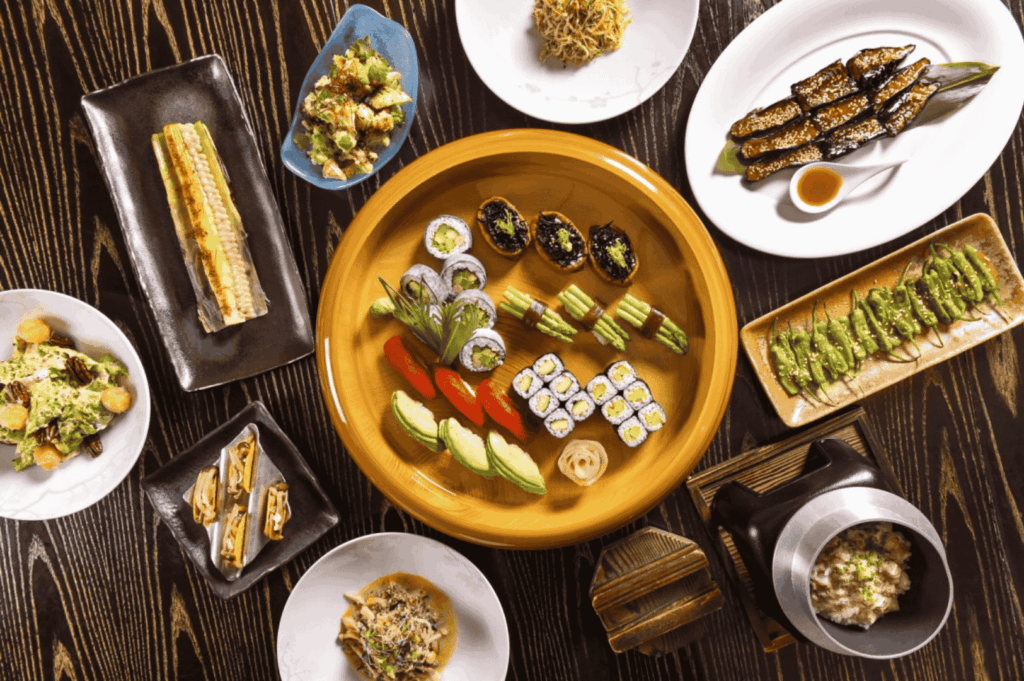
Choosing vegetarian omakase Singapore offers more than just a meal; it’s an immersive dining experience that elevates vegetarian food to the centre stage of fine dining. Restaurants like Ki Su Shoujin Omakase and the iconic Tiffin Room showcase how plant based cuisine can transform humble vegetables into delicious, complex dishes that delight the senses.
One of the greatest benefits is the opportunity to indulge in the finest ingredients, from tender eggplant glazed with sweet soy to perfectly cooked ravioli stuffed with seasonal produce like pumpkin and carrot. Each dish is thoughtfully prepared with a mastery of spices and techniques that bring out the rich flavour and freshness of every element.
For those mindful of their diet, vegetarian omakase provides a satisfying alternative to traditional seafood or meat-based menus without compromising on taste or complexity. The carefully curated menu often includes a variety of courses, from soup to dessert, each designed to surprise and delight guests with unexpected textures and flavours.
Singapore’s Best Vegetarian Food Menu Experiences
The rise of vegetarian omakase Singapore is fueled by restaurants and chefs pushing the limits of what vegetarian options in Japanese cuisine can be. From ki su shoujin omakase to modern spots reinventing the classics, these are the pioneers of plant-based fine dining.
Ippei-An: A Masterclass in Modern Japanese Cuisine
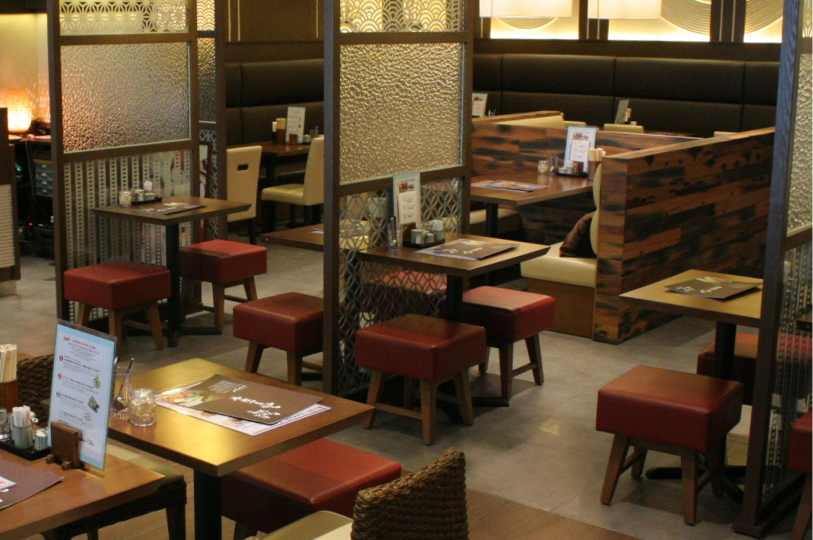
Nestled in a quiet corner of the city, Ippei-An is a haven for those seeking a serene yet exciting dining experience. The thoughtful table arrangement at Ippei-An enhances the ambiance, inviting guests to enjoy their meal around the table in a setting that emphasizes hospitality. Its acclaimed vegetarian menu reinterprets Japanese food with care and creativity. Here, daikon radish might be simmered in a delicate soy broth, achieving the tender richness of slow-cooked fish. Every dish reflects a deep respect for balance, purity, and flavorful minimalism.
Joie Restaurant: Where Vegan Sushi Meets Artistry
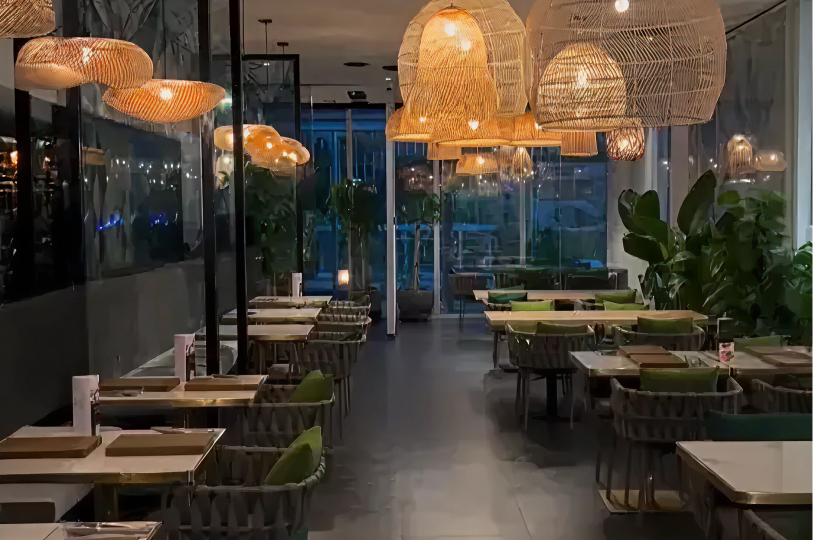
Set atop Orchard Central’s rooftop garden, Joie Restaurant redefines the omakase experience with its multi-course vegetarian feast. Although it’s not a traditional counter, each dish is curated like an omakase course — intricate, seasonal, and visually stunning. Expect inventive vegan sushi, fried rice layered with truffle and mushrooms, and desserts that surprise with natural sweetness. Many of Joie’s creative offerings feature fresh, seasonal veggies as key ingredients, highlighting the flexibility and vibrancy of plant-based Japanese cuisine. Joie offers a vegetarian menu that transforms Japanese cooking into a sensory adventure.
Herbivore Zen: Comforting Classics for Vegans and Vegetarians
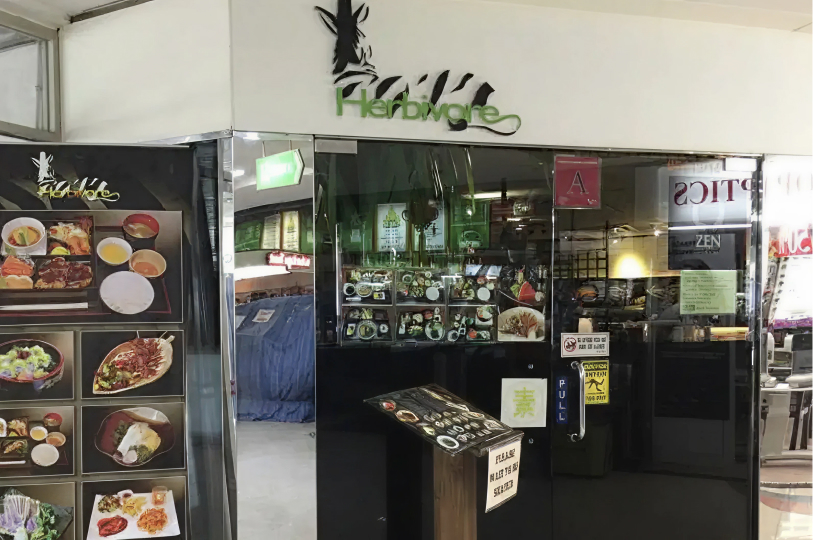
As one of Singapore’s earliest vegan Japanese food destinations, Herbivore Zen offers a bridge between comfort and creativity. Its extensive vegetarian options span sushi, ramen noodles, japanese curry, and even vegan versions of grilled favorites. The variety of meals available ensures there is something for every taste and occasion, whether you are seeking a light lunch, a hearty dinner, or a special dining experience. Each dish is thoughtfully served, combining tofu, vegetables, and miso soup with the heartwarming essence of Japan — a meal perfect for family lunch or elegant dinner.
Ki Su Shoujin Omakase: Mindful Vegan Fine Dining
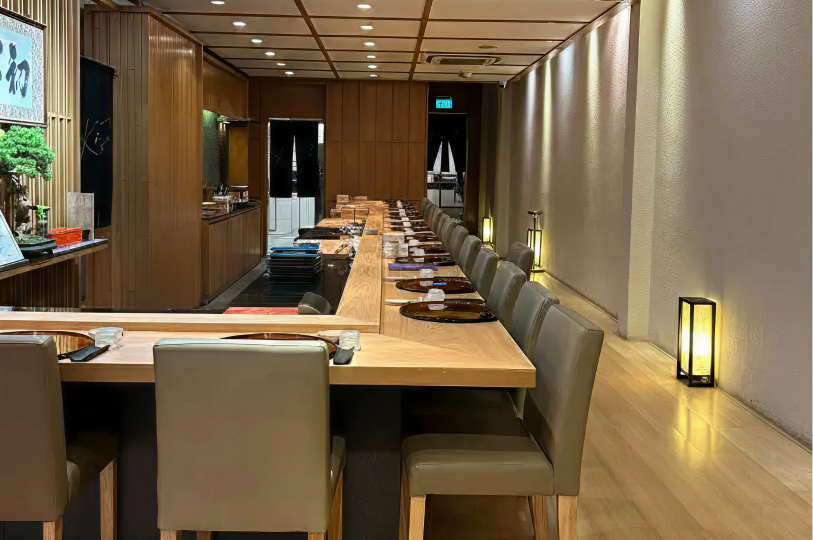
Drawing from ancient Buddhist traditions, ki su shoujin omakase elevates plant-based fine dining to an art form. Each course — from miso soup steeped with aged soy to delicate japanese rice balls (onigiri) — embodies stillness, focus, and balance. Dishes like stuffed tofu ravioli and glazed eggplant reveal how thoughtful Japanese cooking can transform simplicity into luxury. For vegans, this restaurant offers not just a meal, but a meditation.
Beyond Sushi: Creative Twists on Japanese Curry and Fried Rice
Modern vegetarian omakase Singapore menus often expand beyond traditional sushi to include inspired takes on Japanese comfort food.
- Vegan Japanese Curry: Thick, rich, and aromatic, vegan japanese curry replaces meat with root vegetables, mushrooms, and tofu, simmered with spices and soy.
- Fried Rice and Japanese Rice: Skillfully cooked japanese rice becomes the foundation for stunning fried rice creations — sometimes with cheese, sometimes spicy, but always in perfect balance.
- Ramen Noodles: Plant-based ramen noodles in miso soup or creamy broth offer warmth and comfort without compromising depth of flavors.
- Creative Plant-Based Burgers: Some vegetarian omakase menus in Singapore now feature innovative plant-based burgers, crafted with gourmet ingredients and unique flavors for a modern twist.
These additions turn every dining experience into a full feast, inviting vegans, vegetarians, and even omnivores to enjoy the menu without missing seafood or meat.
The Art of Transformation in Plant-Based Cuisine
The brilliance of plant-based cuisine lies in how it transforms humble vegetables into gourmet sensations. Chefs across Singapore use traditional Japanese cooking methods to reinvent familiar forms.
- “Tuna” from Tomato: Marinated in soy and mirin, tomato gains the texture of fresh sashimi.
- “Eel” from Eggplant: Grilled eggplant glazed with sweet soy delivers the luxurious depth of unagi.
- “Scallop” from King Oyster Mushroom: Pan-seared until golden, it achieves a naturally flavorful, meaty bite.
- “Uni” from Corn: Blended with miso and truffle oil for a silky, briny vegan twist.
This creative use of vegetables, fruits, and mushrooms exemplifies how vegan sushi and vegetarian omakase can reach new heights. The memorable flavors and textures tasted in these innovative dishes highlight just how exciting plant-based cuisine can be—encouraging everyone to try them.
Perfect Pairings: Sake, Tea, and the Tiffin Room Experience
A well-paired beverage completes the omakase experience.
- Sake: A crisp Junmai complements earthy vegetables, while a floral Ginjo enhances sweet and spicy dishes.
- Tea: From light sencha to roasted hojicha, tea provides a calming balance to every meal.
- Wine or Mocktails: Bright fruits or subtle ginger infusions add a refreshing counterpoint to soy-based sauces.
Some luxury hotels even offer vegetarian-friendly pairings or Tiffin Room experiences that integrate Japanese cuisine with elegant service — proof that plant-based dining has found its place at the finest tables.
A few vegetarian omakase restaurants in Singapore also extend their offerings to include plant-based breakfast menus or morning omakase experiences, catering to early risers seeking a refined start to their day.
A New Chapter in Japanese Vegetarian Fine Dining
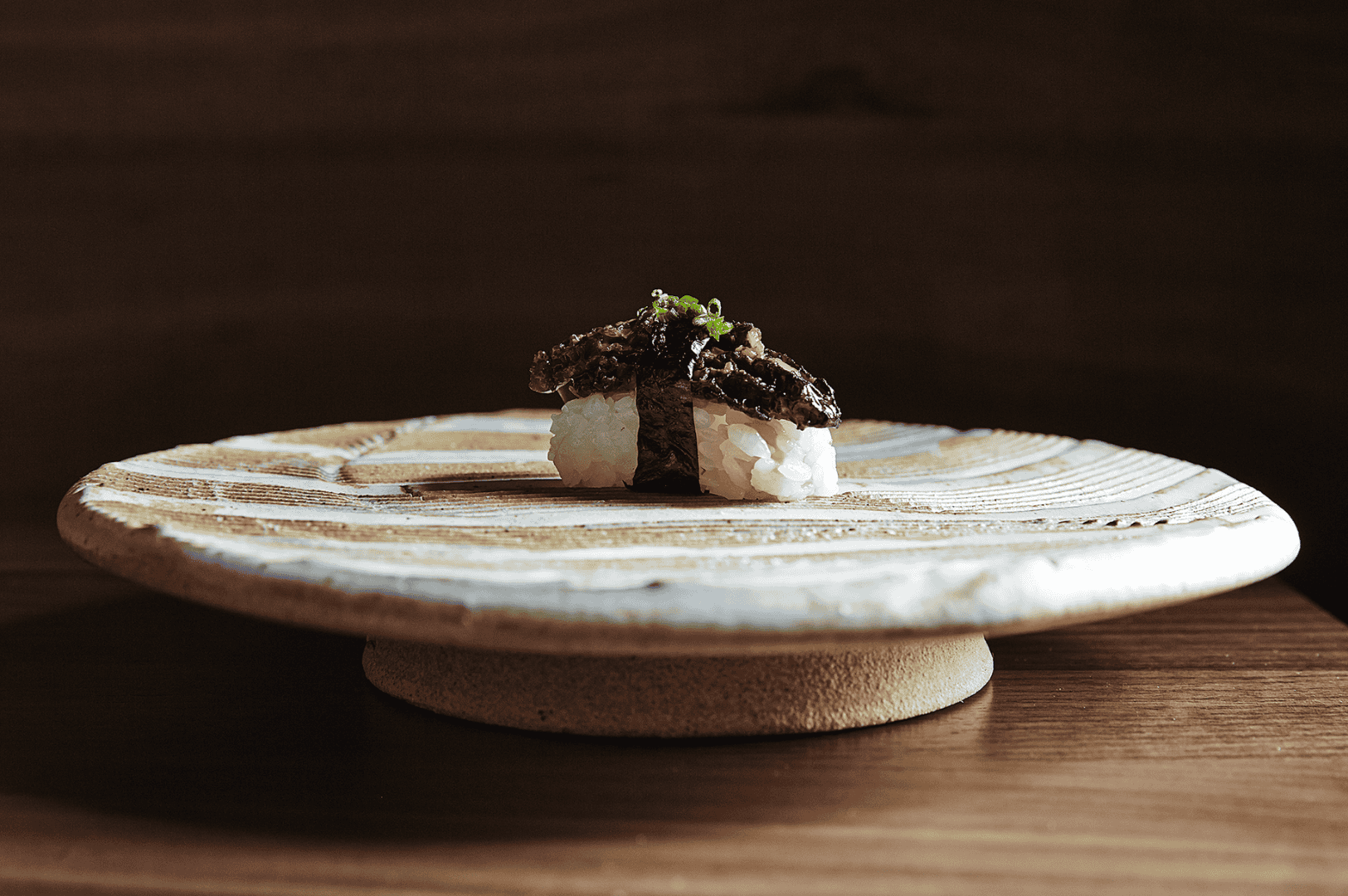
Vegetarian omakase Singapore represents a movement — one rooted in respect for nature, craftsmanship, and mindfulness. It challenges traditional definitions of luxury while remaining deeply connected to Japan’s culinary soul.
Whether you’re a long-time vegan, a curious traveler, or simply someone craving a new culinary adventure, Singapore’s vegetarian options offer more than just food — they offer a story of transformation. From vegan japanese curry to ramen noodles, from delicate miso soup to fried rice, every dish reflects the heart of Japanese cuisine: purity, balance, and beauty.
So next time you search for vegan japanese food or the perfect vegetarian menu to excite your taste buds, take a seat at one of Singapore’s omakase counters. Let the chef guide you. Savor the harmony of vegetables, rice, and sauce. Checking search results can help you discover the most innovative and highly rated vegetarian omakase experiences in Singapore. And discover how plant-based dining is not just a trend — it’s the future of fine Japanese cuisine.
To explore more of this culinary evolution, read about how Japanese traditions are being reimagined with local ingredients or take a closer look at the full omakase journey from start to finish.