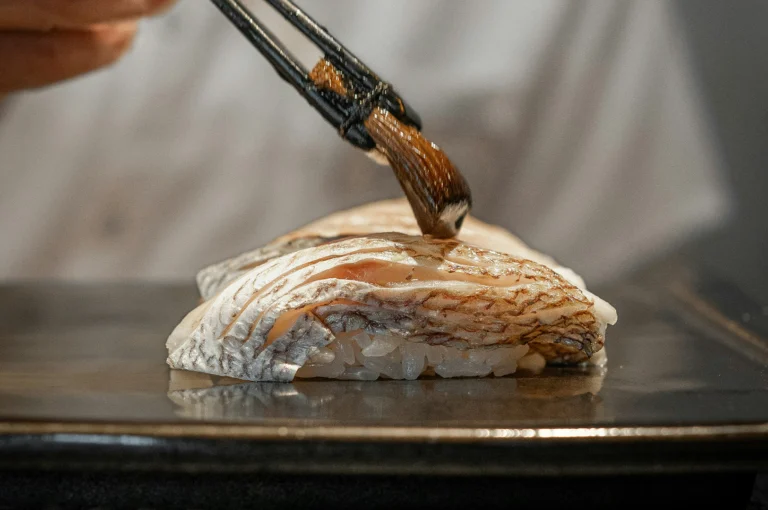
The lights are low. You’re seated at a smooth, pale hinoki wood counter, the air humming with quiet anticipation. The head sushi chef steps forward—poised, calm, and focused. Instead of presenting you with a perfectly formed piece of sushi, they unveil a whole fish—glistening, pristine, a marvel of the sea. Then, with deliberate grace, a long, slender knife is unsheathed. The performance is about to begin, centering on the traditional Japanese art of filleting, where expert techniques are used to break down the fish with precision and respect.
This is omakase performance art—a captivating ritual that transforms dining into theater. Here, sushi making becomes a display of culinary art, precision, and respect. It’s not simply the act of breaking down a fish, but a deeply rooted Japanese tradition that celebrates skill, heritage, and balance. Before the fish becomes sushi, it is a life honored through artistry—a reminder that true craftsmanship is as much about mindfulness as it is about mastery.
Introduction to Premium Omakase
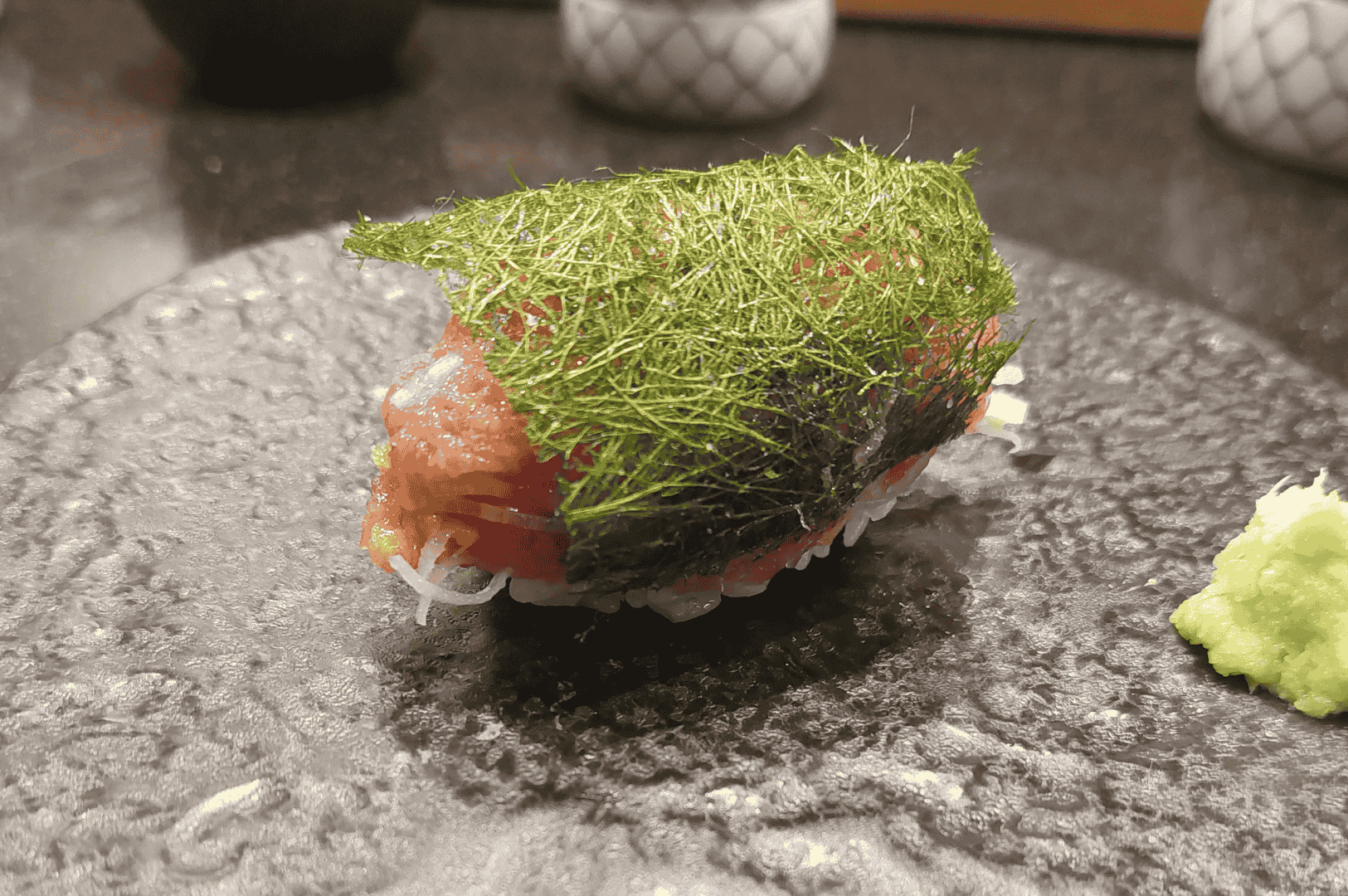
Premium omakase represents the pinnacle of Japanese dining—a celebration of culinary art where every meal is a unique, evolving journey. In these traditional Japanese restaurants, diners are invited to surrender their choices to the head sushi chef, trusting in their expertise to craft a personalized journey menu that highlights the very best of Japanese cuisine.
This evolving approach to omakase is what sets premium restaurants apart. The menu is never static; it changes with the seasons, the chef’s inspiration, and the availability of the finest ingredients.
A Legacy of Skill and Spectacle in Japanese Cuisine
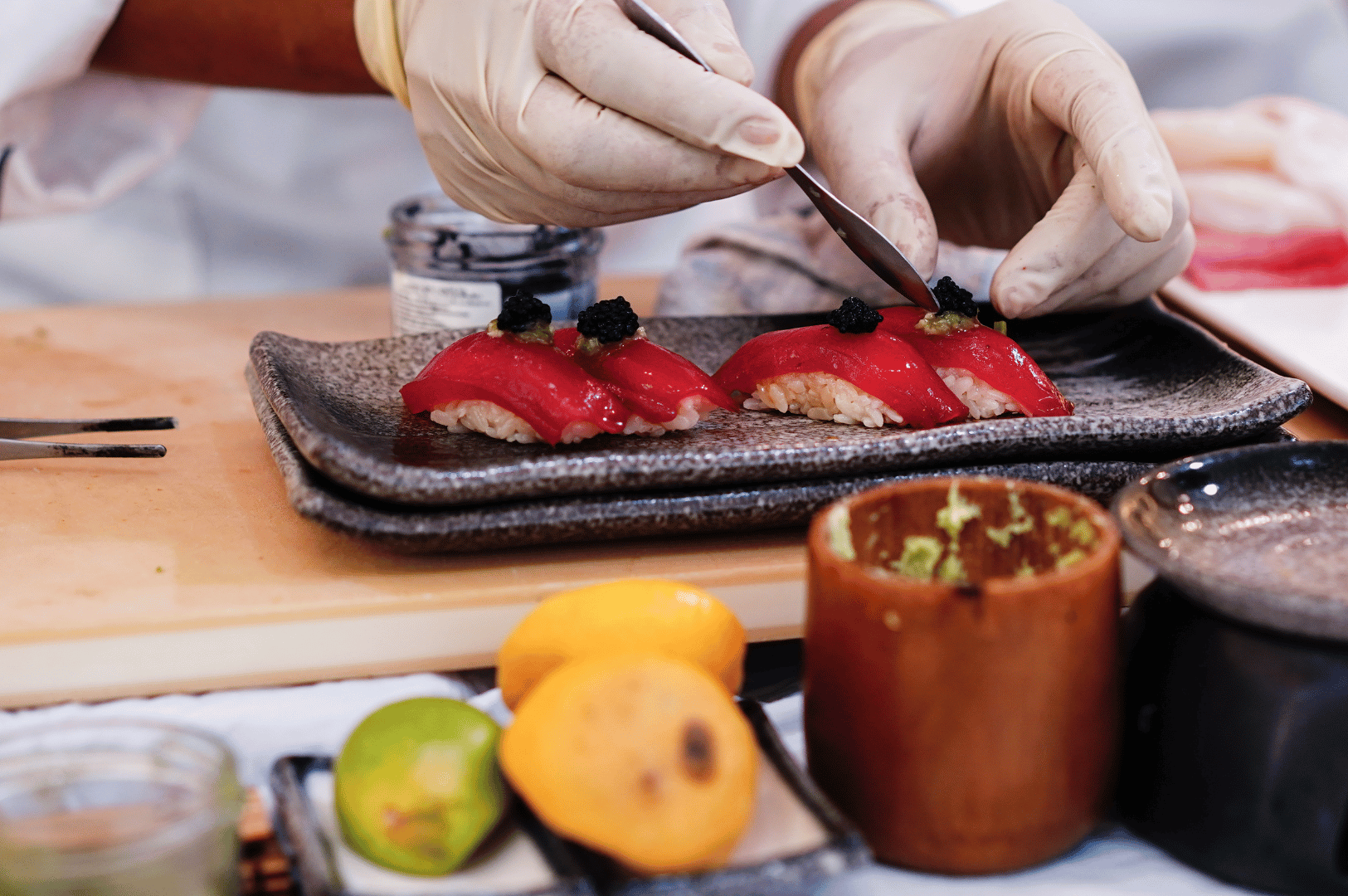
The art of showcasing culinary skill has long been woven into Japanese cuisine. During the Edo period (1603–1868), street food vendors often performed for onlookers—swift, precise movements demonstrating the freshness and quality of their food. These early performances were the ancestors of today’s omakase presentations. The history of these traditions, from their origins in bustling markets to their evolution into refined omakase experiences, highlights the enduring importance of performance and storytelling in Japanese dining.
In modern omakase restaurants, the setting has evolved from lively markets to intimate, hushed counters. The head sushi chef becomes both artist and storyteller, using each movement to demonstrate mastery. Often, the chef is explaining their techniques or the history behind their tools and ingredients to diners, deepening the educational value of the meal.
The Surgeon’s Tools: Sushi Making and the Art of Precision
For sushi chefs, knives are sacred. These tools—known as hocho—are extensions of the hand, honed and maintained with the reverence one might give a samurai sword. Chefs continually hone their skills over years of practice to achieve precision and mastery. Learning the proper use of each knife is essential for anyone aspiring to excel in sushi making, as each blade serves a distinct role, its sharpness and balance vital to the final flavor and texture of the dish.
Deba Bocho: The powerhouse. This thick, wedge-shaped knife tackles the initial breakdown of the fish, slicing cleanly through bones and cartilage. With a rich history in Japanese fish butchery, the Deba knife has long held traditional significance as the first instrument in the chef’s performance.
Yanagiba: The soul of sushi making. Long, sleek, and single-beveled, the yanagiba’s “willow leaf” design allows a single, seamless pull to produce a perfect sashimi or nigiri slice—smooth, glossy, and unbroken.
Usuba: A rectangular blade reserved for vegetables. In the hands of an expert, it turns radish or cucumber into delicate garnishes that enhance the plate’s balance and visual harmony.
Watching a chef switch between these knives is like watching a musician play a symphony—each movement deliberate, every cut in tune with the meal’s rhythm. The artistry lies not just in the tools, but in knowing exactly how and when to use them.
Masters of the Blade: Sushi Chefs as Performers of Omakase Performance Art
In Japan and beyond, certain sushi chefs have become legendary not only for their sushi, but for their hypnotic butchery performances. Their mastery stems from many years of training, discipline, and reverence for traditional Japanese techniques. Reaching the point where a chef is skilled enough to perform at the counter marks a significant milestone in their journey toward becoming an Itamae.
Every cut reflects both skill and humility—qualities central to Japanese culinary art. For these masters, the counter is a stage, and each dish served is a reflection of their lifelong dedication to craft.
The Decade-Long Apprenticeship: The Head Sushi Chef’s Journey
Exploring the journey to becoming a head sushi chef reveals a path that is both demanding and transformative.
The path to becoming a head sushi chef is an evolving journey that demands patience and perseverance. Formal training can span over a decade, with apprentices spending years mastering fundamentals before touching a knife. It is important to assess whether you are suitable for such a rigorous and disciplined path, as it requires unwavering commitment and resilience.
Years 1–3: Apprentices begin with cleaning, rice preparation, and supporting other chefs. Perfecting sushi rice—its texture, temperature, and balance—is essential. This stage builds discipline and respect for the foundational ingredients of Japanese cuisine.
Years 4–7: They progress to preparing vegetables, learning the delicate art of slicing with the usuba, and observing senior chefs handle fish. Observation becomes their education—each sound, each gesture absorbed like a lesson.
Years 8–10: Only after many years are they permitted to handle high-quality fish. By then, every movement is refined, every touch deliberate. Some may even pursue formal certification to mark their progression to the head of the counter.
This long process ensures that by the time a chef performs before customers, they have internalized both skill and philosophy. Their artistry is not just learned—it’s lived.
Big Fish, Big Drama: The Stars of Japanese Cuisine
Certain fish command special reverence in omakase performance art, offering breathtaking displays of precision and power. These prized fish are often the centerpiece of special omakase meals, where their preparation becomes a highlight of the dining experience.
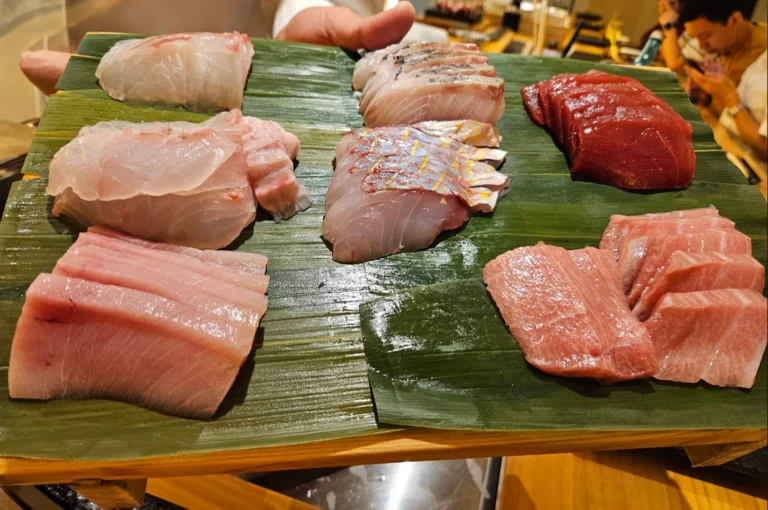
Tuna (Maguro): The ultimate showpiece. Breaking down a massive tuna requires strength, timing, and flawless precision. The chef separates each prized cut—akami, chutoro, otoro—revealing a gradient of color and flavor that defines Japanese sushi tradition.
Flounder (Hirame): This delicate flatfish demands a unique five-piece breakdown, requiring surgical accuracy. Watching a chef extract four perfect fillets is like watching a painter at work.
Horse Mackerel (Aji): Smaller, yet no less intricate. The chef removes tiny pin bones one by one, demonstrating a sense of patience and respect that embodies the essence of Japanese culinary art.
Each performance draws diners deeper into the world of omakase, where mastery meets mindfulness. After the chef’s dramatic preparation, serving the expertly prepared fish directly to diners enhances the personal connection and intimacy of the omakase experience.
Designing the Stage: The Omakase Counter at Yuzu Omakase
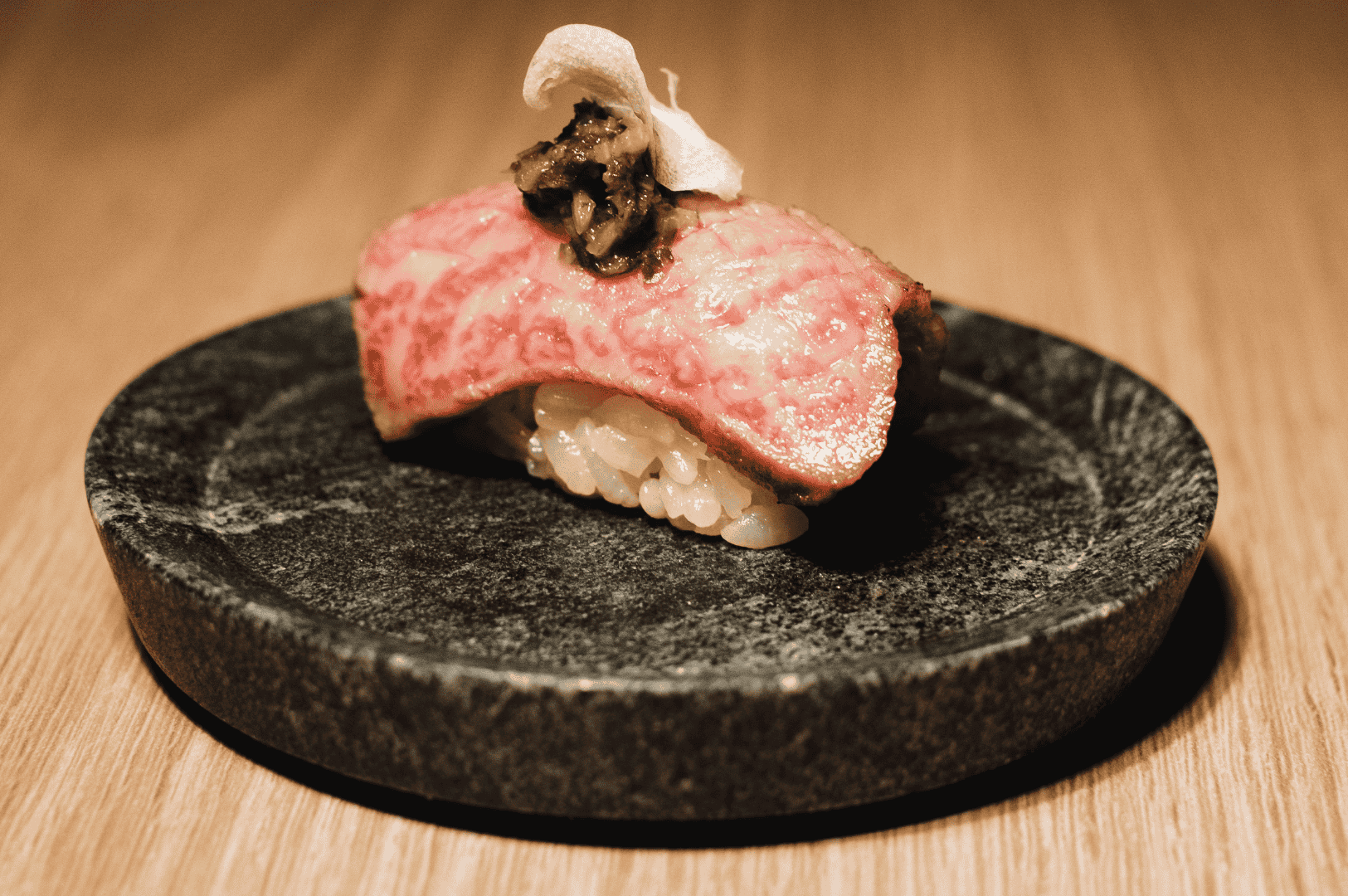
Every omakase restaurant, whether in Tokyo or Yuzu Omakase in Singapore, is designed to cater to this intimate dining experience, blending traditional Japanese aesthetics with modern elegance. The owner’s vision plays a crucial role in shaping this unique atmosphere, ensuring that every detail contributes to a personalized and memorable omakase experience.
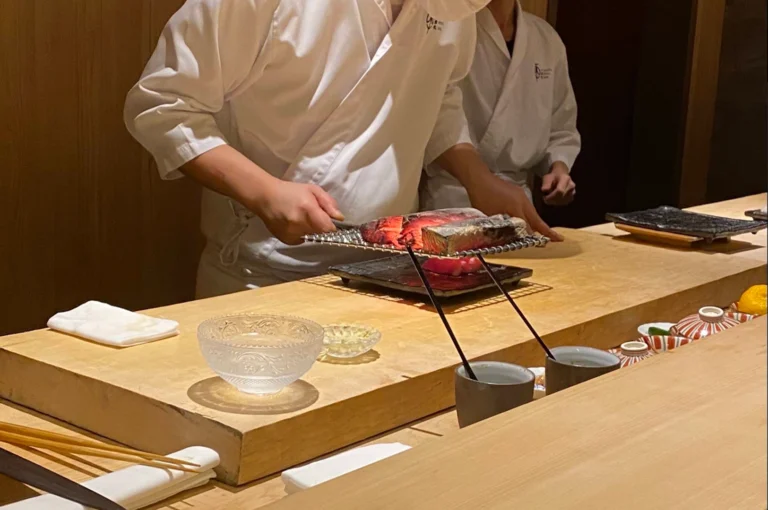
The Counter: Usually crafted from smooth hinoki wood, the table becomes the chef’s stage. It is kept spotless to ensure the ingredients shine, the cutting board free of distraction.
Lighting: Subtle spotlights frame the head sushi chef, while the rest of the room remains softly lit—drawing every guest’s gaze to the unfolding art.
Seating: Guests are seated directly before the chef, allowing them to observe every step of the butchery and sushi making process. The proximity builds a sense of trust and intimacy, deepening the connection between chef and customer.
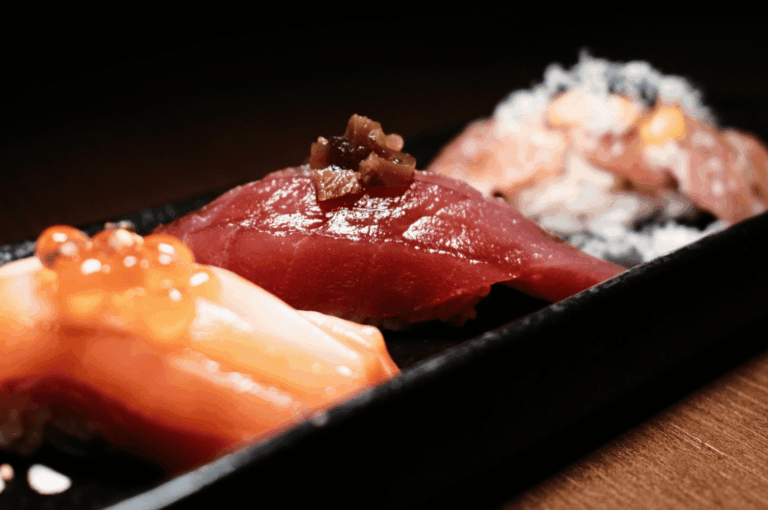
Some restaurants, like Yuzu Omakase, curate their entire journey menu around seasonal ingredients, offering a dining experience that evolves weekly. The result is an immersive culinary performance that merges storytelling and taste. The menu also adapts to new trends in Japanese cuisine and dining, ensuring guests experience the latest innovations and flavors.
The Culinary Experience: Savoring the Performance
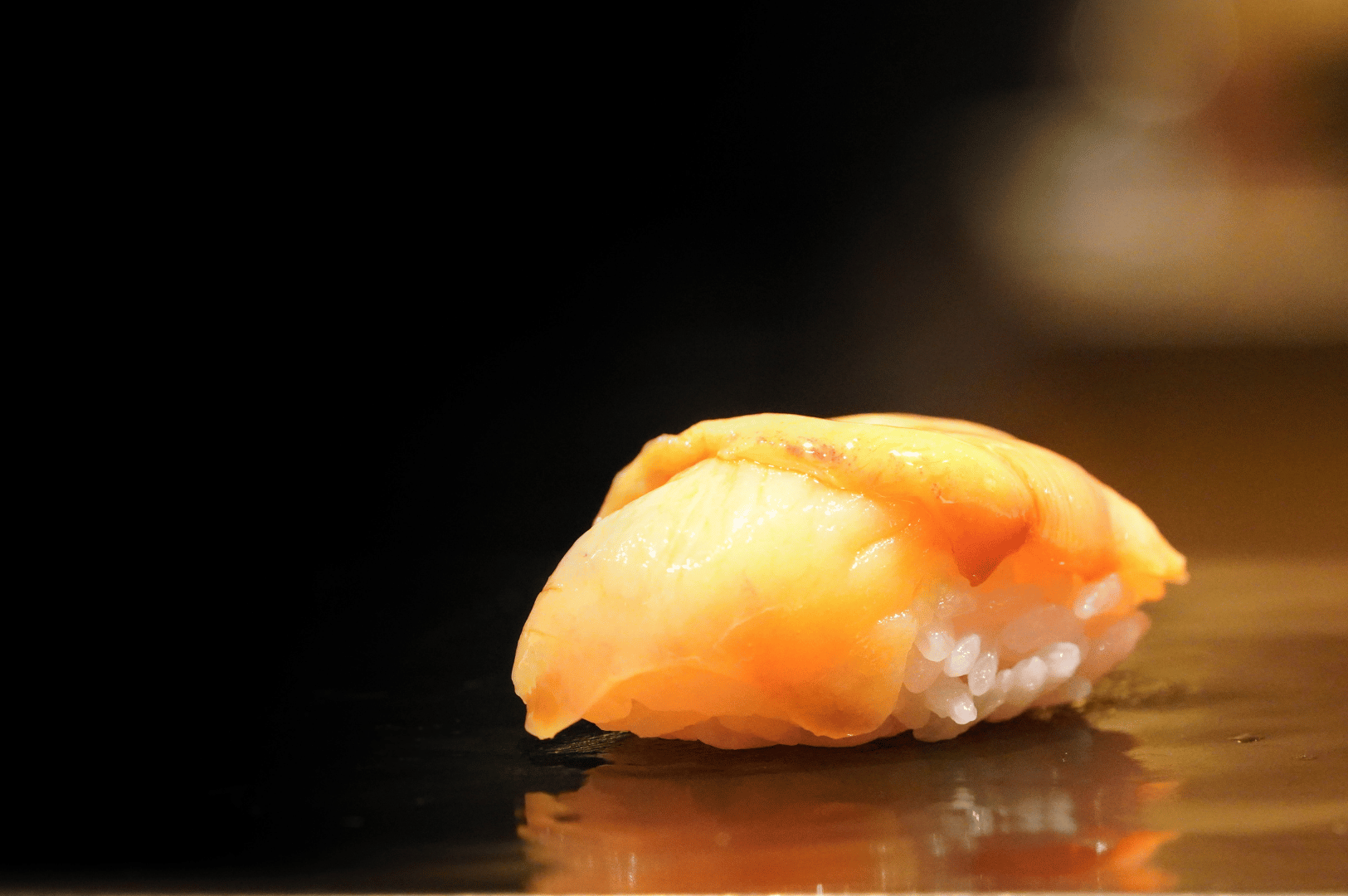
Dining at a premium omakase restaurant is more than just enjoying exquisite food—it’s an immersive performance where culinary art takes center stage. Sushi chefs, renowned for their meticulous skills and deep understanding of Japanese cuisine, transform the act of sushi making into a delicate dance of precision and creativity.
Other chefs and food enthusiasts often marvel at the wonder of omakase—the ever-changing menu, the inventive use of fresh, seasonal ingredients, and the chef’s ability to create harmony in every dish. The tradition of omakase is alive with creativity, blending the old and the new, and offering guests a chance to explore the world of Japanese cuisine in its most refined form. Each meal is a celebration of craft, a testament to the chef’s dedication, and an invitation to savor the fleeting beauty of each moment at the table.
The Zero-Waste Philosophy in Japanese Cuisine
One of the most beautiful lessons in omakase performance art is its commitment to sustainability. The chefs’ zero-waste philosophy ensures that every part of the fish is honored and used.
- The bones and head are simmered into rich broths, creating warming soups served during lunch or dinner.
- The collar (kama) is grilled, offering a flavorful contrast to the delicate sushi courses.
- Leftover scraps are transformed into negitoro rolls or hand rolls, blending fresh tuna with scallions.
- Even the skin may be fried and served as a crispy snack.
This approach is responsible, respectful, and rooted in the tradition of Japanese cuisine, where nothing is wasted and every bite matters. It’s a profound statement about gratitude—toward the sea, the chef, and the meal itself. Writing and sharing the zero-waste philosophy is essential to inspire others in the culinary world to adopt more sustainable practices.
Note: The companies, institutions, or organizations mentioned in this article are not affiliated with Indeed.
Your Invitation to the World of Omakase Performance Art
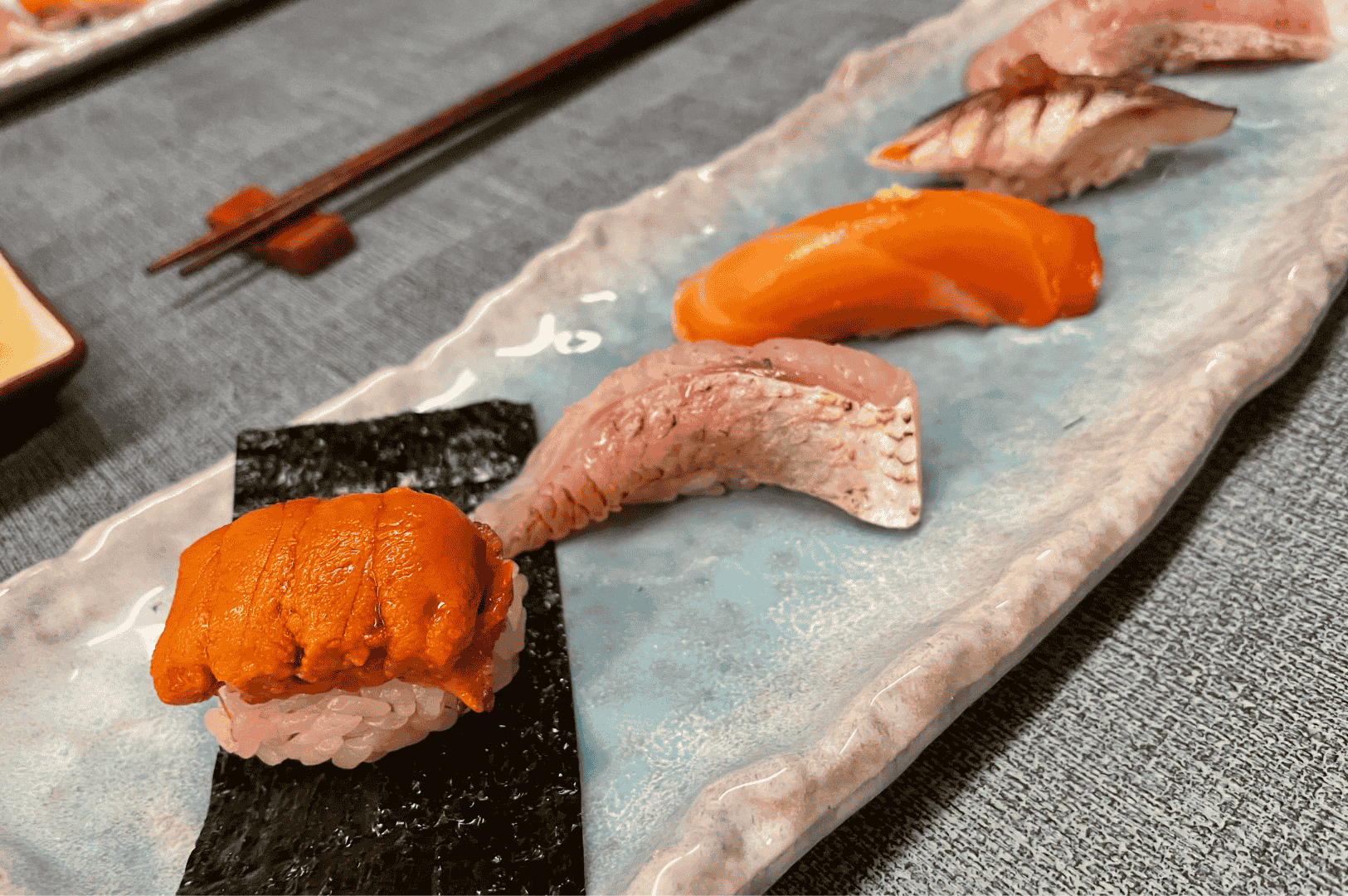
A night at a premium omakase restaurant is more than dinner—it’s a dialogue between chef and diner, a sensory exploration of taste, sound, and artistry. To watch the head sushi chef break down a fish before your eyes is to witness centuries of tradition, training, and cultural craft converge in one breathtaking moment.
So the next time you find yourself watching a chef glide their knife across a gleaming fillet, pause to appreciate the journey behind that single, exquisite bite. You’re not merely eating—you’re part of a centuries-old performance, a living expression of Japanese cuisine that continues to evolve with every generation of sushi chefs.