The word “omakase” paints a vivid image: a focused chef behind a hinoki wood counter, placing a perfect piece of sushi before you with quiet precision. It’s the essence of Japanese cuisine—rooted in discipline, purity, and deep respect for tradition. But as the world of fine dining evolves, a new culinary philosophy has emerged: deconstructed omakase.
The experience begins the moment diners arrive, as they are immersed in a sensory journey—passing through thoughtfully designed spaces and being welcomed by an ambiance that sets the stage for a memorable Japanese dining adventure.
This movement takes the time-honored art of sushi making and reimagines it through the lens of modern Japanese dining. Guided by the same principles of trust, craftsmanship, and seasonal ingredients, these chefs are creating a bridge between the ancient and the avant-garde—offering a fresh take on omakase that is expressive and intellectually engaging.
It’s not about breaking away from the past. It’s about letting tradition breathe in a modern world, much like the rising sun symbolizes both the heritage and the ongoing evolution of Japanese cuisine.
Reinterpreting the Omakase Philosophy in Modern Japanese Dining
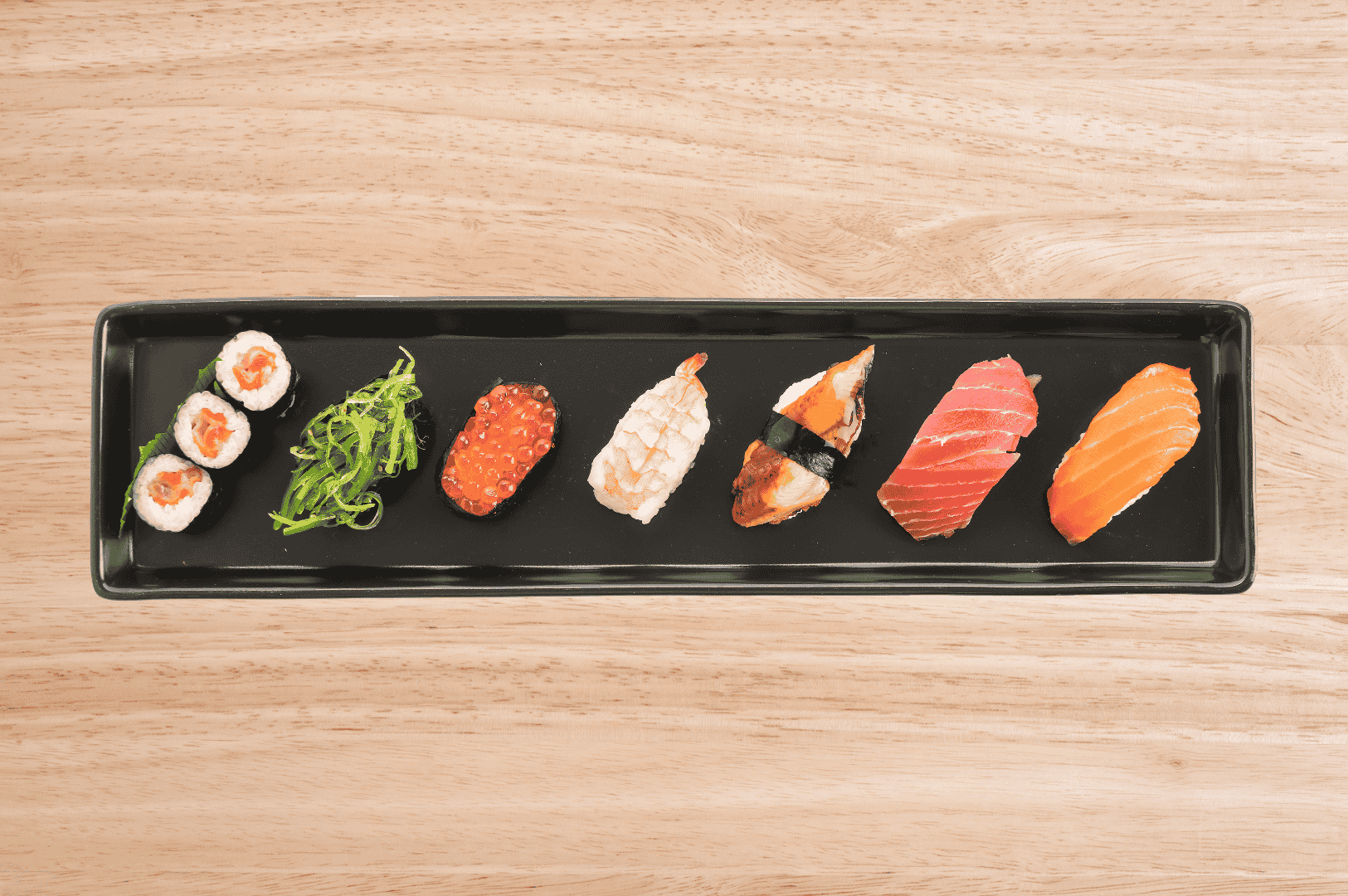
To understand the innovation behind deconstructed omakase, one must first understand what makes omakase sacred. The original form of Japanese fine dining is built upon three guiding principles:
- Shun (旬): Honoring ingredients at their absolute seasonal peak.
- Wabi-Sabi (侘寂): Finding elegance in simplicity, imperfection, and restraint.
- Kaizen (改善): A relentless pursuit of refinement and mastery.
In this new era of modern Japanese restaurants, tradition is not abandoned—it is reframed. The same vinegared rice, the same reverence for perfect balance between tradition and innovation, but with textures, temperatures, and ideas that surprise and delight.
Pioneers of Deconstructed Omakase in Japanese Cuisine
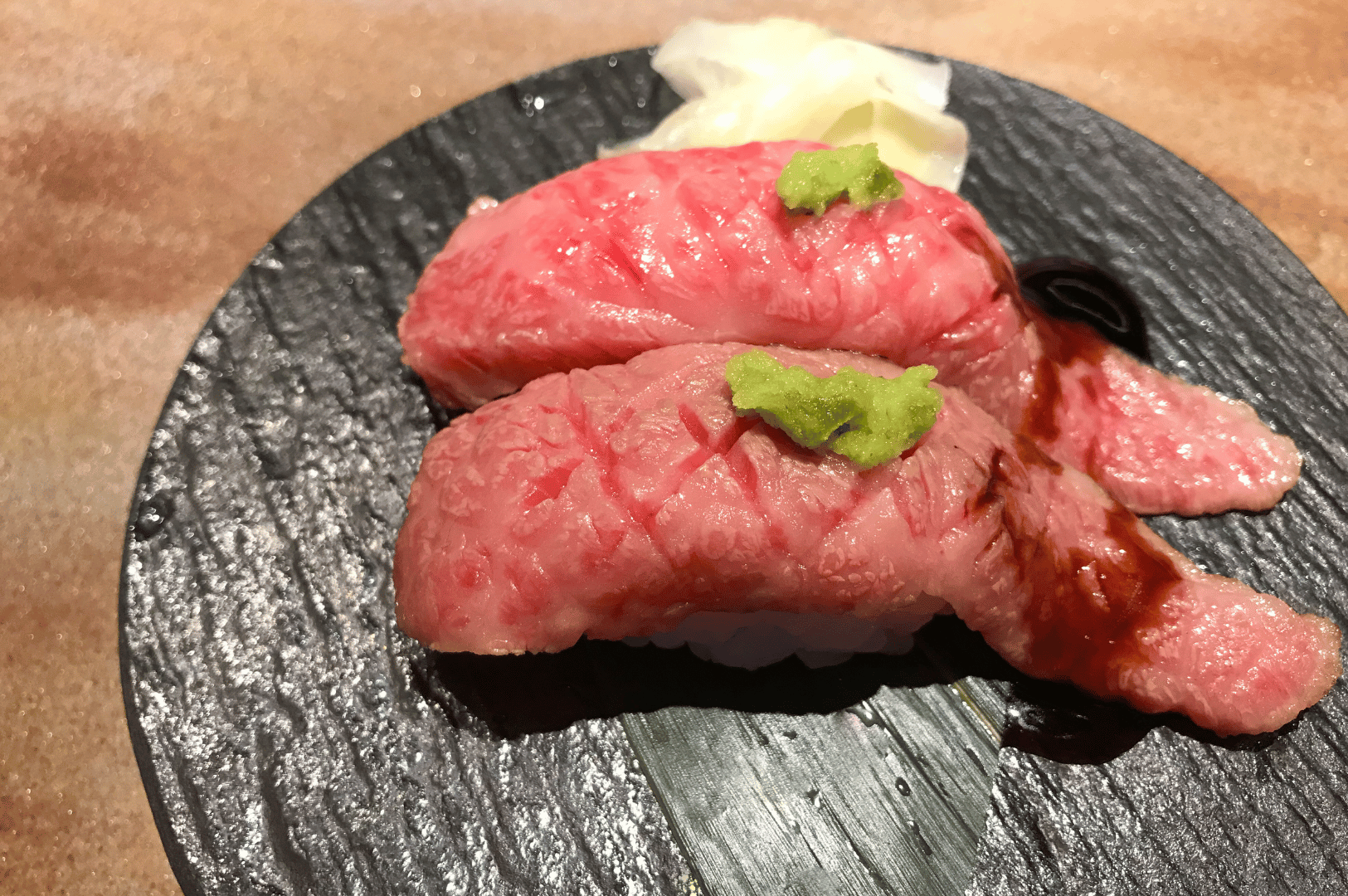
A wave of visionary chefs is reshaping the omakase landscape. Their dining experiences blend global influences, local creativity, and Japanese discipline into stunning new forms. By incorporating rich seafood such as uni and ikura, these chefs elevate their dishes to new levels of indulgence. These innovative restaurants play a key role in Singapore’s vibrant culinary scene, setting new standards for Japanese dining in the city-state.
Narisawa (Tokyo, Japan)
Chef Yoshihiro Narisawa’s work transcends sushi making. Known for his Satoyama-inspired approach to Japanese cuisine, Narisawa crafts dishes that capture the spirit of the land—think “Soil Soup” or “Essence of the Forest.” His precise techniques are designed to preserve and highlight the natural flavours of each ingredient, ensuring that their authentic taste profiles shine through. His menus embody the omakase philosophy through nature, turning the Japanese restaurant into a stage for environmental storytelling. It’s a meditation on sustainability and flavor, showcasing the cultural significance of every ingredient.
SUSHISAMBA (Global)
SUSHISAMBA transforms omakase into a global celebration. Mixing Japanese, Brazilian, and Peruvian cuisines, this modern Japanese restaurant brings bold flavors and color to the concept. Diners might encounter sushi rolls with tropical fruits, or Wagyu dumplings with miso and truffle oil. Signature fusion rolls often feature salmon as a key ingredient, such as a spicy salmon roll that highlights the fish’s versatility and rich flavor profile. Here, omakase becomes an energetic, social experience—proof that the art of Japanese dining can be playful and cosmopolitan.
Zén(Singapore)
Zén, the acclaimed sister restaurant of Frantzén, represents the elegance of modern Japanese dining at its finest. Set near Marina Bay Sands, this restaurant’s multi-story experience guides diners through a progressive journey. Each dish is a meeting point between cultures: Japanese seafood paired with French sauces, or dishes adorned with edible flowers and gold leaf. Zén also offers curated sake pairings to complement their innovative dishes, enhancing the overall dining experience with a nod to Japanese tradition. Every plate reflects a deep understanding of both heritage and innovation.
KOMA Singapore: Tradition Meets Contemporary Glamour
KOMA Singapore, a striking Japanese restaurant at Marina Bay Sands, exemplifies how deconstructed omakase has entered the world of luxury dining. Guests pass beneath a replica of the Fushimi Inari Shrine gate before entering a grand hall adorned with dramatic lighting and contemporary design. The omakase-style menus here blend classic sushi making with bold creativity—pairing premium ingredients like bluefin tuna or uni with modern flourishes. KOMA also boasts an extensive selection of sakes, thoughtfully curated to enhance and complement the omakase experience. KOMA also caters to private events, offering intimate omakase experiences in a space that perfectly balances theatricality and tradition.
The Art and Science Behind Modern Sushi Making
The modern Japanese dining scene embraces both artistry and science. In these kitchens, handcrafted knives sit beside blowtorches and molecular tools, turning sushi making into a sensory performance.
- Molecular Techniques: Soy sauce pearls, dashi foams, or yuzu spheres reimagine familiar flavors in playful, textural ways.
- Sous-Vide Precision: Fish or shellfish is cooked to the perfect tenderness, highlighting its natural sweetness and structure.
- Flash Freezing and Preservation Methods: Chefs utilize flash freezing as a preservation method—a foundational technique in sushi history that began as a way to prolong freshness and has evolved into an esteemed culinary practice—preserving the freshness of seasonal ingredients and allowing delicate flavors to shine.
- Fusion Innovation: Traditional Japanese elements—like miso, nori, or kombu—find harmony with French, Nordic, or Mediterranean techniques.
Each approach celebrates the cultural significance of omakase while reinterpreting how the dining experience unfolds. The result: a meal that balances science and soul, craftsmanship and creativity.
Visual Artistry and Presentation in Modern Japanese Restaurants
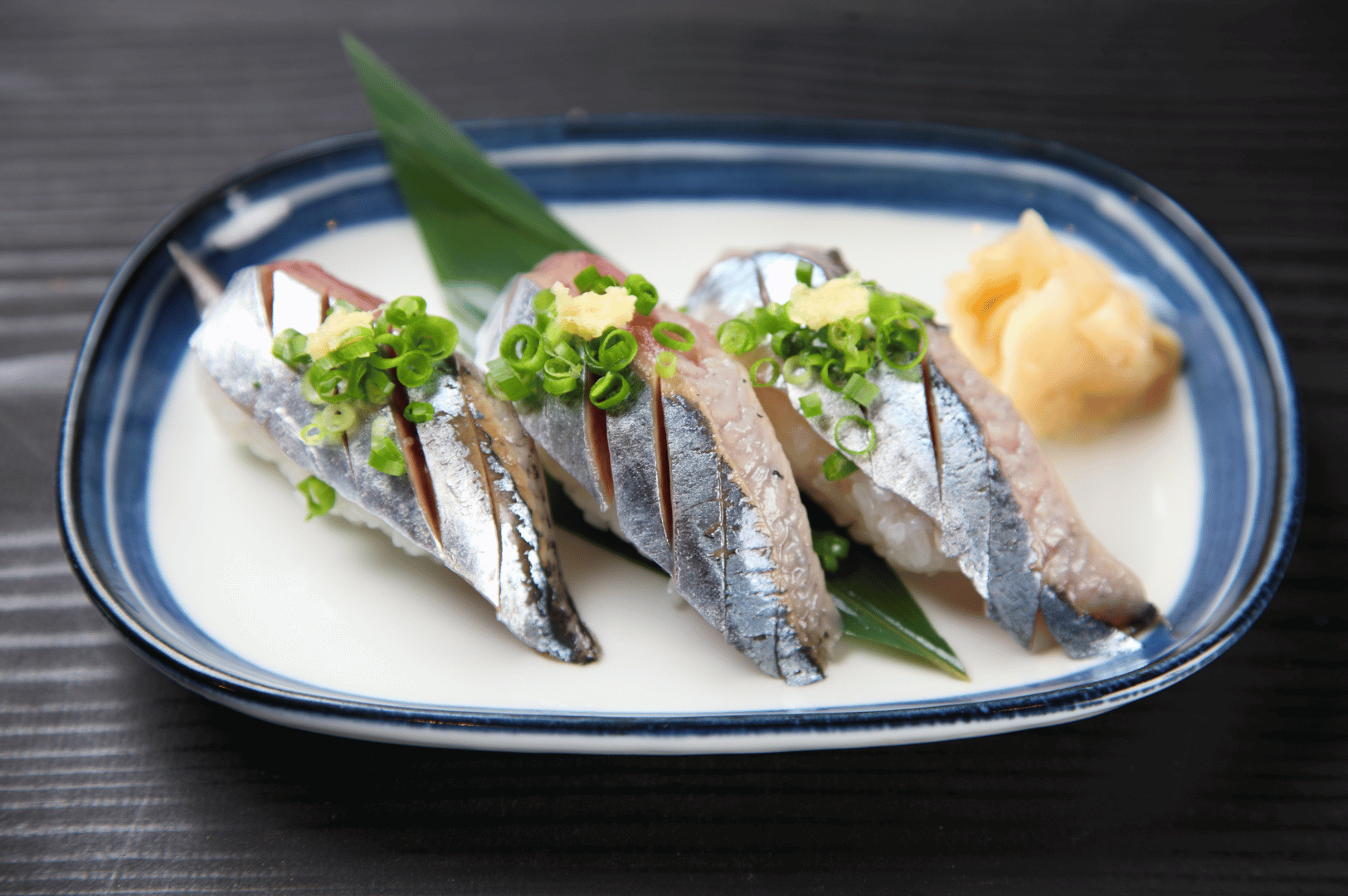
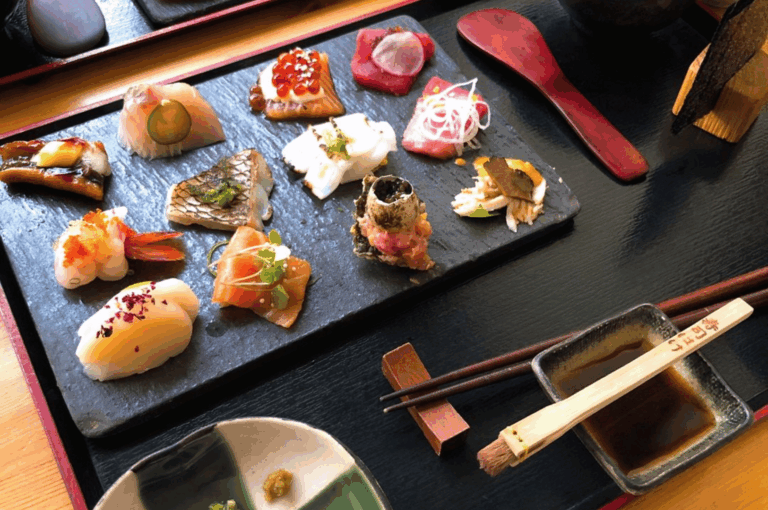
In deconstructed omakase, the plate becomes a canvas, where artful presentation is central to the experience. The simplicity of traditional sushi is replaced by vivid colors, sculptural forms, and intricate details that draw diners in before the first bite.
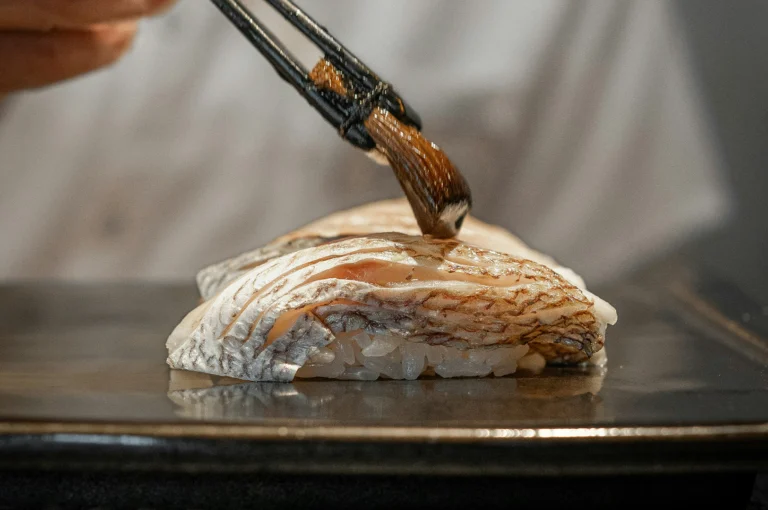
A sushi-inspired dish might arrive as a crispy tuile of rice topped with fresh seafood and edible flowers, showcasing exceptional visual appeal that enhances the overall dining experience. A familiar piece of sashimi may be paired with tempura flakes or brushed with truffle oil. Even the arrangement of sauces and garnishes reflects a modern Japanese aesthetic—a visual dialogue between precision and play. These innovative presentations not only look beautiful but also deliver delicious flavors that delight the palate.
In these reimagined presentations, the cultural significance of Japanese cuisine remains intact. Every brushstroke, petal, and plate placement echoes Japan’s deep respect for balance and beauty.
Japanese Restaurant Design: Spaces that Shape the Omakase Experience
In the world of modern Japanese dining, the design of a Japanese restaurant is far more than a backdrop—it is an essential ingredient in the omakase experience. Rooted in the traditions of Japan, the layout and atmosphere of these spaces are carefully crafted to honor the artistry of traditional sushi while inviting food enthusiasts on a contemporary culinary journey.
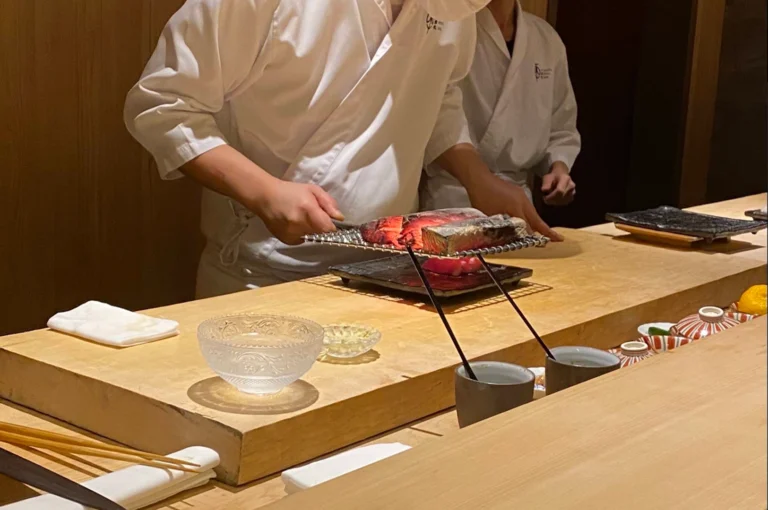
Classic Japanese restaurant design draws from centuries-old principles: clean lines, natural wood, and a sense of understated elegance. The iconic sushi bar—where diners sit just steps from the chef—creates an intimate stage for the performance of sushi making. Here, every movement is visible, every detail intentional, allowing guests to witness the mastery of traditional techniques up close.t.
Ultimately, the thoughtful design of a Japanese restaurant elevates the entire dining experience. It transforms a meal into a journey—one where the spirit of sushi, the innovation of modern Japanese dining, and the passion of the chefs come together in perfect harmony. For those who seek more than just a meal, these spaces offer a window into the heart of Japanese culture, tradition, and creativity.
Balancing Innovation and Heritage in Japanese Cuisine
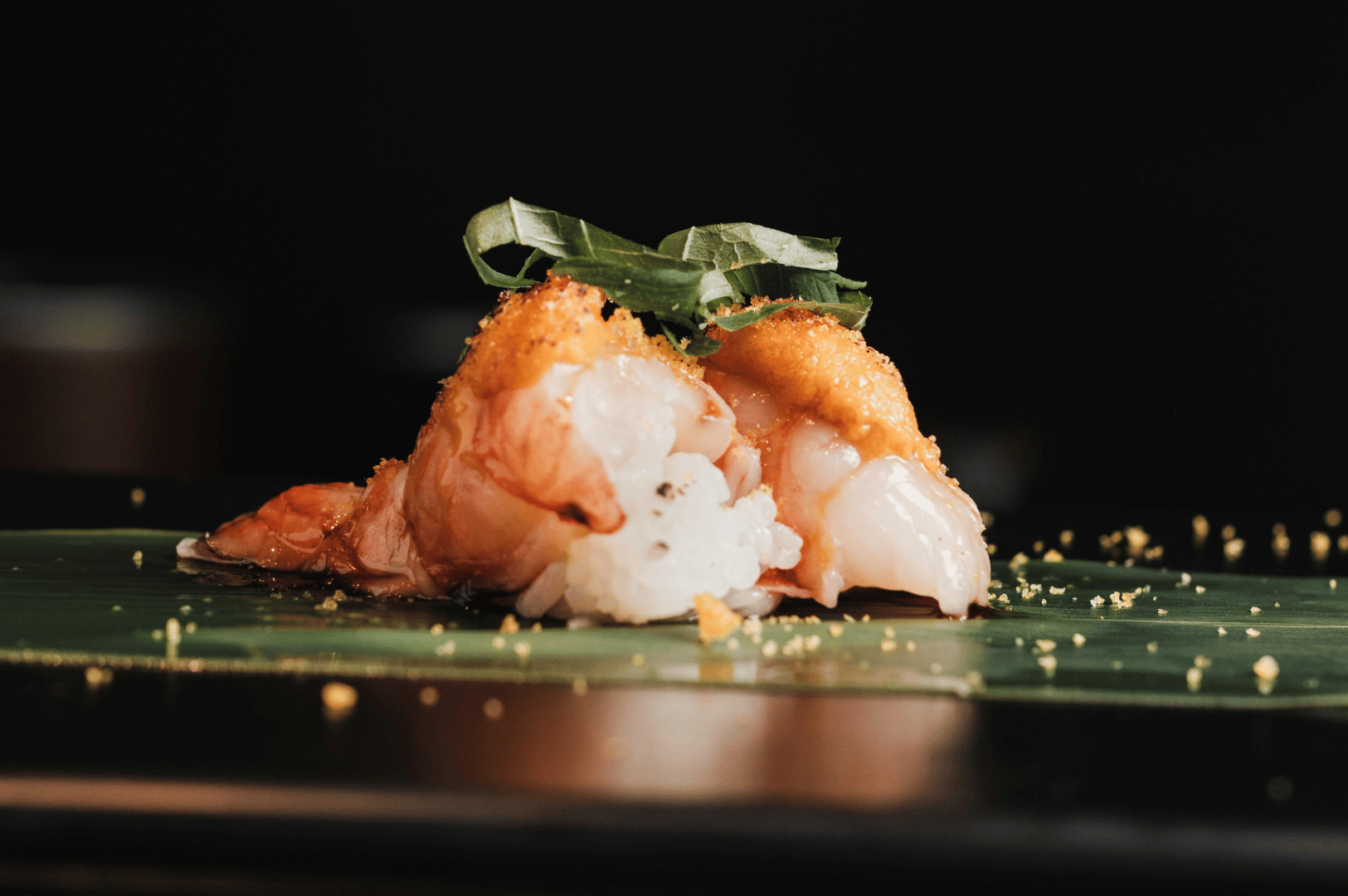
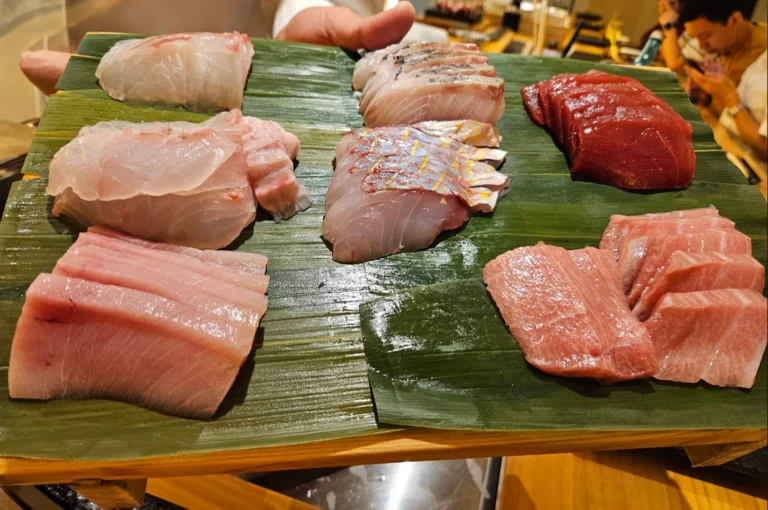
For every modern Japanese restaurant redefining omakase, the challenge lies in preserving authenticity while embracing evolution. The most successful chefs—at Zén, KOMA Singapore, and other culinary landmarks—begin with mastery of traditional techniques. To honor the authenticity of Japanese cuisine, these chefs select only the freshest ingredients, ensuring each dish reflects the highest quality and respect for tradition.
They know how to season sushi rice to perfection, how to highlight the delicate sweetness of fresh fish, and how to build a dining experience that flows like a story. From there, they experiment with plating, ingredients, and form—but never lose sight of the heart of Japanese cuisine: harmony, respect, and simplicity.
Some traditionalists argue that deconstructed omakase strays too far from its roots. Yet the truth is the opposite—it reflects the resilience of omakase philosophy. Just as Japan blends timeless shrines with neon skylines, omakase continues to evolve while preserving its essence.
The Diner’s Experience: A New Chapter in Modern Japanese Dining
To dine at a modern Japanese restaurant offering deconstructed omakase is to experience surprise, engagement, and emotion.
- Unpredictable Menus: Every dish defies expectation, from the first bite to the last.
- Interactive Storytelling: Chefs guide guests through each creation, explaining how seasonal ingredients, premium seafood, or artistic concepts come together.
- Sensory Harmony: The interplay of temperature, texture, aroma, and taste keeps diners immersed in the moment, while a variety of tastes allow for customization and personal discovery.
Some dishes, such as sashimi or nigiri, are best eaten in one bite to fully appreciate their texture and flavor. Omakase often features raw fish as a key ingredient, but the experience goes far beyond just raw fish. Many offerings provide a refreshing flavor profile that revitalizes the palate.
This is not just a meal—it’s a dialogue between chef and guest, a reflection of how Japanese cuisine can adapt to the modern world without losing its soul.
Reserve your table to enjoy this unique experience, and book your table today for the deconstructed omakase journey.
The Future of Deconstructed Omakase: Where Tradition Meets Tomorrow
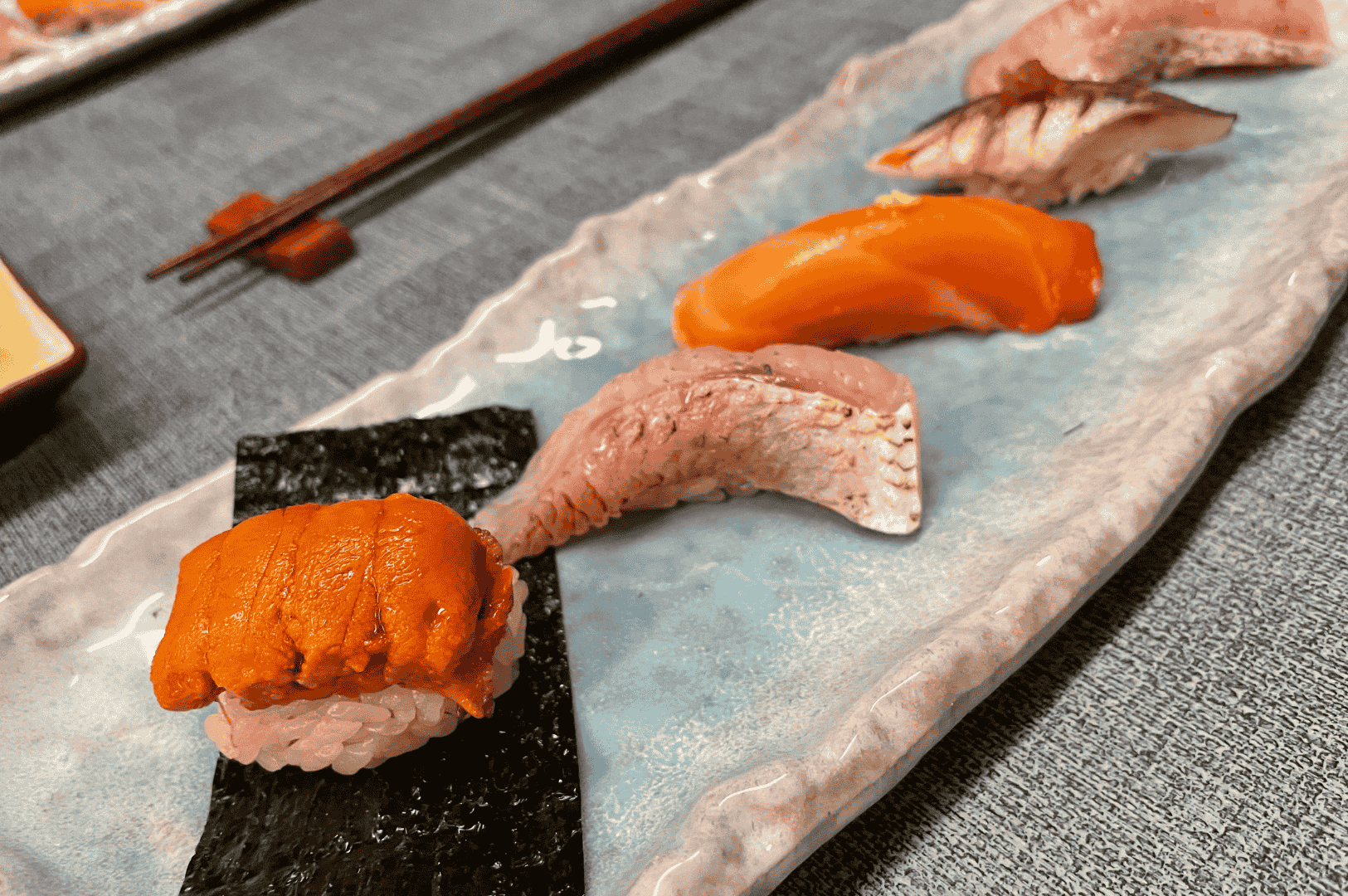
Deconstructed omakase is not a rejection of the past—it’s a celebration of its living spirit. It honors the craftsmanship of sushi making and the purity of seasonal ingredients, always striving to use the freshest ingredients as a hallmark of the experience, while embracing creativity, technology, and global inspiration.
Whether served in an intimate counter experience or during private events in a grand dining hall, this form of modern Japanese dining continues to evolve—reshaping how the world experiences Japanese artistry.
If you’re passionate about food, seek out these modern interpretations of omakase. Indulge in the unexpected. Let the chef guide your journey. In the delicate balance between old and new lies the essence of what makes Japanese cuisine timeless—and endlessly inspiring.
Continue your culinary journey by exploring the artistry behind premium omakase fish butchery or discover how vegetarian omakase is redefining Japanese fine dining in Singapore.