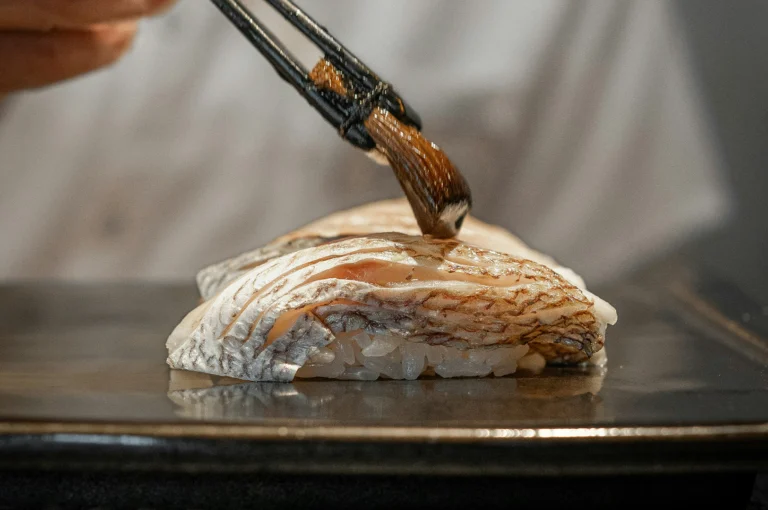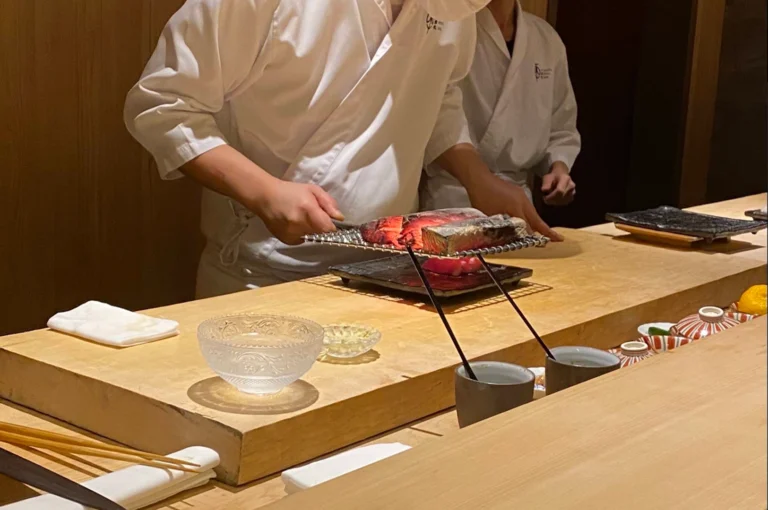
At a high-end Japanese restaurant, every element of an omakase experience is meticulously controlled. The temperature of the rice, the angle of the knife, the glaze of soy sauce brushed onto a piece of nigiri—all are perfected. Yet, the true soul of the meal, the factor that separates the great from the legendary, is decided long before you ever take your seat. It’s decided in the pre-dawn hours at a fish market, in a handshake between a chef and a fisherman, and in the deep, instinctual knowledge of the seasons. The chef’s focus on ingredient quality and operational choices is intended to enhance the dining experience by allowing diners to fully appreciate a curated, intimate meal centered on ingredient quality and craftsmanship.
The story of an omakase meal is fundamentally a story of its ingredients. Omakase ingredient sourcing is not merely a logistical task for an itamae (sushi chef); it is an obsession, a philosophy, and the foundation of their craft. While diners see only the final, elegant presentation, the real artistry lies in the invisible network of relationships and the relentless pursuit of premium ingredients that bring that perfect piece of fish to your plate.
Introduction to Omakase: The Art and Essence of Trusting the Chef
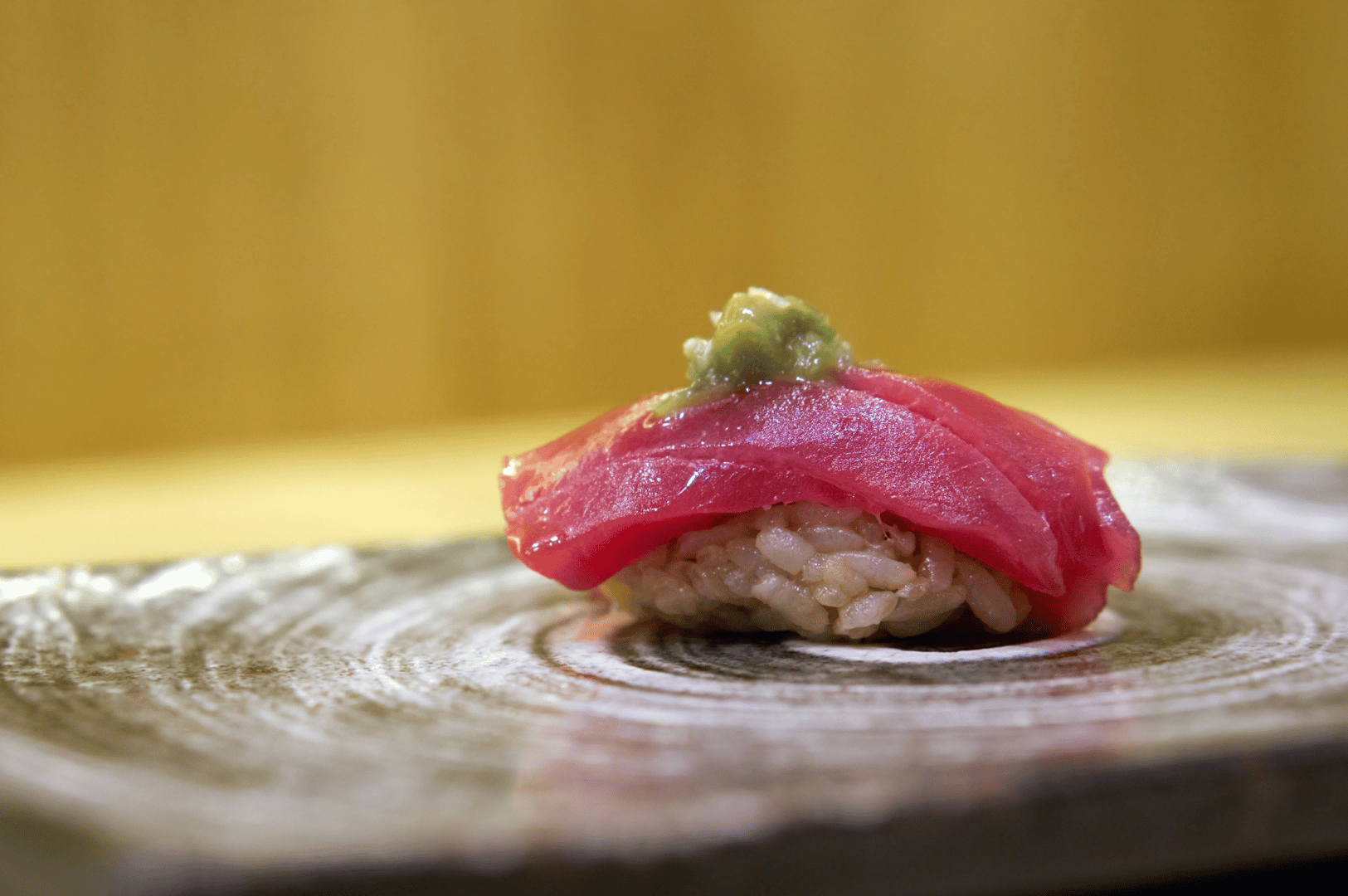
In the world of Japanese restaurants, omakase represents the ultimate expression of trust, where diners surrender their choices and allow the chef to curate a sequence of dishes that reflect the very best of the season. This approach is deeply woven into the fabric of Japanese cuisine, where the freshest seafood and the most exquisite sushi grade fish are sourced from renowned seafood markets like the legendary Tsukiji Market.
At the heart of every omakase experience is the chef’s discerning eye for the finest ingredients—whether it’s the creamy richness of sea urchin, the melt-in-your-mouth texture of fatty tuna, or the subtle sweetness of perfectly aged sashimi.
The Philosophy of Omakase Ingredient Sourcing: A Deep Commitment to Nature’s Rhythm
The Japanese approach to ingredient sourcing is rooted in a profound cultural respect for nature and seasonality. It’s about more than finding what’s “fresh seafood”; it’s about identifying each ingredient at its absolute peak moment of flavor and texture. The freshness and quality of ingredients play a crucial role in achieving the exceptional flavors and textures that define omakase. This philosophy is expressed through the concept of shun (旬).
Shun refers to the exact time of year when an ingredient—whether marine fish, vegetable, or fruit—is at its most flavorful and abundant. This goes beyond traditional “seasons,” embracing micro-seasons where a specific fish might only be at its best for a few weeks. A master chef’s menu becomes a living reflection of shun, shifting daily to honor ingredients that are truly exceptional. The chef’s meticulous preparation ensures the ingredient remains the star, celebrated rather than transformed.
Japan’s Toyosu Fish Market: The Beating Heart of Fresh Seafood
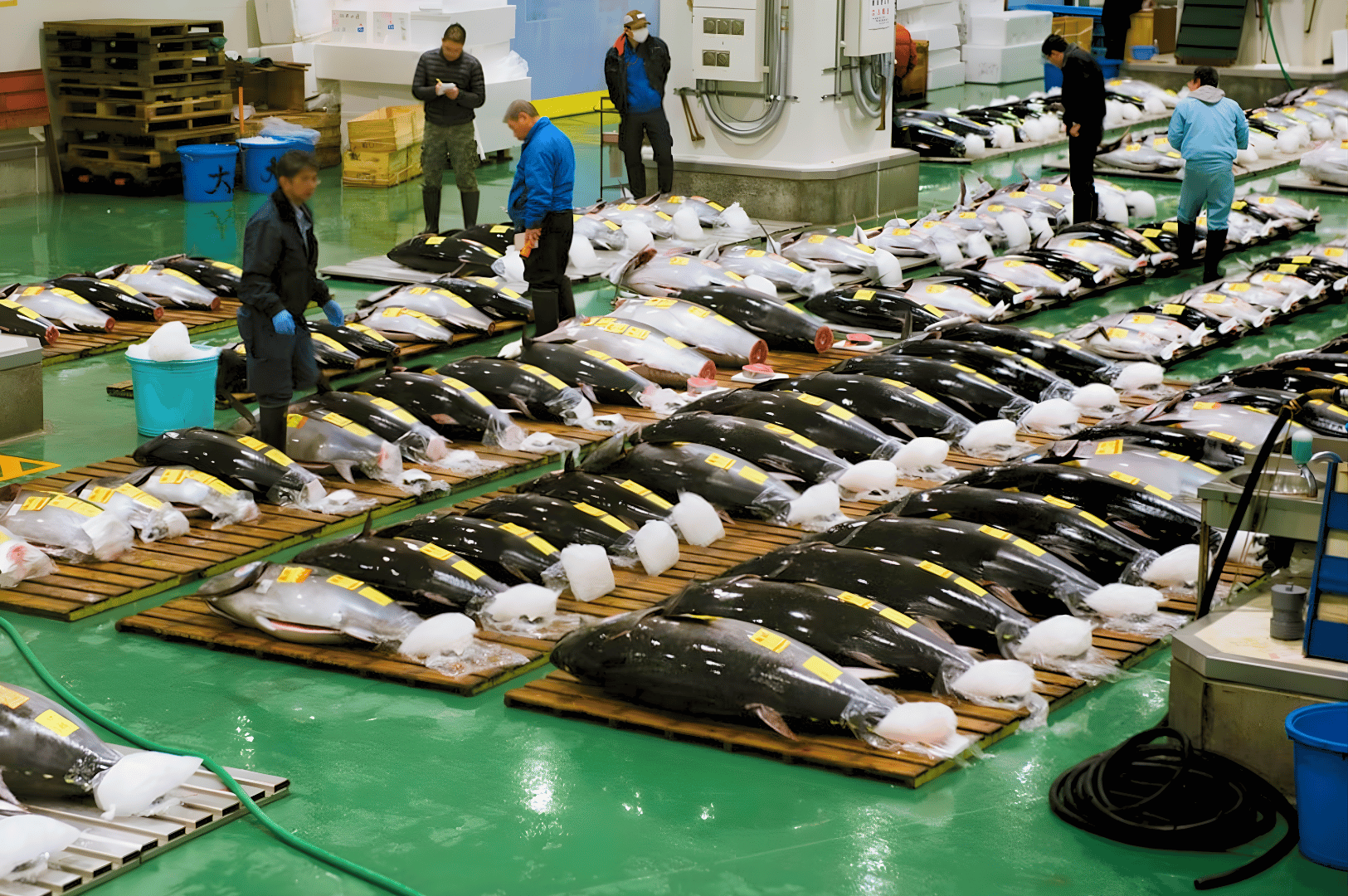
For many elite sushi restaurants around the world, the journey of their fresh fish begins at Japan’s Toyosu Market in central Tokyo—the successor to the iconic Tsukiji Market. Built on reclaimed land near Tokyo Bay, Japan’s Toyosu Market is now the central hub for seafood auctions and wholesale and retail shops, where the country’s best marine fish are traded every morning, reflecting Japan’s commitment to quality and tradition.
The Art of the Auction: From Bluefin Tuna to Sea Urchin
Securing the best bluefin tuna, sea urchin, or snapper at Toyosu is not just about placing the highest bid—it’s about trust. Top chefs work with expert intermediaries known as nakaoroshi, who have spent generations navigating this market. These professionals understand the chef’s palate: how much fat content they prefer in tuna, the firmness of a sashimi-grade fish, or the color and size of uni from Hokkaido.
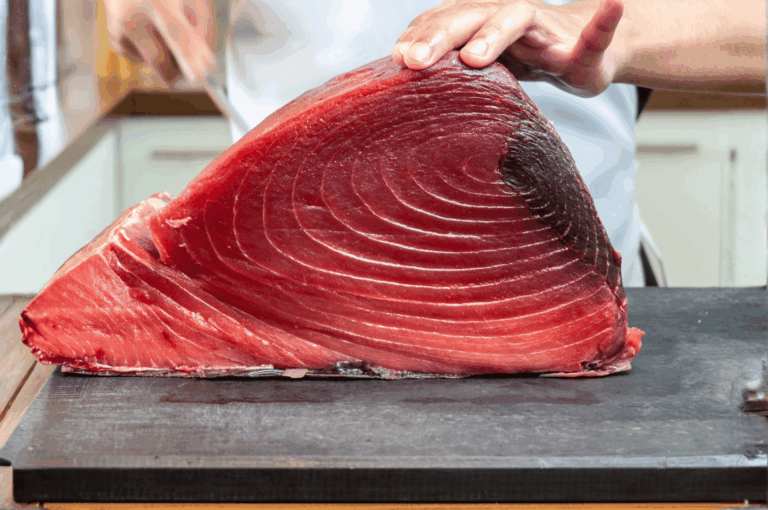
The bluefin tuna auction is a legendary spectacle. Large species such as bluefin tuna are highly prized at the auction and are often selected for their quality and low parasite risk, making them ideal for raw preparations. Buyers shine flashlights into the fish’s tail cut, assessing marbling and texture before bidding begins. The finest specimens can fetch astronomical prices, symbolizing a chef’s deep commitment to excellence.
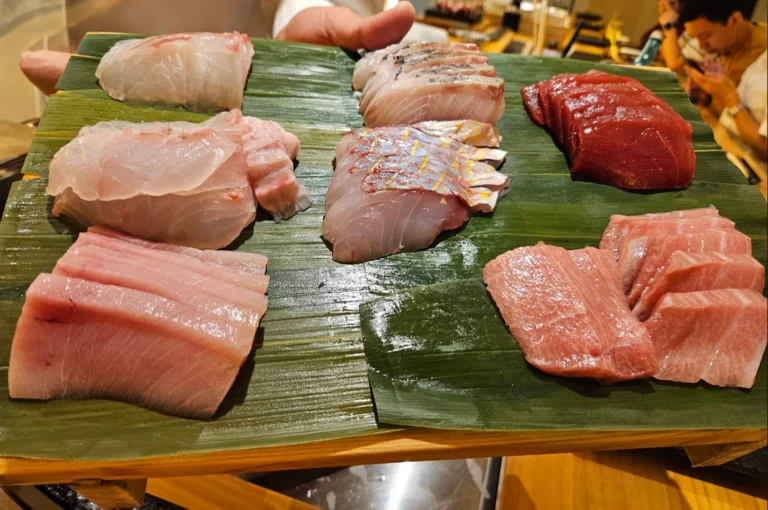
Beyond the auction, suppliers roam the bustling market selecting wild fish, farmed fish, and shellfish—all destined for top Japanese restaurants worldwide. These long-standing partnerships ensure every cut meets the strict standards required for raw consumption.
Meticulous Preparation and Food Safety: The Hidden Craft Behind Freshness
While diners admire the beauty of sushi and sashimi, few realize the precision and science behind preparing raw fish safely. Handling high-quality ingredients for authentic omakase demands rigorous safety standards to prevent health risks. Certain aquacultured fish, such as farmed salmon, are considered safer to eat raw due to their lower risk of parasitic worms.
Chefs and suppliers work under guidelines established by the Tokyo Municipal Government, which oversees food handling at the fish market. Freshly caught fish are packed with ice packs and flash frozen to kill parasites, preserving both flavor and texture. Some wild fish are considered high risk for parasites, while aquacultured fish are subject to different safety standards. Parasitic worms, such as anisakis, are a concern in raw fish, and proper freezing or cooking is necessary to kill them. Only sushi-grade fish that meet strict safety standards are approved for use in sushi and sashimi.
This attention to detail ensures that diners can enjoy delicate, fresh seafood—whether fatty tuna, salmon, or sea urchin—without the risks involved in eating raw fish. Proper handling and inspection of purchased fish are essential to ensure safety for raw consumption.
The Chef’s Deep Commitment: Hands-On Sourcing and Premium Ingredients
Behind every omakase experience is a chef whose relationship with suppliers, fishermen, and farmers defines the meal’s success. These culinary masters take a hands-on role in purchasing fish and verifying quality long before it reaches their cutting board. Many shops do not maintain the same rigorous standards for fish handling and quality as those required for top omakase restaurants, making such dedication rare.
Chef Kotaro Kumita of Sushi Katori (Singapore), for example, communicates daily with suppliers about the fishing regions and methods used for his marine fish. His philosophy reflects an understanding that to serve the best, one must know the origin of every ingredient—how it was caught, stored, and transported.
Chef Daisuke Nakazawa of Sushi Nakazawa (New York), once an apprentice of Jiro Ono, is equally uncompromising. He prioritizes fish that have been handled with care, often preferring those dispatched via ikejime—a humane Japanese method that preserves texture and nutritional value. This meticulous preparation ensures every bite of sushi honors both craftsmanship and nature.
Beyond Seafood: The Unseen Heroes of the Omakase Dining Experience
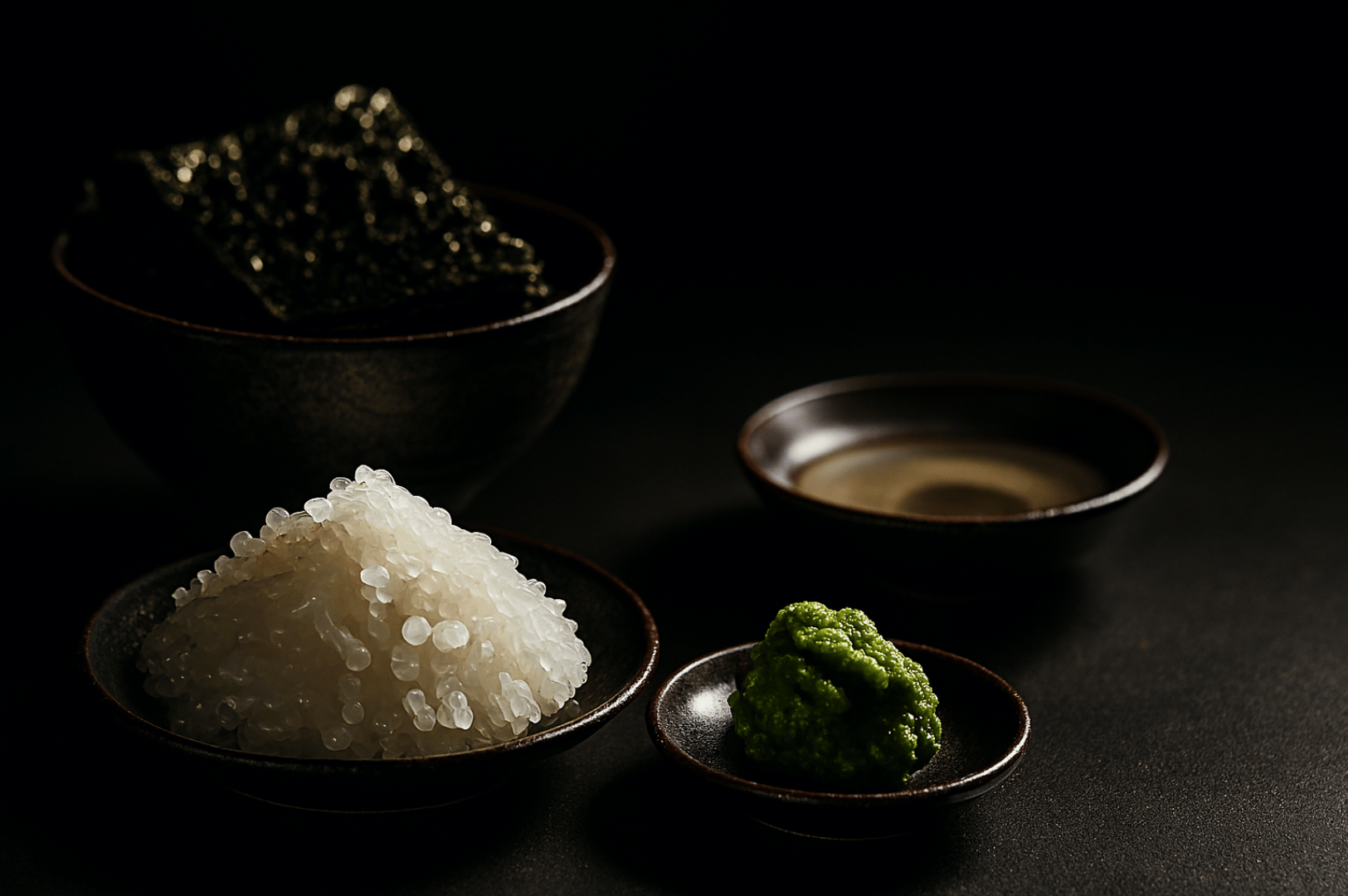
Although seafood dominates the spotlight, the supporting ingredients of an authentic omakase are sourced with equal precision. Each component contributes to the balance and integrity of the dining experience.
Rice (Shari): Often sourced from Niigata’s fertile fields, koshihikari rice is prized for its sweetness and elasticity. Chefs may specify the exact polishing ratio and vinegar blend to create the ideal mouthfeel.
Wasabi: Fresh wasabi rhizomes from Shizuoka—grated by hand on sharkskin boards—offer a refined heat unmatched by substitutes.
Nori: Seaweed from the Ariake Sea, especially first-harvest varieties, adds crispness and deep umami to hand rolls.
Vinegar (Su): Many chefs use secret blends aged for years, achieving a delicate acidity that enhances sushi and sashimi without overpowering them.
Each ingredient embodies the chef’s deep commitment to maintaining harmony, respect for tradition, and balance of flavor and texture.
Japanese Restaurants and Omakase: Tradition, Innovation, and the Pursuit of Perfection
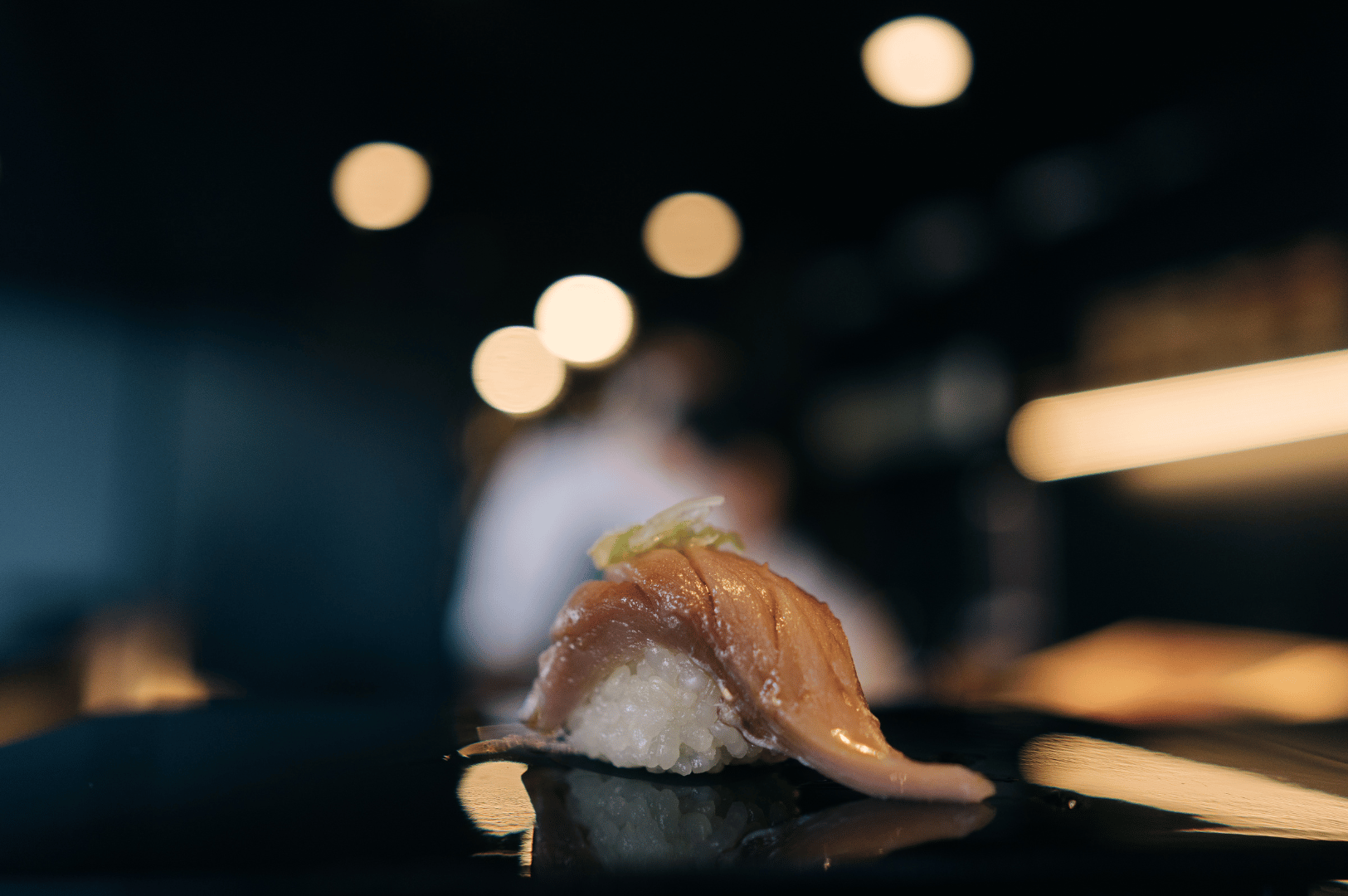
Within the walls of Japanese restaurants, especially those devoted to sushi and sashimi, the pursuit of perfection is a lifelong journey. Chefs dedicate themselves to mastering the delicate art of preparing raw fish, drawing on generations of knowledge and the ever-evolving landscape of fish markets. The omakase experience stands as the pinnacle of this tradition, where the boundaries between chef and guest dissolve, and each meal becomes a harmonious interplay of flavors, textures, and visual artistry.
From the vibrant stalls of Tokyo’s Tsukiji Outer Market, where shops brim with fresh seafood, to the tranquil interiors of a traditional restaurant, the process of sourcing and preparing ingredients is both meticulous and deeply personal. Chefs carefully select wild fish and farmed fish alike, ensuring that every piece meets their exacting standards for freshness and quality.
The Price of Perfection: What Defines Premium Omakase
The cost of a premium omakase experience reflects not extravagance, but the real-world value of its finest ingredients and meticulous preparation.
Every high-quality ingredient passes through a complex network involving:
- Ingredient Costs: Record-breaking bluefin tuna auctions.
- Logistics: Fresh fish flown from Tokyo to global Japanese restaurants within several hours.
- Supplier Fees: Commissions to trusted wholesale and retail shops and middlemen.
- Exclusivity: Limited access to seasonal fish and seasonal ingredients available only for short periods.
When you dine at an omakase counter, you’re not just paying for food—you’re paying for the invisible dedication of chefs, fishermen, and suppliers who make each dish possible.
The Story on Your Plate: A Dining Experience Beyond Taste
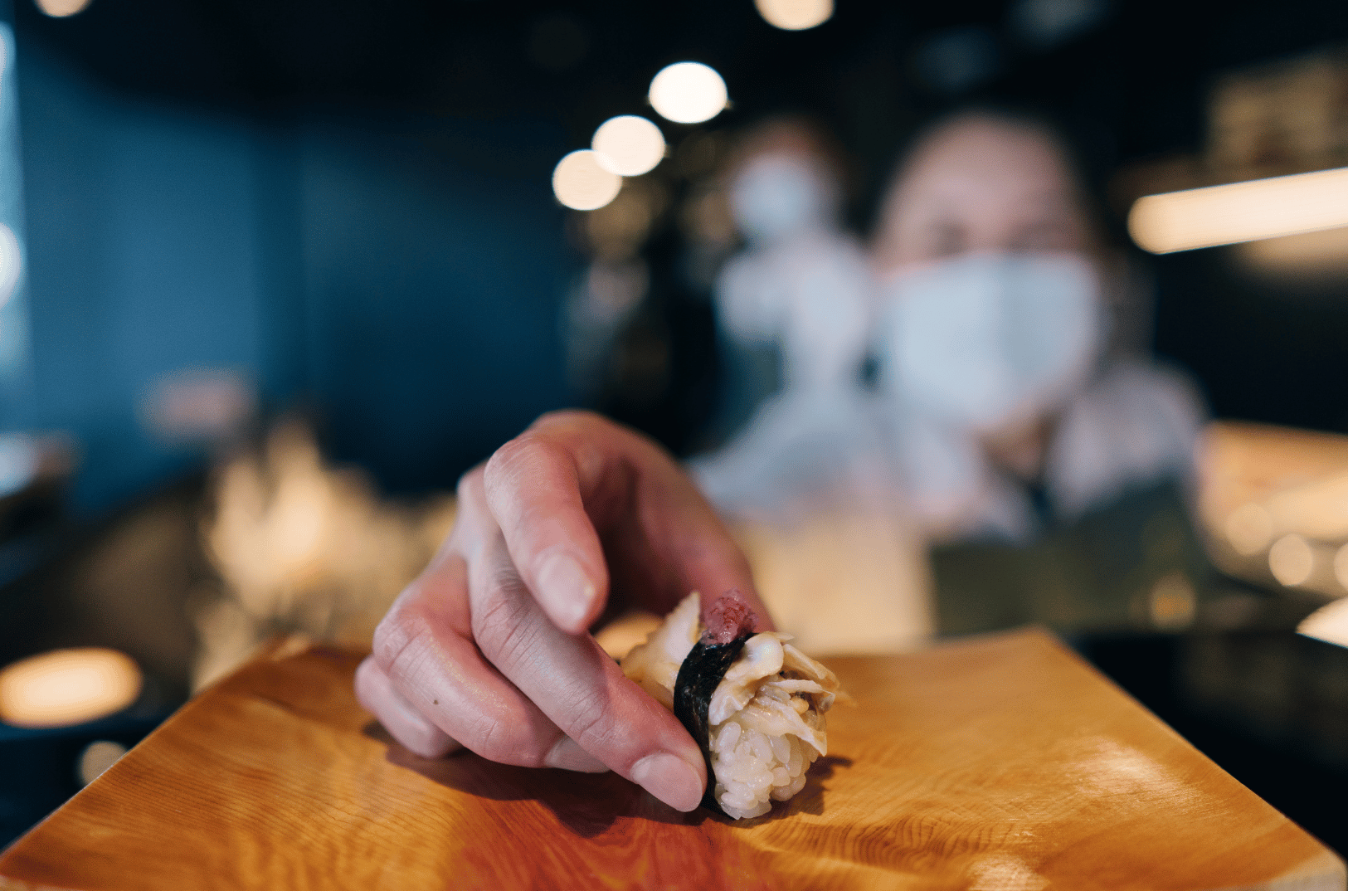
In the world’s most celebrated sushi restaurants, storytelling enhances the dining experience. Each piece of sushi tells a story—about a fisherman in Hokkaido, a tide in Tokyo Bay, or a farmer cultivating rice in Niigata.
When a chef explains, “This kinmedai is from Chiba, best this time of year,” or “This uni comes from a small diver’s catch in Hokkaido,” they are inviting you to appreciate the journey behind the fresh seafood.
It is this emotional connection—between land, sea, and soul—that elevates omakase from a meal into an art form..
An Invitation to Appreciate the Journey
The world of omakase ingredient sourcing is built on relationships, heritage, and a shared deep commitment to excellence. Each element of your omakase experience—from the fresh seafood on your plate to the meticulous preparation behind the scenes—tells a story of passion, patience, and perfection.
So the next time you sit before a chef at a gleaming cutting board, pause and savor not just the taste, but the journey. You’re not simply eating; you’re partaking in Japan’s living tradition of respect for nature, craftsmanship, and the enduring beauty of simplicity.
Continue exploring Japan’s evolving culinary artistry through Deconstructed Omakase: Contemporary Approaches to Traditional Techniques and Omakase Performance Art: Fish Butchery in Premium Omakase — two perspectives on how tradition and innovation coexist on every plate.