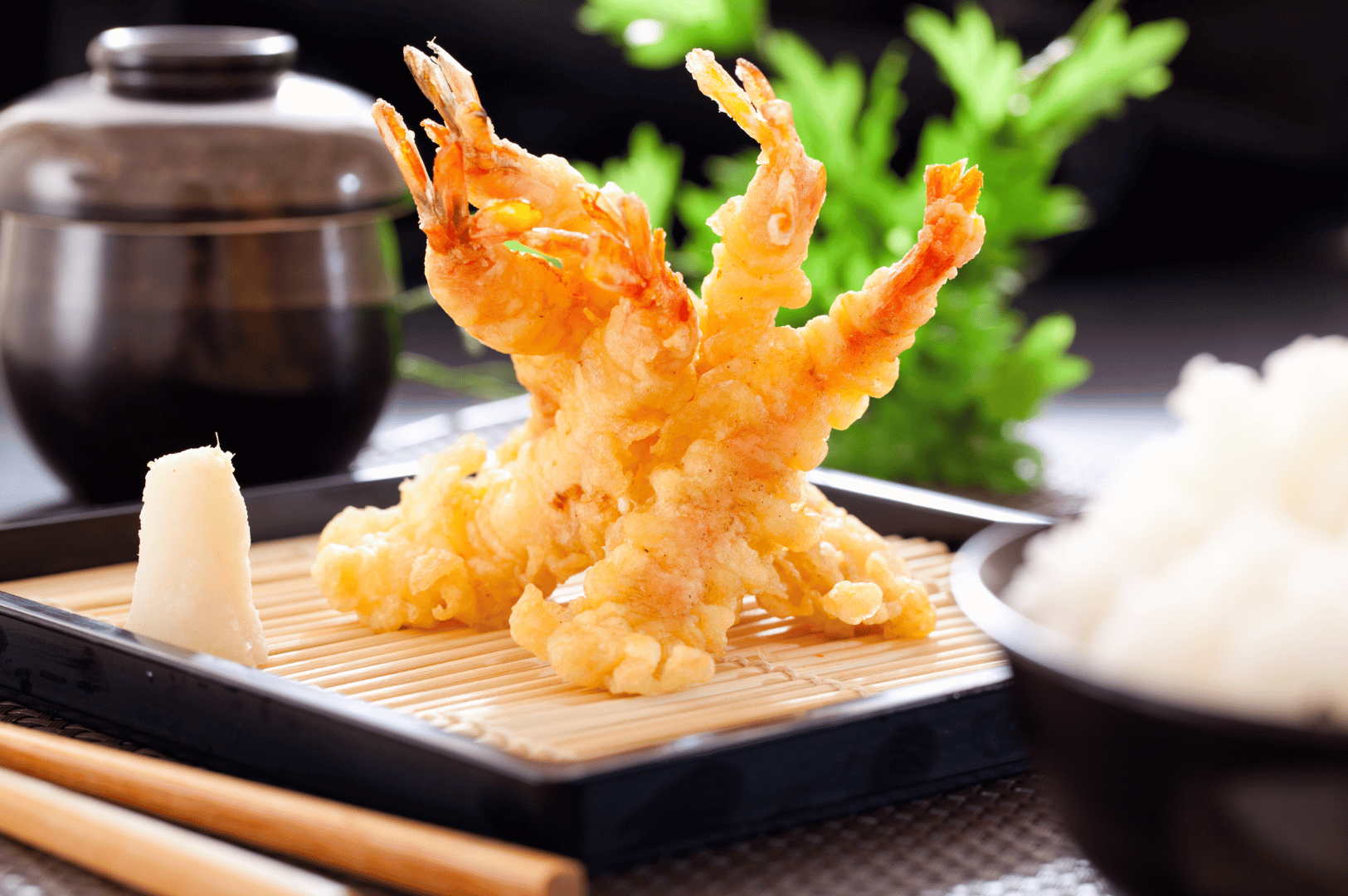
Close your eyes and listen. Can you hear it—that faint, ethereal sizzle as a perfectly battered shrimp hits hot oil? Can you see it—the delicate, lacy crust that forms, so light it seems to defy gravity? This is tempura, a Japanese culinary discipline where simplicity is the ultimate sophistication.
While many think of it as a casual add-on to a bento box or sushi set, a few authentic Japanese restaurants have elevated tempura dishes into a full-fledged omakase experience. At the heart of this refined art in Singapore stands Yamato, an intimate Japanese restaurant at Ngee Ann City, offering a tempura omakase Singapore experience that transforms deep frying into performance art.
Here, the chef’s mastery is laid bare. Every dish, every course, every crisp batter bubble reflects years of training and obsession with precision. We take a closer look at Yamato’s techniques, exploring how they achieve the perfect tempura and why this restaurant has become a destination for diners seeking a new level of culinary craftsmanship.
The Misunderstood Art of Tempura: More Than Just Deep Frying
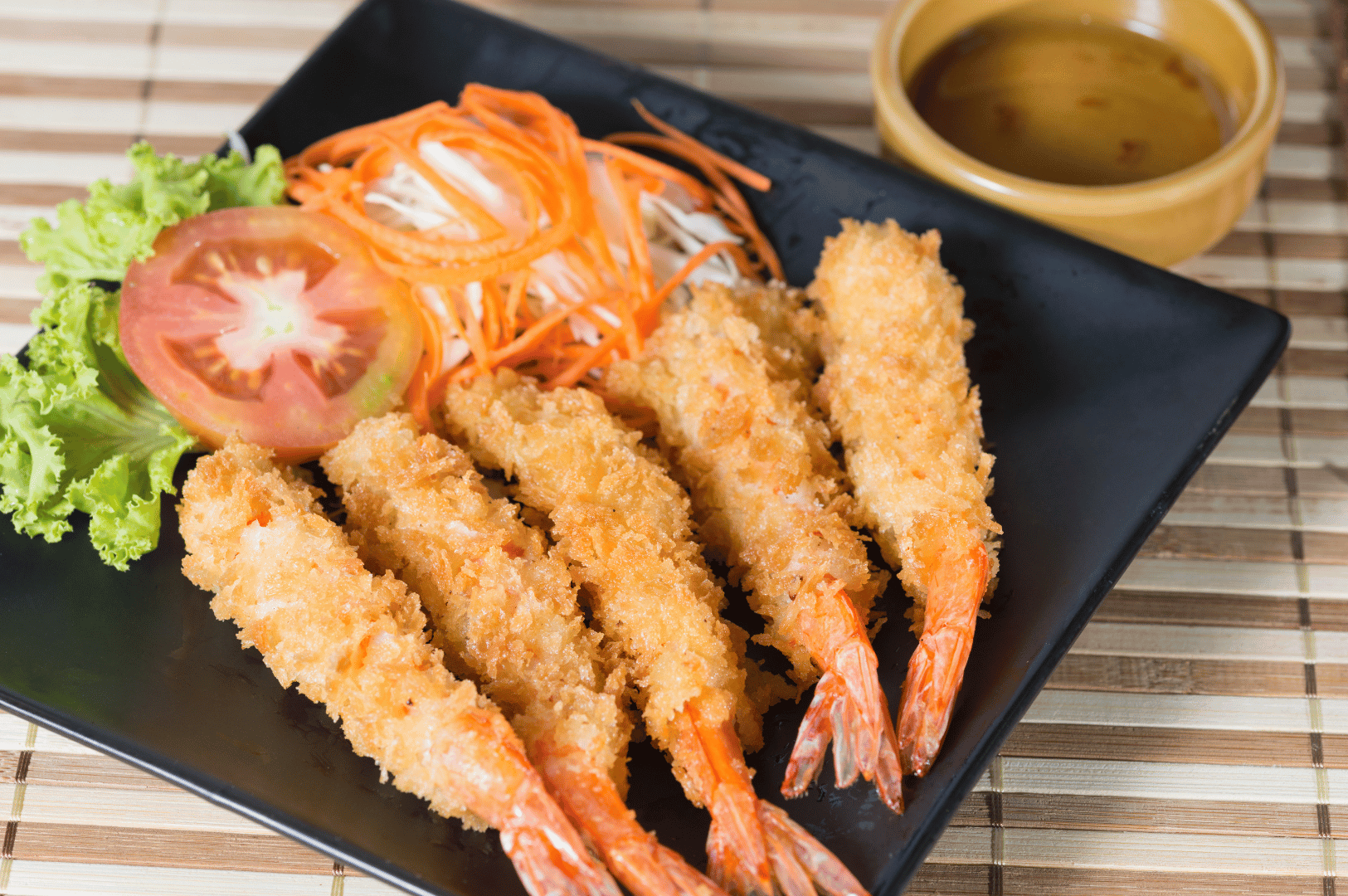
Before diving into Yamato’s approach, it’s worth revisiting what tempura really is—and what it isn’t.
Originating from 16th-century Japan, tempura was influenced by Portuguese missionaries who introduced the idea of frying food. But while deep frying may sound simple, true Japanese tempura recipes rely on minimal ingredients and maximum control. The result? A crisp, translucent coating that seals in moisture, creating an ethereal texture that’s both light and delicate.
Unlike the heavy batters found in Western fried food, authentic tempura batter uses just plain flour, egg, and ice-cold water. The goal is not to smother the seafood or vegetables but to preserve their essence—whether it’s the sweetness of a sweet potato slice, the briny pop of sea urchin, or the tender flake of Japanese whiting. Vegetables with high water content, such as cucumber, are generally avoided in tempura because they do not hold up well in batter and tend to burn easily.
Yamato’s Philosophy: Sourcing, Seasonality, and the Spirit of Shun in Omakase Menus
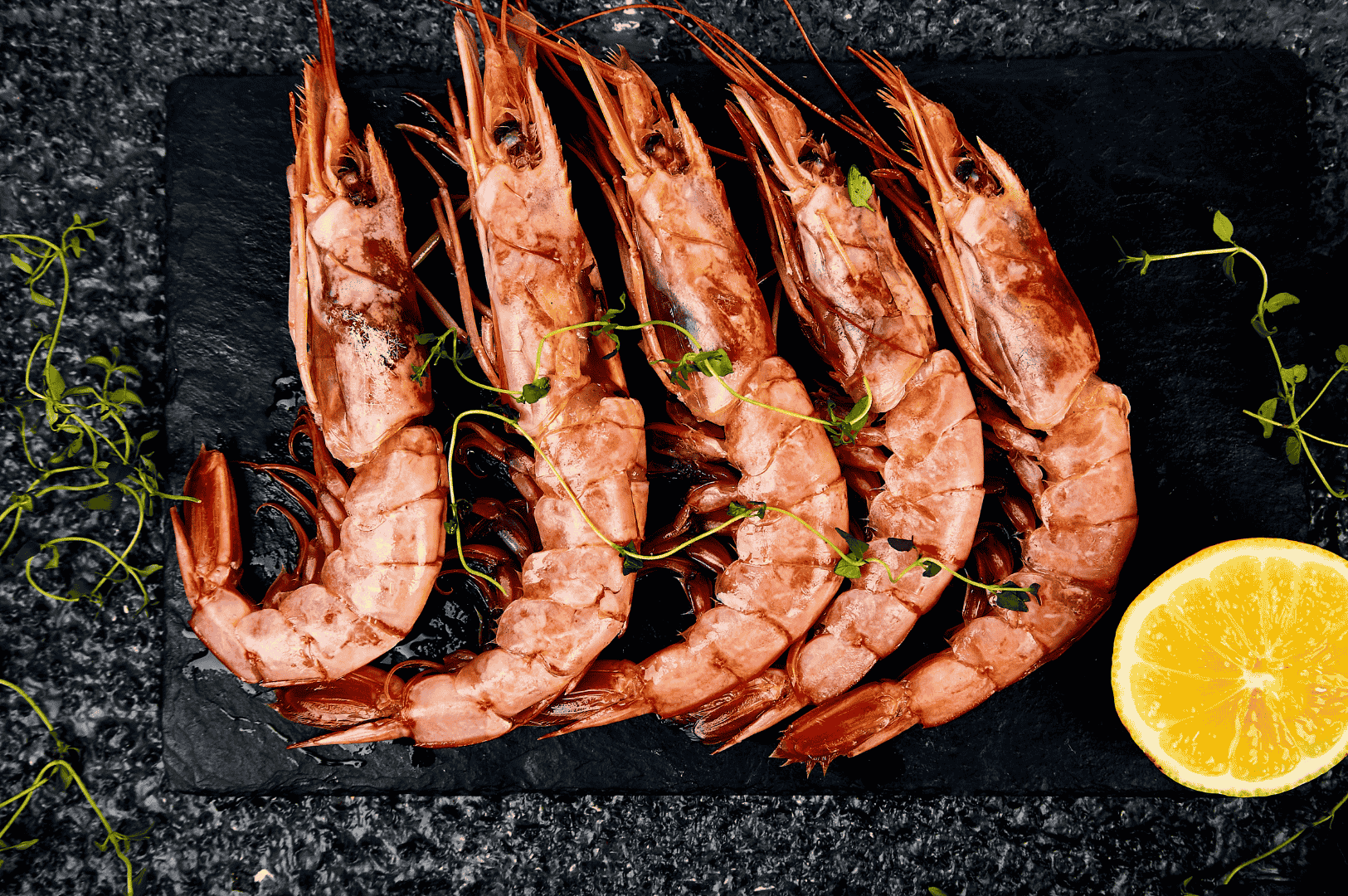
At Yamato, crafting a tempura omakase Singapore menu begins long before service. Guided by the Japanese principle of shun (旬)—celebrating ingredients at their seasonal best—the restaurant sources the finest seafood, meat, and vegetables directly from Japan.
The omakase menus here are fluid, reflecting the rhythm of the seasons and the chef’s discerning palate. Diners might find themselves savoring:
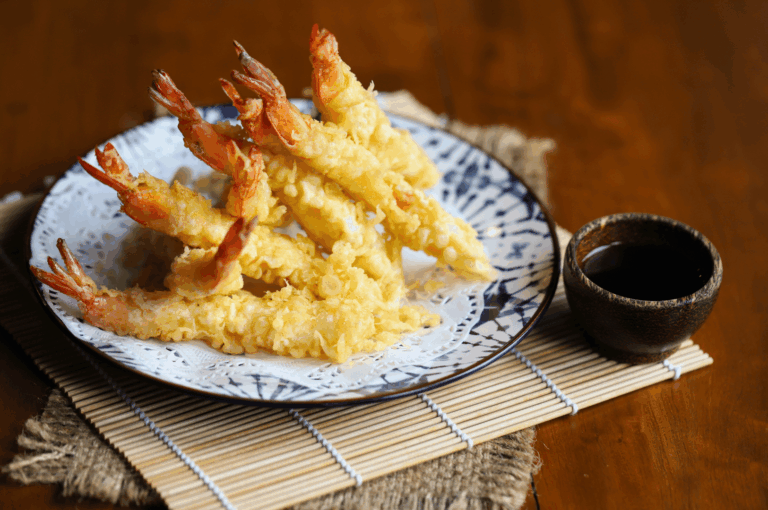
- Kuruma Ebi (Japanese Tiger Prawn): A Yamato signature, where the prawn’s head is fried into a crispy cracker and the body briefly cooked until the center remains sweet and nearly sashimi-like.
- Kisu (Japanese Whiting): This mild fish becomes a showcase of finesse—its thin batter yielding a clean, subtle taste.
- Seasonal Vegetables: Asparagus, lotus root, and shiitake mushroom are rotated throughout the year. Each vegetable requires a unique oil temperature and timing to achieve that ideal crisp exterior and juicy interior.
- Uni (Sea Urchin): Sometimes Yamato serves bafun uni wrapped in shiso leaf—a tempura dish that combines a crisp shell with a molten, buttery heart.
- Sea Bream: A tender fish often served with a light sprinkle of salt to highlight its sweetness.
- Abalone: A luxurious ingredient known for its tenderness, often served with premium sauces or accompaniments to emphasize its exceptional quality.
- Sweet Potato and Zucchini: Classic examples of various tempura recipes, showing how even humble vegetables can be elevated through balance and restraint.
Each ingredient is carefully prepared, sometimes seasoned with just a sprinkle of salt or paired with a custom tempura sauce to complement its natural flavor.
Chef Expertise: The Master Behind Yamato’s Tempura and Deep Frying Precision
Step behind the counter at Yamato, and you’ll find Chef Yamato himself—a true virtuoso in the world of tempura. With decades of experience and an unwavering dedication to his craft, Chef Yamato has elevated the art of deep frying to new heights, making his restaurant a pilgrimage site for tempura enthusiasts across Singapore.
What sets Chef Yamato apart is his relentless pursuit of the perfect tempura. Each dish begins with a meticulous selection of the freshest seafood and vegetables, sourced daily to ensure every bite bursts with natural flavor.
The secret to his signature crispy tempura lies in the details. Chef Yamato insists on a batter made from plain flour, eggs, and ice-cold water—mixed just enough to keep it light and delicate, never heavy. This batter is then deep-fried in hot oil, typically a carefully chosen canola oil, at a precise oil temperature. Chef Yamato’s mastery of oil temperature—maintaining it between 160°C and 180°C—ensures that each piece emerges perfectly golden, with a shatteringly crisp exterior and a tender, juicy interior.
Yamato’s omakase menus offer diners a curated journey through Chef Yamato’s finest creations, with options for both lunch and dinner. The restaurant, nestled in the heart of Ngee Ann City, welcomes guests from 12pm to 2pm and 6pm to 10pm—though reservations are highly recommended, as seats fill quickly, especially on weekends.
Inside the Kitchen: Deep Frying and the Secrets of Yamato’s Various Tempura Recipes
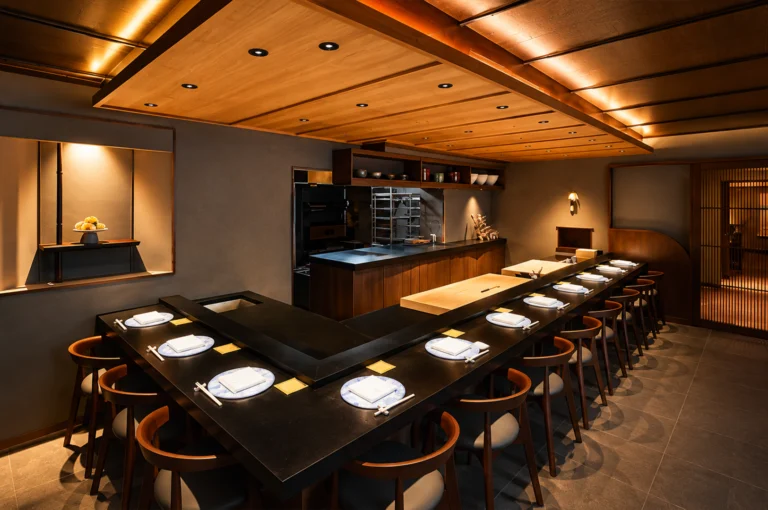
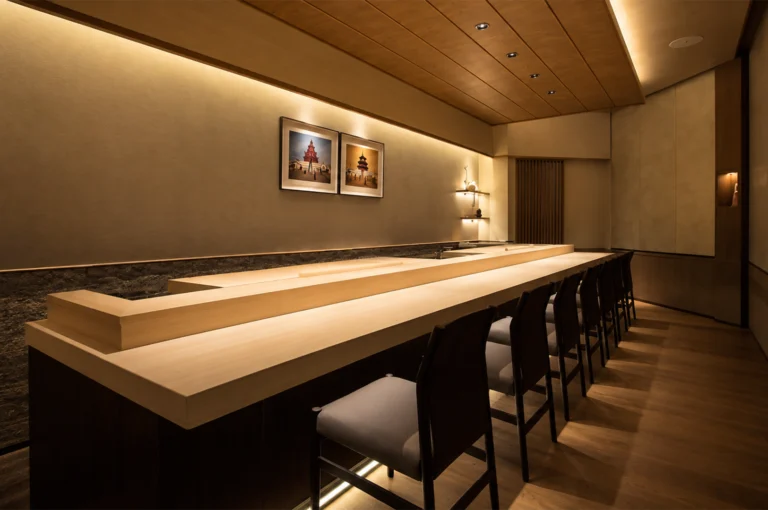
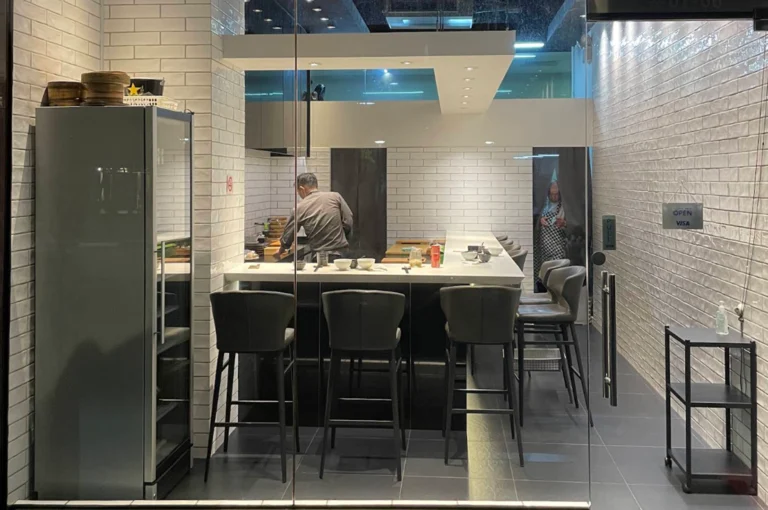
Seated at Yamato’s chef table, guests witness the craft unfold in real time. The chef, standing behind a gleaming counter, works in silence—his movements measured, almost meditative.
This is where mastery meets physics. Every course depends on precise control of oil temperature, batter coldness, and timing. The tools may seem simple—flour, egg, and ice water—but how they are handled makes all the difference.
The Batter: The Foundation of Perfect Tempura
At Yamato, the batter is mixed moments before frying. The flour used is low in gluten, often a soft plain flour or blend tailored for cooking tempura. The chef uses chopsticks to mix it gently, intentionally leaving lumps. Over-mixing creates gluten, resulting in a dense crust instead of that desired light, crispy shell.
Keeping the batter cold is essential. The stark contrast between icy batter and hot oil triggers instant steam, which lifts and crisps the coating—a process that gives true crispy tempura its hallmark texture.
The Oil: The Lifeblood of Deep Frying
Yamato’s oil blend is a closely guarded secret. Many authentic Japanese restaurants use a combination of canola oil, sesame oil, or safflower oil to achieve the right balance of aroma and heat stability.
Oil temperature is carefully monitored throughout the meal:
- Seafood such as kuruma ebi or sea bream is fried quickly at higher temperatures to preserve tenderness.
- Vegetables like sweet potato or lotus root are cooked at a lower temperature, allowing the natural sweetness to develop without burning.
The chef doesn’t rely on thermometers; instead, he reads the oil by sight and sound—the bubble size, the hiss, and the aroma tell him everything. It’s a sensory ballet only achieved through decades of repetition.
Dining at Yamato: The Tempura Omakase Menus Experience in Ngee Ann City
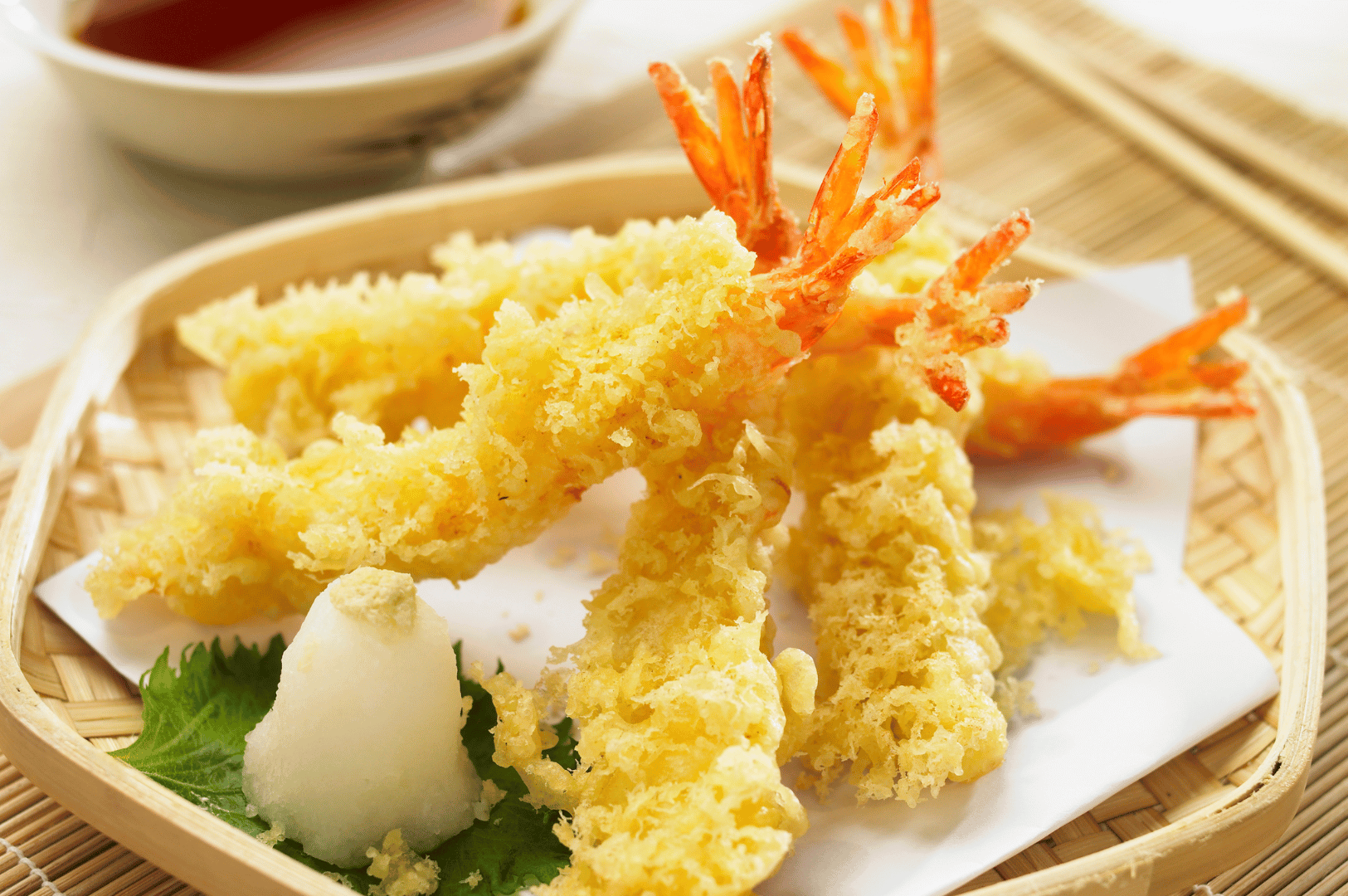
Culinary experts note that Yamato embodies the essence of authentic Japanese restaurants—a relentless pursuit of precision and simplicity.
Here, there are no rich sauces or flashy garnishes to hide behind. The chef’s skill in maintaining consistent oil temperature, handling batter cold, and selecting perfect ingredients ensures each tempura dish is crisp, light, and utterly refined.
Even after a multi-course dinner, the food never feels heavy or greasy—a testament to the meticulous deep frying technique and balance of moisture, heat, and texture.
Lessons from Japan: The Beauty of Mastery in Simplicity
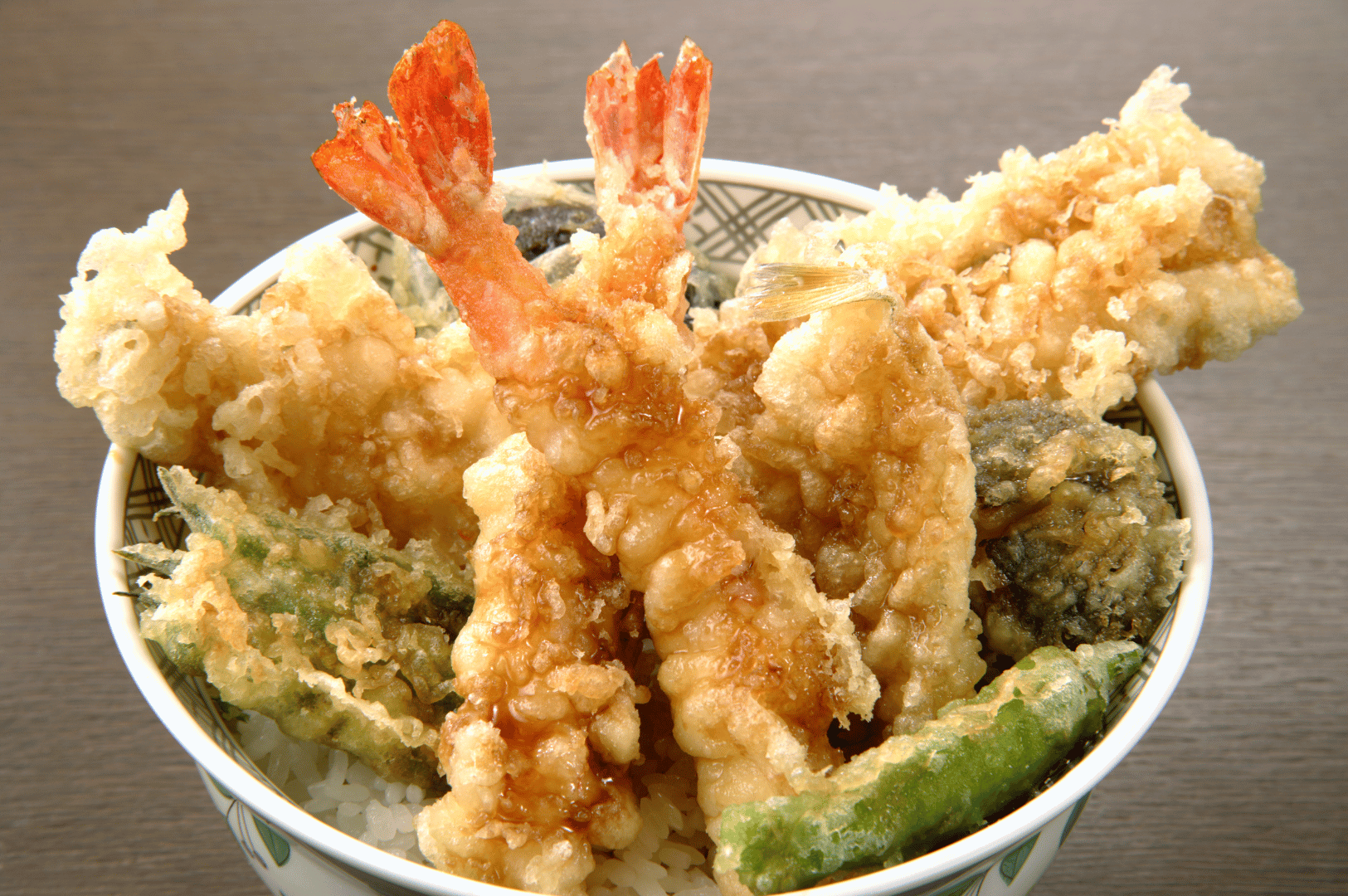
Yamato’s tempura omakase Singapore offering is a reminder that culinary perfection often comes from restraint. By focusing on one method—deep frying—and one recipe repeated thousands of times, the chef reaches a level of artistry that few achieve.
Conclusion: An Invitation to a Crispier World at Ngee Ann City
For those seeking a Japanese restaurant experience unlike any other in Singapore, Yamato’s Tempura Omakase Singapore deserves a place on your culinary map.
Whether you’re drawn by the elegant omakase menus, fascinated by the precision of oil temperature, or simply craving perfectly crisp tempura, Yamato offers something truly unforgettable. Each bite captures the delicate balance of texture, aroma, and flavor, showcasing the chef’s mastery and attention to detail.
If you ever find yourself near Ngee Ann City, step inside Yamato. Sit at the counter, trust the chef, and let the batter, the oil, and the heat tell their story—one golden, crispy bite at a time. For an elevated dining finale, explore premium sake in Singapore and unique digestif programs redefining Japanese cuisine, or discover the fascinating omakase ingredient sourcing stories behind how top restaurants select their finest ingredients.