In Singapore’s dazzling world of Japanese fine dining, new concepts and flashy fusion restaurants constantly vie for attention. Yet, amidst the noise, there are bastions of tradition that stand firm, their appeal rooted not in novelty, but in the flawless execution of time-honored culinary principles. Kuriya Dining is one such establishment.
For years, this award-winning restaurant has been a quiet giant — a place where those in the know go for an authentic, ingredient-focused, and deeply satisfying chef’s table experience. While some omakase counters dazzle with theatrics, Kuriya Dining’s magic is more subtle. It lies in the profound connection between the chef, the ingredient, and the season.
This is a restaurant that doesn’t just serve food; it tells the story of Japan’s four seasons, one exquisite bite at a time. Kuriya Dining’s omakase features regional specialties from across Japan, showcasing the diversity and uniqueness of Japanese cuisine.
Let’s explore how Kuriya Dining omakase remains a masterclass in authentic Japanese cuisine, built upon craftsmanship, patience, and respect for nature’s rhythm.
The Heart of Kuriya Dining Omakase and Japanese Cuisine
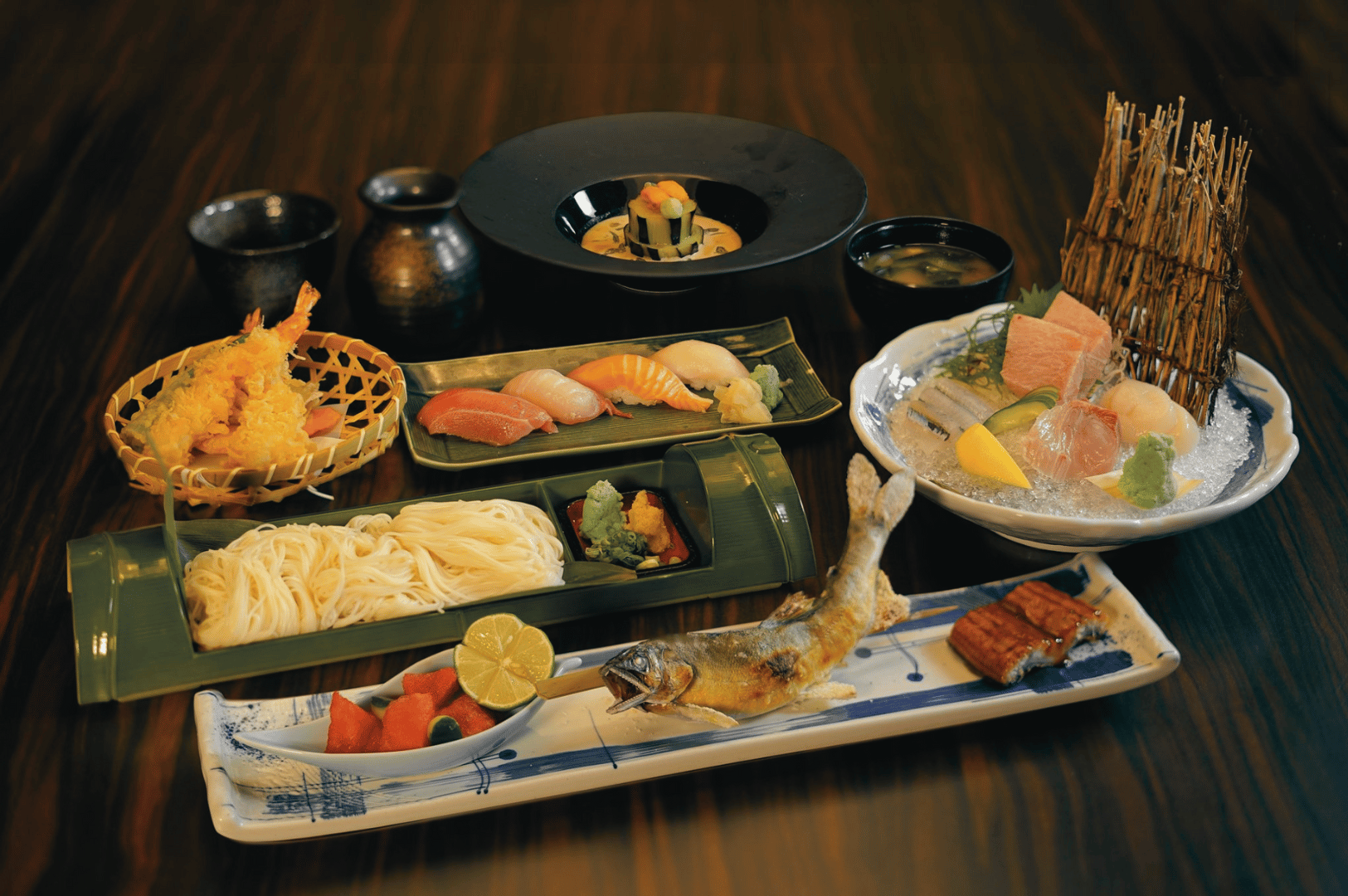
Kuriya Dining, part of the RE&S group, has long been synonymous with traditional Japanese food prepared with elegance and precision. The restaurant’s philosophy is disarmingly simple: source the finest seasonal ingredients from Japan and allow their natural flavors to shine. Here, a wide variety of authentic Japanese foods are prepared, showcasing regional specialties and time-honored dishes that reflect the rich culinary heritage and cultural significance of Japan.
There are no fusion gimmicks here — no truffle oil, no gold leaf, no unnecessary extravagance. Instead, the chefs focus on the purity of Japanese ingredients, the refined cooking methods passed down through generations, and the art of presentation.
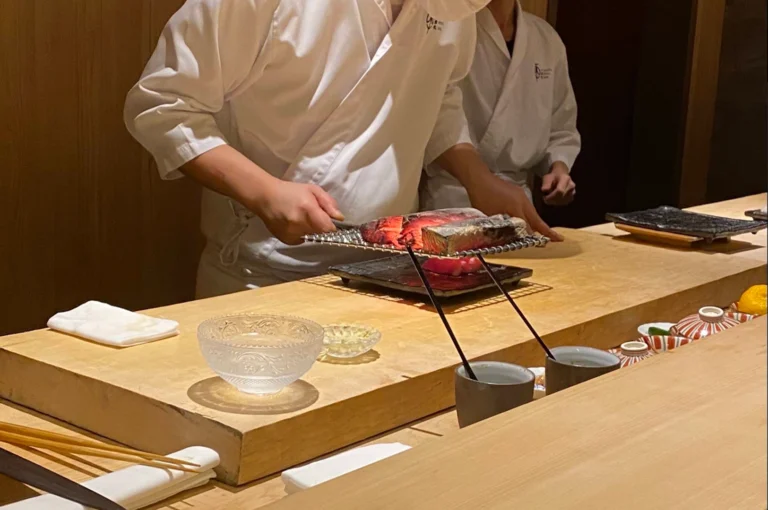
At the omakase counter, guests experience Japanese gastronomy in its purest form — an intimate performance between chef and diner. The word Kuriya (厨) translates to “kitchen,” and indeed, it feels like stepping into a master’s personal kitchen where Japanese food culture comes alive through small, bite-sized pieces of perfection.
The Essence of Japanese Cooking: Shun and Seasonality
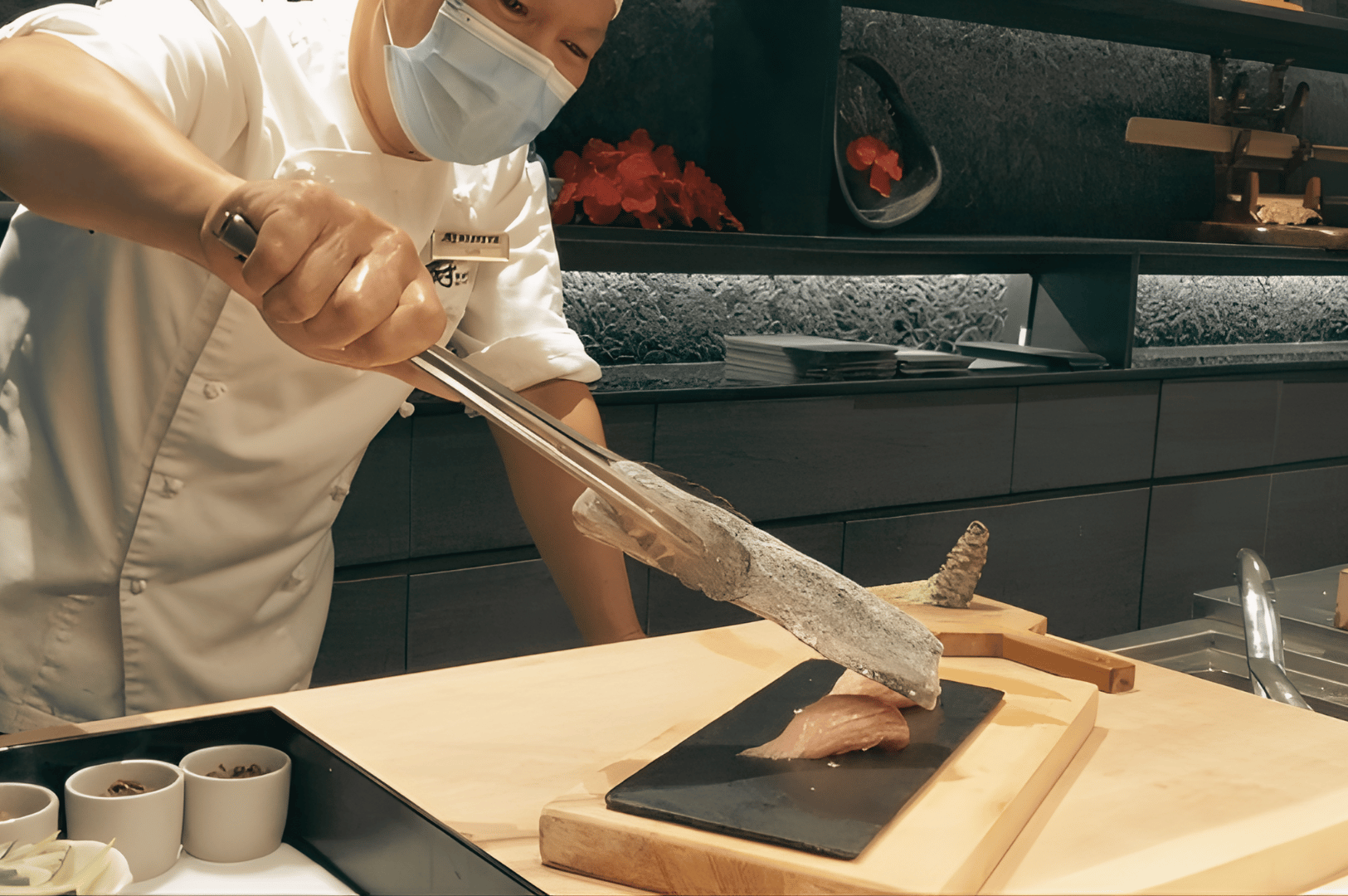
To understand Kuriya Dining’s omakase, one must first grasp the Japanese concept of shun (旬) — the idea of enjoying ingredients at their natural peak. This is the soul of Japanese cooking, where timing is everything.
Every ingredient in the omakase reflects the Japanese diet, which is rooted in balance, freshness, and respect for the seasons. The menu evolves daily depending on what arrives from Japan’s famed markets like Toyosu in Tokyo. This focus on seasonality is a hallmark of traditional Japanese foods, which are celebrated for their deep connection to nature and the changing seasons.
The Four Seasons of Japanese Dishes
Each season in Japan inspires a different menu at Kuriya Dining, reflecting the diversity of Japanese dishes throughout the year:
- Spring (Haru) – tender fresh mountain vegetables, sweet firefly squid (hotaru ika), and delicate sayori (Japanese halfbeak).
- Summer (Natsu) – rich, oily aji (horse mackerel), creamy sea urchin (uni), and juicy Japanese corn.
- Autumn (Aki) – a celebration of fatty tuna (toro), grilled fish like sanma (Pacific saury), earthy mushrooms, and newly harvested rice.
- Winter (Fuyu) – the time for buri (yellowtail), sweet snow crab, and comforting dishes like hot pot and miso soup. Winter menus may also include simmered dishes such as oden, featuring ingredients like boiled eggs, daikon, and fish cakes.
Every ingredient in the omakase reflects the Japanese diet, where seasonal ingredients are central to wellness and pleasure. The menu evolves daily depending on what arrives from Japan’s famed markets like Toyosu in Tokyo.-grade products delivered directly, making it easier to achieve restaurant-level results at home.factor. is carefully prepared, sometimes seasoned with just a sprinkle of salt or paired with a custom tempura sauce to complement its natural flavor.
Behind the Scenes: How Kuriya Dining Masters Ingredient Sourcing
The success of Kuriya Dining’s omakase lies in its unwavering commitment to quality. Shipments from Japan arrive multiple times a week, ensuring freshness.
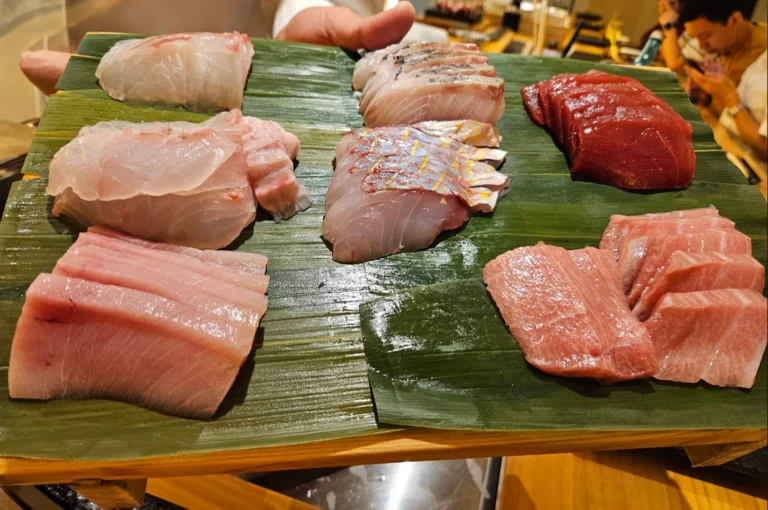
The chefs — veterans of Japanese gastronomy — rely not only on training but on instinct. They can tell a fish’s quality from its color, scent, and the firmness of its flesh. Tuna selection, for example, is almost ritualistic. “It’s not just about the fat content,” one chef shared. “It’s about the texture, smell, and spirit of the fish.”
This trust-based sourcing relationship, built over decades, is what allows Kuriya Dining to consistently deliver excellence — whether it’s the perfect raw fish for sushi, vegetables cooked to retain natural sweetness, or rice that complements each main dish flawlessly. Careful sourcing also extends to meat consumption, with a particular emphasis on premium wagyu beef and strict adherence to traditional Japanese standards.into the soul of your sushi experience. To elevate your rice further, sprinkle sesame seeds or garnish with finely sliced green onions for texture and visual appeal.
Menu Highlights at Kuriya Dining
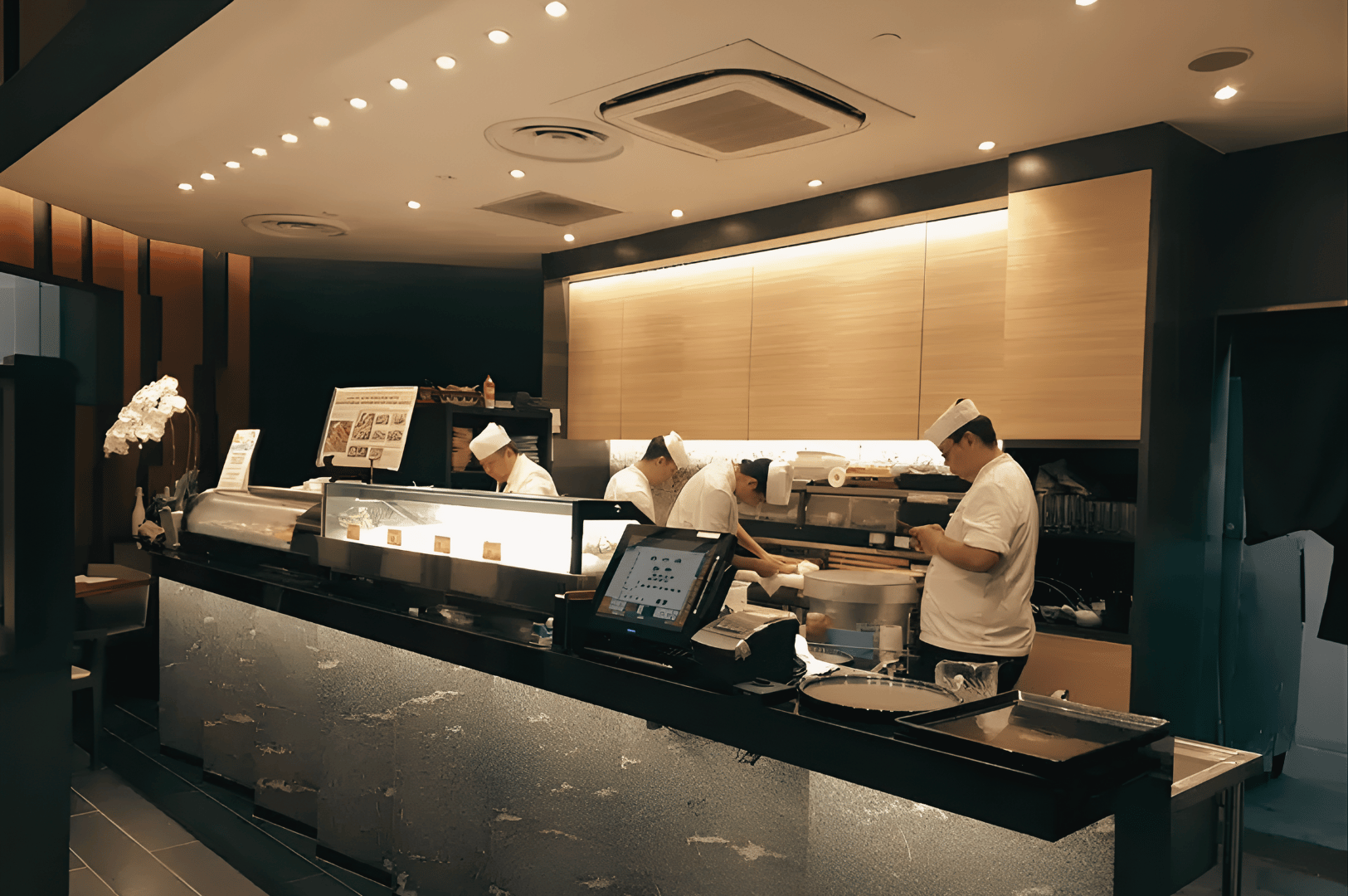
At Kuriya Dining, the menu is a vibrant celebration of authentic Japanese cuisine, thoughtfully crafted to showcase the very best of traditional Japanese food and the bounty of each season. Every dish is a testament to the restaurant’s dedication to Japanese food culture, with seasonal ingredients taking center stage in both classic and exquisitely unique creations.
One of the standout features is the Japanese curry sauce—a comforting, aromatic blend of spices that envelops tender cuts of meat or vegetables, served atop perfectly cooked rice. This popular dish is a favorite among regulars, offering a harmonious balance of warmth and depth that speaks to the heart of Japanese home cooking. Alongside, the miso soup is a perennial highlight, its savory broth brimming with tofu, seaweed, and fresh mountain vegetables, providing a nourishing start or finish to any meal.
The menu also pays homage to the art of grilling and simmering, with expertly prepared grilled fish, fish cakes, and vegetables cooked in lightly seasoned broths. Wagyu beef makes a luxurious appearance in several dishes, its marbled richness complemented by simple accompaniments like shredded cabbage or pickled plum.
Kuriya Dining’s commitment to tradition extends to its selection of western food-inspired options, such as grilled meats and fish, all prepared with the same meticulous attention to detail that defines Japanese cooking. The restaurant’s menu is designed to suit both everyday dining and special occasions, with seasonal specialties and exquisitely unique creations that make each visit memorable. As an award-winning restaurant, Kuriya Dining stands out for its unwavering dedication to using only the freshest ingredients and time-honored cooking methods.
The Art of Aging and Curing
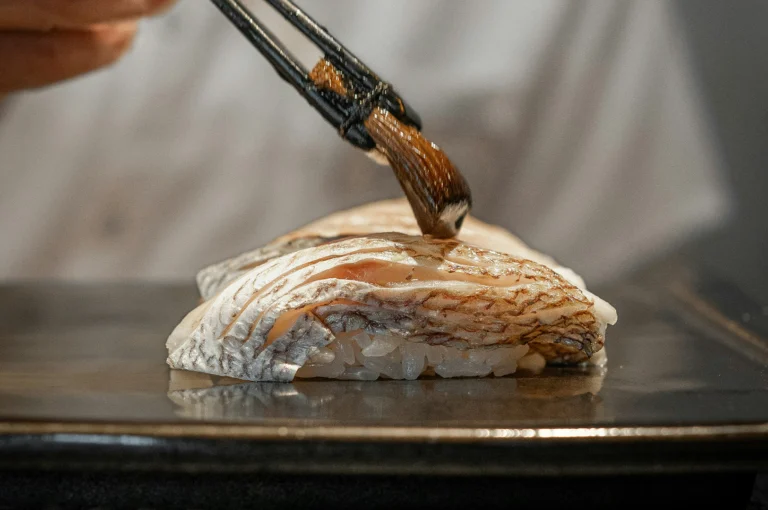
Fish such as flounder or snapper are carefully aged to deepen umami, while mackerel is cured in soy sauce, salt, or vinegar to balance its natural oils. These techniques — passed down from buddhist monks and Edo-era masters — are central to Japanese cuisine, emphasizing harmony and restraint.
Sushi Rice and Balance
The foundation of great sushi lies in the sushi rice, or shari. At Kuriya Dining, the chefs use premium Japanese grains seasoned with a proprietary vinegar blend. The rice is served warm — never cold — and pairs perfectly with each slice of raw fish. Whether it’s delicate snapper or fatty tuna, the balance of rice and seafood defines the experience.
Beyond Sushi: Hot Pot Dishes and Other Creations
While sushi remains the highlight, Kuriya Dining also honors other dishes from Japanese food culture, such as hot pot dishes like chanko nabe, a hearty hot pot often enjoyed by sumo wrestlers. You may also find comforting noodle dishes featuring udon noodles or wheat flour-based noodle dishes served with light soup stock and dipping sauce. A variety of Japanese noodles, including soba and somen, are also celebrated in traditional Japanese cuisine for their unique textures and serving styles.
From Appetizers to Miso Soup: A Journey Through Japanese Food Culture
A full Kuriya Dining omakase is a beautifully orchestrated progression that mirrors the balance of a typical meal in Japan — one soup and several side dishes, served in small portions with cooked rice. Eating each course in sequence is important to fully appreciate the flavors and the chef’s intent.
Dessert: Meals often end with a sweet red bean paste confection or white rice mochi — exquisitely unique creations that are lightly seasoned and elegant.
Zensai (Appetizers): These bite-sized starters showcase seasonal ingredients, such as vegetables cooked in dashi or grilled fish seasoned with pickled plum. Some may feature deep fried items, such as tempura-style seafood or ground meat croquettes.
Sashimi and Nigiri: The essence of Japanese cuisine, highlighting raw fish sliced into perfect, thin strips and placed atop expertly molded sushi rice.
Maki and Rice Balls: Rolled creations and rice balls reflect the chef’s artistry, occasionally incorporating pickled vegetables or fish cake.
Miso Soup and Hot Dishes: A comforting miso soup, made from fermented soybeans, may be served alongside rice or other dishes such as lightly simmered wagyu beef or vegetables cooked in soup stock. In some traditional Japanese meals, ingredients like thinly sliced beef may be dipped in raw egg before eating, enhancing the texture and flavor. A variety of traditional Japanese soups, such as clear broths and hearty stews, are often included in the omakase experience.
Dining at Kuriya Dining: A Restaurant for Special Occasions
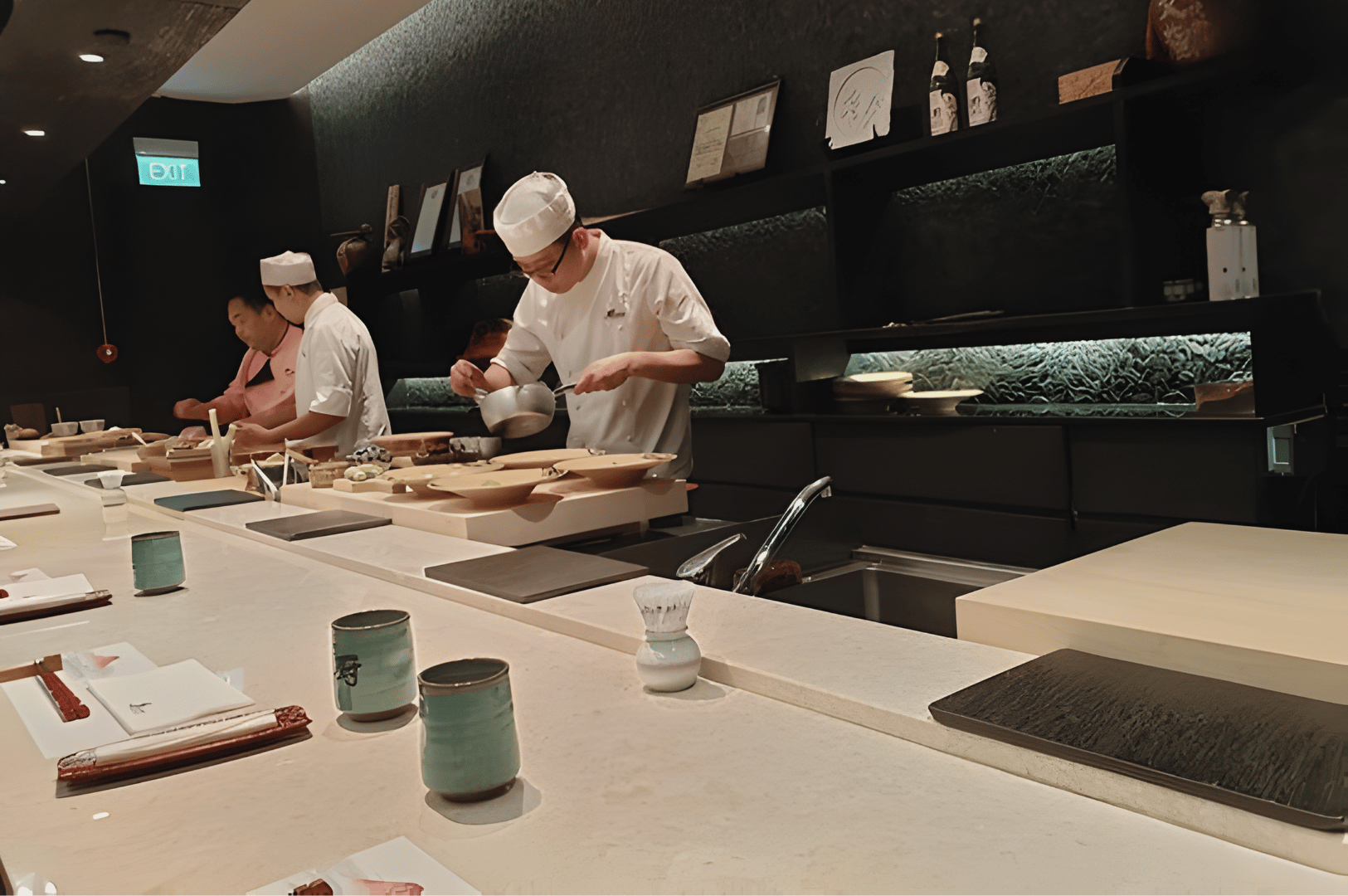
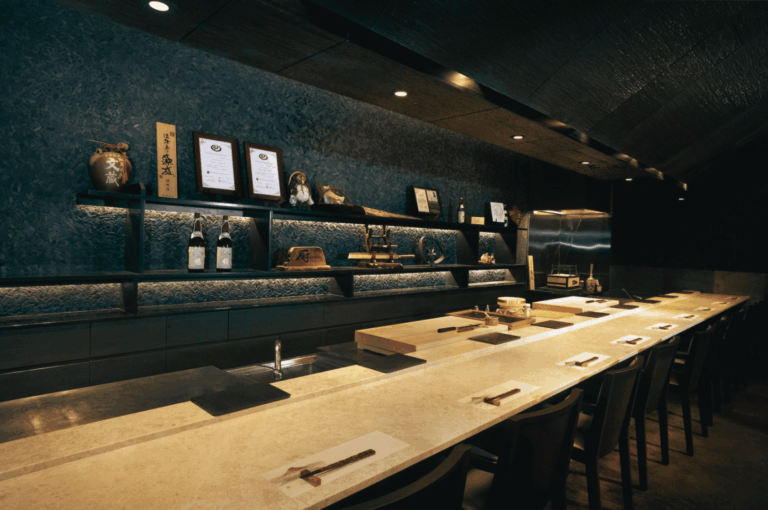
A seat at Kuriya Dining’s omakase counter offers one of the most intimate dining experiences in Singapore. The hinoki wood counter accommodates only a few guests, ensuring the chef’s full attention to each diner.
- Atmosphere: Serene and respectful — ideal for special occasions or quiet appreciation of Japanese food artistry.
- Price Range: Kuriya Dining offers excellent value for an award-winning restaurant, with lunch omakase options serving as an accessible introduction and dinner menus offering the full seasonal journey.
- Etiquette: The chefs encourage curiosity and conversation. Guests can eat with chopsticks or hands, enjoy one soup, and savor each dish soon after it’s placed before them.
This harmony between chef and diner reflects the deep-rooted humility in Japanese style hospitality — where every meal is a quiet act of devotion.
Conclusion: The Beauty of Classic Japanese Cooking
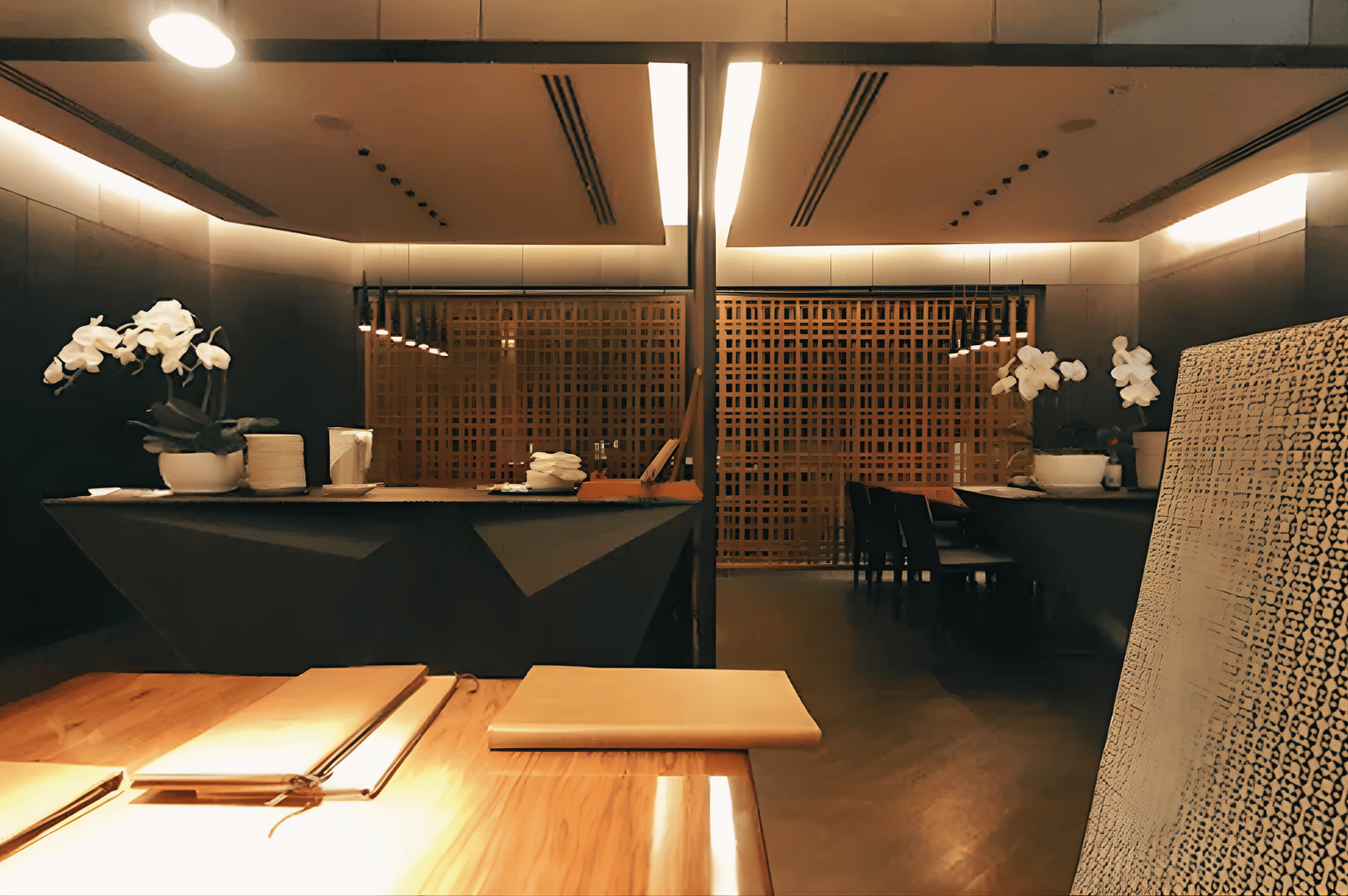
In a dining scene obsessed with innovation, Kuriya Dining omakase stands as a tribute to the timeless virtues of Japanese cuisine — simplicity, seasonality, and mastery.
It’s an experience that invites you to slow down and appreciate the intricacies of Japanese dishes — the gentle umami of miso soup, the purity of sushi rice, the warmth of a hot pot, or the satisfying slurp of noodle dishes.
Kuriya Dining reminds us that the perfect dish is not always the one that shouts the loudest, but the one that whispers of Japan’s seasons, craftsmanship, and the quiet confidence of tradition.
For those seeking to understand the soul of Japanese gastronomy, a seat at Kuriya Dining’s omakase counter is more than a meal — it’s a journey through the heart of Japanese food culture, served one elegant bite-sized piece at a time. Some beloved Japanese dishes, such as gyoza, are of Chinese origin, reflecting the rich tapestry of influences that shape Japan’s culinary landscape. Continue your exploration with Omakase Ingredient Sourcing: Tips for Finding the Finest Ingredients or dive deeper with Omakase for First-Timers: Beginner Omakase Singapore Chef’s Table Experiences.