Ask anyone in Singapore about their favorite food, and it won’t be long before Japanese cuisine enters the conversation. There’s an undeniable love affair between this city and the culinary arts of Japan. From the comforting warmth of a ramen bowl to the exquisite precision of a perfectly sliced piece of sashimi, the options are endless. But with so many choices, where do you even begin? How do you find a Singapore Japanese restaurant that’s truly special? Each restaurant may have its own unique concept, ranging from traditional to modern, and this concept can shape the entire dining experience.
This isn’t just another list of restaurants. Think of this as a conversation with a friend who has spent countless hours exploring the city’s Japanese dining scene—from hidden izakayas to gleaming temples of sushi bars. We’ll demystify the different dining styles, explore what makes for exceptional sushi in Singapore, and give you the insider knowledge to choose the perfect spot for any occasion. Whether you’re a seasoned connoisseur or just starting your Japanese food journey, this guide will help you navigate the vibrant and delicious landscape of Japanese cuisine in the Lion City.
What Makes Singapore’s Japanese Dining and Cuisine Scene So Special?
Singapore’s obsession with Japanese food isn’t just a trend; it’s a deep-rooted appreciation for quality and craftsmanship. What makes our scene stand out is its incredible diversity and world-class standards. Thanks to Singapore’s position as a global hub, restaurants can fly in pristine premium ingredients from Japan’s famed markets, like Toyosu in Tokyo, several times a week. This means the fish you’re eating is often just a day or two out of the water.
But it’s not just about fresh ingredients. The Singapore Japanese restaurant scene is a melting pot of talent. You have Japanese chefs who have dedicated their lives to mastering a single craft, alongside innovative local chefs who are reinterpreting traditions with a modern twist. Many renowned establishments also draw inspiration from sushi traditions originating in Osaka, known for its emphasis on fresh, high-quality ingredients and precise knife skills. Singapore’s top Japanese restaurants consistently measure up to the authenticity and quality found in Japan’s most respected sushi capitals, thanks to their commitment to traditional techniques and exceptional ingredients. This creates a dynamic environment where you can find everything from time-honored classics to bold, new culinary creations, all within a few city blocks..
A World of Choice: Navigating Japanese Dining Styles and Sushi Bars
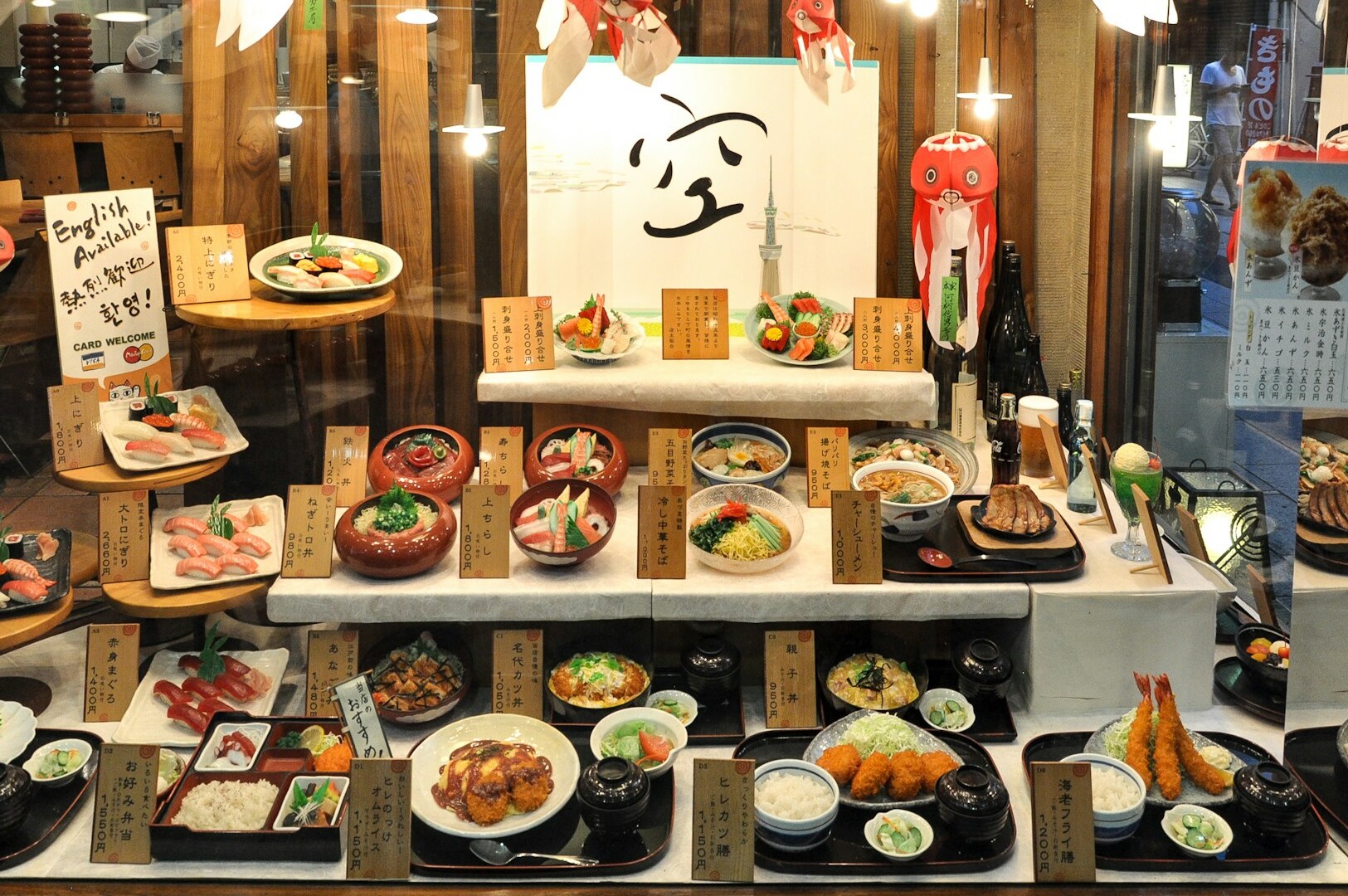
The term “Japanese restaurant” covers a vast spectrum of dining experiences. Understanding the different styles is the first step to finding exactly what you’re craving. Each style offers a unique way to dine and experience Japanese cuisine in Singapore.
The Sushi Bar: Temples of Sushi and Sashimi
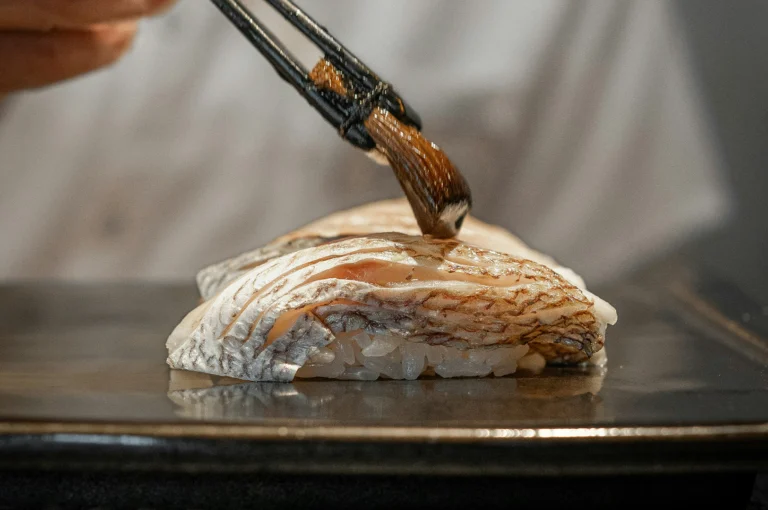
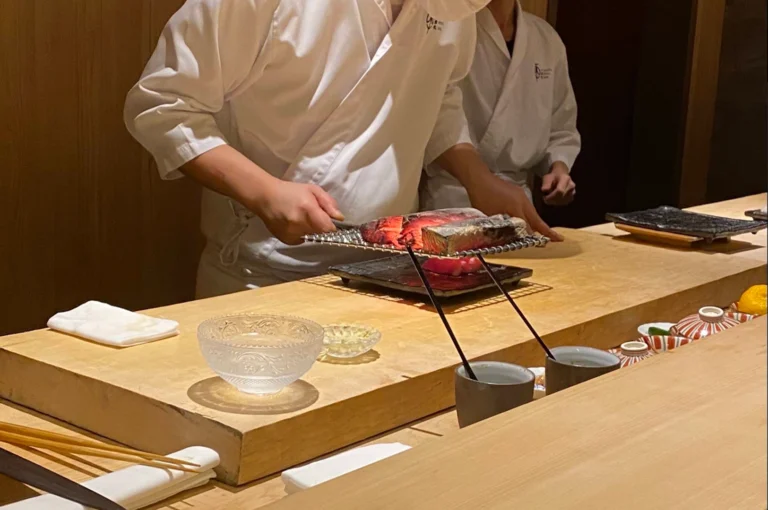
This is where the art of sushi in Singapore truly shines. A sushi bar is a restaurant specializing in sushi and sashimi. The best ones are often intimate, counter-seating-only affairs where you can watch the chef, or itamae, at work. This is the home of the omakase experience, where you entrust your meal to the chef. Famous outlets like Tomi Sushi and others in Ngee Ann City and International Plaza are renowned establishments for this. Reading customer reviews can help you gauge not only the quality of the dishes but also the attentive service that elevates the dining experience.
The Izakaya: Japanese Pub Culture and Appetisers
An izakaya is the Japanese equivalent of a gastropub. It’s a casual spot for after-work drinks and a wide variety of small, shareable plates, including appetisers like grilled skewers (yakitori), fried chicken (karaage), and simple sashimi. Izakayas encourage diners to share different dishes, making the meal a social and interactive experience that brings people together. Izakayas often feature a variety of sake and craft beers on tap, providing a bonus to those seeking authentic Japanese pub culture. Izakayas are perfect for a lively, social evening with friends.
Udon-ya: The Noodle Shop
A udon-ya serves up thick, chewy wheat noodles in lighter broths or served cold with a dipping sauce. They are perfect for a quick, satisfying, and affordable meal, often served with a side of miso soup or salad.
The Kaiseki Restaurant: A Culinary Art Form
Kaiseki is the pinnacle of Japanese fine dining. It’s a traditional multi-course meal that showcases the chef’s skills and celebrates the seasons. Each dish is a work of art, beautifully presented on carefully chosen ceramics. A kaiseki meal is a slow, meditative experience, ideal for a very special occasion or celebration.
The Heart of the Matter: Understanding Sushi and Japanese Cuisine in Singapore
For many, Japanese food is synonymous with sushi. But there’s a whole world beyond a simple salmon roll. Let’s break down the different types you’ll encounter.
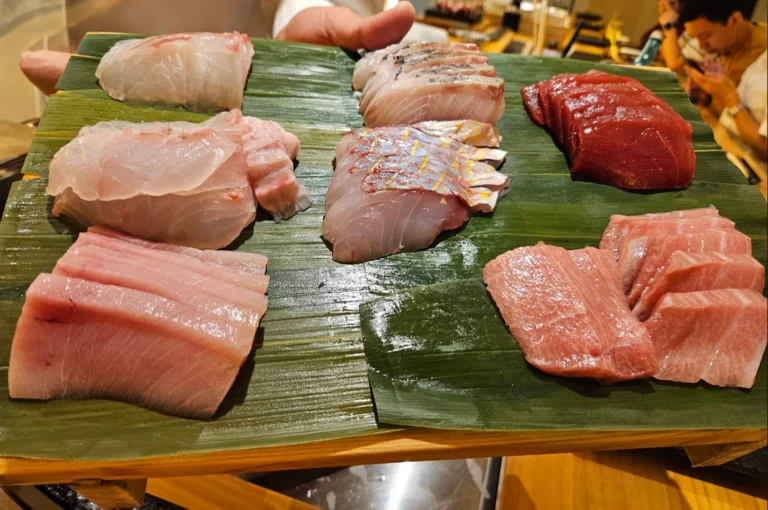
- Sashimi: This is the purest form—expertly sliced, raw fish served without rice. It’s the ultimate test of an ingredient’s quality and the chef’s knife skills.
- Nigiri: A slice of fish or another topping placed over a small, hand-pressed mound of vinegared rice. This is the classic form of sushi, where the balance between the fish and the seasoned rice is paramount.
- Maki: This is what most people picture when they think of sushi rolls. Rice and fillings are rolled in a sheet of seaweed (nori) and then sliced into rounds.
- Temaki: A hand-rolled cone of seaweed filled with rice, fish, and other ingredients. It’s meant to be eaten immediately while the seaweed is still crisp.
- Chirashi (Donburi): A bowl of sushi rice topped with a beautiful arrangement of various sashimi, vegetables, and garnishes. It’s like a deconstructed sushi platter and often offers great value, with options ranging from simple to elaborate. Some restaurants offer chirashi bowls priced per person, making it an accessible option for solo diners or groups.
What separates good sushi in Singapore from the truly exceptional? It comes down to two things: the quality of the ingredients and the skill of the chef. A great chef knows not only how to slice fish but also how to age it to enhance its flavour and texture. Chefs look forward to each season’s new ingredients, refining their process to bring out the best flavors. And the rice, or shari, is just as important. It should be seasoned perfectly and served at body temperature, with each grain distinct.
Discover Famous Singapore Japanese Restaurant Neighborhoods and Outlets
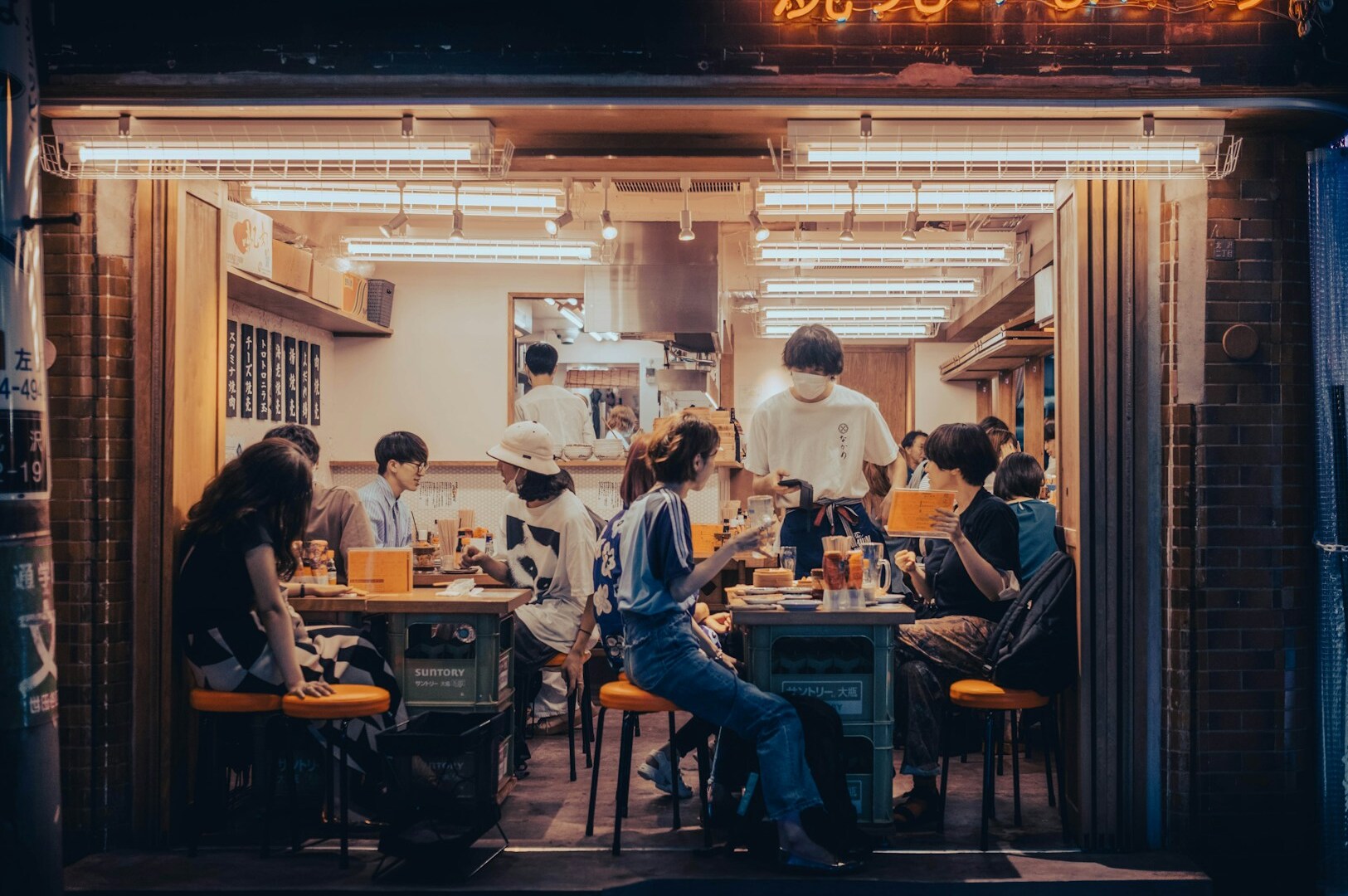
Different neighborhoods in Singapore have become hubs for fantastic Japanese dining. Knowing where to look can help you discover your next favorite Singapore Japanese restaurant. Some restaurants even feature sunlit dining spaces or outdoor seating, where the natural light from the sun enhances the ambiance and creates a warm, inviting atmosphere.
Orchard Road and Ngee Ann City: The Luxury Hub and Renowned Establishments
As you might expect, the area around Orchard Road and Ngee Ann City is home to many of Singapore’s high-end Japanese restaurants, often located within luxury hotels and gleaming shopping malls. This is where you’ll find many of the city’s top-tier omakase counters, kaiseki restaurants, and sushi bars serving signature dishes like sanchoku wagyu and unagi. For example, Tomi Sushi’s address in International Plaza is a must-visit for sushi lovers.
Tanjong Pagar: “Little Japan” and Authentic Japanese Dining
This area is often called Singapore’s “Little Japan” for good reason. The streets are packed with authentic izakayas, ramen shops, and intimate sushi bars. It’s a fantastic neighborhood to explore on foot, with countless hidden gems waiting to be discovered.
Choosing the Right Japanese Restaurant for Any Occasion and Dining Experience
With so many options, how do you pick the right one? Here are a few tips based on the occasion.
- For a Romantic Date Night or Special Occasion: An intimate sushi bar or a quiet kaiseki restaurant is perfect. The focused, elegant experience allows for conversation and connection, often complemented by a curated sake selection.
- For a Fun Night Out with Friends: An izakaya is your best bet. The lively atmosphere, shared plates, and extensive drink menu are made for social gatherings, with many places offering drinks on tap as a bonus.
- For a Quick & Satisfying Lunch or Meal: You can’t go wrong with a ramen or udon shop. They offer delicious, high-quality meals that are both quick and affordable, often served with a side of miso soup or salad.
- For a Celebration or to Impress Your Guests or Date: Opt for renowned establishments offering premium ingredients like sanchoku wagyu or fresh seafood flown in daily from Tokyo’s Toyosu Market. Popular chains like Sen-ryo offer a wide selection of sushi and sashimi, perfect for casual dining.
Check Opening Hours and Plan Your Visit
Many Japanese restaurants and sushi bars in Singapore are open for lunch and dinner, with some offering special menus or deals on Fri, Saturday, and Sunday. Be sure to check the opening hours of your chosen outlet, and consider making a reservation to secure your table, especially for special occasions or weekend visits.
Conclusion: Your Japanese Dining Journey Begins Now
Singapore’s Japanese dining scene is a universe of its own—rich, diverse, and endlessly exciting. It offers a journey for every palate and every budget, from a humble bowl of life-changing ramen to the theatrical performance of a master sushi chef. The key is to explore with an open mind and a hungry stomach.
Don’t be afraid to try something new. Step into that tiny izakaya you’ve always walked past, book a lunch omakase to see what the hype is about, or simply take the time to savor a perfectly crafted piece of sushi in Singapore. Every Singapore Japanese restaurant has a story to tell. Now it’s time for you to go out and discover them. Enjoy the process, feel the culture, and order with confidence.