Navigating the world of omakase Singapore can be exciting yet overwhelming. With options from traditional sushi counters to modern kappo experiences, finding the right fit for your mood, budget, and occasion is key. Whether you seek a lunch omakase menu for a quick, memorable meal or a full dinner omakase featuring courses crafted with the finest ingredients and culinary artistry, Singapore offers diverse omakase restaurants to explore.
Omakase meals typically start with an appetiser showcasing seasonal ingredients or the chef’s creativity. Diners then enjoy a sequence of dishes such as sashimi, nigiri, tempura, hot dishes, and beef or other meats, all balanced in flavor. Palate cleansers between rich or aged fish courses refresh the palate for continued enjoyment.
What “Omakase” Means in Singapore Today: The Omakase Menu Experience
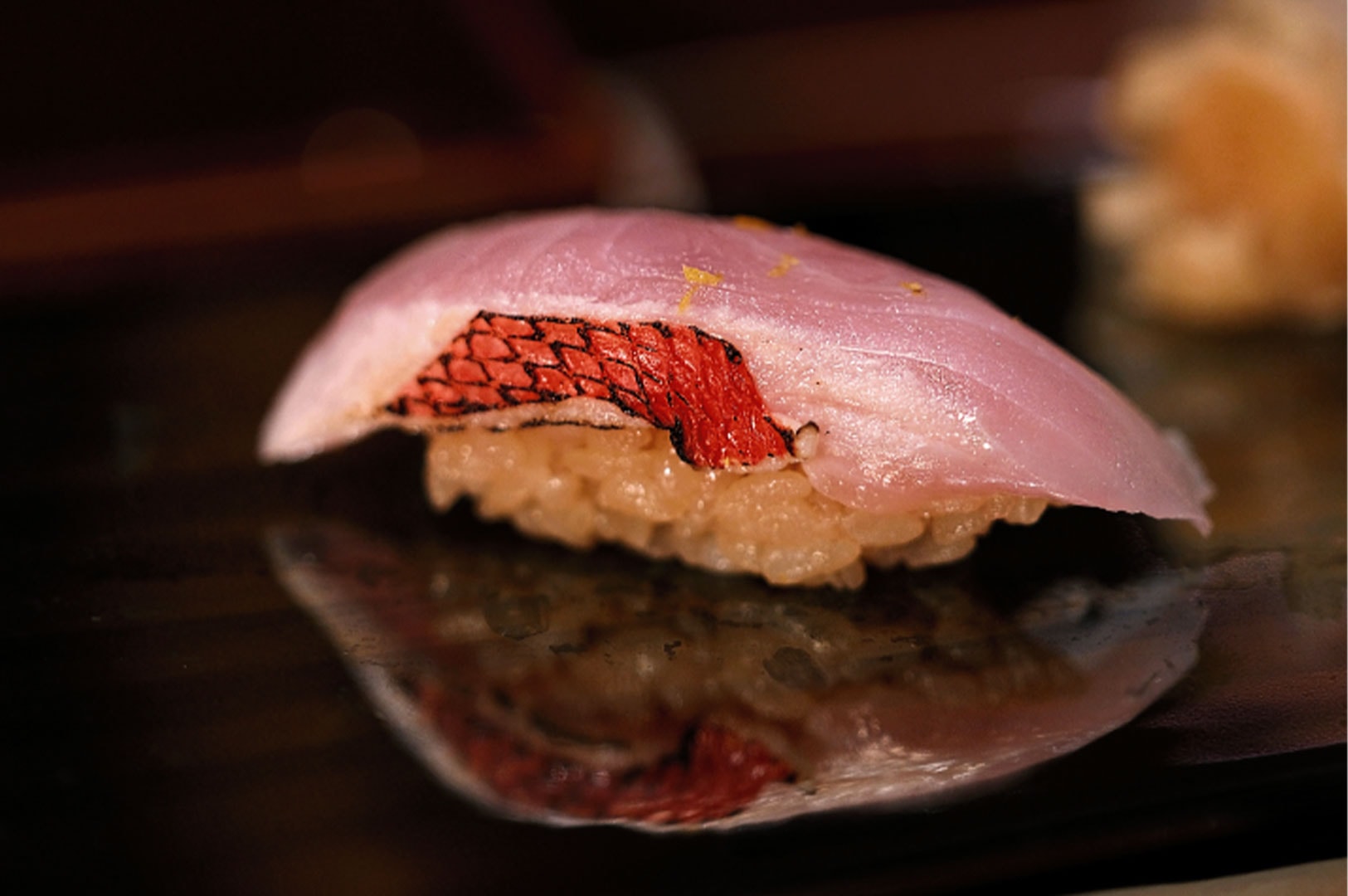
At its core, “omakase” translates to “I leave it up to you.” This authentic Japanese dining style is an intimate experience where diners entrust their meal entirely to the chef. Central to this experience is a deep respect for seasonality, with the chef curating a carefully balanced, multi-course seasonal tasting menu based on the freshest seasonal ingredients available that day.
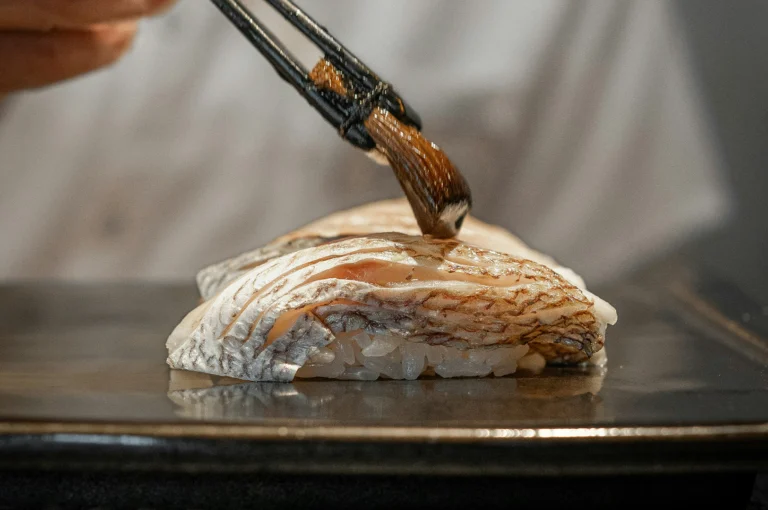
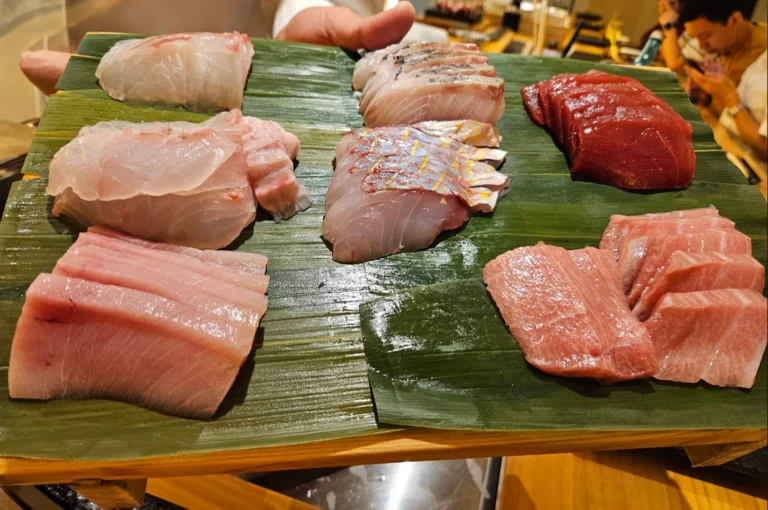
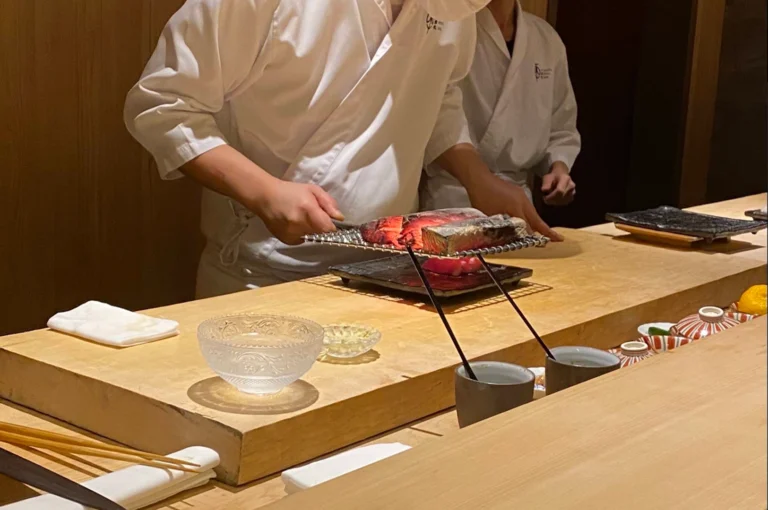
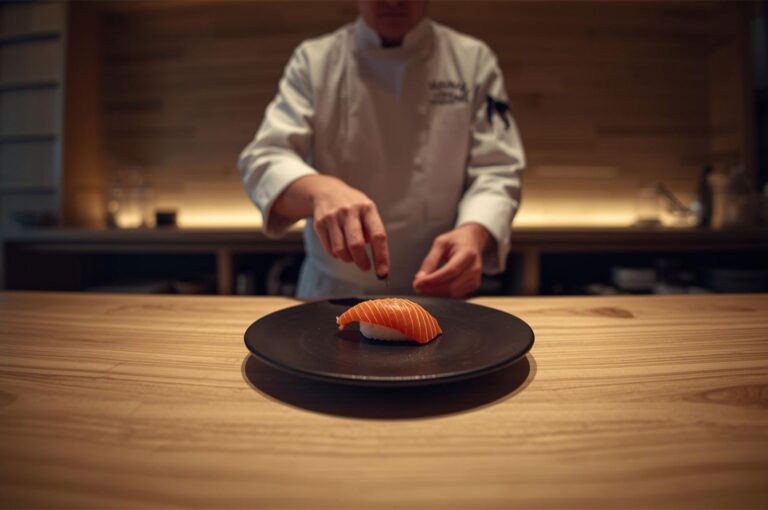
The omakase experience is often compared to a performance, with the sushi counter or kappo kitchen serving as the centre stage. Each course is prepared and served directly by the chef, allowing diners to witness the artistry and craftsmanship up close. Menus are fluid, changing not only with the broader seasons but also the micro-seasons of Japan, reflecting the freshest seasonal fish and premium seafood flown in regularly, often from renowned markets like Toyosu Market in Tokyo. A fish that is perfect one week may be replaced by another the next, showcasing seasonal highlights such as fatty tuna, uni, or sakura ebi.
Choosing the right restaurant depends on the chef’s philosophy and style, whether it’s a traditional sushi omakase focusing on expertly crafted nigiri with perfectly seasoned sushi rice or a more varied kappo omakase featuring cooked dishes and seasonal sashimi. This Japanese dining style allows for omakase menus ranging from concise lunch courses to elaborate dinner omakase sets, each offering a unique journey through seasonal fish, seasonal appetisers, and premium ingredients.
Lunch Omakase Menu vs. Dinner Omakase Menu: Value and Depth at Omakase Restaurants
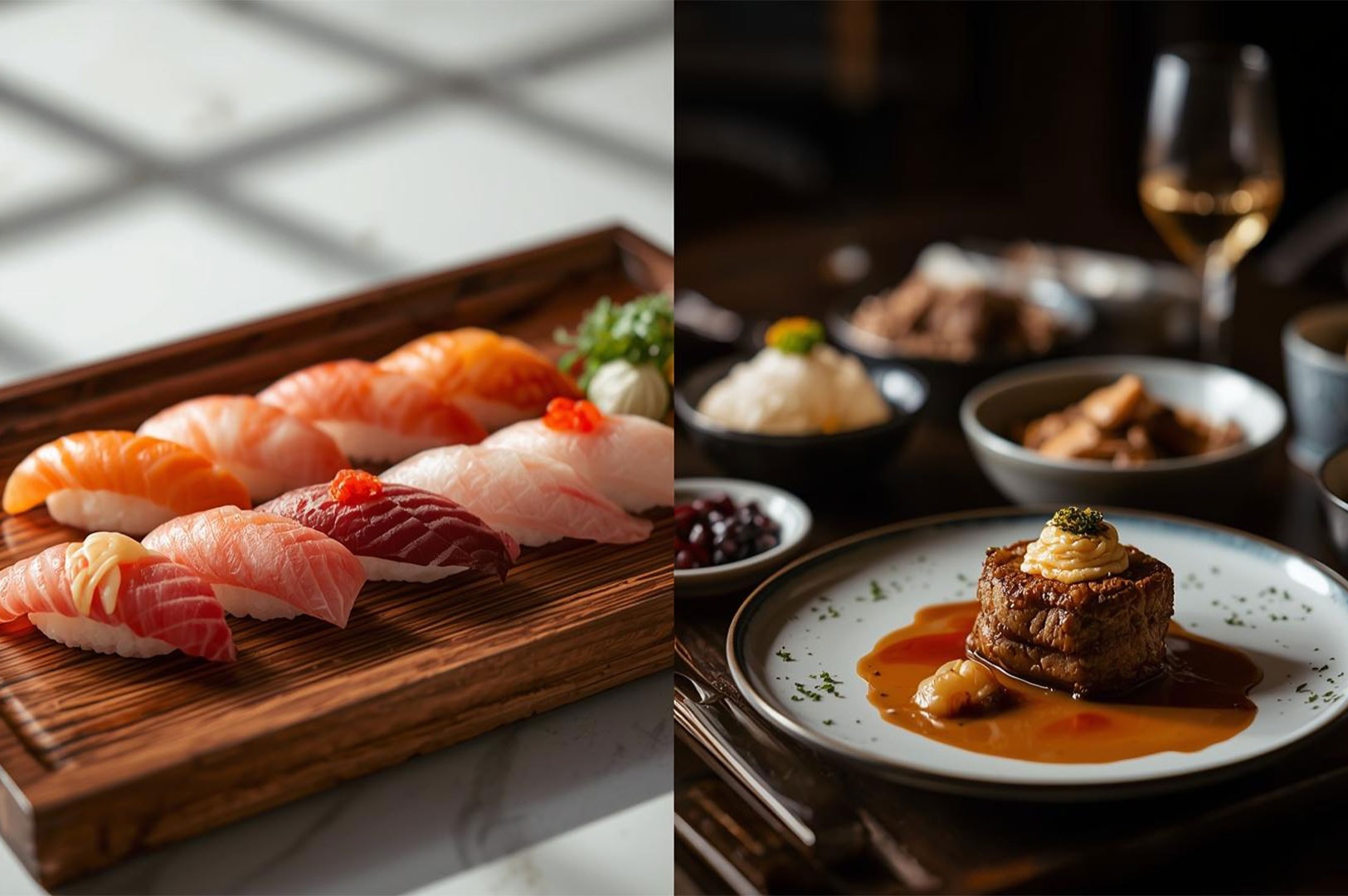
Choosing between lunch and dinner can significantly shape your omakase experience. Neither is better than the other; they simply serve different purposes. Lunch omakase menus tend to be shorter and more affordable, offering a curated selection of seasonal sushi and sashimi that provides a perfect introduction to the art of omakase. These lunch options often feature a good balance of classic nigiri and lighter courses, making them ideal for a quick yet satisfying dining experience during the day.
Lunch Omakase: A Perfect Introduction to Omakase Singapore
An omakase lunch menu in Singapore is often the best entry point for newcomers. These menus typically feature a shorter progression of courses at a more accessible price point. The experience is more condensed, making it ideal for a high-quality business lunch or a first taste of a renowned restaurant without committing to a three-hour dinner.
Additionally, lunch omakase offers a chance to enjoy premium ingredients and chef’s craftsmanship in a relaxed setting, perfect for those seeking an authentic yet time-efficient Japanese dining experience.
Dinner Omakase: The Full Omakase Menu Experience
Dinner is where chefs present their full culinary narrative. These experiences are longer, more elaborate, and often feature rarer, more premium cuts of fish and ingredients. The pacing is more relaxed, allowing for greater interaction with the chef and a deeper exploration of the season’s offerings. If you’re celebrating a milestone or want to fully immerse yourself in a chef’s vision, dinner is the way to go.
The atmosphere during dinner omakase is typically more serene and intimate, enhancing the overall dining experience. Many restaurants limit seating to ensure personalized attention and a front-row view of the chef’s meticulous preparation. Expect a thoughtfully paced progression from light, delicate flavors to richer, more robust dishes. The meal usually concludes with comforting elements like miso soup and a delicate dessert, rounding off the experience perfectly.
Pro Tip: For better availability at popular restaurants like Sushi Masa by Ki-setsu, consider booking a weekday lunch instead of dinner. Lunch slots are less in demand, offer a shorter omakase course at a more reasonable price, and provide a great opportunity to enjoy authentic Japanese omakase with better value. Planning ahead and being flexible with your dining time can improve your chances of securing a seat at these sought-after omakase spots in Singapore.
Dining Experience: Omakase for Every Budget and Occasion
Affordable Omakase: Quality Without Compromise
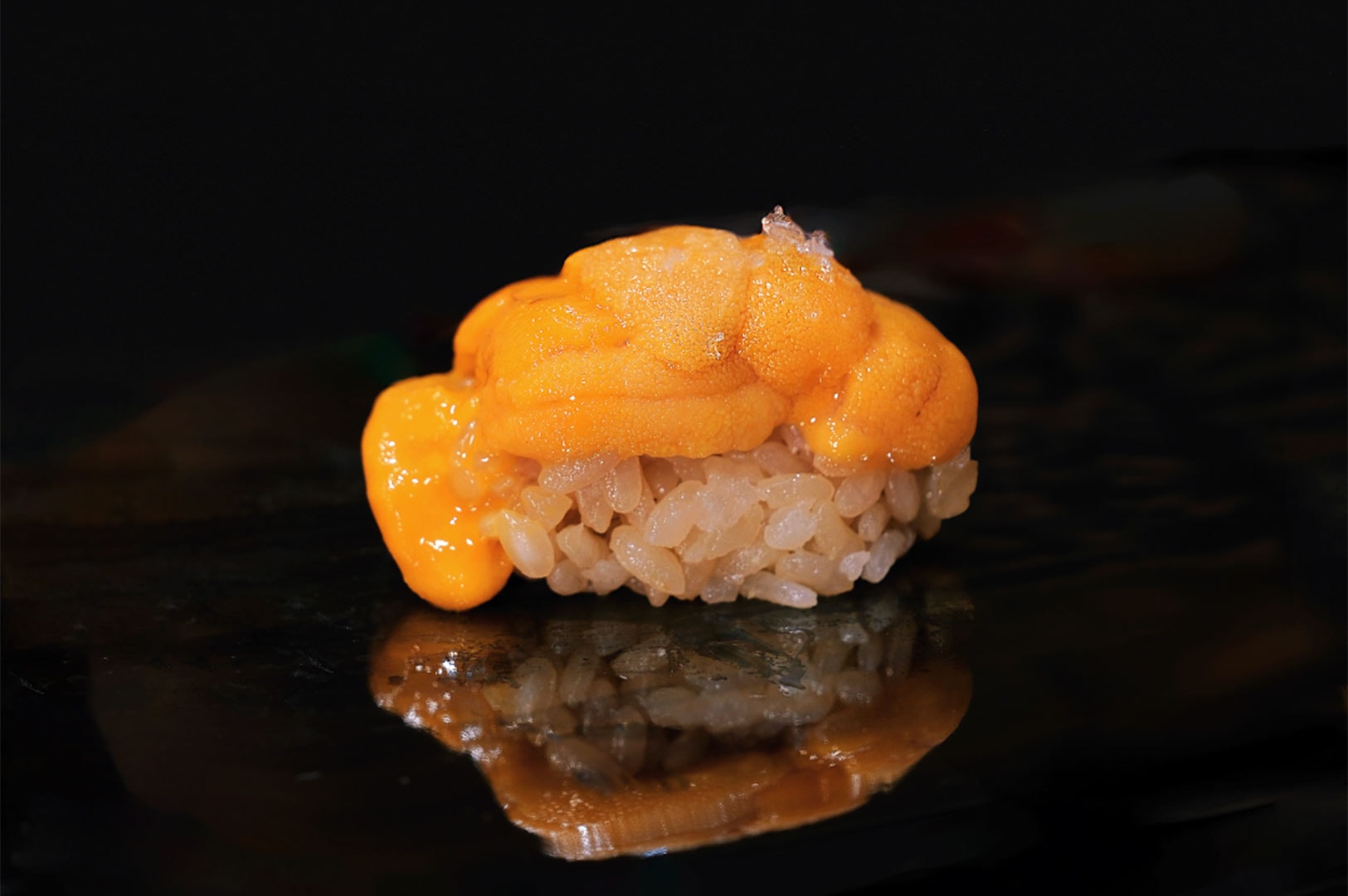
Omakase dining in Singapore caters to a wide range of budgets, making it accessible for both casual diners and those seeking a luxurious experience. Affordable omakase options provide excellent value without compromising on quality, perfect for those new to the style or looking for a satisfying meal without splurging.
Mid-Range and Premium Omakase: For Special Celebrations
Mid-range and premium omakase restaurants offer more elaborate menus, featuring rare and seasonal ingredients for special celebrations or indulgent nights out. These establishments often emphasize an intimate dining experience, with limited seating to allow close interaction with the chef.
Many source their premium seafood directly from renowned markets like Toyosu Market in Tokyo, ensuring freshness and authenticity in every course. This level of omakase dining highlights the chef’s craftsmanship in sushi preparation, including precise knife work, expertly seasoned sushi rice, and traditional Edomae techniques that elevate the flavors of each dish.
Omakase for Every Occasion
Whether it’s a casual lunch with colleagues, a romantic date night, or a milestone celebration, omakase offers a unique and memorable dining experience. Many restaurants in Singapore tailor their omakase menus and ambiance to suit different occasions, from intimate counters perfect for one-on-one interaction with the chef to larger private rooms for group celebrations. This versatility makes omakase a popular choice for various social and personal events.
The Immersive and Personal Dining Experience
The dining experience itself is highly immersive and personal. Guests enjoy a front-row view of the chef’s meticulous craftsmanship, witnessing the preparation of each course using premium seafood flown in from Japan. The intimate setting, often with limited seating, encourages interaction and dialogue, enhancing the connection between diner and chef. This thoughtful curation and ambience elevate omakase beyond a meal to a refined culinary journey.
Booking Strategy That Works for Omakase Singapore
Securing a seat at the best omakase in Singapore often requires planning. Here’s a simple checklist to help you succeed:
- Book in Advance: For top-tier restaurants, book at least two to four weeks ahead, especially for weekend dinner slots.
- Counter is Key: Always request a counter seat when booking. This is where the true omakase experience happens.
- Be Specific: When booking, mention any dietary restrictions or allergies. Also, note if it’s a special occasion.
- Join a Waitlist: Don’t be discouraged if a restaurant is fully booked. Ask to be placed on their waitlist, as last-minute cancellations are common.
- Follow on Socials: Many restaurants announce last-minute openings or special seasonal menus on their social media channels.
Pairings Without Overpowering the Arc at Your Japanese Omakase Restaurant
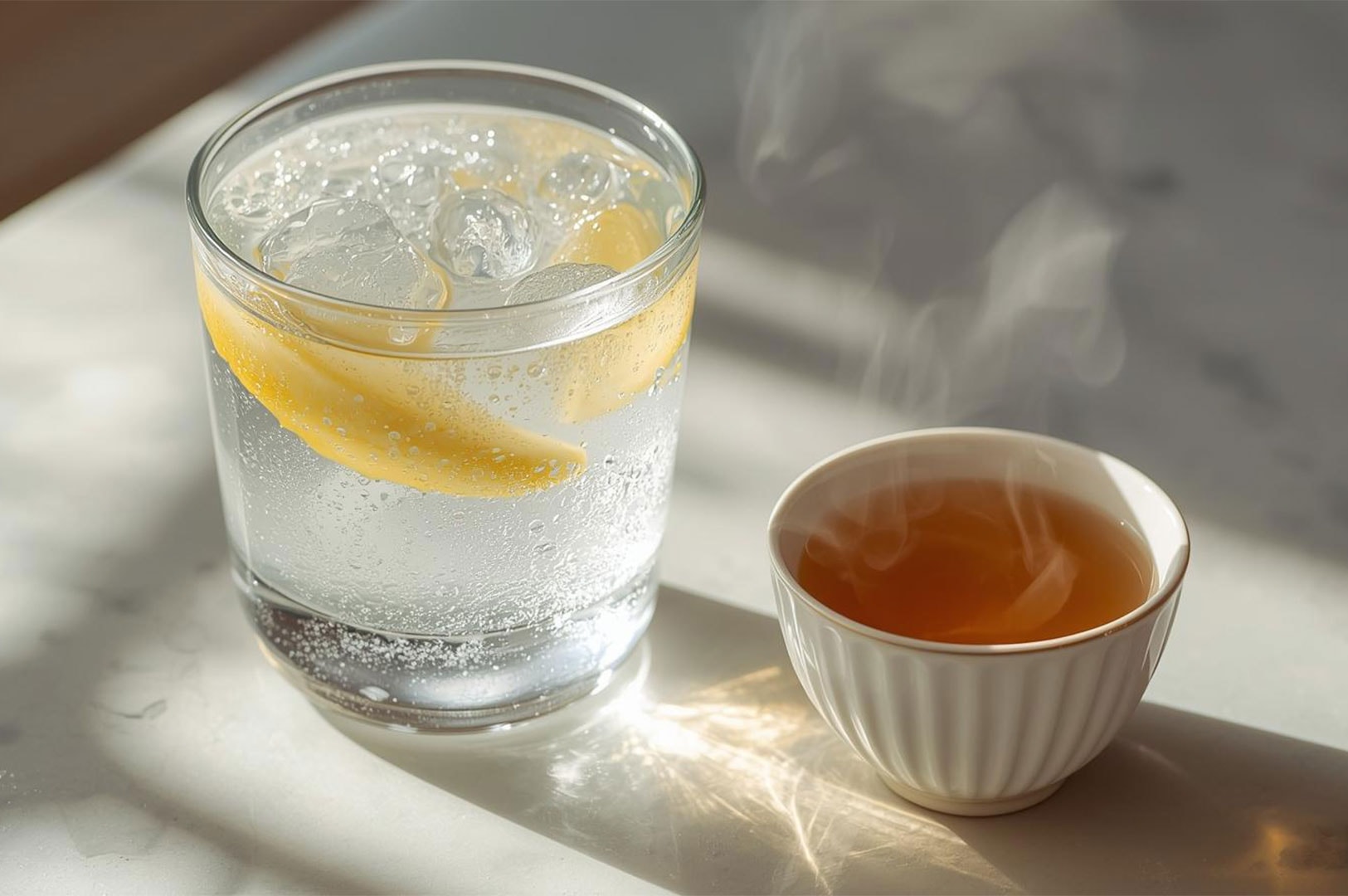
What you drink is just as important as what you eat at an authentic Japanese restaurant. The goal is to cleanse and refresh the palate between courses, not overwhelm it. Allowing your palate to rest in this way enhances the enjoyment of each new dish and ensures every bite remains distinct and enjoyable.
- Japanese Tea: A high-quality roasted green tea (hojicha) or brown rice tea (genmaicha) can cut through the richness of fatty fish like otoro, commonly featured in omakase menus.
- Sparkling Water: A neutral, crisp option with a slice of lemon is a simple and effective palate cleanser, perfect for the intimate dining experience at places like Sushi Masa by Ki-setsu.
- Yuzu Soda: A lightly sweetened yuzu soda can provide a bright, citrusy counterpoint without being cloying, complementing premium seafood such as uni.
- Light Kombucha: Choose a kombucha with subtle, clean flavors to avoid clashing with the delicate taste of the sushi.
Pace your drinks with the meal, taking small sips between courses to prepare your palate for the next creation. This approach is especially appreciated in the Singapore context, where omakase dining often emphasizes seasonal ingredients flown in from Japan, such as those sourced from Toyosu Market.
For those dining at renowned omakase restaurants like Sushi Yujo or Sushi Jin, pairing your meal thoughtfully enhances the overall experience. Similarly, venues like Moss Cross Tokyo Singapore at Fraser China Square offer dinner options that balance traditional flavors with innovative pairings, ensuring every sip and bite harmonizes beautifully.
Mastering Etiquette for an Intimate Dining Experience in Omakase Singapore
| Omakase Etiquette in Singapore | Description |
|---|---|
| Be punctual | The chef times the meal for all guests; arriving on time respects the flow of the experience. |
| Eat nigiri promptly | Consume each nigiri immediately to enjoy optimal flavor and texture. |
| Use hands or chopsticks | Both are acceptable methods for eating nigiri. |
| Avoid strong perfumes | Strong scents can mask the delicate aromas of the food. |
| Silence your phone and avoid placing it on the counter | Take photos discreetly without flash to maintain ambiance and respect others. |
| Inform dietary restrictions when booking | Notify the restaurant of any dietary needs in advance, not at the table. |
| Trust the chef’s seasoning | Avoid adding extra wasabi or soy sauce to preserve the intended flavor balance. |
Savoring the Essence: Your Ultimate Omakase Journey Awaits
In summary, omakase dining in Singapore offers a rich spectrum of experiences tailored to various budgets, occasions, and culinary preferences. From affordable lunch menus that introduce newcomers to the art of omakase to elaborate dinner courses showcasing premium seasonal seafood flown in from Japan, each restaurant brings its own unique interpretation of this revered Japanese tradition. The intimate settings, meticulous craftsmanship, and emphasis on seasonality ensure a memorable and immersive journey for every diner.
Whether you seek a quick, refined lunch or a leisurely multi-hour dinner, understanding the nuances of omakase, from dining etiquette to ingredient sourcing, can elevate your experience. For those ready to explore the best that Singapore’s omakase scene has to offer, our carefully curated list from Best Omakase Singapore highlights top restaurants that exemplify quality and authenticity.