Finding exceptional sushi in Orchard Singapore is less about browsing a directory and more about understanding intent. The belt of retail and luxury hotels stretching down Orchard Road in Singapore offers a dense concentration of dining options, from hushed, cypress-wood omakase counters at refined sushi bars to bustling à la carte Japanese restaurants perfect for a quick, high-quality lunch. But density can breed confusion. Without a clear framework, it is easy to mistake a high price tag for guaranteed craftsmanship or a modest entrance for mediocrity.
Many of the top sushi spots are located within Orchard Plaza and along Orchard Road, making them easily accessible for diners seeking quality Japanese cuisine.
Prioritizing the texture of the shari (rice) over the opulence of the decor, frequent diners have navigated these floors often. The goal here is not to list every venue or outlet but to offer a curated lens through which to view them. Whether seeking a solitary lunch to reset the palate or a commemorative dinner where the chef’s knife work takes center stage, this guide provides a framework to choose the next sushi Orchard experience with confidence and intent.
How to Choose in Orchard Road: A Fast Framework for Japanese Restaurants and Sushi Bars
When stepping off the pavement and into the cool, filtered air of an Orchard Plaza lobby, decisions usually hinge on three variables: time, company, and the specific craving for rice quality. Here is a breakdown. Expect a range of experiences in Orchard, from casual sushi bars with quick service and diverse menu options, to intimate omakase counters where one can interact directly with the chef and enjoy a curated tasting menu.
- The Occasion:
- Business Lunch: Look for efficiency and privacy. A table is often better than a counter here, allowing for conversation without interrupting the chef’s flow.
- Discreet Date Night: Lighting matters. Seek counters with fewer than ten seats where the ambient noise is low, and the pacing allows for intimate murmurs between courses.
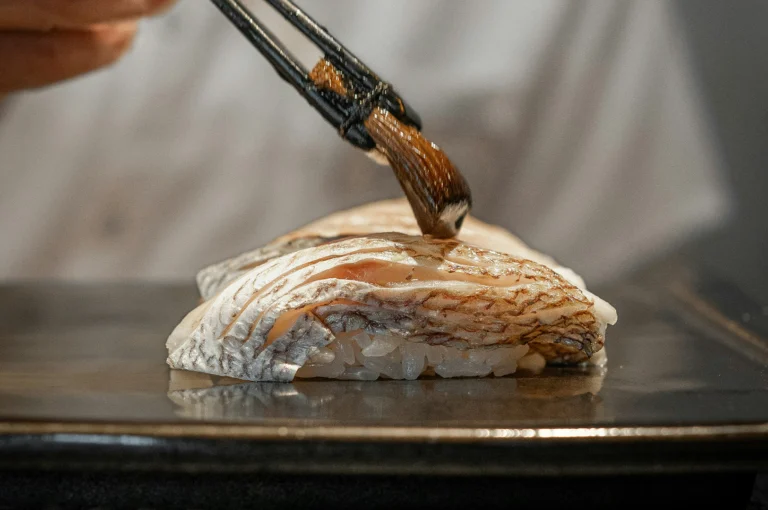
- Celebratory Omakase Dinner: Prioritize the chef’s presence. It is desirable to see the sourcing of ingredients from Japan, hear the season’s narrative, and watch the final brush of nikiri (sweet soy glaze) over fresh sashimi and uni.
- Seating Dynamics:
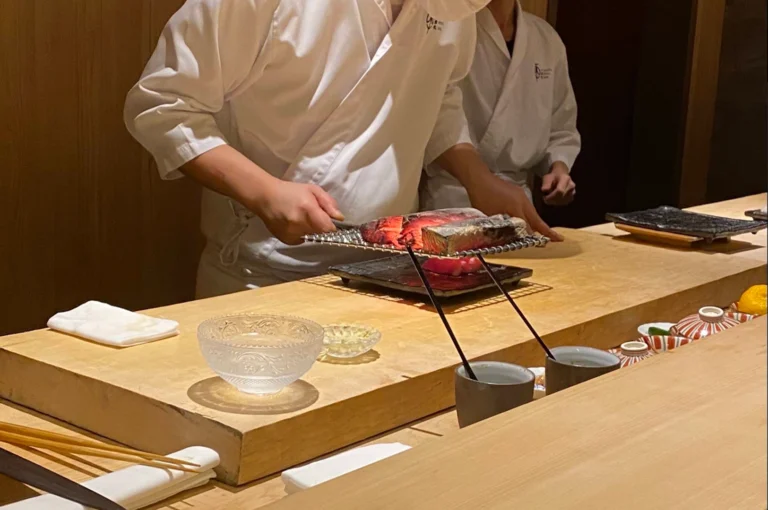
- Counter: Essential for omakase. It is the only way to receive the piece at the perfect temperature, seconds after the chef forms it.
- Table: Acceptable for chirashi sets or cooked dishes, but for nigiri, the vital texture contrast between warm rice and cool fish is lost.
- Budget Signals:
- Entry: Often machine-formed rice. Good for fuel, not for study.
- Mid-Tier: Hand-formed, but the fish might be pre-sliced or the rice slightly cold.
- Premium: Rice is kept at body temperature (or slightly warmer for fatty cuts like otoro), fish is aged (jukusei) to peak flavor, and wasabi is grated fresh from the root, not a tube.
Omakase, Chef’s Sets, or À la Carte at Sushi Bars and Japanese Restaurants in Orchard Plaza? (What Fits Your Night)
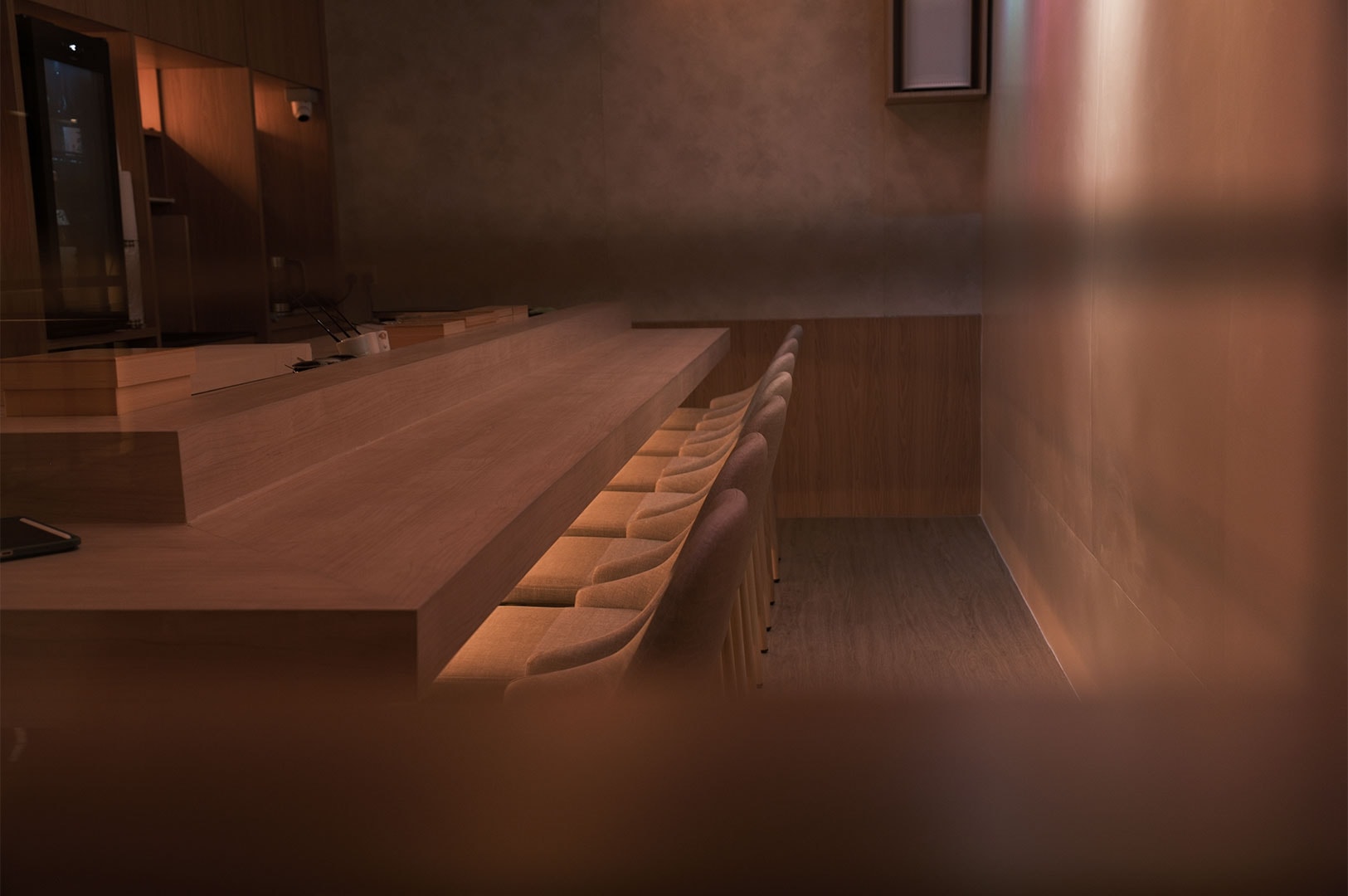
The menu structure defines the rhythm of the meal. Choosing the right format is the first step to satisfaction. In most Orchard sushi bars, omakase or set menus typically include a total of 8 to 12 courses or sushi pieces, giving diners a clear idea of what to expect. This approach embodies the essence of smart dining in Singapore, where quality and efficiency harmonize to create an enjoyable experience.
Counter Omakase at Sushi Orchard
This is the purest expression of the craft. Committing to an omakase is surrendering control to the chef’s seasonal calendar.
- Expectations: A deliberate arc starting with lighter, cleaner flavors (white fish, squid, ama ebi) moving toward richer, iron-heavy cuts (tuna, eel).
- Quality Signals: Observe the chef’s hands. Are they cooling their palms in ice water? Are they adjusting the size of the rice ball based on eating speed? The best experiences in Orchard are defined by this unseen discipline. Each piece of sushi is freshly prepared by the chef to ensure optimal flavor and texture. The transition from warm appetizers (tsumami) to the first piece of nigiri should feel like a deliberate shift in temperature and texture.
Chef’s Lunch Sets at Genki Sushi and Other Orchard Road Japanese Restaurants
For a midday meal, the “Orchard omakase lunch” is often the smartest value play in the city.
- The Value Proposition: Often the same high-quality fish as the dinner service, but in a condensed format. Lunch sets are attractively priced, making them a popular choice for budget-conscious diners.
- Pacing: These menus are designed for the 60-minute window. It is less about the leisurely narrative and more about the immediate hit of quality. This option suits those wanting the technical excellence of a high-end counter without the three-hour commitment.
À la Carte Bars on Orchard Road
Sometimes, the desire is just for five perfect pieces of akami (lean tuna) and a roll.
- Curating Flow: In à la carte settings, diners conduct the meal. It is advisable to avoid ordering everything at once. Start with white fish or shellfish like ikura and ama ebi. To set the tone for an authentic Japanese dining experience, begin the meal with a light appetizer, such as edamame or sunomono, before moving on to sushi. Once those are finished, order the fatty cuts. This prevents the heavier oils from coating the palate too early and keeps the kitchen pacing aligned with the eating speed.
Reading Craft at Sushi Bars and Japanese Restaurants on Orchard Road: The Details to Watch
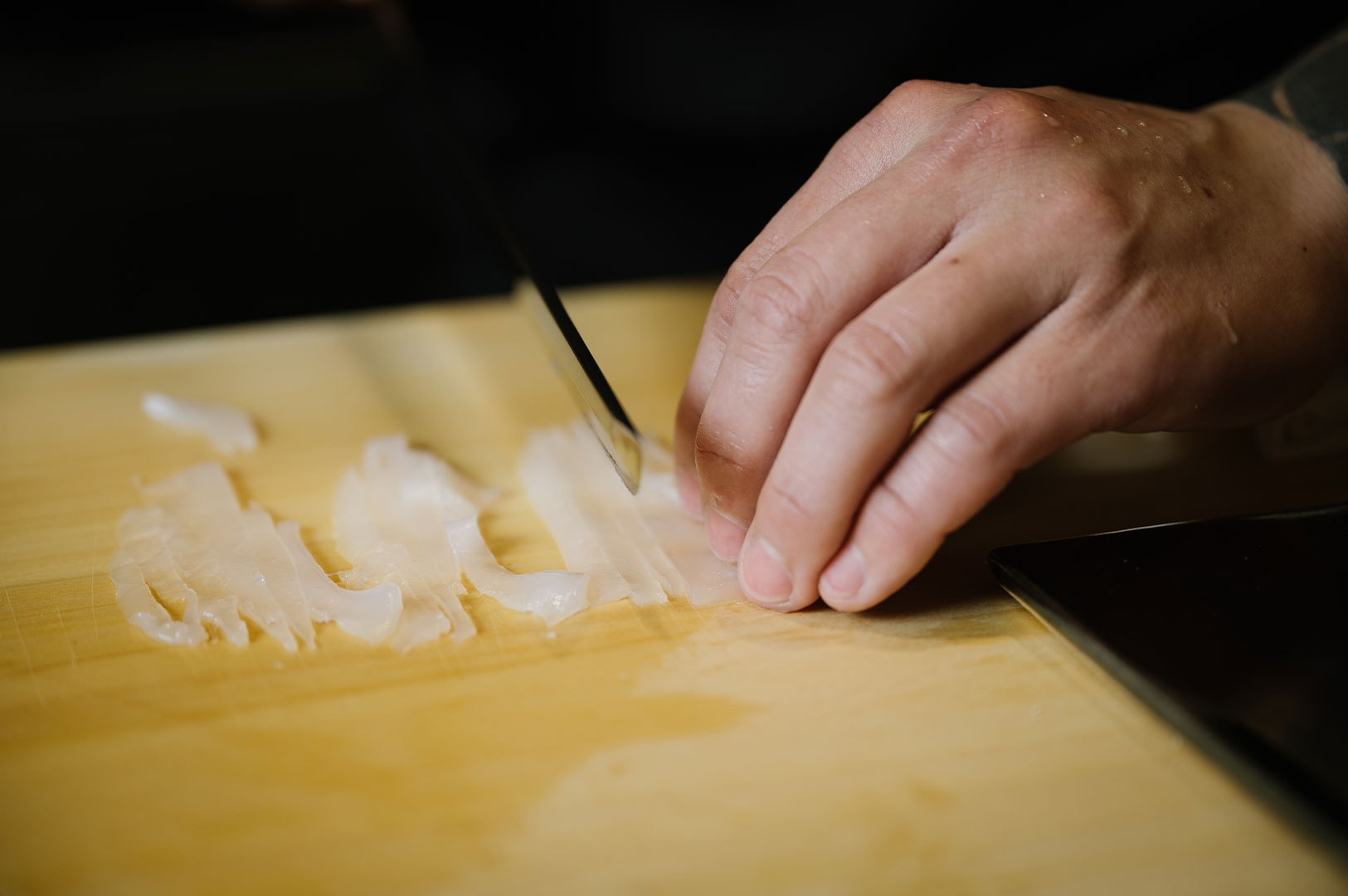
The beauty of sushi lies in the minutiae. When the plate lands, specific indicators of care should be sought.
- Rice (Shari): This is 80% of the sushi. Look for individual grain integrity—it should be firm, not mushy. The seasoning should have a distinct vinegar presence (red or white) that cuts through the fat of the fish. Crucially, it must be warm. Cold rice is a dealbreaker.
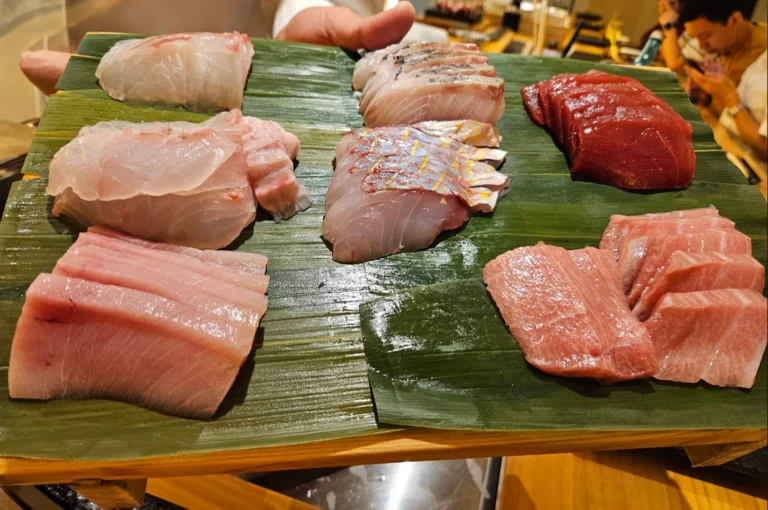
- Neta (Topping): Look for a natural sheen, not a watery gloss. Ideally, the fish has been aged to relax the sinews and concentrate the umami. If the chef scores a piece of squid or flounder with intricate cuts, it indicates management of texture for the bite.
- Knife Work: Listen to the sound. A sharp knife slides silently. The head chef’s expertise is evident in the precision and consistency of each cut. A dull knife saws. The cut surface should be smooth and glossy, preserving the cell structure of the fish.
- Saucing: A great chef applies the nikiri themselves. It should be a whisper of soy, barely visible, just enough to season the surface. If there is a puddle on the plate, the balance is off.
- Presentation: Functional minimalism is preferred. Flowers and dry ice often distract from mediocre fish. The most confident chefs let the nigiri stand alone.
Pairings with Intention at Sushi Bars and Japanese Restaurants in Orchard Plaza (Tea, Sake, Non‑Alcoholic)
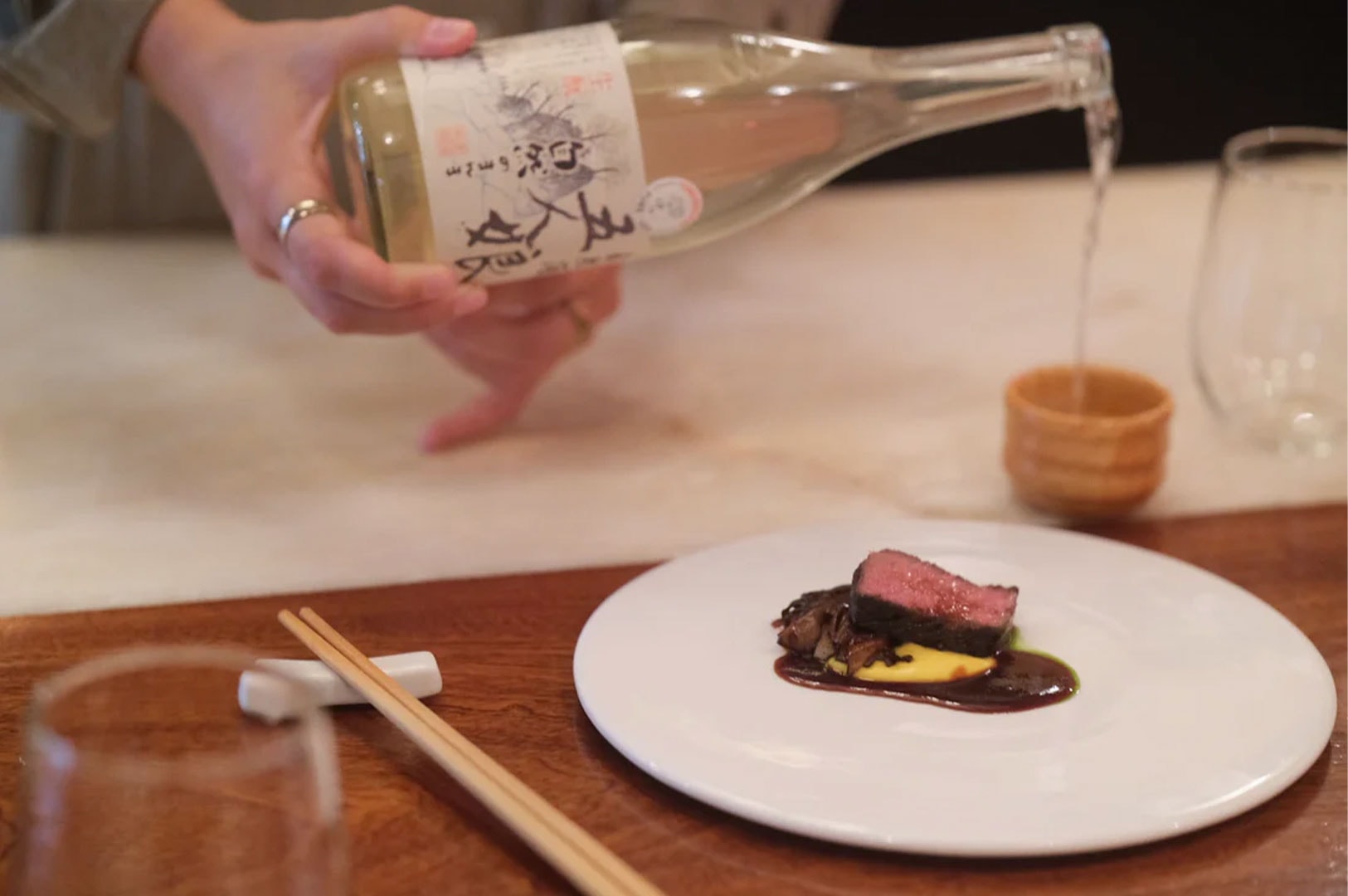
What is drunk shapes what is tasted. Pairings should be kept simple to let the sushi breathe.
- Tea: Start with a lighter green tea. As the meal progresses to fatty tuna or eel, switch to a roasted hojicha or genmaicha. The toasted notes help scrub the palate of rich oils.
- Sake: Look for “junmai” styles with good acidity. At many Orchard sushi bars, house sake is also available as an affordable and popular option. A crisp, dry sake acts like a knife, slicing through the richness of otoro. Avoid overly floral or sweet sakes early in the meal, as they can mask the delicate sweetness of shellfish like ama ebi.
- Non-Alcoholic: A high-quality sparkling water is surprisingly effective. The carbonation refreshes the tongue between bites. Avoid sugary sodas; they will obliterate the nuance of the vinegar in the rice.
Lunch vs Dinner at Sushi Bars and Japanese Restaurants on Orchard Road (Why Timing Changes the Meal)
The clock dictates the energy of the room. Lunch in Orchard is functional luxury; dinner is theatre.
- Lunch: The light is different—often brighter, filtering in from mall atriums or windows. The chefs are focused, moving with an economy of motion. Lunch is ideal for studying the fish without the ceremony. It suits solo visits or business negotiations where the food needs to impress but not distract.
- Dinner: The blinds are drawn, the spot lighting focuses on the cutting board, and the pace slows down. Dinner allows the chef to showcase marinated and cooked items that take longer to prepare. Dinner is chosen to experience the full seasonal “story”—from the cold waters of Hokkaido to the warmer currents of Kyushu.
New Japanese restaurants continue to open along Orchard Road, bringing fresh options and innovative menus to the area.
Table Manners at the Sushi Bar Counter in Orchard Plaza (Refined, Minimal)
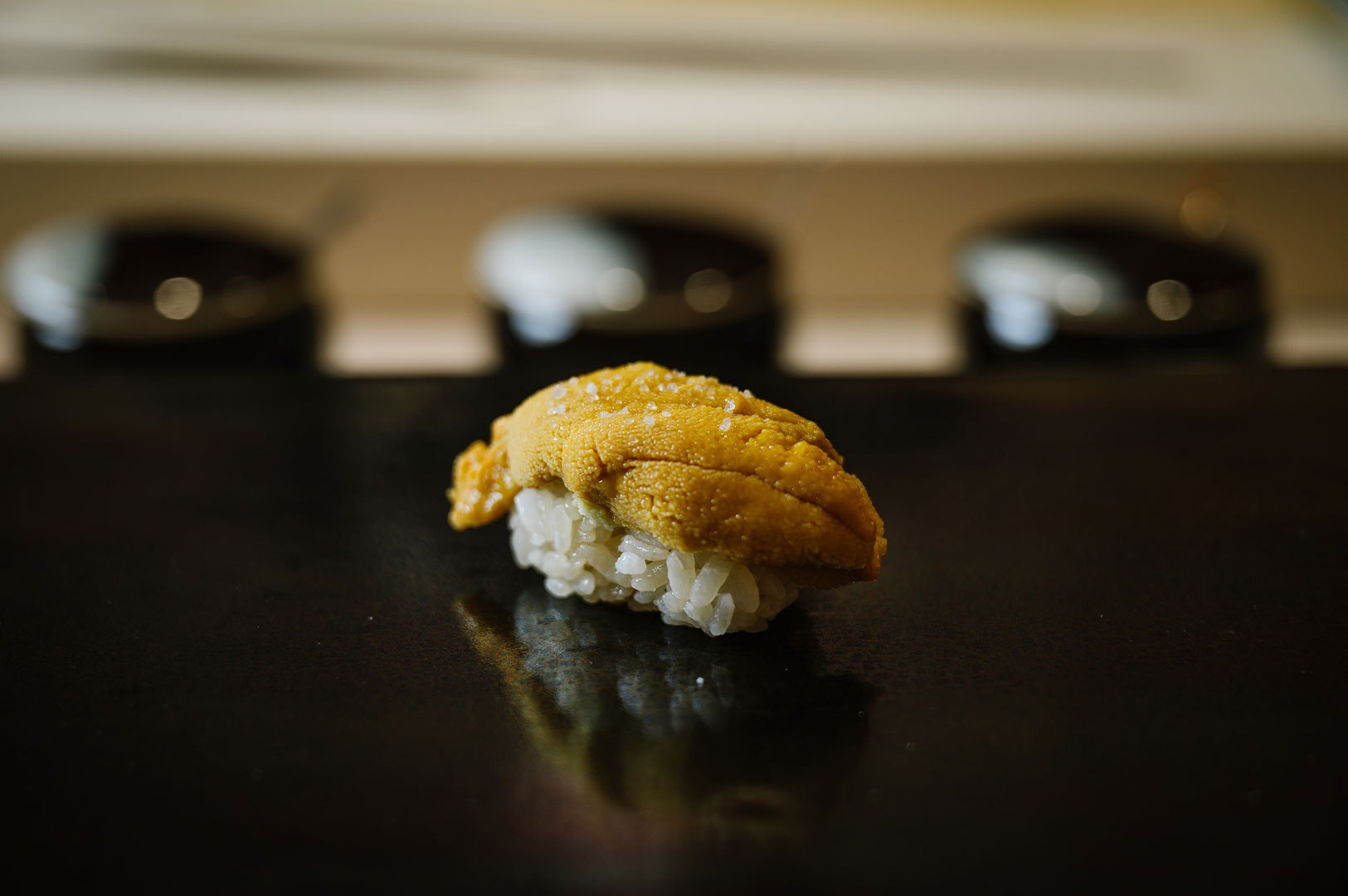
The best sushi counter etiquette is invisibility. It is about respecting the shared space and the chef’s concentration.
Always:
- Eat the sushi immediately. The “best by” window is about five seconds.
- Use your hands if comfortable; it allows feeling the temperature.
- Place chopsticks on the rest, not across the bowl.
- Ask before taking a photo of the chef.
Avoid:
- Wearing strong perfume or cologne. It interferes with the delicate aroma of the fish and nori.
- Mixing wasabi into soy sauce (unless eating sashimi). The chef has already seasoned the nigiri.
- Leaving rice behind. It is considered disrespectful to the farmer and the chef.
- Using flash photography. It blinds the chef and ruins the ambiance for other diners.
First‑Person Order Archetypes at Sushi Orchard and Japanese Restaurants on Orchard Road (3 Curated Paths)
Over years of dining, three specific ordering patterns have developed depending on the mood.
The 45‑Minute Lunch at a Sushi Bar in Orchard Plaza
- Goal: Purity and speed.
- The Order: An 8-piece nigiri set.
- The Logic: Skip the appetizers and dessert. This tests how the chef handles the core sequence: a white fish, a silver fish, a tuna, and an eel. It’s a test of the rice and the sourcing, providing a satisfying, high-protein meal that leaves one alert, not sluggish.
The Discreet Date Night at a Japanese Restaurant on Orchard Road
- Goal: Texture and flow.
- The Order: A mid-tier omakase with a focus on cooked dishes (tsumami).
- The Logic: The cooked dishes—steamed egg custard (chawanmushi), grilled fish—act as natural pauses for conversation. The progression from warm appetizers to cool sushi creates a sensory arc that feels like a journey shared. The seasonal menu lets diners travel through different regions and flavors of Japan without ever leaving Orchard.
The Celebration Omakase at Sushi Orchard Counters
- Goal: Immersion.
- The Order: The Omakase (Chef’s Choice) at the counter.
- The Logic: Engage the chef. Inquire about the origin of the uni or the age of the tuna. This is paying for the education and the access to ingredients that aren’t on the printed menu. Look for the rare seasonal specialties—the shirako (milt) in winter or the young kohada in spring.
Finding Your Fit in Sushi Orchard on Orchard Road and Orchard Plaza
Ultimately, the choice comes down to honest prioritization. For conversation and privacy, book a table at a venue known for its lunch sets. To nerd out on rice vinegar blends and fish aging techniques, book a solo seat at a counter and put phones away.
- Need speed? Go for a dedicated lunch set with pre-selected cuts.
- Need intimacy? Find a small counter tucked away in a commercial tower, away from the main foot traffic.
- Need craft? Look for the place with the smallest selection and the strictest reservations policy.
For more information or to contact a restaurant, many outlets on Orchard Road and Orchard Plaza provide easy access and walk-in options, though popular places may require a queue on busy days like Saturday. Plan ahead to enjoy the freshest food and the best quality ingredients sourced directly from Japan and beyond.
The best sushi Orchard experience is the one that matches the intent for the evening. It is not always the most expensive, but the one where the kitchen’s philosophy aligns with the hunger. That’s what Orchard Road offers, the finest omakase deals for every type of taste. When the right spot is found, everything else fades. The noise of Orchard Road disappears, replaced by the quiet rhythm of the knife and the soft thud of rice being formed. It is in that moment—when the warmth of the shari meets the cool, clean slice of fish—that it becomes clear the right choice has been made.