The decision to dine at an eight-seat omakase counter is a commitment to a specific kind of experience. It moves beyond a typical restaurant meal into something more akin to a quiet performance, where timing, trust, and mutual respect are paramount. Understanding the structure and etiquette of these intimate settings is key to fully appreciating what they offer. This guide is intended to demystify the process, helping you determine if this focused style of dining aligns with what you seek.
Introduction to Omakase
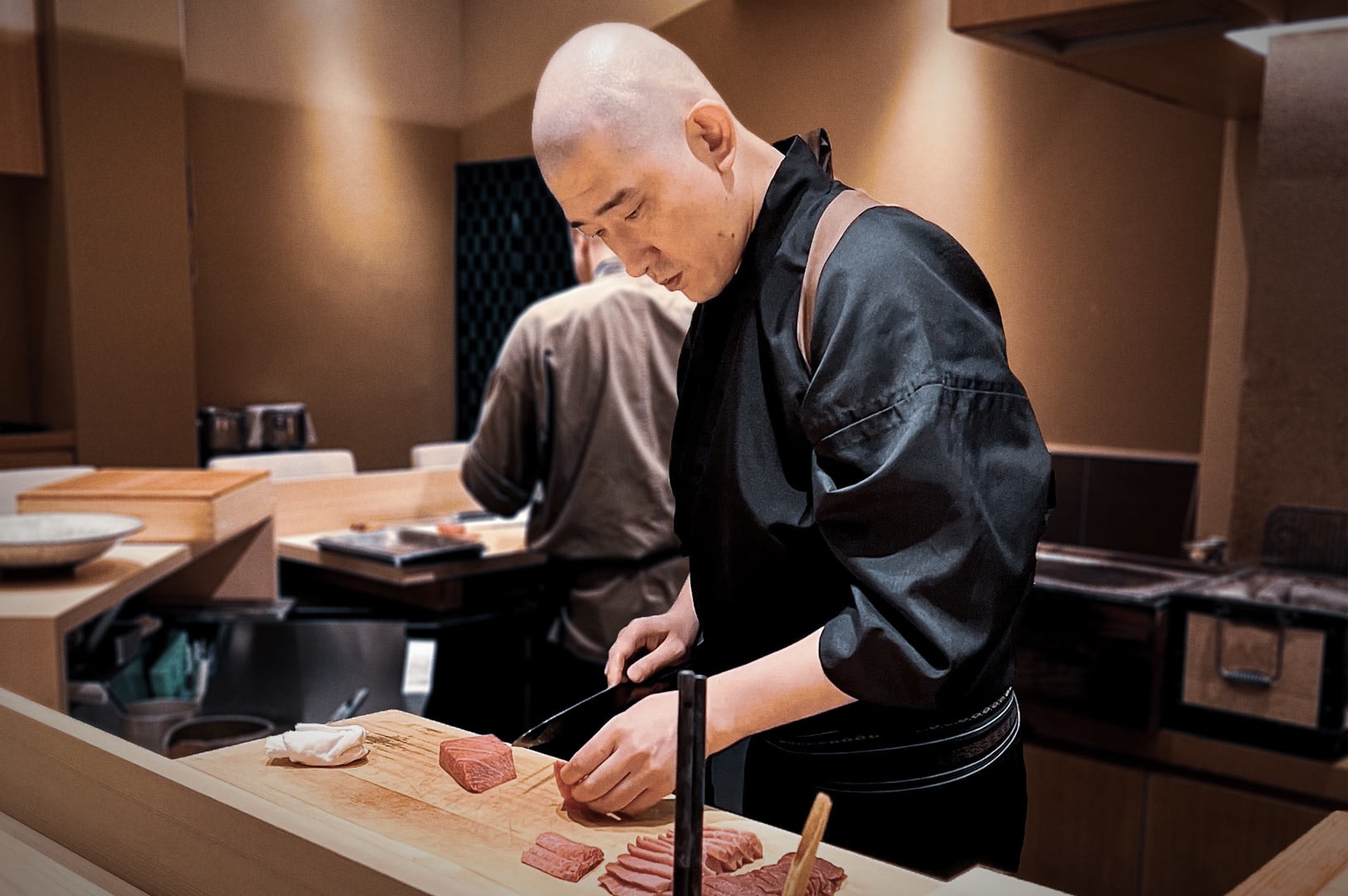
Omakase—”I’ll leave it up to you”—represents something deeper than menu selection; it becomes a quiet conversation between chef and guest, built on layers of trust that unfold with each course. At Sushi Kimura, this exchange feels particularly intentional, where the rhythm of preparation speaks as clearly as the final presentation. Here, chefs work with a focused precision that honors both ingredient and season, their movements deliberate as they compose each piece with an understanding that extends beyond technique into something more intuitive.
The progression reveals itself slowly, thoughtfully, each dish arriving as both answer and question, inviting you to notice the subtle warmth of rice, the particular way a knife has moved through fish, the careful attention paid to balance and timing. This isn’t simply about what appears before you, but how it feels to receive something crafted with such quiet intention. There’s satisfaction in surrendering control, in allowing the meal to guide your palate toward discoveries you might not have chosen yourself, creating space for appreciation to develop naturally, course by course.
The Reservation: Securing Your Seat
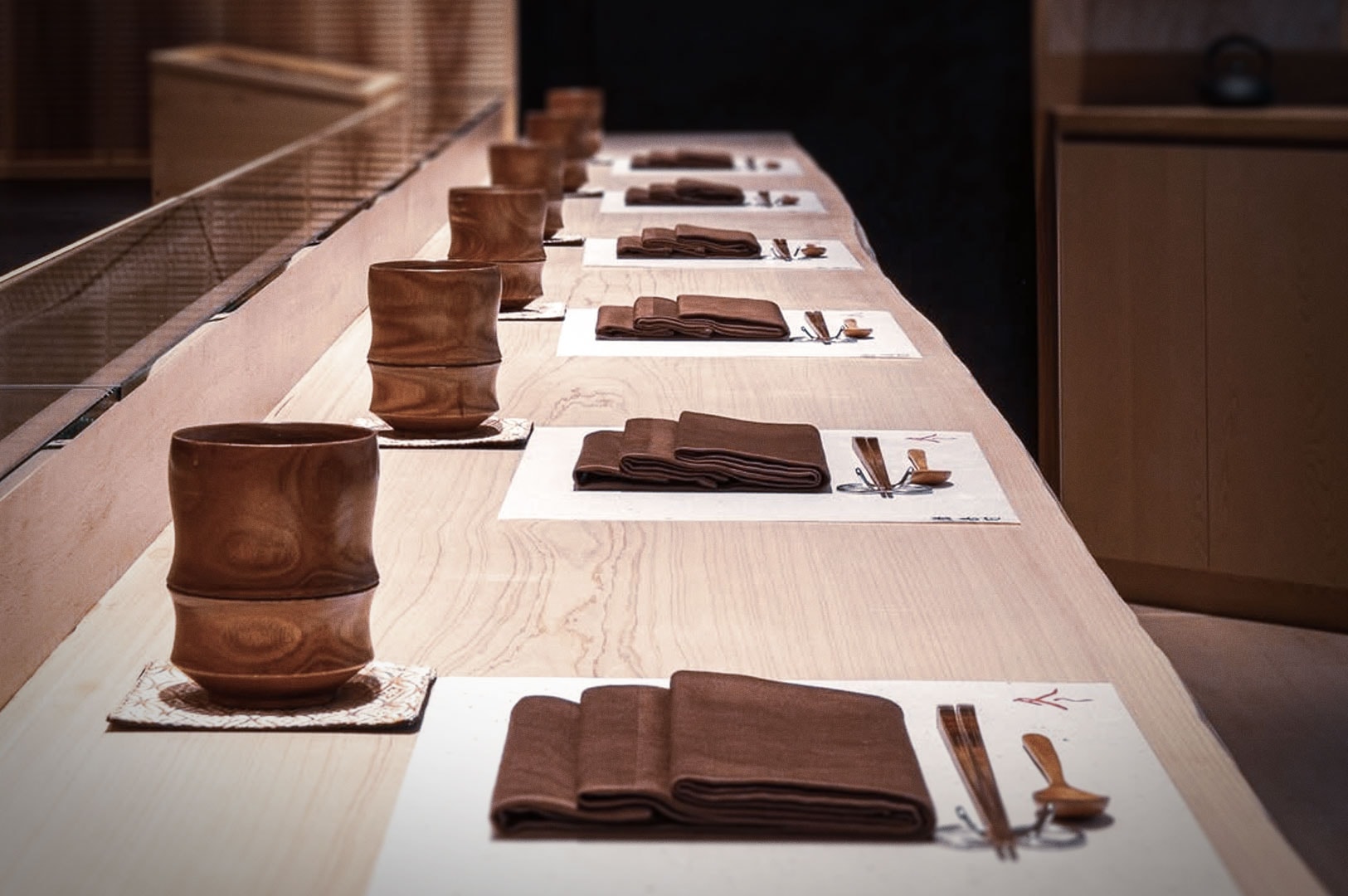
Securing a reservation at a highly regarded, eight-seat counter requires planning. Customers are encouraged to understand the reservation process, as managing customer expectations is essential for a smooth and enjoyable dining experience. These are not places for spontaneous walk-ins. Due to the extremely limited seating, bookings are often released on a specific date, sometimes months in advance. It is common for all seats to be filled within minutes of the booking window opening.
For a restaurant like Sushi Kimura, this process is managed with precision. When making a reservation, providing the correct number of guests is crucial to ensure proper seating and service. A waiting list may be available, but it is wise to be prepared on the day reservations go live. This system ensures fairness and allows the chef to plan meticulously for each service. Full prepayment is also standard practice. This is not just a deposit; it is a commitment that confirms your attendance and allows the restaurant to source highly perishable ingredients with confidence, knowing there will be no last-minute cancellations.
Sushi Kimura Plus requires a full deposit to secure your booking for both lunch and dinner, and all deposits are non-refundable once a reservation is confirmed. Children aged 12 and under are not permitted at Sushi Kimura Plus. The restaurant is cashless and does not accept cash payments. Guests who repeatedly reschedule or cancel their reservations may have future reservations declined. Sushi Kimura Plus reserves the right to refuse service to anyone who is loud or disruptive, and requests that guests refrain from wearing strong fragrances such as perfume and cigarettes.
Preparing for the Experience
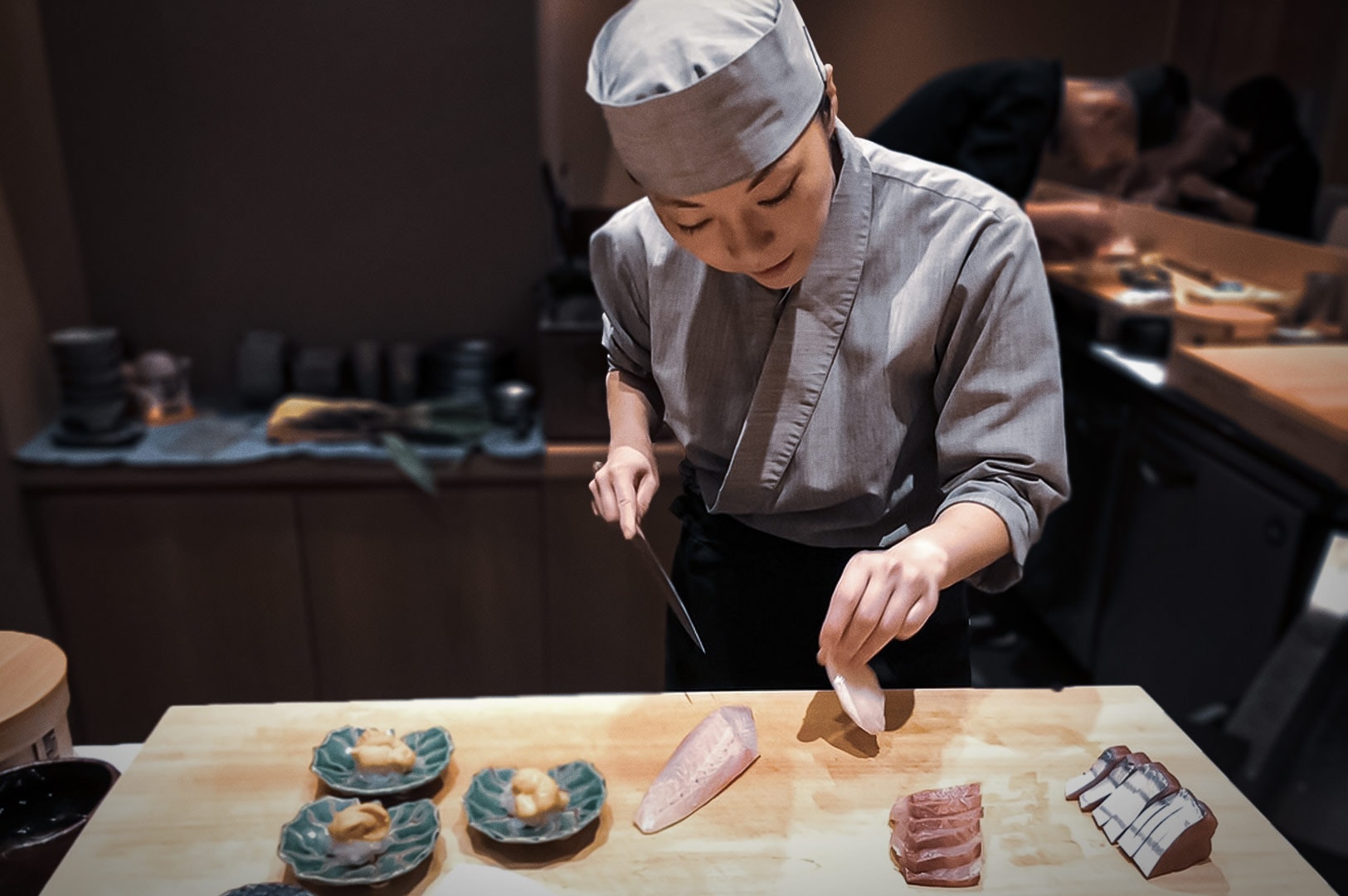
The journey toward your omakase experience at Sushi Kimura begins well before you step through the restaurant’s doors, unfolding naturally through thoughtful preparation. Securing your reservation becomes the first quiet ritual of trust, understanding that these limited seats exist within a rhythm of precise timing that the chefs have cultivated over years. Taking a moment to familiarize yourself with the restaurant’s policies reveals something deeper about their craft: the careful attention they bring to every detail, from booking terms to the final course, reflects a commitment that will soon envelop your entire evening.
When the day arrives, your punctual presence honors the delicate orchestration that awaits, arriving on time allows you to step seamlessly into the chef’s carefully planned progression, where each moment has been considered. If you carry food allergies or dietary preferences, sharing these details during your reservation becomes part of the early dialogue between you and the kitchen, allowing the chefs to weave your needs into their creative vision with the same precision they bring to knife work and rice temperature. Settling into your seat, you’ll discover that releasing control of your meal creates space for something remarkable: the gradual building of trust that transforms a dinner into an intimate conversation between craftsperson and guest.
As each course arrives, you’ll find yourself naturally slowing down, drawn into the quiet details that reveal the chef’s intent, the way temperature plays against texture, how a single perfect cut unlocks flavor that seemed impossible moments before. The staff around you become gentle guides through this progression, their knowledge offered not as instruction but as invitation to notice what might otherwise pass unobserved. This openness to discovery, this willingness to pause and appreciate the layered intentions in each bite, allows the omakase to unfold as it was meant to: not simply as a meal, but as a moment of shared understanding between those who create and those who receive.
The Menu: The Meaning of a Single Offering and Seasonal Ingredients
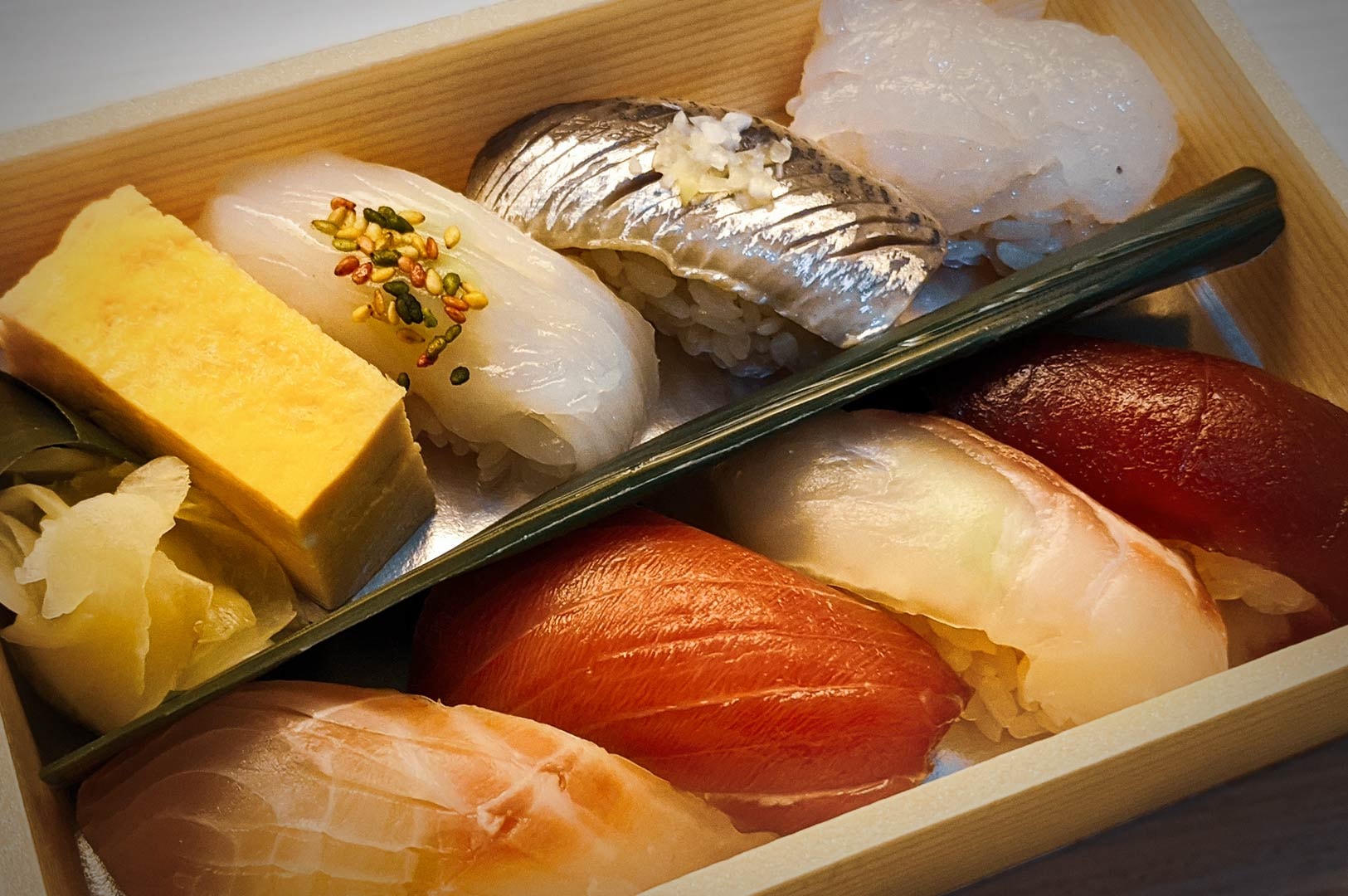
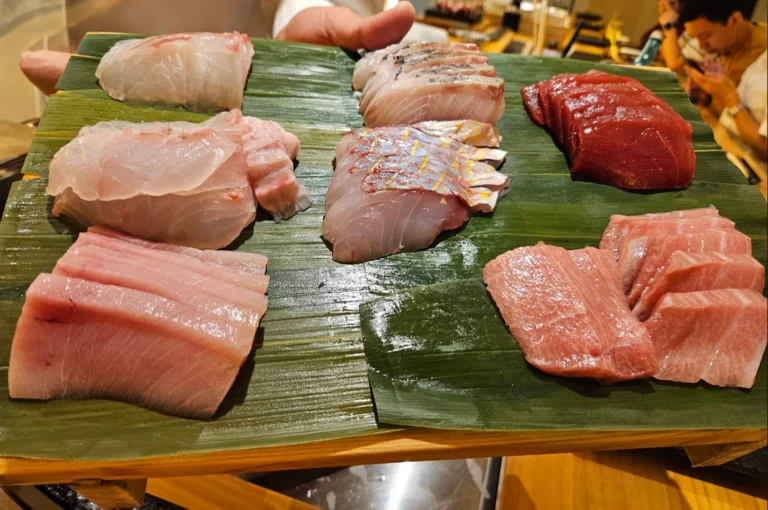
Upon arrival, you will not be presented with a list of choices. An eight-seat counter almost always operates with one fixed menu. This is a central tenet of the experience. It signifies that you are placing your complete trust in the chef’s hands to curate the best possible sequence of dishes based on the day’s finest ingredients.
Sushi Kimura Singapore offers an omakase menu that features traditional Edomae sushi, with the menu showcasing seasonal ingredients that highlight the essence of Japanese culinary artistry.
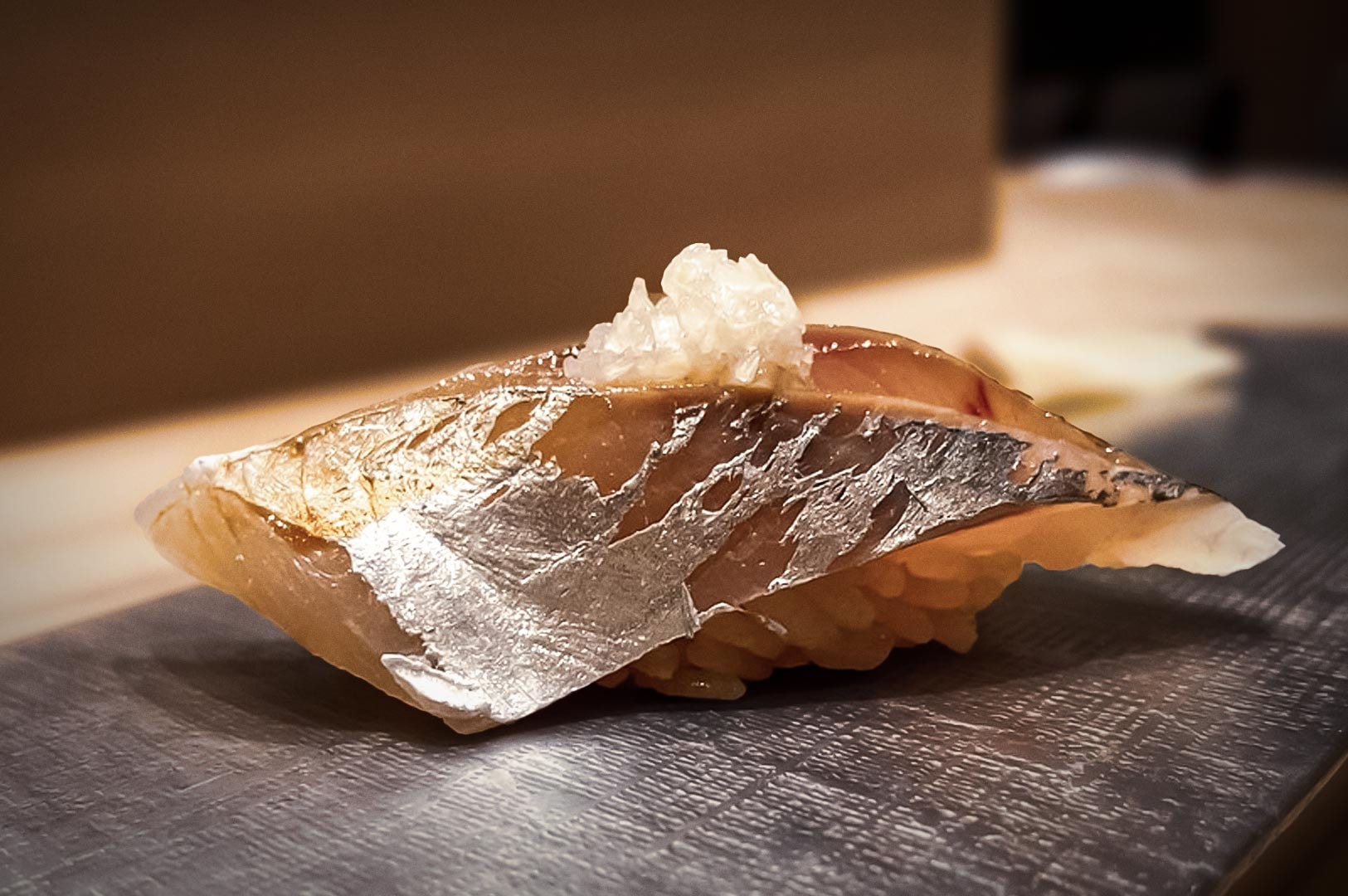
This structure allows the chef to control the narrative of the meal, building flavors and textures in a deliberate progression. The menu includes a variety of items such as nigiri, sushi rolls (including Dragon Roll and Rainbow Roll), and fresh sashimi like tuna and salmon. The sushi is crafted with the freshest seasonal ingredients, and some rolls are topped with sauces or additional ingredients for extra flavor, such as a sweet soy glaze or sweet shrimp.
The Kimura Bento Box is also available, featuring assorted sushi, sashimi, and sides. The lunch menu includes items such as Yuba & Ikura, Dashi Jelly, and assorted sashimi, with lunch options priced at SGD 180.00, SGD 250.00, and SGD 450.00. The dinner omakase course features fish bone soup and seasonal chawan mushi, with the dinner omakase menu priced at SGD 330.00 and the RIKYU menu at SGD 450.00. Sake pairing options are available for SGD 48.00++ during lunch and SGD 98.00 during dinner.
Bulk order prices for sushi range from SGD 5.50 to SGD 15.00 per piece, and drive-thru items include sushi rolls priced between SGD 15.00 and SGD 18.00. Please note that the menu does not provide vegetarian or gluten-free options, and vegetable rolls are not available. Chef Kimura emphasizes harmony and umami in his creations, featuring non-conventional fish varieties and exciting new combinations.
It also means dietary restrictions must be communicated well in advance, at the time of booking. While chefs will do their best to accommodate, the specialized nature of the menu means some restrictions, particularly complex allergies, may not be possible to cater to. The menu at a specialized counter like Sushi Kimura is a reflection of the chef’s direct relationships with suppliers, and last-minute changes are often not feasible.
Timing and Pacing: A Shared Rhythm
An omakase meal at an intimate counter is a synchronized event. All guests are typ
ically seated at the same time, and the meal begins for everyone at once. Punctuality is therefore not just a courtesy; it is essential to the flow of the service. Arriving late can disrupt the rhythm for both the chef and the other diners.
The meal unfolds at a pace set by the chef. Each piece of sushi is prepared and served one by one, intended to be eaten immediately to appreciate the precise temperature and texture. This is a contrast to a la carte dining where dishes arrive at different times. The entire service, from the first appetizer to the final piece of tamago, might last around two hours. It is a sustained experience that rewards your undivided attention.
Interaction and Etiquette: The Counter as a Stage in the Dining Experience
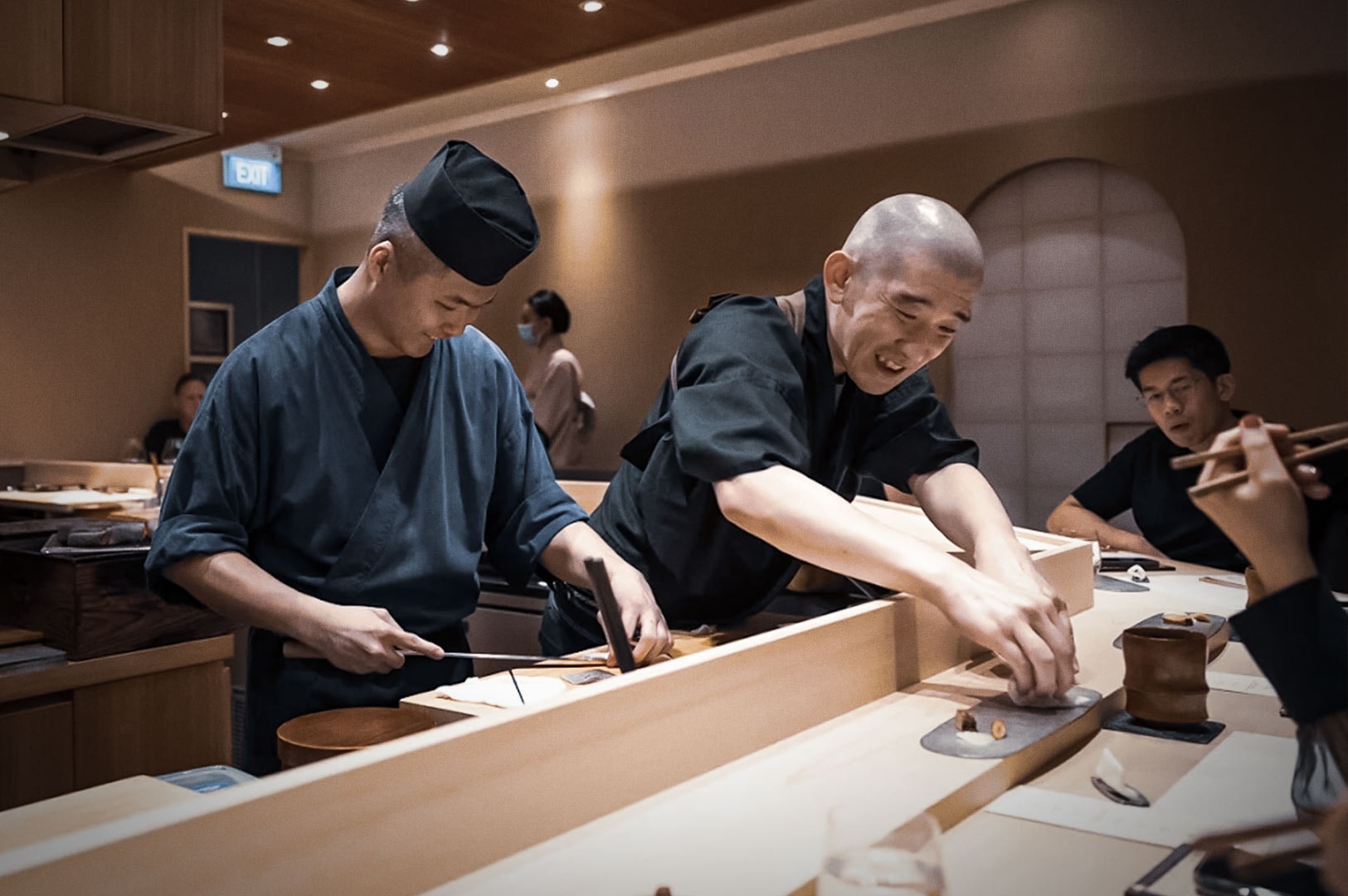
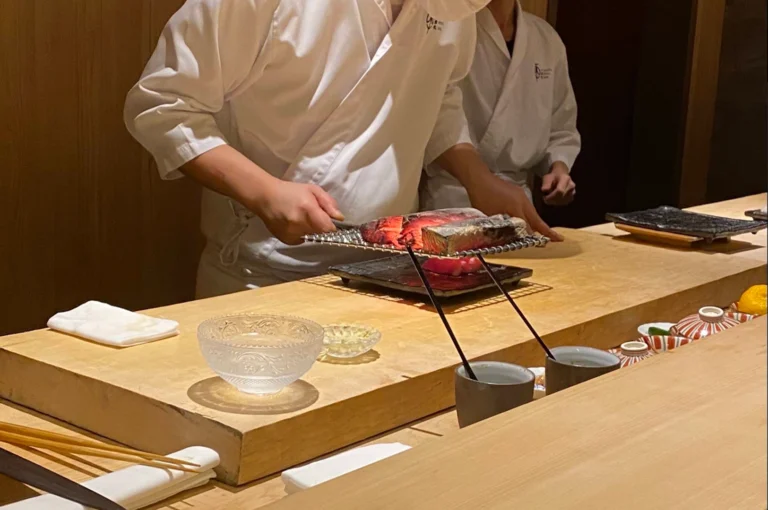
The counter is the focal point, and the interaction between chef and diner is a key part of the experience. Sushi Kimura offers an intimate dining experience, with a serene ambiance designed to provide a peaceful escape into the world of premium sushi craftsmanship. The restaurant features a sunken counter where guests can watch Chef Kimura prepare each dish, allowing diners to witness the meticulous attention to detail and the use of the freshest seasonal ingredients. While the atmosphere is respectful, it is not always silent. Many chefs enjoy sharing the story behind a particular fish or a piece of pottery. You can, and should, feel comfortable asking questions.
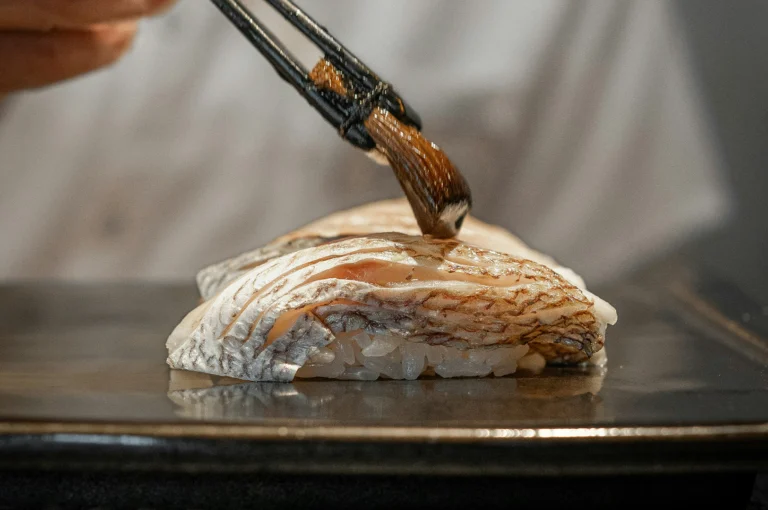
Chef Kimura’s philosophy centers on finding joy in local ingredients and creating a unique sushi experience for each guest. Every plate is finished with a precise touch, whether it’s a touch of wasabi or a subtle finishing touch that enhances the flavor, showcasing the chef’s dedication to authentic Japanese culinary artistry.
However, it is important to be mindful of the shared environment. Loud conversations, taking phone calls, or wearing strong perfume can detract from the sensory experience for everyone. The chef is not just cooking; they are concentrating on a craft that requires immense focus. The etiquette of the counter is about being present and respectful of that craft and of the other guests sharing the space.
Is an Eight-Seat Counter Sushi Restaurant Right for You?
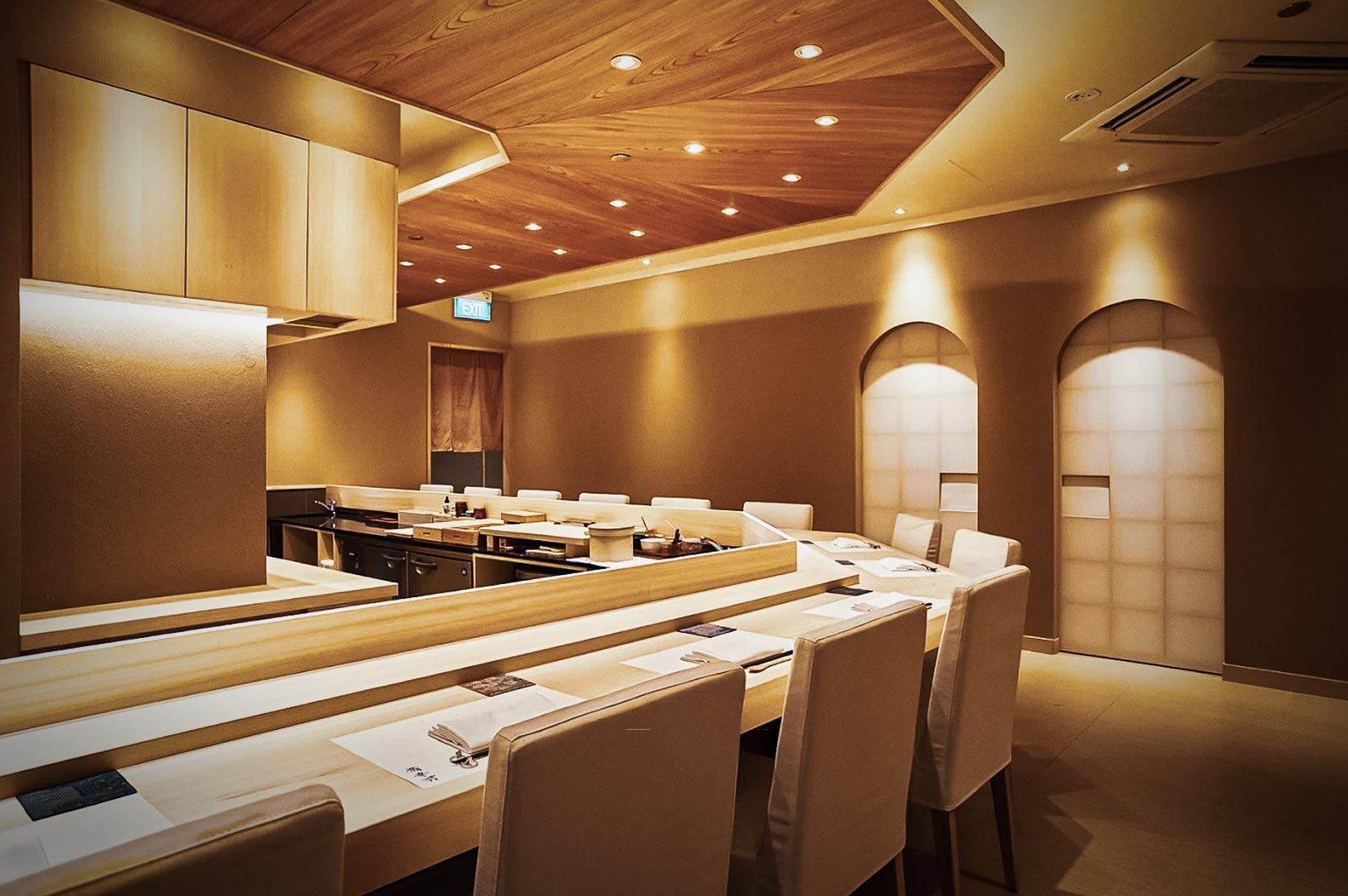
This dining format, located in Singapore, is not for every occasion or every diner. Sushi Kimura appeals to local diners seeking authentic Japanese cuisine, offering an experience reminiscent of Tokyo’s exclusive fine dining sushi culture. It is an experience designed for those who find joy in quiet observation, who are curious about the provenance of their food, and who appreciate the artistry of a master at work. It is a meal that engages your full attention.
If you prefer a lively, boisterous atmosphere, a flexible menu, or the ability to linger for hours in conversation, a different style of restaurant might be a better fit. An eight-seat omakase is a deliberate, focused, and deeply rewarding experience, but its structure is also its most defining limitation. Understanding this framework before you book is the first step toward a truly memorable omakase meal.
For a closer look at how this plays out at the counter, our review of Sushi Kimura explores the full omakase experience in detail.