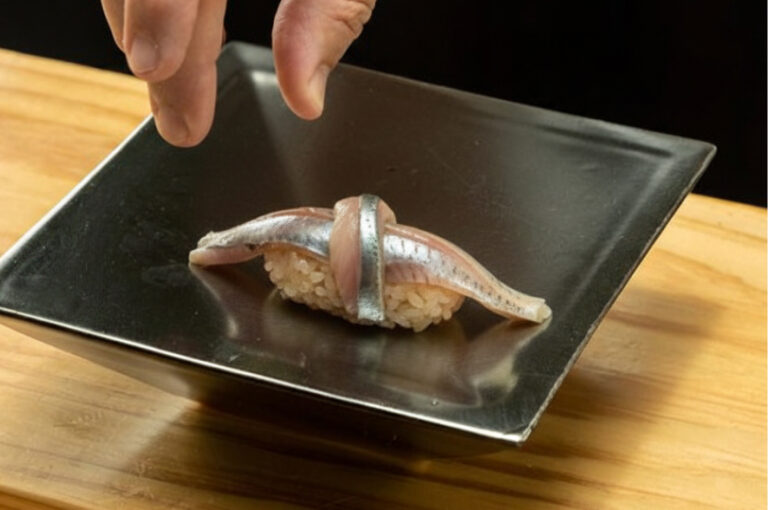
I used to be a student of the menu. Whether it was a leather bound tome or a single sheet of paper, my mind would race ahead, charting the course of the meal. I would anticipate the arrival of each dish, mentally preparing my palate for the next flavor profile. Even at an omakase counter, I found myself quietly asking the chef what was coming next, trying to hold onto some semblance of control.
It was a habit born of a desire to know, to be prepared. In a world that prizes information, sitting in deliberate ignorance felt like a weakness. The surprise was something to be managed, not embraced. I wanted a roadmap. I wanted to understand the logic of the sequence before it unfolded.
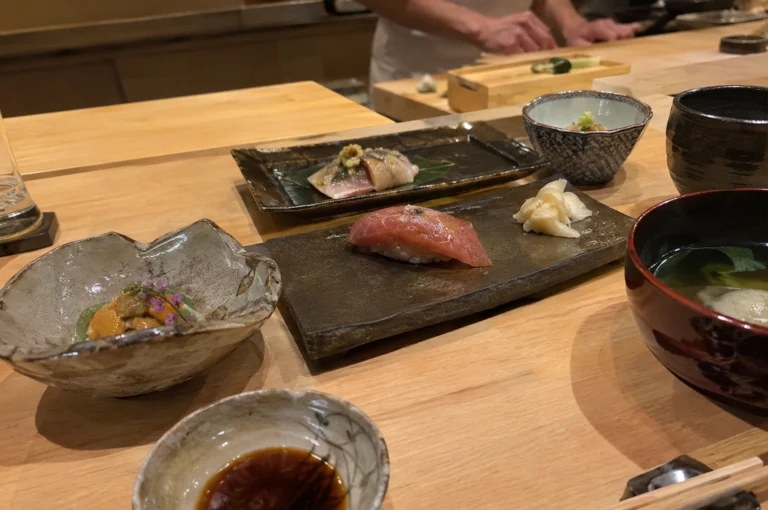
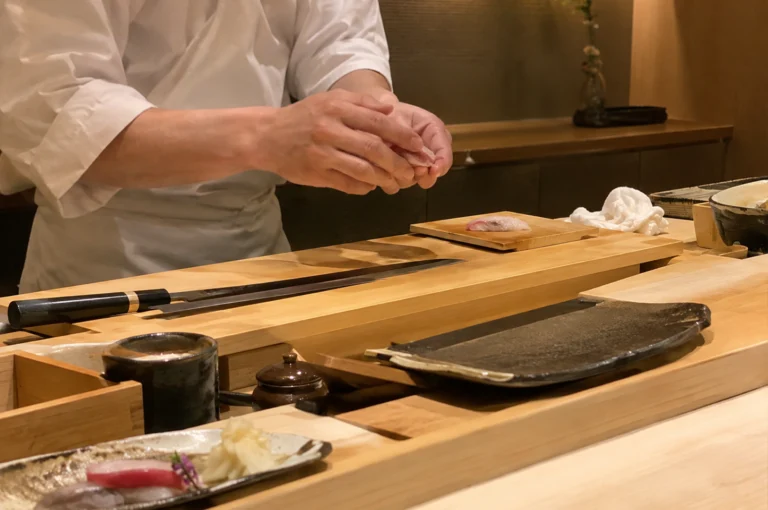
But on a recent evening, something shifted. I watched the chef work, his hands moving with a fluid certainty that was both calming and absolute. He placed a piece of shimmering sayori before me, its silver skin catching the light. I ate it. And then, for the first time, I waited. I did not ask what was next. I simply watched his hands return to the rice, his focus already on the subsequent creation.
In that small moment of silence, I felt a profound sense of release. My own internal monologue, the one constantly trying to predict and prepare, went quiet. Without the need to anticipate, my attention settled entirely on the present. I became aware of the subtle warmth of the lacquered counter under my fingertips, the faint scent of vinegar in the air, the quiet rhythm of the chef’s breathing.
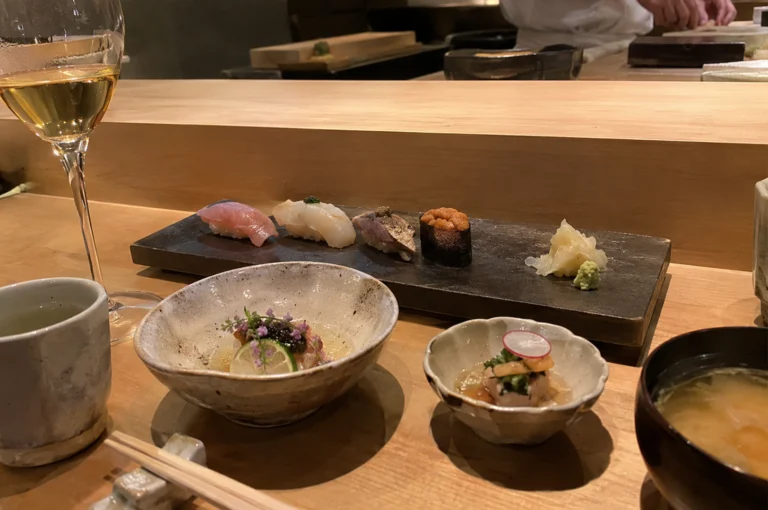
The meal became a series of discoveries rather than a checklist of expectations. Each piece arrived as a small, perfect revelation. A sliver of aged tuna did not have to live up to my idea of what aged tuna should be; it simply was. A spoonful of uni was not the course before the tamago; it was its own complete moment. The experience was no longer about getting from the start to the finish. It was about inhabiting each step along the way.
Letting go of the need to know did not create anxiety. It created trust. I was not just trusting the chef to feed me. I was trusting him to guide me. I was accepting that his knowledge of the journey was more important than my own need for a map.When the final course was cleared and a cup of tea was placed in my hands, I realized the meal felt more cohesive than any I had tried to orchestrate myself. The narrative was clearer because I had allowed it to be told to me, rather than trying to read ahead to the ending. The experience was not about what was coming next. It was about being fully where I was.