The sliding wooden door clicked shut behind me and the street noise vanished. I took my seat at the corner of the cypress counter. For the first ten minutes I felt a familiar urge to speak. I wanted to whisper to the person next to me or ask the chef a polite question about the rain outside. In any other dining room silence is a problem to be solved. A sudden lull in conversation at a dinner party feels like a failure of charm. We are taught to fear the quiet and to bridge it with small talk.
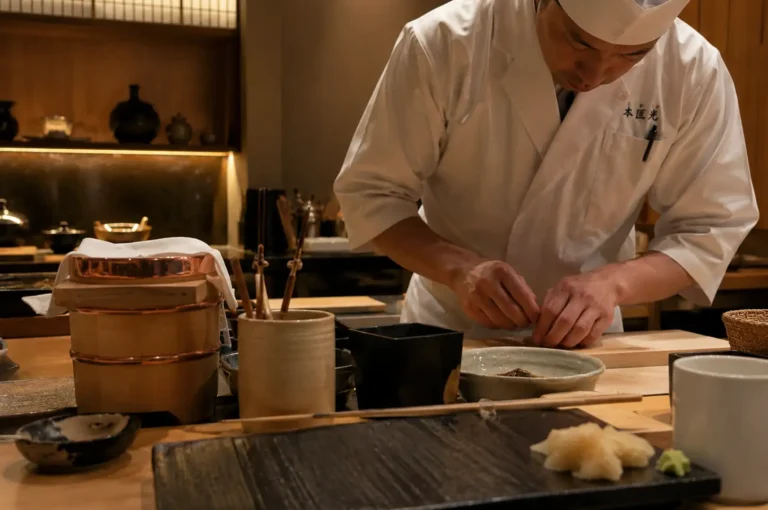
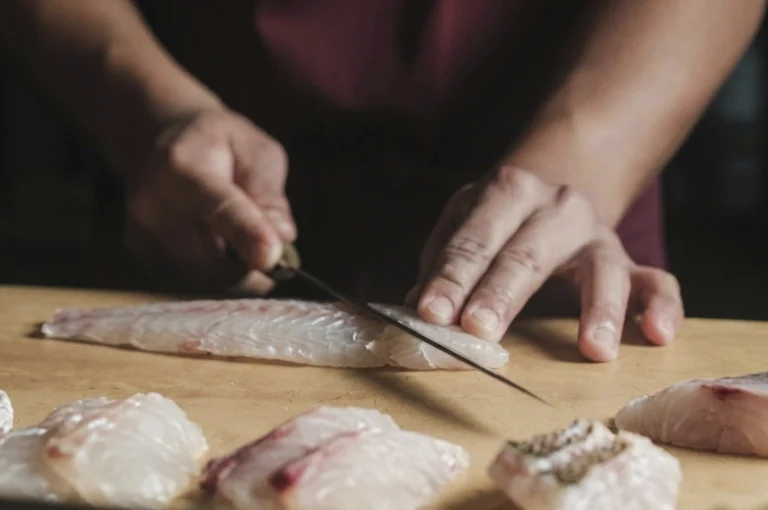
I watched the chef lift a pristine block of sea bream. The room was so still I could hear the faint whisper of the steel slicing through the flesh. I heard the soft compression of vinegared rice in his palms. I noticed the deliberate tap of his wooden chopsticks resting against a ceramic bowl. There was no background music to mask the sounds of preparation. The acoustics of the small space were designed to amplify the craft.
Slowly the instinct to fill the air began to fade. I realized the quiet was not a void waiting to be filled. It was an intentional architecture.
We spend so much of our lives performing through speech. We talk to connect and we talk to deflect. We use words to prove we belong in a certain room or to show we understand what we are eating. But sitting at that smooth wooden boundary I felt a profound sense of permission to let go of the performance. The chef did not need my banter to do his work. My companion did not need my commentary to taste the richness of the tuna. The shared focus on the cutting board in front of us was a complete conversation.
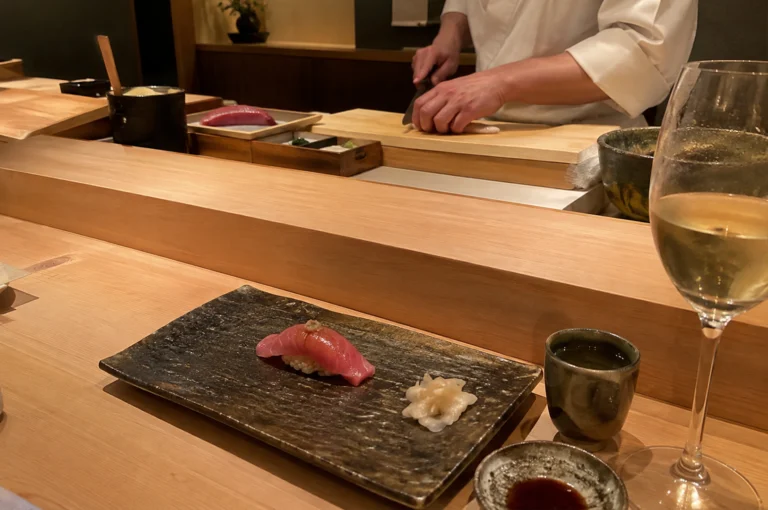
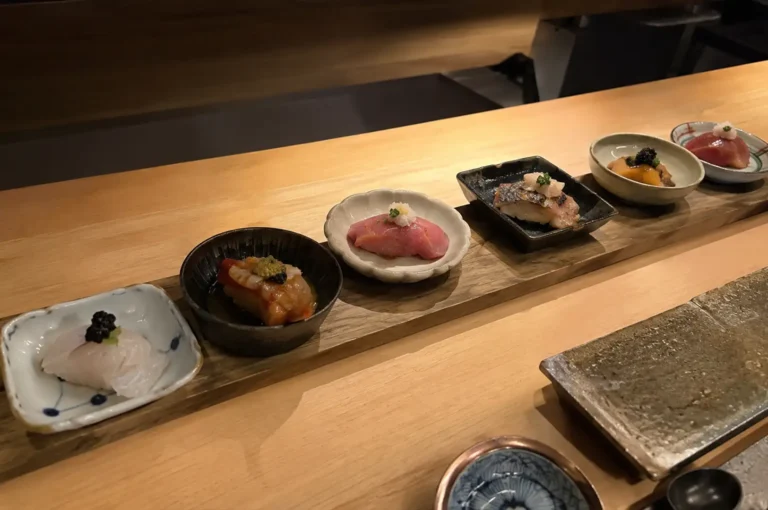
When the first piece of nigiri was placed on my plate the chef murmured its name. I picked it up and ate it without uttering a word of praise. I looked up and the chef gave a small nod. He already knew the temperature was perfect. The quality of the fish and the precision of the seasoning did not require my verbal validation.
As the evening progressed the silence shifted from something intimidating into something heavy and warm. It felt like a physical weight settling comfortably over the counter. I noticed the breathing of the other guests falling into a synchronized rhythm. We were all strangers but we were bound together by the same quiet ritual. The gentle clinking of teacups and the soft pouring of sake became a shared language that required no translation.I looked down at the empty ceramic plate in front of me. A tiny bead of moisture from a slice of pickled ginger caught the overhead light. The chef stood perfectly still with his hands resting quietly at his sides. I took a slow breath and let the quiet remain exactly as it was.