“Affordable omakase” in Singapore can be a revelation when approached through the lens of ingredient sourcing. The concept of affordable omakase centers on a thoughtful philosophy—balancing accessibility with a deep respect for seasonality and the art of selecting premium ingredients. The best value omakase experiences are orchestrated not by cutting corners, but by leveraging the chef’s discerning eye for seasonal arrivals and their trusted relationships with Tokyo’s renowned markets and regional suppliers. A truly affordable omakase in Singapore is not an exercise in compromise—it is a testament to the chef’s mastery in sourcing impeccable, fresh ingredients at the right moment.
This guide departs from typical lists to reveal the inner workings of ingredient cycles, the evolving flavours that emerge from seasonal and carefully sourced ingredients, chef-driven selection shaped by the changing seasons, and the strategies that ensure your counter seat delivers memorable nuance and substance. The chef’s choices are guided by the Japanese principle of ki setsu, honoring the four seasons and allowing each omakase experience to reflect the best of what each time of year offers.
Explore curated frameworks, a comparison table, and key etiquette so you can appreciate—not just eat—the chef’s craft, shaped by insights from our wider look at Singapore’s best-value omakase spots.
Affordable Omakase Singapore: Ingredient Sourcing as the Foundation of Value
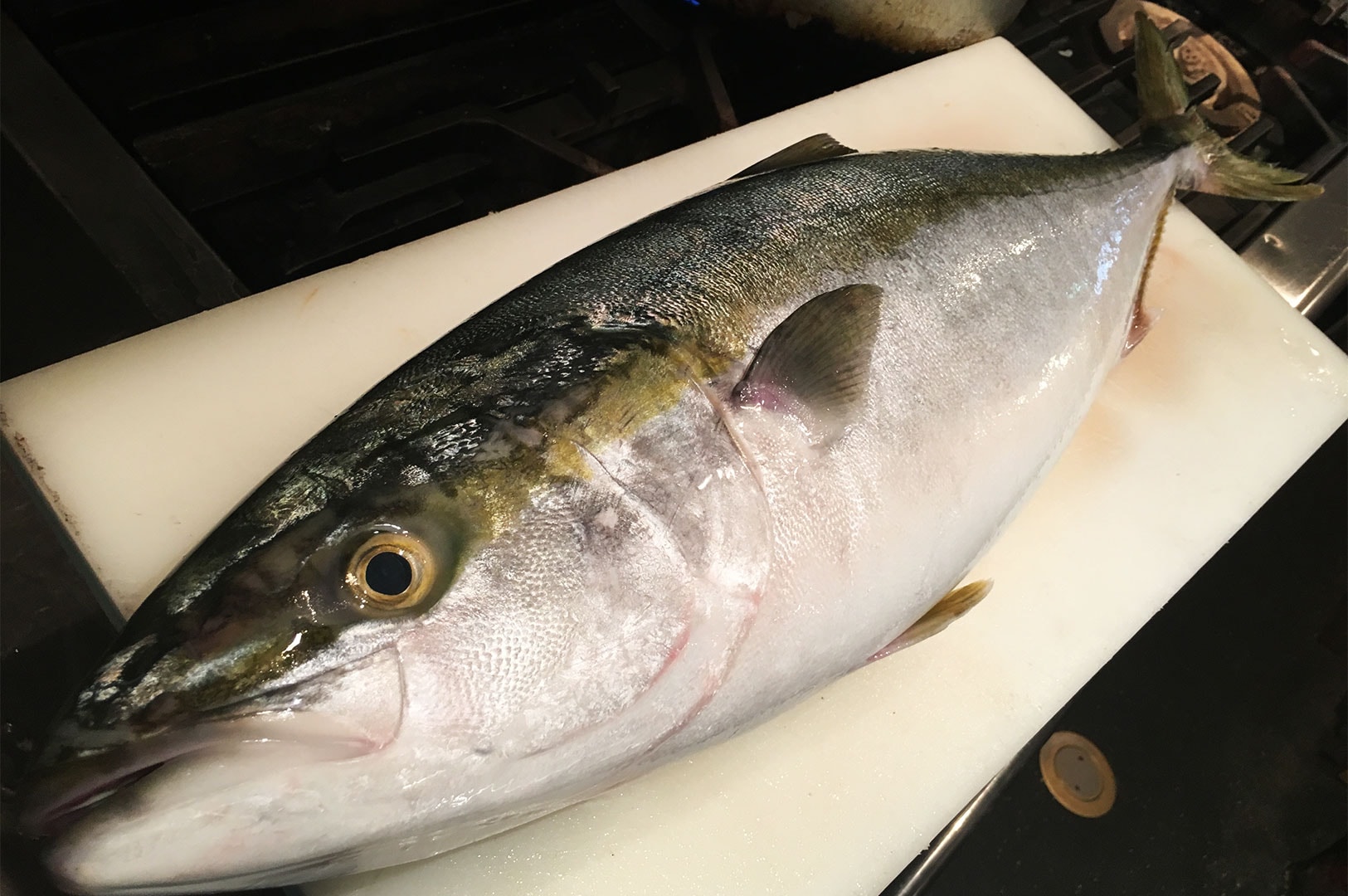
At the core of any meaningful omakase restaurant is the sourcing philosophy—where and why ingredients are chosen. In Singapore, top chefs cultivate close ties with purveyors in Tsukiji, Toyosu, and Hokkaido, timing orders to align with weekly auctions and micro-seasonal shifts. Their goal: secure not just the most renowned cuts, but peak-condition species that may be fleeting or underrated elsewhere, ensuring the omakase menu showcases the highest quality food available.
- Timing the Market: Chefs rely on the Japanese calendar of shun—hyper-seasonal fish like buri (winter yellowtail), sanma (autumn saury), and aji (summer horse mackerel) appear when they are both at their best and most abundant. This expertise allows affordable omakase menus ranging from budget lunch omakase menus to more elaborate dinner courses to feature remarkable quality, as chefs select the morning’s prime catch before prices rise.
- Beyond the Headlines: Affordable omakase often includes less famous yet top-tier fish—think kinmedai (golden eye snapper) or shima aji (striped jack)—sourced directly from regional fisheries outside metropolitan Tokyo, where value can be found without a drop in quality.
- Flexible Menus: The most passionate chefs adapt midday and market menus based on what importers offer that week. Lunch service may spotlight pristine, just-landed white fish or scallops that won’t last through dinner, ensuring diners experience peak texture and flavor while avoiding the higher evening price bracket. A carefully curated, seasonal appetiser is often served at the start of the meal to set the tone and stimulate the palate.
- Ocean-to-Table Stories: Expect to hear, “This uni was flown in this morning,” or “These botan ebi are from Hokkaido’s coldest waters this week.” Transparency in sourcing turns the dining room into a stage for nature’s rhythms, with the chef as storyteller, and each dish served with meticulous attention to presentation and freshness.
For the diner: You benefit directly from the chef’s sourcing finesse—receiving uncommon freshness and seasonality at a fraction of typical dinner prices.
Lunch Omakase Menu: When Seasonal Sourcing Changes What’s on Your Plate
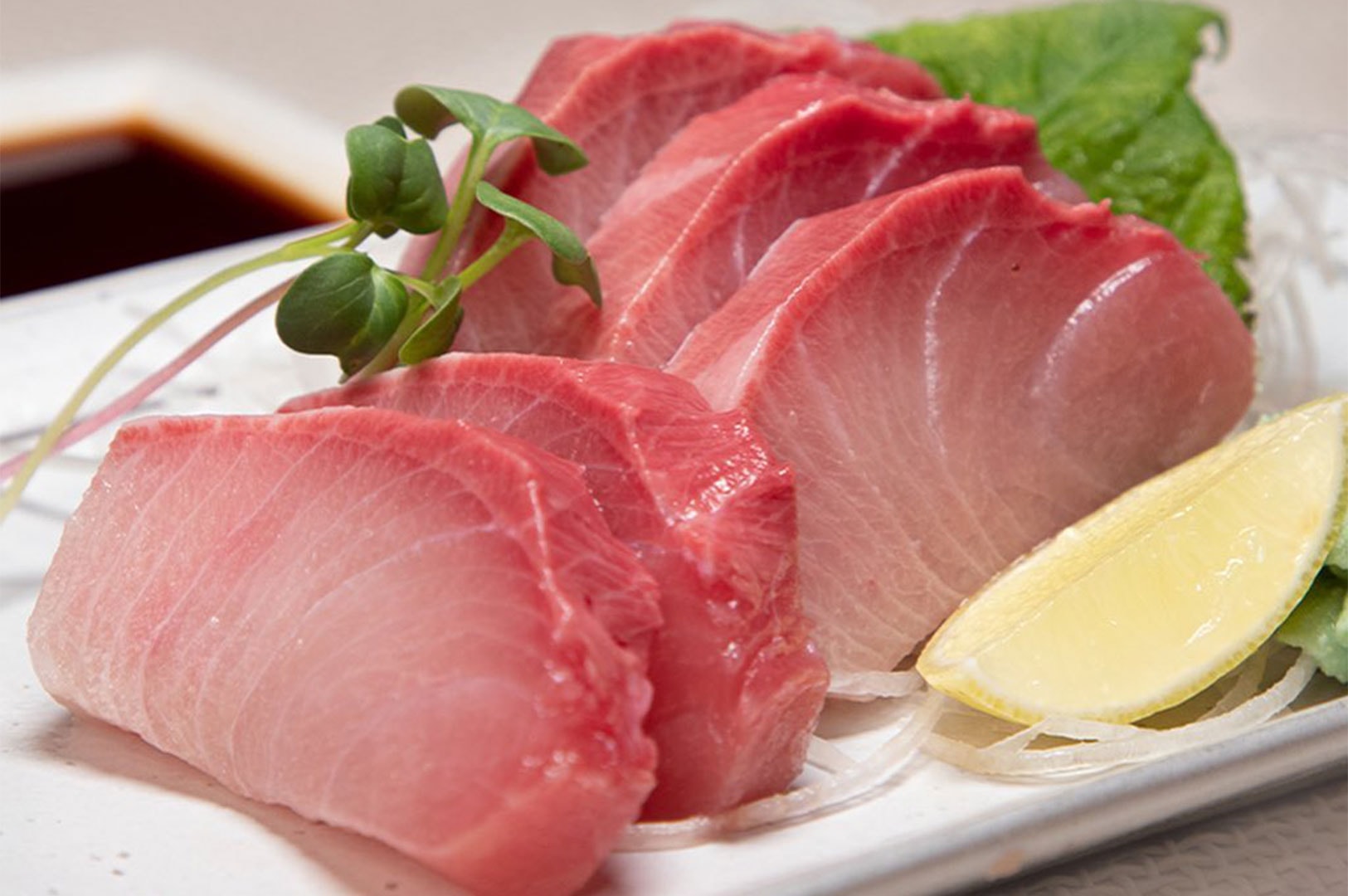
Singapore’s best omakase affordable experiences don’t just chase famous names. Chefs shape their menus around the ebb and flow of Japan’s fishing coasts, offering a variety of meals through seasonal omakase, including multi-course dining experiences that showcase the best ingredients of each season.
- Peak arrivals: Fatty buri and robust uni arrive in winter, prized for their richness. Sanma and saba star in autumn; spring highlights include tender shellfish like hotaru ika (firefly squid) and sakura ebi.
- Value windows: When a species is running in abundance (for example, aji in late summer), chefs snag whole shipments at a value, passing savings straight to lunch and early dinner sets, with certain omakase menus priced to reflect seasonal abundance.
- Chef’s negotiations: Sourcing isn’t just about what’s in season; it’s about relationships. Chefs who work closely with niche suppliers or snag “wakai mono” (young, under-appreciated fish) can introduce new tastes while maintaining approachable prices. Premium beef or other meat dishes may also be included in the menu when available at good value.
Wallet impact: When you trust the chef’s judgment on daily specials and seasonal flights, you access both value and a parade of tastes that would be costlier out of season.
Omakase Restaurant Insights: Reading the Omakase Menu and Ingredient-Led Value Signals
Expert diners look past course count to decode the provenance, freshness, and uniqueness of each serving.
- Market Notes: Menus that call out specific prefectures or “today’s catch” reflect a chef direct at the source, not just a distributor’s list. The number and quality of sushi courses offered is a strong indicator of value, especially when the progression highlights premium ingredients and thoughtful curation.
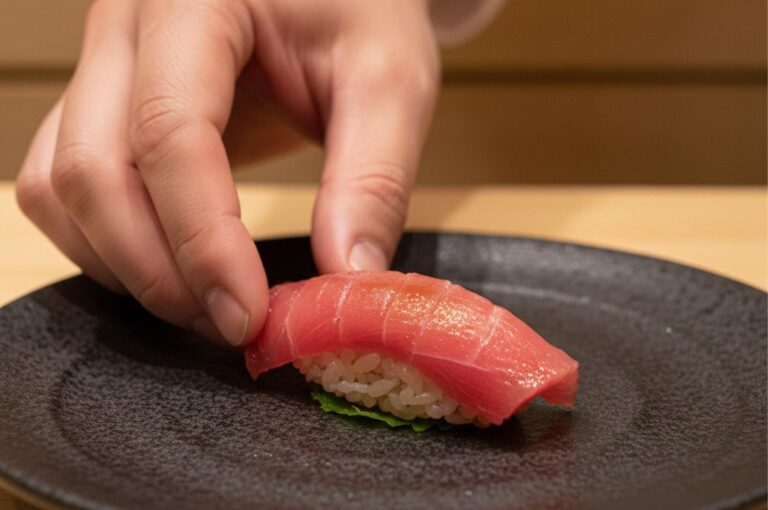
- Season-Driven Swaps: You might notice a premium fish, such as otoro, replaced by another lesser-known kin, not as a cost-saving shortcut, but because the texture, sweetness, or oil content is superior right now. Otoro, prized for its rich, fatty texture, often features as a highlight in premium sushi courses.
- Craft, not Expense: Budget omakase courses shine with a touch of yuzu on the day’s best shiromi or a miso-brushed aburi (seared) cut of an underutilized fish—a subtle expression of craftsmanship and sourcing intelligence. Palate cleansers, like pickled ginger, are provided between courses to allow your palate to rest and fully appreciate each new flavor.
How to Speak Ingredient with the Chef at Your Omakase Restaurant
Curiosity is welcome, but respect is key. If you wish to understand the story behind a nigiri, ask, “Where was this caught?” or “Is this peak season for this fish?” Expressing interest in sourcing honors the chef’s work and deepens your appreciation of the food and dishes presented.
Lunch Omakase and Dinner: Sourcing and Value in Practice at Sushi Masa and Other Omakase Restaurants
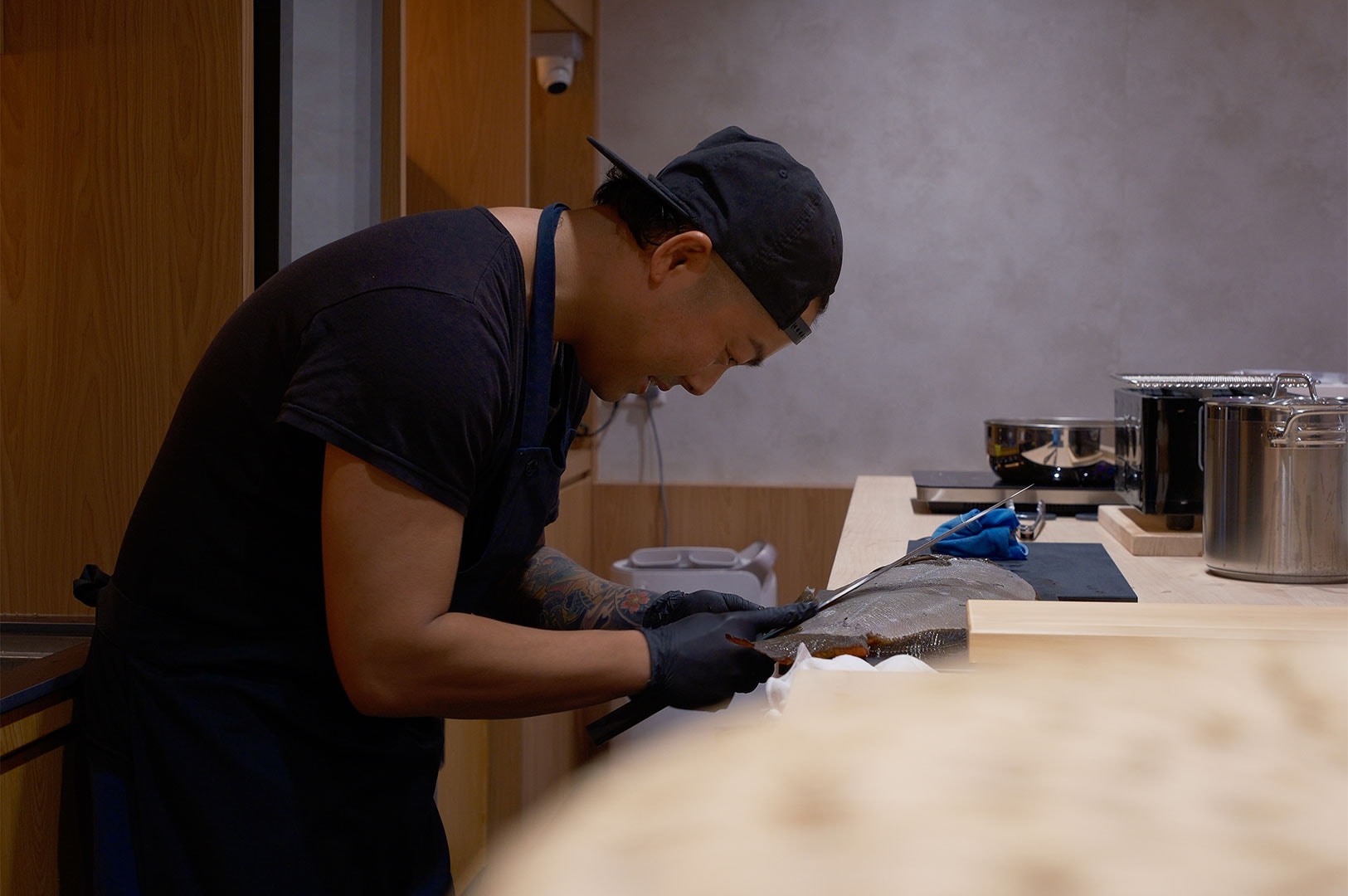
Lunch services in Singapore’s omakase scene often reflect the morning’s best import at a palatable price. Chefs seize the opportunity to serve ingredients in their prime window—sometimes only hours off the plane from Tokyo. Seating arrangements may also differ between lunch and dinner, with some venues offering more intimate or limited seating in the evening, which can affect the overall dining experience.
- Lunch’s edge: Sustainable, less famous catch, barely-marked shellfish, and quick-to-spoil cuts shine at noon. A chef can be generous because the turnover is faster, and storage costs less. Lunch omakase may also feature hot dishes such as tempura to add variety and warmth to the meal.
- Dinner’s depth: Some ingredients—crafted tsukemono, aged fish, specialty uni flights, or the famed overflowing ikura rice—are managed and matured for the evening crowd. Here, the chef might debut premium finds or multi-step preparations not feasible at lunch. A creative dessert may be included to conclude the meal, providing a refined finale and enhancing the overall experience.
- Scenarios for consideration: Sit at lunch when you want peak-fresh, market-driven bites and best-value sets. Sit at dinner when you crave longer narratives from chef Masa, slow-aged highlights, or a seat for witnessing ingredient transformation.
Omakase Restaurants in Singapore: Securing Sourced-Driven Seats at Ki Setsu, Ganko Sushi, and More
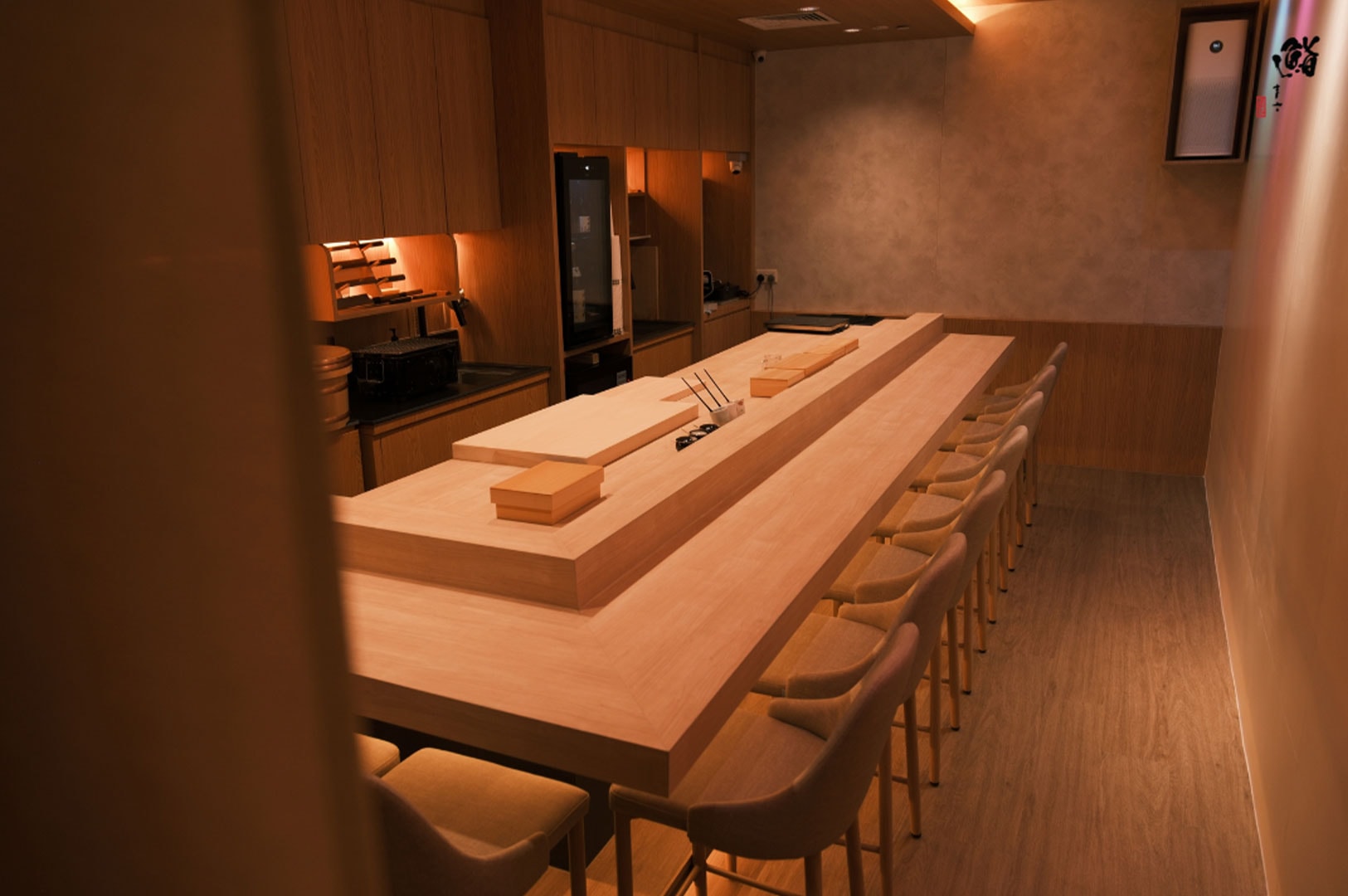
Chefs at ingredient-focused restaurants tend to run with lean stocks—bookings dictate what and how much is imported. Due to limited seating and high demand, making reservations in advance is highly recommended to secure your spot, especially for exclusive omakase experiences.
- Weekday lunches: Most forgiving; easier to reserve and guarantee maximum freshness.
- Real-time opportunities: Social media updates on “today’s shipment” or last-minute cancellations are your ally.
- Special runs: Watch for limited “sourcing showcase” menus tied to season openings or supplier anniversaries.
- Smart checklist:
- Reserve promptly after menus are posted.
- Inquire about the “market flight” for your date.
- Be flexible; agree to the chef’s daily menu to maximize the ingredient journey.
- Consider popular omakase venues such as Cuppage Plaza, known for its cluster of Japanese restaurants.
- Explore vibrant dining hubs like Tanjong Pagar, which is famous for specialty Japanese eateries and a trendy atmosphere.
- Look for a Singapore outpost of renowned Japanese omakase brands for a unique regional experience.
How to Order at an Omakase Restaurant: Trusting the Chef to Impress with Fresh Ingredients and Crafted Dishes
Your best move: cede choice to the chef, clearly expressing comfort with seasonal adventures and lesser-seen cuts. Many omakase restaurants, especially those with roots in Osaka, are known for their authentic approach and dedication to traditional Japanese culinary techniques. For an even more memorable experience, consider pairing your meal with sake, as the right sake can enhance the flavors and enjoyment of each course.
Smart Moves
- Say yes to featured “kinki,” “shima-aji,” or “sayori” when suggested; these highlight true market runs.
- Embrace chef-selected nigiri flights and small plates using the day’s surplus.
- Allow the chef to substitute—today’s “humble” mackerel may deliver unmatched flavor.
Less Wise
- Resist the urge to demand only “name” fish or pricey uni unless the chef champions it as peak.
- Skip extensive custom requests; trust counter economics and the chef’s integrity.
Trust the Counter at Your Omakase Restaurant
Notice if the chef proudly introduces the port of landing or vintage of the rice. Signs of ingredient knowledge—paired seasoning, slight temperature differentials—are markers that you are reaping the benefits of a sourcing-forward approach.
Etiquette for Ingredient-Led Affordable Omakase Singapore
- Trust and timing: Yield decision-making to the chef, but indicate vital allergies up front.
- Questions: Curiosity about provenance is respectful; bargaining on price or “extra” is not.
- Savoring: Avoid lingering too long; sets are timed to the life of the fish.
- Fragrances/photos: Go light; absorbing the aromas and textures is part of your ingredient education.
The Unique Dining Experience at Sushi Masa, Ganko Sushi, Ki Setsu, and Other Omakase Restaurants
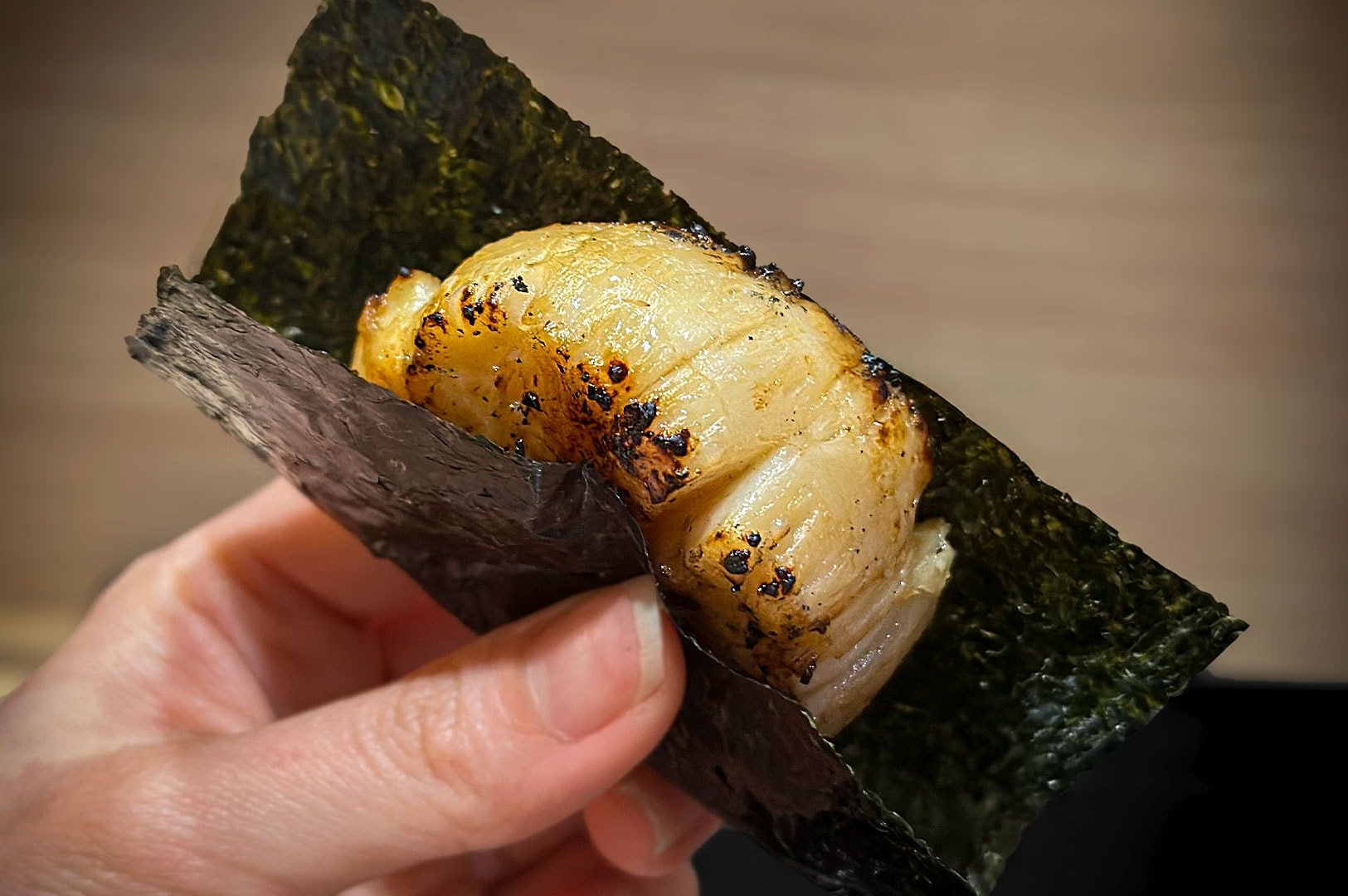
Dining at an omakase sanctuary in Singapore is more than just a meal—it is a sensory journey that celebrates the chef’s mastery and the season’s finest offerings. Whether you are enjoying a lunch omakase or indulging in menus that range from accessible to luxurious, each visit becomes an homage to craftsmanship and seasonal purity. Ultimately, Singapore’s omakase sanctuaries create a world-class dining journey, connecting chef and guest through clarity, craft, and memorable flavor—welcoming both newcomers and seasoned diners. For a broader look at the city’s budget-friendly picks, explore our extended guide to the most affordable omakase spots.
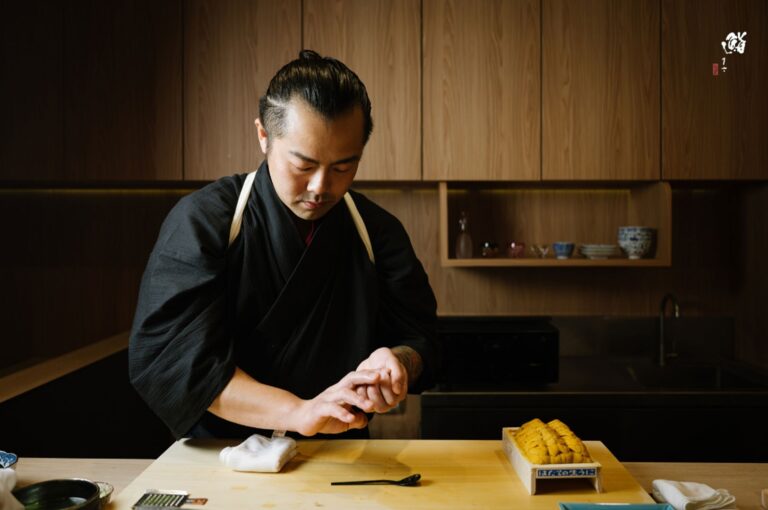
At the heart of every omakase is the chef’s dedication to quality. Places like Sushi Masa, led by chef Masa, craft experiences reflecting the season’s essence, from delicate sashimi to rich warm dishes. Ganko Sushi is known for immaculate seafood and harmonious flavors.
The element of surprise defines omakase, inviting guests to trust the chef’s vision. Signature moments such as the overflowing ikura rice at SHUNSUI or sea urchin at Morita UNIGORO elevate the experience. Restaurants like Ki Setsu and Fat Cow offer diverse omakase courses blending sushi, sashimi, and warm preparations with inventive finishes. Ambiance enhances the journey, from traditional, serene settings at Sushi Yujo and Ganko Sushi to modern, artistic spaces at Ki Setsu and Fat Cow.
Singapore’s omakase sanctuaries deliver the complete omakase experience, connecting chef and guest through clarity, craft, and memorable flavors—welcoming both newcomers and seasoned diners. For a broader look at the city’s budget-friendly options, explore our extended guide to affordable omakase spots.