Imagine a dining experience so intimate and personal that the menu is created just for you in that very moment. In omakase, the menus are often curated or set by the chef, reflecting seasonal ingredients and the chef’s unique philosophy. This is the essence of the omakase experience, a cherished tradition in Japanese cuisine that translates to “I leave it up to you.”
More than simply eating sushi, omakase is a culinary journey that highlights the artistry of the sushi chef, the beauty of seasonal ingredients, and the hospitality of Japanese dining. From the warm greeting to the respectful farewell, it’s a performance, conversation, and connection that creates an unforgettable experience.
As highlighted by Rubbish Eat Rubbish Grow, some of the most memorable omakase meals are defined by restraint, trust, and chef-led storytelling rather than spectacle.
What is Omakase? A Trust-Based Japanese Cuisine Tradition
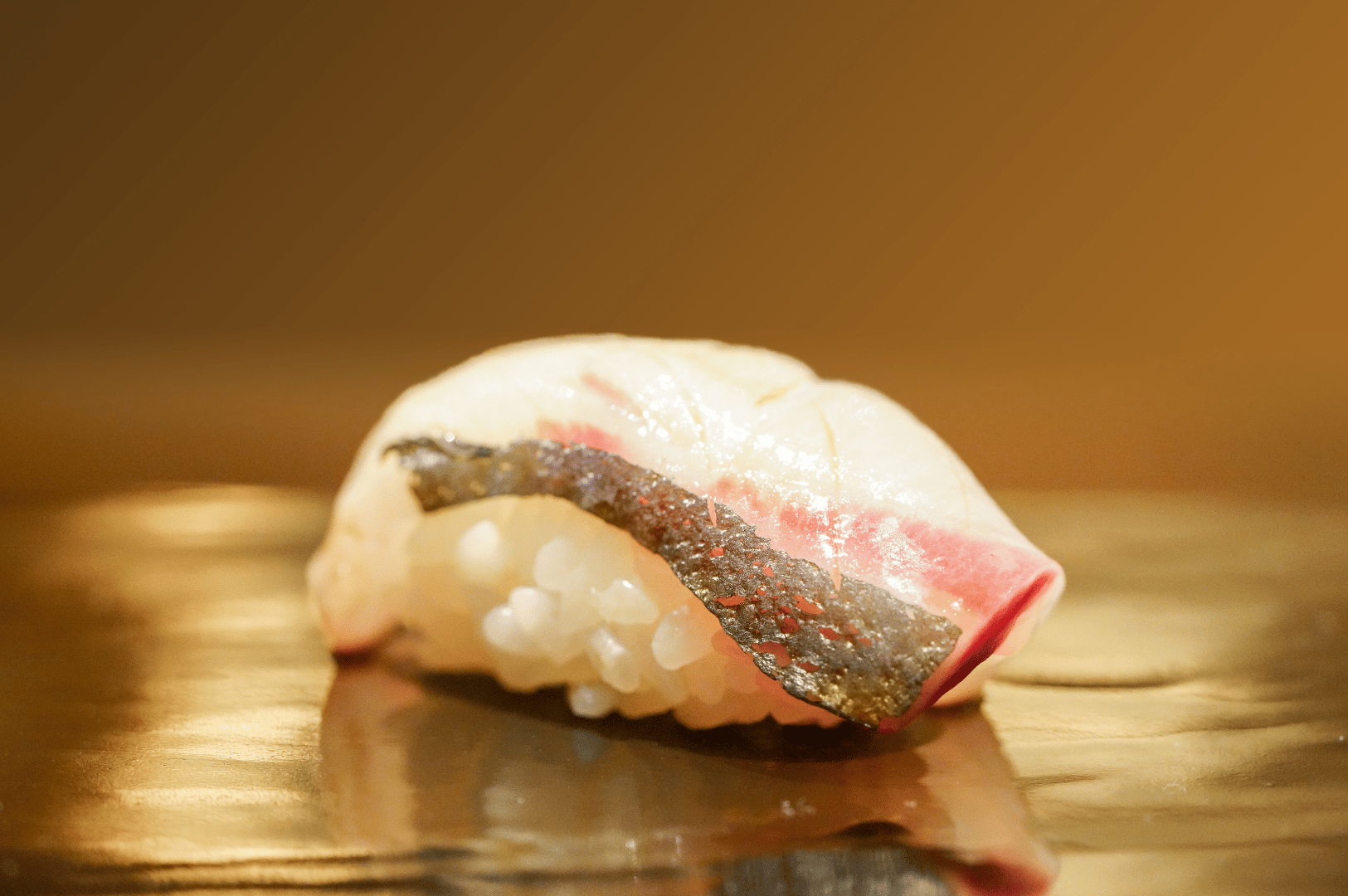
The phrase omakase shimasu (お任せします) reflects trust: the diner entrusts their meal to the chef’s skill and creativity. In return, the chef prepares a progression of dishes that showcase fresh seafood, vinegared rice, and delicate flavor combinations. Each dish is prepared with great attention to detail and craftsmanship, ensuring a memorable dining experience.
Rooted in Japanese culture, omakase emphasizes shun—ingredients enjoyed at the peak of their season. From sashimi to edomae sushi, every element is chosen and presented to achieve perfect balance in taste, texture, and aroma.
Omakase Varieties: Exploring Different Styles and Interpretations
Omakase is more than just a meal—it’s a celebration of Japanese cuisine, where every dinner becomes a unique dining experience shaped by the chef’s vision and the season’s bounty. Across Japan and around the world, omakase takes on many forms, each reflecting the chef’s personal philosophy and the traditions they honor.
One of the most revered styles is edomae sushi, which originated in Tokyo. Here, the chef prepares sushi using time-honored techniques, such as marinating or curing fish in vinegar, to highlight the natural flavors and preserve freshness. The use of vinegared rice is essential, providing the perfect balance to the delicate slices of fish and creating a harmony that sushi connoisseurs deeply appreciate. Each dish is served fresh, with the finest ingredients sourced at their seasonal peak, ensuring every bite is an unforgettable experience.
For both seasoned sushi lovers and those new to Japanese dining, omakase offers a rare opportunity to witness a chef prepares with artistry and passion. The meal is thoughtfully composed, each course building on the last, and always with a focus on quality and seasonality. Whether you’re enjoying dinner in a hidden Tokyo counter or a celebrated restaurant abroad, omakase promises a dining experience that lingers in your memory long after the final bite.
Before You Go: Preparing for the Omakase Experience
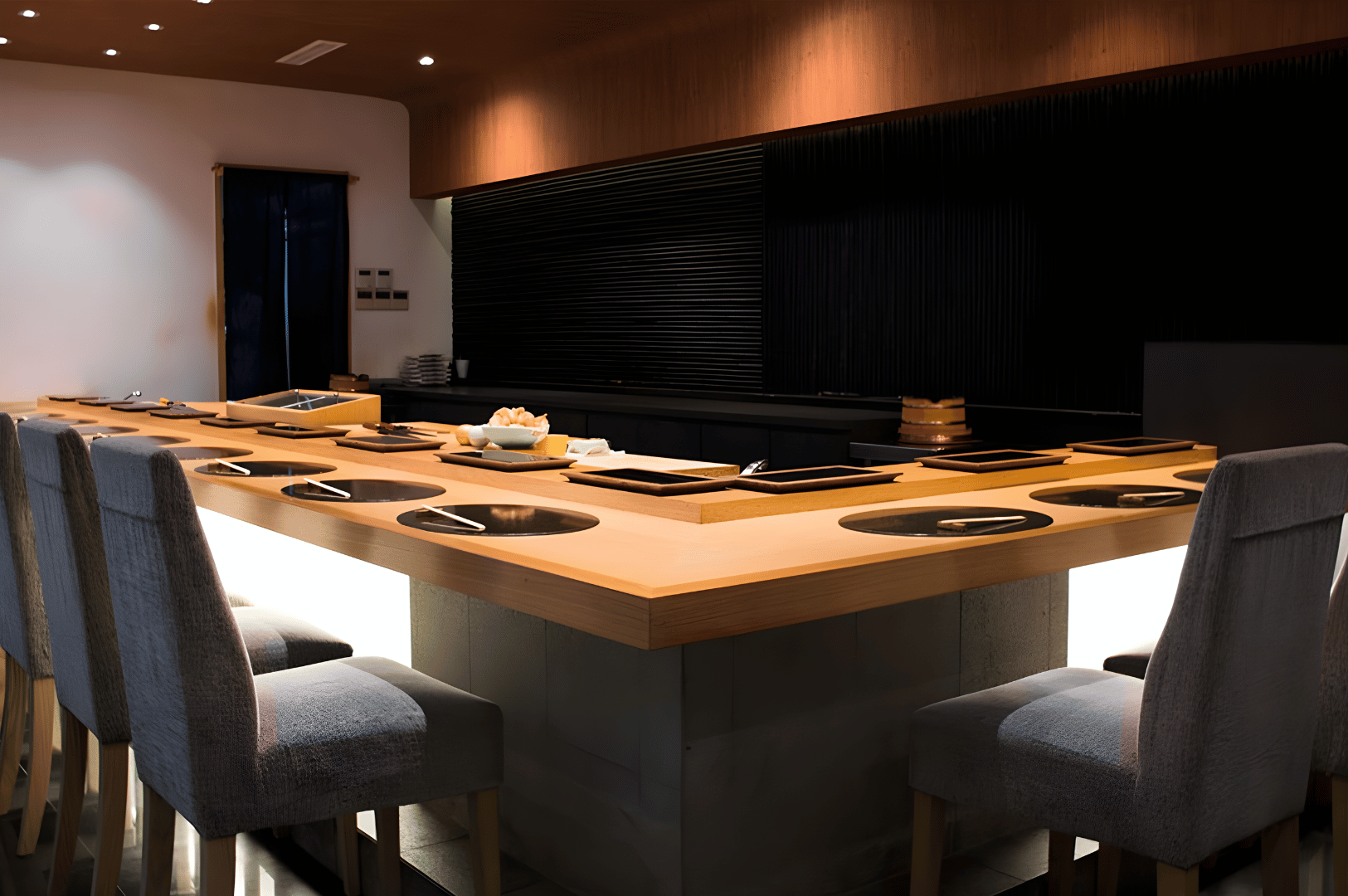
Reservations and the Omakase Room
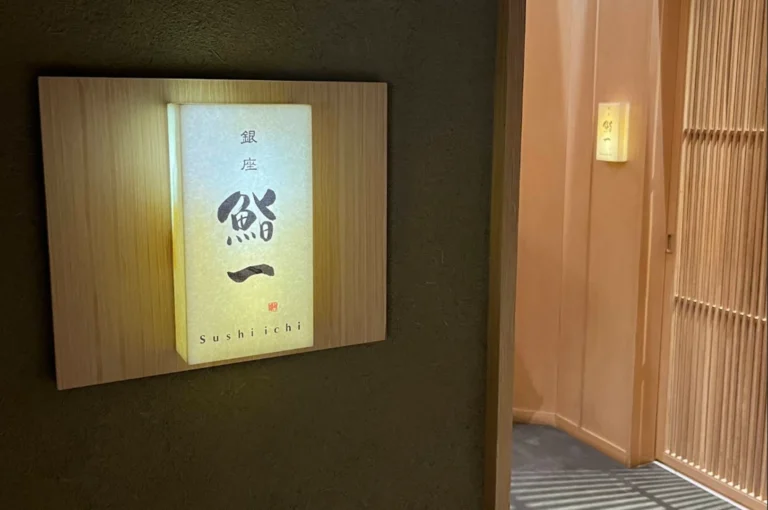
Most omakase rooms are small, with an intimate setting of just a handful of seats along the counter. Advanced reservations are almost always required, particularly in restaurants recognized with Michelin stars or listed in the Michelin Guide.
When booking, communicate any allergies or restrictions in advance. People mistakenly assume last-minute adjustments are possible, but the chef plans the entire meal around the finest ingredients available that day.
Setting Expectations for a Premium Dining Experience
Cost: Omakase reflects the quality of the seafood and the mastery of the chef. Prices are fixed and premium.
Time: A full dining experience may last two to three hours—savor it slowly.
Dress: Smart casual attire is preferred, and avoid strong perfumes that interfere with the food.
Ambiance and Atmosphere: The Sensory Setting of Omakase
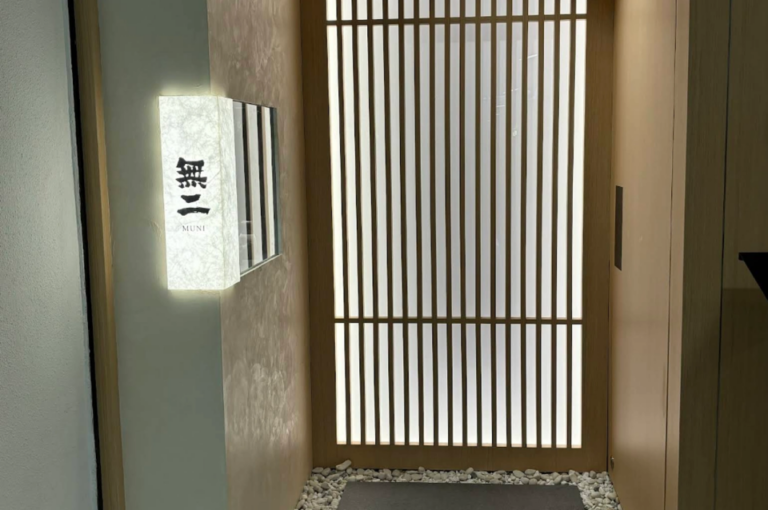
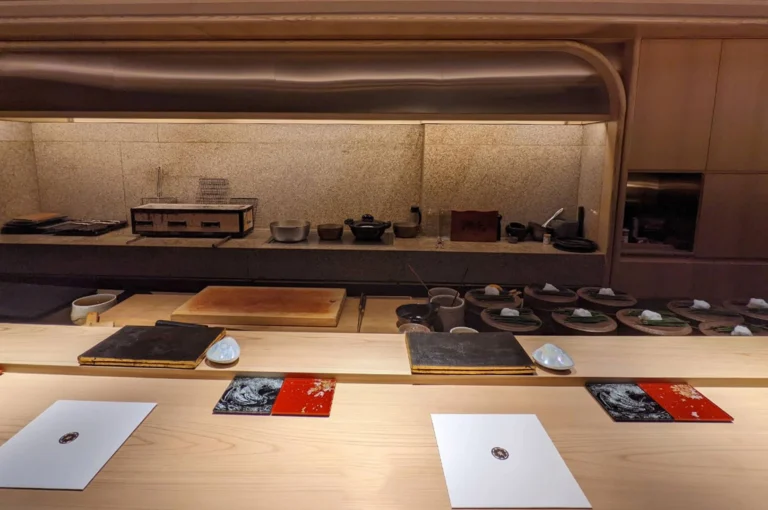
The magic of omakase extends far beyond the plate—it’s woven into the very atmosphere of the restaurant. Step into an omakase room, and you’re greeted by a serene, elegant environment designed to heighten every sense. The counter, often crafted from smooth, fragrant hinoki wood, invites guests to sit close and observe as the chef transforms the finest ingredients into edible art.
As you eat, every detail is designed to engage your senses. The feel of chopsticks in your hand, the aroma of freshly grated wasabi, the subtle tang of soy sauce—all contribute to the perfect balance of flavors and textures. The ambiance encourages you to slow down, savor each bite, and fully appreciate the quality and care that define omakase.
Whether you’re marking a special occasion or simply seeking outstanding food, the ambiance of an omakase restaurant transforms dinner into a truly unforgettable experience. It’s a harmonious blend of Japanese cuisine, attentive service, and sensory delight—an invitation to enjoy sushi in its most refined and memorable form.
The Arrival: Greeting, Seating, and the Ritual Before Eating Sushi
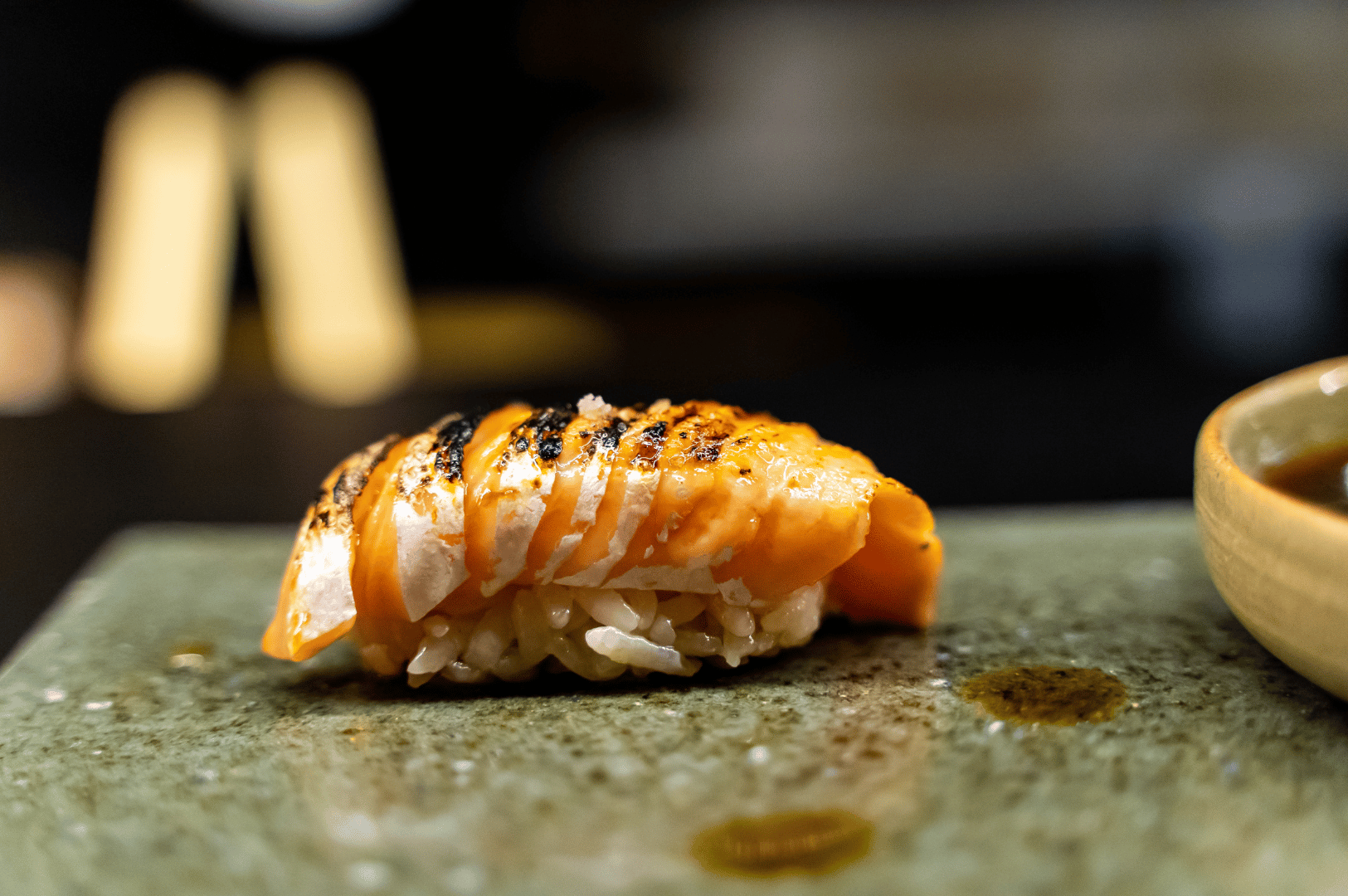
From the moment you enter, the attentive service sets the tone. Guests are greeted warmly and guided to the counter, where the chef works in full view.
You’ll be offered an oshibori, a warm towel to clean your hands. This simple ritual marks the beginning of the meal, grounding you in the tradition of Japanese dining.
At the table, proper etiquette is important—never leave your chopsticks directly on the table, and always respect the dining environment.
The Itamae: The Artist Behind Edomae Sushi
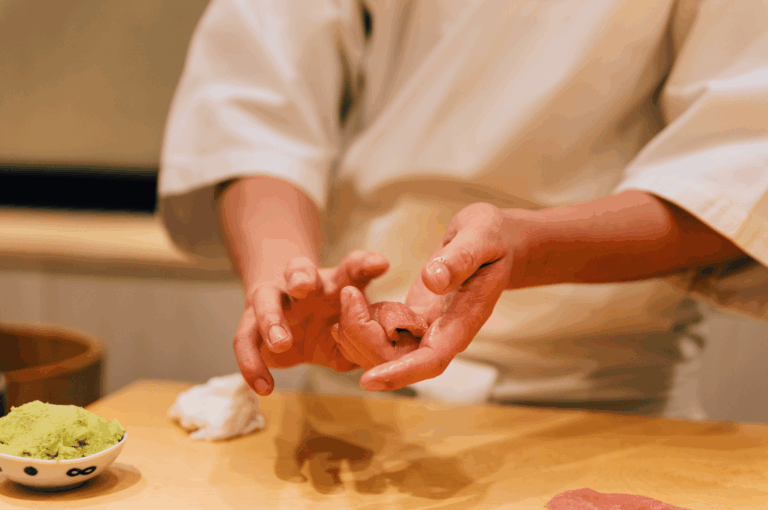
The itamae—the master sushi chef—is both host and storyteller. Every knife cut, every precise shaping of nigiri, and every adjustment of wasabi and soy sauce reflects years of training in edomae sushi, the Tokyo-born style that prizes freshness and precision.
Guests are encouraged to ask thoughtful questions about the fish, seasonal ingredients, or preparation methods. This interaction enriches the dining experience, turning each dish into a chapter in a larger story. Each component serves a specific purpose in the omakase experience—for example, ginger serves to cleanse the palate, while wasabi serves to enhance the flavor of the fish.
The Progression of Courses: From Appetizers to the Best Sushi
Otsumami (Snacks) to Begin the Dining Experience
Your meal often begins with a series of otsumami, or small appetizers. These may include cooked vegetables, soups, or marinated seafood—flavors designed to awaken the palate.
Nigiri: Crafted for One Bite Perfection
The heart of omakase is the nigiri, presented one by one. The chef carefully balances the rice side and toppings (neta) so each piece is a one bite creation, allowing the flavors of both the rice and the toppings to shine together.
- Light Start: White-fleshed fish such as flounder or sea bream.
- Build-Up: Richer cuts like tuna (from akami to otoro) and silver-skinned fish such as mackerel.
- Specialties: Treats like sea urchin, salmon roe, or sweet shrimp—served fresh, incredibly delicious, and incredibly delicate.
Each piece comes with exactly the right touch of soy sauce or wasabi, so you don’t need to adjust. Adding too much soy sauce can overwhelm the intended taste and disrupt the perfect balance.
Focusing on just the fish or just the rice is like appreciating only a bit of the sushi, rather than experiencing the harmonious whole intended by the chef.
The Finale: Hand Rolls, Tamago, and Dessert
Toward the end, a cone shape hand roll (temaki) may appear, followed by a layered tamago omelet. Dessert is usually simple and fresh—a slice of seasonal fruit or a scoop of sorbet.
Mastering Sushi Etiquette: From Soy Sauce to the Rice Side
Observing sushi etiquette shows respect for the chef, the other diners, and the tradition.
Ginger (gari) is a palate cleanser between pieces, not a topping.
To properly eat sushi, use either your hands or chopsticks and enjoy each piece as a bite-sized portion.
Eat promptly—nigiri is best enjoyed immediately, while the rice is still warm.
One bite is ideal, as sushi is traditionally meant to be eaten in one bite to preserve its flavor and presentation. If necessary, two bites are acceptable, but never return half to the plate.
Chopsticks or hands are both acceptable. If using hands, clean them with the oshibori.
When you dip sushi in soy sauce, dip only the toppings (neta side), not the rice side, to maintain flavor balance and sushi integrity. For tricky types like gunkan maki, consider lightly brushing soy sauce with gari.
When you serve sushi, use a hashioki to rest your chopsticks and avoid passing sushi directly from chopstick to chopstick, as this is considered poor etiquette.
Drinks That Elevate the Omakase Experience
The right drink enhances the meal:
Wine and beer: Many modern sushi restaurants with Michelin stars also offer curated wine lists or Japanese lagers.
Sake: Light to complex, pairing seamlessly with different courses.
Green tea: A traditional, non-alcoholic choice that allows you to fully enjoy sushi.
The Farewell: Gratitude and the Tradition to Pass Food Gracefully
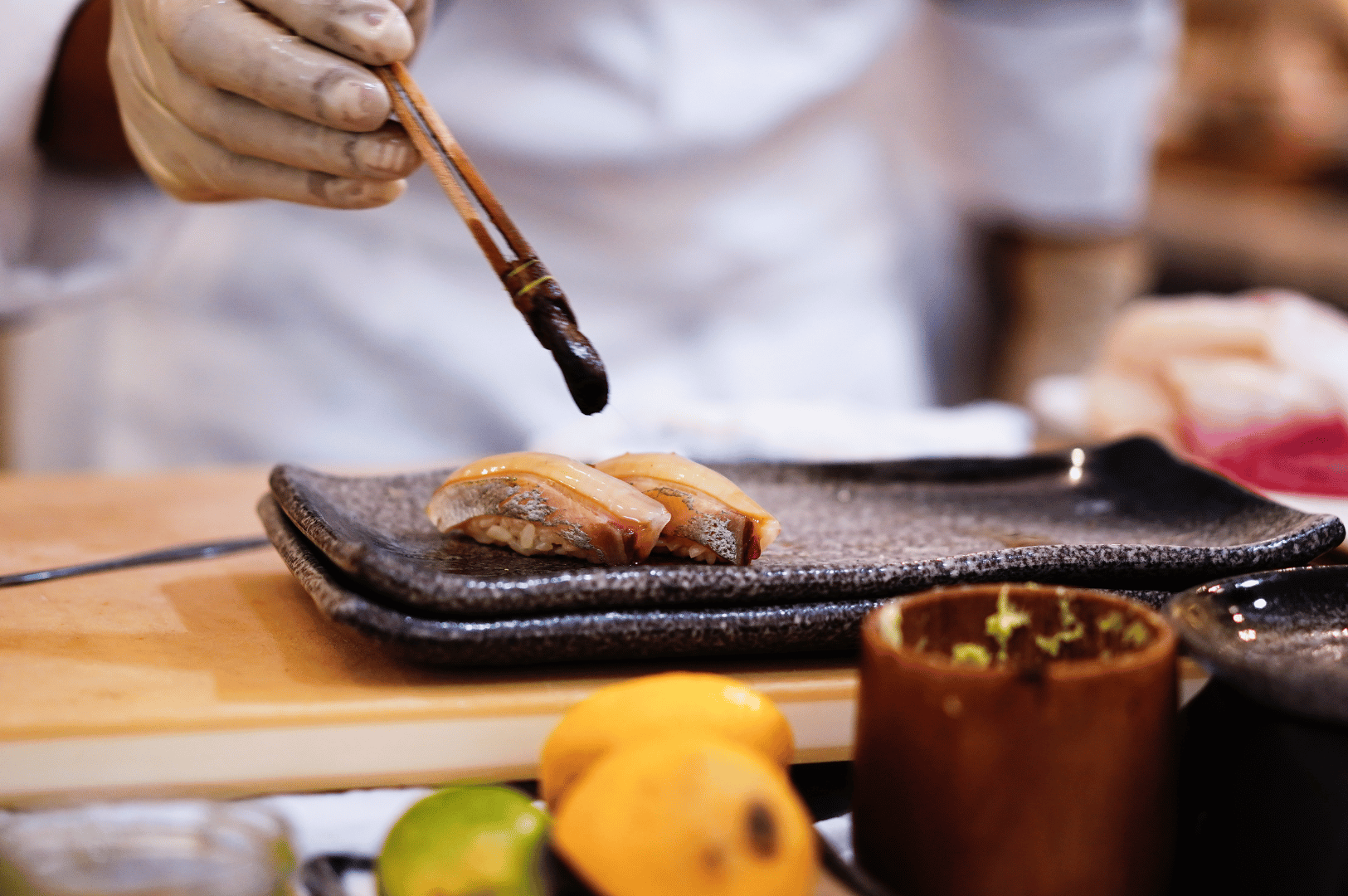
As the dinner concludes, the chef may invite you to request another piece of your favorite sushi. This gesture highlights the attentive service that makes omakase so special.
When finished, thank the chef with “gochisousama deshita”—a respectful phrase meaning “thank you for the outstanding food.” As you depart, the staff may bow, completing the cycle of Japanese hospitality.
Tips for First-Time Guests Seeking the Best Sushi
Be adventurous—try everything, even if unfamiliar.
Savor the pacing; each bite is meant to be enjoyed slowly.
Focus fully on the meal—avoid distractions like your phone.
Above all, trust the sushi chef. This trust is the heart of the omakase experience.
Why Omakase Earns Michelin Stars and a Place in the Michelin Guide
The Michelin Guide honors restaurants that demonstrate mastery of flavor, technique, and hospitality. Omakase often earns Michelin stars because it embodies these qualities: the use of the finest ingredients, an intimate setting, and attentive service that transforms food into art.
For Michelin inspectors, an omakase counter represents the pinnacle of Japanese cuisine, offering not just the best sushi but also a complete, carefully choreographed dining experience.
Omakase: A Dining Experience for Special Occasions and Unforgettable Moments
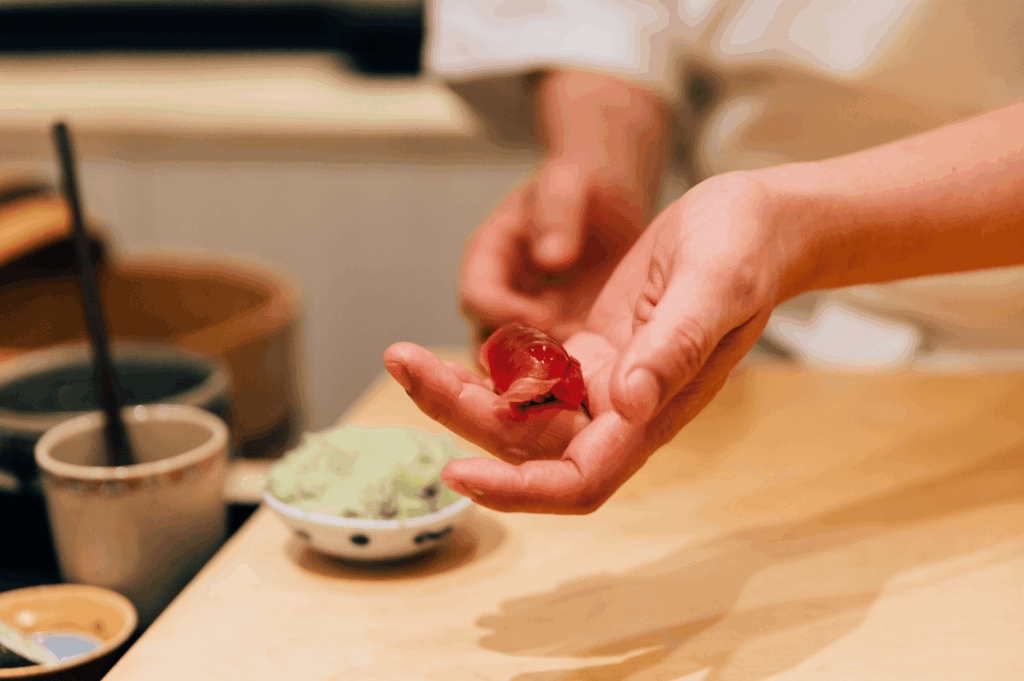
Whether celebrating special occasions or seeking the best sushi of your life, omakase is a treat that blends Japanese culture, craftsmanship, and outstanding food into a singular unique dining experience.
From Tokyo’s legendary counters to globally renowned sushi restaurants, omakase offers a chance to witness a chef prepares with precision, passion, and respect for tradition.
Step into the omakase room, trust the sushi chef, and let this unforgettable experience guide you through the artistry of Japanese cuisine—one perfect bite at a time.
To explore more stories and guides, visit Best Omakase or get to know us through our About Us page.