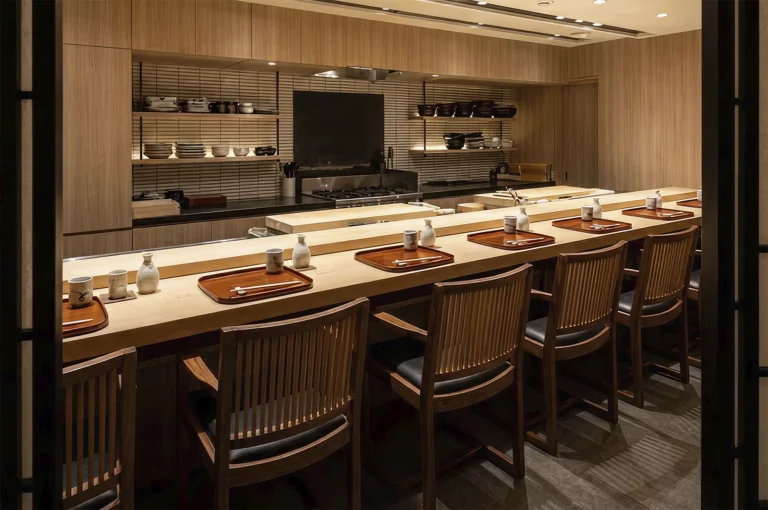

Omakase dining is more than just a meal—it’s an intimate expression of Japanese tradition, craftsmanship, and trust. The word omakase translates to “I leave it up to you,” inviting the sushi chef to create a curated dining experience that showcases the freshest ingredients and meticulous preparation.
While we often admire the elegant nigiri sushi and artistic small dishes that arrive at the counter, the true story begins much earlier—with omakase ingredient sourcing. Finding only the best ingredients is a craft of its own, blending knowledge, relationships, and a deep commitment to quality and seasonality.
The Art of Omakase Ingredient Sourcing in Japanese Cuisine
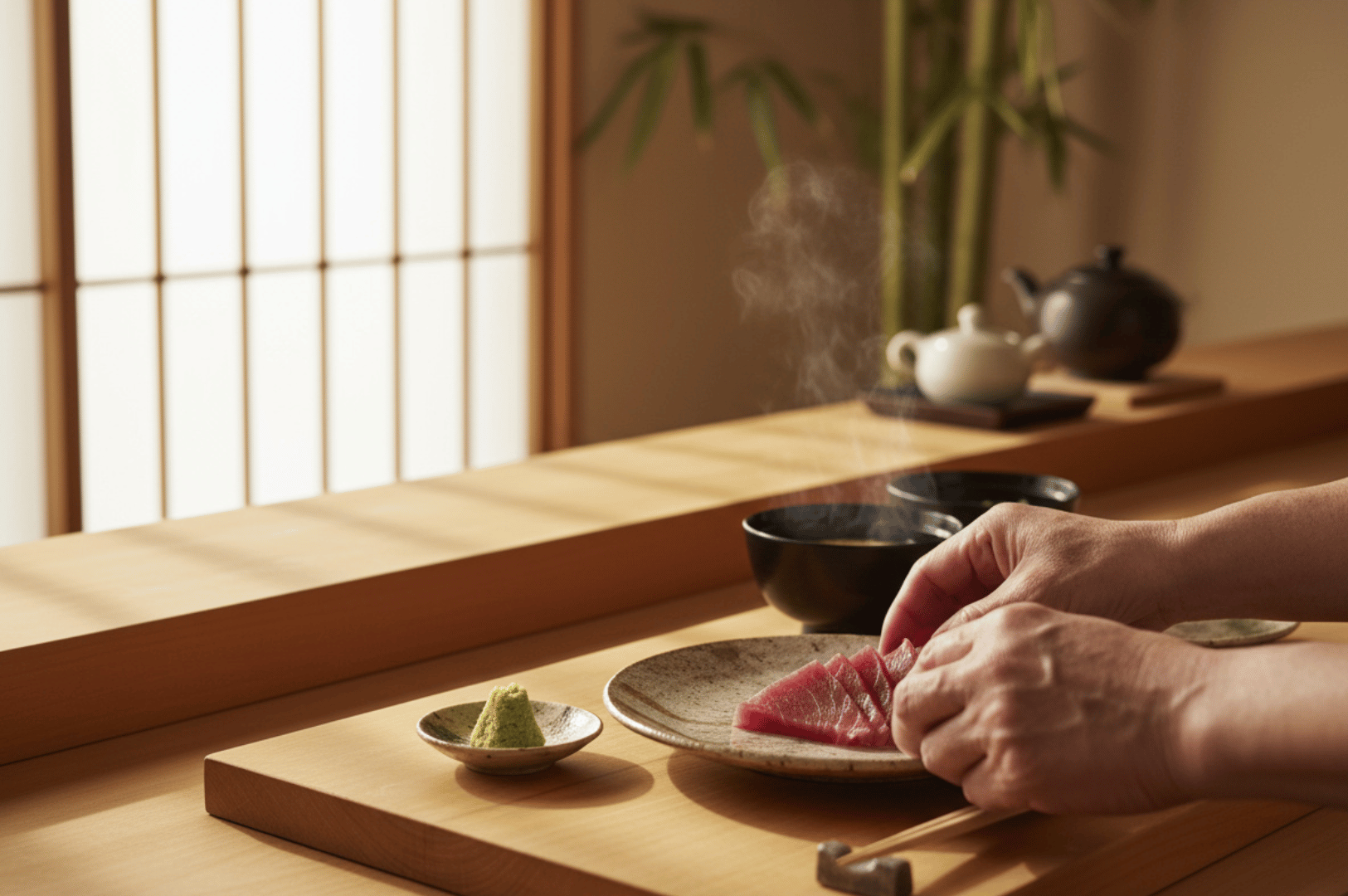
At the heart of Japanese cuisine lies shun, the concept of eating ingredients at their peak freshness. Whether you’re a professional chef, a home cook, or simply passionate about Japanese food, sourcing high quality ingredients is the foundation of every memorable omakase experience.
Every bite—from a melt-in-your-mouth fatty tuna to a perfectly seasoned bowl of miso soup—tells a story of tradition, care, and respect for nature.
Fresh Seafood: The Heart of Every Omakase Experience
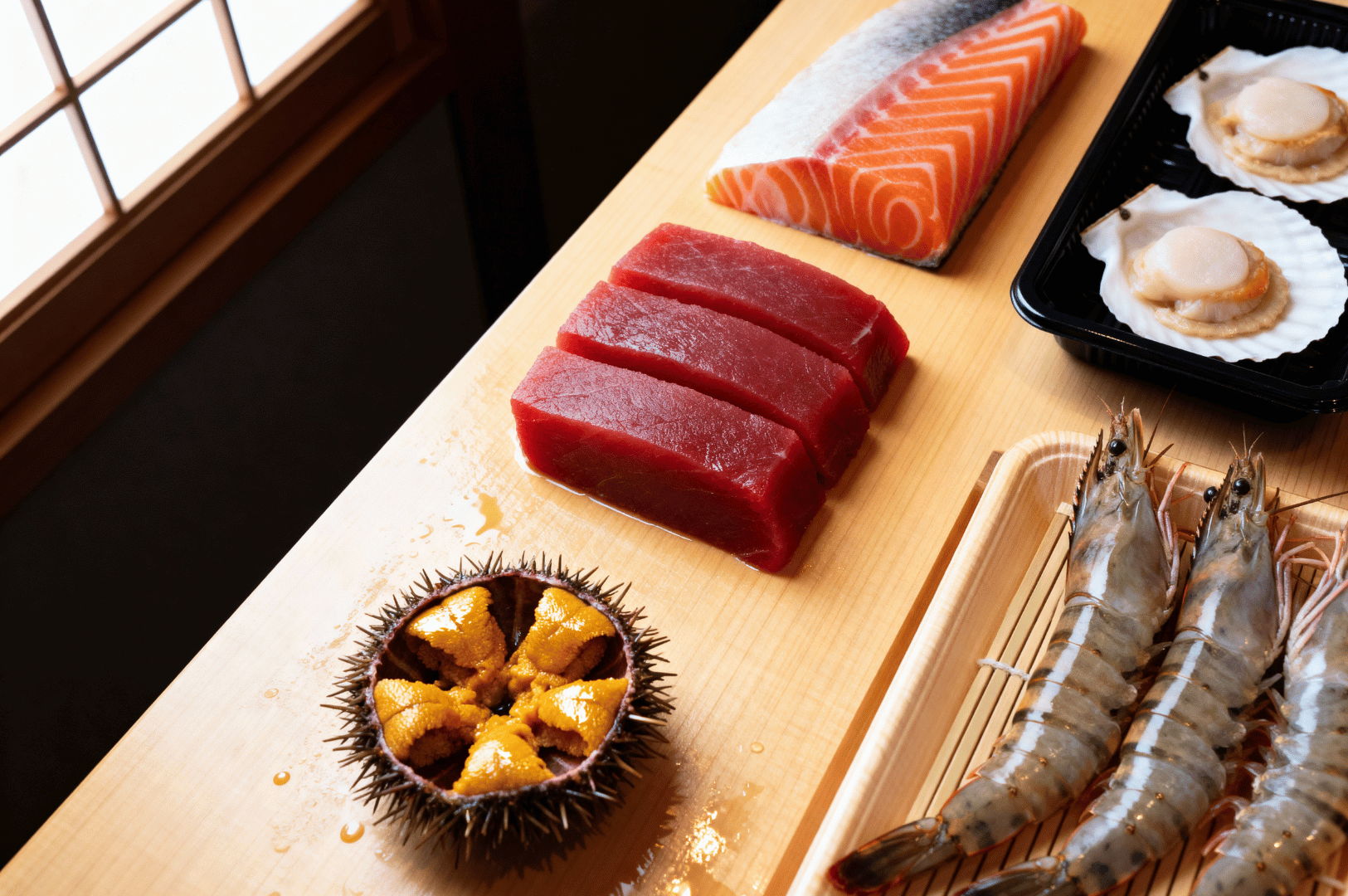
In omakase dining, fresh seafood is king. Seafood sourcing is crucial, as many chefs and restaurants now emphasize sustainable practices and responsible sourcing to ensure the seafood served is both high-quality and environmentally friendly. The flavor, texture, and even the visual appeal of sushi depend on the fish’s quality and how it’s handled from sea to plate.
Choosing the Best Fish for Sushi Making
When sourcing sushi ingredients, remember that freshness is everything. Partner with trusted suppliers or reputable fishmongers who understand sustainable seafood practices.
- Bluefin Tuna (Maguro): A prized classic in sushi restaurants, known for its rich flavor and buttery texture. Fatty tuna (otoro) is particularly sought after for its delicate balance of taste and mouthfeel.
- Salmon: Opt for wild-caught varieties for cleaner, more natural flavors.
- Sea Urchin (Uni): The sweet, creamy texture of Hokkaido uni embodies the luxury of Japanese cuisine.
- Local Specialties: When abroad, look for regional treasures like Santa Barbara uni, Atlantic scallops, or spot prawns for a modern twist on traditional omakase.
Many sushi chefs now rely on online seafood suppliers offering sashimi-grade products delivered directly, making it easier to achieve restaurant-level results at home.factor. is carefully prepared, sometimes seasoned with just a sprinkle of salt or paired with a custom tempura sauce to complement its natural flavor.
The Unsung Hero: Sushi Rice and Its Delicate Flavors
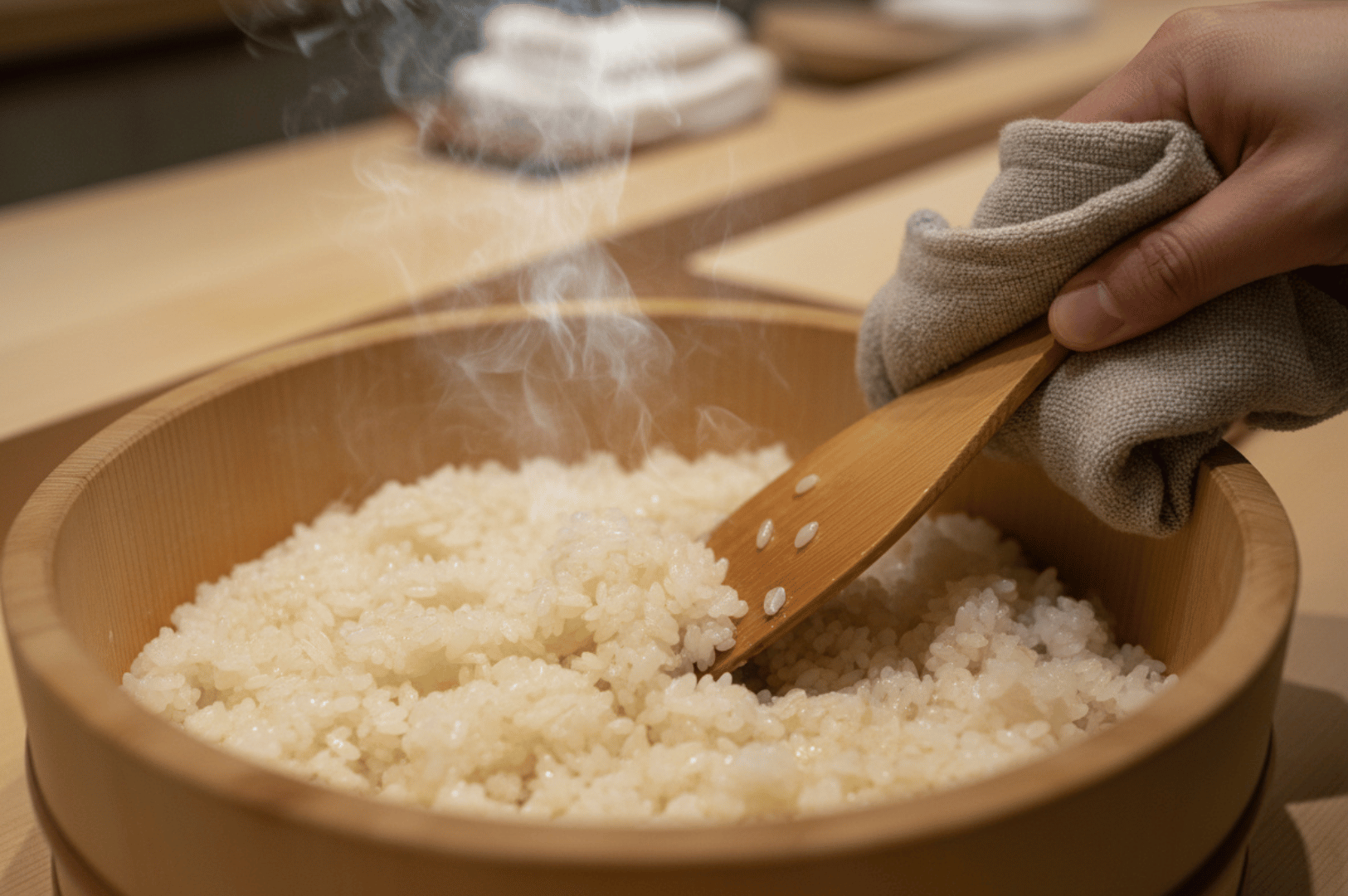
While the fish takes the spotlight, sushi rice (shari) is the quiet star of every piece of nigiri sushi. Perfectly cooked rice binds the meal together, embodying the balance central to Japanese food.
Choosing and Preparing Sushi Rice
- Select short-grain Japanese rice such as Koshihikari, known for its stickiness and mild sweetness.
- Rinse thoroughly to remove excess starch.
- Season with rice vinegar, sugar, and salt at the ideal temperature—warm enough to absorb flavor yet cool enough for shaping.
This meticulous preparation transforms simple grains into the soul of your sushi experience. To elevate your rice further, sprinkle sesame seeds or garnish with finely sliced green onions for texture and visual appeal.
Authentic Wasabi and Traditional Japanese Techniques
A hallmark of traditional Japanese techniques is attention to detail—even in condiments. Many convenience stores sell tube wasabi, but genuine Japanese restaurants and sushi chefs use freshly grated wasabi rhizomes for their delicate flavors.
Go for the Real Thing
Fresh wasabi adds subtle heat and aroma, perfectly enhancing fresh seafood without overpowering it. Look for authentic suppliers offering sustainable products, often grown in clear mountain streams.
When paired with premium soy sauce, fresh wasabi brings harmony and balancing flavors—a guiding principle in Japanese dining. for: Those who want an omakase experience minus the stiffness.
Building Strong Relationships with Local Farmers and Suppliers
You may not have access to Tokyo’s famous Toyosu Market, but meaningful connections with local farmers, fishmongers, and trusted suppliers can yield incredible results.
Ask about seasonal ingredients, local specialties, and how products are sourced. Many chefs emphasize sustainable practices, supporting producers who respect both previous generations and marine ecosystems.
This relationship-driven approach not only ensures finest ingredients but also reflects a deep respect for the people and traditions behind every meal.
Seasonal and Sustainable Choices: A Deep Commitment to Nature
Sustainability is a cornerstone of modern Japanese cuisine, mirroring a deep commitment to nature and balance. Choosing sustainable seafood helps preserve marine ecosystems while honoring Japanese tradition.
Respecting Seasonality and Sustainability
- Use seasonal vegetables like daikon, cucumber, and shiso leaves for sides and garnishes.
- Incorporate sustainable sushi options such as Atlantic scallops, spot prawns, or East Coast oysters.
- Reduce food waste by reusing fish bones for stock, trimmings for hand rolls, or vegetable scraps for pickles.
Such mindful eating practices not only minimize your carbon footprint but also align with the essence of Japanese food—respecting ingredients and their natural cycle. for: Those who want to experience omakase in a lively, social setting with great food, drinks, and conversation.
Balancing Flavors and Textures in Omakase
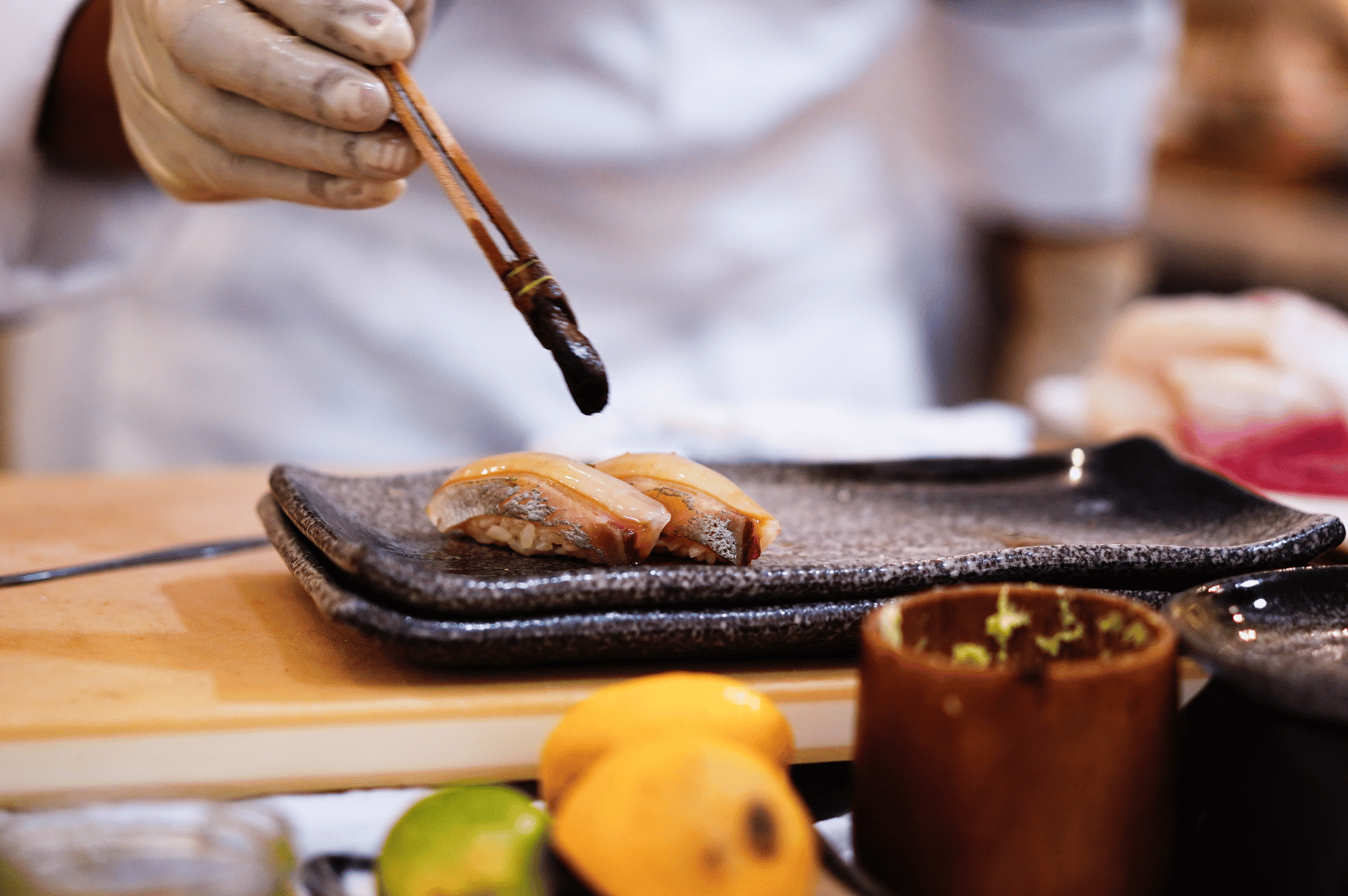
Achieving the perfect balance of flavors and textures is at the heart of every authentic omakase experience. In the world of Japanese cuisine, omakase is more than just a meal—it’s a carefully orchestrated journey where sushi chefs use their expertise to highlight the freshest ingredients and create dishes that delight all the senses.
At leading sushi restaurants, chefs draw on traditional Japanese techniques and a deep understanding of their ingredients to craft each dish with precision. The interplay between the delicate flavors of the freshest seafood, the subtle sweetness of perfectly seasoned sushi rice, and the crispness of seasonal vegetables is what sets omakase apart. Whether it’s the creamy richness of fatty tuna paired with the briny sweetness of sea urchin, or the gentle crunch of toasted sesame seeds sprinkled over a hand-formed nigiri, every element is chosen to create a harmonious, memorable bite.
Sourcing only the best ingredients is essential. Chefs work closely with local farmers and trusted suppliers to ensure that every component—from the seafood to the rice and vegetables—meets the highest standards of quality and sustainability. By prioritizing sustainable seafood and reducing food waste, sushi restaurants not only preserve fish populations but also honor the natural cycles that define Japanese food culture. This commitment to sustainability helps minimize the restaurant’s carbon footprint and supports the long-term health of marine ecosystems.
The artistry of omakase extends beyond taste to presentation. Each dish is thoughtfully composed, with garnishes like green onions and sesame seeds adding both color and texture. A drizzle of premium soy sauce can enhance the natural flavors of the fish without overpowering them, while the careful arrangement of ingredients on the plate creates visual appeal that heightens anticipation for every course.
Chefs also incorporate modern twists, such as serving udon noodles or soba noodles alongside sushi, to introduce new textures and flavors while respecting tradition. The result is a dining experience that is both innovative and deeply rooted in Japanese tradition.
Ultimately, balancing flavors and textures in omakase is about more than just technique—it’s about creating a connection between chef and diner. Each dish is a reflection of the chef’s skill, the quality of the ingredients, and a deep respect for nature. This delicate balance leaves a lasting impression, making every omakase meal a celebration of the finest ingredients, meticulous preparation, and the enduring beauty of Japanese cuisine. Whether you’re enjoying omakase at a renowned restaurant or discovering it for the first time, the thoughtful harmony of flavors and textures is sure to captivate your senses and create an unforgettable dining experience.personal chef’s table encounter.
Beyond Sushi: Small Dishes and Complementary Flavors
An authentic omakase often includes small dishes that balance texture and taste—like miso soup, lightly grilled fish, or bento boxes that celebrate seasonal ingredients.
Some Japanese restaurants even experiment with modern twists, serving udon noodles or soba noodles alongside sushi, blending comfort and sophistication in one dining experience. These innovations introduce new flavors to the omakase experience.
The goal is always balancing flavors—sweet, salty, sour, and umami—to achieve that unforgettable lasting impression every omakase meal strives for.
Preserving Fish and Maintaining Peak Freshness
Mastering traditional Japanese techniques like curing, marinating, or lightly searing helps preserve fish while deepening flavor.
Salt curing draws out moisture, enhancing the umami of lean fish. Vinegar marination adds subtle acidity and ensures peak freshness, especially in warmer seasons.
These practices, perfected since World War II when refrigeration was scarce, continue to define the precision and meticulous preparation behind every omakase dish.
Bringing It All Together: The Meaning of Omakase
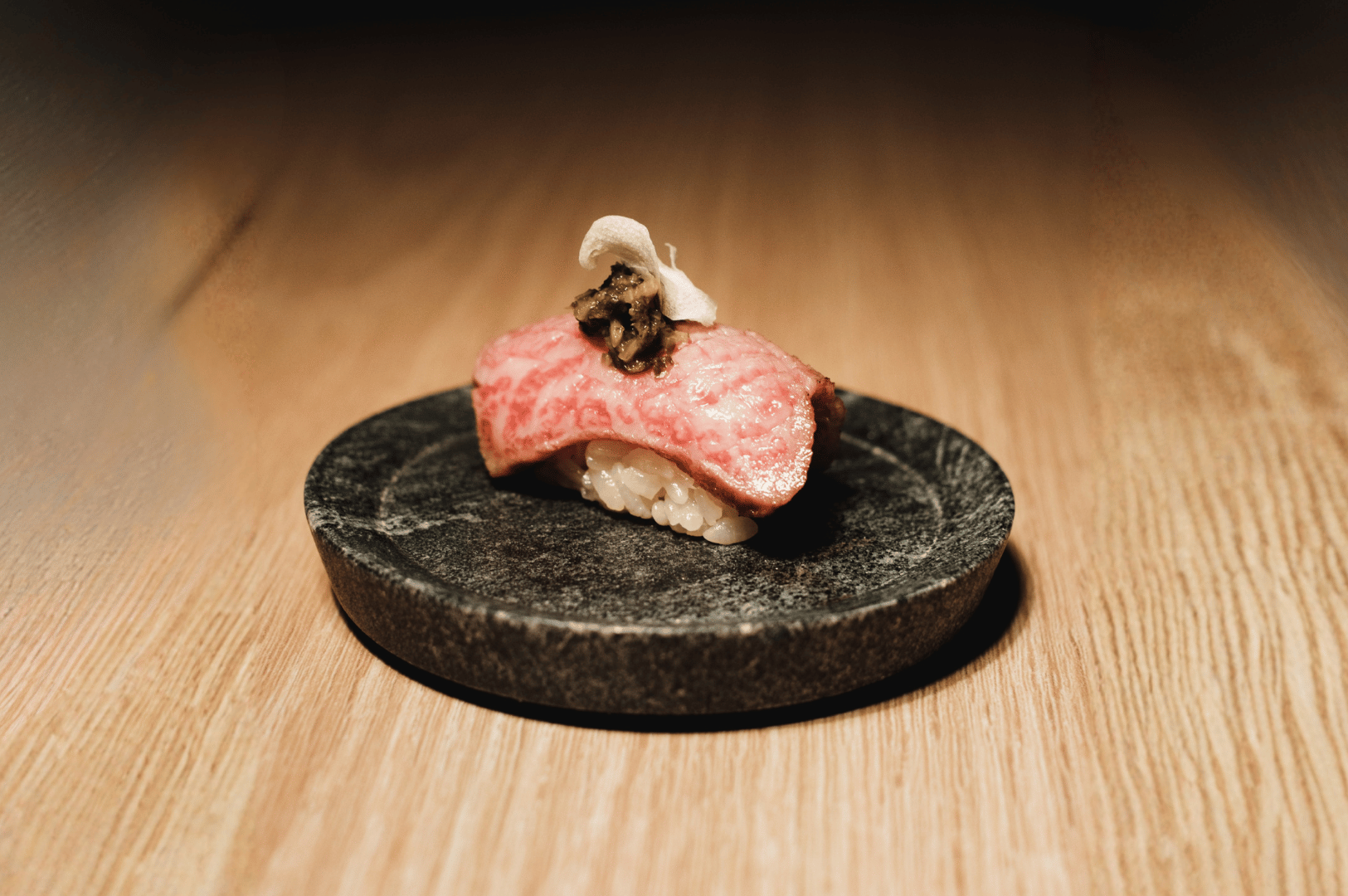
The omakase experience is as much about deep respect and mindful eating as it is about food itself. Omakase offers a curated, personalized dining experience that showcases the chef’s expertise and highlights the seasonality of premium ingredients. Each dish—whether sushi, miso soup, or small plates—represents a dialogue between chef, nature, and diner.
It’s a dining experience rooted in trust, guided by traditional Japanese techniques, and enriched by the stories of the farmers, fishers, and artisans who dedicate their lives to producing the finest ingredients.
When you choose sustainable products, support local farmers, and prioritize freshest ingredients, you’re not just preparing food—you’re preserving a Japanese tradition that has nourished many visitors and generations alike.
Final Thoughts
Whether you’re crafting nigiri sushi for friends or exploring new dishes at home, remember: omakase ingredient sourcing is about honoring every step of the journey.
Trust the chef’s wisdom, the seasonal ingredients, and the natural flavors that define Japanese food. With care, curiosity, and deep commitment, every meal becomes an act of gratitude—a reflection of the timeless beauty of Japan and its enduring dining experience.
For those eager to begin or deepen their culinary journey, explore guides like Omakase for First-Timers: Beginner Omakase Singapore Chef’s Table Experiences and Tempura Techniques: Yamato’s Tempura Omakase Singapore Under Expert Scrutiny—perfect introductions to the artistry and precision that make omakase dining truly unforgettable.