Omakase Meaning in Japanese Dining
The word omakase translates simply as “I leave it up to you.” In Japanese dining, this phrase carries meaning far beyond its syllables. To say it is to entrust not just what you will eat, but how the entire dining experience will unfold, its rhythm, its pauses, its quiet surprises. The chef decides the flow of the meal. You sit, watch, and receive.
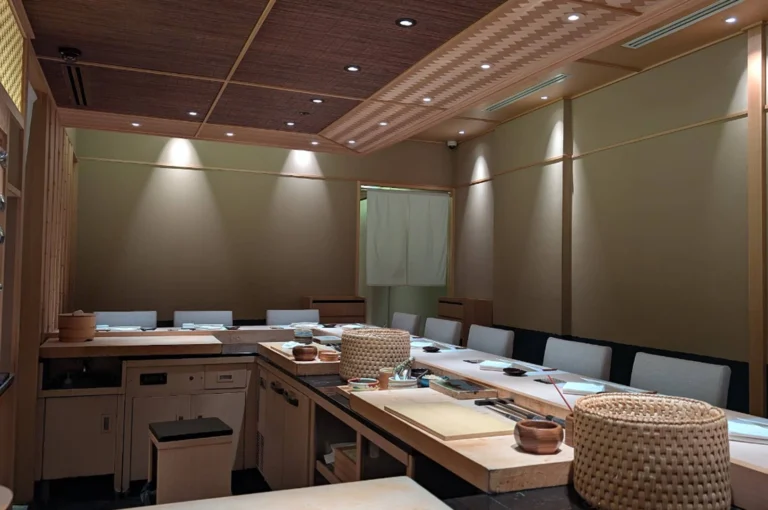
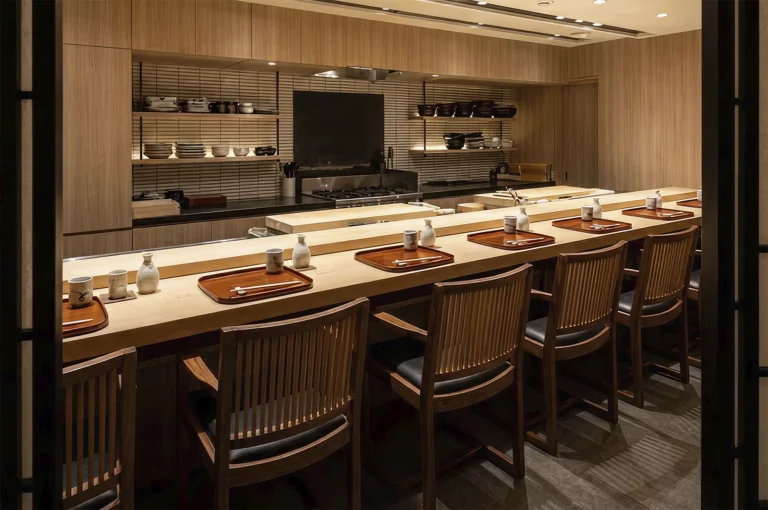
Picture a small sushi counter, perhaps eight or ten counter seats, no more. The room is still. You hear the soft percussion of a knife against the board, the faint rustle of nori, the murmur of diners thanking the sushi chef. This is where the true meaning of omakase lives, not on a printed menu or set menu, but in the space between guest and chef.
Omakase dining is less a rigid course meal than a conversation conducted through fish, rice, and timing. It is a relationship, built one piece at a time.
Linguistic Roots of the Word Omakase
At the heart of the word omakase is the verb makaseru: to entrust, to leave something in capable hands. The honorific prefix o- adds softness and respect. Together, they form a phrase used well beyond sushi restaurants: at a hair salon, when you ask the stylist to decide; at a sushi bar, when you invite the chef to serve what they feel is right.
This differs from osusume (a recommendation) or à la carte ordering, where the diner retains control. Omakase relinquishes it entirely. The term entered English-language food writing in the 1980s and 1990s, as Japanese restaurants abroad matured and diners became willing to trust the chef’s expertise rather than order piece by piece.
The Cultural Philosophy Behind Omakase Experience
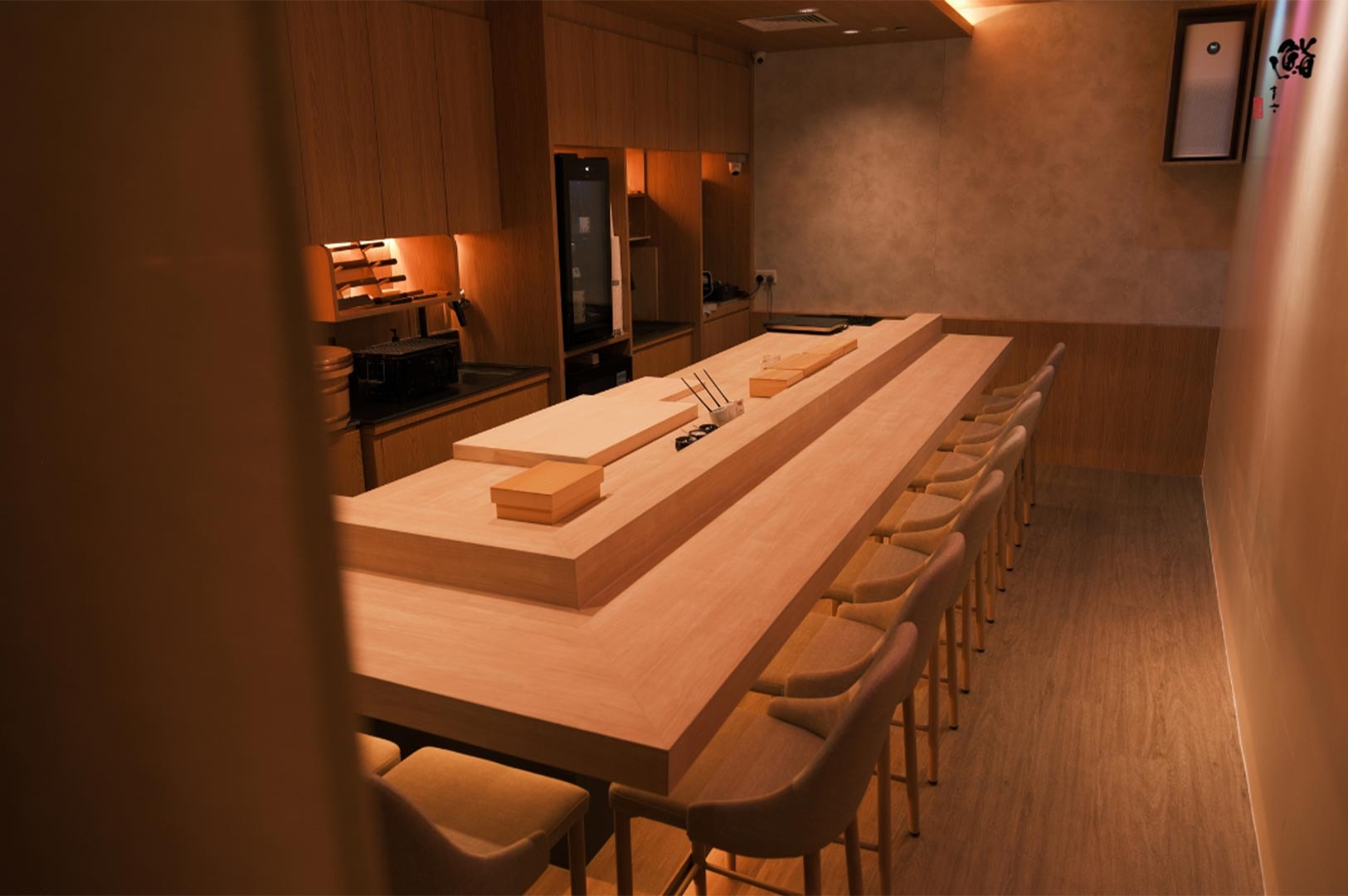
To understand the omakase experience is to understand something central to Japanese culture: trust, humility, and attentiveness. It shares a spiritual companion in omotenashi, a form of hospitality rooted in anticipation rather than response. In an omakase course, the chef watches closely, how quickly you eat, where you pause, which flavors hold your attention.
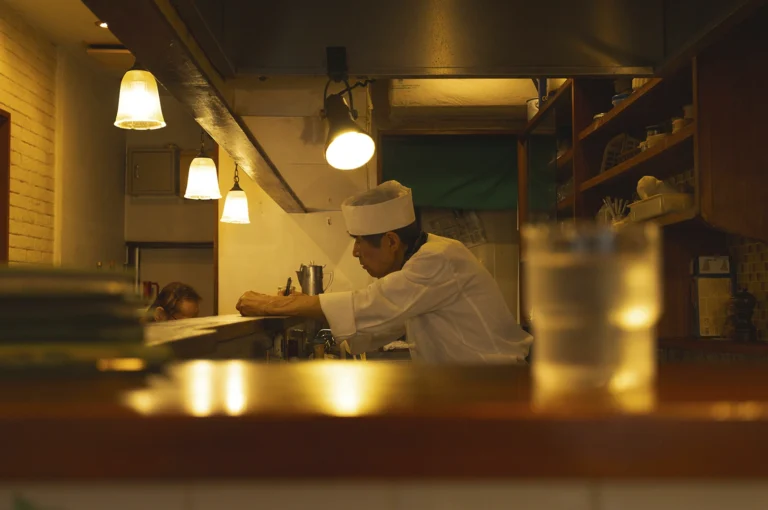
There is mutual vulnerability. The guest releases control; the chef exposes judgment, cooking techniques, and chef’s skill in real time. Communication is subtle: a nod, a quiet “oishii,” a pause before the next course. These signals shape what follows.
Few formal dining experiences rely so heavily on silence. The warmth of the rice, the timing of each dish, the knife work behind the counter, all become part of an unspoken dialogue.
From Edo-Era Sushi Stalls to Fine Dining Counters
Omakase began in Edo-period Japan, when sushi was fast street food served from wooden stalls. There were no menus. Diners trusted the man behind the board to serve what was best that day.
After World War II, sushi evolved. By the 1950s to 1970s, high end sushi restaurants in Ginza and Nihonbashi refined the craft. Regulars began allowing customers to experience sushi not as isolated bites, but as a thoughtful progression.
In the 1980s and 1990s, chefs like Jiro Ono popularized a structured omakase course, moving from lighter fish to richer ones, from subtle to bold flavors. This approach helped define omakase as fine dining, influencing Japanese chefs and high end restaurants around the world.
The Quiet Choreography of an Omakase Course
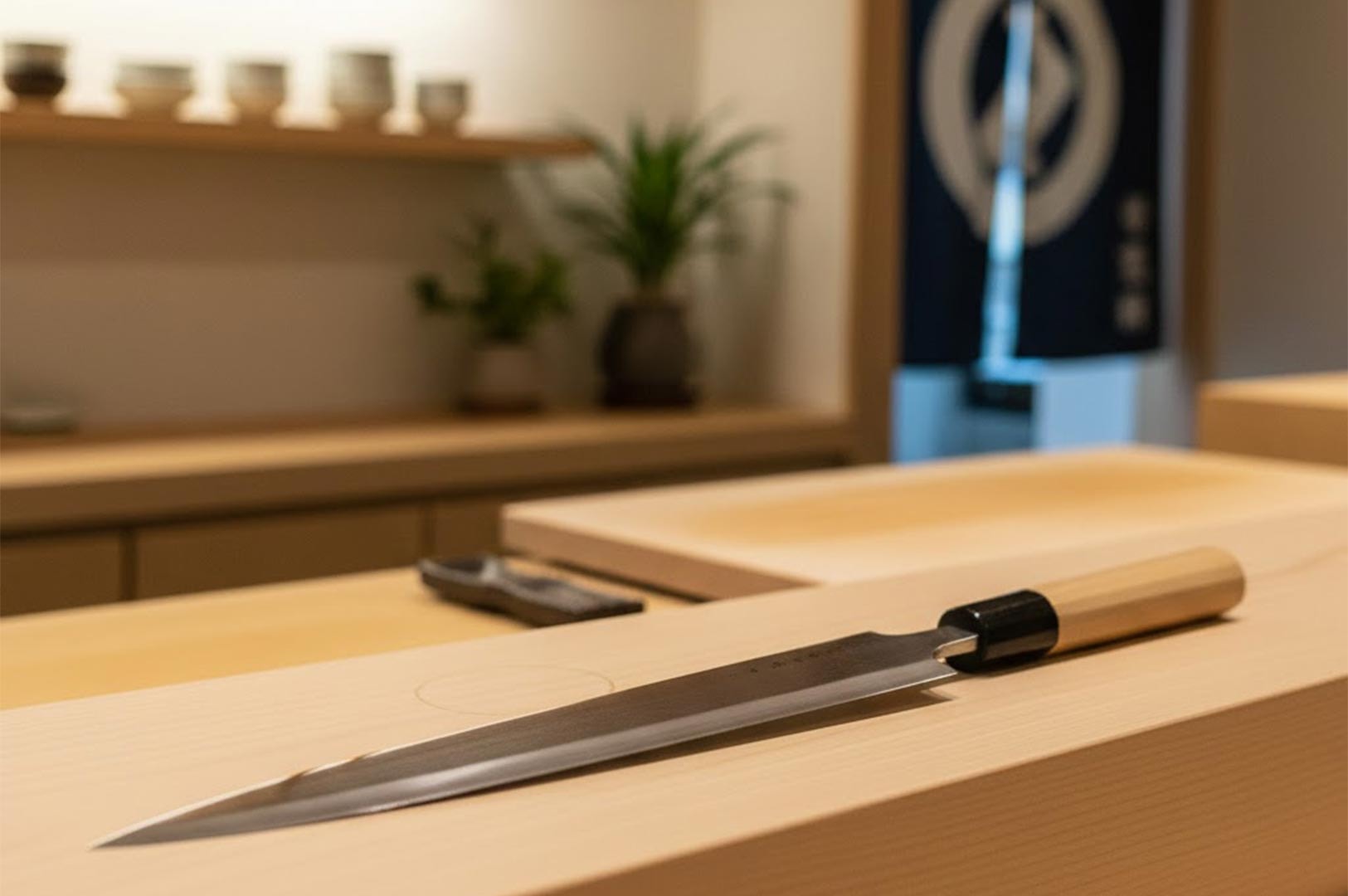
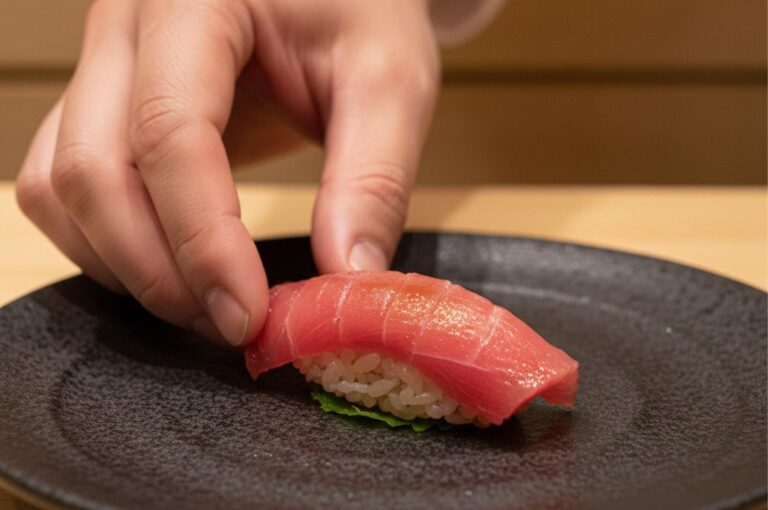
Imagine the first dish: a slice of sashimi, almost translucent, resting on rice still warm from the tub. You eat it immediately. The chef prepared this moment carefully; it will not wait.
A multi course meal unfolds with intention. Lean fish give way to richer cuts like fatty tuna. Raw preparations shift to lightly cooked ones. Acid balances fat; temperature matters. Soy sauce, if used at all, is brushed with restraint. The progression adjusts as the chef watches the diners.
At a true omakase course, even guests seated side by side may not eat the same dishes. The chef adapts—because attention, not uniformity, defines the experience.
Seasonality and Finest Ingredients in Japanese Cuisine
Japanese cuisine follows the calendar, and omakase is one of the clearest ways to taste time passing. Spring brings delicate fish; winter offers richness. Chefs select seasonal ingredients and the highest quality fish available that morning.
In Japan, many chefs visit Toyosu Market before dawn, choosing the finest seasonal ingredients and reshaping the menu around them. This is why omakase cannot be replicated exactly. Each meal depends on availability, weather, and judgment.
In cities like Singapore, premium ingredients are flown in several times a week, allowing chefs to serve the freshest ingredients possible while honoring the same philosophy.
Omakase Dining Beyond Japan
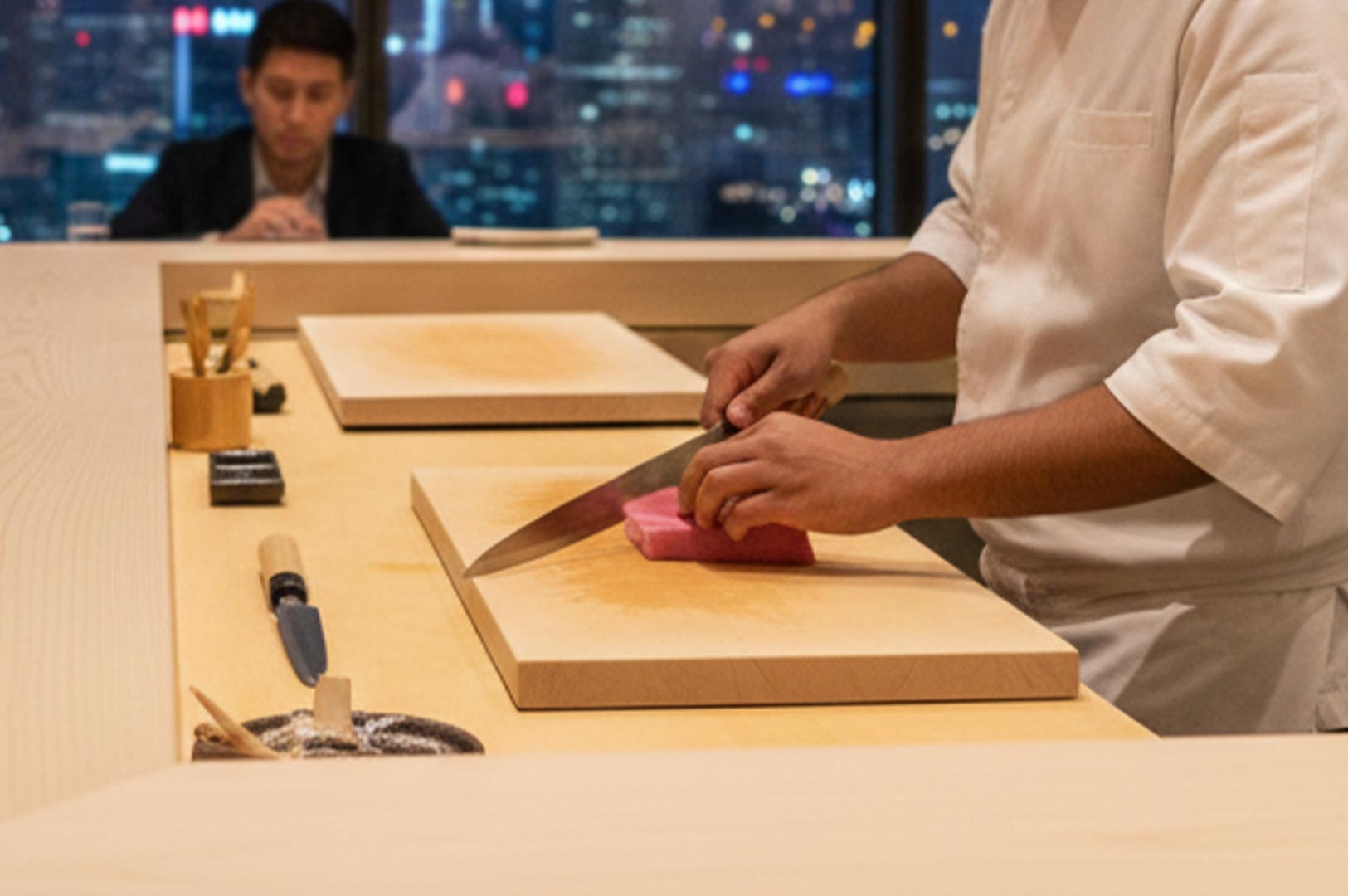
From the late 1980s onward, omakase spread beyond Japan. Japanese chefs opened counters in New York, London, and Sydney. Later, local chefs trained in Japan began interpreting the format using regional produce and fish.
In Singapore, tiny counters in Orchard and Tanjong Pagar house some of the city’s most intimate Japanese restaurants. As omakase gains strong association with prestige, there is risk of it becoming trend-driven. Yet at its core, it remains a unique dining experience rooted in trust.
Dining Etiquette at an Omakase Counter
Dining etiquette in omakase is about awareness. Arrive on time. Share allergies in advance. Trust the sequence rather than requesting favorites mid-meal.
Small gestures matter. A quiet itadakimasu. A nod after a moving dish. At the end, gochisōsama deshita closes the conversation. Phones interrupt the chef’s feedback loop—silence helps the chef adjust pacing and seasoning.
Omakase is not performance dining. It asks only presence and honesty.
Omakase as Relationship, Not Spectacle
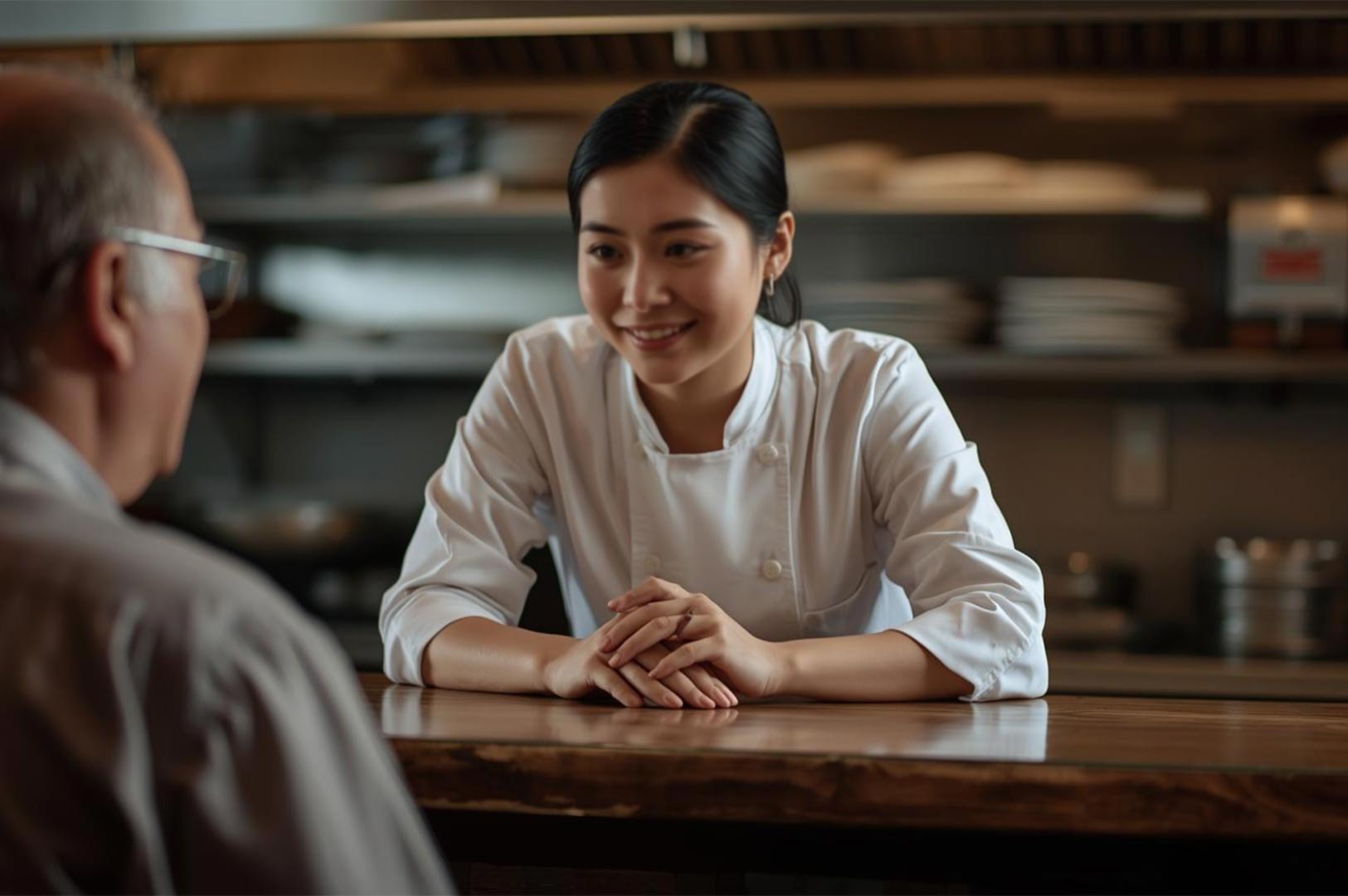
The deepest omakase experiences develop over time. Return visits allow the chef to remember preferences, adjust portions, and introduce unfamiliar dishes gently. Michelin stars and mentions in the Michelin Guide may attract attention, but they matter less than trust.
Some diners chase the best omakase as a one-time event. But omakase rewards patience. It is not about collecting experiences, but letting a relationship grow.
The Meaning of Omakase Today
Today, the word omakase appears on menus around the world, often linked to luxury and Michelin stars. But the true meaning remains quieter.
Omakase is the act of trusting another person with your meal for several hours. It is about timing, attention, and respect for the craft. The dishes pass. The table clears. What remains is the memory of care given and received. For a broader view, The Ultimate Guide to Omakase in Singapore explores this tradition across the city, while 3 Best Omakase Singapore Places highlights a few counters where that trust feels most natural.
That is the meaning worth holding onto: omakase, at its heart, is a conversation. And good conversations invite return.