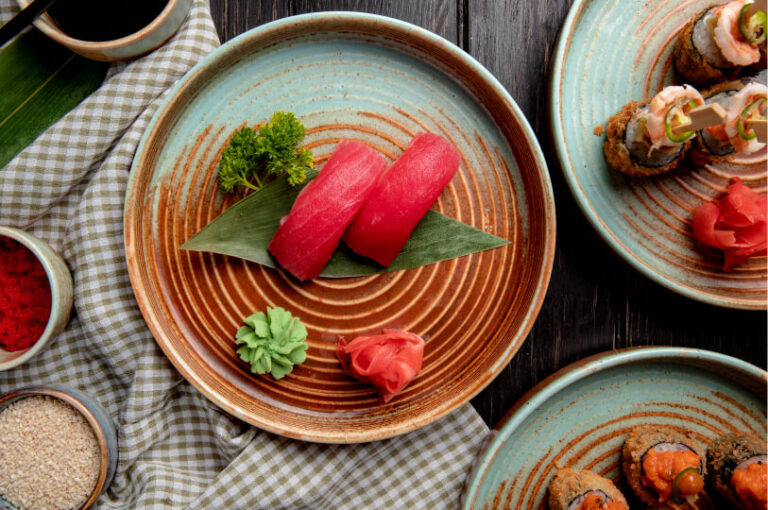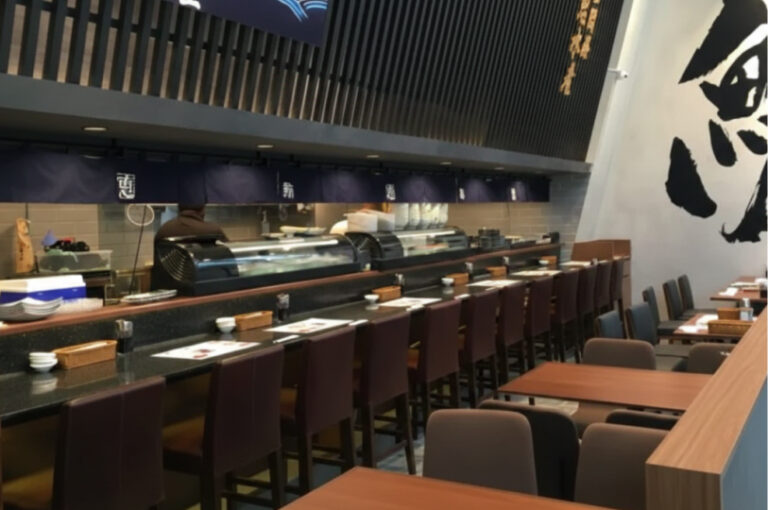
The omakase course concludes. The last, perfect slice of tamago has been savored, and a delicate dessert has cleansed the palate. You lean back, satisfied, reflecting on the culinary journey orchestrated by the master chef. But what if the dining experience didn’t have to end there? What if the final bow was not a conclusion, but an invitation to a second act?
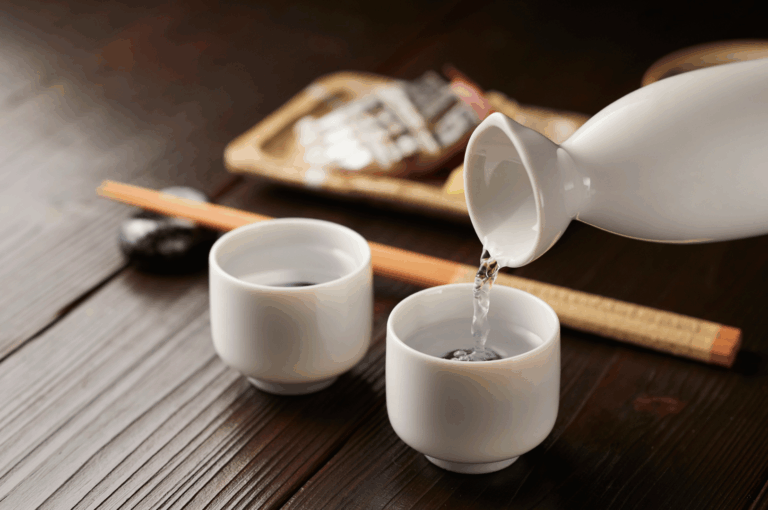
The aromas of premium sake and digestifs play a crucial role in enhancing the sensory experience, unlocking new layers of flavor complexity and overall enjoyment. These are not afterthoughts, but thoughtfully crafted extensions of celebration. Along with their rich flavors, digestifs offer benefits such as aiding digestion and contributing to overall well-being.
Around the world, traditions of post-meal drinks vary, from European herbal liqueurs to the Japanese appreciation of sake. In China, Baijiu is often served as a strong celebratory spirit at the end of meals, highlighting its cultural significance as a digestif in Chinese dining customs.
This article explores how top venues in Singapore are transforming the end of an omakase dinner into a refined ritual of savoring, conversation, and discovery, making the post-omakase experience a special occasion in itself.
Why Premium Sake Elevates the Omakase Course Dining Experience
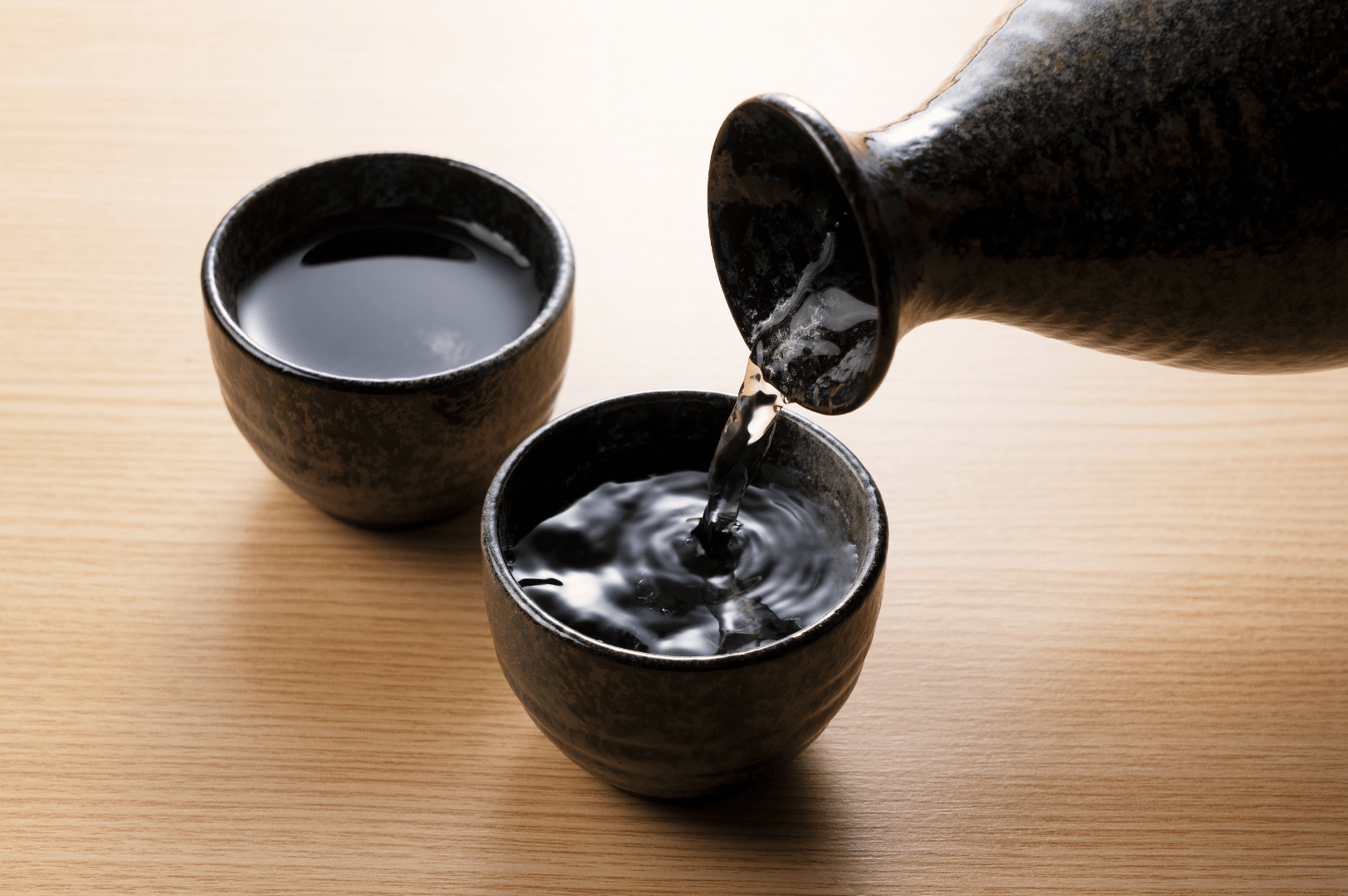
During a traditional omakase course, sake is carefully paired with each dish to enhance the delicate flavours of sushi, sashimi, and other Japanese dishes. The pairings are often clean, light, and refreshing—designed to complement the subtle sweetness of the fish or the umami richness of the rice, ensuring the sake does not overpower the food.
But after the final course is served, the rules loosen. The post-celebration drink is a chance to explore a different dimension of sake—richer, deeper, and more complex in both aroma and flavor. These sakes are notably more flavorful, offering layers of taste and aromatic qualities that elevate the experience. Without the need to balance every sip against food, sommeliers and chefs can introduce bottles that shine on their own. The importance of serving premium sake at the right temperature or in the right glassware cannot be overstated, as it enhances both the flavor and aroma.
Exploring Koshu and Rice Polished Sake: Aged Elegance with Centuries of Character
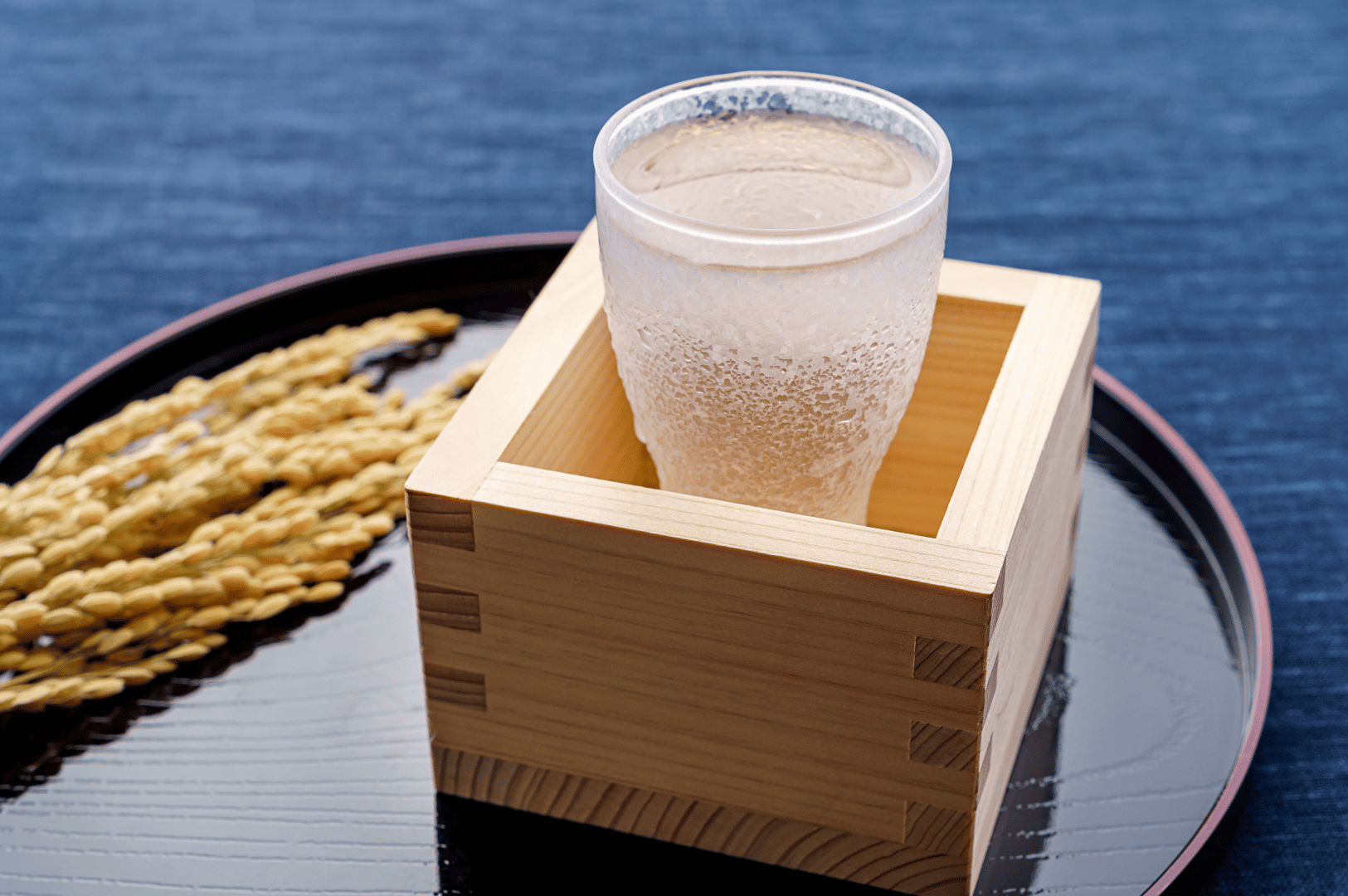
Among the most captivating discoveries for those who linger after dinner is koshu—aged sake that reveals the drink’s long history and depth. While most sake is brewed for freshness and consumed young, koshu is intentionally aged for years or even decades, developing characteristics that resemble fine cognac, armagnac, or sherry.
Flavor Profile: Expect smooth, complex notes of caramel, soy sauce, dried fruits, nuts, and honey. The texture is often rich and viscous, with an earthy sweetness that feels almost spiritual in its depth. What sets aged sake apart are its interesting flavors—think layers of umami, subtle smokiness, and hints of spice that evolve with each sip.
The Experience: Sipping a 20-year-old koshu is like tasting time itself—a reflective experience suited for slow savoring at the end of the meal. Best served slightly chilled, its nuanced aroma and mellow sweetness make it a perfect digestif. Notable examples of koshu available in Singapore include brands like Kenbishi Kuromatsu Koshu, Tamagawa Time Machine, and Gekkeikan Koshu, each offering a unique take on aged sake’s complexity.
Boutique Breweries, Rare Finds, and the Art of Savoring Premium Sake
One of the pleasures of post-omakase drink pairings lies in discovering bottles rarely seen on a typical sake list. The chef or sommelier may introduce limited-edition brews from boutique Japanese breweries, often produced in tiny batches using time-honored techniques. They create unique and memorable sake pairings tailored to each guest’s preferences, enhancing the overall dining experience.
These are the kinds of sakes made from rice polished to extraordinary levels—sometimes down to 35% of the original grain size—to achieve an elegant, pure taste. Each bottle tells a story of dedication and artistry, brewed by masters whose craft spans centuries.
Sharing such rare sake is an act of intimacy. It’s not just a drink—it’s a gesture of hospitality, a moment of cultural connection between chef and guest. It transforms the dining table into a space of storytelling and celebration.
Digestif Traditions in Japanese Cuisine: From Umeshu to Shochu
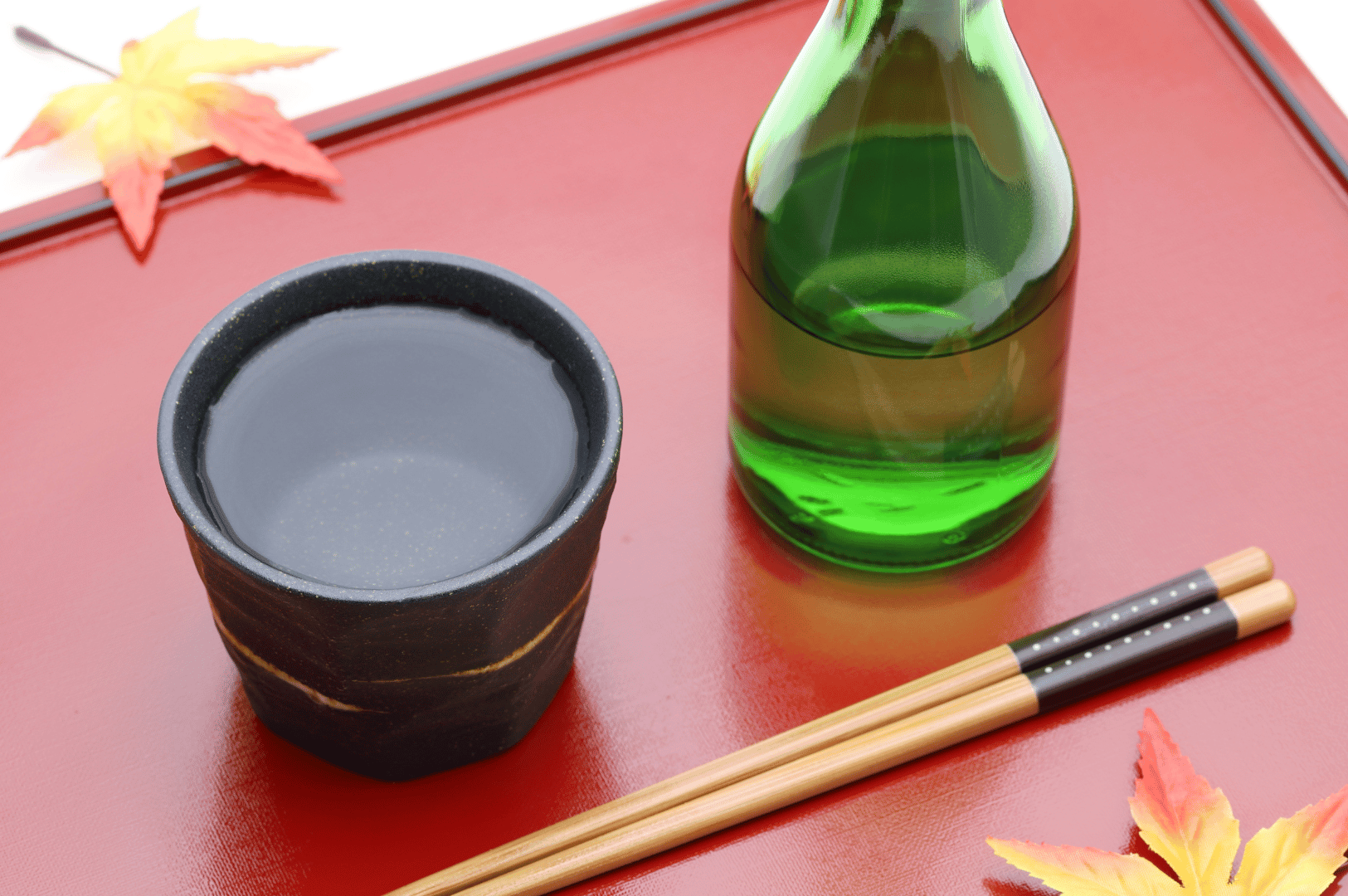
While digestifs are often associated with European dining—think cognac, armagnac, or even a smoky tequila or mezcal—Japan’s own after-dinner drinks offer equally sophisticated pleasures. The inclusion of digestifs enhances the overall dining experience by providing a harmonious finish that complements the meal. Proper serving techniques, such as attention to temperature and glassware, are essential to bring out the best flavors and aromas in these beverages.
Just as wine plays a central role in European dining traditions, sake and digestifs are integral to Japanese cuisine, offering versatile pairing options that elevate the omakase experience. The Japanese have developed a rich array of spirits and liqueurs designed to cleanse the palate, calm the stomach, and complete the dining experience with balance and grace.
Umeshu: The Sweet and Refreshing Plum Liqueur
Umeshu, a beloved staple in Japanese cuisine, is made by steeping unripe ume plums in alcohol and sugar. The result is a drink that captures the sweetness and tartness of fruit in perfect harmony.
Premium Umeshu: High-end omakase restaurants in Singapore often feature umeshu aged for several years or infused with premium base spirits like shochu or brandy. These expressions develop a rich, syrupy texture with complex notes of stone fruits, spices, and honey. When served chilled, premium umeshu reveals a fresh, vibrant quality that highlights the purity of the fruit.
How It’s Served: Umeshu is typically served chilled or on the rocks, often with a single hand-carved ice cube. The large cube melts slowly, keeping the liqueur perfectly balanced between sweetness and freshness. Umeshu makes an excellent pairing with light desserts such as yuzu sorbet or matcha mochi, enhancing the after-dinner experience.
Shochu and Awamori: Japan’s Distilled Spirits with Deep Roots
Shochu, Japan’s versatile distilled spirit, and Awamori, its Okinawan cousin, are both excellent digestifs. Each is produced through traditional brewing and distillation methods that highlight the natural sweetness of rice or barley.
Shochu: Depending on the base ingredient—rice, sweet potato, or barley—shochu can range from light and fruity to earthy and umami-driven. Aged varieties develop a soft, smooth texture that makes them suitable for savoring neat after dinner. For those seeking a refreshing, green quality similar to that found in Japanese whiskies like Suntory Toki, certain shochu expressions offer a crisp, invigorating finish.
Awamori: When aged in clay pots for three years or more (kusu), Awamori acquires mellow characteristics reminiscent of fine whiskey, with hints of vanilla, spice, and oak. It’s an ideal companion for those who appreciate aged spirits from Europe or the Americas but want a distinctly Japanese expression.
These spirits showcase the country’s ability to elevate alcohol-making into a form of cultural art—one that balances nature, craftsmanship, and time.
How Top Omakase Venues in Singapore Curate Rice Polished Drink Pairings
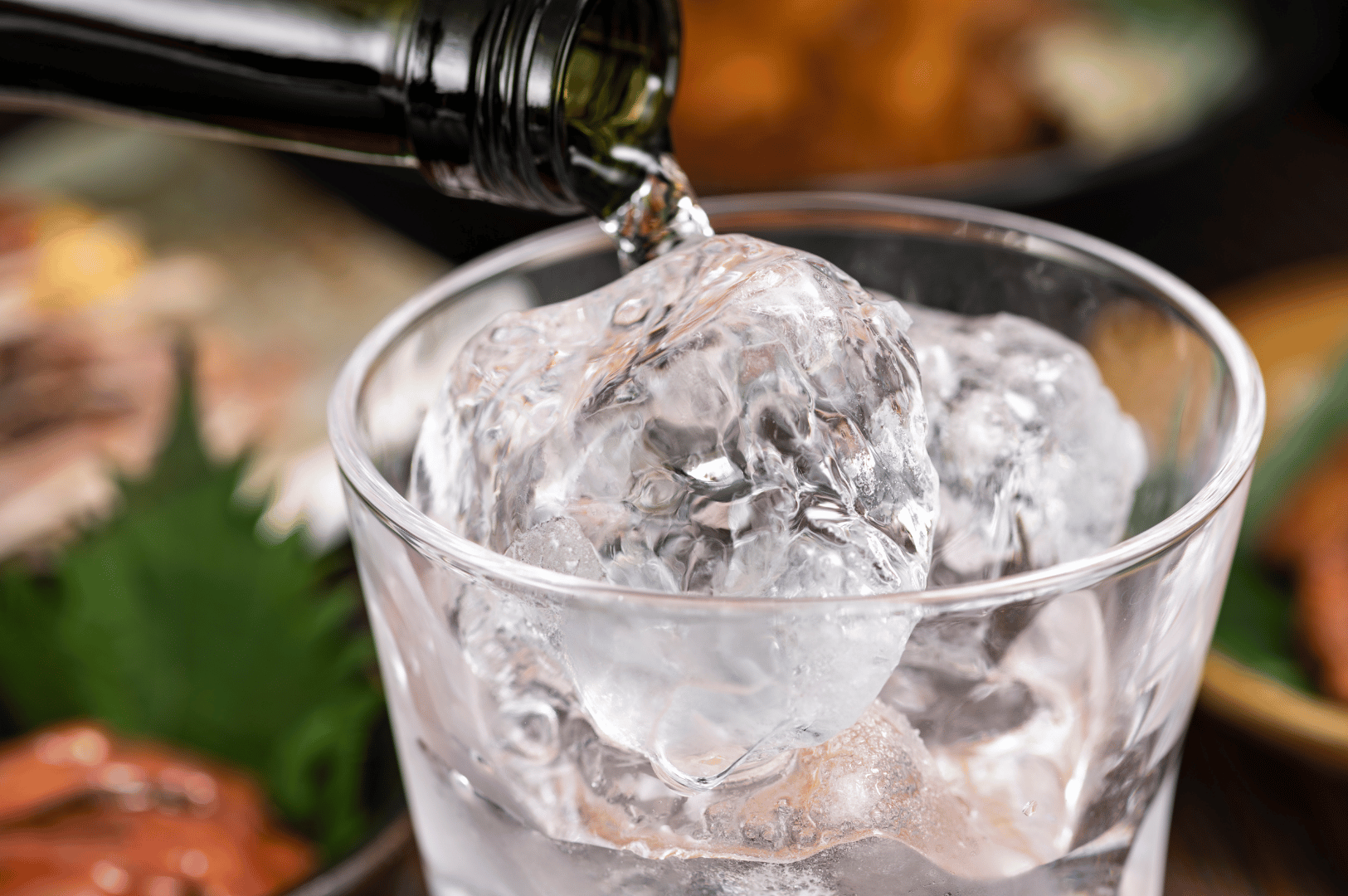
In the best Japanese restaurants, post-meal drink programs are more than beverage lists—they are curated journeys that reflect the restaurant’s soul. The selection of sake, shochu, or umeshu is as deliberate as the fish chosen for nigiri or the rice used in sushi. Some venues also create unique cocktails using premium sake or Japanese spirits as a base, offering guests a creative and flavorful way to end their meal.
The Sommelier’s Philosophy
A skilled sommelier or chef acts as a storyteller, guiding guests through each drink’s origin and flavor profile. The process begins with a conversation:
- Did you enjoy the fruity, light sakes served during your meal, or were you drawn to the rich, umami-forward ones that complemented fatty fish like mackerel or otoro?
- Do you prefer something sweet and aromatic, or dry and refreshing?
Based on your preferences, they may introduce a sake with floral notes, a rich koshu aged to perfection, or even a smooth shochu with a hint of spice. For those seeking iconic options, famous sake brands or spirits are sometimes featured to highlight their reputation and appeal.
The dialogue transforms drink selection into a collaborative art form—part education, part celebration.
Key Qualities of an Exceptional Post-Omakase Beverage Program
- Diversity: A great program includes a balanced range—from crisp, rice-polished daiginjo sake to aged koshu, smooth umeshu, and rare Japanese whiskies.
- Exclusivity: Top restaurants often feature bottles imported directly from Japan, unavailable elsewhere in Singapore.
- Storytelling: Each drink carries history—whether produced in a 200-year-old brewery or by a new-generation master pushing creative boundaries.
- Presentation: The beauty lies in details—the elegant glassware, the clarity of the ice cube, the temperature at which each drink is served chilled or slightly warmed.
Together, these elements elevate the post-omakase ritual from mere consumption to a sensory experience.
Notable Venues Showcasing Premium Sake Singapore After the Omakase Course
Singapore’s love affair with Japanese cuisine has birthed a new wave of fine omakase venues known not just for their sushi but also for their exceptional sake and digestif programs.
Ki-sho 葵匠: Set in a charming heritage bungalow, Ki-sho is home to one of the city’s most extensive collections of premium sake. Their sommeliers are skilled in creating customized drink pairings that reflect each guest’s taste and enhance the overall dining experience.
Esora: A modern kappo restaurant that redefines Japanese dining, Esora offers a refined beverage selection, including artisanal sakes and Japanese teas. The team often shares insights into each bottle’s brewing process—how the rice was polished, how the flavors were developed, and what makes the drink unique.
Sushi Sato: Known for its exquisite fish and traditional craftsmanship, Sushi Sato often surprises guests with rare sake sourced directly from Japan. A post-dinner chat with Chef Yuji Sato might lead to a glass of koshu with rich, nutty undertones—an experience both educational and indulgent.
Conclusion: Extending the Celebration and Savoring the Art of the Omakase Course
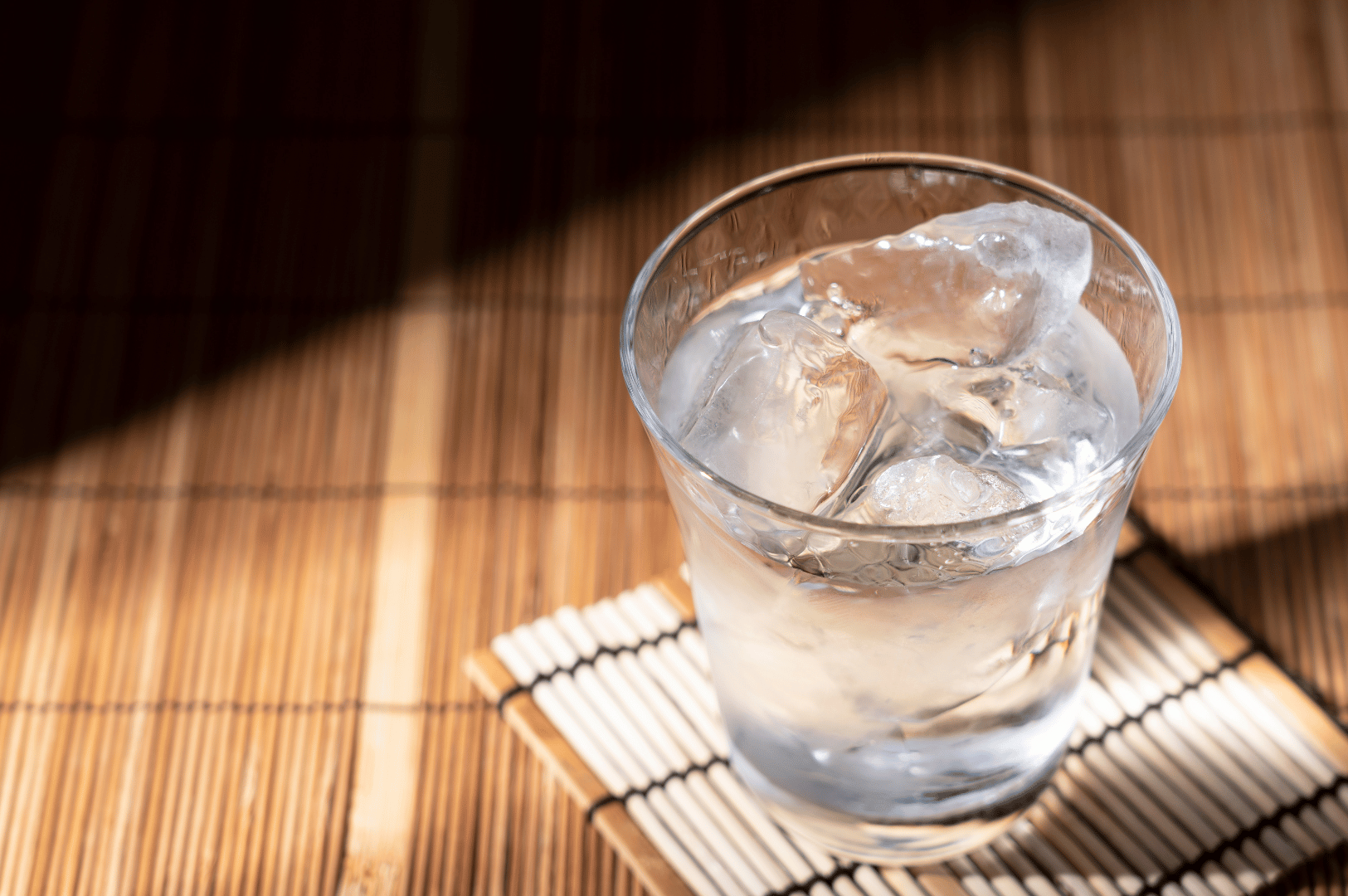
The omakase course may end with dessert, but the true conclusion of the evening lies in the moments that follow—the quiet clinking of glasses, the aroma of aged sake, the gentle sweetness of umeshu on the tongue.
Premium sake and Japanese digestifs allow you to savor not just the flavors of the food, but the artistry, patience, and history behind each drink. They elevate the dinner into something more profound—a connection to centuries of craftsmanship, a celebration of balance and beauty.
So, the next time you sit at the counter for an omakase in Singapore, don’t rush to leave after the final dish is served. Stay. Sip slowly. Let the afterglow of Japan’s finest spirits extend the story—and discover how the best dining experiences often continue long after the last bite of sushi has been enjoyed.