There is a specific kind of quiet you crave when the city feels too loud. After a long week navigating the bright lights of Orchard and the endless rush of Singapore, I found myself walking down a slightly dimmer street in search of something slower, more intentional.
That search led me to Shunsui Singapore, a distinguished restaurant located at 17 Hongkong Street. As part of the Shunsui Group, this place is the result of a thoughtful merger between Kappo Shunsui and Kyuu by Shunsui, two celebrated names in the local Japanese dining scene. It is the kind of place you could easily walk past without noticing, but once you step inside, everything changes.
If you enjoy omakase that goes beyond sushi, something more layered, more expressive, this kappo style dining concept is one experience worth slowing down for. Let me walk you through an evening that felt as much like a performance as it did a meal.
Finding Shunsui Singapore: A Quiet Escape on Hongkong Street
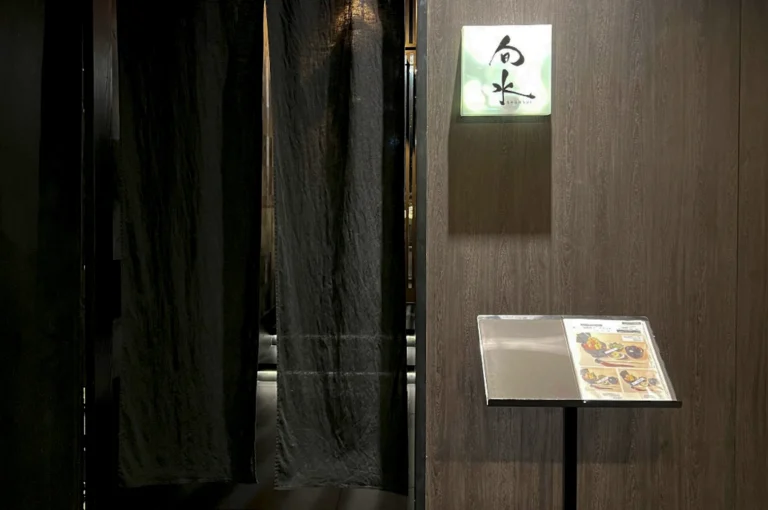
The moment you turn into Hongkong Street, the energy shifts. The crowds thin out. The noise softens. And right there, almost blending into its surroundings, is 旬 水 Shunsui. Its understated wooden interior glows gently under the streetlights, offering just a hint of what waits inside.
Step through the door, and the atmosphere immediately settles you. The space is centred around a U-shaped wooden counter, warm and softly lit. Every seat faces the open kitchen, creating a sense of intimacy that larger dining rooms cannot replicate. There are only about 23 seats, and that limitation shapes everything: the pacing, the interaction, the energy.
The design is minimal, but not cold. Clean lines, natural textures, and just enough light to draw your focus toward the chefs at work. Within minutes, the outside world fades.
The Story Behind Shunsui Singapore
To understand Shunsui, you need to look at how it came together. The current concept is the result of a merger between Kappo Shunsui and Kyuu by Shunsui, two distinct identities brought into one cohesive experience.
From Kappo Shunsui comes the discipline: precise technique, structured courses, and deep respect for traditional Japanese cooking. From Kyuu by Shunsui comes the energy: a more relaxed, welcoming atmosphere that invites conversation rather than silence. What you get is something balanced. It feels refined, but never rigid. Polished, but never intimidating. You are allowed to enjoy the food and the experience, not just observe it.
This restaurant has been recognized by the Michelin Guide Singapore for seven consecutive years, a testament to its consistent quality and innovation in the Japanese culinary scene.
Sitting at the Counter: The Rhythm of a Kappo-Style Omakase
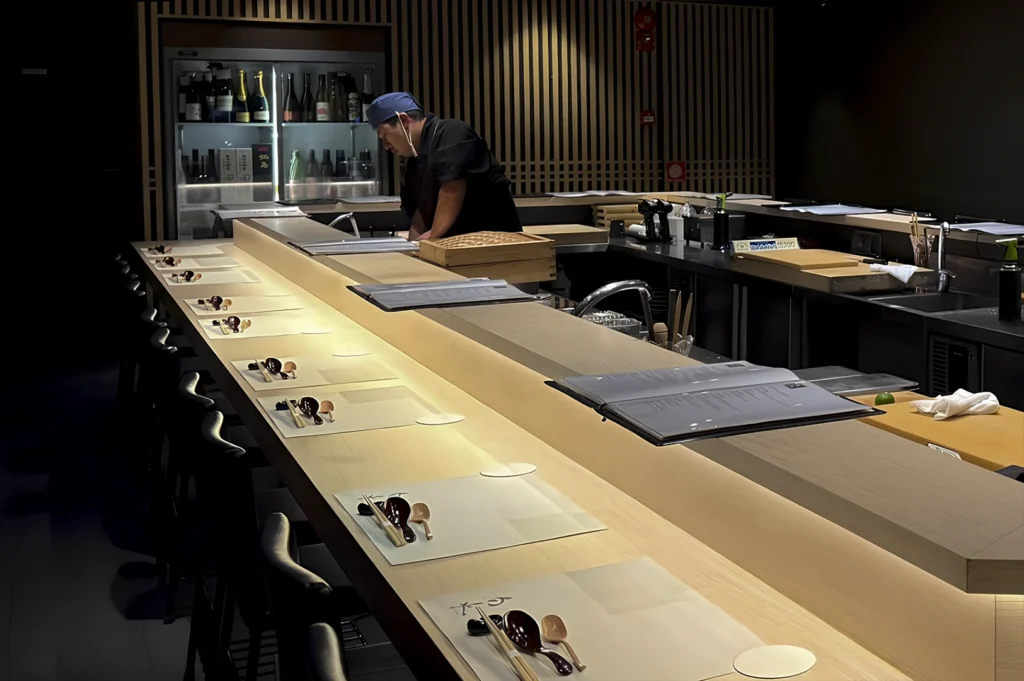
Dining at Shunsui Singapore is not passive. The moment you sit down, you become part of the rhythm. Everything happens in front of you: the slicing of fish, the shaping of rice, the careful plating of each course. The open kitchen is not just functional; it is the heart of the experience.
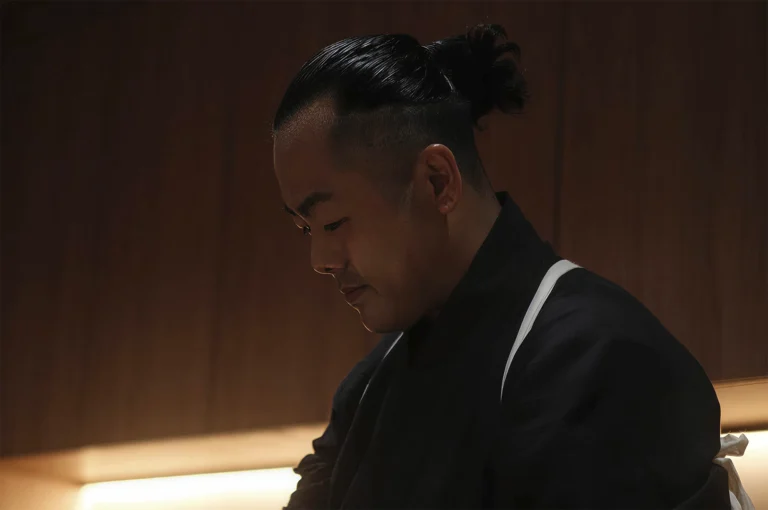
Leading this is Chef Kazu Oyama, whose background spans kitchens in Amsterdam, Bangkok, and Tokyo. His presence is calm, controlled, and precise. Watching him work feels almost meditative, each movement deliberate, never rushed. What sets Shunsui apart from many omakase counters is its kappo style structure.
This is not just sushi. Instead, the meal moves through a full progression:
- Small appetisers
- Warm soups
- Sashimi
- Cooked dishes
- Nigiri
- A main course
- Rice finale
- Dessert
It feels complete, like a full narrative rather than a sequence of individual highlights.
Kappo Shunsui: A Thoughtful Progression of Courses
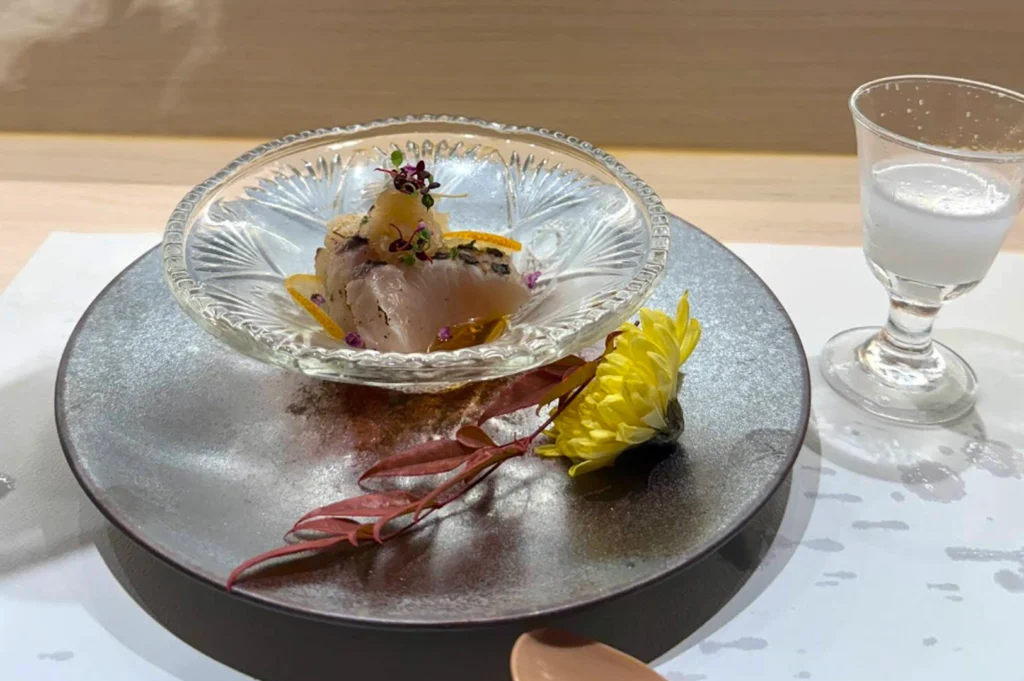
The meal begins quietly, with a small but impactful amuse bouche. On one evening, it came as a monaka filled with unagi, paired with nasu tempura and a touch of uni. A single bite, but layered enough to set expectations. From there, the courses unfold naturally. A clear dashi soup with grilled mackerel, spinach, and shimeji mushrooms follows, comforting, clean, and deeply satisfying without being heavy.
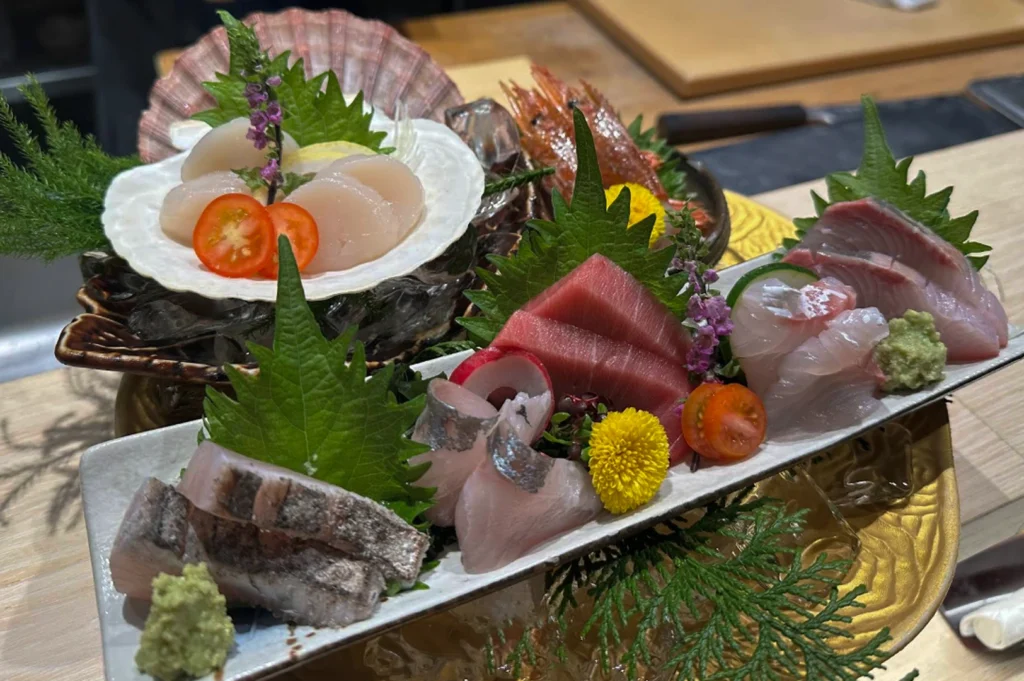
Then comes the sashimi. Slices of amberjack, chutoro, sea bream, and uni arrive in a carefully arranged sequence. Each piece highlights a different texture, firm, buttery, delicate, and the freshness is immediately apparent.
What stands out here is pacing. Nothing feels rushed. Each dish is given space to land before the next arrives. Then the menu shifts. Warm dishes begin to appear, charcoal-grilled Spanish mackerel, smoky and crisp, or dishes like ankou (monkfish) that feel both rustic and refined. These moments anchor the meal, reminding you that kappo style cuisine is about more than raw fish.
The Sushi and Main Course Experience
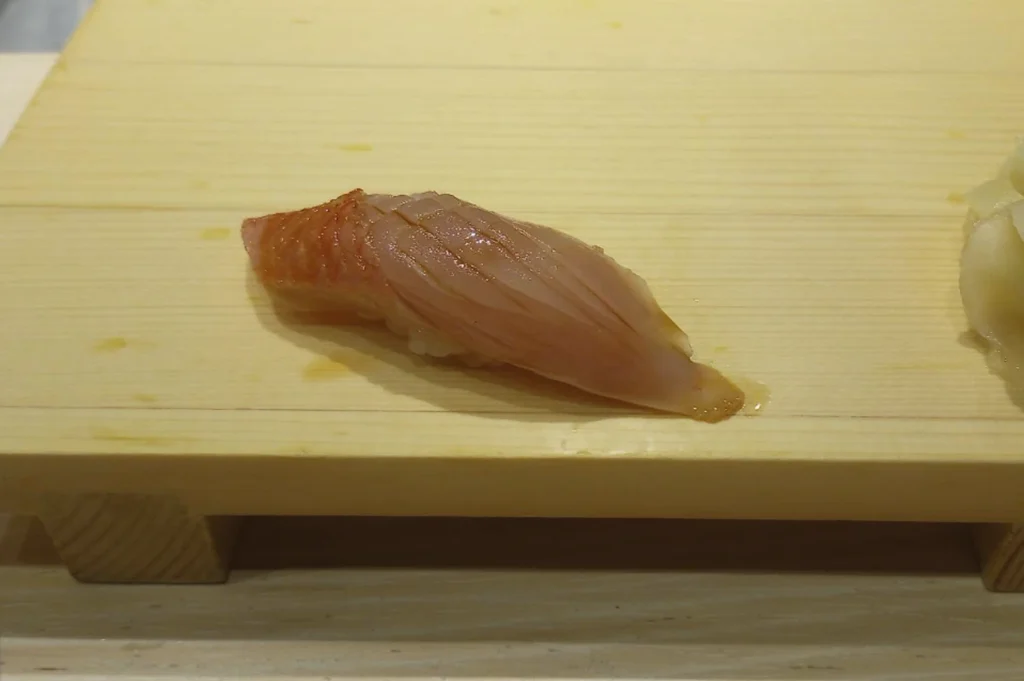
Nigiri arrives later, almost like a quiet crescendo. Each piece is shaped just beyond the counter: hirame, hamachi, hotate, otoro, kinki, served one at a time. The rice is consistently warm, lightly seasoned, and balanced against the fish. There is no need for excess garnish or distraction. Just fish and rice, done properly.
Between pieces, small palate cleansers keep everything moving, preventing fatigue and maintaining clarity of flavour. Then comes the main course. On this visit, it was A5 Miyazaki wagyu sirloin, rich, tender, and indulgent. It introduces a deeper, heavier note that contrasts with the earlier seafood courses, adding variety without overwhelming the meal.
The Signature Ikura Finale
Just when the meal feels like it is reaching its natural conclusion, Shunsui introduces its most memorable moment. The ikura rice. A bowl of rice is placed in front of you. Then the chefs begin spooning salmon roe over it. And continue. And continue. The bright orange pearls spill over the sides, forming what feels like a small cascade.
You are invited to say when to stop. It is interactive, generous, and slightly playful, a rare moment where a refined omakase loosens up. The room often responds with laughter, breaking any remaining formality. It is not just a dish. It is a shared experience.
A Performance Worthy of the Michelin Guide
Shunsui Singapore carries a certain reputation, having been associated with the Michelin Guide Singapore for seven consecutive years. But what makes this version of Shunsui compelling is not just its technical ability. It is how it blends precision with performance.
Throughout the meal, there are subtle theatrical elements:
- Smoke released from covered dishes
- Sauces finished at the counter
- Ingredients introduced with intention
None of it feels excessive. Instead, it enhances the dining experience, giving guests something to engage with beyond just taste.
Dessert and the Final Moments
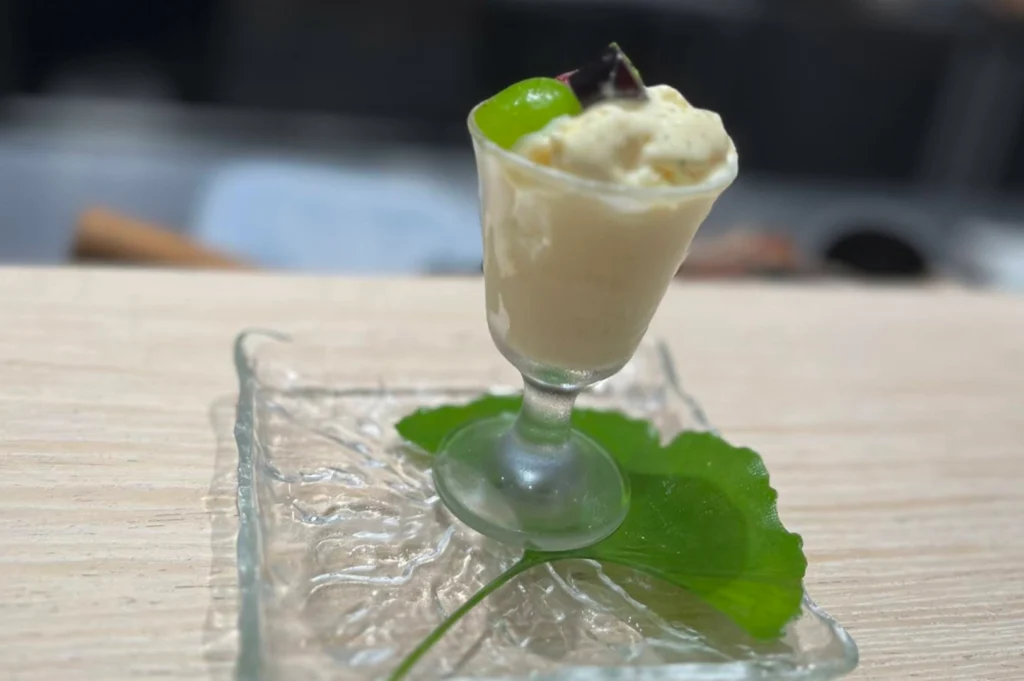
Just when you think the evening is complete, dessert arrives, prepared right in front of you. Liquid nitrogen meets cream, and a cloud of vapor spills across the counter. The entire room pauses to watch. Within minutes, fresh ice cream is formed.
On some evenings, it carries the sweetness of peach. On others, the depth of red bean. Regardless of flavour, the texture is consistently smooth, light, and clean. It is a gentle ending, playful, but controlled. A final note that mirrors the rest of the meal.
Why Shunsui Singapore Stands Out
Shunsui Singapore sits in an interesting space within the omakase scene. It is not purely traditional, but it respects tradition. It is not overly modern, but it embraces contemporary elements. Most importantly, it understands balance.
The kappo style structure gives the meal depth. The counter design creates intimacy. The chefs bring both skill and warmth to the experience. Not every dish is meant to impress loudly, and that is part of its charm. Instead, the meal builds gradually, guiding you through different textures, temperatures, and techniques.
What Stays With You After Shunsui Singapore
If you are looking for an omakase restaurant in Singapore that goes beyond sushi, Shunsui Singapore is worth your time.
It offers:
- A complete kappo style progression
- Strong technical execution led by Chef Kazu Oyama
- A warm, interactive counter experience
- Memorable signature moments like the ikura rice and live dessert
More than anything, it delivers a sense of rhythm. A meal here is not just about what you eat, but how the experience unfolds. Pull up a seat at the counter, slow down, and let the evening carry you. You will leave not just full, but quietly satisfied, with the memory of something carefully crafted lingering long after the last course.
If you are exploring more omakase experiences across the city, you can also take a look at this journey through Somerset food omakase journey for a different perspective on how these meals unfold in Singapore. For more omakase counters, visit bestomakase.com.sg.