At bestomakase.com.sg, we have already covered why Sushi Masa by Ki-setsu deserves its reputation as one of the best Omakases in Singapore’s omakase dining scene. But simply acknowledging its quality doesn’t explain why securing a seat feels like winning a lottery. This article goes one level deeper — into the specific operational decisions that make the restaurant function the way it does. Understanding these decisions changes how you think about the booking difficulty, the pricing, and the dinner-only service.
For the uninitiated, Sushi Masa by Ki-setsu is not a typical restaurant. It is an operational anomaly in a city filled with high-volume dining concepts and ever-changing trends. It does not chase covers, it does not open for lunch to maximize revenue, and it does not offer a fixed menu.
This is essential reading for anyone who has tried to book Sushi Masa by Ki-setsu and wants to understand what they are actually committing to. The scarcity here is not artificial marketing hype; it is a structural necessity of how Chef Masa chooses to feed people with dedication and respect.
Why Getting a Table at Sushi Masa by Ki-setsu Takes Weeks
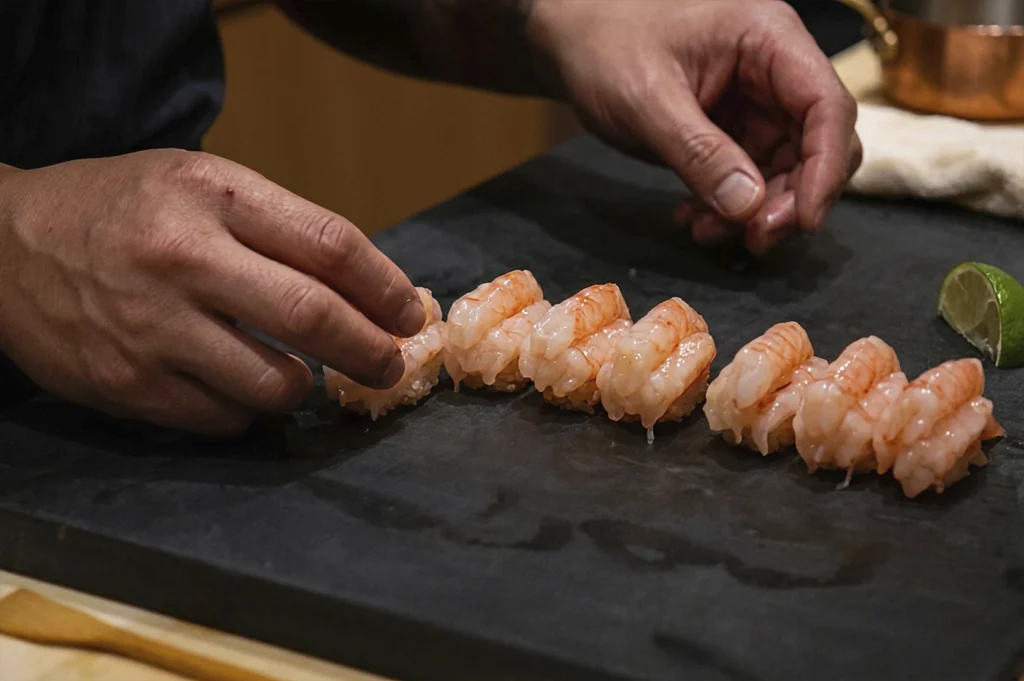
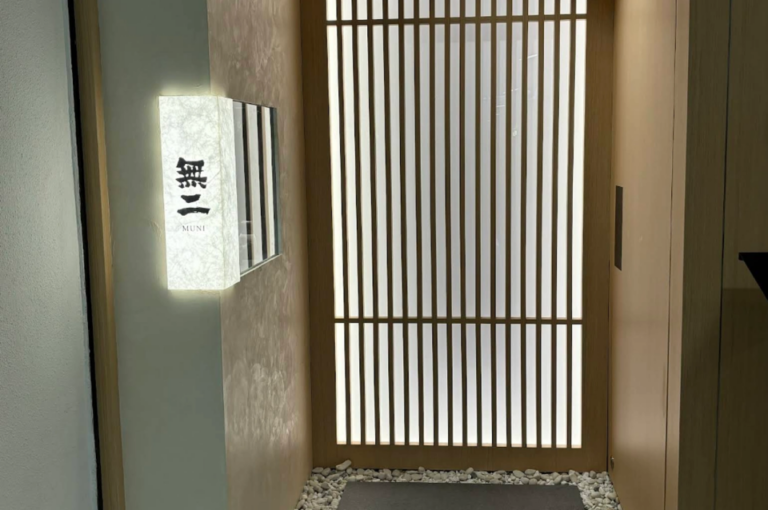
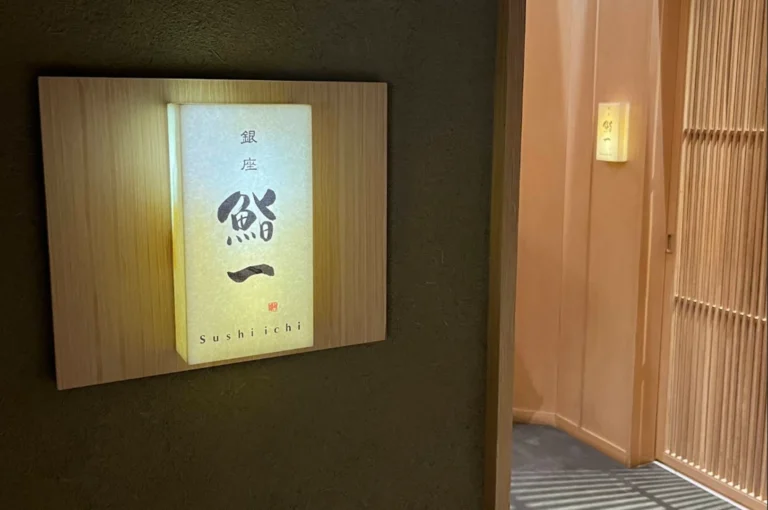
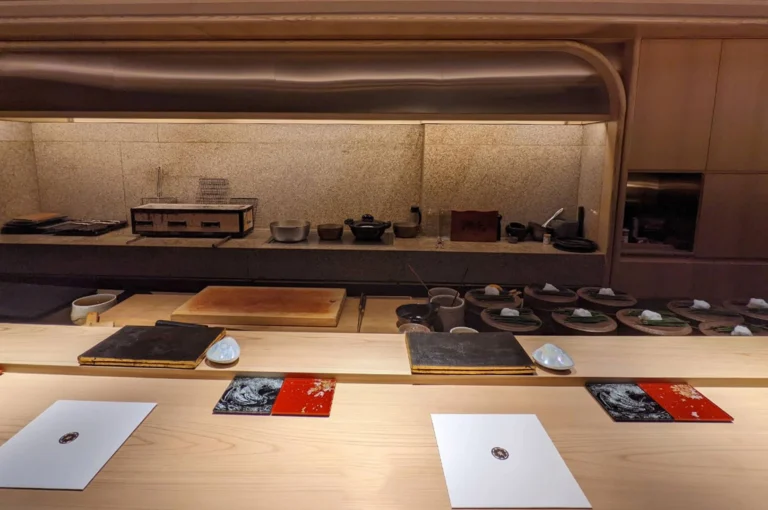
Let’s examine the booking reality analytically and practically. Sushi Masa by Ki-setsu seats only 8 guests per evening at its intimate counter at Level 6, Cuppage Plaza, Singapore. In a landscape where restaurant groups often aim for 30 to 50 seats to cover rent and overheads, 8 seats is a radical constraint.
It is not a branding decision designed to create exclusivity or privacy; it is the honest arithmetic of a kitchen that sources ingredients daily from Toyosu Market in Japan, where the quantity arriving each morning is finite.
The number of guests must reflect what arrived rather than what the business model prefers. If the shipment of uni or nodoguro (blackthroat seaperch) only supports eight covers of the quality Chef Masa demands, then only eight covers are sold. This strict adherence to supply limits is why advance booking at Sushi Masa is essential — typically weeks to months in advance.
For readers actively trying to secure a spot at this omakase in Cuppage Plaza location, we recommend booking as early as possible through the official reservation window. Weekends are often spoken for well ahead of time. We suggest flexibility on dates — checking availability for Tuesday or Wednesday evenings often yields better results than fighting for a Friday slot.
The Dinner-Only Policy — Why Kisetsu Skips Lunch Entirely
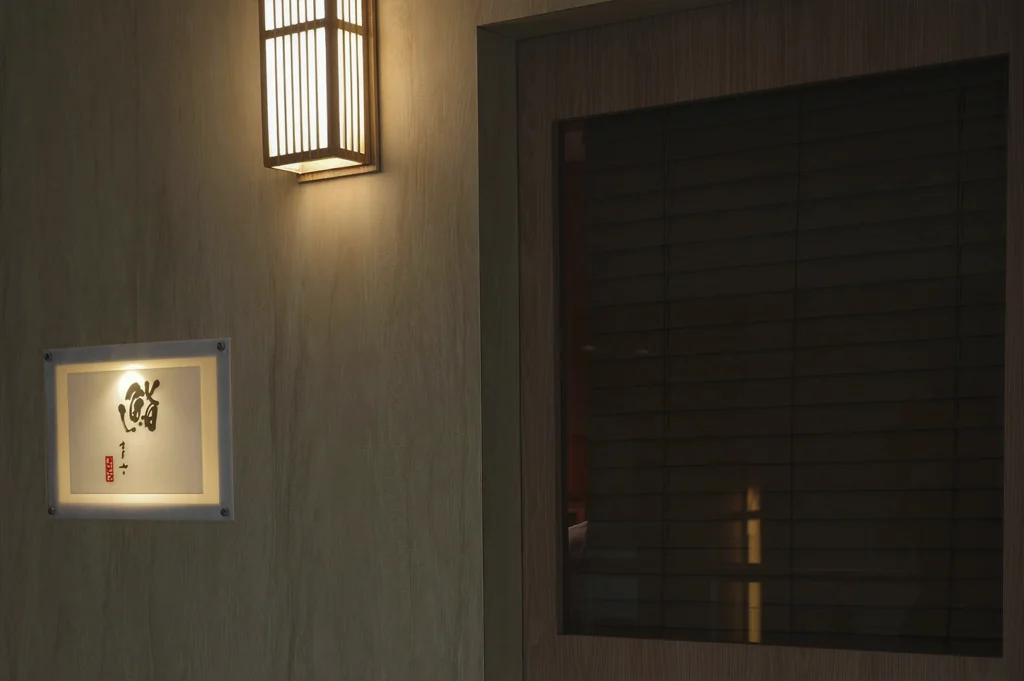
A common question we receive at bestomakase.com.sg is why such a high-demand venue refuses to open for lunch. Sushi Masa by Ki-setsu is open for dinner only, Tuesday to Saturday. Mondays are closed. Private bookings are available on Sundays. From a purely financial perspective, skipping lunch service looks like leaving money on the table. However, from an operational perspective, it is a quality guarantee and a simple choice to refresh the kitchen’s focus.
The absence of lunch service allows the kitchen to receive and assess the morning’s Toyosu Market delivery, prepare ingredients properly, and ensure every component meets the standard that Chef Masa personally crafts for every dish demands.
At many hotel omakase counters that run both lunch and dinner services, the prep time is compressed, and chefs are often split between shifts. At Sushi Masa by Ki-setsu, the entire day is dedicated to a single service, ensuring space and attention for detail.
This decision ensures that the fish served at 7:00 PM has been prepped with the specific timing required for that evening’s service, not held over from a lunch rush. Sushi Masa’s no-lunch policy is not a missed revenue opportunity. It is a quality guarantee. When you sit down for omakase dining Singapore, you are tasting the result of a full day’s focused preparation, not a kitchen stretching its resources thin.
Daily Toyosu Sourcing — What It Means for Every Sushi Masa Traditional Omakase Menu
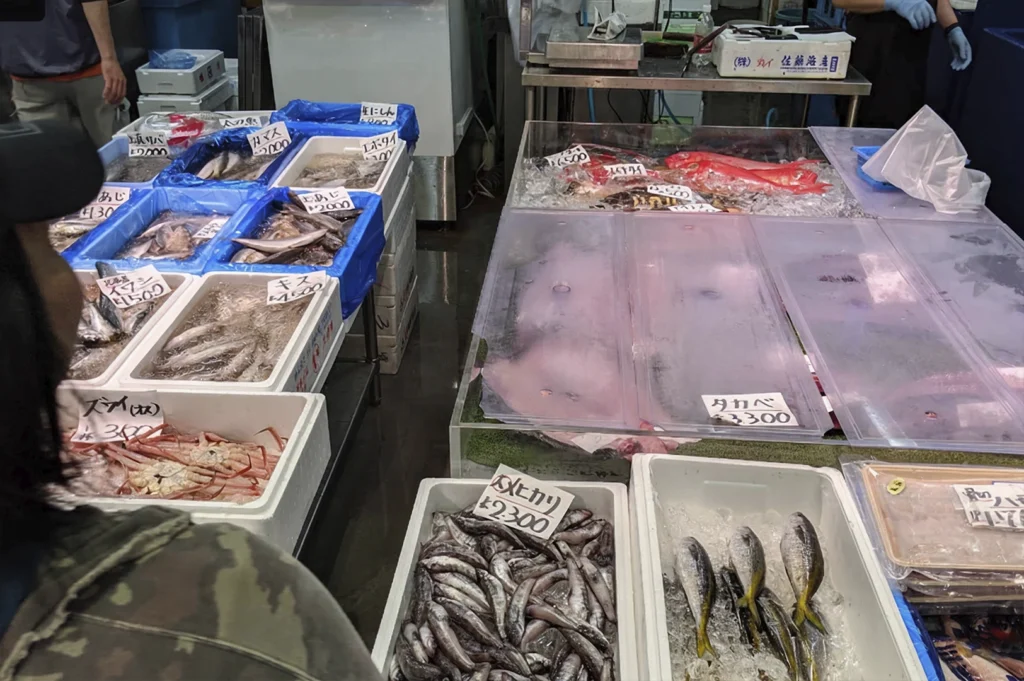
This is the centrepiece of the restaurant’s operational philosophy and dedication to innovation. Every day, ingredients are flown in from Toyosu Market, Japan — one of the world’s most rigorously graded seafood markets. While many omakase Singapore venues claim air-flown ingredients, the frequency and specificity matter. Sushi Masa by Ki-setsu operates on a daily cycle. This means the menu changes daily — there is no fixed menu.
What arrives each morning determines what the evening’s courses will be. If the katsuo (bonito) at Toyosu Market wasn’t up to standard that morning, it won’t be on the menu that night, regardless of what was served yesterday. This dynamic approach requires immense skill from the chef, who must improvise the flow of the meal based on the ingredients at hand rather than following a set recipe book.
For the guest, this means that daily Toyosu sourcing translates to a plate that captures the exact micro-seasonality of Japan’s seasons. You are eating what is best right now, not what was best last week. This commitment to Toyosu Market Singapore logistics is costly and logistically complex, but it is the only way to achieve the level of freshness and quality that Sushi Masa is known for. It distinguishes best omakase Singapore contenders from standard sushi joints.
What the 8-Seat Counter Hidden Gem in Cuppage Plaza Means for Your Omakase Experience
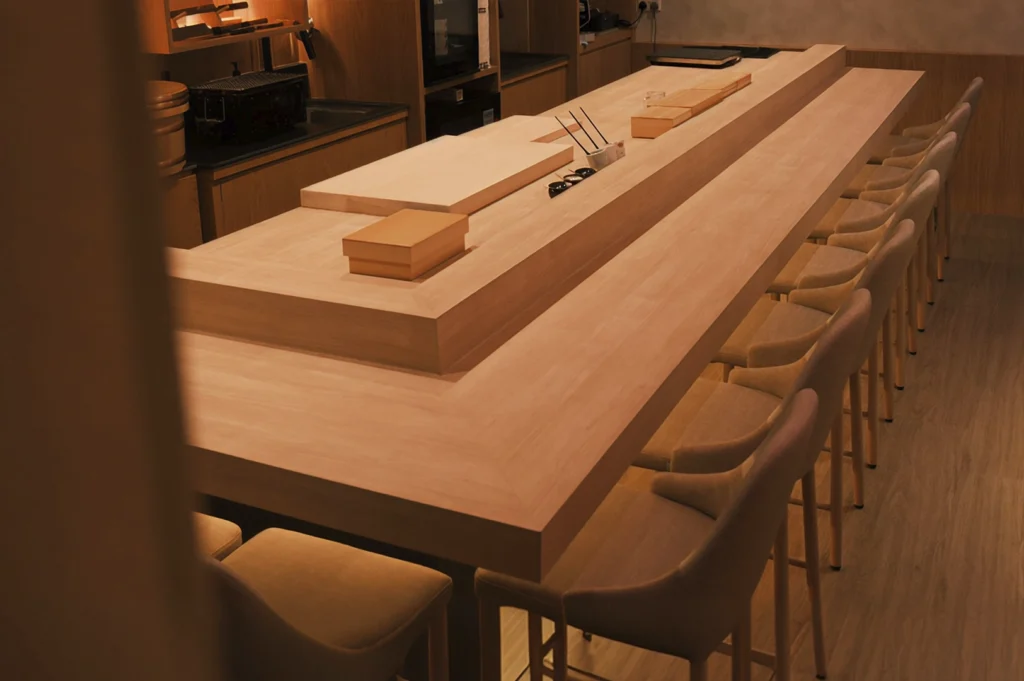
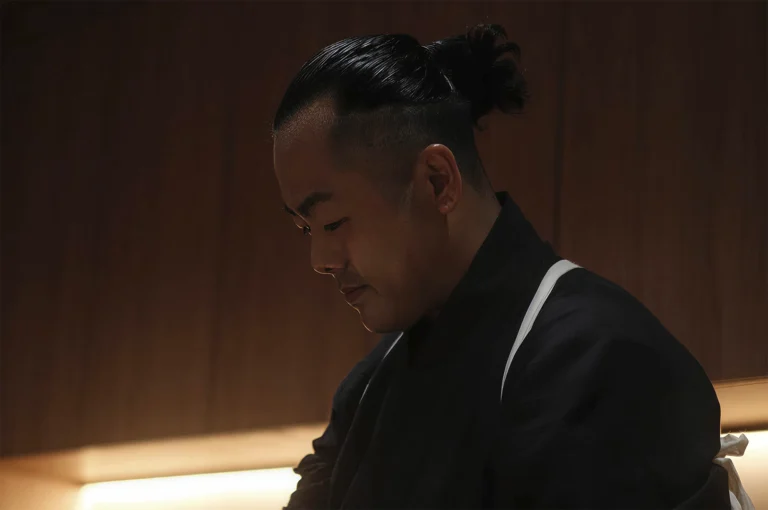
We need to explain the counter experience through the operational lens of omakase dining. Because Chef Masa personally prepares every dish for every guest at Sushi Masa, the 8-seat limit is what makes personal preparation structurally possible. Draw a clear contrast: at a 20 or 30-seat counter, it is physically impossible for one head chef to mold every piece of nigiri for every diner. Duties must be delegated to sous chefs.
At Sushi Masa by Ki-setsu’s 8-seat counter, it is not just possible but guaranteed. The guest has a direct, unmediated connection to the chef’s decisions that morning. Chef Masa is right there, controlling the temperature of the rice, the slice of the fish, and the pacing of the meal for you specifically.
The dinner runs across 16 or more seasonal courses over 2 to 3 hours. Pacing, sequence, and quality are all outcomes of what arrived from Toyosu and what Chef Masa decided to do with it. This intimate scale allows for a responsiveness that larger venues cannot match. If you are eating slower, the chef slows down. If you prefer less wasabi, the adjustment is immediate. This is the definition of true omakase experience — it is a dialogue, not a broadcast.
Sushi Masa Pricing — What $230 and $320 Actually Reflect
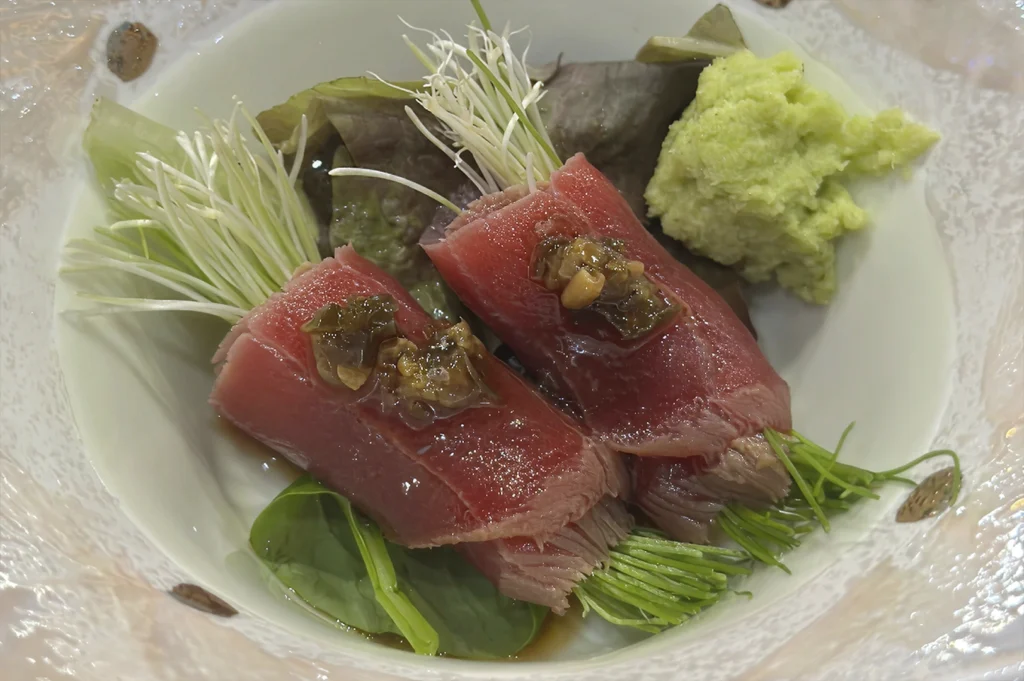
Let’s talk numbers. Dinner at Sushi Masa by Ki-setsu starts from $230 per person, the regular price for the Syuugetsu menu. The premium Kisetsu menu is from $320 per person. In the context of omakase Singapore pricing, this is significant. However, it is crucial to understand what these figures reflect.
Unlike hotel omakase counters where the price tag often includes a location premium, marketing overheads, and a large front-of-house team, the cost at Sushi Masa goes almost entirely onto the plate. You are paying for daily Toyosu sourcing, a single focused dinner service per evening, and the fact that there are only 8 seats to amortize the costs of air-freighting premium ingredients.
When you consider that Chef Masa personally prepares every dish across 16 or more seasonal courses, including premium sashimi and a carefully crafted dessert, the value proposition becomes clear. You are paying for the operational inefficiency that quality demands.
We have found that in omakase dining, efficiency is often the enemy of excellence. Sushi Masa by Ki-setsu chooses excellence, and the price reflects the raw cost of that choice.
How to Book Sushi Masa by Ki-setsu — Practical Guide
For a reader who is ready to book, here is the reality: Advance booking at Sushi Masa is essential — weeks to months depending on availability. Do not expect to walk in.
We recommend booking directly through their official portal at www.kisetsu.com.sg/reservations/ — a simple, easy-to-use online booking window. Book as early as possible and be flexible with your dates. Note that earlier in the week (Tuesday or Wednesday) may offer better availability than the prime Thursday through Saturday slots.
They stand as the clearest example in Singapore’s omakase dining scene of what happens when every operational decision is made in service of the guest rather than the business model. It is hard to book because it refuses to compromise on the factors that make it worth booking.
For more insights on where this venue sits in the broader landscape, read our review and guide to the Top 3 Omakase Singapore.