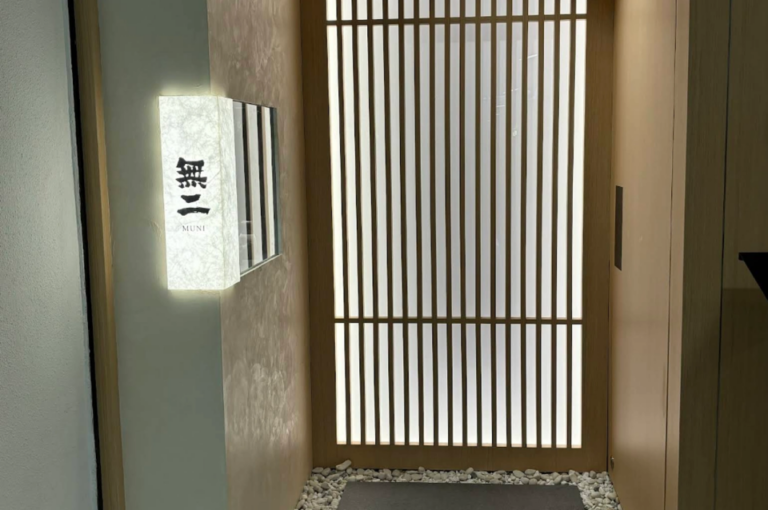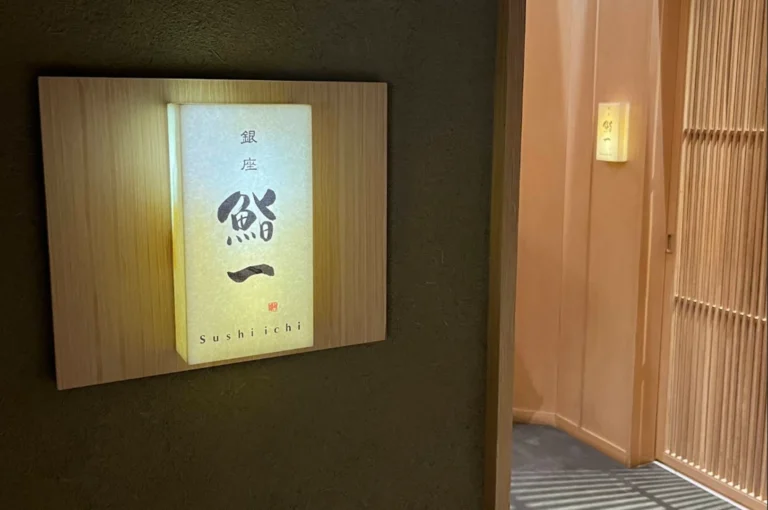
There is a particular calm that settles over you when you step into Sushi Sakuta. It is not dramatic. It does not announce itself. Instead, it arrives quietly, like a breath held just long enough to sharpen the senses. Located at Millenia Walk, the restaurant feels deliberately removed from the pace of the surrounding mall. Once seated at the counter, the outside world softens, leaving only the rhythm of a chef at work and a meal about to unfold.
This is Michelin-starred sushi in its most composed form. Not hurried. Not theatrical. Simply precise, balanced, and deeply intentional.
Chef Sakuta and the Weight of Tradition
At the heart of Sushi Sakuta is Chef Yoshio Sakuta, the chef-owner whose presence carries both humility and assurance. Sushi Sakuta has earned two Michelin stars in the 2025 Michelin Guide Singapore, a testament to Chef Sakuta’s leadership and expertise. Known formally as Chef Owner Yoshio Sakuta, he leads the counter with a steady confidence shaped by decades of experience. His approach reflects a deep respect for Japanese tradition, paired with a sensitivity to how omakase dining has evolved in Singapore.
Chef Sakuta first became known to many diners through his work at Capitol Kempinski Hotel Singapore, where his restaurant earned recognition for its discipline and refinement. Before opening Sushi Sakuta, he stood at the helm of Shoukouwa, another two Michelin-starred restaurant, further establishing his reputation for excellence. The transition to Millenia Walk did not dilute that identity. Instead, it clarified it. Sushi Sakuta today feels like a distilled expression of his philosophy: fewer distractions, sharper focus, and a deeper commitment to craft.
Chef Sakuta’s culinary philosophy is driven by his personal ikigai, emphasizing a relentless pursuit of kaizen, or continuous improvement, in every aspect of his work. This dedication manifests in his meticulous preparation techniques, from the precise seasoning of the shari to the nuanced handling of each fish variety. His two-step process of salting and brining fish, for example, is designed to enhance natural flavors while balancing texture and aroma.
While Chef Sakuta himself has earned accolades, the wider team has also been recognized, including a Michelin Sommelier Award, reinforcing the restaurant’s attention to harmony between food, sake, and wine. The sommelier’s expertise ensures that each beverage pairing complements the delicate flavors of the sushi, elevating the overall dining experience.
A Michelin-Starred Sushi Experience
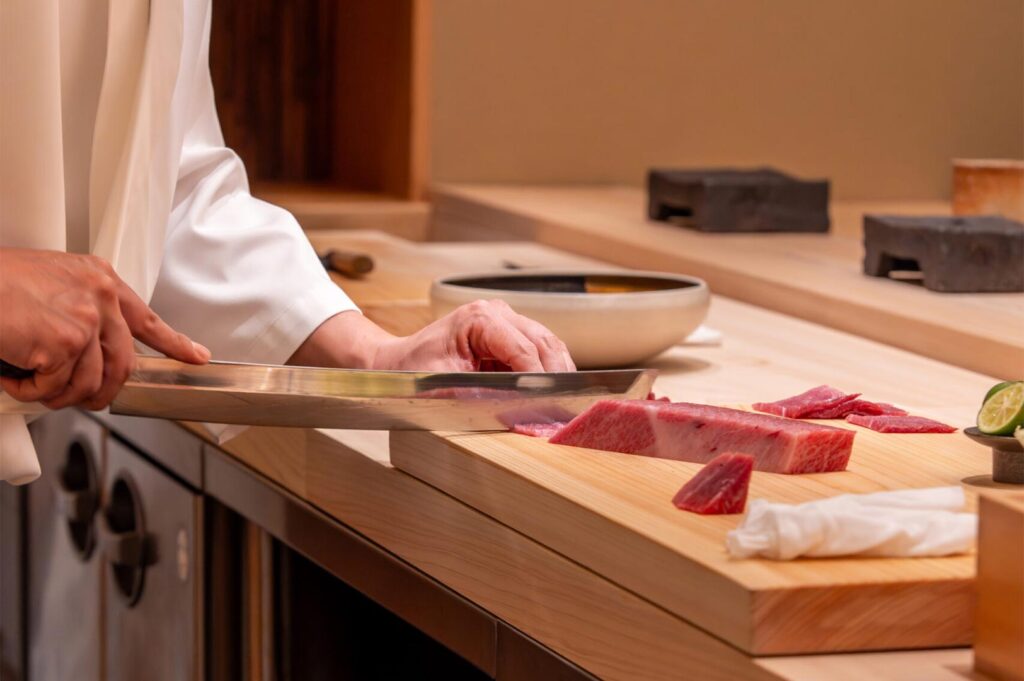
Sushi Sakuta is often described as Michelin-starred, and with good reason. While discussions around one star, two stars, or even two Michelin stars often arise among diners, what matters most here is not the number of stars, but the consistency behind them.
This is Michelin-starred sushi built on repetition and refinement rather than novelty. Each course is prepared with a clear purpose. Each movement at the counter reflects hours of practice. The meal is not designed to surprise for the sake of surprise, but to guide guests toward balance and clarity.
For diners accustomed to louder interpretations of omakase, Sushi Sakuta’s restraint may feel almost austere at first. But as the meal progresses, the precision reveals itself as generosity. The subtle layering of flavors, the perfect temperature of the rice, and the careful timing of each dish’s serving all contribute to an experience where simplicity is the ultimate sophistication.
The Space at Millenia Walk
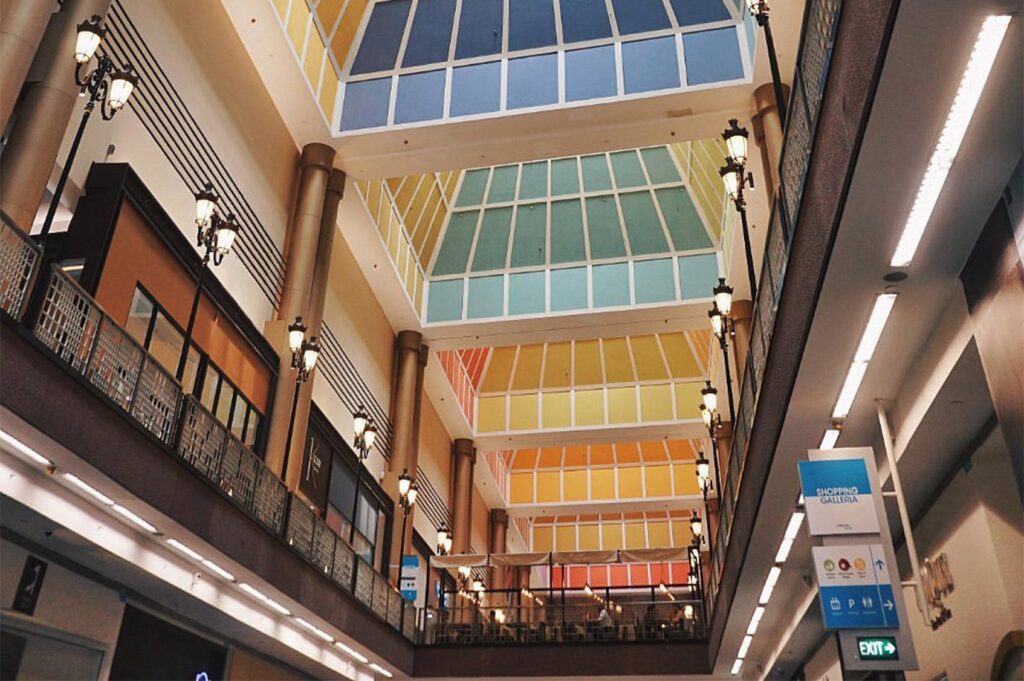
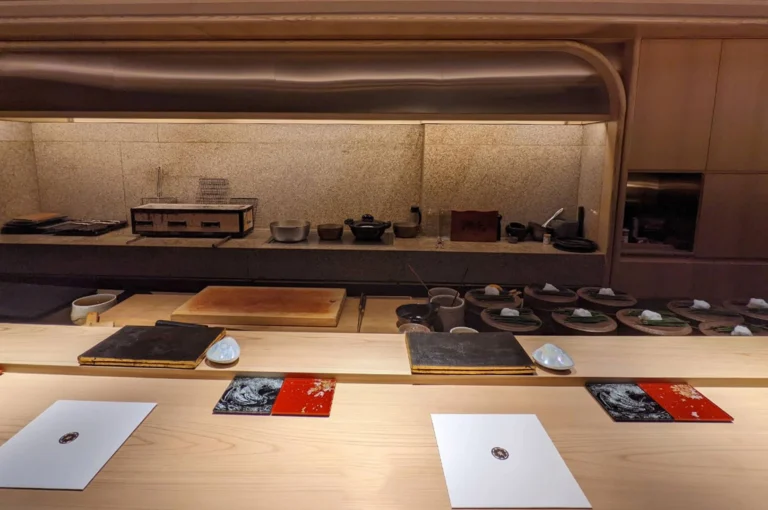
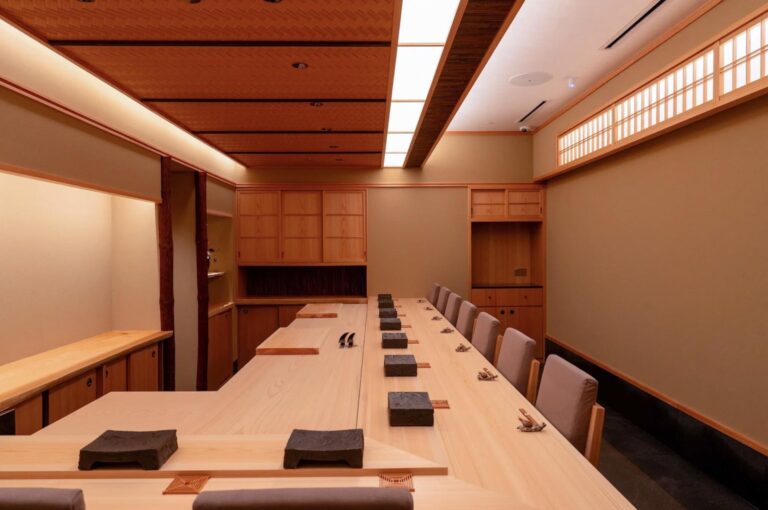
The interior of Sushi Sakuta is elegant without excess. Wood tones dominate the space, drawing attention back to the counter where the action unfolds. The counter itself invites proximity, allowing guests to observe the chef’s hands as rice is shaped and fish is prepared. Crafted from a 200-year-old hinoki cypress tree, the counter is both a functional workspace and a symbol of tradition and craftsmanship.
There is also a private room for those who prefer a more secluded dining experience, though even here the focus remains on the food rather than ceremony. The private room offers an intimate setting for small groups, maintaining the same atmosphere of calm precision as the main counter.
Despite being located within Millenia Walk, the restaurant never feels commercial. Once inside, the atmosphere is closer to a traditional sushi-ya in Japan than a mall-based restaurant in Singapore. Soft lighting, minimal decor, and carefully curated Japanese artworks contribute to a serene environment where diners can fully immerse themselves in the meal.
Shari, Rice, and the Foundation of Balance
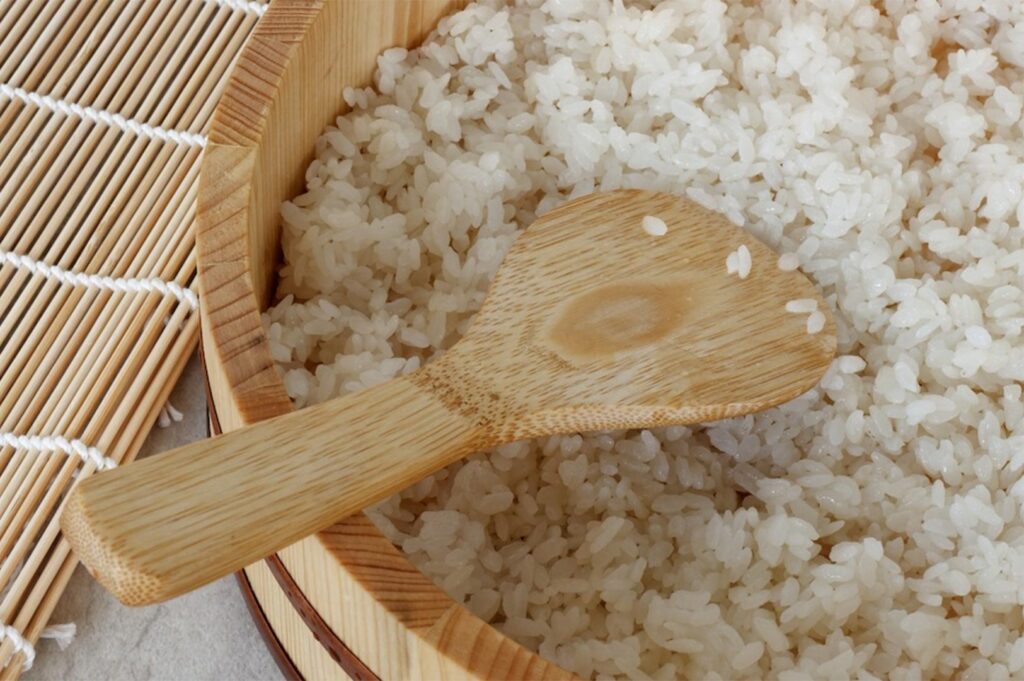
At Sushi Sakuta, everything begins with the shari. The rice is treated as the foundation of the entire meal, not merely a vehicle for fish. Cooked with careful attention to texture, it is seasoned using a blend of white vinegar and yuzu vinegar, achieving a balance that is clean, slightly fragrant, and never aggressive.
Chef Yoshio Sakuta pays close attention to temperature. The rice is served warm, complementing the fish without overpowering it. Each grain holds its shape while remaining soft, allowing the sushi to dissolve naturally in the mouth. The rice blend itself combines Hitomebore and Sasanishiki grains, chosen for their complementary textures—one sticky and malleable, the other firm and sweet—creating a shari that perfectly cradles the fish.
This balance is not accidental. It is a testament to hours of repetition and a refusal to compromise on detail. The rice is soaked, steamed, and cooled in a custom double-lidded donabe, a traditional Japanese clay pot, which allows for precise control over moisture and temperature.
Ingredients Chosen With Intent
The ingredients at Sushi Sakuta reflect both seasonality and sourcing discipline. Fish arrives from Japan, selected for texture and sweetness rather than size or rarity alone. One standout ingredient is female snow crab, prized for its sweetness and delicate structure. When served, the snow crab is glistening, its natural sweetness highlighted rather than masked.
Other highlights include spanish mackerel, prepared to emphasise its clean flavour, and seasonal seafood that changes depending on availability. Each dish feels purposeful, never excessive.
Seasoning is handled with restraint. Sansho pepper appears sparingly, adding a gentle lift. Yuzu kosho is used where appropriate, introducing brightness without overwhelming the fish. Wasabi is freshly prepared, its heat smooth rather than sharp, enhancing the natural flavors without distracting from them.
Chef Sakuta’s meticulous preparation extends to the fish itself, employing techniques such as light smoking over binchotan charcoal to add subtle complexity, or marinating in vinegar or salt to balance flavor and texture. This attention to detail ensures that every bite is harmonious.
The Flow of the Meal
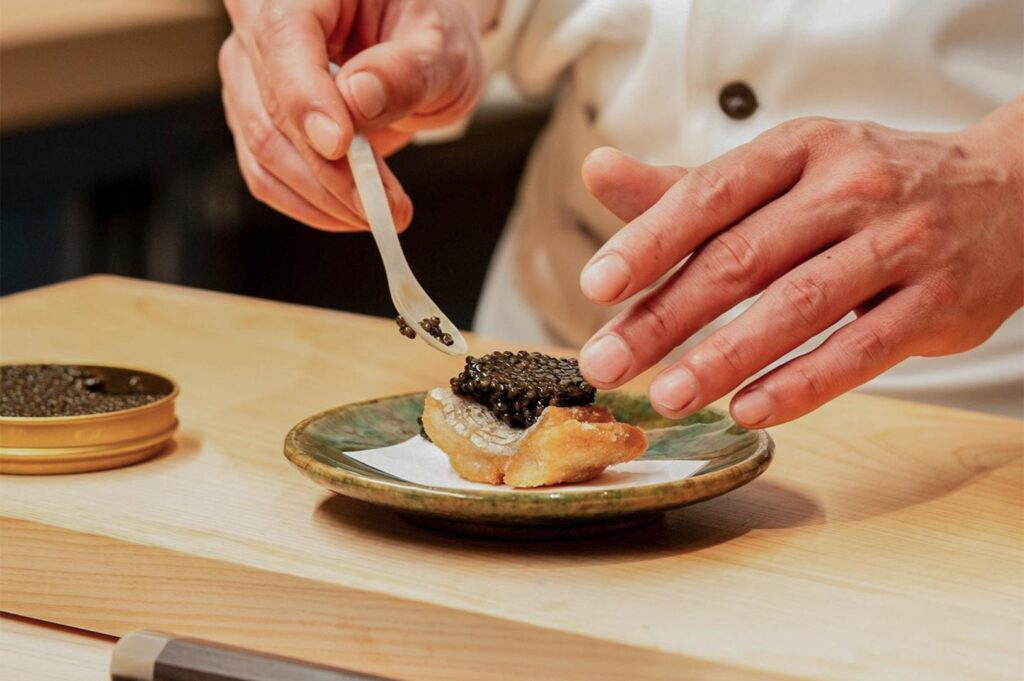
Dinner at Sushi Sakuta unfolds as a carefully composed course. The pacing is deliberate. Guests are encouraged to remain present, to anticipate rather than rush.
The meal often begins with lighter dishes, allowing the palate to adjust. Sashimi courses highlight texture and freshness, while sushi courses build gradually in richness. Each piece is served at the precise moment it should be eaten, ensuring optimal temperature and flavor.
There is no unnecessary commentary. Chef Sakuta may offer a brief explanation when needed, but silence is also respected. The senses are allowed to lead.
This approach places demands on the diner as much as the chef. Attention is required. Distraction fades. In return, the experience becomes immersive.
Sake, Wine, and Balance
Pairings at Sushi Sakuta are thoughtful and restrained. Sake is selected to complement rather than compete with the food. The influence of the Michelin Sommelier Award is evident here, with pairings that support the meal’s rhythm.
For those who prefer wine, options are available, though sake remains the natural companion to the cuisine. Each pour is timed to align with the progression of flavours, enhancing balance rather than interrupting it.
The head sommelier, recognized with the Michelin Sommelier Award, curates an extensive list of sake and wine, including rare and premium selections that elevate the omakase experience. Guests can request off-menu bottles or tailor pairings to their preferences, ensuring a personalized journey through beverage and food.
Precision Over Performance
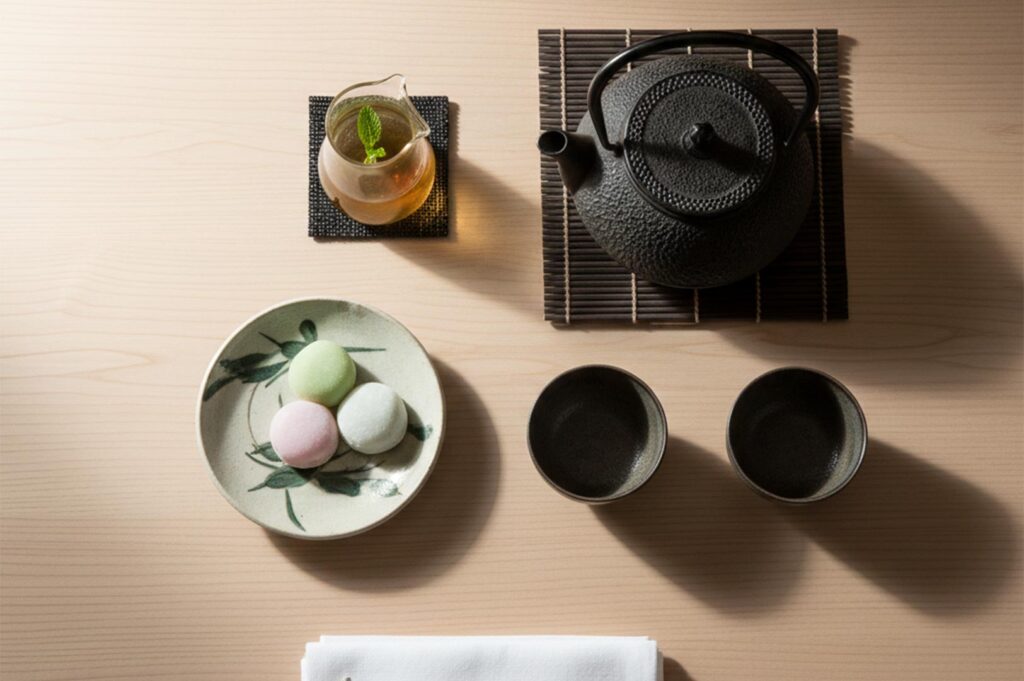
What stands out most at Sushi Sakuta is the absence of unnecessary performance. There is no rush to impress. No exaggerated gestures. The focus remains on craft, precision, and the quiet satisfaction of a dish executed well.
This is a place where perfection is pursued through discipline rather than display. Each movement at the counter feels practiced yet alive. The chef anticipates the needs of the guests, adjusting pacing subtly based on energy and engagement.
Even after hours of service, the attention does not waver. The quiet harmony of the team, from the chefs to the servers and sommelier, reinforces the sense of calm and control.
A Dining Experience That Rewards Return
Sushi Sakuta is not designed to be experienced only once. It is a restaurant that reveals itself over time. On a Wednesday or Tuesday, the mood may feel more intimate. On a Friday evening or Sunday, the room carries a slightly warmer energy, shaped by guests who have made time for the experience. Sushi Sakuta is closed on mondays and Thursday lunch. Opening hours are Tuesday to Wednesday from 12.30pm to 3pm and 7pm to 10pm, Thursday from 7pm to 10pm, and Friday to Sunday from 12.30pm to 3pm and 7pm to 10pm.
Lunch is available on selected days, offering a more concise introduction to the restaurant’s style. Dinner, however, is where the full expression emerges.
A reservation is required to secure your dining experience at Sushi Sakuta, and cancellation fees apply for late cancellations. The restaurant’s reputation means demand remains steady. Yet the experience never feels rushed, even on busy nights.
Sushi Sakuta in the Context of Singapore
Within Singapore’s landscape of omakase dining, Sushi Sakuta occupies a distinct place. It does not chase trends. It does not expand aggressively. Instead, it stands quietly, confident in its identity as a Michelin-starred sushi restaurant rooted in tradition.
For diners seeking innovation, there are other places. For those seeking clarity, balance, and depth, Sushi Sakuta offers something enduring. It is a restaurant that understands its brand and protects it carefully.
A Quiet Conclusion
As the meal concludes, there is no grand finale. Instead, the final dishes arrive gently, allowing the experience to taper rather than end abruptly. Guests leave with a sense of calm satisfaction rather than sensory overload.
Sushi Sakuta does not demand praise. It invites reflection.
For those exploring how chef-led dining continues to thrive in different corners of the city, Sushi Sakuta represents one end of the spectrum: disciplined, precise, and deeply respectful of tradition.
To understand how Sushi Sakuta fits within the broader landscape of chef-led counters, you may also explore our guide to Telok Ayer Japanese food and its omakase counters, which looks at how neighbourhoods across Singapore quietly support this form of dining.