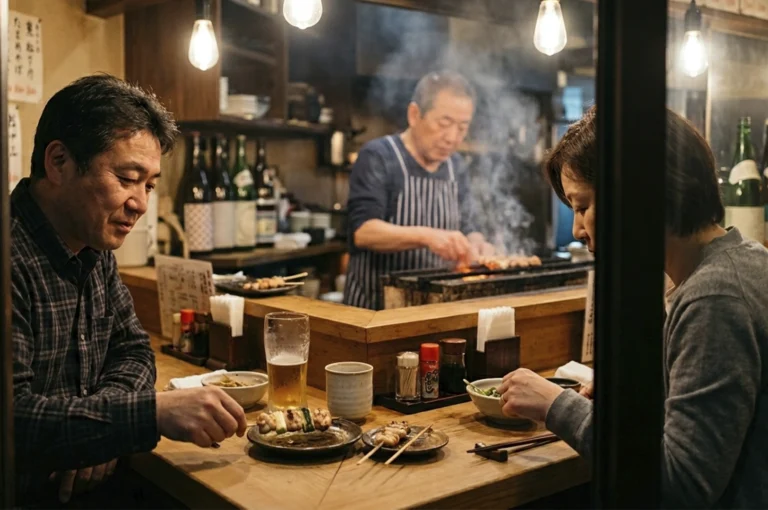
From my seat at the counter, I am always aware of time passing in different rhythms. There is the sharp, purposeful pace of the chef’s hands during service, every motion precise and counted. Then there is the quieter, the unseen hours of preparation that began long before any of us arrived. But above all, there is the tempo set by the seasons, the tides, and forces beyond the kitchen, guiding the choices that fill the evening’s menu.
Watching from my seat, it’s easy to believe that each course is a spontaneous act. The chef’s hands move with intention, slicing fish, pressing rice, setting each piece before us in measured silence. But as the evening unfolds, I start to sense that none of this is improvised. The sequence, I realize, was mapped out long before I arrived, the path of the meal decided in steps I can only glimpse from my place on the other side of the counter.
I imagine the decisions behind tonight’s meal began long before any of us took our seats. Perhaps last week, the chef spoke to a supplier in Hokkaido, learning that the sea urchin was reaching its sweetest point, a fleeting moment that would soon pass. In that quiet exchange, the course found its place on the menu. The uni’s arrival tonight is not from a last-minute whim, but from a choice made days ago, in a conversation taking place far from the counter where I now sit.
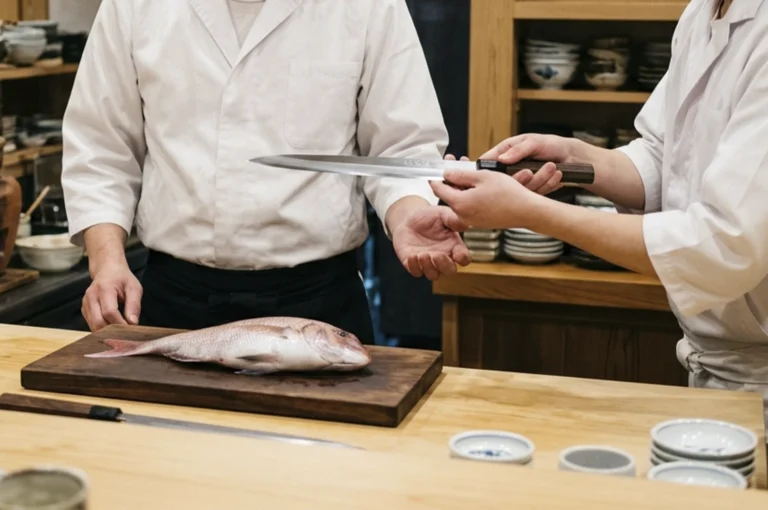
Yesterday’s fish delivery from Toyosu must have included that beautiful cut of kinmedai I saw on my plate tonight. I watched the chef examine it with careful attention before tucking it away. I imagine he decided it would need patience, wrapped, set aside, given time for its flavors to deepen before making its appearance. When the kinmedai finally arrived as nigiri, I realized its place in the sequence wasn’t by chance, but a result of quiet decisions and preparations that began long before tonight’s service.
Even the rice seems to have its own story to tell. I watch the chef tend to it with care, the measured pour of vinegar, the way he checks the warmth, the gentle turns as he prepares it for the evening. Each detail feels intentional, as if every choice was made to bring out the best in the fish that will be served. I realize now that what we taste is rooted in patient, invisible work that begins long before the kitchen fills, the heart of the meal quietly set in place before service even starts.
What feels to me like a seamless flow at the counter is, I realize, the culmination of countless choices made by the chef over days and weeks. Each course is the result of quiet conversations between the chef, suppliers, and the ingredients themselves. The omakase I experience is not just a performance, but the last, visible chapter of a story that began long before I took my seat.
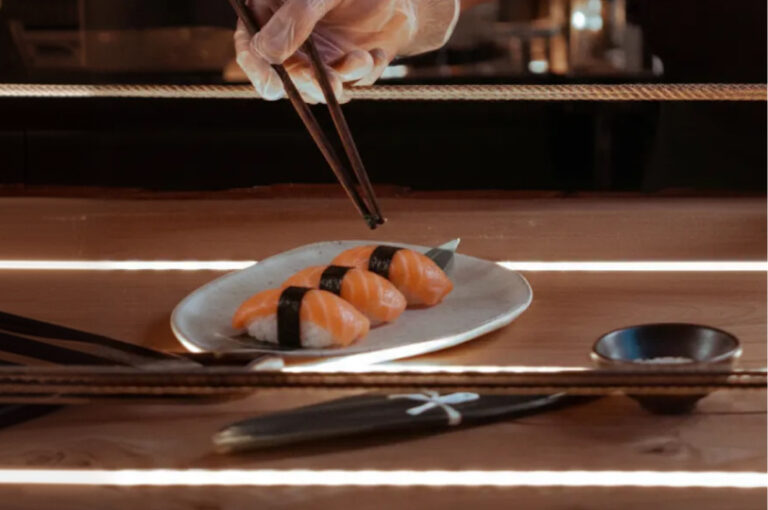
When the chef places a piece of sushi on the counter, I see more than just fish and rice. It feels like I am being offered a moment suspended in time, a sequence shaped by seasonality, patience, and quiet respect for each ingredient. From my place at the counter, I realize my role is simply to arrive at this final chapter and witness the unfolding of decisions made long before I ever sat down.