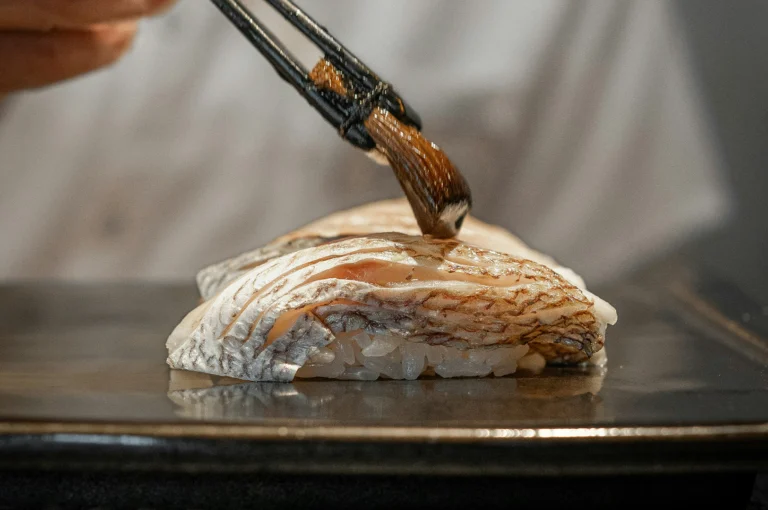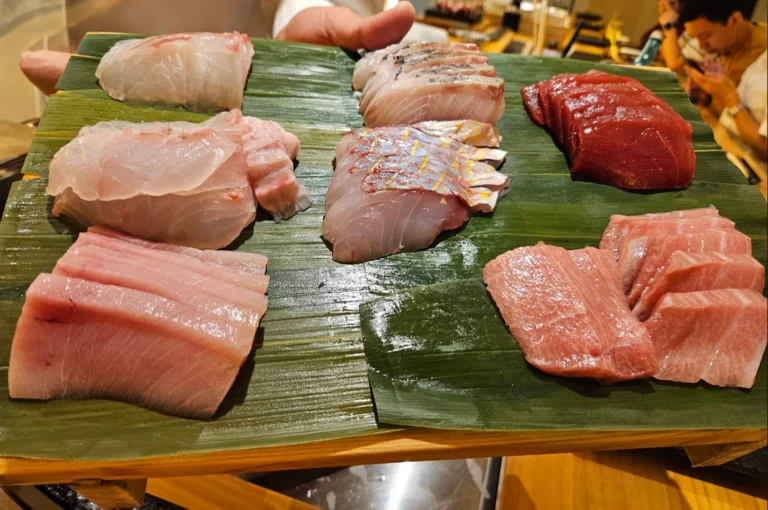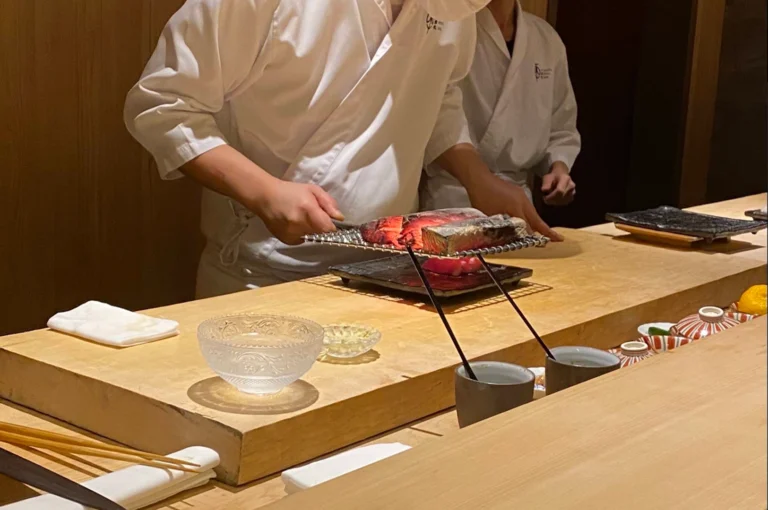
When you sit at a quiet wooden counter in Singapore, waiting for the chef to present the first piece of sushi, it is easy to believe that the meal begins right there in the room. You watch the master slice the fish, shape the seasoned rice, and place the delicate offering on your plate. It feels immediate and deeply intimate. However, the truth is that the foundation of your dining experience was laid thousands of miles away, long before you even made your reservations.
To truly understand premium omakase, we must look beyond the restaurant walls. We must trace the journey back to its true starting point. For most of the exceptional Japanese food we enjoy today, that origin is the Toyosu Market.
Why Every Omakase Experience Begins Before You Sit Down at the Wholesale Market
The essence of a remarkable meal is shaped long before the chef picks up a knife. It starts in the early hours of the morning in Japan, within the sprawling complex of the world’s biggest fish market. When the historic Tsukiji market closed its doors, the seafood trade moved to a massive new facility on reclaimed land near Tokyo Bay.
This new Toyosu market is not simply a tourist attraction. While tourists might plan a trip to see the city’s sights, arriving via the Yurikamome line from Shimbashi station and stepping off at Shijo mae station, the true heart of the market is a rigorous professional ecosystem. It is a vast wholesale market composed of three main buildings, including a dedicated vegetables building. Here, the focus is entirely on food safety, precision, and the respectful handling of fresh produce and seafood. The meticulous care taken on the market floor is exactly what allows a chef in Singapore to serve you a flawless piece of sashimi later that same evening.
What Makes Toyosu Market Fresh Seafood So Highly Regarded
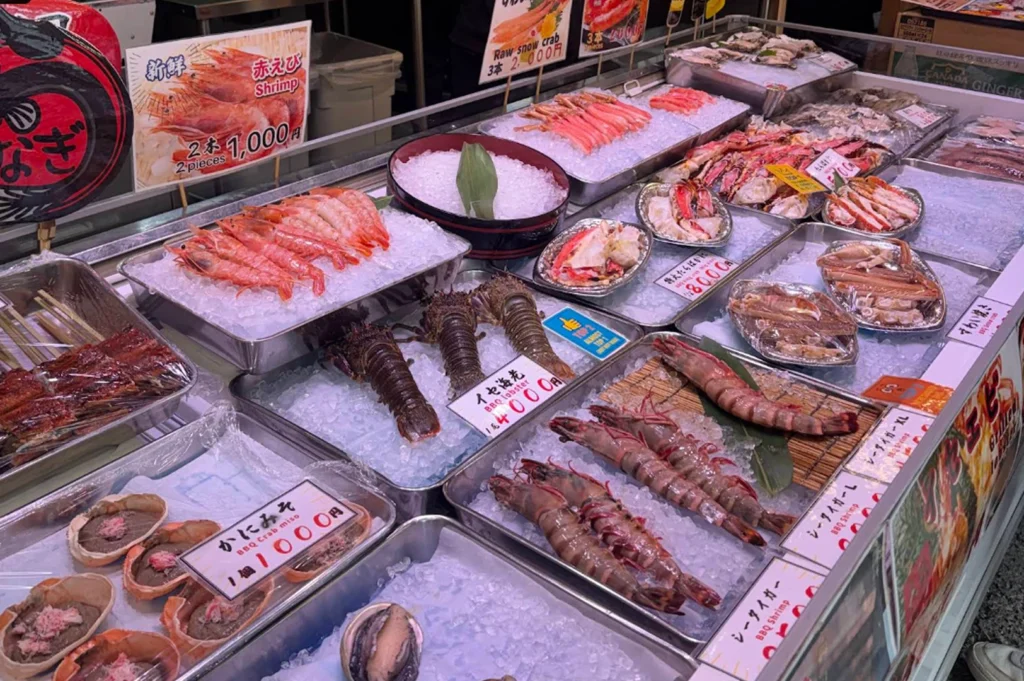
You might wonder what makes the fish from this specific site so exceptional. The answer lies in the uncompromising standards of quality and grading. Every single fish that enters the facility is evaluated with a highly critical eye.
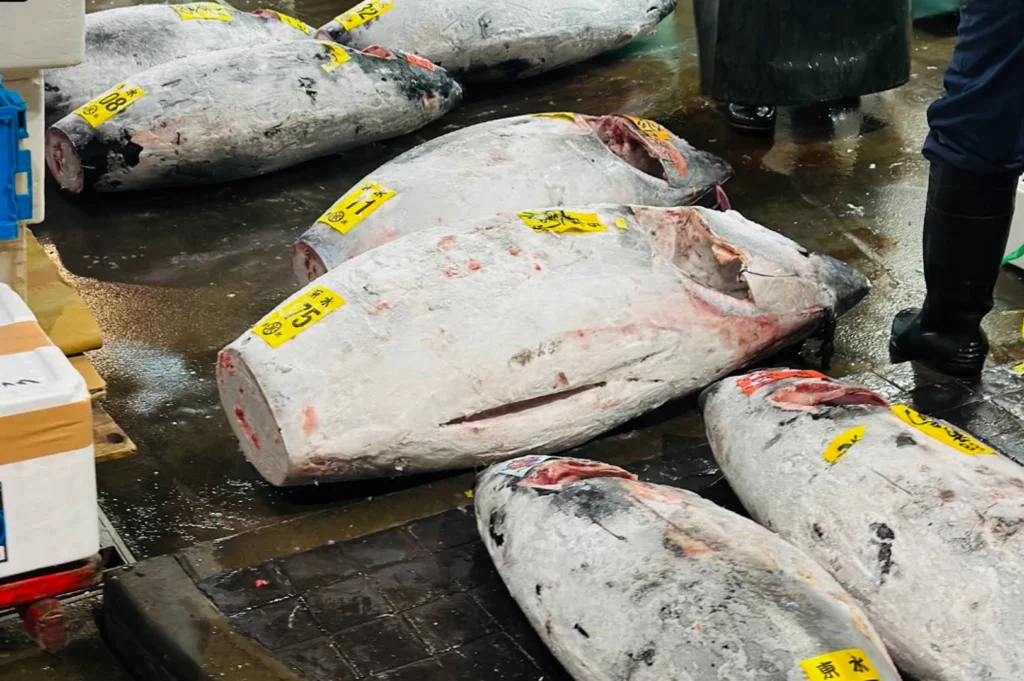
When buyers assess a tuna, they do not just look at its size. They examine the fat content, the color of the flesh, and the firmness of the texture. Premium quality is not just a clever marketing label; it is a measurable standard. This attention to detail extends to all types of seafood. Depending on the season, the market might be flooded with rich sea urchin (uni), shimmering horse mackerel (aji), or golden eye snapper (kinmedai). The people working here understand that true excellence relies on deep respect for seasonality. This ensures that the ingredients eventually prepared for your lunch or dinner are at the absolute peak of their natural flavor.
The Tuna Auction System and the Value of Precision
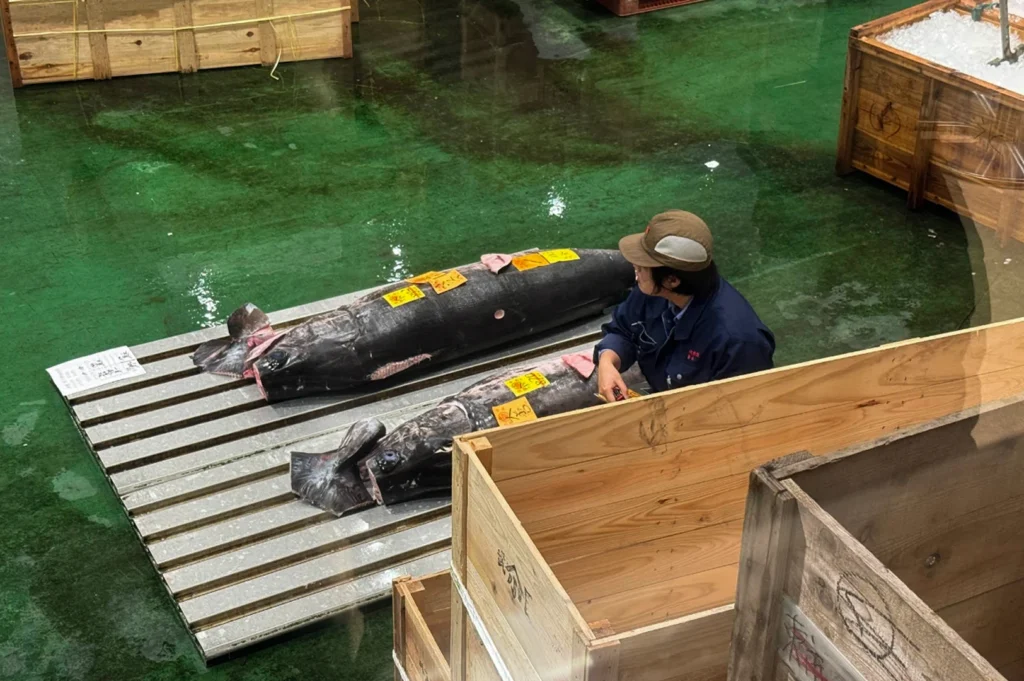
To truly appreciate the value of your meal, you must understand how the ingredients are acquired. The famous tuna auction is a perfect example of this intense precision. Long before most people sit down for a hotel buffet breakfast or grab a drink at a local coffee shop, the auction is already underway.
Buyers, representing some of the most respected sushi restaurants and popular restaurants in the world, gather to inspect the catch. The pricing is directly tied to the rarity and quality of each fish. The auctioneers move with incredible speed, their voices ringing out across the lower floor. The buyers use subtle hand signals to make their bids. There is no time for hesitation. This is a high-stakes environment where expertise dictates everything. The cost of a single purchase can be astronomical, but these professionals know exactly what to expect. They are securing the very best for their chefs, ensuring that the diners they eventually serve will experience nothing short of perfection.
From Tokyo Bay to Singapore Within a Day
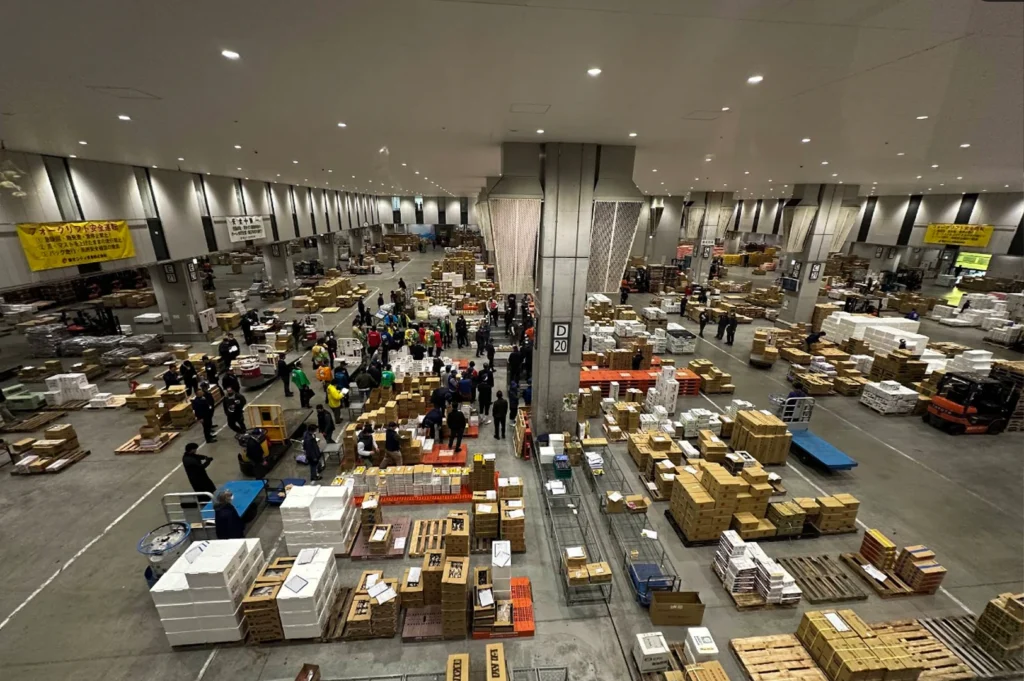
The logistics required to transport these delicate ingredients from Japan to Singapore are staggering. It is not just about speed; it is about absolute control.
Once a buyer secures a premium fish, it must be handled with immense care to preserve its pristine condition. The seafood is packed meticulously to maintain a strict cold chain. It is then air-flown directly to Singapore. By the time you sit down for your evening meal, the fish on your plate may have been swimming in the ocean just a day prior. This unbroken chain of temperature control and gentle handling is what separates decent fish from the extraordinary offerings found at a top-tier sushi counter. Freshness is an ongoing process of preservation, not just a measure of time.
The Journey from Shimbashi Station: How Chefs Work With Toyosu
A great chef does not simply open a catalog and treat ingredient sourcing like a basic cart add on a website. They rely on deep, established relationships with their suppliers in Tokyo.
These relationships are built on years of mutual trust. A supplier working out of the main buildings knows exactly what caliber of fish a specific chef requires. Because the offerings change daily based on what the ocean provides, the chef must trust the supplier to make crucial decisions on their behalf. If the weather is poor and the catch is limited, the supplier will advise the chef on the best alternatives. This daily communication dictates the omakase menu. It is a beautiful, collaborative effort that stretches across the ocean. When you eat a carefully prepared dish, you are tasting the result of that quiet, enduring partnership.
Beyond the Observation Deck and City Views: Why You Taste the Difference at the Counter
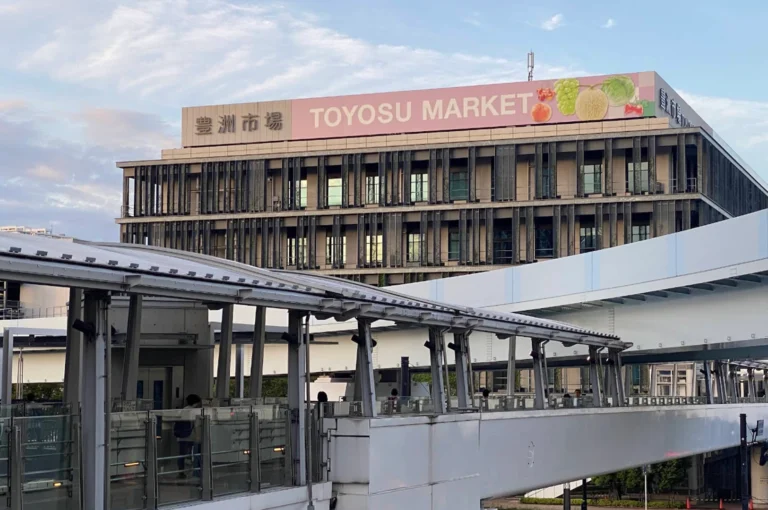
This image showcases the modern exterior of the Toyosu Market building under a clear, pale blue sky. The multi-story structure features a contemporary facade with vertical dark louvers covering the windows for sun shading. Atop the building, a large pink rectangular sign prominently displays “TOYOSU MARKET” in white English letters, accompanied by Japanese characters and colorful illustrations of fresh produce like grapes, melons, and peaches. In the foreground, a white elevated pedestrian walkway with a metal roof and glass railings provides a sleek, urban path for visitors to access the facility.
Visitors to the market might spend their time looking through glass windows from an upper floor or taking in the city views from the rooftop observation deck on clear days. Some might arrive early to secure a lottery ticket to watch the auctions, or wander the outer shops to buy kitchen utensils, fruit, and deep fried pork cutlets. A few might grab a quick meal of Chinese food or walk toward the waterfront to find a relaxing spa.
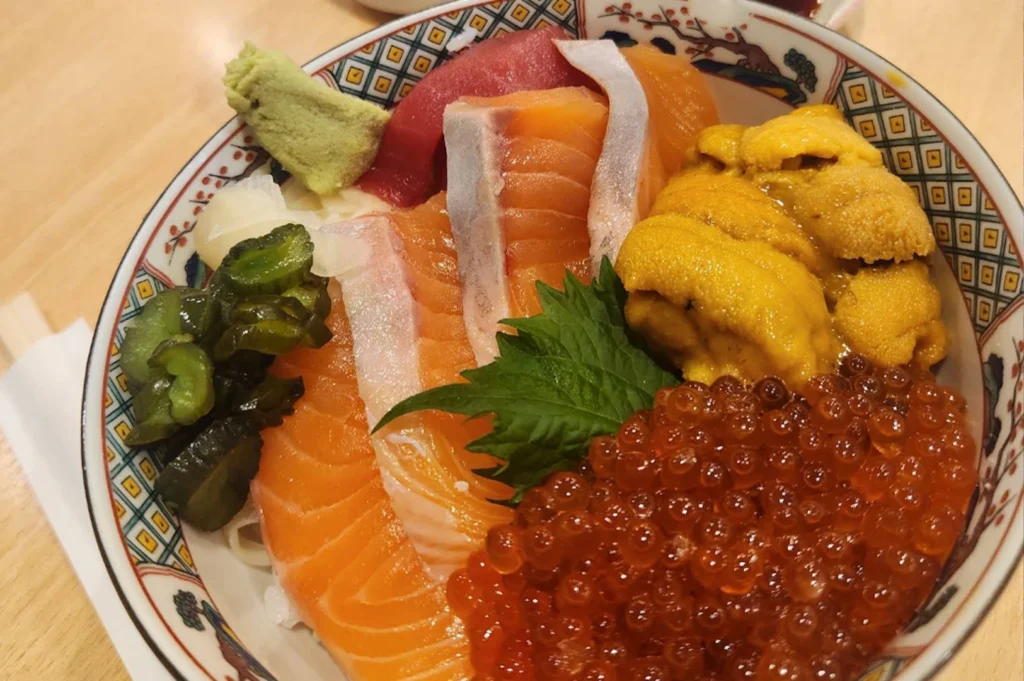
But as a diner sitting at a refined sushi counter in Singapore, your experience goes far beyond what any tourist can see. You taste the difference in the incredibly clean flavors of the seafood. You feel it in the delicate textures that melt effortlessly on your palate. When you are served a piece of premium otoro, you notice how the fat distribution is perfectly even, providing a rich, buttery finish that never feels heavy. These sensory details are the direct result of the grading, the handling, and the relentless pursuit of perfection that began on the market floor.
Not All “Toyosu Fish” Is the Same
It is important to note that simply sourcing ingredients from this famous market does not automatically guarantee a flawless meal. The phrase “flown in from Toyosu” is often used, but quality remains highly variable.
The market sells a vast range of grades to suit different price points and culinary needs. A few restaurants might purchase lower-grade fish that still technically comes from the same building. Furthermore, even the highest-grade seafood can be ruined by poor handling or a lack of culinary skill. The true magic happens when top-tier ingredients meet the hands of a master chef. The chef must know exactly how to age the fish, how to season the rice, and how to serve the dish at the precise temperature to unlock its full potential.
Savoring the Hidden Symphony Behind Every Bite
Understanding the unseen journey from the wholesale market in Japan to your table in Singapore changes the way you experience omakase. It shifts your perspective entirely. The next time you sit at the counter and watch the chef quietly prepare your meal, you will know that you are not just witnessing a few moments of culinary skill. You are participating in the final step of a massive, deeply respectful process.
From the careful selection by dedicated buyers in the early morning hours, overseen indirectly by the Tokyo Metropolitan Government’s strict standards, to the precise logistics that bring the catch across the world, every detail matters. It is a quiet symphony of dedication. Knowing this does not complicate the meal; rather, it allows you to savor every single bite with a profound and lasting sense of appreciation.
For those intrigued by the intricate journey of premium seafood from Toyosu Market to the sushi counter, exploring how Sushi Masa by Ki-setsu navigates the challenges of operational decisions and booking in Singapore offers a fascinating glimpse into the dedication behind top-tier omakase experiences.