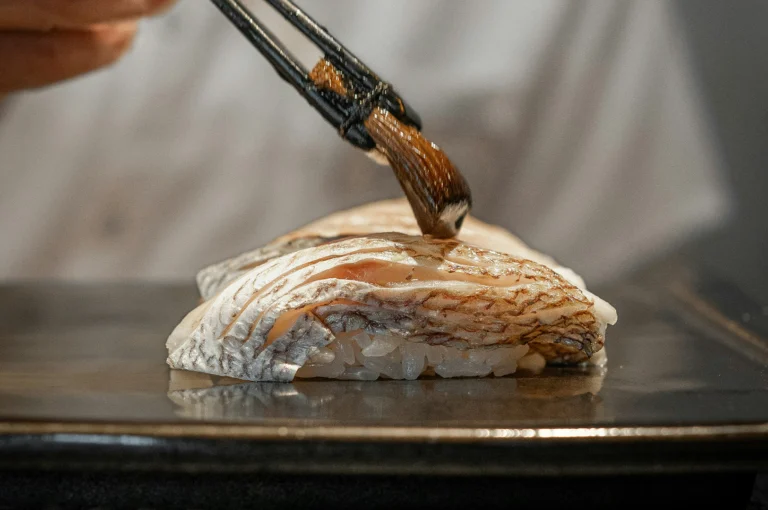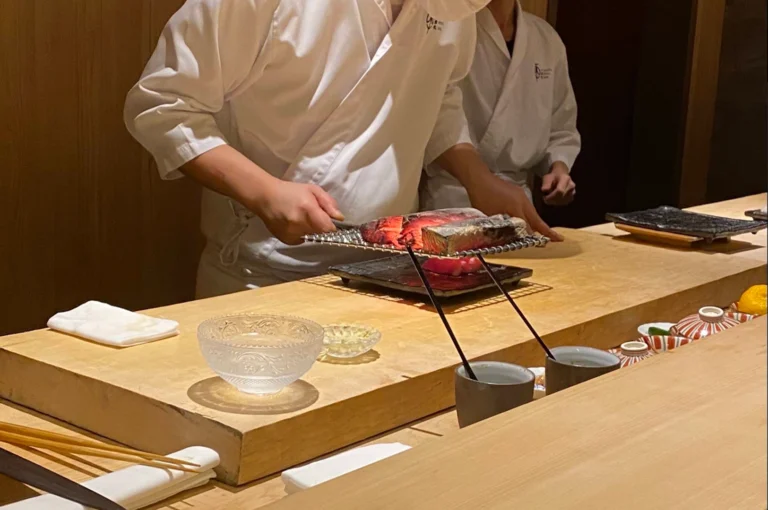
When we sit at a quiet wooden counter today, waiting for the chef to present a pristine piece of seasonal seafood, most people naturally think of the modern facilities where these ingredients are sourced. The mind immediately goes to the massive, temperature-controlled buildings that supply the finest dining establishments. We picture a structured, clinical environment where the world goes to find the best ingredients for Japanese cuisine. However, to truly understand the soul of the omakase experience, we must look backward. Before the modern era of seafood logistics, there was a different kind of marketplace. There was Tsukiji.
The legacy of modern sushi is deeply tied to this specific place in Japan. It was more than just a hub for commerce. It was the physical and cultural foundation that shaped how chefs select, handle, and revere their ingredients today. Understanding this history allows you to see your next meal not just as a sequence of beautiful dishes, but as the continuation of a tradition forged over decades.
The Beginning of the Tsukiji Fish Market in Central Tokyo
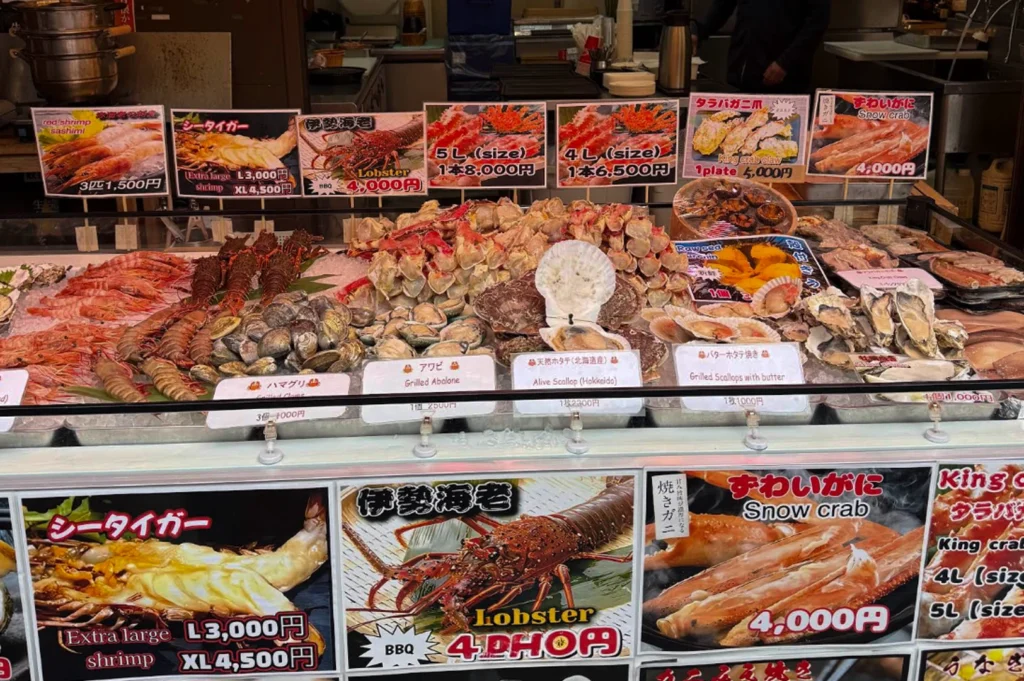
The story of the Tsukiji fish market begins out of necessity. Following the devastating Great Kanto Earthquake, the Tokyo Municipal Government established the Tokyo Central Wholesale Market in 1935. It was strategically located in central Tokyo on constructed land reclaimed from Tokyo Bay, making it an accessible hub for the city’s rapidly growing population.
This facility was built on reclaimed land, an engineering effort designed to create a centralized location for marine produce. From its early days, it operated as a bustling wholesale market where fishermen, distributors, and chefs converged. It was an environment defined by hard work and deep knowledge. The men and women who worked there spent their lives learning how to evaluate the subtle differences in a catch. They understood that a fish was not simply a commodity to be sold, but a delicate ingredient that required deep respect.
The Fish Market That Defined Global Seafood Standards
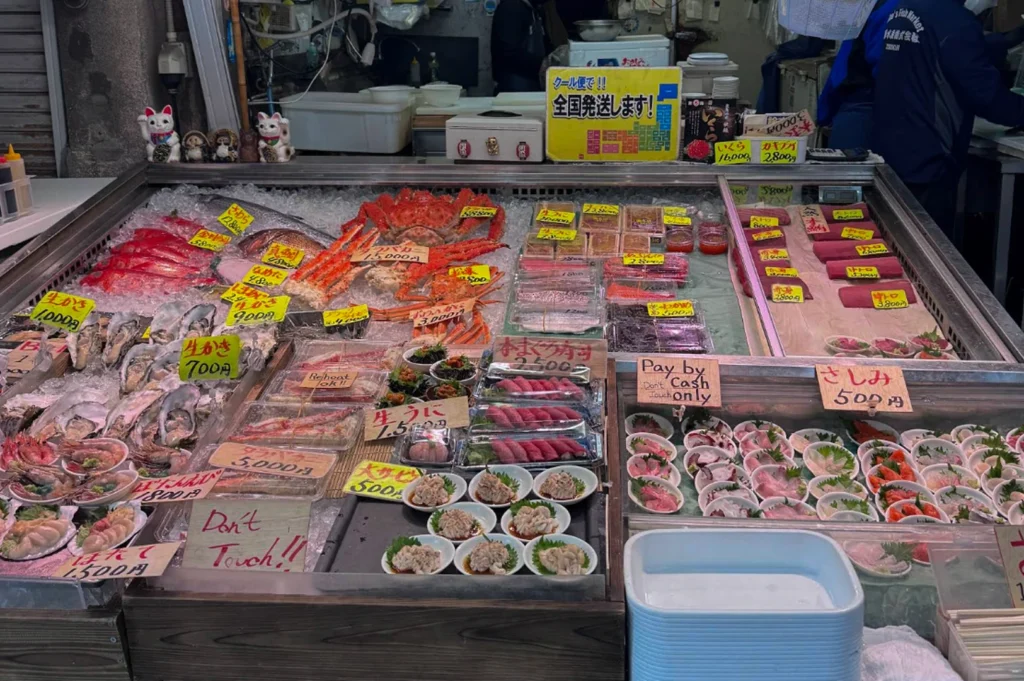
Over the decades, Tsukiji market grew into the largest fish market in the world. Its sheer scale was staggering, but its true influence lay in the standards it set. It became the ultimate benchmark for quality. Chefs from all over Tokyo, and eventually from around the globe, looked to this specific marketplace to understand what peak freshness actually meant.
The volume of fresh seafood moving through the facility was huge. Yet, despite the massive quantities, the focus on individual quality never wavered. When a chef wanted to serve the very best to their guests, they knew they had to source it from the trusted vendors here. This relentless pursuit of excellence is what ultimately elevated sushi from a simple street food into a globally respected culinary art form. The rigorous standards maintained by the buyers and sellers directly influenced how people eat seafood today.
Inside the Daily Rhythm of the Tsukiji Market
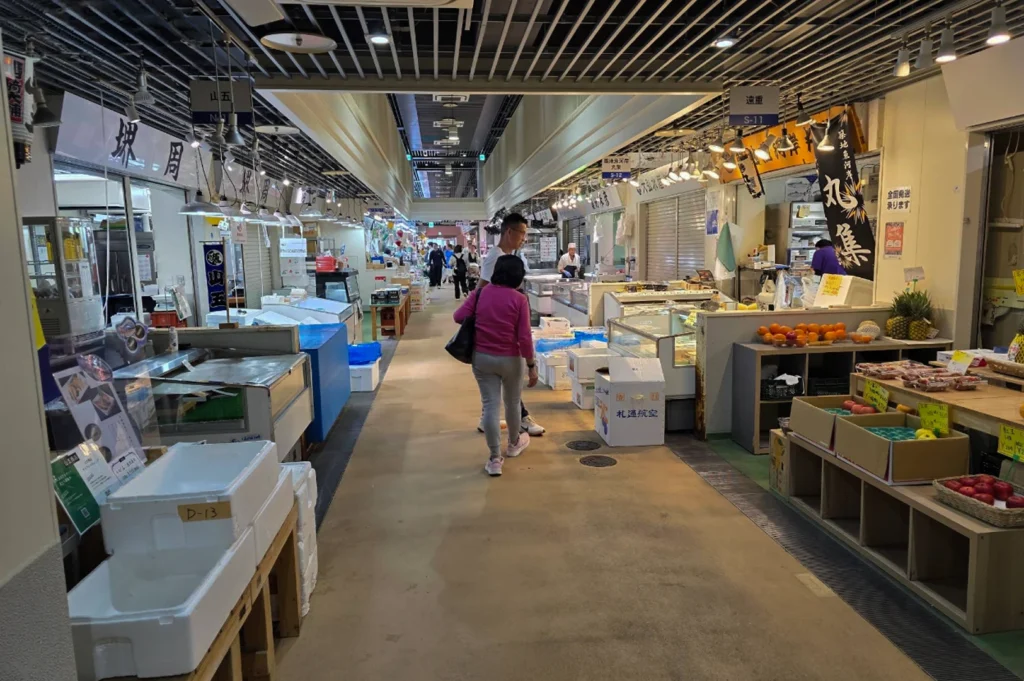
To understand the soul of theTsukiji market, you have to imagine the early morning hours. Long before the sun came up, the inner market was already alive with intense, purposeful energy. The famous tuna auction was the heartbeat of the daily operation. Buyers would carefully inspect the massive fish laid out on the floor, evaluating the fat content, texture, and color with a quiet, practiced eye.
There was no wasted movement. The auctions moved at lightning speed, with a specialized language of hand signals and sharp calls determining the price of each catch. Once a fish was sold, it was immediately moved through the narrow aisles. Wooden carts and motorized vehicles navigated the tight spaces with startling precision. The people working the stalls processed the seafood with incredible speed and care, ensuring that the delicate flesh remained pristine. It was an environment of loud voices and quiet expertise, where reputations were built entirely on the ability to recognize true quality.
The Role of Tsukiji in Shaping Omakase
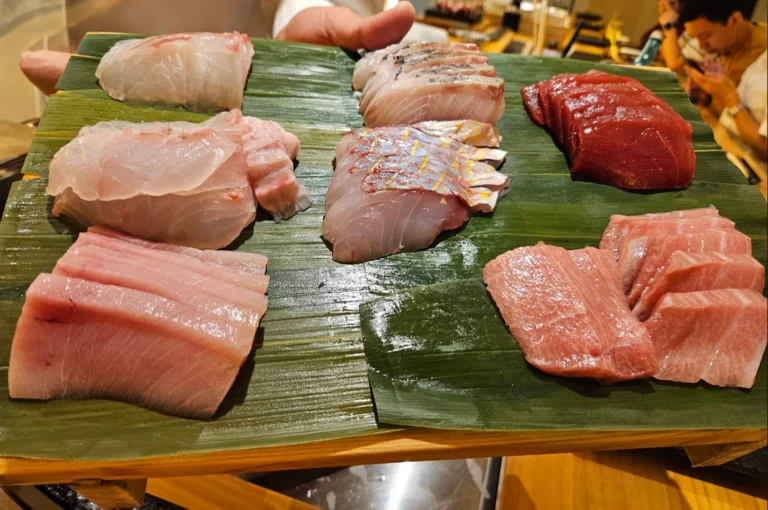
This daily rhythm directly shaped the omakase culture we cherish today. The word omakase roughly translates to entrusting the chef with your meal. But the chef, in turn, entrusted the market. The menus at top-tier sushi restaurants were never fixed; they were entirely dependent on what the ocean provided and what the trusted suppliers secured that same day.
A chef would walk the wet streets of the market area, visiting specific vendors they had known for years. They would discuss the subtle changes in the season. They would look at the firm flesh of a seasonal catch and decide how to prepare it later that evening. The trust between the chef and the supplier was absolute. This meant that when you sat down to eat sushi, you were tasting the result of a relationship built on mutual respect. The chef’s ability to serve you the perfect slice of fish over seasoned rice was only possible because a dedicated professional had sourced it for them hours earlier.
More Than a Market, A Training Ground Before the Move to Reclaimed Land
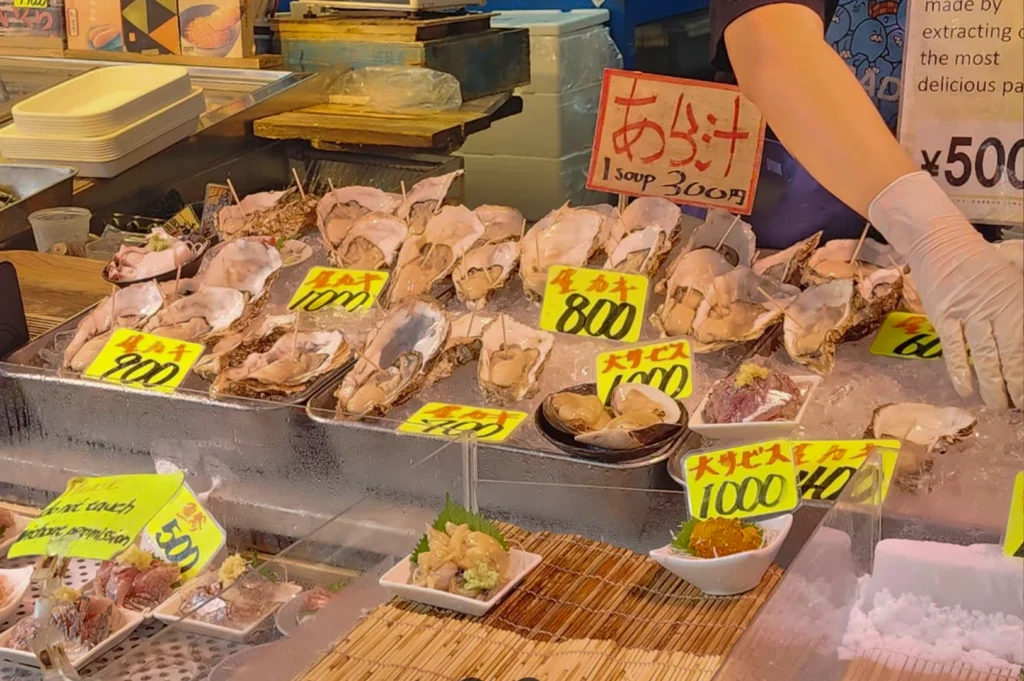
The market was also an irreplaceable training ground for generations of culinary professionals. Young apprentices would often accompany their masters to the stalls. They would watch how the vendors handled the seafood. They learned how to read the clarity of a fish’s eye and the firmness of its scales. They observed the exact techniques used to break down massive cuts into small portions with zero waste.
The discipline required to navigate this environment became part of a chef’s fundamental character. They learned that serving excellent food requires a deep and enduring respect for the ingredients. The market taught them that there are no shortcuts to true quality. Every single day was an education. The lessons learned on those wet concrete floors are still being practiced today by the chefs standing behind the most respected wooden counters. For example, the precise knife work and the careful temperature control of ingredients are direct descendants of the practices perfected there.
The Transition to Toyosu Market
As the years passed, the original infrastructure began to age. The traditional, open-air nature of the facility, while rich in history and atmosphere, could no longer meet modern logistical and hygiene demands. In 2018, the difficult decision was made to relocate the main wholesale operations. The new site was the Toyosu market, a state-of-the-art facility built on reclaimed land in Tokyo Bay.
The new Toyosu market represents the future. It is a highly structured, enclosed environment that prioritizes temperature control and strict sanitation. The transition marked the end of an era. The chaotic, visceral energy of the old inner market was replaced by the clean, efficient lines of modern architecture. While the new facility ensures that seafood remains safer and fresher than ever before, it is impossible not to feel a quiet reverence for the historic grounds that preceded it. The move was necessary, but it fundamentally changed the physical landscape of the seafood trade.
What the Tsukiji Outer Market Remains Today
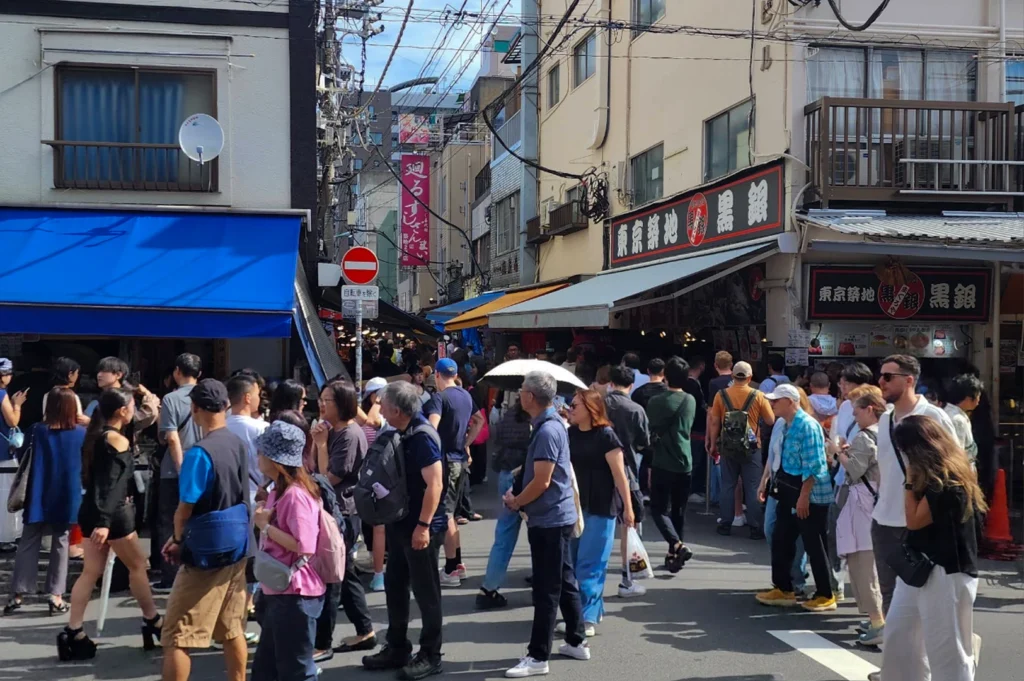
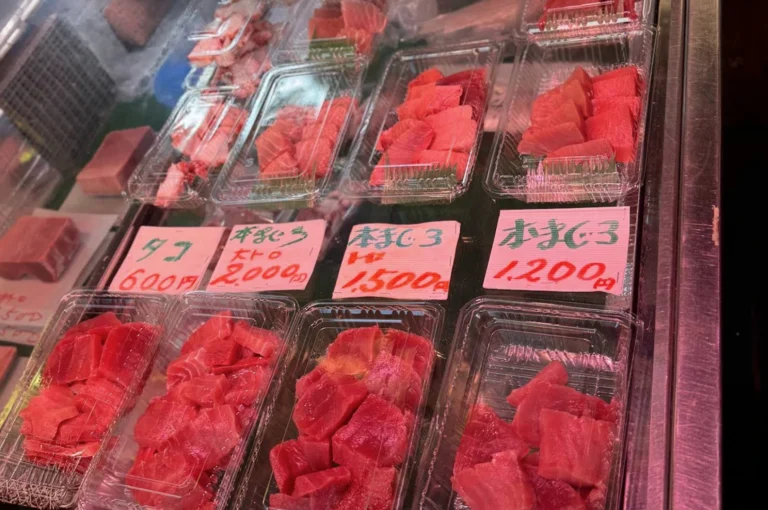
Even though the wholesale operations moved to Tokyo Bay, the spirit of the old location has not completely vanished. The Tsukiji outer market remains a vibrant and active destination. This area, located just a few blocks from Tsukiji station and an easy short walk away, still pulses with life. It is an intricate maze of wholesale and retail shops, small restaurants, and busy stalls.
Today, visitors can still walk the narrow streets to experience a fraction of the historical atmosphere. You will find many shops selling everything from specialized kitchen knives to fresh produce and dried goods. The retail shops offer an incredible variety of snacks, drinks, and casual meals. By the early afternoon, the crowds of locals and tourists fill the area. You can eat delicious street food, find the best places to buy high-quality tea, or enjoy a fresh bowl of seafood right off the street. While it is no longer the central hub for the city’s top chefs, the outer market serves as a living, breathing monument to the area’s rich culinary past. It is completely free to explore, and you can easily navigate the many shops using Google Maps.
A Reflection on Your First Trip and Why Tsukiji Still Matters Today
When you think back to your first trip to Japan, or when you imagine what it means to truly appreciate Japanese food, you realize that the culture is built on deep foundations. The old market matters today because it established the uncompromising standards that define omakase premium dining. It created a global expectation for what fresh seafood should look and taste like.
The people who worked there did not just sell fish; they helped create an entirely new culinary standard. They taught the world to appreciate the subtle, natural flavors of the ocean. Every time a chef presents you with a delicate piece of sushi, they are honoring the legacy of that historic marketplace. The exact location may have changed, and the daily auctions may now happen behind glass in a modern facility, but the philosophy remains exactly the same.
The next time you enjoy an omakase meal, take a moment to appreciate the quiet history behind the bite. The dedication to quality, the respect for the season, and the unbroken line of trust between the supplier and the chef all have roots in that bustling, historic market. Tsukiji may have physically transitioned, but its spirit literally lives on in every careful slice of fish served at a beautiful wooden counter. For those inspired by Tsukiji’s legacy and seeking an exceptional dining experience, exploring the top omakase restaurants in Singapore offers a modern continuation of this rich tradition.