Not every love story begins with a person.
Sometimes, it begins with an experience.
For many diners, the first encounter with omakase is driven by curiosity. They hear about the intimate setting, the carefully curated courses, and the chef-led experience. They book a seat expecting exceptional food. What they often do not expect is how deeply the experience will stay with them long after the meal has ended.
That is because omakase is not simply a style of dining. It is an art form—one that invites people to slow down, pay attention, and rediscover the joy of being fully present. And for those who embrace it, falling in love with omakase feels almost inevitable.
The beauty of omakase begins with trust.
The word itself translates to “I leave it up to you,” a simple phrase that carries remarkable meaning. In a culture where people are accustomed to endless choices, omakase asks diners to surrender control. There is no scanning through pages of menu options or debating what to order. Instead, guests place their confidence in the chef and allow the experience to unfold naturally.
What follows is often a refreshing change from the way many people dine today.
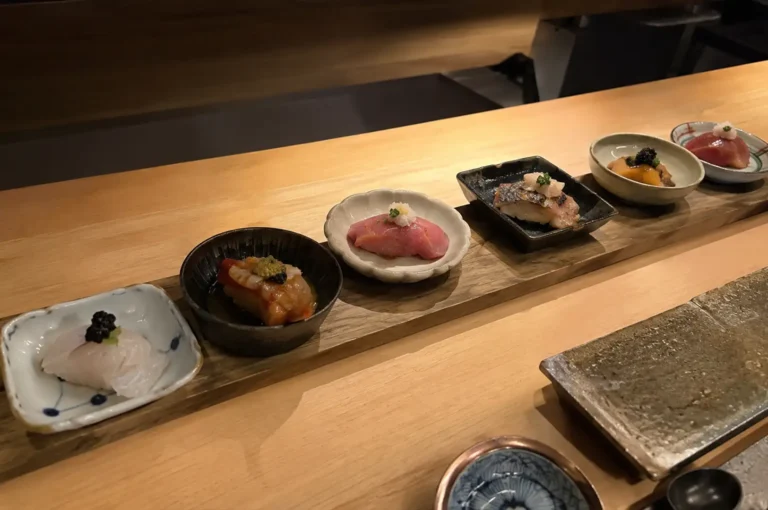
Each course arrives with purpose. Every ingredient has been selected for a reason. Every sequence has been carefully considered. Diners are guided through a culinary journey that reflects not only technical skill but also the chef’s philosophy, creativity, and personality.
This element of discovery is part of what makes omakase so captivating.
There is excitement in not knowing what comes next. Anticipation builds with each course, transforming the meal into a series of meaningful moments rather than a routine dining experience. Guests learn to appreciate subtle details—a particular texture, a seasonal ingredient, or the balance between flavors that might otherwise go unnoticed.
Over time, many people realize they are not just enjoying the food. They are falling in love with the process.
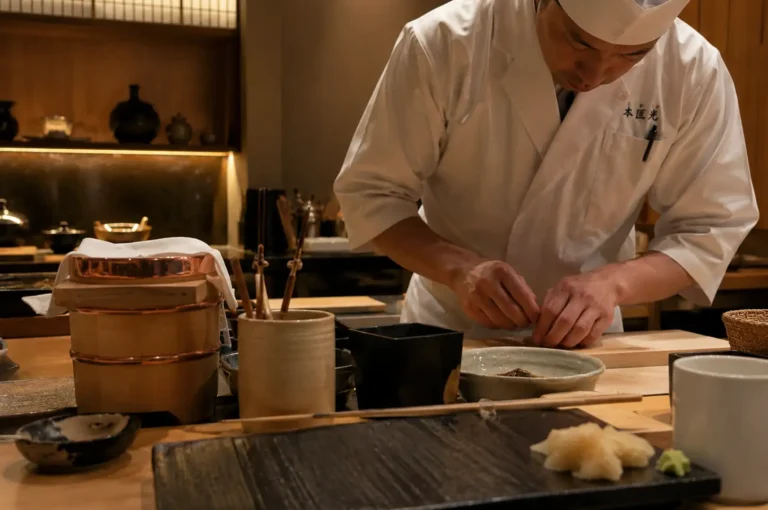
At the heart of omakase lies craftsmanship.
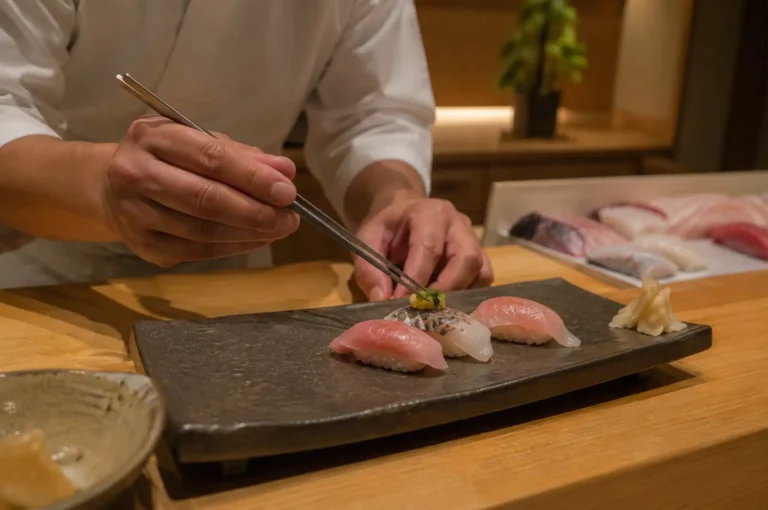
Every movement behind the counter reflects years of dedication and discipline. From preparing sushi rice to slicing fish with precision, the chef’s work combines technical mastery with artistic expression. Diners witness firsthand the care and intention that go into every bite.
Watching this process unfold creates a deeper appreciation for the meal itself. The experience becomes less about consumption and more about connection—to the ingredients, to the chef, and to the traditions that have shaped the craft over generations.
But perhaps what makes omakase truly special is its ability to create moments of genuine human connection.
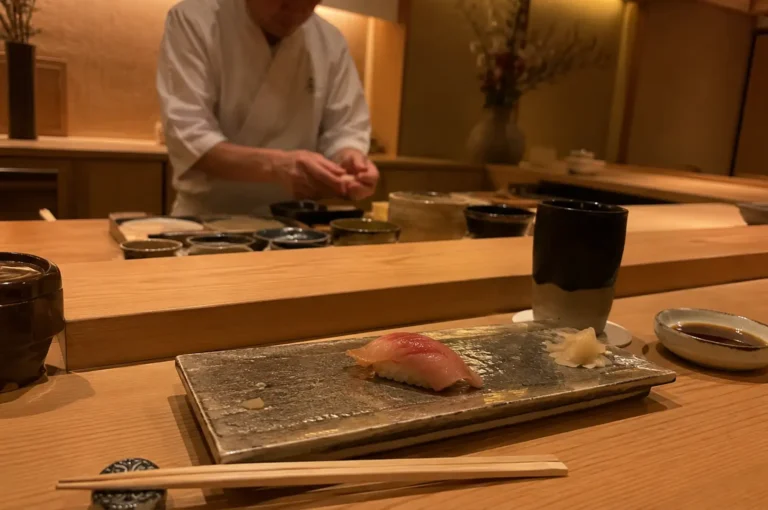
Unlike larger restaurants where interactions can feel distant, the omakase counter encourages conversation. Guests engage with the chef, ask questions, and gain insights into the ingredients and techniques behind each course. Stories are shared, recommendations are offered, and strangers sometimes leave feeling like friends.
These interactions add a layer of warmth that cannot be replicated through food alone.
The best omakase experiences are rarely defined by extravagance. They are defined by attention. Attention to detail, attention to seasonality, and attention to the people seated at the counter. Every element works together to create an atmosphere that feels personal rather than performative.
In many ways, omakase offers something increasingly rare in modern life: presence.
For a few hours, distractions fade into the background. Phones stay off the table. Conversations become more meaningful. The focus shifts entirely to the experience unfolding in real time. In a world that constantly demands attention elsewhere, that sense of mindfulness feels luxurious.
Perhaps that is why so many people return to omakase again and again.
What begins as an interest in exceptional food often develops into something deeper—a genuine appreciation for the artistry, discipline, and philosophy behind the experience. Diners come to value not only what is served, but also the intention behind every course and every interaction.
Falling in love with the art of omakase is ultimately about more than dining. It is about learning to appreciate craftsmanship, trust the process, and find beauty in the details that are often overlooked.
And long after the final course is served, that appreciation remains.
Not merely as a memory of a great meal, but as a reminder that some of life's most meaningful experiences happen when we slow down, embrace the unknown, and allow ourselves to be fully present in the moment.