The most memorable parts of an omakase meal are not always the most obvious.
Sometimes, it is a small detail that stays with a diner long after the final course.
It might be the precise temperature of the sushi rice, the way a particular fish has been sliced, or a subtle seasoning that brings out a flavor that might otherwise remain hidden.
These details may seem minor, but together they shape the experience.
Timing is another important part of the meal.
A course served at the right moment can feel completely different from one that arrives too early or too late. The chef considers the natural pace of the meal, allowing diners enough time to enjoy one course before moving on to the next.
Presentation also plays its part.
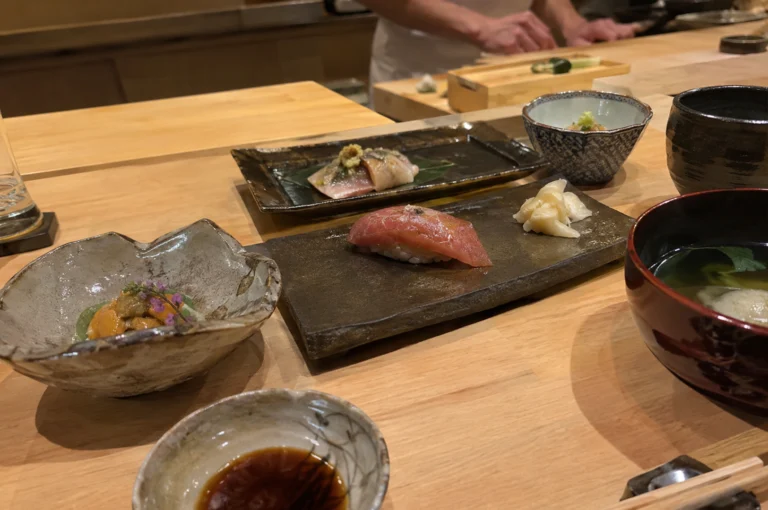
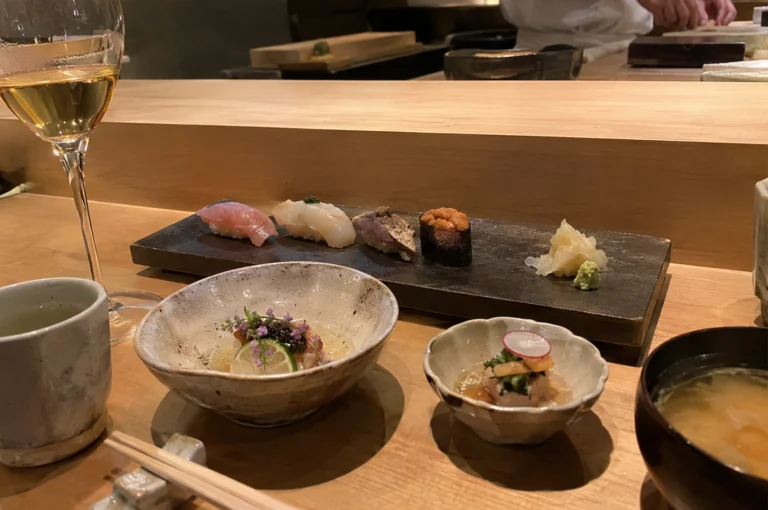
A carefully placed piece of sushi, a seasonal garnish, or the choice of serving vessel can add context without taking attention away from the ingredient itself.
Even the atmosphere contributes to the memory.
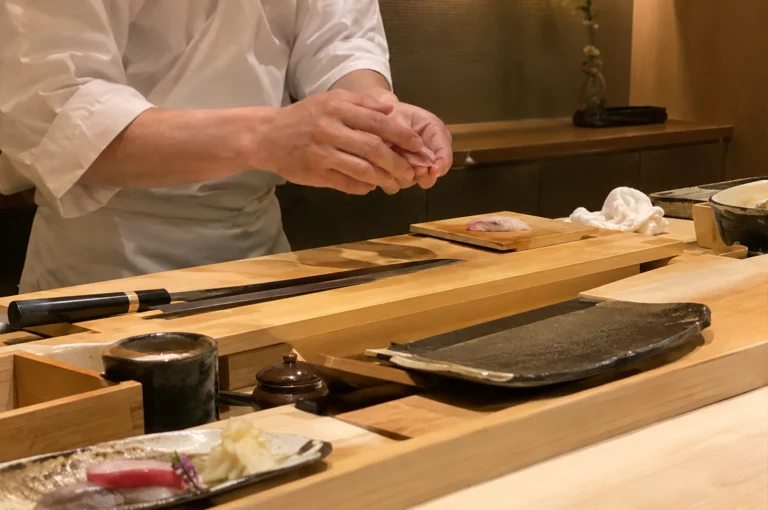
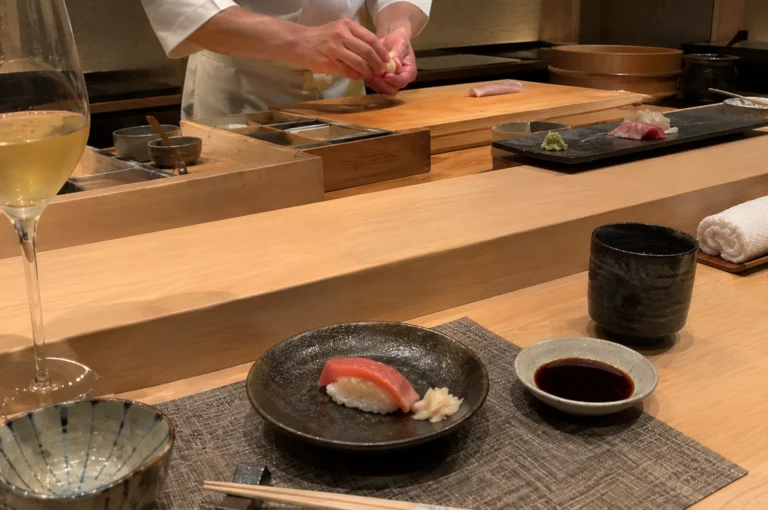
The quiet movement behind the counter, the sound of preparation, and the occasional conversation between chef and diner can become part of the evening.
None of these details necessarily stand alone.
It is the way they come together that gives an omakase meal its character.
For food lovers, this attention to the little things is often what separates a satisfying meal from an experience worth remembering.
The food may be what brings guests to the counter, but it is often the details that make them think about returning.