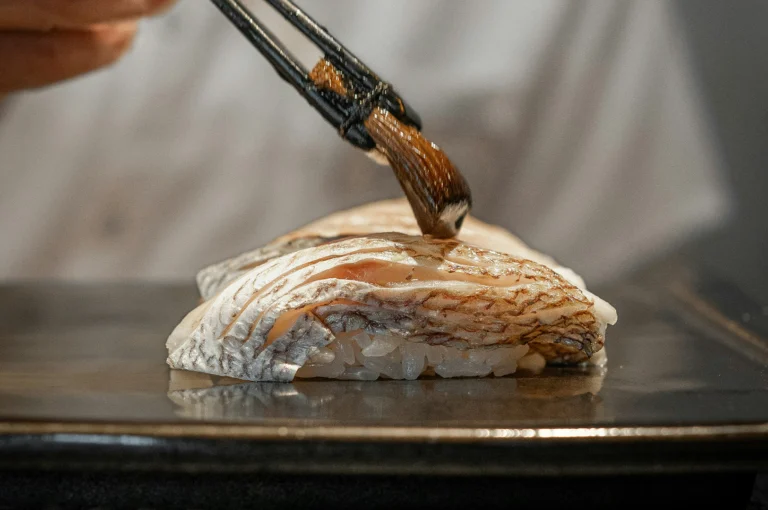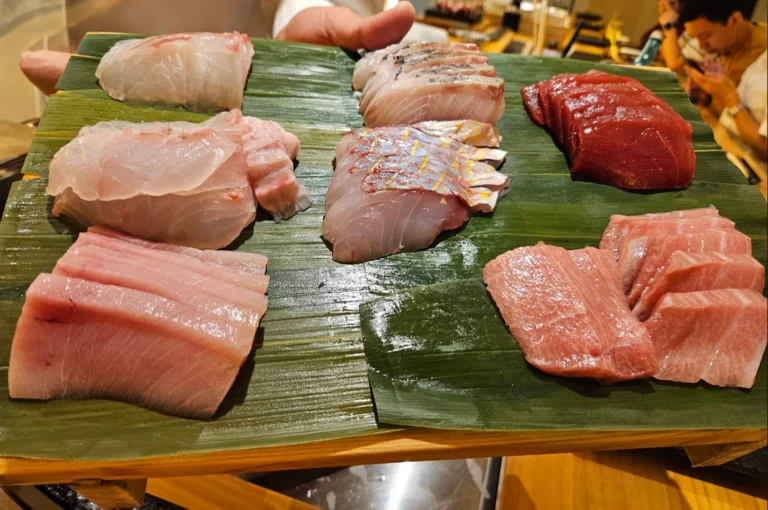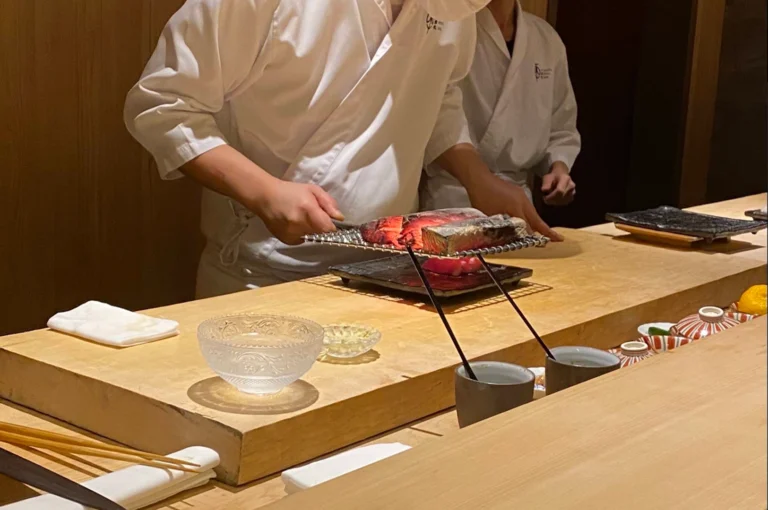
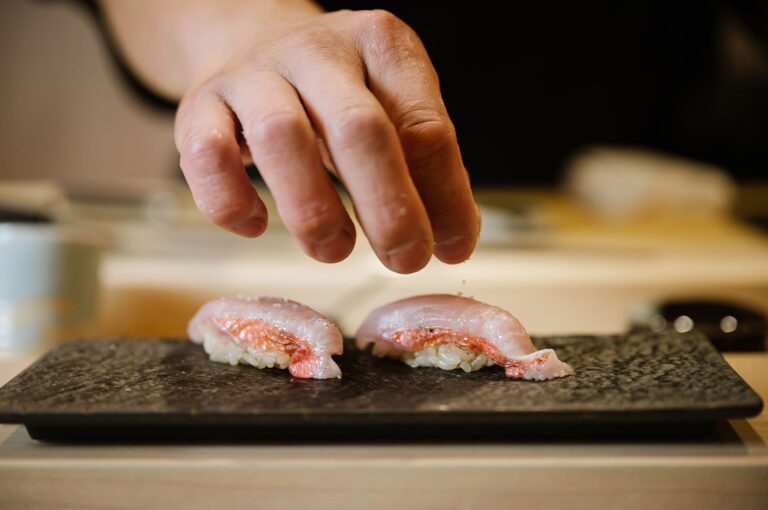
Singapore’s omakase scene has undergone a remarkable transformation in recent years. What was once the exclusive domain of high-end dining has evolved into an accessible culinary adventure, with exceptional affordable omakase menu options now available throughout the city. Finding quality cheap omakase Singapore options under $100 isn’t just possible, it’s a thriving reality that offers both locals and tourists the chance to experience authentic sushi omakase craftsmanship without the premium price tag.
Affordable Omakase Options in Singapore for full Dining Experience
| Jun Omakase | A refined omakase restaurant offering seasonal Japanese ingredients and expertly crafted Edomae-style sushi. |
| Sushi Yujo | An intimate sushi destination known for its authentic omakase experience and premium seasonal seafood. |
| Sushi Muni | A contemporary omakase restaurant showcasing elegant Japanese craftsmanship and seasonal flavors. |
| Miraku | A Japanese dining destination offering quality omakase menus alongside fresh seasonal specialties. |
| Sushi Seizan | A refined sushi restaurant specializing in traditional Edomae omakase with carefully selected ingredients. |
| Sushi Ayumu | An intimate omakase restaurant delivering a personalized dining experience with premium seasonal seafood. |
| Sushi Kyuu | A modern omakase restaurant featuring thoughtfully prepared sushi and seasonal Japanese delicacies. |
| MIYU | A contemporary Japanese restaurant offering refined omakase courses crafted with fresh seasonal ingredients. |
| Tatsuya Japanese Restaurant | A long-standing Japanese restaurant renowned for its authentic cuisine and premium omakase experience. |
Budget-Friendly Omakase Counters in Singapore ($60–$80)
These are some of the most accessible cheap omakase Singapore options that still deliver a real omakase dining experience. Expect intimate counter seats, chef-led progression, and thoughtfully curated omakase menus ranging from light lunch courses to fuller dinner options without the hefty price tag.
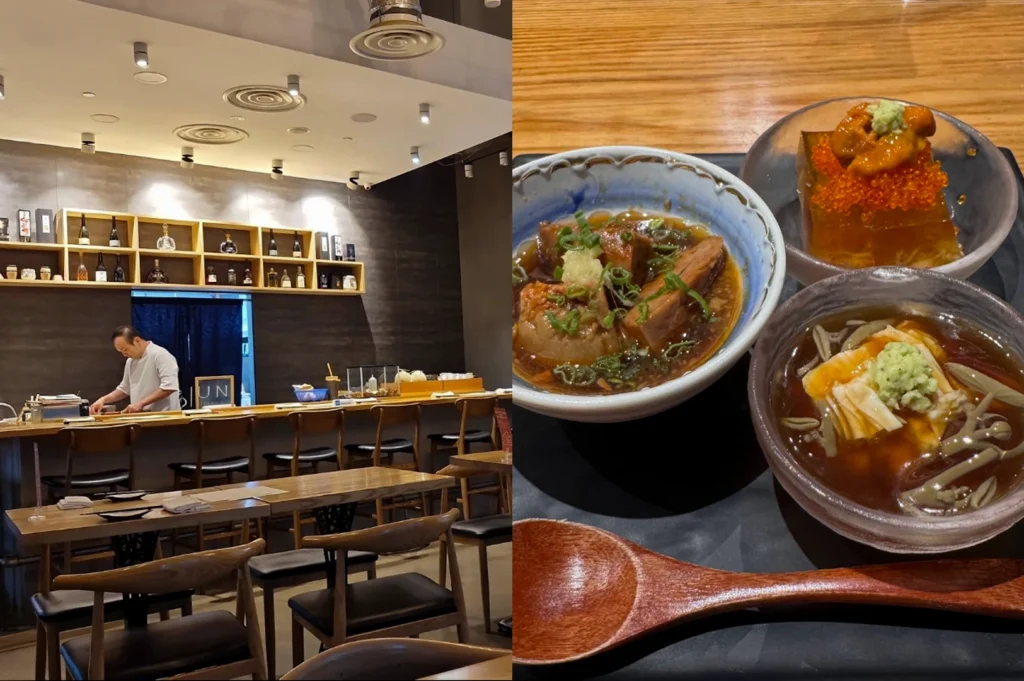
1. Jun Omakase — Affordable Precision in a Refined Counter Setting
- Location: Tanjong Pagar (near Orchid Hotel)
- Price Range: ~$68 per person
- Opening Hours: Lunch & Dinner (limited lunch seatings)
- Style: Edomae-style sushi omakase
- Chef: Headed by experienced Japanese-trained chefs
Jun Omakase stands out as one of the most reliable omakase restaurants in Singapore, especially for those seeking a good omakase without stretching into premium territory. The space is built around a proper sushi counter, where diners are guided through a sequence of carefully timed sushi courses and seasonal appetisers. It’s a setting that feels intimate yet approachable, ideal for both first-time diners and regulars exploring affordable omakase experiences.
The omakase menu features a balanced progression of seasonal sashimi, assorted sashimi, and expertly formed nigiri sushi, with highlights like aburi sushi, chopped fatty tuna, and occasional indulgences such as sea urchin depending on seasonal availability. The chefs pay close attention to sushi rice, ensuring each bite reflects proper Edomae technique, lightly seasoned, warm, and paired precisely with the freshest seasonal ingredients. Whether you opt for a lunch omakase or a more complete dinner omakase, the experience remains consistent and thoughtfully executed.
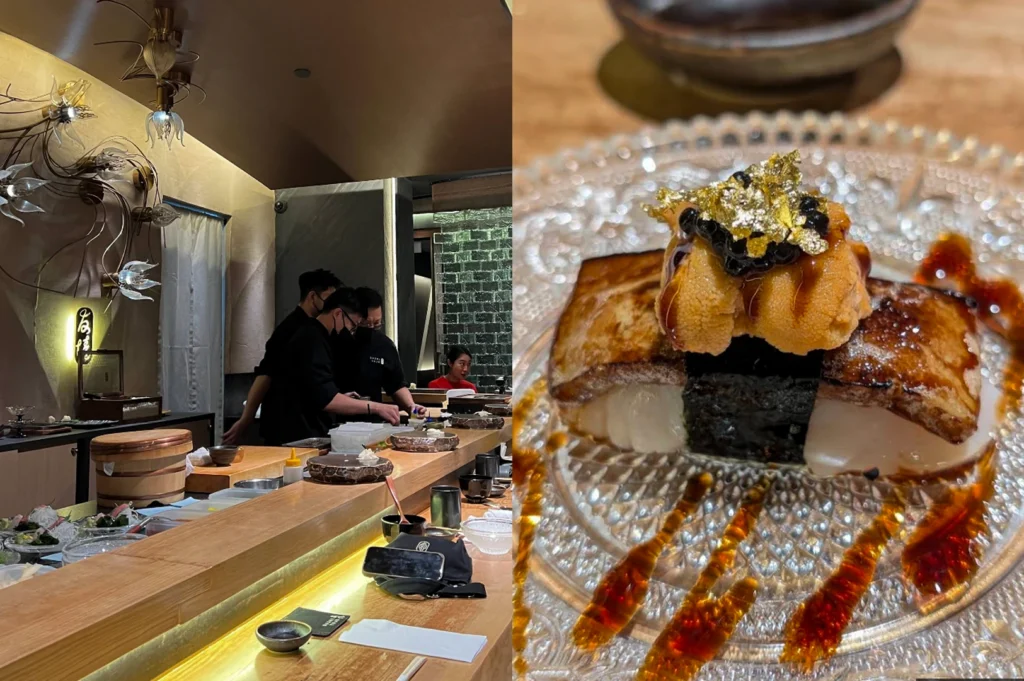
2. Sushi Yujo — Modern Omakase with Strong Value and Technique
- Location: Central Singapore
- Price Range: ~$78 per person
- Opening Hours: Lunch and Dinner session
- Style: Modern Edomae with contemporary touches
- Seating: Limited counter seats
Sushi Yujo has quickly built a reputation among omakase places in Singapore for delivering a polished yet approachable omakase experience. The restaurant offers a focused sushi counter concept where each course is presented directly by the chef, maintaining the essence of traditional omakase dining while incorporating subtle modern elements.
The omakase meals here revolve around seasonal ingredients sourced with attention to quality, featuring seasonal sushi, fresh seafood, and occasional hot dishes to break the rhythm of raw courses. Expect a thoughtful lineup of nigiri sushi, lightly torched selections, and rich bites like overflowing ikura rice when available. Compared to many Japanese restaurants in this price range, Sushi Yujo feels more deliberate, making it a strong contender for those looking to experience a proper sushi omakase without committing to higher-tier pricing.
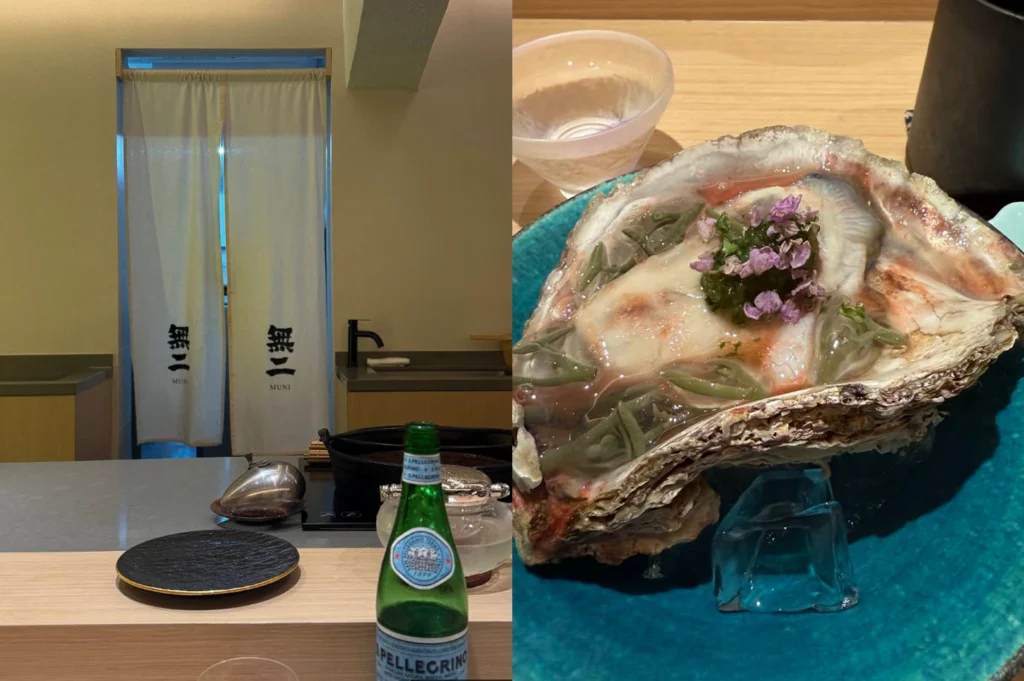
3. Sushi Muni — Quietly Refined Counter for Authentic Omakase Dining
- Location: Singapore (city area)
- Price Range: ~$80 per person
- Opening Hours: Lunch menus and dinner starts available
- Style: Traditional Edomae sushi
- Chef: Dedicated sushi chef focusing on classic technique
Sushi Muni represents the understated side of authentic Japanese restaurants in Singapore. It doesn’t rely on hype but instead focuses on delivering a consistent and intimate omakase menu built around precision and respect for Japanese cuisine traditions. The restaurant’s limited counter seats ensure a close interaction between chef and diner, reinforcing the essence of a true omakase experience.
The progression typically includes seasonal appetisers, assorted sashimi, and a steady flow of sushi courses built on carefully prepared sushi rice. The emphasis here is on balance rather than extravagance, clean cuts of fish, proper seasoning, and a calm pacing that allows each course to stand on its own. For diners seeking affordable omakase that leans toward traditional execution rather than experimental flair, Sushi Muni delivers a quietly confident experience.
Sweet Spot Omakase Counters in Singapore ($80–$120)
This is where cheap omakase Singapore truly becomes a complete omakase dining experience. At this level, most omakase restaurants offer a full progression of omakase courses, better seasonal ingredients, and more refined chef techniques, making it the ideal range for both lunch omakase and dinner omakase occasions.
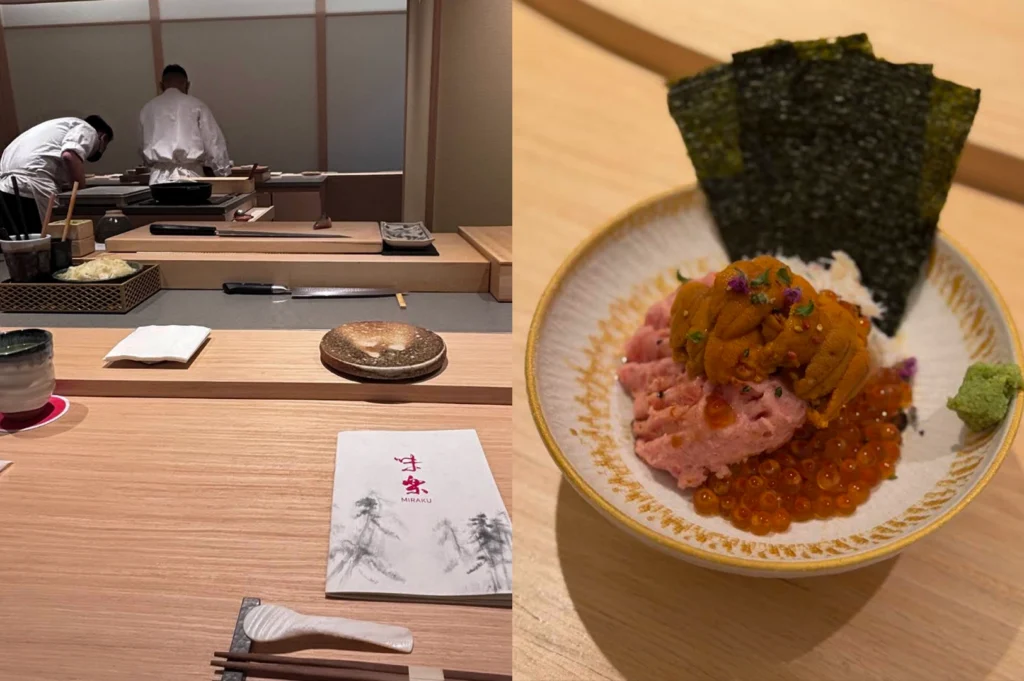
1. Miraku — Intimate Omakase Counter at Icon Village
- Location: 12 Gopeng Street, Icon Village, Singapore 078877
- Price Range: From around $88 to $108
- Opening Hours: Monday to Saturday, lunch 12:00pm–3:00pm and dinner 6:00pm–10:00pm
- Style: Japanese omakase with seasonal seafood and chef-led counter service
- Seating: 18-seat U-shaped wood counter
Miraku offers a polished and modern Japanese omakase experience that balances quality and approachability. Situated near Fraser China Square, this intimate 18-seat U-shaped counter provides a personal setting where diners can enjoy seasonal seafood and expertly prepared sushi.
The omakase menu highlights fresh ingredients flown in daily from Japan, including from the renowned Toyosu Market. Miraku’s offerings feature a thoughtful progression of seasonal sashimi, nigiri sushi, and occasional warm dishes, creating a well-rounded dining experience. With lunch options priced between $80 and $120, Miraku fits perfectly into the sweet spot for affordable yet complete omakase dining in Singapore, making it a popular choice for those seeking quality without the premium price tag.
2. Sushi Seizan — Technique-Driven Omakase with Seasonal Precision
- Location: Singapore (city area)
- Price Range: ~$100–$120 per person
- Opening Hours: Lunch seatings and dinner options available
- Style: Edomae sushi with refined technique
- Chef: Experienced Japanese chef specialising in traditional sushi craft
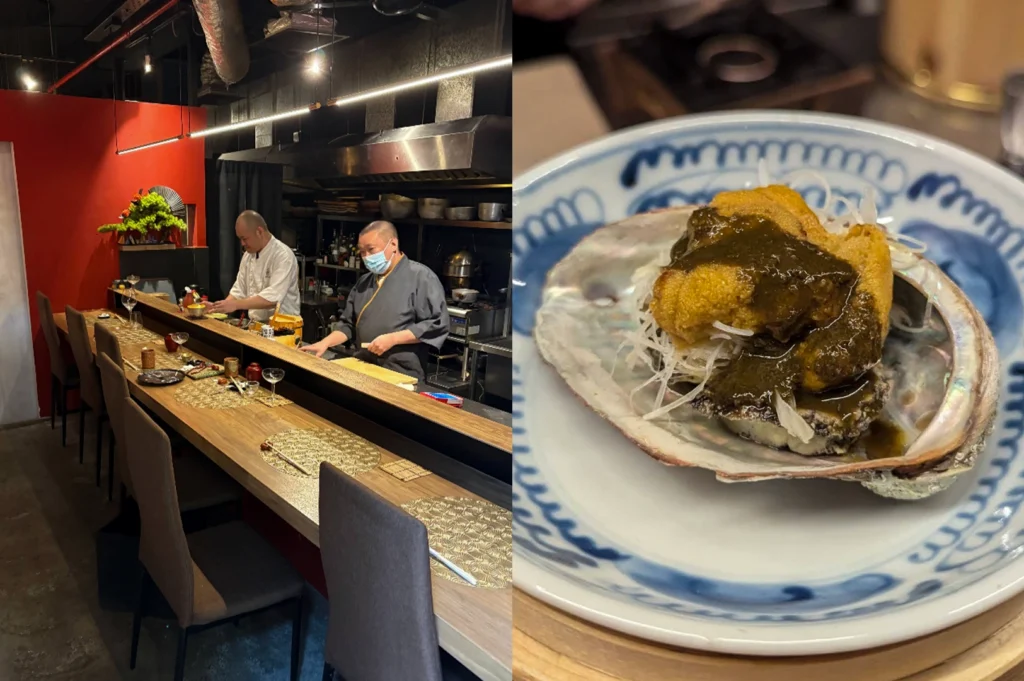
Sushi Seizanstands out for its strong emphasis on technique and ingredient quality, positioning itself as one of the more serious omakase places within this price tier. The setting is intimate, with limited counter seats designed to highlight the chef’s craftsmanship and the rhythm of the omakase dining experience.
The progression of omakase meals focuses heavily on freshest seasonal ingredients, presented through clean assorted sashimi and carefully formed nigiri sushi. Each piece reflects attention to detail, from knife work to the temperature and seasoning of the sushi rice. Unlike more casual Japanese restaurants, Sushi Seizan leans toward a purist approach, offering a focused gastronomic journey that prioritises balance, subtlety, and traditional Edomae expression.
3. Sushi Ayumu — Refined Boutique Omakase for Intimate Dining
- Location: Singapore
- Price Range: ~$98–$120 per person
- Opening Hours: Lunch menus and dinner starts available
- Style: Modern Edomae with refined touches
- Seating: Limited seating sushi counter
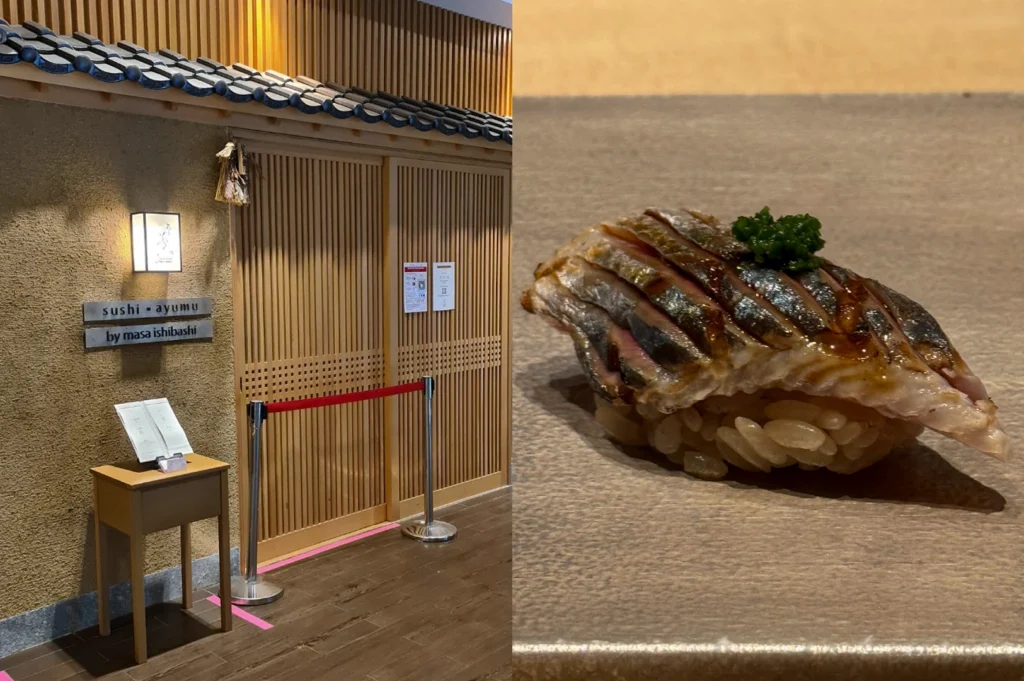
Sushi Ayumu offers a more boutique take on the omakase experience, appealing to diners who value intimacy and refinement. With its small seating capacity and chef-led format, it delivers a personalised approach that aligns closely with the essence of traditional omakase dining.
The omakase menu here showcases a curated sequence of seasonal produce, seasonal sushi, and elegant sushi courses that move fluidly between lighter and richer flavours. Diners can expect highlights such as delicately torched aburi sushi, premium cuts of fish, and occasional indulgent additions depending on seasonal availability. Compared to larger omakase restaurants, Sushi Ayumu feels more controlled and intimate, making it particularly suitable for a date night or special occasion without stepping into premium pricing.
Premium Omakase Counters in Singapore ($120–$150)
This tier represents the transition into more refined sushi omakase experiences, where omakase menus ranging across longer courses begin to showcase higher-grade ingredients, deeper technique, and more confident chef expression. These are ideal for diners seeking a more complete omakase dining experience for celebrations or special occasions.
1. Sushi Kyuu — Extended Omakase with Premium Ingredient Focus
- Location: Singapore
- Price Range: ~$120–$150 per person
- Opening Hours: Dinner session and limited lunch courses
- Style: Edomae sushi with modern touches
- Seating: Intimate counter setting
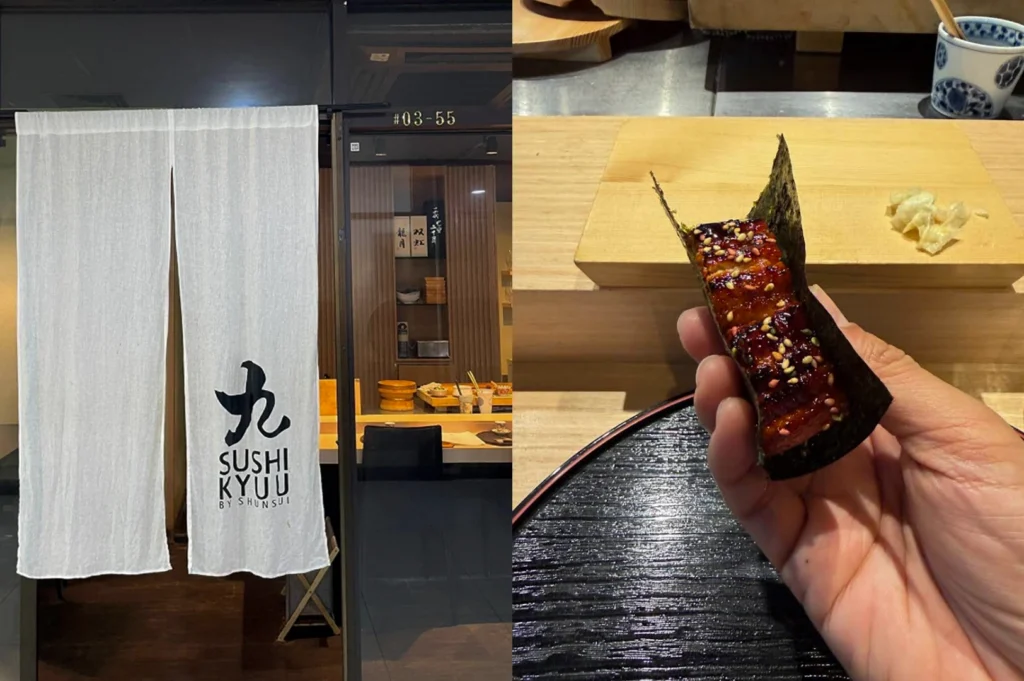
Sushi Kyuu has built a strong reputation as one of the go-to omakase restaurants for those seeking a more complete yet still affordable omakase experience. The restaurant is known for its longer omakase courses, often extending into a multi-stage progression that feels closer to premium omakase without crossing into luxury pricing.
The experience typically includes a generous lineup of seasonal sashimi, premium nigiri sushi, and richer offerings such as chopped fatty tuna, sea urchin, and signature rice bowls like overflowing ikura rice. The chefs place strong emphasis on sourcing and preparation, ensuring that each component, from fish to sushi rice, reflects quality and balance. This makes Sushi Kyuu a strong option for diners looking to elevate their omakase experience beyond entry-level offerings.
2. MIYU — Edomae Omakase at Dempsey Hill
- Location: 13A Dempsey Road, Singapore 247694
- Price Range: Lunch from $128; dinner omakase from $228
- Opening Hours: Daily, Lunch 12:00pm–3:00pm; Dinner 6:30pm–10:30pm
- Style: Edomae-style sushi omakase with seasonal ingredients from Japan
- Chef: Executive Chef Owner Ng Kam Kwan
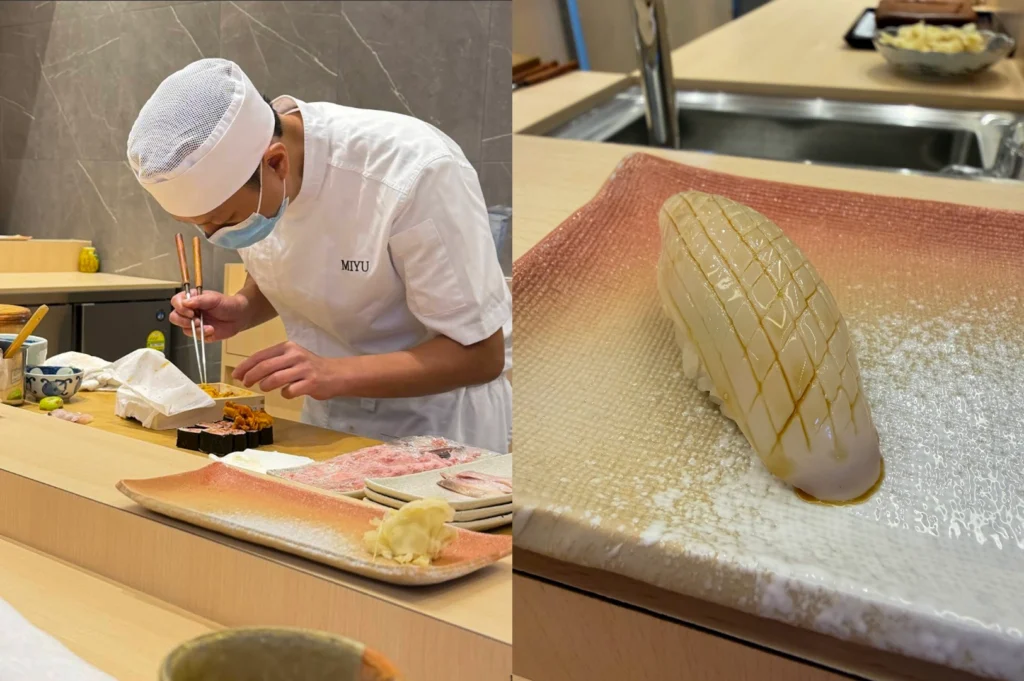
MIYU is one of the more refined names in Singapore’s mid-range omakase scene, offering a proper chef-led counter experience in the quieter setting of Dempsey Hill. Unlike broader Japanese restaurants that simply include omakase sets on the menu, MIYU focuses closely on Edomae-style sushi omakase, with seasonal ingredients from Japan, careful pacing, and direct interaction between chef and diner throughout the meal.
The omakase menu offers a structured progression of seasonal appetisers, seasonal sashimi, nigiri sushi, warm dishes, soup, and dessert, depending on the chosen menu and seasonal availability. The emphasis is on precision, balance, and ingredient handling, especially in the seasoning of the sushi rice and the preparation of each piece of sushi. With lunch omakase starting from around $128, MIYU fits well into the mid-range section for diners seeking an affordable omakase experience that still feels polished, intimate, and suitable for a special occasion.
3. Tatsuya Japanese Restaurant — Classic Omakase with Established Reputation
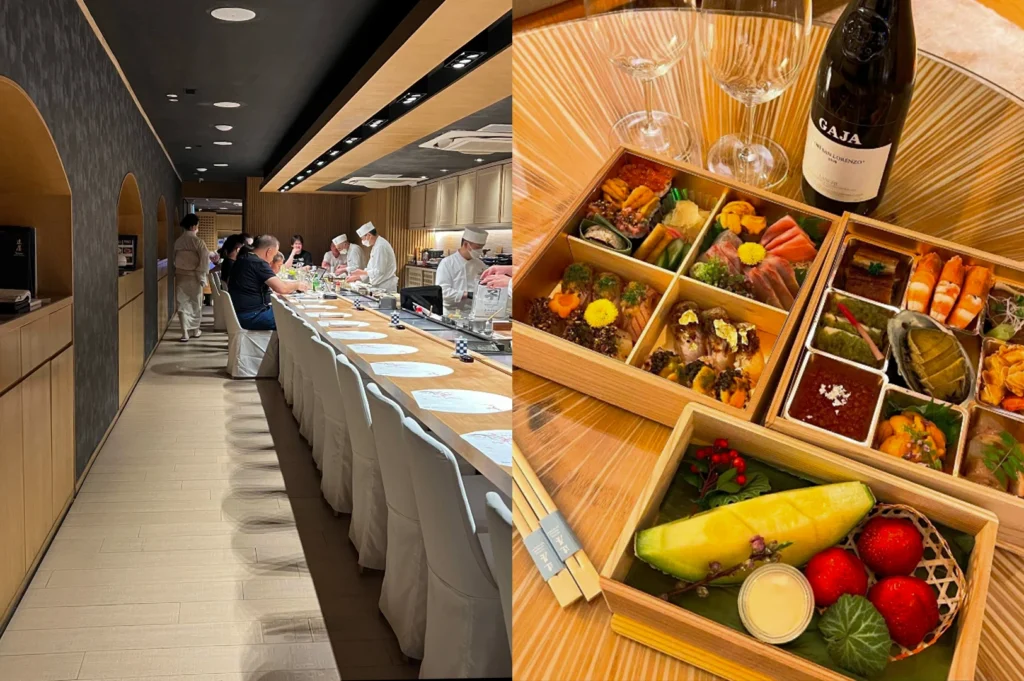
- Location: Goodwood Park Hotel / Central Singapore
- Price Range: ~$130–$150 per person
- Opening Hours: Lunch and Dinner options available
- Style: Traditional Japanese cuisine with omakase focus
- Seating: Sushi counter and restaurant setting
Tatsuya Japanese Restaurant is one of the more established names among authentic Japanese restaurants in Singapore, known for delivering a consistent and refined omakase experience over the years. While it operates within a broader Japanese restaurant setting, its omakase counter remains a key highlight for diners seeking a reliable and traditional approach.
The omakase menu offers a well-rounded progression of seasonal sashimi, sushi courses, and supporting dishes such as miso soup and warm plates. The emphasis is on balance and tradition rather than innovation, making it a dependable choice for diners who prefer a classic interpretation of Japanese cuisine. With its long-standing reputation and stable execution, Tatsuya remains a strong contender for those planning a special occasion or a more polished dinner omakase experience.
Cheap Omakase Guide: What Makes Omakase Affordable?
An affordable omakase keeps costs manageable through shorter menus, seasonal ingredients, and carefully selected seafood rather than using premium items in every course. A typical lunch omakase menu may feature five to seven omakase courses, including seasonal sashimi, nigiri sushi, cooked dishes, and miso soup.
Fixed lunch seatings, compact portions, and simpler ingredient combinations also help an omakase restaurant offer better value. While a dinner omakase menu may include sea urchin, fatty tuna, and more elaborate sushi courses, a cheaper menu focuses on freshness, balanced flavours, and quality sushi rice. This makes cheap omakase Singapore a practical way to enjoy authentic Japanese cuisine at a reasonable price.
Many affordable omakase spots focus on seasonal seafood and intimate settings with limited seating, enhancing personalized chef interaction. Reservations are recommended, especially on weekends, as these popular budget-friendly venues fill quickly.
How to Find Cheap Omakase in Singapore
Finding cheap omakase Singapore options often requires comparing lunch deals, promotions, and budget-friendly menus across different restaurants.
Lunch Deals
A lunch omakase menu is usually more affordable than a dinner omakase menu, especially during weekday lunch seatings. Tuesday through Thursday often provides better value, with shorter omakase courses and lower prices.
Promotions and Specials
Some omakase restaurant options offer weekday promotions, opening specials, or limited-time omakase sets. Checking official booking pages and restaurant social media can help diners find current offers.
Budget Options
Newer or lesser-known Japanese restaurant choices may offer an affordable omakase with seasonal sashimi, sushi courses, cooked dishes, and miso soup. Compare the full omakase menu, portion sizes, and included courses before booking.
Omakase Dining Etiquette Guide for Budget Diners in Singapore
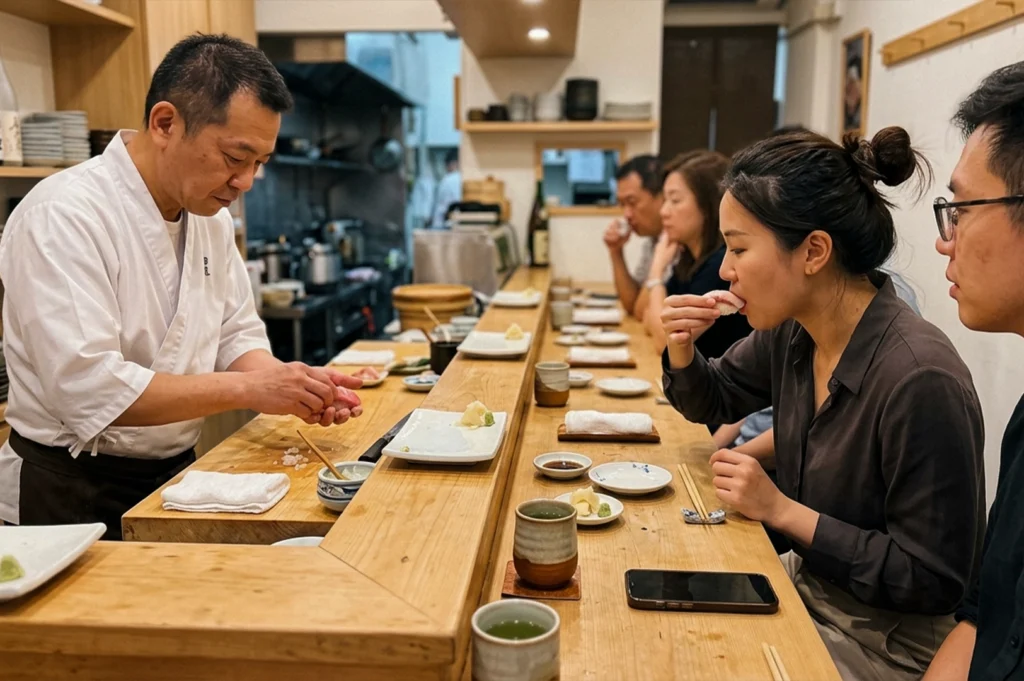
Proper omakase etiquette enhances the experience at affordable venues while respecting Japanese traditions.
- Timing and Punctuality: Arrive on time as courses start simultaneously; late arrivals disrupt tight schedules and perishable ingredients.
- Sushi Consumption: Eat each piece immediately for optimal taste and texture. Use hands or chopsticks as preferred, but avoid delays for photos.
- Interaction: Engage respectfully with chefs about ingredients and preparation without distracting them.
- Photography: Photography is usually allowed, but avoid flash and disruptive posing.
- Dietary Restrictions: Communicate any dietary needs during booking to allow proper preparation or alternatives.
The Evolution and Accessibility of Cheap Omakase in Singapore
Singapore’s cheap omakase scene continues evolving, with new venues regularly entering the market and established restaurants refining their value propositions. The combination of skilled chefs, quality ingredients, and competitive pricing creates opportunities for exceptional dining experiences across all budgets.
Whether seeking a business lunch omakase that impresses colleagues or a special dinner omakase that doesn’t strain finances, Singapore’s omakase options deliver authentic Japanese hospitality and culinary expertise. The key lies in understanding when to book, which venues match your preferences, and how to navigate the reservation systems that protect these valuable dining opportunities, especially when aiming for the best omakase Singapore has to offer.