There’s something almost magical about discovering that “affordable omakase” in Singapore isn’t about settling for less. It’s about finding those beautiful moments where a chef’s heart meets the ocean’s gifts. When I think about what makes these experiences so special, it’s the way skilled hands transform morning’s catch into something that speaks to your soul. The best value omakase isn’t born from compromise; it blooms from a chef’s gentle wisdom, their quiet relationships with Tokyo’s bustling markets, and their understanding of when each ingredient wants to shine brightest. A truly affordable omakase in Singapore feels like being welcomed into someone’s kitchen story where every piece tells you exactly why it chose today to be perfect.
This isn’t another list to check off. Instead, let me share the quiet rhythms that make these meals dance. The inner workings of ingredient cycles, how flavors seem to whisper their seasonal secrets, and the tender craft that ensures your counter seat becomes a front row to something beautiful. The chef’s choices flow with ki setsu, that lovely Japanese way of honoring each season’s unique gifts, letting every omakase experience breathe with the moment.
Come explore these gentle discoveries, peek at what makes each place special, and learn the soft etiquette that helps you not just taste, but truly feel the chef’s artistry drawn from our deeper journey through Singapore’s best-value omakase spots.
Affordable Omakase Singapore: Ingredient Sourcing as the Foundation of Value
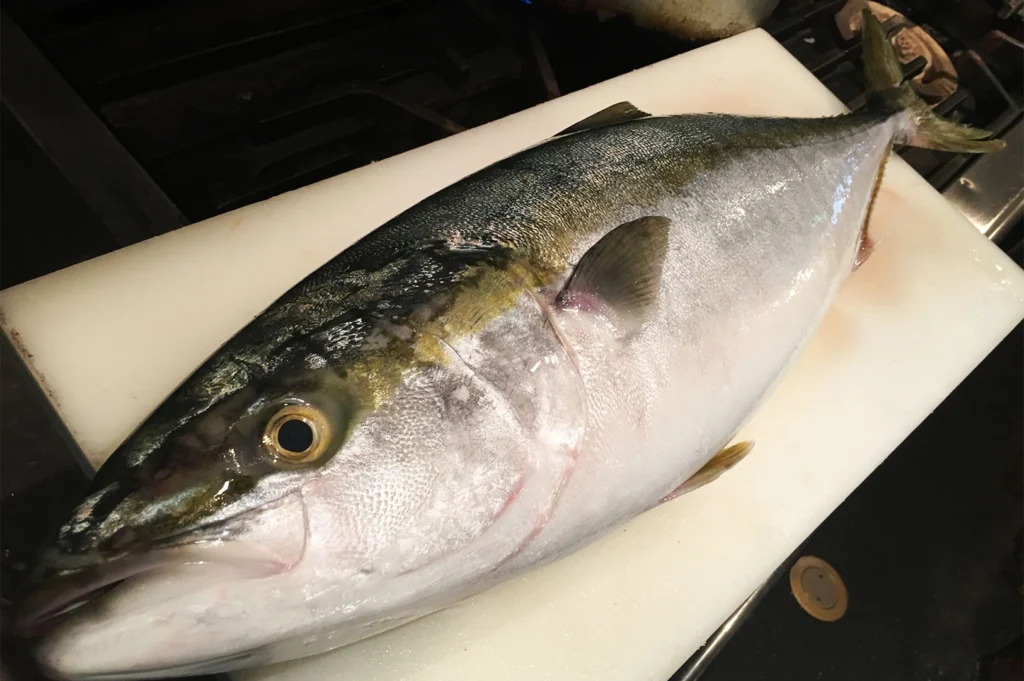
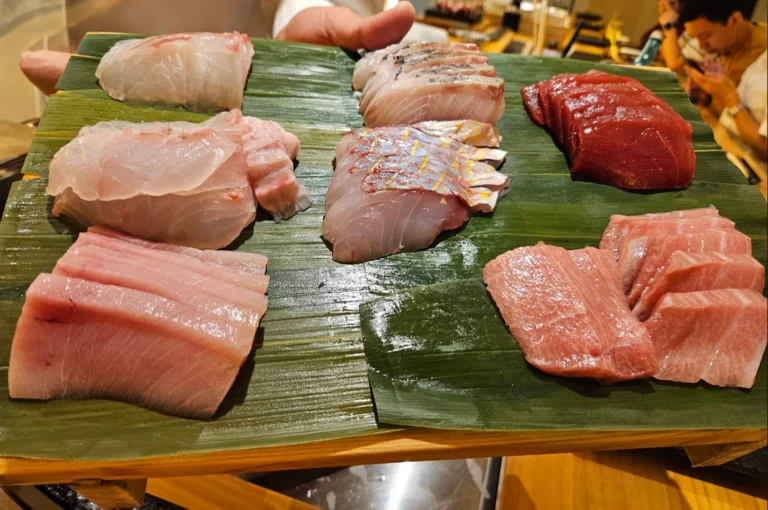
There’s something beautiful about watching a chef’s eyes light up when the morning’s delivery arrives. Behind every memorable omakase moment lives a quiet conversation between chef and sea where these treasures come from and why they were chosen just for today. Singapore’s most thoughtful chefs nurture gentle friendships with vendors in Tsukiji, Toyosu, and Hokkaido, their hearts tuned to weekly auctions and the soft shifts that mark each micro-season. They’re not just chasing famous names; they’re seeking those fleeting, perfect moments when lesser-known species reach their sweetest peak.
- Timing the Market: There’s poetry in how chefs follow shun, those brief, perfect windows when buri (winter yellowtail) grows rich and buttery, when sanma (autumn saury) carries the essence of cooler days, or when aji (summer horse mackerel) practically glows with sunshine. This gentle wisdom lets affordable omakase menus, from quick lunch escapes to more leisurely dinner conversations, capture something truly special because the chef knows exactly when to reach for the morning’s most beautiful catch before the world discovers it too.
- Beyond the Headlines: The real magic often lies in fish that don’t make the glossy magazines. Think kinmedai (golden eye snapper) with its sunset blush, or shima aji (striped jack) that seems to hold the ocean’s sweetest whispers. These come from regional fisheries where value and beauty dance together, far from metropolitan bustle.
- Flexible Menus: The most passionate chefs let their hearts follow what arrives each day. Lunch might showcase pristine white fish that won’t last until evening, or scallops so sweet they practically melt on your tongue. There’s something lovely about a carefully chosen seasonal appetiser that sets your heart ready for what’s to come.
- Ocean-to-Table Stories: You’ll hear gentle stories like, “This uni flew in just this morning,” or “These botan ebi came from Hokkaido’s coldest, clearest waters this week.” Each tale turns dinner into a quiet journey, with the chef as your guide through nature’s gentle rhythms, every dish presented like a small gift.
For the diner: You become part of the chef’s gentle dance with the seasons receiving something fresh and true at a fraction of evening’s more formal prices.
Lunch Omakase Menu: When Seasonal Sourcing Changes What’s on Your Plate
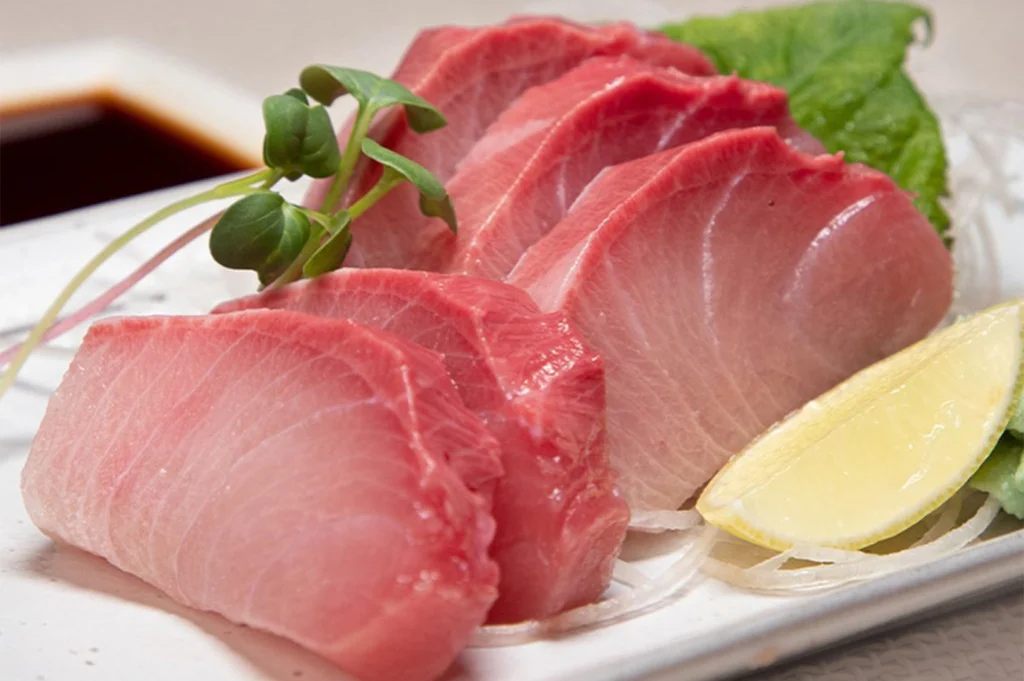
Singapore’s most heartwarming omakase affordable experiences don’t chase celebrity fish names. Instead, chefs let their menus breathe with Japan’s coastal rhythms, creating a variety of meals through seasonal omakase that unfold like gentle conversations with the ocean’s changing moods.
- Peak arrivals: Winter brings fatty buri and rich uni that seem to carry the season’s depth. Autumn whispers through sanma and saba, while spring awakens with tender shellfish like hotaru ika (firefly squid) and delicate sakura ebi.
- Value windows: When nature offers abundance like aji running sweetly through late summer chefs can be generous, sharing these gifts through lunch and early dinner sets that feel like gentle celebrations of the season’s generosity.
- Chef’s negotiations: Sourcing becomes a quiet art of relationships and trust. Chefs who work closely with smaller suppliers might introduce you to “wakai mono” young, underappreciated fish that carry surprising delights keeping prices gentle while opening new worlds of taste. Premium beef or other tender meat dishes sometimes join when the moment feels right.
Wallet impact: When you trust the chef’s gentle guidance toward daily specials and seasonal flights, you taste both value and a parade of flavors that would cost much more when sought out of their natural time.
Omakase Restaurant Insights: Reading the Omakase Menu and Ingredient-Led Value Signals
Those who dine with open hearts learn to feel past the number of courses, sensing the story, freshness, and quiet beauty in each gentle offering.
- Market Notes: Menus that whisper specific prefectures or “today’s catch” reveal a chef who speaks directly with the source, not just a middleman’s list. The flow and quality of sushi courses tells its own sweet story, especially when each piece highlights something precious and thoughtfully chosen.
- Season-Driven Swaps: You might notice otoro replaced by another beautiful fish, not as a shortcut, but because right now, in this moment, that other fish carries superior sweetness, texture, or richness. Otoro, treasured for its melting richness, often becomes the star of premium sushi courses when its moment arrives.
- Craft, not Expense: Budget omakase courses glow with touches like yuzu kissing the day’s best shiromi or miso gently warming a seared cut of something quietly special. These are whispers of craftsmanship and sourcing wisdom. Palate cleansers like pickled ginger appear like gentle pauses, letting your heart reset for each new flavor.
How to Speak Ingredient with the Chef at Your Omakase Restaurant
Curiosity warms a chef’s heart, but gentle respect opens doors. When you wonder about a nigiri’s story, try asking, “Where did this beautiful fish come from?” or “Is this the perfect season for something this special?” Your genuine interest honors the chef’s careful work and deepens the joy you’ll find in each thoughtful bite.
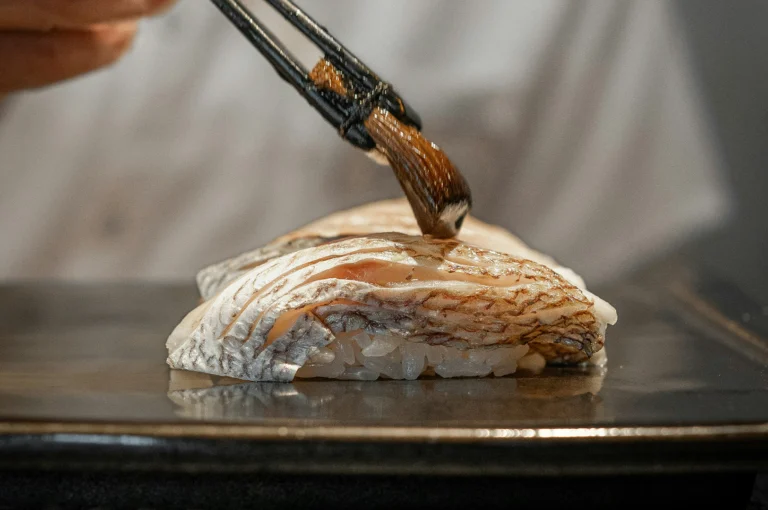
Another vital aspect that elevates affordable omakase experiences in Singapore is the chef’s ability to harmonize seasonal availability with innovative preparation techniques. This balance ensures that even lesser-known or humble ingredients shine with unique flavors and textures, often surprising diners with their depth and complexity. Whether it’s the delicate scoring of a seasonal fish to enhance its tenderness or the subtle infusion of house-made sauces that complement the natural umami, these thoughtful touches transform each dish into a memorable moment. Such craftsmanship not only honors traditional Japanese culinary principles but also makes affordable omakase a compelling choice for those seeking authenticity without compromising on quality.
Lunch Omakase and Dinner: Sourcing and Value in Practice at Sushi Masa and Other Omakase Restaurants
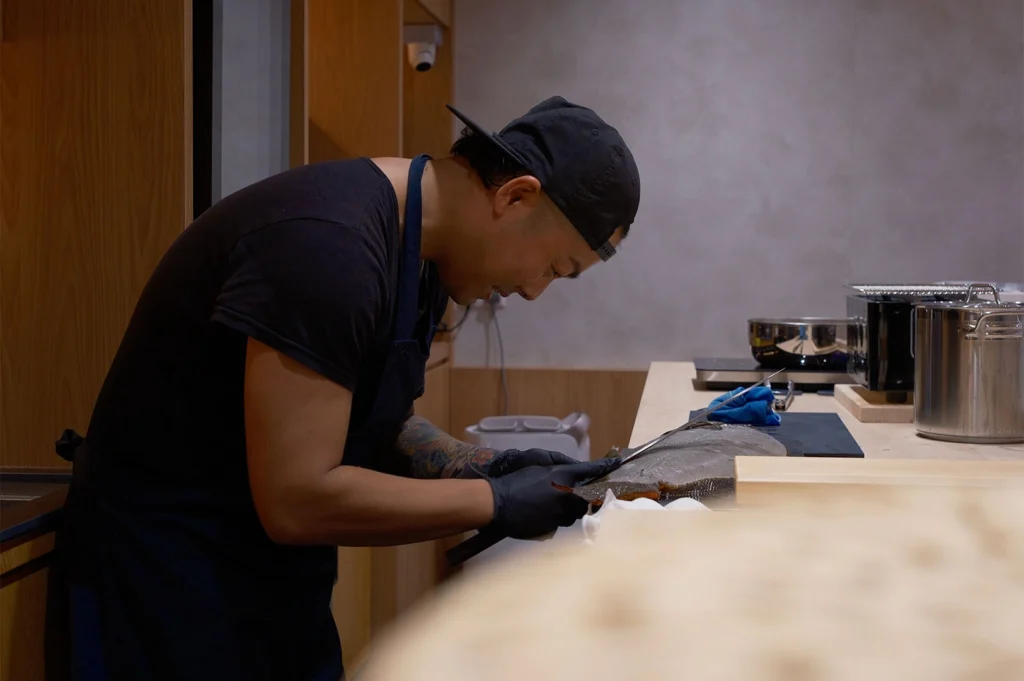
Lunch at Singapore’s omakase counters often captures the morning’s most beautiful arrivals at their gentlest prices. Chefs embrace these precious hours when ingredients shine in their perfect window or sometimes just hours after touching down from Tokyo. Seating feels different too; some venues offer more intimate evenings, changing how the whole experience breathes around you.
- Lunch’s edge: Sustainable catches, quietly beautiful shellfish, and quick-to-fade cuts find their moment at noon. Chefs can be generous because the day moves quickly, and freshness doesn’t wait. Lunch omakase might warm your heart with hot dishes like tempura, adding comfort and variety to your gentle journey.
- Dinner’s depth: Some treasures carefully crafted tsukemono, fish aged to perfect tenderness, specialty uni flights, or the famous overflowing ikura rice are nurtured through the day for evening’s more leisurely pace. Here, the chef might unveil premium discoveries or multi-step preparations too delicate for lunch’s quicker rhythm. A creative dessert sometimes appears like a sweet farewell, bringing the whole experience to a graceful close.
- Scenarios for consideration: Choose lunch when you want peak-fresh, market-driven bites and the warmest value. Choose dinner when you crave longer stories from chef Masa, slowly aged highlights, or a seat for witnessing ingredient transformation unfold.
The Intimate and Authentic Omakase Dining Experience
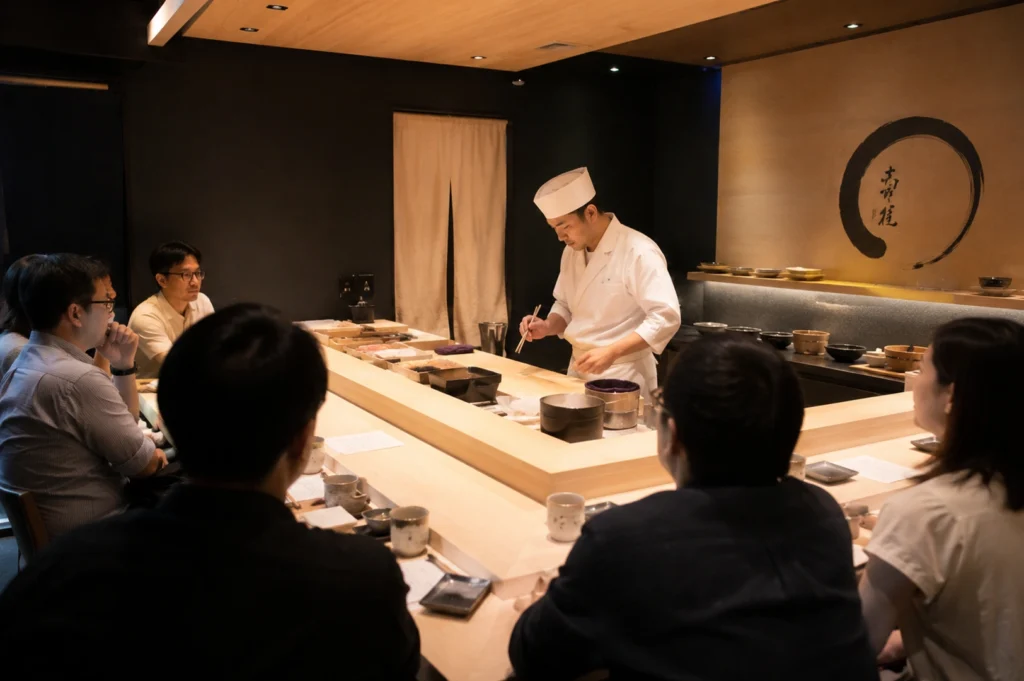
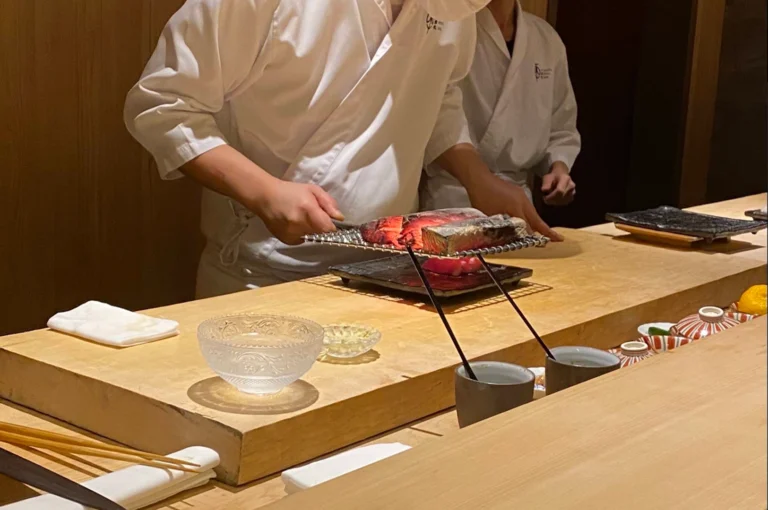
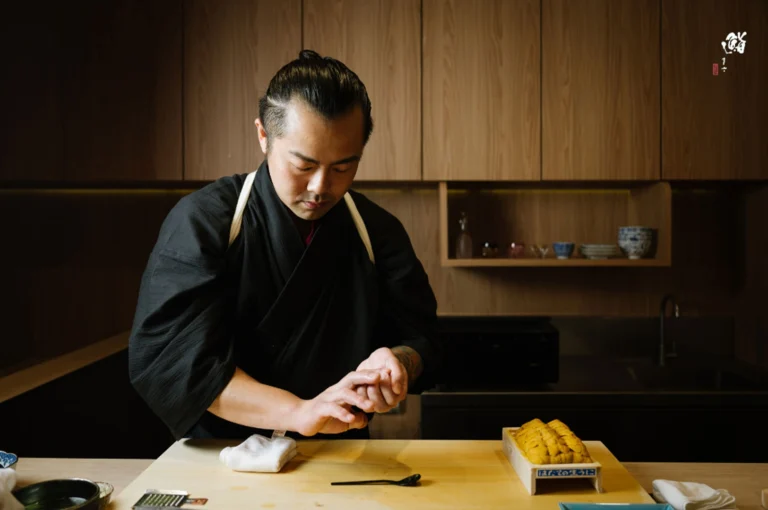
One of the defining charms of affordable omakase in Singapore lies in its intimate dining settings, which elevate the experience beyond just a meal. Most top-tier omakase restaurants, including Sushi Masa by Ki-setsu, feature small seating arrangements often only 8 to 14 seats around a wooden sushi counter. This layout offers diners a front-row view to watch Chef Masa work his culinary magic, from the precise knife cuts to the delicate preparation of sushi rice (shari). This sushi masa by ki-setsu approach allows guests to witness the craftsmanship and artistry that go into every nigiri sushi and cooked dish served.
The counter seating fosters a personal connection between the chef and diners, making omakase dining a highly interactive and engaging experience. Diners can ask about the freshest seasonal ingredients, learn about the provenance of each piece of seasonal sashimi, and appreciate the thoughtful pacing of the meal. This Japanese dining style emphasizes trust and mutual respect, where the chef curates an omakase meal based on the finest ingredients available that day, often flown in fresh from Japan’s renowned Toyosu Market multiple times a week.
The experience typically unfolds as a leisurely gastronomic journey over two to three hours, allowing guests to savor each course, from seasonal sushi and aburi sushi to cooked dishes and miso soup fully immersing themselves in the authentic flavors and textures. Whether enjoying an omakase lunch or dinner, the intimate setting and chef-curated omakase menus ranging in courses ensure that every visit feels like a special occasion, even at a reasonable price.
This focus on the freshest seasonal ingredients, precise sushi craftsmanship, and intimate setting makes affordable omakase places in Singapore stand out as true sanctuaries for lovers of Japanese cuisine seeking an authentic and memorable dining experience.
How to Order at an Omakase Restaurant: Trusting the Chef to Impress with Fresh Ingredients and Crafted Dishes
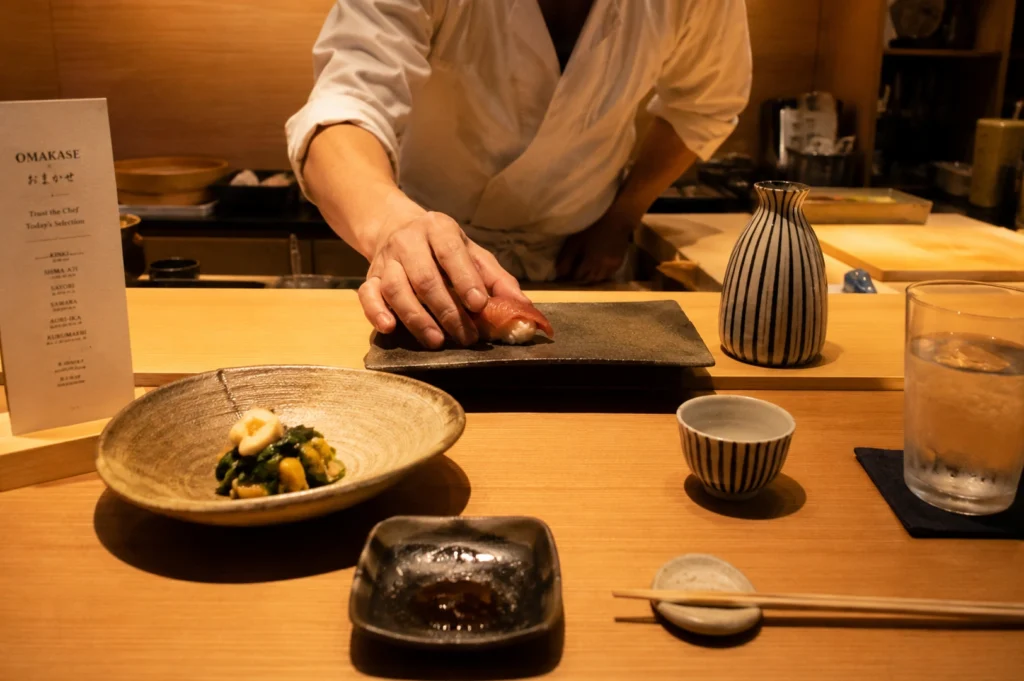
Your sweetest move is to let the chef lead your journey, sharing your comfort with seasonal adventures and lesser-seen treasures. Many omakase restaurants, especially those with roots in Osaka, carry authentic hearts and dedication to traditional Japanese artistry. For something even more memorable, let sake join your meal, as the right pairing can make each course sing even more beautifully. It is wise to welcome featured items like “kinki,” “shima-aji,” or “sayori” when suggested, as these showcase true market magic.
Embrace chef-selected nigiri flights and small plates using the day’s most generous offerings, and allow the chef to make gentle substitutions, understanding that today’s “humble” mackerel might deliver the most unforgettable flavor. However, it is less wise to insist only on “celebrity” fish or expensive uni unless the chef’s eyes light up about their peak condition, and to skip detailed custom requests, trusting the counter’s gentle economics and the chef’s caring heart. Notice when the chef proudly shares where something was caught or the vintage of the rice; signs of ingredient love, careful seasoning and gentle temperature differences tell you that you are experiencing a truly sourcing-forward approach.
Etiquette for Ingredient-Led Affordable Omakase Singapore
Trust and timing are essential; letting the chef guide your journey is important, but you should promptly share any vital allergies. Curiosity about the origins of ingredients is welcomed and warms the chef’s heart, whereas bargaining or requesting extras is discouraged. It is best to savor each course without lingering too long, as each set is timed to highlight the fish at its perfect moment. Additionally, maintaining a gentle demeanor when enjoying fragrances or taking photos is advised, as breathing in the aromas and feeling the textures offers as much insight as visual appreciation.
Another key aspect that elevates affordable omakase experiences in Singapore is the chef’s ability to harmonize seasonal availability with innovative preparation techniques. This balance ensures that even lesser-known or humble ingredients shine with unique flavors and textures, often surprising diners with their depth and complexity. Whether it’s the delicate scoring of a seasonal fish to enhance its tenderness or the subtle infusion of house-made sauces that complement the natural umami, these thoughtful touches transform each dish into a memorable moment. Such craftsmanship not only honors traditional Japanese culinary principles but also makes affordable omakase a compelling choice for those seeking authenticity without compromising on quality.