Meaning of Omakase in Japanese Cuisine
To say omakase is to accept that the chef decides. Not only what is served, but how the meal unfolds over several hours, its pacing, its pauses, its emotional arc. The customer leaves behind choice, comparison, and control. What replaces them is attention. The diner listens with the senses rather than the mind.
This is why the term omakase has endured, from small sushi counters in Tokyo to Japanese restaurants across the world. It names a way of eating, but also a way of relating. In essence, what is omakase? Trusting the chef to guide the entire dining experience with skill and care.
Meaning of Omakase Beyond Sushi Restaurants
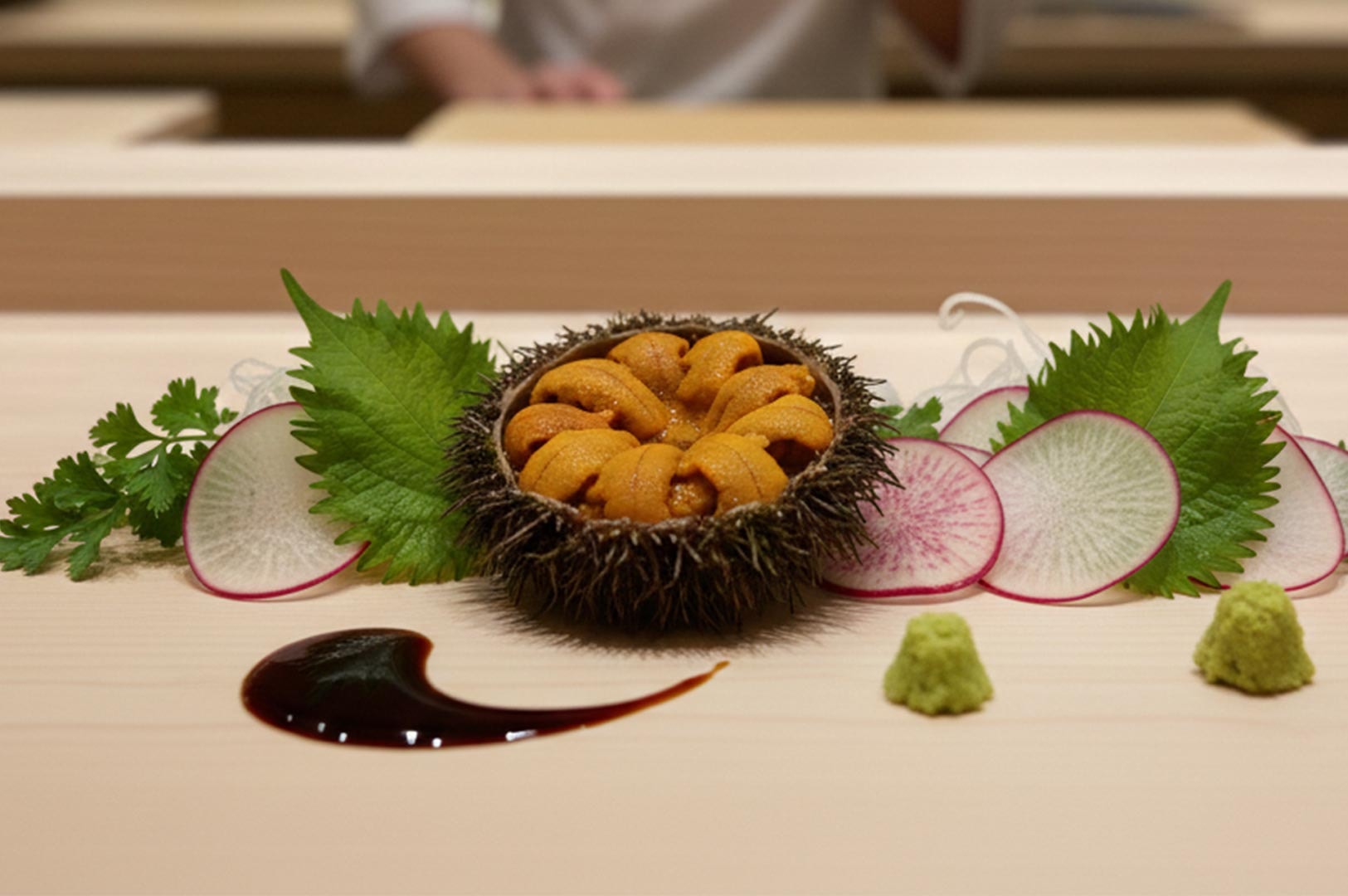
In many sushi restaurants, omakase is misunderstood as simply a set menu, a fixed course meal prepared in advance. But traditionally, omakase is fluid. The chef prepares dishes based on the day’s fish, the freshest arrivals, and the guest seated at the counter.
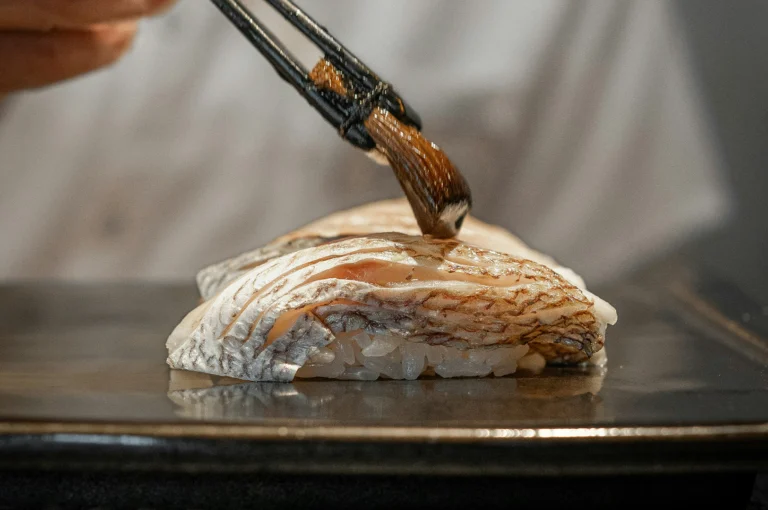
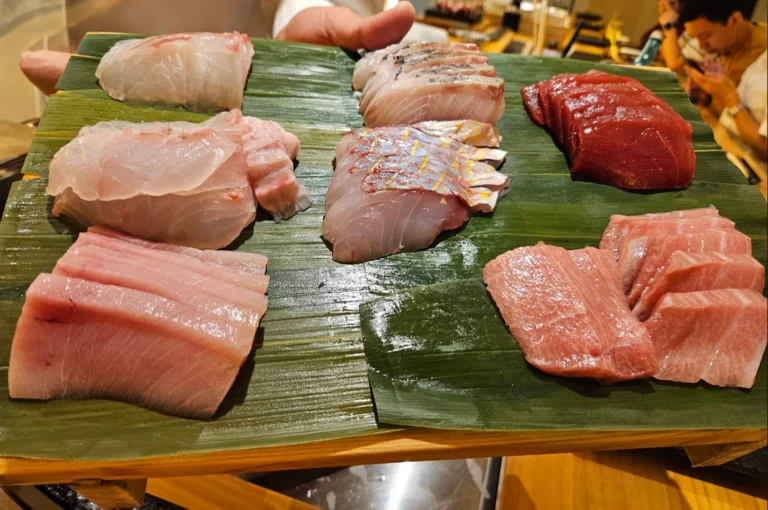
At a sushi bar, the chef prepares each piece of sushi—nigiri, sashimi, appetizers—one at a time. Vinegared rice is pressed by hand, fish sliced moments before it is served. The chef decides whether to serve lean fish first, whether fatty tuna or bluefin tuna should come later, whether a dish based on shellfish fits the moment.
Few formal dining experiences allow this level of responsiveness. Even in fine dining, menus are often locked weeks in advance. Omakase remains unusual because it leaves room for change, guided by the chef’s expertise rather than a printed menu.
Omakase Dining as a Japanese Dining Experience
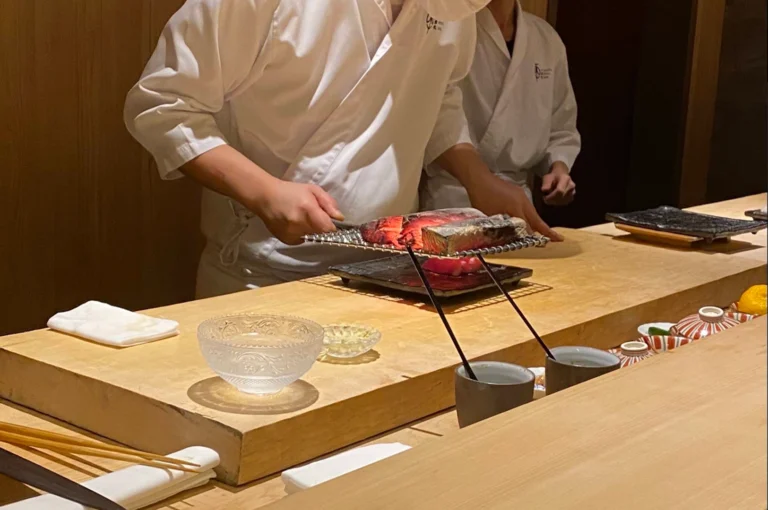
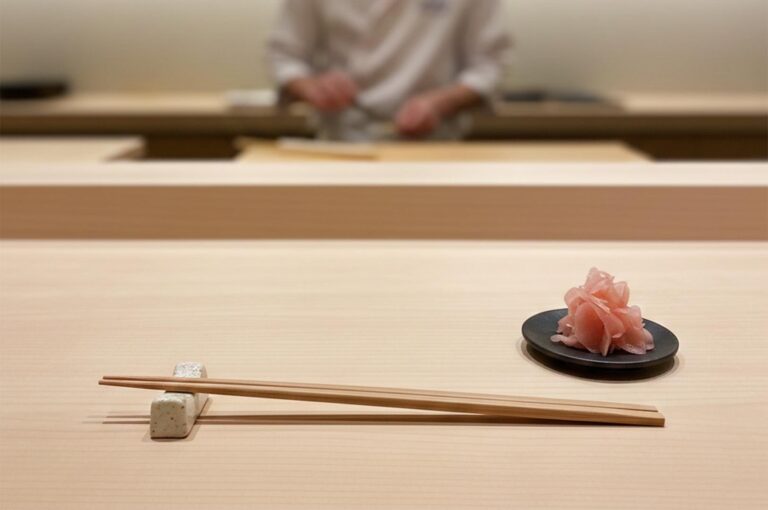
At its heart, omakase dining is a dining experience shaped by trust. The guest sits at the sushi counter. The chef works a few feet away. There is no barrier, no hidden kitchen. Cooking techniques are visible. Decisions unfold in real time.
This closeness transforms the meal. The chef watches how diners eat, how quickly they finish, whether they pause. Adjustments follow, less rice, more acidity, a different cut of fish. The omakase experience becomes personal without ever becoming theatrical.
In Japanese dining, this attentiveness has a spiritual companion in hospitality, an understanding that care is shown through anticipation rather than explanation. Words are few. The food speaks. The rest is felt.
Seasonal Ingredients and the Sense of Fine Dining
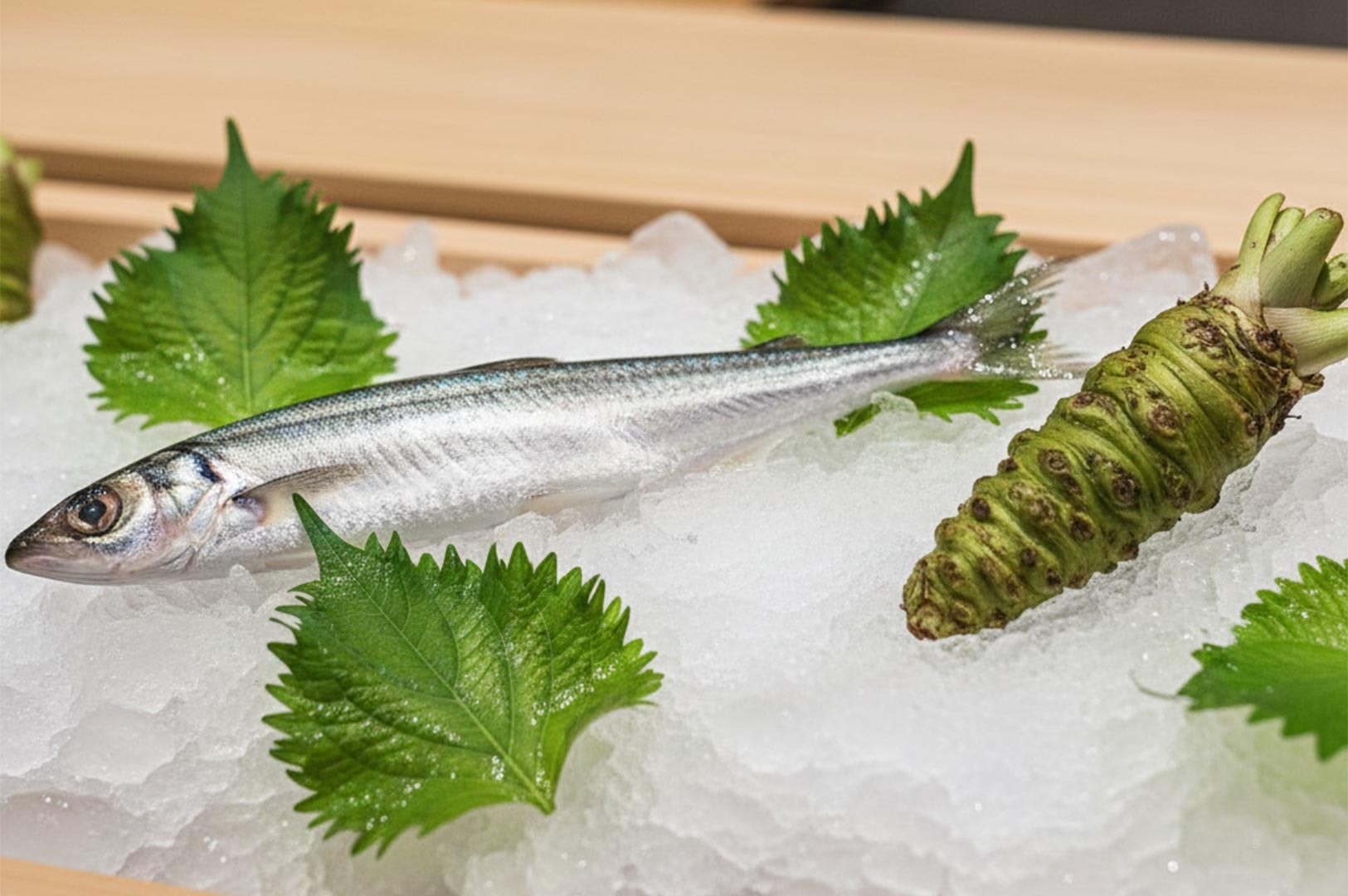
Omakase is deeply tied to seasonal ingredients. In Japan, chefs select fish and other ingredients based on what has arrived that morning. The highest quality fish is not defined by rarity, but by readiness, by what tastes right now.
This is why omakase resists standardization. One night’s dinner cannot be replicated the next. Fresh ingredients, other ingredients, even the temperature of rice matter. The chef’s creativity works within tradition, guided by years of repetition.
In this way, omakase belongs to fine dining without relying on spectacle. There are no dramatic reveals, no excess. The refinement lies in restraint, in the careful layering of flavors, in knowing when to stop.
Experience Omakase for the First Time
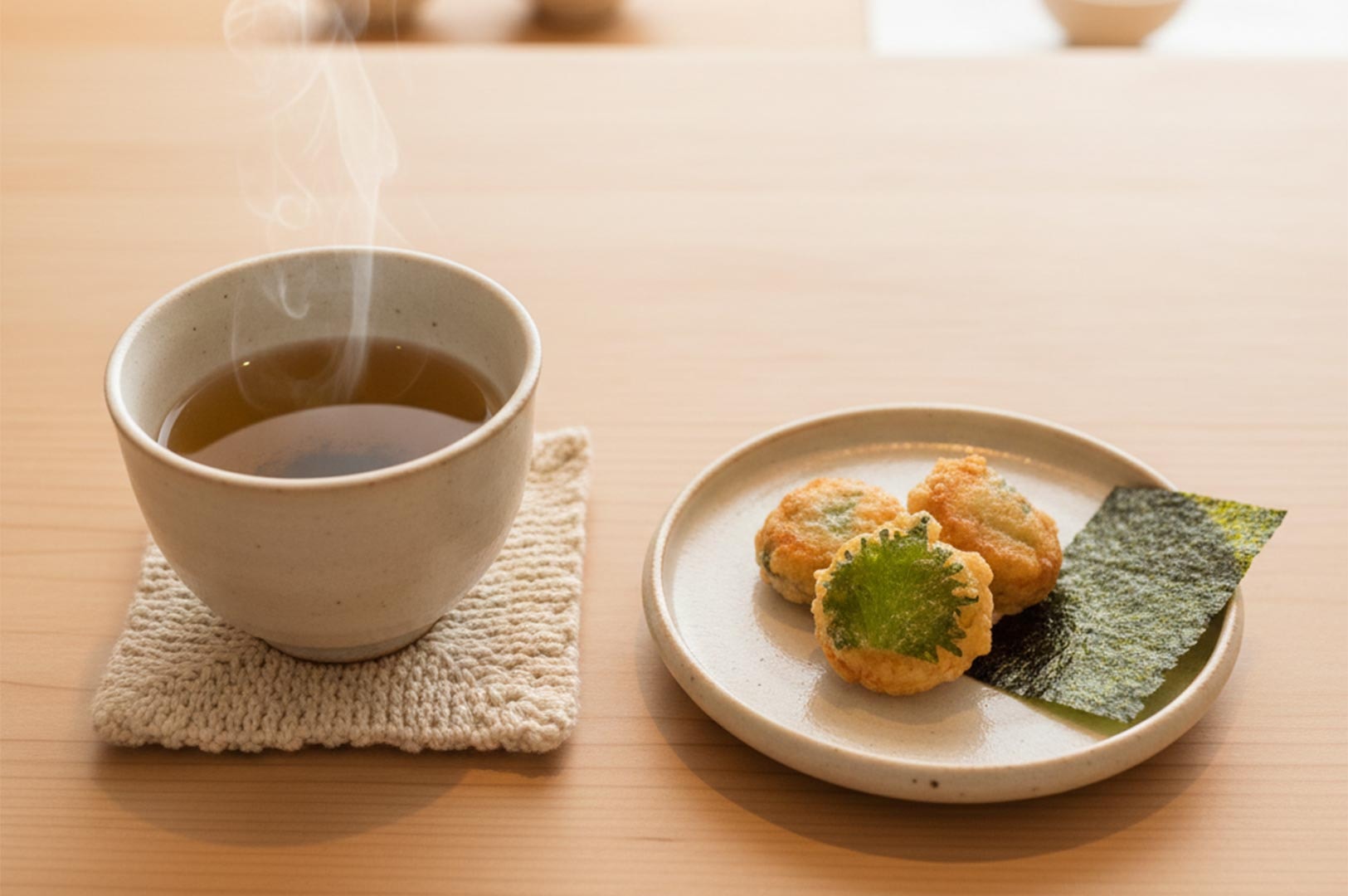
For first time visitors, omakase can feel intimidating. Many restaurants around the world present it as something rare or elite. But traditionally, omakase was practical. It allowed customers to eat well without needing expertise themselves.
To experience omakase is not to prove bravery or sophistication. It is to trust someone else’s judgment. Guests are not expected to eat everything without question. Honesty matters, about allergies, strong dislikes, limits. Trust works best when it is informed.
Omakase asks diners to rest from deciding. To let someone else carry that responsibility for a while. That release is part of its appeal.
Omakase Dining in Japanese Restaurants Today
Across many restaurants, from quiet sushi counters to high end restaurants, omakase now appears in different forms. Some follow tradition closely. Others adapt it, blending Japanese techniques with local fish, rice, and other ingredients.
In Tokyo, omakase remains rooted in daily markets and long relationships. Elsewhere in the world, it takes on new accents. What holds it together is not uniformity, but intention: the chef’s willingness to serve with care, and the guest’s willingness to receive.
If you want a more intimate, counter-level reflection on this relationship, you can read Omakase Meaning: Trusting the Chef, One Piece at a Time, which explores the experience through the rhythm of a single meal.
Meaning of Omakase and the Michelin Guide
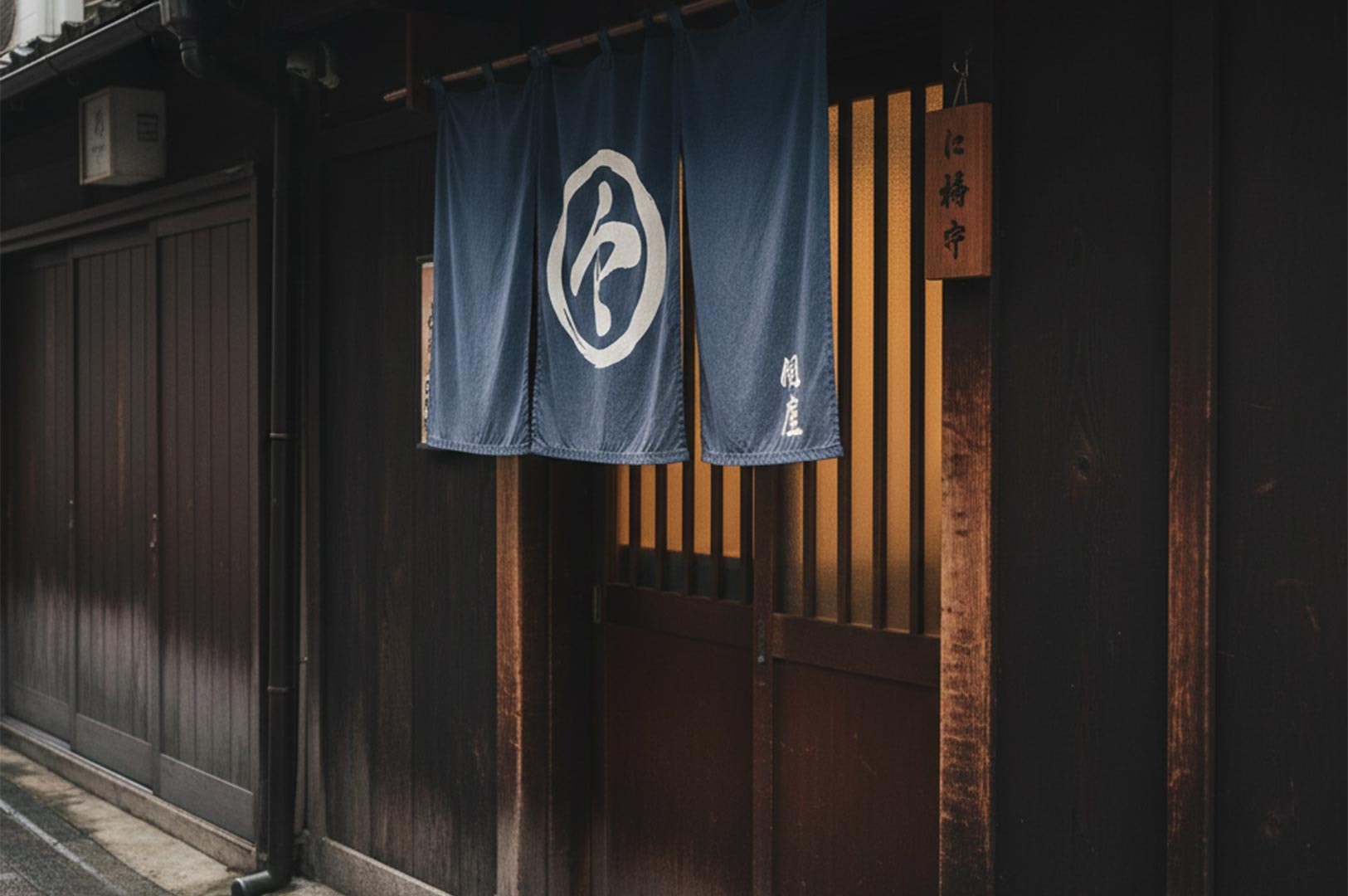
The rise of omakase has coincided with attention from the Michelin Guide, and with it, a certain mythology. Michelin stars can signal quality, but they are not the source of omakase’s meaning. Some of the most meaningful omakase meals happen far from recognition, in modest rooms with a handful of seats.
The idea of the best omakase misses the point. Omakase is not competitive. It is relational. It depends on timing, on mood, on trust built over repeated dinners.
The Meaning of Omakase, Distilled
So what is the meaning of omakase, finally? It is the act of sitting down and allowing someone else, another human being, to decide how you will eat. It is a small but deliberate surrender, rooted in Japanese tradition, shaped by hospitality, and sustained by attention.
In a world that rewards constant choice, omakase offers rest. The menu disappears. The chef serves. The guest eats. For a few hours, decisions are held elsewhere.
And when the meal ends, what remains is not only memory of food, but the feeling of having been cared for, quietly, deliberately, and without needing to ask.