The question what is omakase is often asked quietly, sometimes hesitantly, by diners encountering the word for the first time. It may appear on a menu with little explanation, or be spoken by a host as though it needs no translation. In its simplest sense, omakase directly translates to “I leave it up to you.” Yet within Japanese cuisine and Japanese food culture, the word carries a deeper weight shaped by history, trust, and restraint.
Omakase asks the customer to stop choosing dishes and allow the chef to lead. The meal is no longer a series of decisions, but a sequence shaped by judgment and care. What arrives at the counter is not random. It is considered. And what unfolds over the course of dinner becomes something closer to a conversation than a transaction.
Multi-course Omakase Experience: A Seasonal Culinary Journey
The omakase experience is a Japanese style of dining that highlights the huge variety of seasonal ingredients carefully selected by the chef. Rooted in Japan’s ancient capital traditions, this set menu unfolds as a perfect dish progression, showcasing seafood and other Japanese dishes prepared with precision and respect for seasonality. Each course, often served alongside rice and accompanied by miso soup or green tea, reflects the principles of the Japanese diet emphasizing balance and harmony.
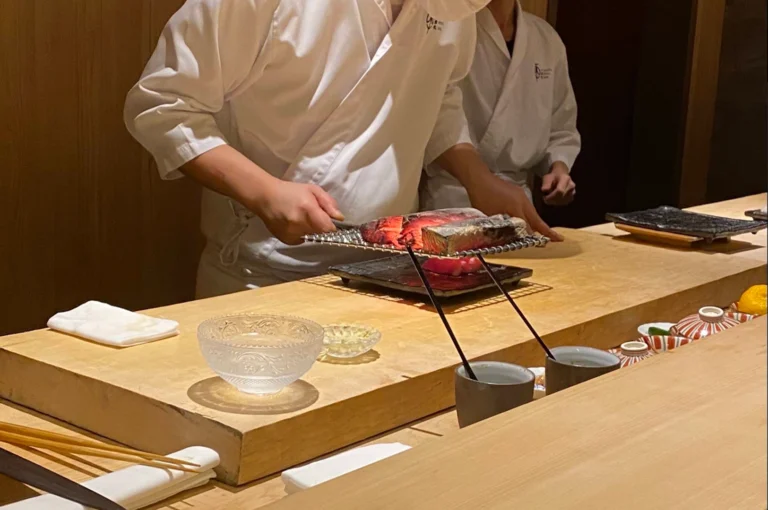
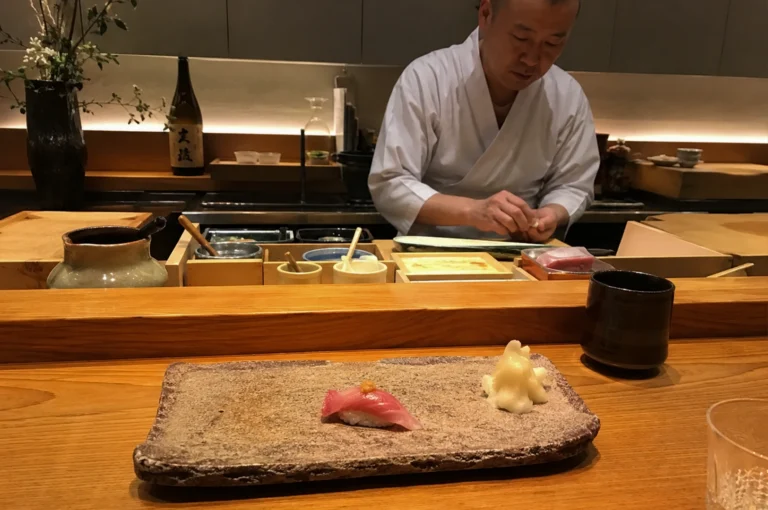
In an intimate setting, usually at a sushi counter with limited seating or a private room, diners partake in a great meal where the chef crafts a multi course menu featuring sushi rolls, nigiri sushi, and other delicacies like wagyu beef or puffer fish. The experience encourages guests to savor each bite slowly, appreciating textures, temperatures, and flavors without distraction. The meal often includes vegetables cooked in a light batter or served with a dipping sauce, and may conclude with traditional desserts such as sweets made from sweet red bean paste.
This style of dining is more than just food; it is a spiritual companion to the guest’s evening, emphasizing trust and hospitality. The chef’s choices are influenced by the freshest catches from markets like Toyosu and the changing seasons, making each omakase unique and unrepeatable. For special occasions, omakase offers a refined journey through Japan’s culinary heritage, blending artistry, tradition, and the Japanese tea ceremony spirit into every course.
Japanese Restaurant: Fine Dining Without Choosing Dishes
In many cultures, fine dining is defined by choice, multiple courses, printed menus, and explanations offered in advance. However, omakase dining is one of the few formal dining experiences where this is intentionally set aside. Here, the chef decides the entire meal, crafting omakase menus that showcase the freshest seasonal ingredients and highlight traditional Japanese food techniques. The customer trusts the chef’s expertise and agrees not to interfere.
This does not mean preferences are ignored. Dietary needs and allergies are communicated beforehand, respecting boundaries. What changes is the timing of choice: instead of selecting dishes during the meal, guests allow the chef’s skill in Japanese cooking to shape a thoughtfully curated experience from start to finish.
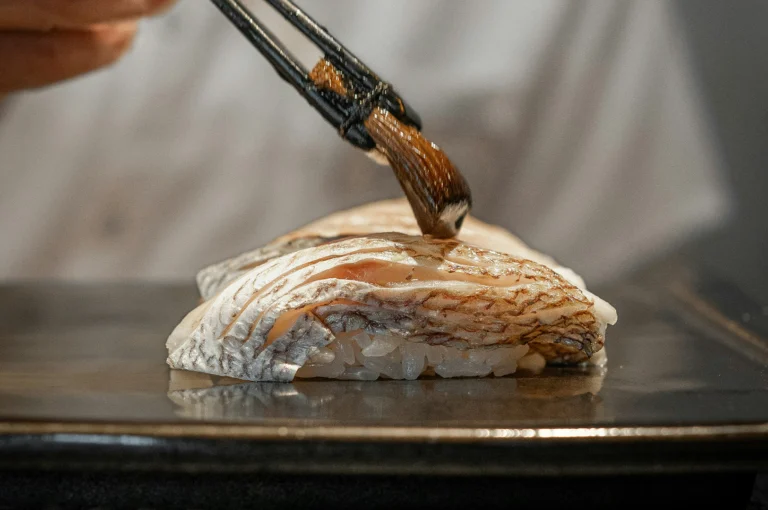
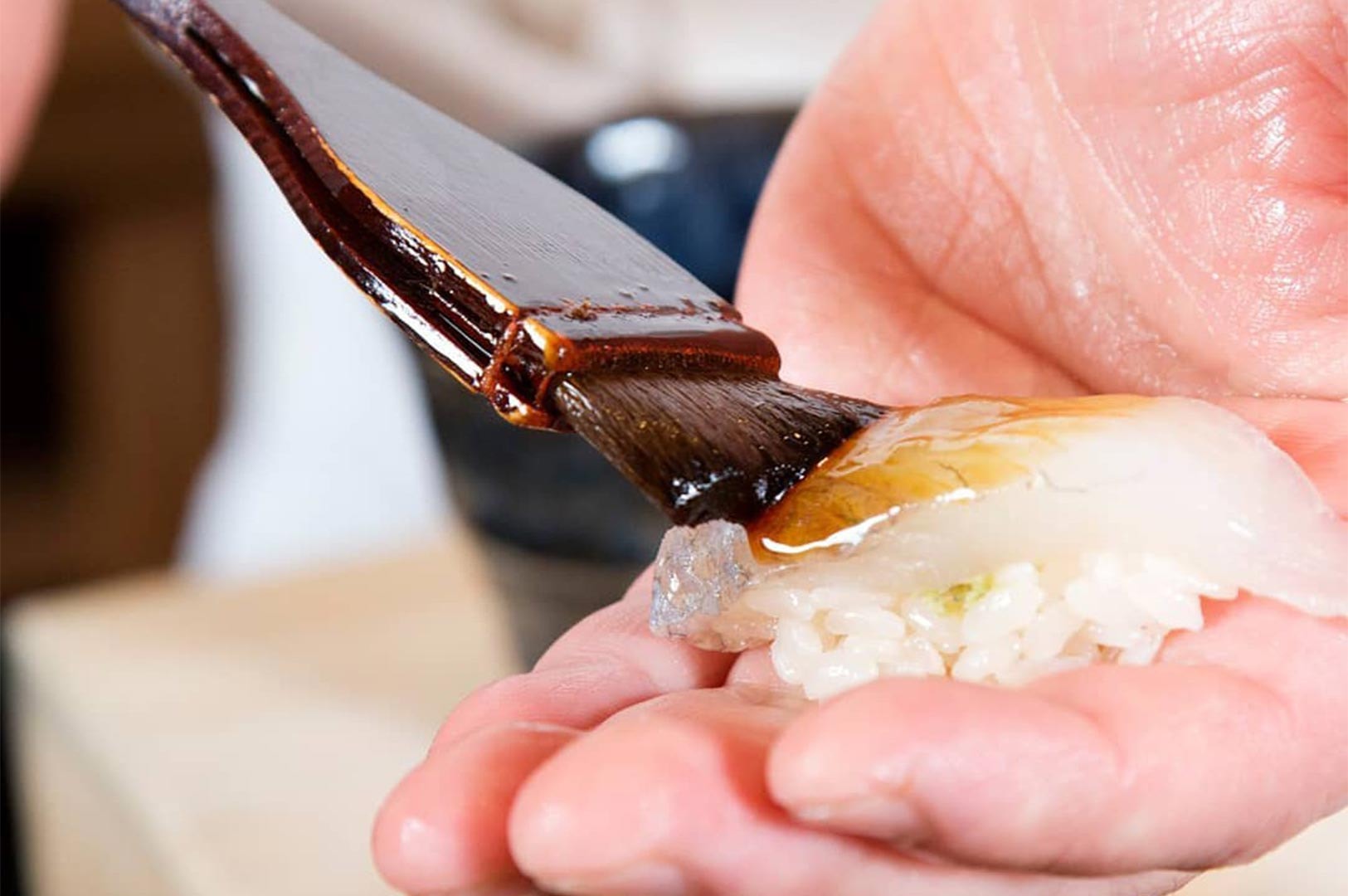
The result is a dining experience that feels deeply personal and intimate, often set at a sushi counter with limited seating, where the chef prepares each piece, whether it be raw fish nigiri or small dishes, with meticulous care. Soy sauce is brushed lightly, sushi rice is pressed by hand, and every ingredient is treated with precision to reveal its natural flavor.
Seasonal Ingredients and the Culinary Journey of this Special Japanese Food
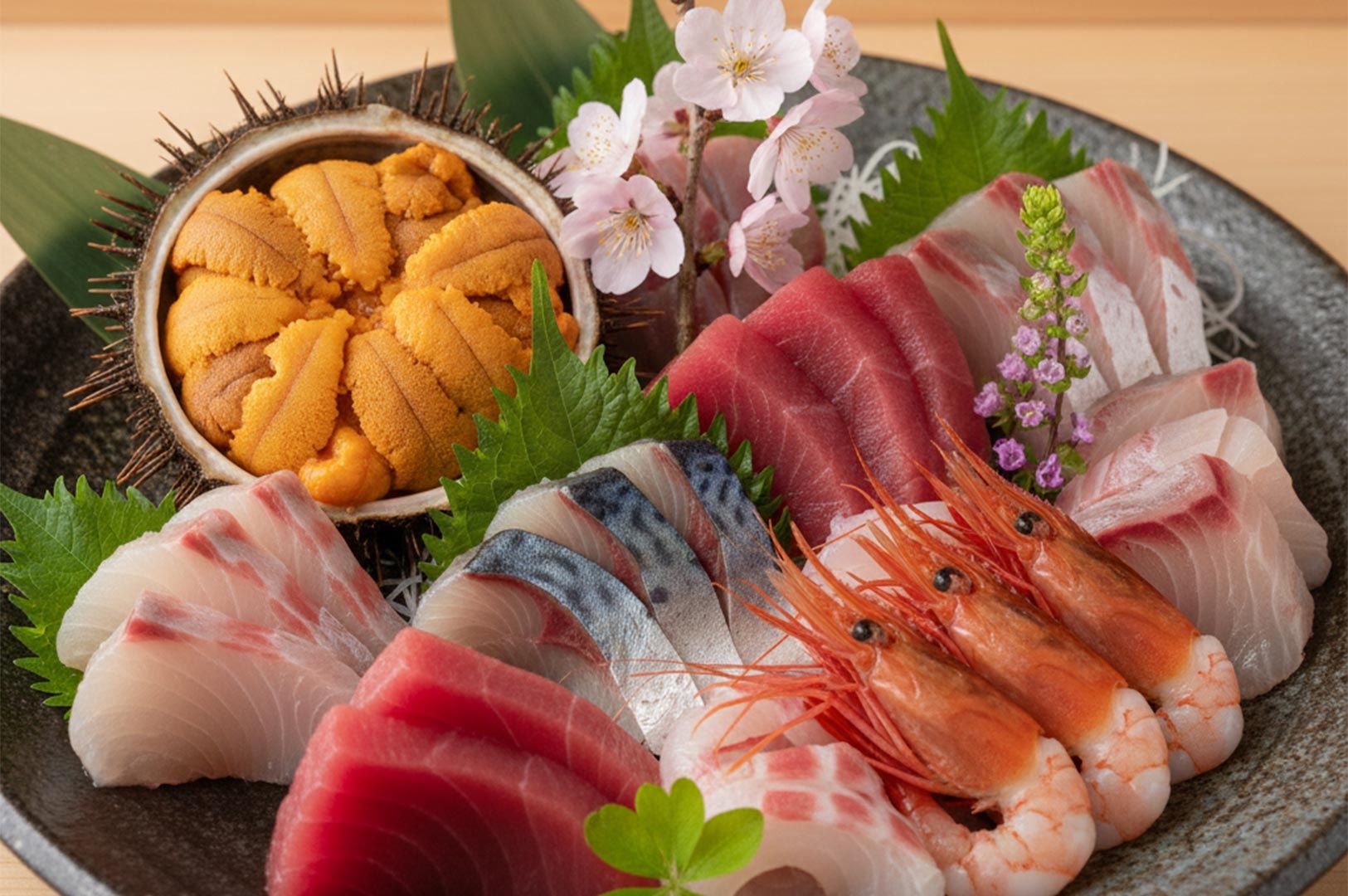
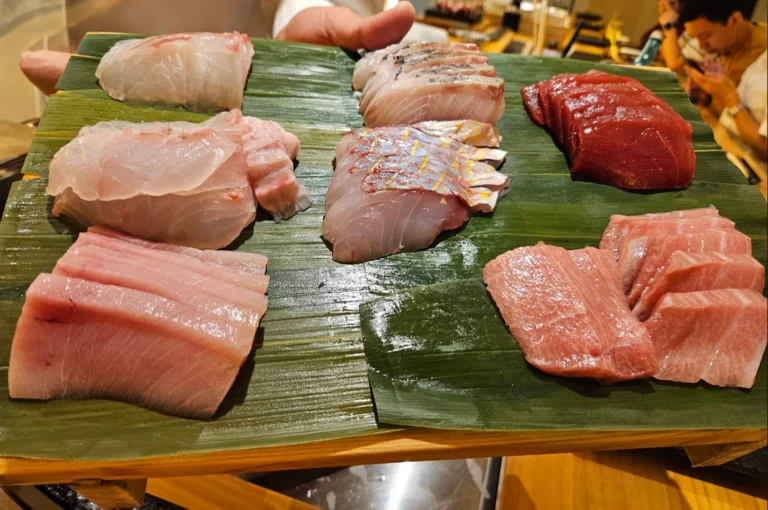
At the heart of omakase is seasonality. The chef selects seasonal ingredients based on what has arrived fresh that day. Seafood is chosen for readiness, not rarity. Other ingredients shift with the calendar. This attention to timing turns the meal into a culinary journey. Spring tastes different from winter. Each course reflects a moment rather than a recipe. These seasonal specialties cannot be replicated exactly. They exist only once, then pass.
Omakase offers a way to taste change. The finest seasonal ingredients are treated gently, allowing natural flavors to lead. The goal is not to overwhelm, but to reveal. Japanese cuisine emphasizes seasonality, known as shun, which highlights ingredients at their peak freshness and flavor during specific times of the year. This principle is central to omakase, where dishes evolve with the seasons to showcase the best produce available.
The traditional Japanese meal structure, often described by the phrase ichijū-sansai (“one soup, three sides”), reflects a balance of flavors and textures that omakase chefs incorporate into their menus. A typical omakase dinner may include a clear soup stock (one soup) alongside multiple small dishes, balancing raw and cooked preparations. Presentation and aesthetics are also quintessentially Japanese in omakase dining.
The Omakase Course as a Course Meal: Special Occasions and Michelin Guide
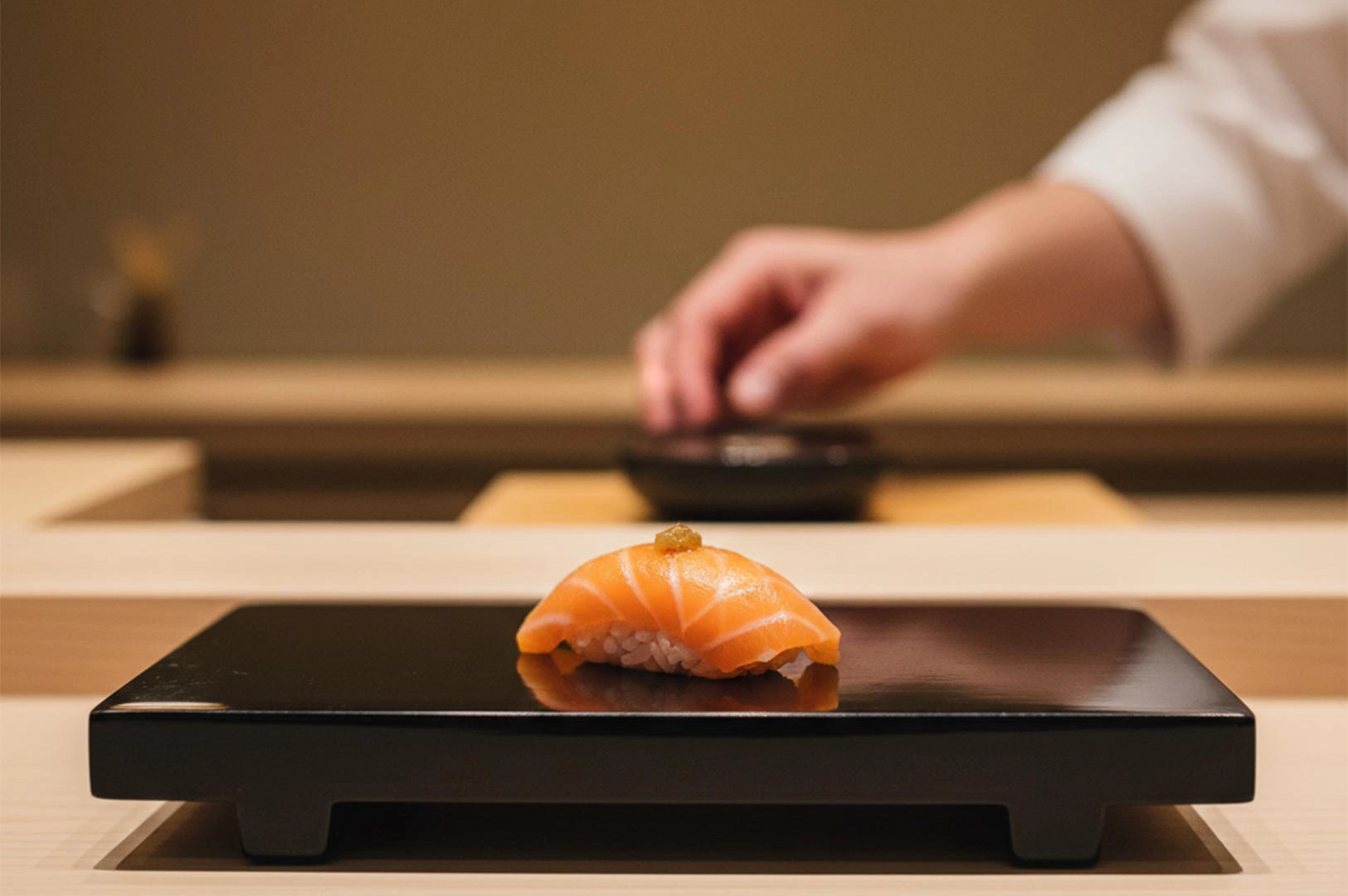
An omakase course does not follow a rigid script, yet it still forms a coherent course meal. Lightness builds toward richness, often starting with raw preparations like sashimi or thin strips of fresh fish, then moving to other dishes that may be briefly cooked or feature deep fried elements such as chicken katsu. Each dish prepares the palate for what comes next, balancing flavors with accompaniments like pickled vegetables or pickled plum to refresh the senses.
Unlike many restaurants where the menu dictates the structure, omakase remains flexible. The chef’s artistry lies in sensing when to pause, continue, or stop. This balance defines omakase, rooted in Japanese culture where trust and hospitality are expressed without words. Originating in the Edo period when sushi was served quickly at counters, customers relied on the chef’s daily best selections. Today, omakase continues this tradition in intimate settings with limited seating, often featuring hot pot or Japanese-style sides. The chef serves, the guest receives, creating a unique dining experience honoring Japanese culinary heritage and meat consumption customs.
Surrender to the Chef: The Omakase Journey Begins
So what is omakase, finally. It is a way of dining that replaces choice with trust, relying on the chef’s skill and judgment to shape the meal as it unfolds. Each dish arrives not as a demand to be assessed, but as an invitation to receive, trusting the chef, one piece at a time. Built from fresh ingredients and careful decisions, the meal reflects attention rather than control.
Omakase does not promise perfection. It offers something quieter. A chance to sit, to eat, to let go. In a world full of menus and constant decisions, that simplicity feels rare. And when the final dish is served and the counter is cleared, what remains is not only the memory of delicious food, but the feeling of having been guided thoughtfully through a meal.
For a more refined dining experience, explore our guide to the top selection of omakase restaurants, showcasing the finest in Japanese culinary artistry.