When I first immersed myself in Singapore’s vibrant sushi restaurant scene, I was captivated by the diverse spectrum of Japanese dining experiences awaiting discovery. From the lively conveyor belt sushi spots in bustling food courts to the refined, intimate omakase counters tucked away in Holland Village and One Holland Village, each venue offered a unique culinary story. My very first omakase experience was a memorable one; though the sushi arrived all at once rather than in the traditional, artful progression, it sparked a deeper appreciation for the authentic chef-to-diner connection that true omakase embodies.
This journey taught me an important lesson: not every sushi restaurant labeled “omakase” delivers the genuine, personalized experience that the term promises. In Singapore, “omakase” can mean different things from a chef-curated tasting menu featuring premium sushi and assorted sashimi to a marketing term for set lunches. This guide is crafted to help you navigate these nuances, understand your options, and make confident choices so that every sushi outing, whether casual or celebratory, brings you the exquisite flavors and heartfelt moments you seek.
The Spectrum of Modern Japanese Cuisine Dining Experience in Singapore
Understanding these beautiful differences feels like the first gentle step toward avoiding disappointment and truly savoring the exquisite ingredients and dishes that await you.
1. The Casual Sushi Bar or Kaiten
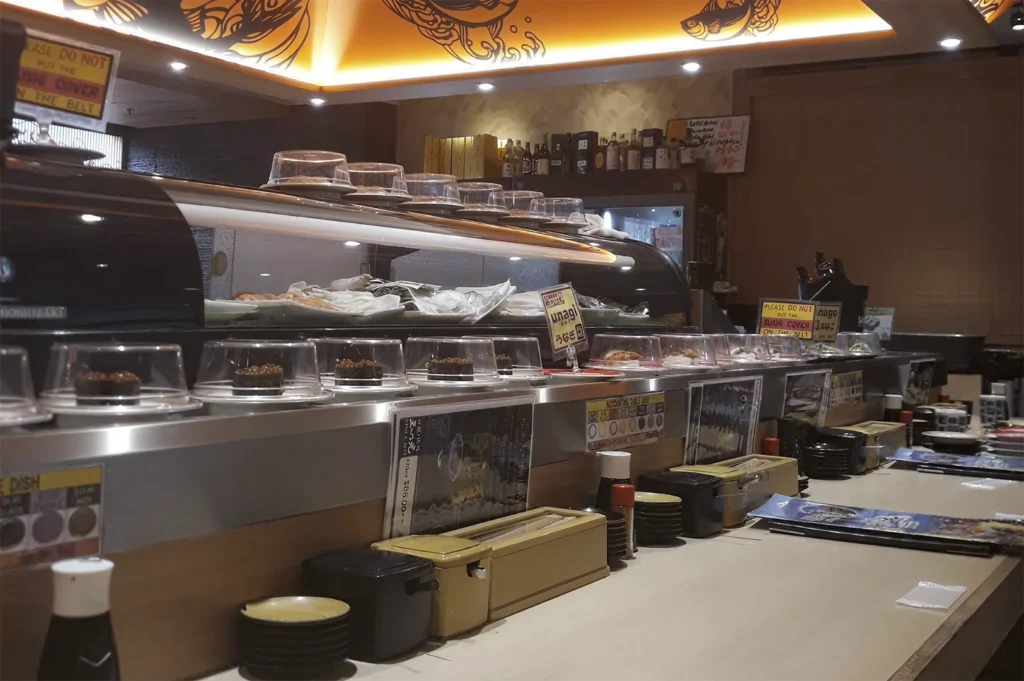
These sweet spots become your comfort embrace when hunger calls. Picture those cheerful corners in Raffles City Shopping Centre or the bustling basement food halls like Thomson Plaza, where warmth radiates from every corner. Here, your heart guides you to specific treasures – perhaps delicate nigiri sushi, warming noodles, hearty don rice bowls, or those perfectly arranged sushi sets and sushi rolls. The interaction feels gentle and undemanding, like a quiet conversation with an old friend. You’re embracing convenience and soul-warming comfort food, not seeking an elaborate culinary story. Yet the sushi bars here often sparkle with fresh sushi and a rainbow of fresh seafood flown daily, making your palate dance with joy.
2. The Izakaya
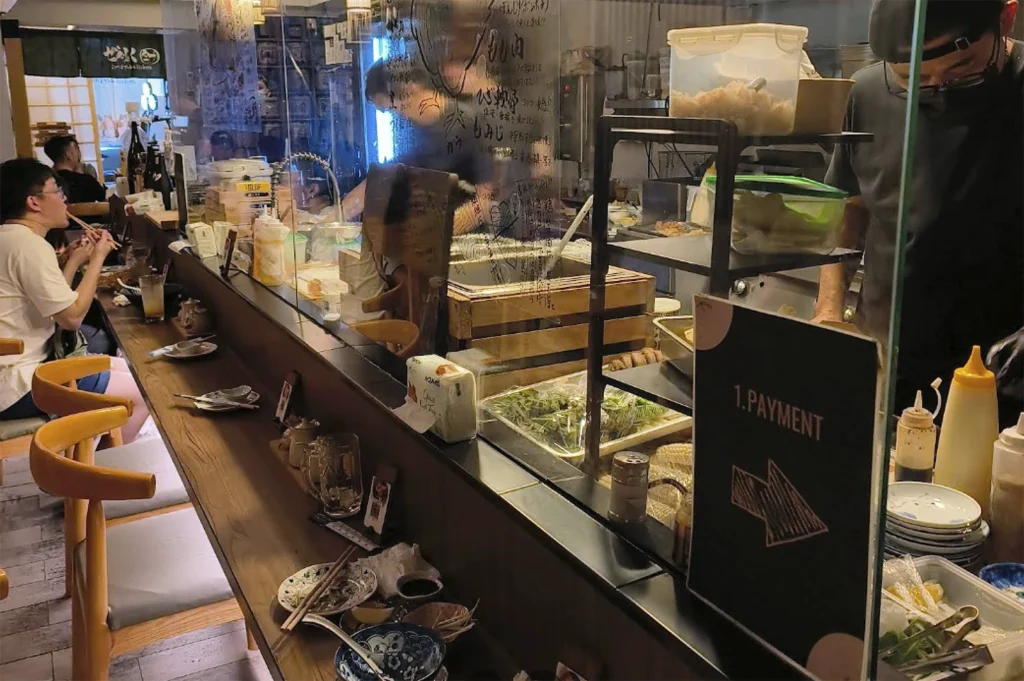
These lively havens welcome you with the spirit of celebration first, then cradle you with wonderful Japanese dishes that often surprise your heart. You’ll discover crispy soft shell crab tempura that makes you giggle with delight, yakitori that fills the air with smoky poetry, and hearty dishes that beg to be shared with family who fill your world with warmth. The atmosphere bubbles with laughter and easy conversation – a perfect embrace for relaxed evenings with friends or family who fill your world with warmth.
3. The “Omakase-Style” Set Menu
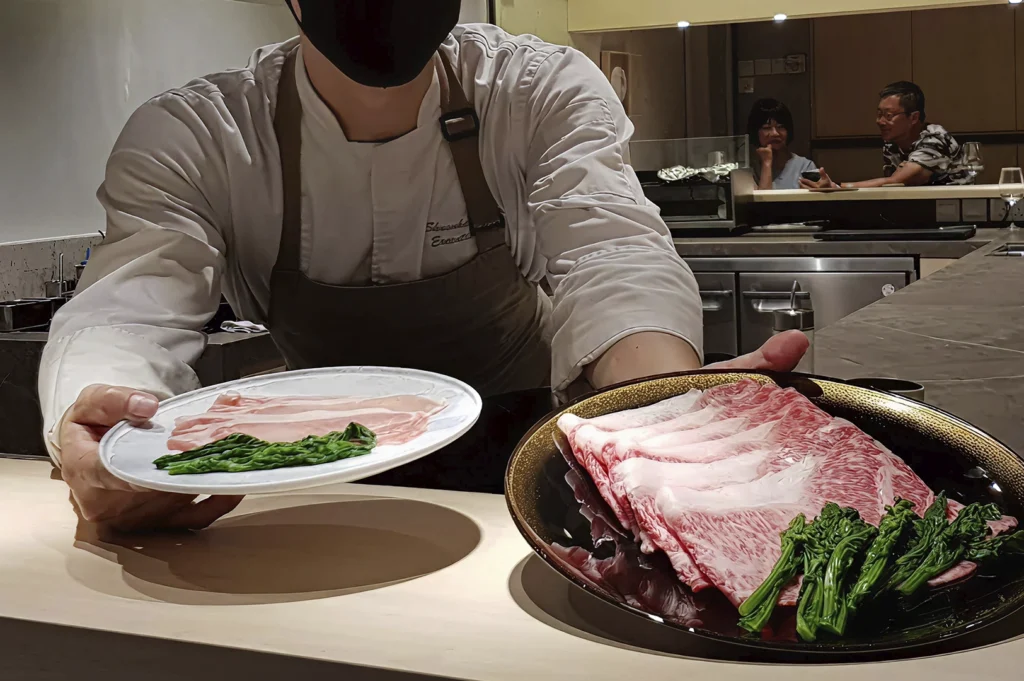
Here’s where the heart needs gentle guidance. Many restaurants offer their “Chef’s Selection” with such sincere intention – you might be blessed with soul-warming miso soup, glistening assorted sashimi, perfectly grilled fish, and comforting rice, though often these beautiful creations arrive together in generous portions or all at once like eager friends. This creates a lovely way to nourish yourself, yet it gently lacks the careful rhythm and perfect temperature dance of a true counter romance. Let your eyes wander through the menu to discover whether these treasures arrive in thoughtful courses or as one beautiful celebration.
4. True Counter Omakase
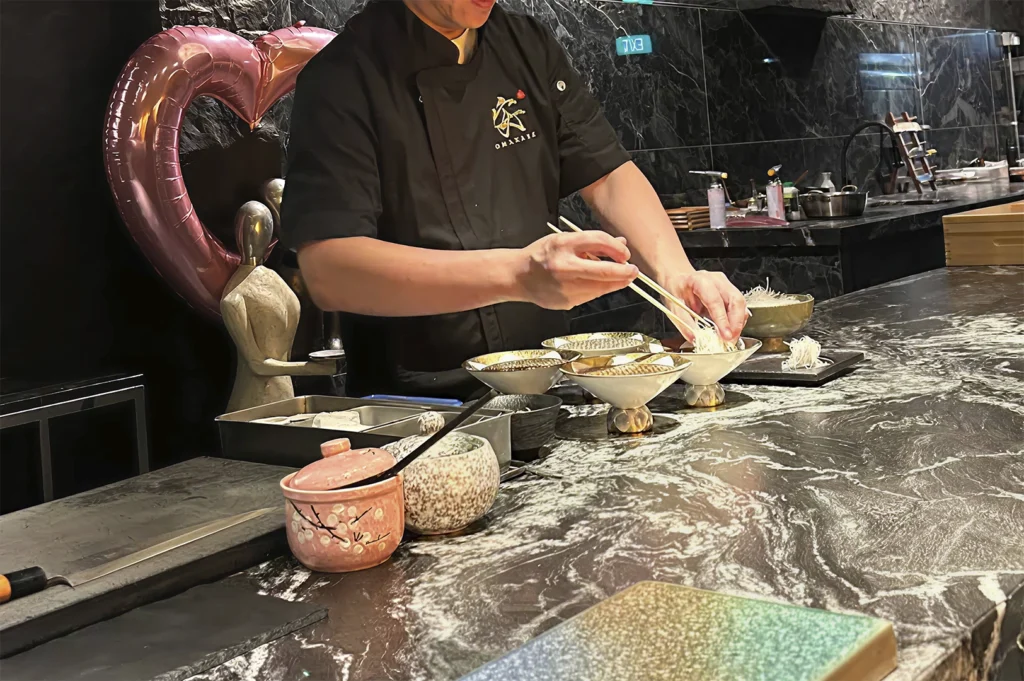
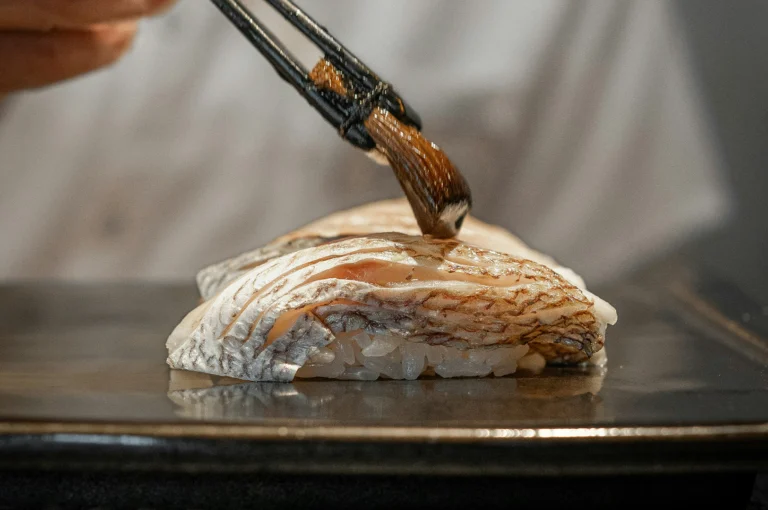
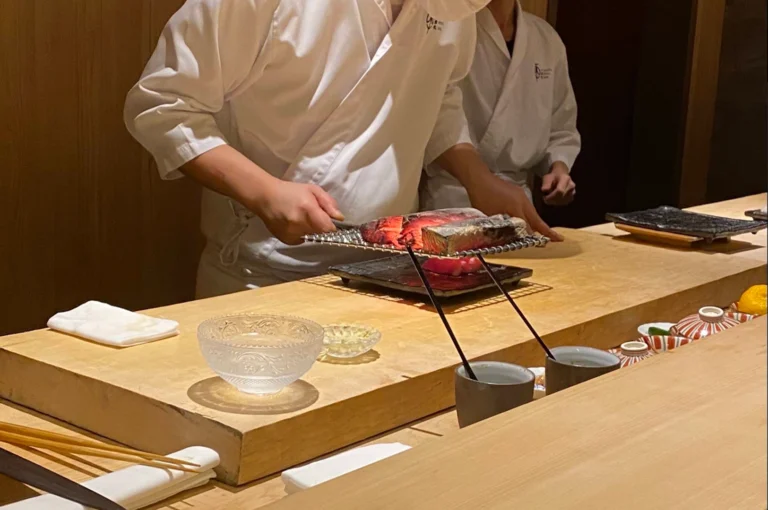
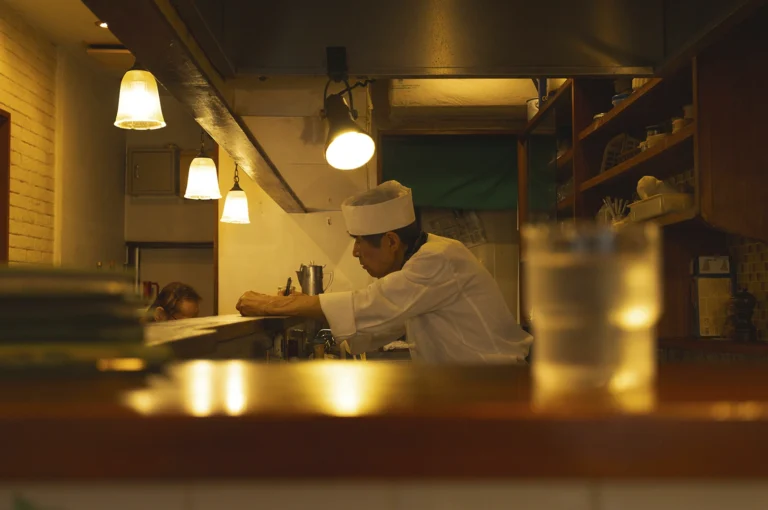
This is where magic truly lives and breathes. You settle into your special seat at a sushi bar, usually sharing this intimate space with just 8 to 12 other souls. The chef becomes your gentle conductor, standing close enough to share quiet smiles and knowing glances. He caresses each piece of fish with his blade, then places it in your hands while it still holds the ocean’s whisper. The rice temperature receives his devoted attention, like a mother watching over her child. No written menu exists here – instead, each day’s story unfolds based on the treasures that arrived from Japan that very morning, reflecting the season’s gentle embrace and nature’s freshest gifts. This is the heart of what people dream of when they whisper “going for omakase.”
Personal Tip: If your eyes discover katsu curry or warming ramen available while you’re seated at that special counter, your heart might be in a more casual embrace rather than a strict omakase sanctuary. Remember, true omakase counters rarely invite heavy cooked dishes to dance alongside the sushi progression, unless you’re experiencing the special “Kappo” style celebration.
5 Steps to Choose the Right Omakase Dining Experience for You
Don’t simply follow the crowd on those “Best Of” lists. Here’s how my heart guides me to choose where magic awaits:
- Listen to Your Heart’s Reason: Are you seeking a quick embrace to satisfy a gentle craving, or celebrating a precious 10th anniversary? If craving calls, a sushi restaurant and sushi bar set in a welcoming space like UBS Building or Thomson Plaza will cradle you perfectly. If anniversary joy sparkles in your eyes, let a counter experience with a devoted chef create your memory.
- Notice the “Minimum Spend” or Gentle Deposit: Special places often request a credit card promise. If life changes your plans or you must cancel without notice, your card will help cover their preparation. This loving practice protects Singapore restaurants from waste and shows mutual respect.
- Seek “Seasonal” Poetry: Does the seasonal menu sing of “Spring Bamboo” or “Winter Yellowtail”? These gentle words reveal a kitchen that truly dances with nature’s rhythm – a beautiful sign of quality that makes my heart flutter.
- Feel the Chef’s Presence: Does the head chef grace the counter every single day? Some famous restaurant families have their “master” visit only occasionally throughout the year. My heart always chooses places where the head chef’s passion flows behind the counter daily.
- Read the “Contact” Whispers: Do they gently request no perfume? This thoughtful touch signals serious devotion to food lovers, as strong scents can steal the delicate songs from raw fish.
What to Expect: A Typical Omakase Dining Flow
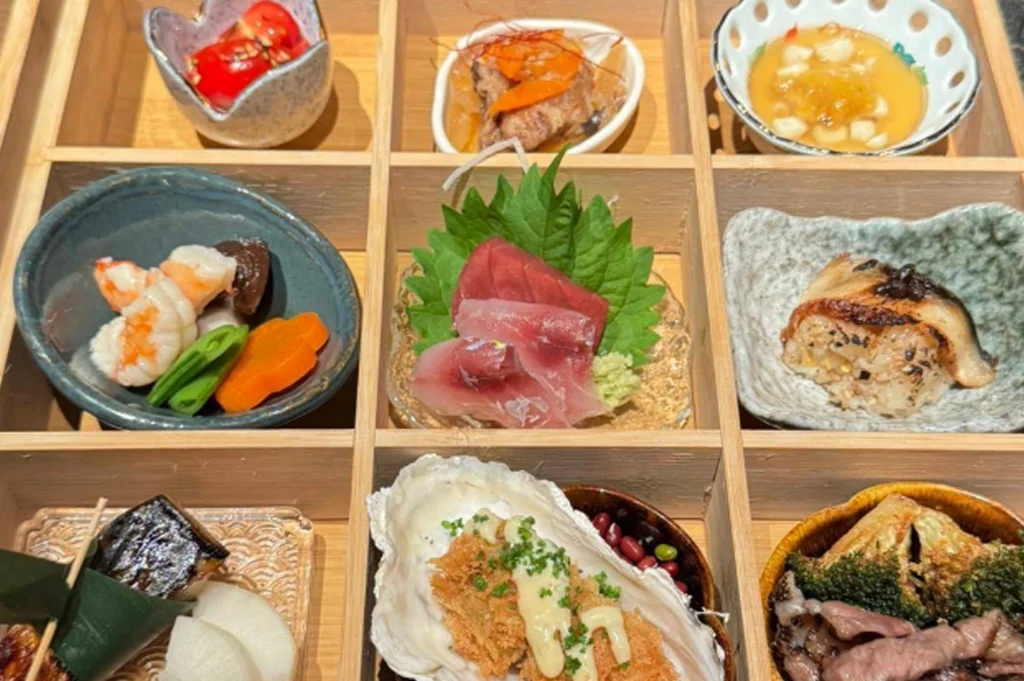
If your heart chooses a proper chef-led counter embrace, the meal unfolds like a gentle poem with thoughtful rhythm. While every chef writes their own beautiful verse, this loving structure flows through most traditional Edomae-style and serious omakase counters here in Singapore.
1. Zensai (Seasonal Appetisers)
The evening often awakens with tiny seasonal kisses that gently stir your palate to life. Perhaps lightly dressed vegetables that taste like spring morning, a vinegared treasure that makes your mouth smile, tender simmered octopus, or a delicate cold preparation that whispers of the chef’s creativity. These little gems set the mood and let the season’s voice sing through every bite.
2. Sashimi (Optional at Some Counters)
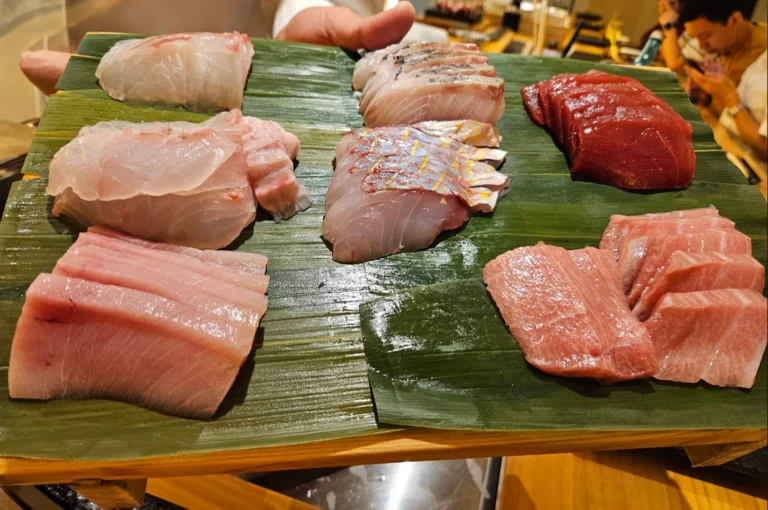
Many traditional counters offer a few precious slices of premium sashimi before the nigiri sushi dance begins. This allows your palate to meet each fish in its purest, most honest form – no rice to distract from the ocean’s true voice. However, some chefs prefer to skip this formal introduction and glide directly into the sushi embrace.
3. Cooked Course (Yakimono / Mushimono / Nimono)
A warm dish often appears like a gentle surprise, creating beautiful contrast that makes your heart flutter. This treasure might be:
- Perfectly grilled fish (yakimono) that smells like coastal dreams
- Silky steamed egg custard (chawanmushi) that melts like a cloud
- A simmered seasonal gift that tastes like the chef’s grandmother’s love
In kappo-style counters, these cooked treasures may dance throughout the entire meal rather than appearing as one special moment.
4. Nigiri (The Main Progression)
Here lies the beating heart of your experience – the piece-by-piece nigiri sushi service that feels like a gentle conversation between chef and soul. The progression usually flows from delicate whispers to rich, bold songs:
- Gentle white fish (hirame, tai) that taste like ocean breezes
- Silver-skinned beauties (aji, kohada, saba) that shimmer with marine poetry
- Lean tuna (akami) that speaks with honest strength
- Medium fatty tuna (chutoro) that melts like silk dreams
- Fatty tuna (otoro) that feels like the ocean’s most precious secret
- Cooked treasures like anago (sea eel) that taste like smoky comfort
Some chefs end with tamago (Japanese omelette) that tastes like sweet childhood memories, while others conclude with a handroll (temaki) that makes you smile with its playful spirit. The exact dance varies, but the melody typically builds in beautiful intensity.
5. Soup
A bowl of warming miso soup often appears near your meal’s gentle end, ready to cleanse your palate and wrap you in comfort. In some restaurants, this liquid hug may appear mid-course instead, like a thoughtful pause in a beautiful conversation.
6. Dessert
Dessert at traditional counters usually arrives with simple elegance perhaps premium seasonal fruit that tastes like nature’s candy (such as musk melon that melts on your tongue), delicate matcha-based sweets that whisper of tea ceremonies, or light ice cream that feels like a gentle farewell kiss. The focus remains on clean, restrained flavors rather than elaborate pastry performances.
Advice: If allergies concern you, please share this with them when your heart first makes the booking. Telling a chef about shellfish worries when you arrive can gently disrupt his evening’s carefully planned rhythm. Please let the restaurant embrace this knowledge in advance, so they can craft something special just for you.
Savor Every Bite: Making the Most of Your Omakase Journey
I’ve discovered that the most magical dining experiences bloom when I engage with the chef, but always with gentle respect. You don’t need to interview him like a curious reporter, but asking “Did this treasure come from Japan?” or “The rice texture makes my heart sing” opens beautiful conversations like flowers in spring. Also, be mindful of your phone’s demands. Capturing a quick memory feels perfectly natural in most places, but don’t spend precious minutes arranging lighting while the sushi’s soul fades on the plate. Temperature contrast creates crucial magic. Let it dance on your tongue, then share its beauty with the world later.
Remember, not all sushi and sushi restaurants are omakase, and that truth holds its own beauty. Sometimes your soul craves a simple salmon set on a sleepy Monday afternoon. Sometimes your heart yearns for the full two-hour artistic embrace on a glowing Friday night. By understanding these gentle differences, feeling the details with your heart, and embracing your expectations with wisdom, you can ensure that every precious dollar you spend brings pure joy to your world. So go ahead, choose your adventure with confidence, and savor the incredible food this city offers with such generous spirit, whether dining out creates your magic or enjoying Japan’s taste at home fills your heart.
To experience legit omakase dining in Singapore, you can explore our top 3 omakase picks for 2025 to embrace an authentic and carefully crafted sushi journey that will make your soul sing.
Omakase vs Sushi Bars: Understanding the Differences in Singapore’s Sushi Scene
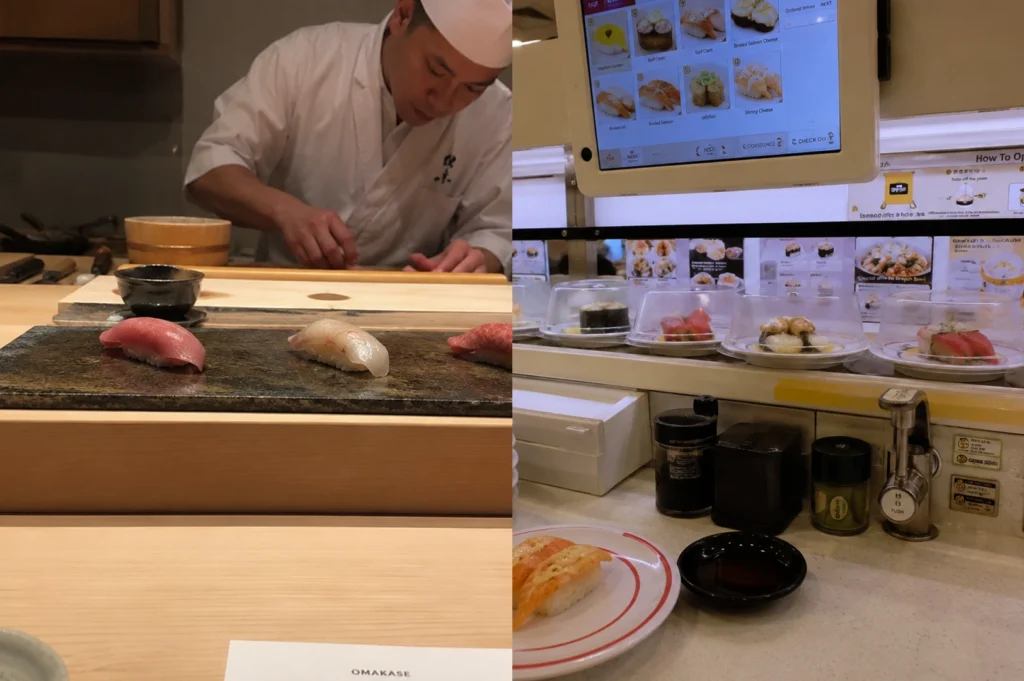
Singapore’s sushi dining landscape offers two distinct experiences: the refined artistry of omakase and the casual enjoyment of sushi bars. Each caters to different preferences, occasions, and budgets, providing sushi enthusiasts with varied ways to savor Japanese cuisine.
Omakase: The Art of Personalized Sushi Dining
Omakase represents a chef-led journey where seasonal menus are meticulously crafted using premium ingredients, often featuring fresh seafood flown daily from Japan. Restaurants like Sushi Masa by Ki-setsu and Sushi Ayumu by Masa Ishibashi exemplify this intimate dining style, featuring limited seating to maintain exclusivity and close interaction between chef and diner. Here, each piece of exquisite sushi, including uni and premium sashimi, is served in a deliberate progression, showcasing delicacies such as otoro and aburi sushi. Reservations are typically required, emphasizing the personalized and exclusive nature of the experience.
Sushi Bars: Casual and Accessible Sushi Enjoyment
In contrast, sushi bars, including conveyor belt establishments like Genki Sushi, Sushi Express, and Tomi Sushi, offer a lively and affordable dining environment. With multiple locations across Singapore, these venues provide a wide variety of sushi options, including popular sushi rolls, nigiri, and aburi sushi, delivered quickly and conveniently. Sushi bars are ideal for casual meals, family gatherings, or quick bites, focusing on accessibility, affordability, and variety rather than the curated progression found in omakase.
Choosing Between Omakase and Sushi Bars
Your choice depends on the dining experience you seek. Opt for omakase when celebrating special occasions or desiring an immersive culinary journey with seasonal, premium seafood and attentive chef service. Choose sushi bars for relaxed, budget-friendly meals with a broad sushi selection and a vibrant atmosphere.
Additionally, Singapore offers hybrid options such as rooftop dining at Tora Tora Tora, blending traditional sushi craftsmanship with a modern twist, or convenient sushi takeout from outlets like Umi Sushi, catering to diverse dining preferences.
Understanding these differences ensures you can select the sushi experience that best suits your mood and occasion, making every meal memorable in its own unique way.
Spotlight on Sen-ryo: A Popular Sushi Restaurant Singapore Boasting Authentic Edomae Sushi
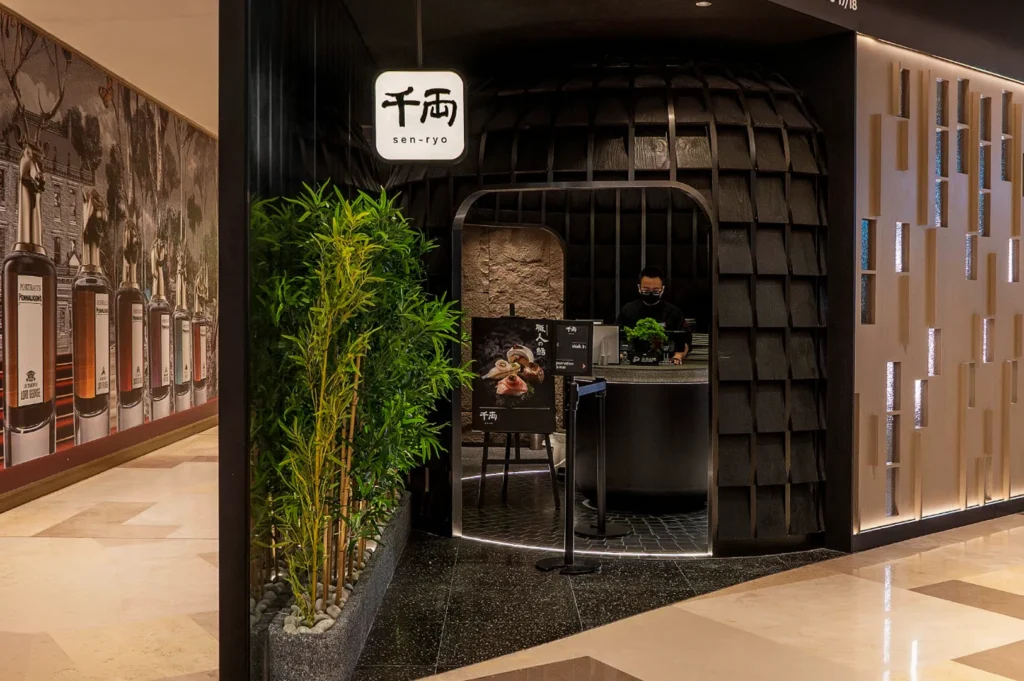
Among the many sushi restaurant Singapore options, Sen-ryo stands out as a beloved chain that specialises in authentic Edomae sushi, offering a signature experience that combines tradition with accessibility. Sen-ryo boasts multiple outlets, including a prominent location at Suntec City, where the operating hours typically run from 11am to 10pm daily, making it convenient for lunch and dinner visits.
Sen-ryo’s menu features a diverse range of sushi, nigiri, sashimi, and rolls, with seasonal seafood selections that highlight freshness and quality. The restaurant specialises in delivering an authentic Japanese sushi experience, with chefs skilled in the art of sushi preparation, ensuring each piece is crafted with care. Popular dishes include the Sen-ryo Aburi Sushi Platter and Sen-ryo Deluxe Sushi Platter, perfect for sharing or individual indulgence.
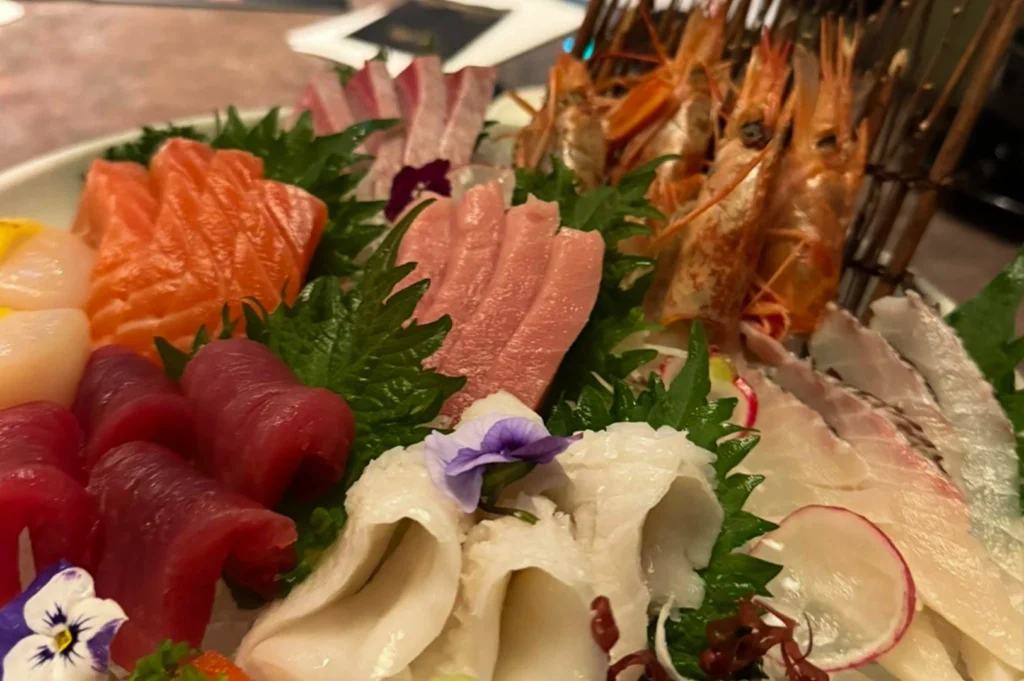
For those seeking a sushi restaurant Singapore that balances quality and value, Sen-ryo offers options that are both affordable and satisfying, making it a favourite among locals and visitors alike. Whether you are dining solo or in a group, Sen-ryo’s welcoming atmosphere and round presentation platters make it a great choice to enjoy Japan’s culinary heritage in the heart of Singapore.
Key Takeaways: Navigating Sushi Dining in Singapore
Singapore offers a rich spectrum of sushi experiences, ranging from casual conveyor belt sushi bars to intimate, chef-led omakase counters. True omakase dining is characterized by a personalized, seasonal progression of sushi served directly by the chef, typically at a dedicated sushi counter, creating a refined and authentic experience. In contrast, casual sushi bars and izakayas provide comforting, accessible Japanese dishes with fresh seafood but do not replicate the intimacy and craftsmanship of omakase. When choosing an omakase restaurant, it is important to consider factors such as the chef’s daily presence, seasonal menu offerings, seating arrangements, and reservation policies to ensure authenticity.
Lunch omakase menus can offer a more affordable entry point to premium sushi, although dinner often features the freshest and most seasonal ingredients. Engaging respectfully with the chef and savoring each course at the right temperature enhances the overall experience. It is also crucial to recognize that not all establishments using the term “omakase” truly deliver the traditional, intimate sushi journey; understanding these nuances helps set appropriate expectations and enriches your dining experience.