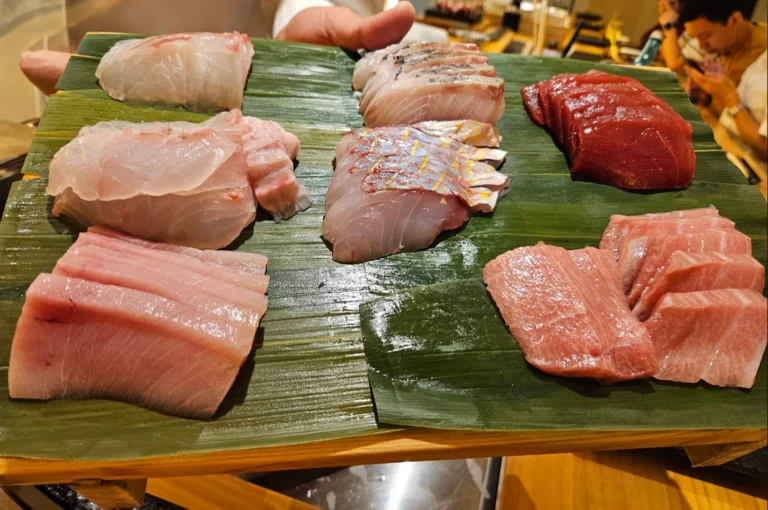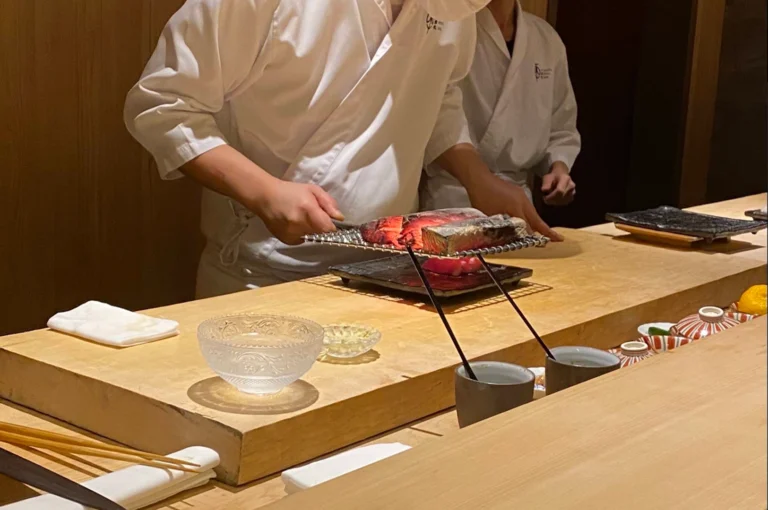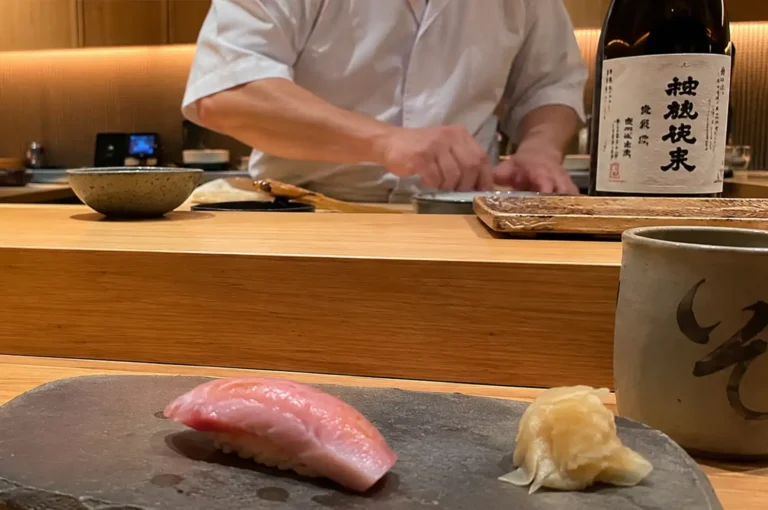

The evening air in Somerset always feels alive, doesn’t it? But stepping through that heavy wooden door. The world just melts away. Suddenly there’s this beautiful quiet that wraps around you like a warm blanket. I breathe in and catch hints of toasted seaweed and that sweet vinegar scent that makes my heart skip. This isn’t just dinner; it’s like stepping into a secret garden of authentic Japanese food. I’d been counting down the weeks since making this reservation at Sushi Masa by Ki-setsu, practically vibrating with curiosity about how a master creates sushi omakase magic. Standing there in the gentle light, having chosen my favorite smart casual outfit to honor this special place, I feel that familiar flutter of pure excitement.
They lead us to the cypress counter, the absolute star of the room. The wood feels so smooth and cool under my fingertips, like silk. Everything about this spot whispers promises of something unforgettable ahead. When you settle into a sushi counter at restaurants like Sushi Masa, you’re not watching from the sidelines anymore. You become part of something beautiful and ancient. This is what omakase truly means to me. It’s like embarking on an adventure where you let go completely, trusting the chef to take your taste buds on the most wonderful journey through a carefully curated menu.
For those seeking an exceptional dining experience without the premium price tag, there are also options for cheap Japanese food omakase in Singapore that still deliver authentic flavors and craftsmanship.
Discovering the Essence of Sushi Omakase in Singapore
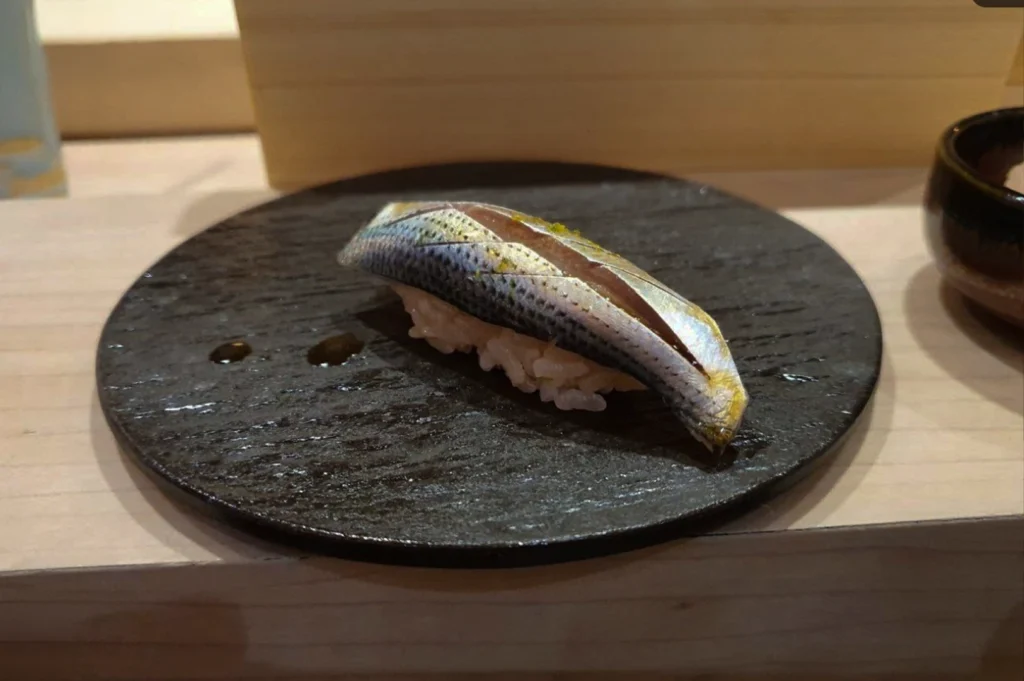
Sushi omakase in Singapore offers a unique dining experience that blends tradition with the city’s vibrant culinary scene. Restaurants like Sushi Masa by Ki-setsu provide an intimate setting where guests can enjoy an artisan sushi counter experience. Here, the chef meticulously selects a variety of seasonal seafood flown in daily from Japan, including premium ingredients sourced from renowned markets such as Toyosu Market. This seafood-only omakase emphasizes freshness and quality, allowing diners to savor delicate sashimi, nigiri, and signature warm courses crafted with years of expertise.
Reservations are highly recommended due to the limited seating and high demand for these exclusive experiences. Many omakase venues in Singapore operate primarily during dinner hours, though some also offer lunch sessions for those seeking an easy yet refined meal. The close interaction at the sushi counter fosters a personal connection between chef and diner, enhancing the enjoyment of each carefully prepared dish. Whether you are a seasoned sushi lover or exploring omakase for the first time, the variety and craftsmanship found in Singapore’s omakase scene make it a hard-to-find culinary treasure worth savoring.
Beyond Just a Meal: Entering the Flow
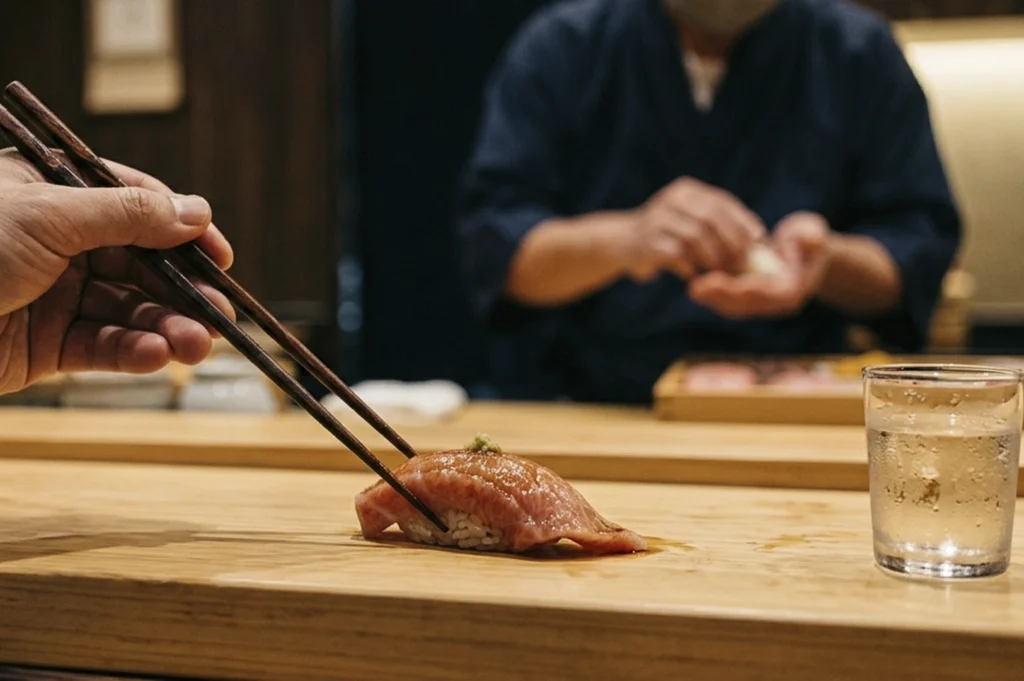
There’s this magical moment when you realize, this is so much more than just eating. It happens right before that first beautiful bite arrives. I’m watching the chef behind the counter, and goodness, he moves like he’s dancing. The way he wipes his knife with that damp cloth, how his eyes scan all those gorgeous ingredients flown in fresh from Japan. It’s like watching an artist prepare his canvas. The rhythm has started, gentle and sure, and we’re ready to dive in.
The omakase philosophy is all about celebrating what nature gives us at its most perfect moment. The chef doesn’t force anything; he listens. He watches us too, adjusting his pace to match our breathing, our conversation. I pick up my wooden chopsticks and feel myself shifting into this dreamy state. To really soak in this kind of dining, you have to come with your heart wide open. Leave all those daily worries at the door! I take a gentle sip of cold sake, letting that crisp finish clear my palate like morning dew.
The Core of the Omakase Philosophy
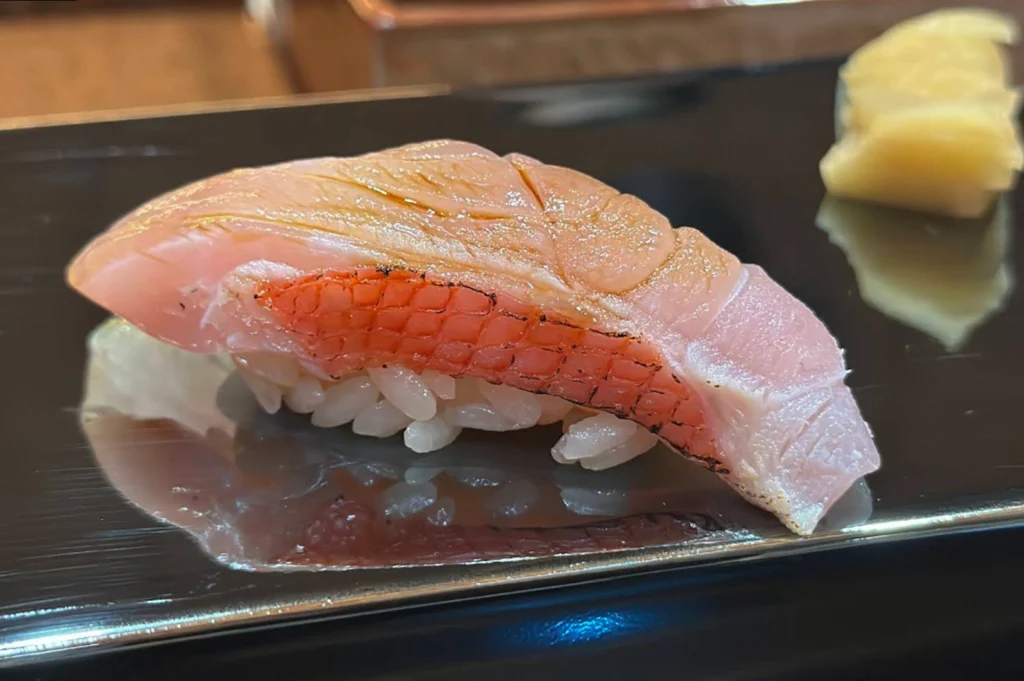
The first course appears like a little gift. It’s this delicate arrangement of spring’s treasures, capturing everything I love about this season. Tender simmered octopus sits next to this gorgeous pale flounder slice. I place the flounder on my tongue and close my eyes. The texture is like silk and velvet had a baby, firm but melting, with this sweetness that just sings of freshness and quality.
This is where Japanese cooking absolutely steals my heart. It doesn’t need to shout with heavy sauces or bold spices to make you swoon. It whispers instead. The chef’s magic shows in how perfectly thin he’s sliced this, and that barely-there brush of soy sauce he’s already added. Every tiny detail is designed to wake up your senses. I feel this instant emotional connection to what I’m eating. It’s soothing, grounding, and ridiculously delicious.
Experiencing Intimate Dining at Sushi Masa
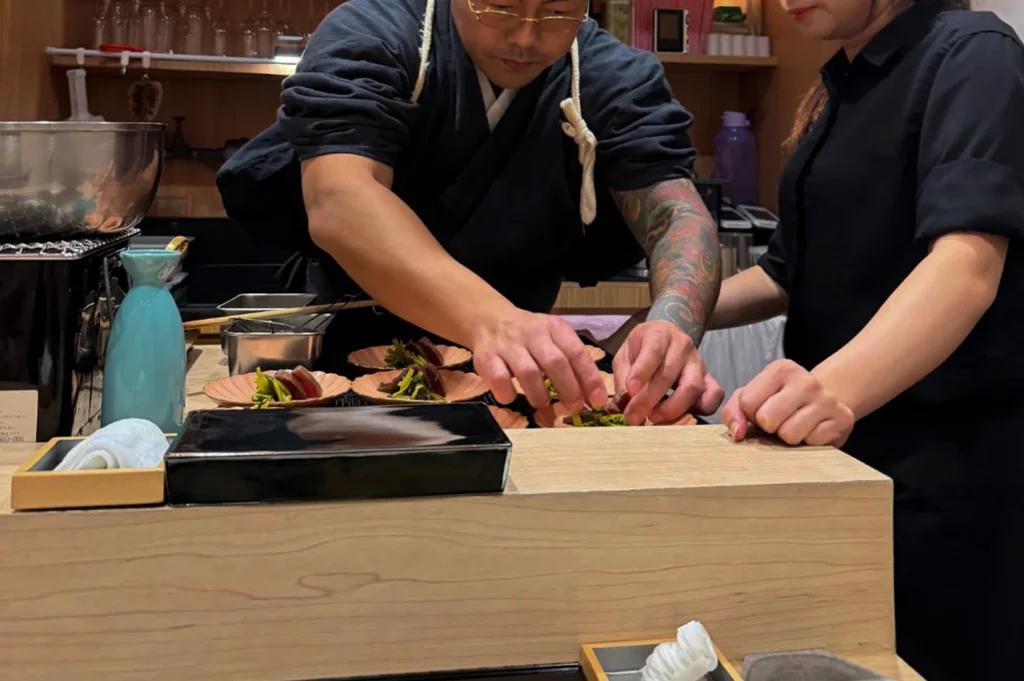
The intimate setting at Sushi Masa by Ki-setsu is designed to create a unique and personal omakase experience. With only eight seats available around the sushi counter, diners enjoy an exclusive atmosphere that fosters close interaction with Chef Masa and his team. This limited seating ensures that each guest receives attentive service and a tailored dining journey.
The cozy environment allows guests to fully immerse themselves in the flavors, textures, and presentation of each course, free from distractions. It also encourages a sense of community among diners, who share in the appreciation of the chef’s craftsmanship and the seasonal ingredients.
This intimate dining concept is a hallmark of authentic Japanese omakase, making every visit to Sushi Masa a memorable and special occasion.
The Heart of Japanese Cuisine
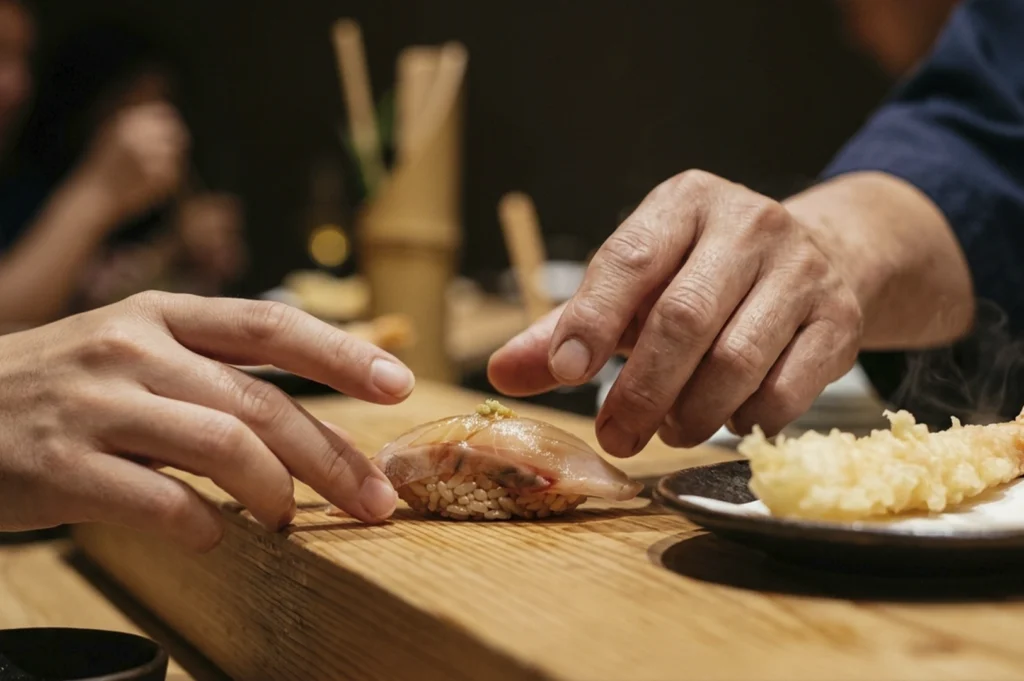
As the evening flows on, we drift from cool sashimi to these comforting warm dishes. A tiny, perfectly crispy tempura lands in front of me. The batter is impossibly light, it basically dissolves to reveal this sweet, steaming treasure inside. These little bridges between courses are so thoughtful, like gentle transitions that prep your palate for what’s next. They show how brilliant these chefs are, playing with hot and cold, crispy and silky, keeping everything feeling fresh and exciting.
But the real star of the show, like in every amazing sushi omakase place, is the nigiri. The chef reaches into his wooden box, hands moving like flowing water. He scoops this perfect little mound of warm rice. The rice is the secret hero of sushi, you know. It’s seasoned with such care that delicate dance of vinegar and salt creating the perfect foundation for the fish. I watch him press this stunning piece of amberjack over the grains. He sets it on the counter in front of me. No chopsticks needed. I pick it up with my fingers, still feeling the warmth from his hands, and take that perfect bite.
A Window Into the Chef’s Vision
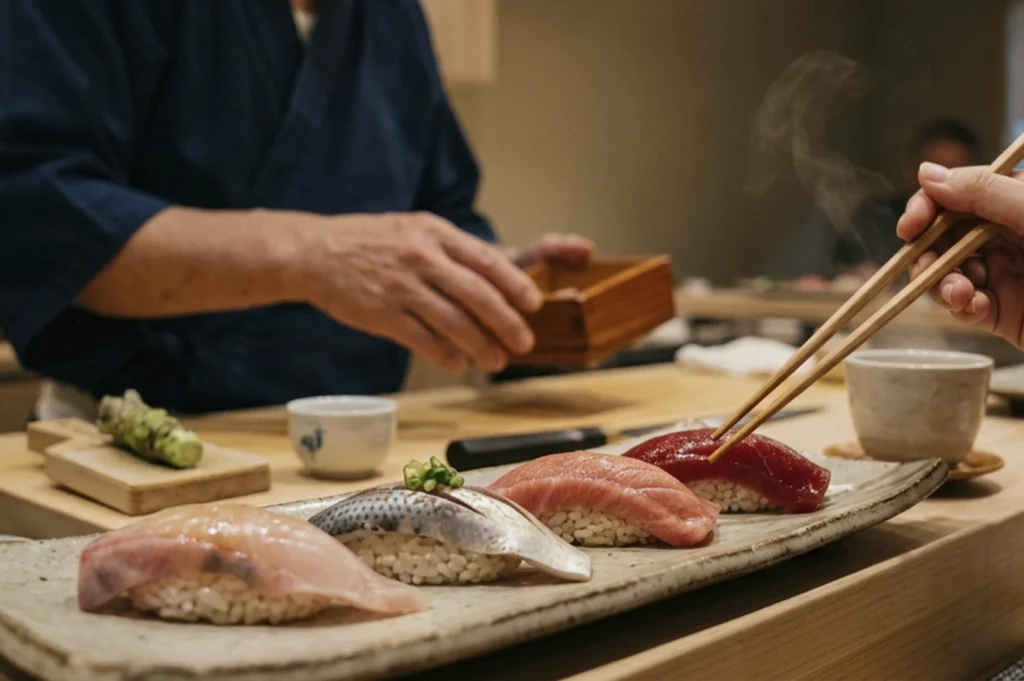
The flavors just burst to life! The rich, buttery amberjack melts seamlessly with the warm, perfectly loose rice. It’s pure poetry in my mouth. The chef’s artistry isn’t just in how he slices the fish, but in building each perfect little bite. The way the rice holds just enough air so everything collapses beautifully as you chew. It’s incredible.
Each piece of nigiri tells me something new about his vision. This silver mackerel brings this bright, ocean-fresh zing, while this gorgeously marbled tuna is like pure luxury melting on my tongue. His choices feel like a masterclass in storytelling taking us through gentle valleys of clean, subtle flavors and then these peaks of rich, lingering happiness. All I need to do is be completely present. No analyzing, no overthinking just receiving these beautiful gifts.
There’s this quiet intimacy that grows between chef and guests as the meal unfolds. He notices when I close my eyes in pure bliss. He adjusts rice portions when he senses someone’s getting full. This kind of attentive service transforms a simple dinner into something deeply personal and magical. We’re having this wordless conversation, connecting through the universal language of incredible sushi omakase.
Witnessing True Omakase Mastery
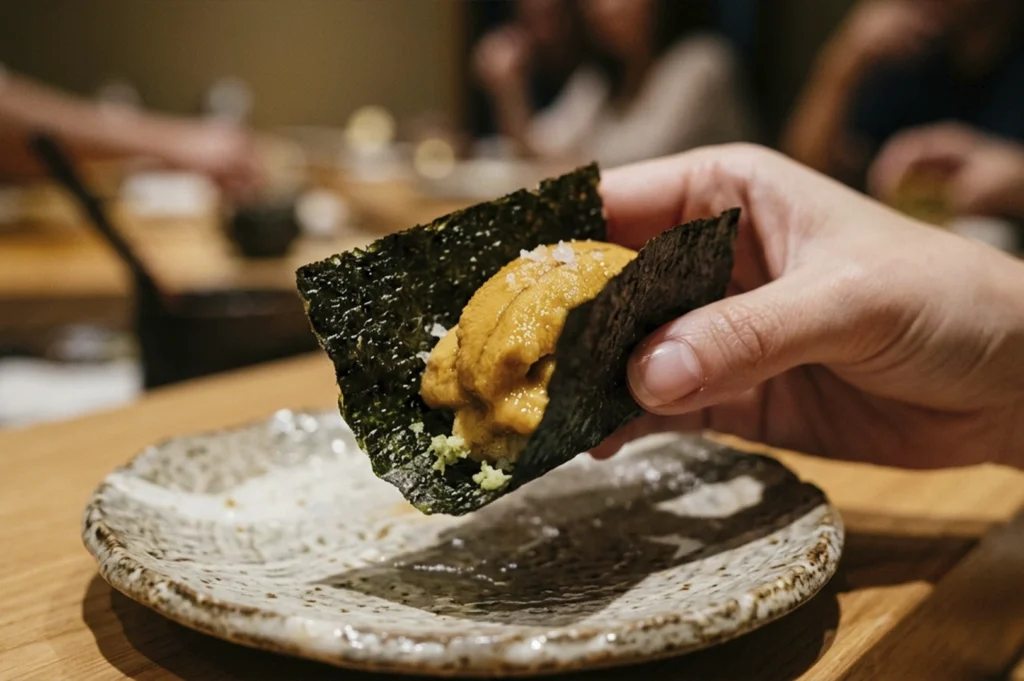
As we near the end of the savory adventure, the chef presents his signature showstopper. It’s this single, perfect piece of sea urchin, wrapped loosely in crisp roasted nori. The dark green seaweed creates this stunning contrast against the golden, sunset-colored urchin. One bite and the creamy, briny sweetness coats my palate while the nori gives this satisfying snap. It’s like tasting the essence of the ocean, delivered with absolute grace.
Sitting at this limited-space counter, whether on a peaceful Sunday evening or a buzzing Saturday night, feels like witnessing pure magic. It’s this beautiful exploration of Japanese cooking philosophy, where every gesture has meaning and every ingredient is treasured. The chef isn’t just feeding us; he’s crafting memorable experiences that will last forever. All that dedication to craft, respect for tradition, and pursuit of perfection. It’s all captured in one fleeting, perfect bite.
The Omakase Experience: A Symphony of Flavors and Craftsmanship
As the final dessert arrives, this wonderfully airy, subtly sweet creation. I feel this deep contentment washing over me. The meal has taken nearly two hours, yet it feels like time just stopped completely. I look at the empty ceramic plate in front of me, replaying all those amazing flavors that just danced through my evening.
The true magic of omakase dining is how beautifully temporary it all is. You can’t take this home with you. You can’t bottle up the exact warmth of that rice or the precise texture of today’s fish. It exists only in these precious moments as you experience it. We walk away from the counter with nothing but glowing memories and this lingering warmth from such caring service. Stepping back out into the lively world of Orchard and beyond, the city noise slowly returns. But that calm, grounding energy from the wooden counter stays with me like a gentle hug. I didn’t just have dinner; I was part of something beautiful and quietly magical. And it was, without question, an omakase masterpiece.
For those eager to explore more about the exquisite sushi omakase offerings in Somerset and other popular places, the detailed culinary journey shared in Journey Through Somerset Food: Omakase, A Culinary Symphony offers an enriching perspective that beautifully complements this exploration of sushi craftsmanship. Feel free to share your comment or email your thoughts for more info on reservations, prices, and available seats on Tuesday through Saturday, as Sushi Masa by Ki-setsu is closed on Mondays and offers limited seats especially on Sundays. of sushi craftsmanship.