My mother used to say that the best meals are the ones you don’t plan.
Omakase is a little like that. You sit down, you let go, and the chef takes over. In Japanese, it means something close to “I’ll leave it to you”, and there’s something quietly radical about that kind of trust, especially in a city where we are used to ordering exactly what we want, when we want it.
For a special occasion, that surrender is the point.
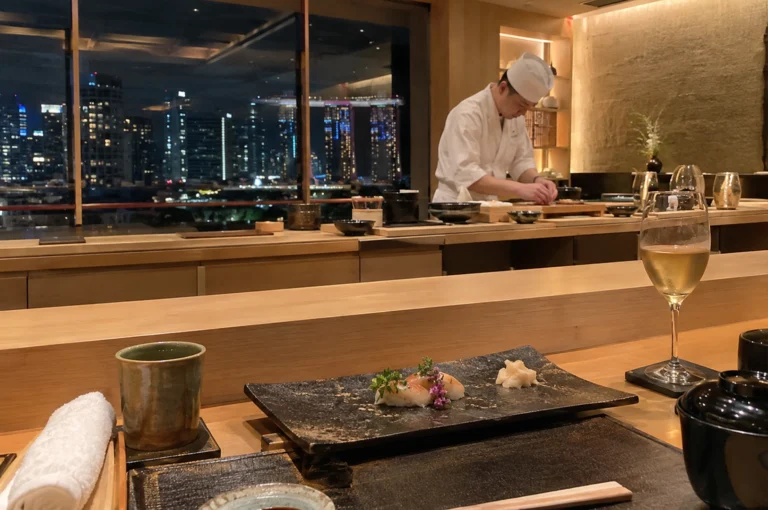
There’s no menu to debate. No second-guessing between dishes. Just a progression of courses; shaped by the season, by what arrived from Toyosu Market that morning, by what the chef feels is worth your attention tonight. Each plate arrives when it’s ready. You receive it. You eat.
I’ve sat at omakase counters on birthdays, on anniversaries, on quiet evenings that needed to feel significant. What I remember isn’t the price or the prestige. It’s the stillness of it. The way a meal structured around trust slows everything down.
Is it right for every occasion? No. It asks for patience and a willingness to be surprised.
Why Choose Omakase for Special Occasions?
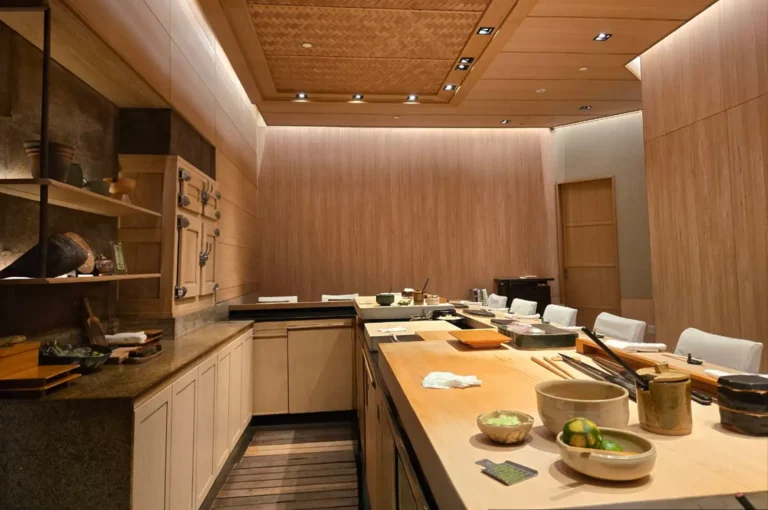
Choosing omakase dining for your special occasion guarantees an intimate dining experience with counter seating that allows direct interaction with the chef. This personalized service ensures each course is thoughtfully crafted and perfectly paced for maximum enjoyment. The use of premium seafood, such as fatty tuna, sea urchin, and assorted sashimi, elevates the meal, creating a truly memorable celebration.
Omakase Celebrations Worth Trying
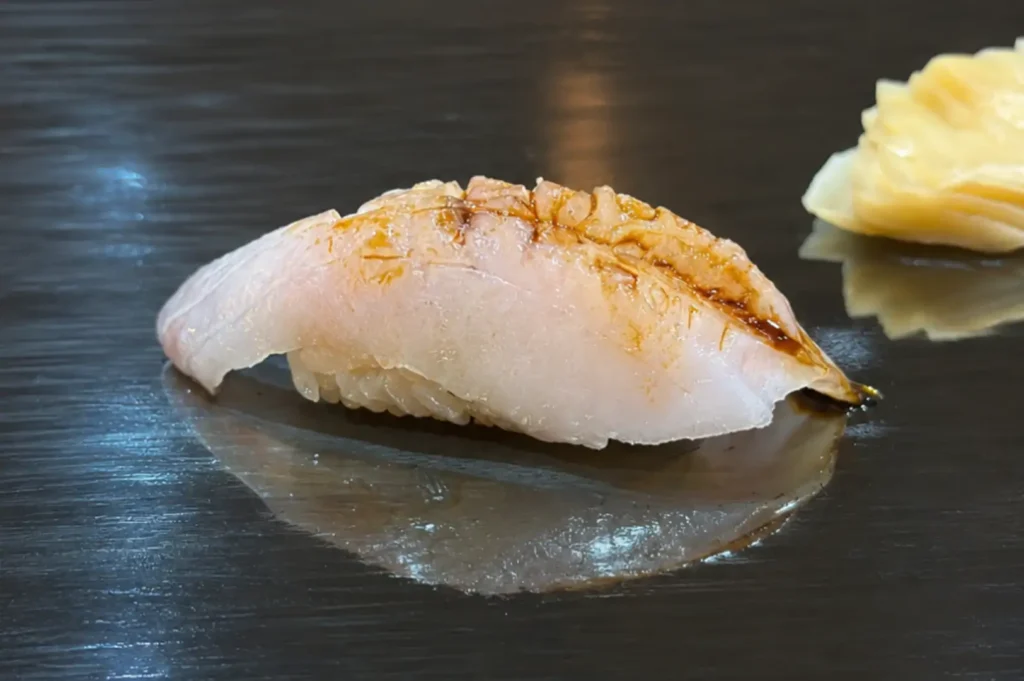
Most celebrations today are filled with distractions. Phones come out between courses. Tables are crowded with food ordered all at once. Conversations drift as everyone focuses on something different. Omakase naturally changes that rhythm. Since every course arrives one at a time, your attention returns to the same place over and over again. You watch the chef prepare each piece. You wait together. You taste together. Then you talk before the next course begins.
Without realizing it, the meal creates pauses that rarely exist in everyday life. Those pauses often become the most memorable part of the evening.
Intimate and Romantic Conversations
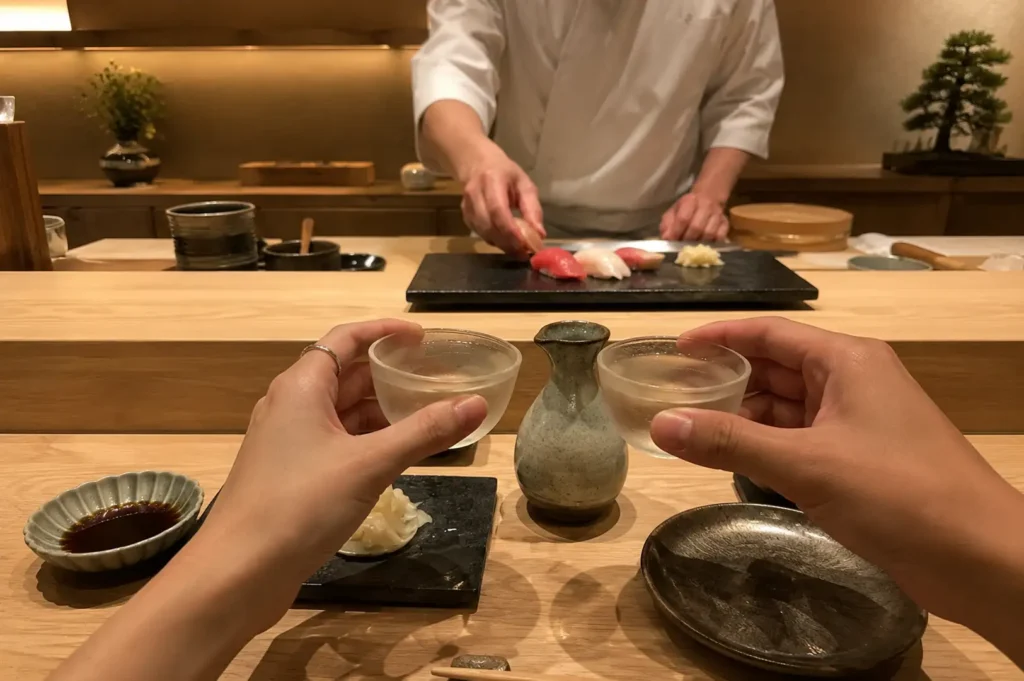
For anniversaries, omakase reflects something quietly familiar about long relationships. After years together, love is often found less in grand gestures and more in trust. Trust that the evening will unfold naturally. Trust that neither of you needs to control every detail. Trust that simply sharing the experience is enough.
The pacing encourages conversations that rarely happen during faster meals. There is no pressure to rush through dinner before the next reservation or fill every silence. Instead, each course creates another opportunity to reconnect, remember shared experiences, or simply enjoy sitting together without needing constant entertainment.
For first dates, omakase offers a different kind of intimacy. Instead of spending the evening deciding what to order or comparing menus, both people experience the same sequence of dishes. What changes is not the food but the conversation around it. One person may notice the sweetness of the fish while the other talks about the texture or the craftsmanship behind it. Those small differences often reveal more about someone’s personality than carefully prepared answers to familiar first-date questions.
The experience also requires a small act of vulnerability. Both people are choosing to trust the chef with their dinner, and in a subtle way, they are choosing to trust the evening itself. That shared openness often makes the experience feel more personal than a traditional restaurant meal.
Quiet Celebrations
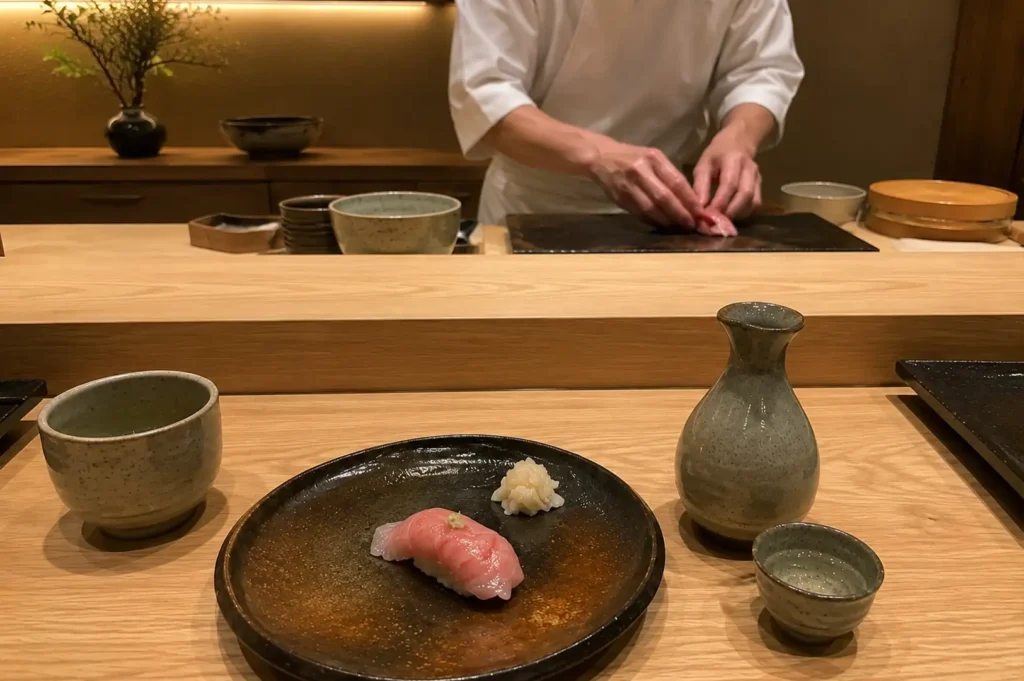
Not every milestone needs loud music, elaborate decorations, or a room full of people. Some achievements feel more meaningful when celebrated quietly.
For milestone birthdays, omakase creates a sense of occasion without relying on spectacle. The celebration comes from intention rather than excess. Sitting at the counter, watching years of craftsmanship unfold course by course, reminds you that meaningful moments do not always have to be the loudest ones.
The same is true for life’s quieter victories. A long-awaited promotion. Recovering after a difficult season. Finishing a personal goal that only a few people truly understand. These moments deserve recognition even if they never become public celebrations.
Omakase has a way of honoring those occasions because it gives them space. Nothing competes for your attention. The meal moves at its own pace, allowing you to reflect on what the moment means instead of rushing past it.
The Lasting Memory of an Omakase Celebration
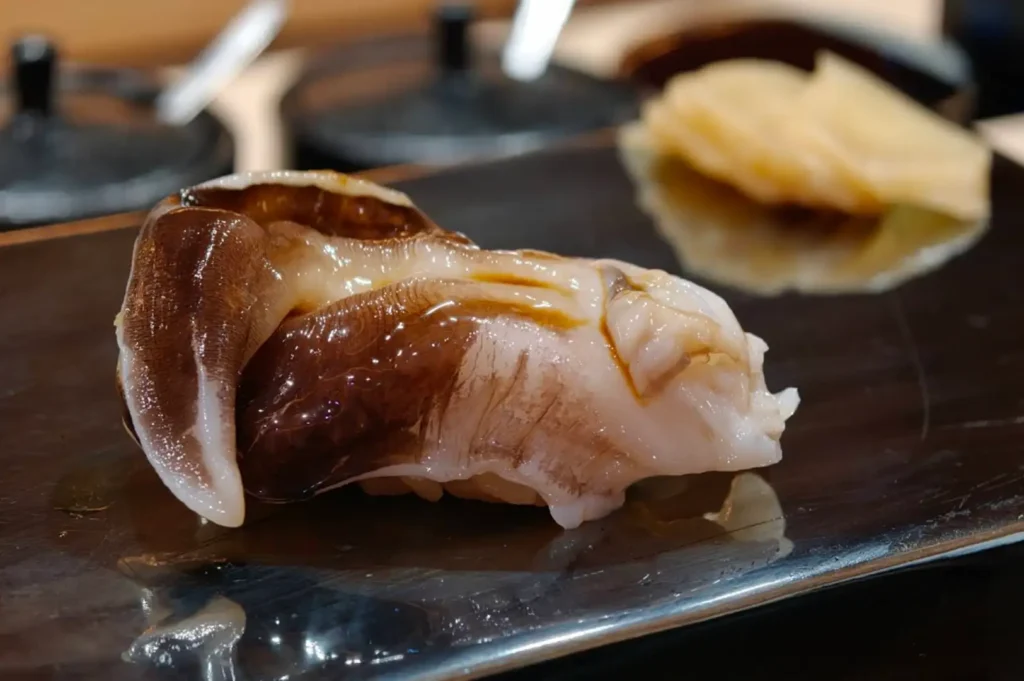
That is perhaps what makes omakase memorable. Long after you’ve forgotten the exact ingredients or the order of each course, you often remember who sat beside you, what you talked about between servings, and how the evening felt from beginning to end.
It will not suit every personality. Some people find comfort in choosing every dish for themselves, and there is nothing wrong with that. Omakase asks you to surrender a small measure of control in exchange for surprise and trust.
If you are willing to embrace that exchange, even for a single evening, you may discover that the most memorable part of the experience was never the menu itself. It was the time, attention, and conversation that the meal quietly made possible.
What to Expect from an Omakase Meal
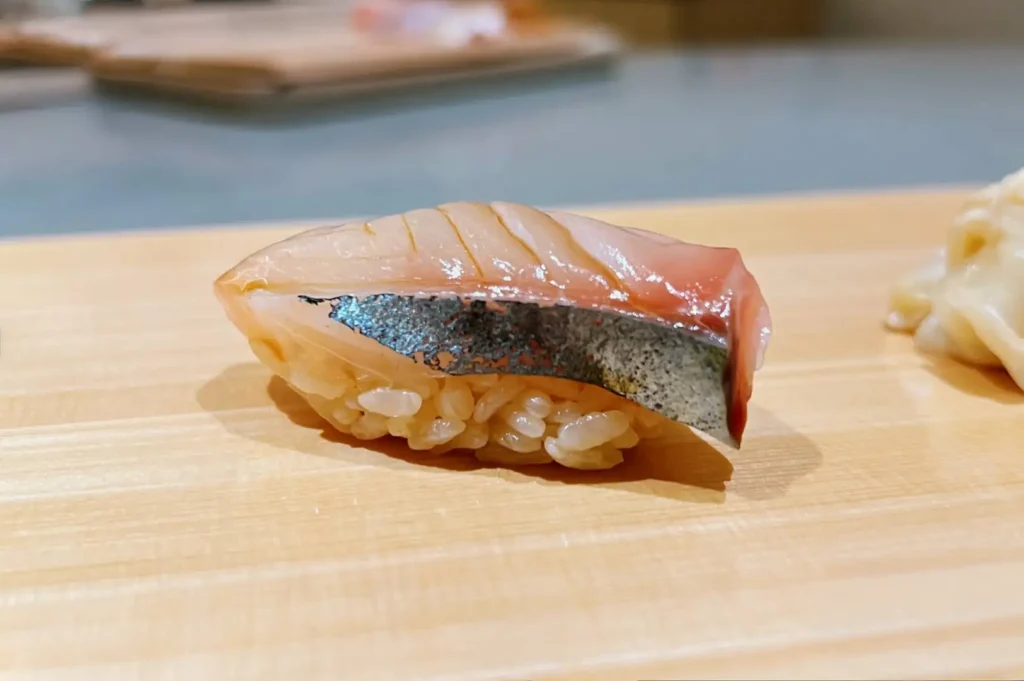
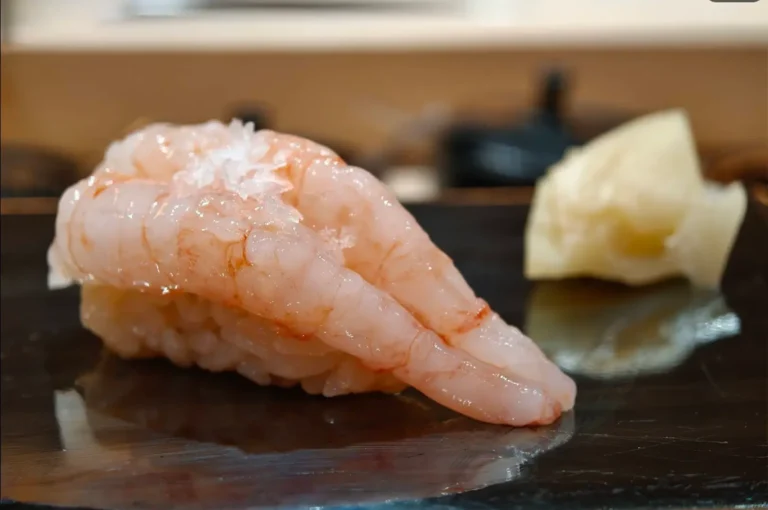
An omakase meal typically begins with light appetizers, followed by seasonal sashimi showcasing premium seafood like fatty tuna and sea urchin. The progression continues with nigiri sushi crafted with precision, highlighting the perfect balance of sushi rice and fresh fish. Cooked dishes and hot dishes provide textural contrast, rounding out the multi-course dining experience. The meal concludes with a delicate dessert, ensuring a well-rounded omakase course.
Tips for Your Omakase Dining Experience
- Book early: A reservation made weeks ahead is often the first sign you mean it. Special occasions deserve that intention.
- Say something when you book: A birthday, an anniversary, a quiet farewell — let the restaurant know. A good chef notices. Some remember.
- Come without a rush: Omakase doesn’t fit into a tight schedule. Leave the evening open. Let it breathe.
- Dress with care: Not for the room — for yourself. It’s a small way of marking the moment.
- Mention what you can’t eat: Allergies, preferences, things that carry memory or meaning. The chef works around you, but only if they know.
Conclusion
Omakase works well for special occasions — not because it’s expensive, but because it asks something of you. You sit. You wait. You trust the chef to decide what the evening becomes.
In Singapore, that trust can take many forms. A quiet lunch counter. A twelve-seat dinner room. A chef who’s spent years refining a single broth or perfecting the temperature of rice. The price point varies. The intention rarely does.
If the occasion matters, omakase has a way of honouring it, without you having to say a word.
For recommendations on Omakase places you can visit in your special day, click here. You can also visit our website to explore other top restaurants and exclusive guides.