There are meals we enjoy, and then there are meals we remember years later.
Most dining experiences satisfy a need. They fill a schedule, mark the end of a workday, or provide a place to gather with friends. Yet every so often, a meal becomes something more. It becomes a story we tell repeatedly, a moment we revisit in conversation, or a memory that remains vivid long after the final course has been served. Omakase has a remarkable way of creating exactly that kind of experience.
At its core, omakase means "I leave it up to you." The phrase sounds simple, but the experience it creates is surprisingly profound. When diners sit at an omakase counter, they surrender the need to choose and instead place their trust in the chef. In return, they receive something that feels personal, intentional, and impossible to replicate.
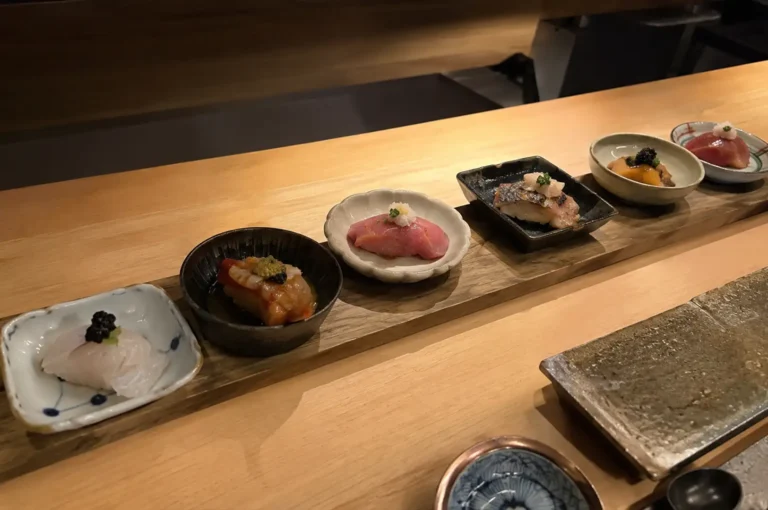
Unlike traditional dining, omakase unfolds gradually. Each course arrives with purpose, revealing a carefully considered sequence of flavors, textures, and techniques. There is anticipation in not knowing what comes next. Every dish becomes a small surprise, encouraging diners to stay present rather than rush toward the end of the meal.
That sense of presence is increasingly rare.
In a world filled with distractions, notifications, and endless multitasking, omakase asks diners to slow down. The focus shifts away from screens and schedules and toward the experience unfolding directly in front of them. The chef shapes the evening one piece at a time, while guests become active participants rather than passive consumers.
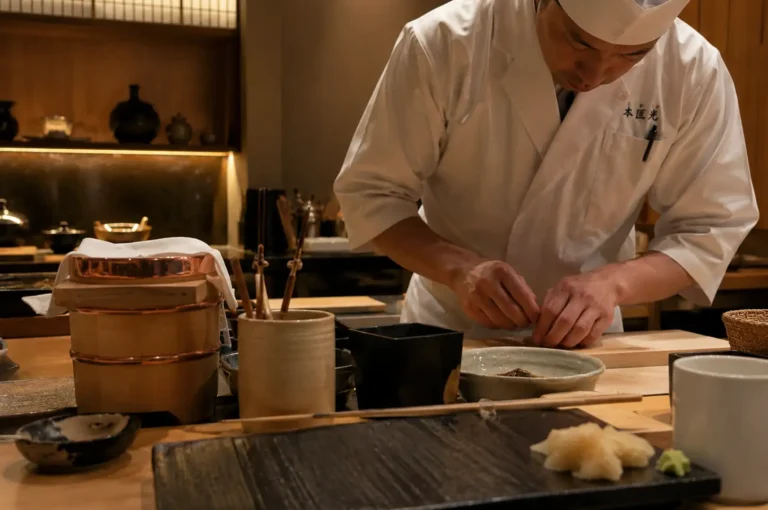
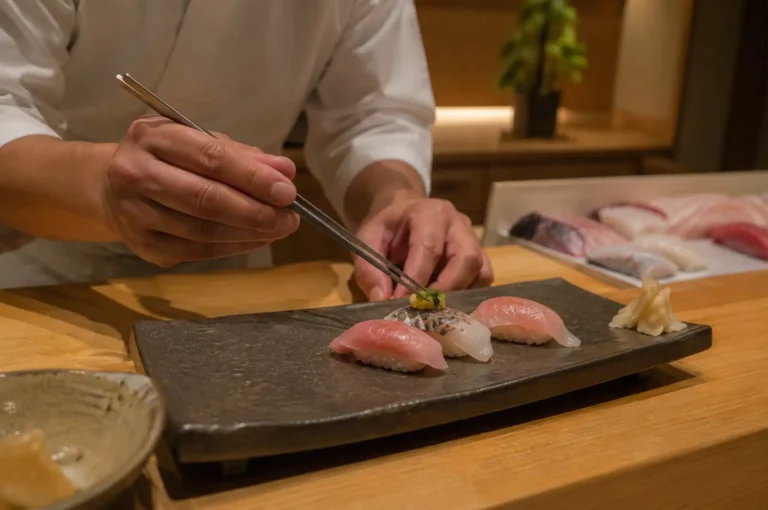
The intimacy of the omakase counter also plays a significant role in transforming a meal into a memory. Unlike large dining rooms where interactions can feel distant, the counter creates a connection between chef and guest. Diners witness the craftsmanship behind every course—the precision of a knife stroke, the careful seasoning of rice, the thoughtful selection of ingredients. These details create a deeper appreciation for the meal and the people behind it.
Often, the most memorable moments are not the most extravagant ones. They are the stories shared by the chef about a seasonal ingredient, the recommendation to eat a piece of sushi in a single bite, or the quiet smile exchanged when a particular course exceeds expectations. These small interactions humanize the experience and make it feel uniquely personal.
Omakase also has a way of marking important moments in life. Anniversaries, birthdays, promotions, reunions, and even spontaneous celebrations often find their way to the omakase counter. Because the experience is immersive and carefully paced, it naturally encourages reflection. Guests are not merely eating; they are creating a shared experience that becomes attached to a specific chapter of their lives.
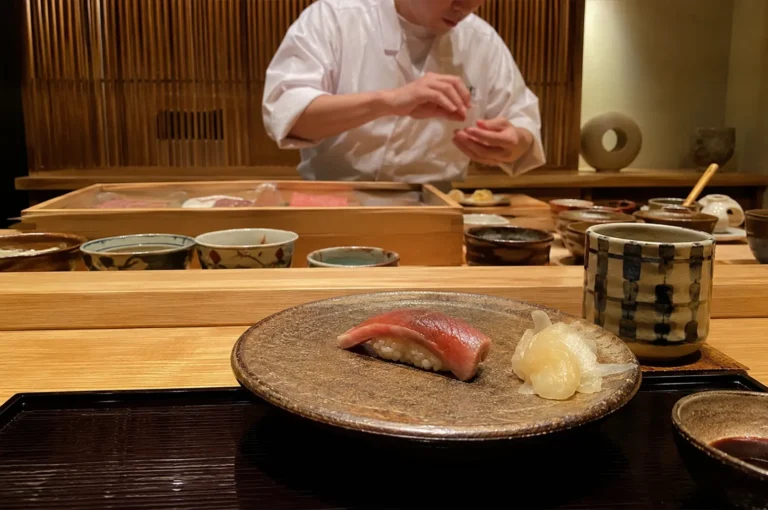
Years later, people rarely remember every dish they ordered at a restaurant. But they often remember the evening they sat at a sushi counter watching a chef prepare each course by hand. They remember who sat beside them, what they talked about, and how they felt throughout the meal. The food becomes intertwined with emotion, and emotion is what turns experiences into lasting memories.
Perhaps that is the true appeal of omakase.
It is not simply about premium ingredients or culinary expertise, although both certainly matter. It is about creating an environment where people can fully engage with the moment. Every course serves as a reminder to slow down, pay attention, and appreciate the experience as it happens.
In the end, the best omakase meals leave behind more than satisfaction. They leave behind stories, connections, and moments worth remembering. And that is what makes omakase so special—not just the food itself, but its unique ability to transform a meal into a memory that lingers long after the final piece has been served.