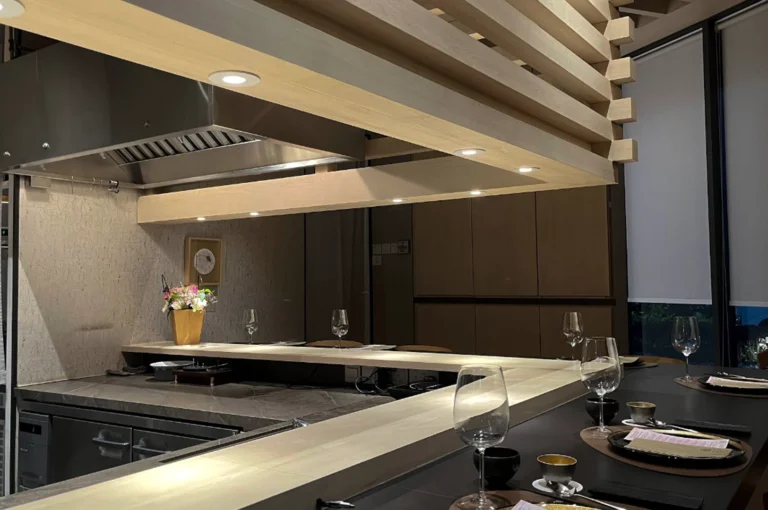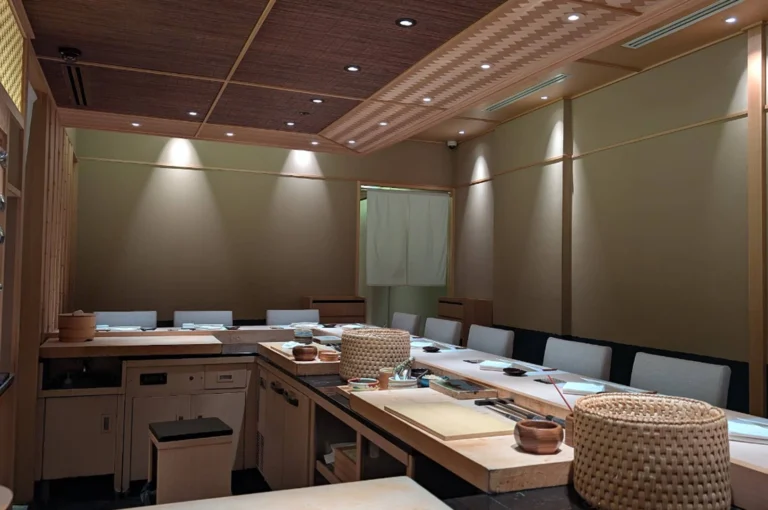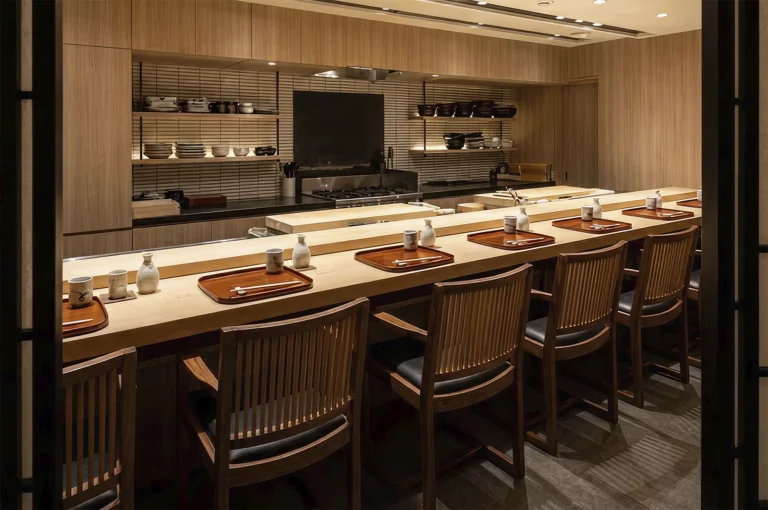
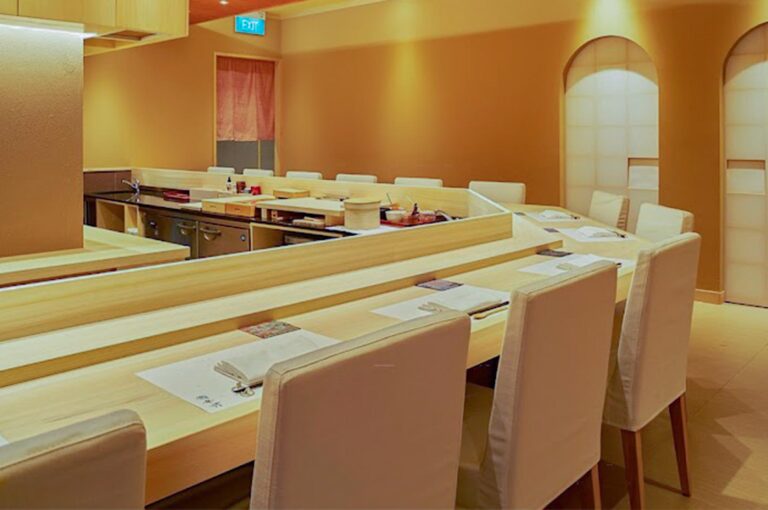
Stepping into an eight-seat omakase counter, such as found at Sushi Kimura, is immediately different from walking into a standard sushi restaurant or the larger halls of Chinese and French restaurants. Here, the space is tailored for intimacy; lighting is more deliberate, accentuating the heart of the room, the chef and the counter seats themselves. Sushi Kimura photos often showcase the interplay of soft wood, the gleam of specially ordered new plates, and a main counter carved from a single, light-colored slab.
Guests noticing the absence of private booths quickly understand how this design choice shapes the dining atmosphere. Unlike the previous Sushi Kimura or other small units in bigger restaurants, there is no division between the kitchen and the dining room. The workspace is shared, making every diner part of the process. This layout, with just eight counter seats, was chosen not by accident but as the perfect layout to encourage direct interaction and to bring personalized attention with every course. Kimura mused openly about searching for the perfect space, weighing Singapore’s voltage specifications, the best layout, and even the costly investment of installing a modern exhaust and grease trap, details that might go unnoticed but are essential to the experience.
The Physical Layout and Space
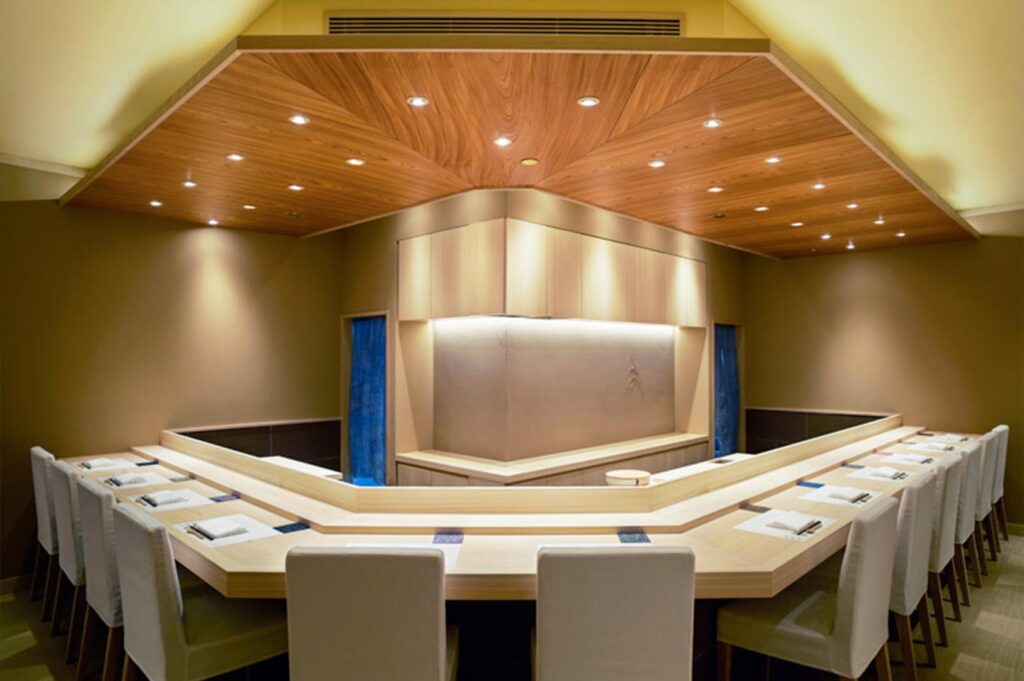
The defining feature at Sushi Kimura is the counter, typically crafted by a Japanese potter friend or artist friend who understands both beauty and utility. This counter, sometimes made from hinoki, stands as both the preparation surface and the dining table, ever pristine for service. You may notice the chef or his junior chefs, three chefs in total, carefully arranging new toys like specially ordered utensils or arranging atsuba aosa seaweed from Akita prefecture, right in front of you. This is not only sushi, it’s a display of many relationships built with business partners, famous fishermen, and organic farmers over family generations.
Seating, in a straight line or gentle L-shape, underscores a communal yet personal experience. Spacing between chairs balances comfort and proximity; you share the row but, with very limited quantities and just eight counter seats, never feel like part of a crowd. This set-up stands in contrast to large-scale sushi restaurants filled with so many chefs or factory made settings, demonstrating why Sushi Kimura is consistently referred to as a Michelin star destination.
Height also matters. Diners find themselves slightly beneath the chef’s hands, a vantage point specifically intended to bring the sushi-making process to life. This structure, which Kimura finally found after a year long hiatus and a meticulous wish list of requirements, allows everything from slicing the freshest abalone to grating wasabi, to happen in the open. The chef’s expertise shines; nothing is hidden, and every movement, including the smart processes behind cooking rice, is on full display.
Proximity and Attention
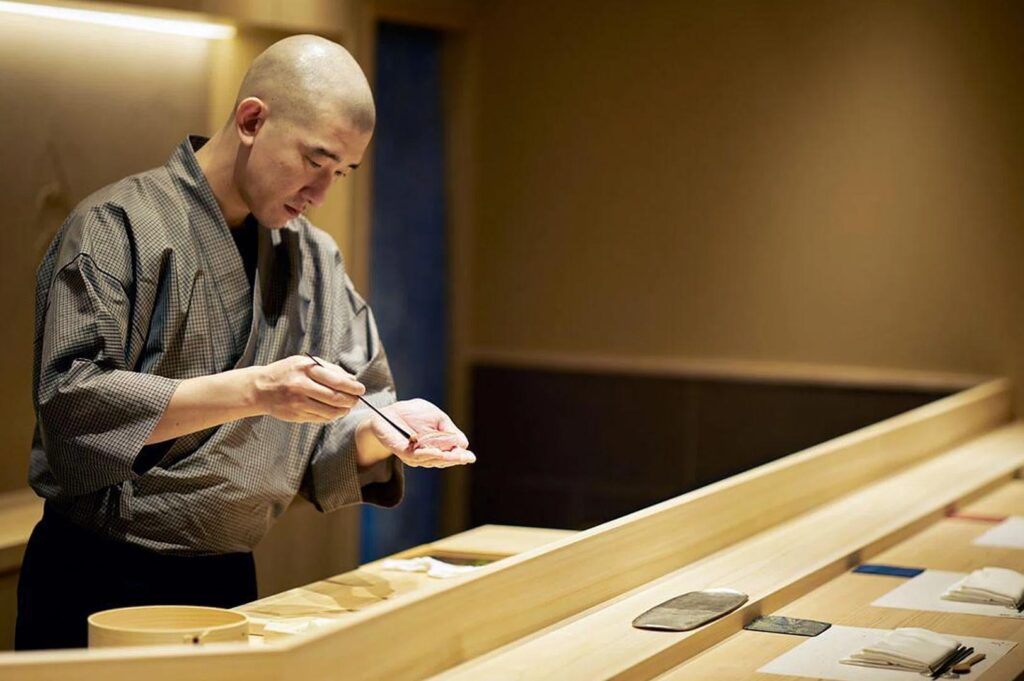
Close seating changes the meal’s dynamic. At the previous restaurant or larger sushi restaurants, you might only see glimpses of chefs cooking or even junior chefs darting in and out. In contrast, at Sushi Kimura, Chef Tomoo Kimura or his selected junior chefs, many with experience from three Michelin star restaurants, serve directly from their station to yours. The presence of chefs, different chefs on occasion, ensures pacing is responsive. After watching a white fish caught using traditional way spear hunting, you witness the chef gauge your readiness for the next piece, whether it’s sushi, freshwater seaweed, smoked radish pickles grown by the best organic farmer, or specially prepared atsuba aosa seaweed.
Every guest is visible to the chef, making personalized attention the strongest point compared to settings with more, but less engaged, staff. If diners prefer just one fixed menu, the omakase format here supports that, using only limited quantities of premium ingredients. Kimura’s longtime friend and organic farmer grows organic radishes expressly for the restaurant, often in very limited quantities, a fact sometimes noted in CNA Luxury features and reflected across the specially ordered new plates designed for each season.
Atmosphere and Acoustics
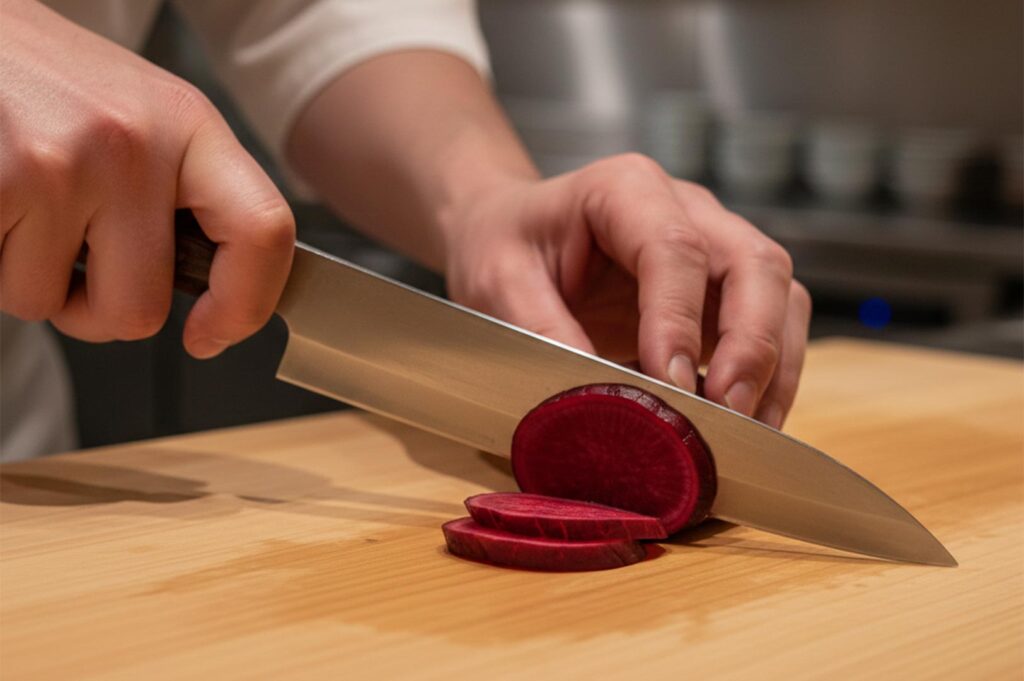
The atmosphere, compared to the energetic chaos of some Chinese and French restaurants or venues with two or three menus and passing costs, is notably calm. Sushi Kimura’s acoustics accentuate the subtle, the gentle sound of knives, the shaping of rice, the soft explanation from Chef Tomoo Kimura about the provenance of the smoked radish pickles or the organic radishes, or even why certain fish were sourced from the most famous fishermen using spear hunting methods perfected generations ago.
Lighting focuses on the central workspace and may reflect off plates painted with Mount Fuji, quietly drawing attention to the chef’s hands. There are no distractions; the entire room settles for the task at hand.
In this small environment, a group’s mood shapes the experience. A hushed appreciation for the craftsmanship of the chef carries easily across just eight counter seats, while louder groups stand out in a space that favors calm and attentive engagement.
Interaction with the Chef
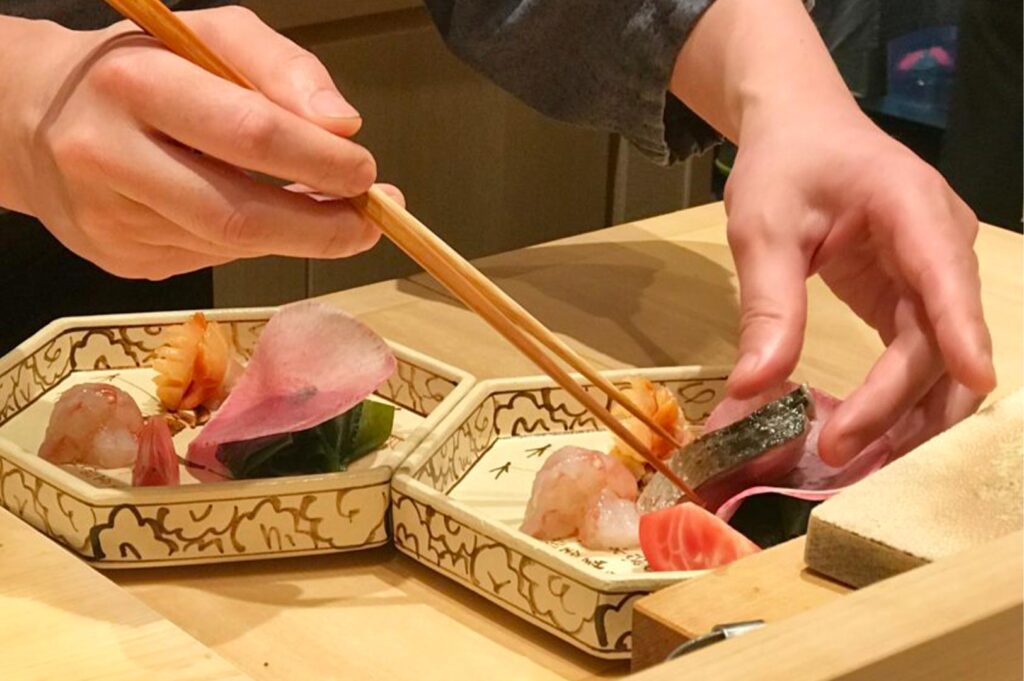
Choosing an eight-seat omakase counter like Sushi Kimura means craving not just food, but interaction. Sitting across from Chef Tomoo Kimura, or his three chefs, allows a rare transparency, every detail is visible, from the care in cleaning the grease trap, the efficiency in staffing costs, to the chef’s hands presenting freshly made white fish, of which only limited quantities were received that day from the best organic farmer’s family generations-old business relationships.
Interaction is simple and direct. The chef might describe a new atsuba aosa seaweed from Akita prefecture or discuss differences between factory made and specially ordered plates. Questions about the process, how he sources the freshest abalone from famous fishermen or his views on the strongest point compared to other omakase experiences are welcome, but the chef always returns to the work: slicing the fish, assembling the sushi, arranging organic radishes with just the right touch.
The setup accommodates a whole group or quiet one-on-ones. The chef’s own liver might appear as part of a sauce for abalone, and you may learn that it was a longtime friend’s suggestion or see firsthand how limited quantities affect menu decisions. It’s an environment with fewer seats, ensuring that every question answered or piece placed is part of a curated, not only sushi, symphony.
Is This Format Right for You?
Dining at Sushi Kimura, located within Conrad Singapore Orchard Hotel, offers a specialized experience. It is ideally suited for those who appreciate quiet observation, the culinary expertise of chefs cooking in plain sight, and the transparent use of the highest quality ingredients from smoked radish pickles and organic radishes to white fish caught by traditional way spear hunting, brought in from business partners across Japan. The direct interaction, sometimes about Singapore’s voltage specifications or the costly investment into new toys, creates a level of engagement missing in larger, more impersonal establishments.
However, not everyone prefers close proximity to the chef or limited privacy, especially when making bookings as a large group or seeking a more casual meal. The format’s focus on just one fixed menu, from the previous Sushi Kimura to today, demands attention and interest from the diner. The experience is shaped as much by the environment as the food. For those who value quality over quantity, appreciate the work behind the scenes, be that making sure the grease trap works, keeping staffing costs down, or resisting cutting costs by using factory made goods, this might be the perfect location.
If observing chefs cooking, talking to a sole owner about their new plates, or learning the provenance behind atsuba aosa seaweed appeals, an eight-seat omakase counter will feel like the perfect space. But it is not intended for guests needing the anonymity or variety of larger venues, or who prefer a setting with less structure and fewer protocols for the traditional way of serving sushi.
This sense of intimacy is explored more fully in ourSushi Kimura omakase review, where the experience unfolds course by course.