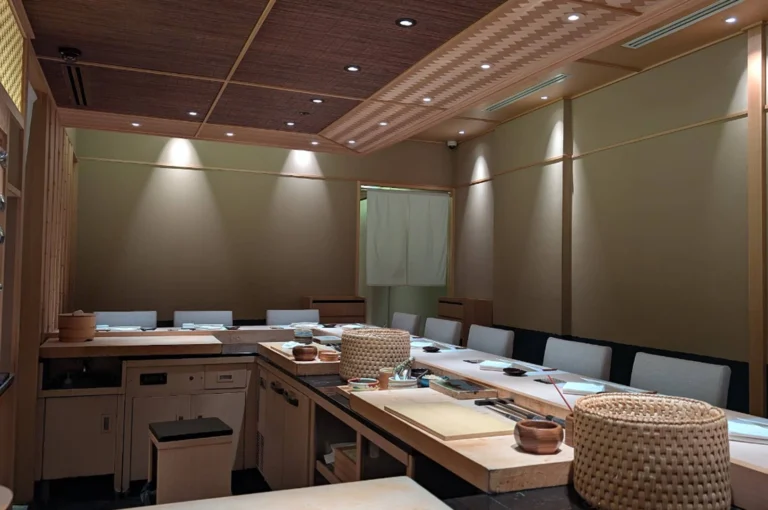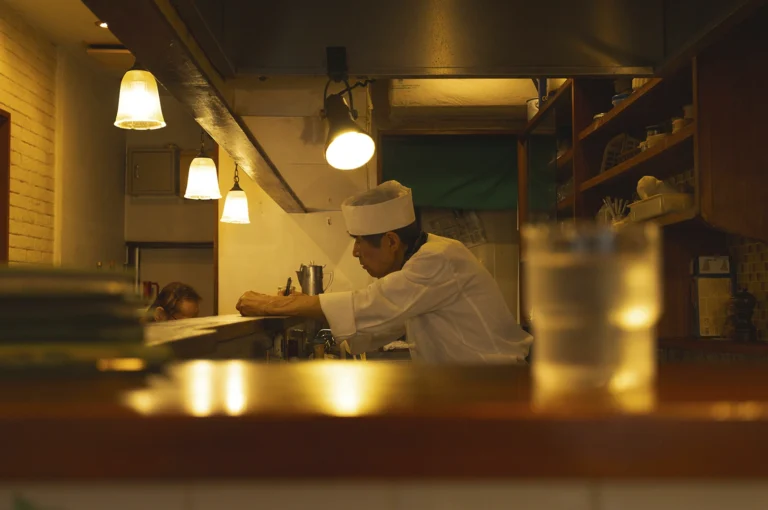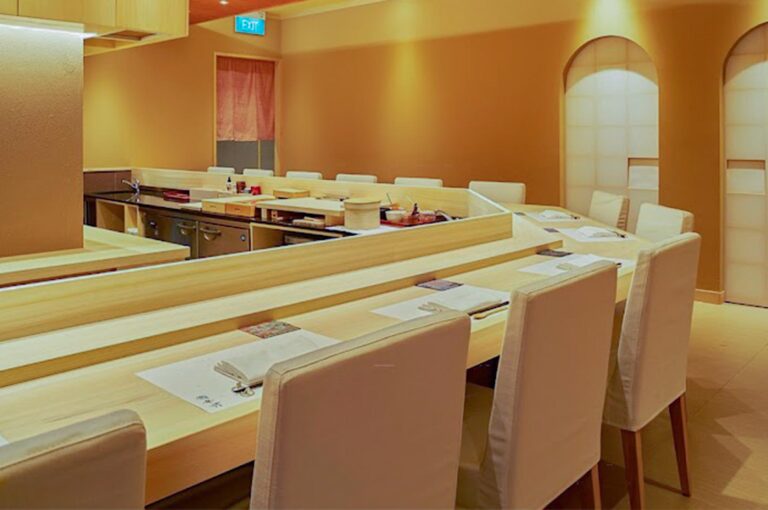
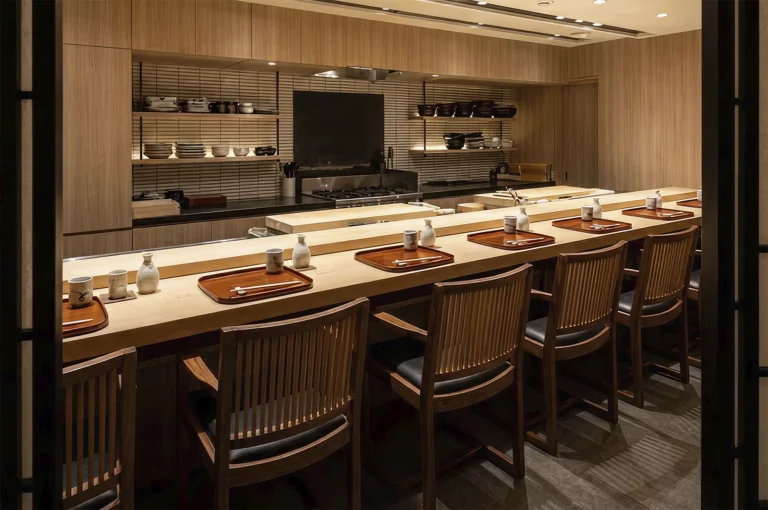
My first experience with a high-end Japanese counter in Singapore was a classic case of mistaken identity. I had booked what I thought was a traditional sushi omakase for an anniversary. But as the meal unfolded, I was served a delicate steamed fish, followed by a charcoal-grilled piece of beef, and then a perfectly fried seasonal vegetable, all before a single piece of nigiri appeared. It was an incredible meal, but it wasn’t what I expected. I had accidentally discovered the world of kappo Japanese dining.
This guide is for anyone who has been in a similar situation, or for those who are curious about what lies beyond the world of pure sushi. The term “kappo” is popping up more frequently in Singapore’s fine dining scene, and understanding what it means is the key to unlocking some of the most memorable meals you can have. It’s more than just a different kind of omakase; it’s a whole different philosophy and culinary ethos rooted in traditional japanese cuisine and food culture.
First things First: The Questions You’re Afraid to Ask at a Kappo Style Counter
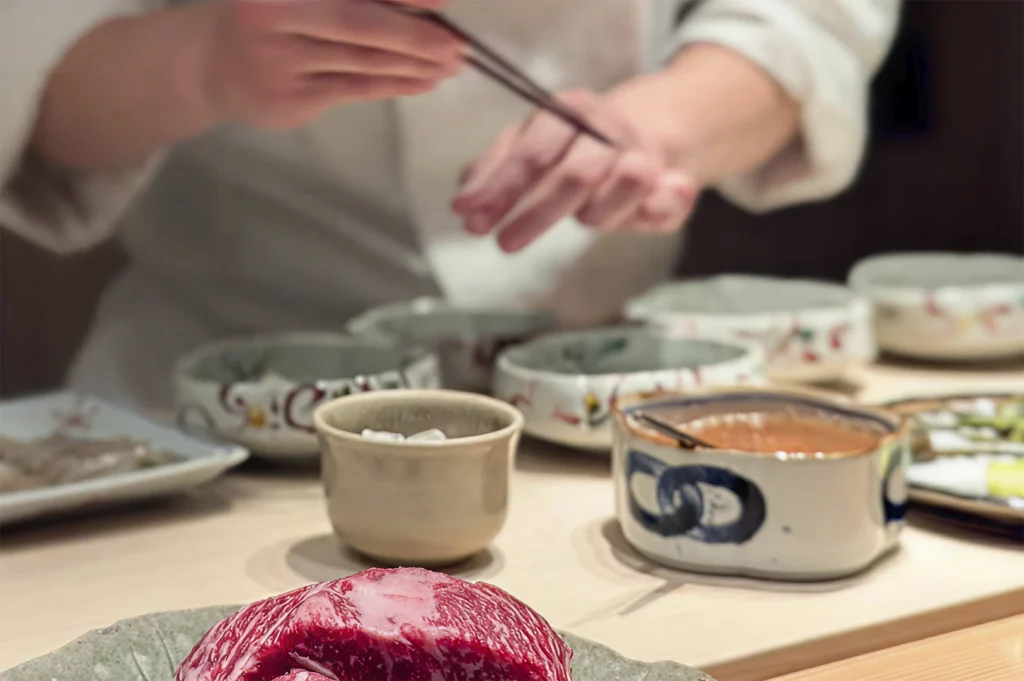
Let’s get the common anxieties out of the way first. I’ve been there, feeling awkward and worried I’d commit some terrible faux pas.
“Is kappo just a fancy word for omakase?”
No. While both are chef-led experiences, “omakase” simply means “I’ll leave it up to you.” Kappo cuisine, on the other hand, comes from the words “to cut” and “to cook.” It specifically refers to a dining experience where the chef prepares a variety of dishes, raw, grilled, steamed, simmered, and fried, right in front of you at an open kitchen counter in a traditional japanese restaurant.
“So, will I still get sushi?”
Almost always, yes. Most kappo restaurants in Singapore incorporate a nigiri sequence towards the end of the meal. However, it’s not the sole focus. You might get 4-5 pieces of exceptional sushi, as opposed to the 12-15 you’d get at a dedicated sushi-ya. This balance reflects the kappo dining style’s emphasis on showcasing seasonal ingredients and diverse culinary techniques.
“What if I don’t like raw fish?”
This is where Japanese kappo cuisine shines. Because it includes so many cooked dishes, it’s often the perfect compromise for diners who are hesitant about a purely raw meal. You still get the exquisite dining experience of a chef-led counter without the anxiety of facing 15 courses of raw seafood.
“Do I have to talk to the chef? I’m kind of shy.”
Not at all. The beauty of kappo dining is that it’s interactive, but you can define what that means. A simple nod of appreciation or a quiet “oishii” (delicious) is more than enough. The chefs are masters at reading their guests. A good chef will engage if you seem chatty but will give you space if you prefer to just watch and eat.
What to Expect In A Typical Japanese Kappo Cuisine
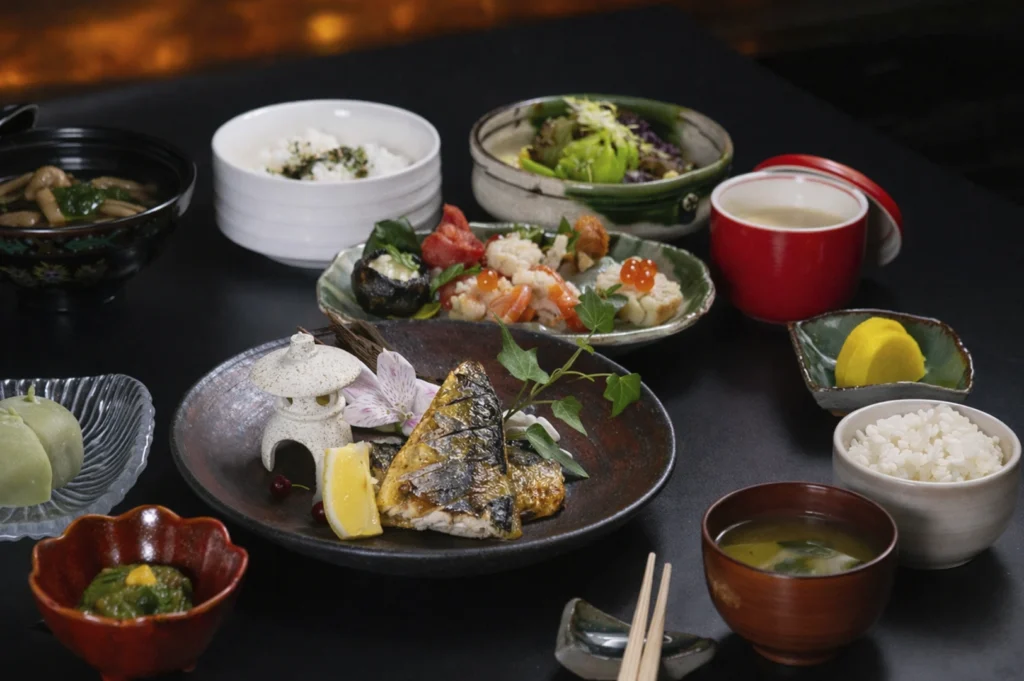
A kappo style meal is a narrative that showcases the peak of the seasons and the finest ingredients from Japan and beyond, including regions like Hokkaido and Tokyo. While every restaurant is different, the flow often looks something like this:
- Sakizuke (Appetizer): A small, beautiful bite to awaken your senses, perhaps featuring fresh green vegetables or a hint of ocean flavor.
- Suimono (Soup): A clear, delicate soup designed to highlight a primary seasonal ingredient, like shiitake mushrooms in autumn, seasoned carefully with salt to enhance the umami.
- Hassun (Seasonal Platter): This is often the most artistic dish, a collection of small bites from the “mountain” and “sea” that sets the theme for the meal.
- Sashimi: A few slices of delicate sashimi, showcasing the freshest ingredients of the day with a crisp texture that delights the palate.
- Yakimono (Grilled Dish): A highlight for many. This could be a perfectly grilled piece of fish with a crisp texture, or a cut of premium wagyu beef prepared with passion.
- Mushimono/Agemono (Steamed/Fried Dish): A course that demonstrates different culinary techniques, like a steamed egg custard (chawanmushi) with uni or a lightly battered and fried tempura.
- Shiizakana (The “Main” Cooked Dish): Often the richest course, a chance for the chef to show off his skill and the beauty of seasonal ingredients.
- Nigiri Sushi: A short sequence of expertly prepared sushi, reflecting the art of kappo japanese dining.
- Shokuji & Tome-wan (Rice & Closing Soup): A small rice dish and a final miso soup to end the savory part of the journey.
- Mizumono (Dessert): Usually a light dessert like seasonal fruit from Japan or a house-made ice cream, perfectly balancing the meal.
Your Ultimate Guide to Choosing the Perfect Kappo Cuisine Experience
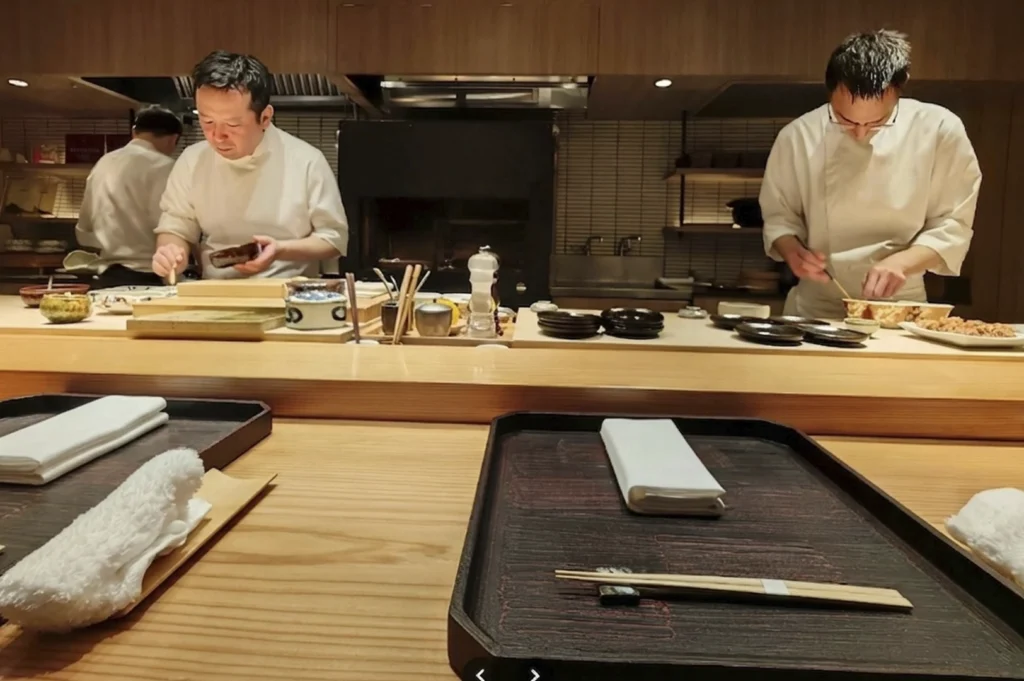
Navigating the Japanese restaurants in Singapore can be tricky. Here’s a simple checklist I use.
- Confirm the Style: Look at the restaurant’s website. Do they use words like “kappo,” “kaiseki,” or talk about a blend of “grilling, steaming, and simmering”? Photos of an open kitchen counter and cooked dishes are a dead giveaway.
- Check the Rules: In Singapore, strict reservation policies are a sign of quality, not arrogance. It means the restaurant is sourcing expensive, perishable finest ingredients and can’t afford no-shows. Expect to see requirements for a credit card hold or a deposit ($100/guest is common) with a 72-hour cancellation window.
- Decide Lunch vs. Dinner: Lunch is your friend if you’re on a budget or new to the style. It’s often a shorter, more affordable version of the dinner menu (think S$128++ vs. S$300++ for dinner). A weekday lunch is also usually calmer.
- Understand the Pacing: Many kappo restaurants have fixed seatings (e.g., 6:00 PM and 8:30 PM). This is because the whole counter is served in unison. You must be on time. Arriving 15 minutes late can disrupt the entire flow for the chef and other guests.
- Prepare for the Counter: This is simple. Wear something smart casual. Most importantly, do not wear strong perfume, cologne, or even scented hand lotion. Strong scents will ruin your ability (and your neighbor’s) to taste the delicate flavors and umami in the food.
Note: If a “kappo” restaurant offers a la carte dishes like ramen or tonkatsu on the same menu, it’s likely a more casual interpretation of the style. True kappo dining is almost always a fixed seasonal course menu.
Is Kappo Japanese Cuisine Your Next Culinary Adventure?
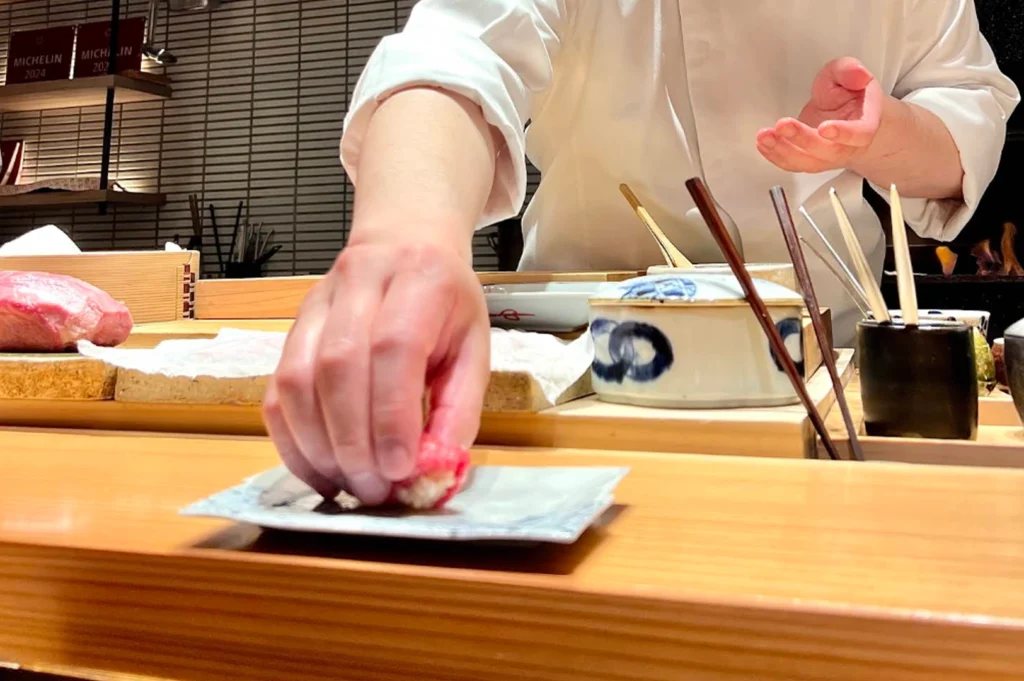
So, when should you choose kappo style over other forms of Japanese dining?
Choose kappo if:
- You want an exquisite dining experience but aren’t a huge fan of just raw fish.
- You’re a foodie who appreciates seeing different culinary techniques up close.
- You’re celebrating a special occasion and want a meal that feels like a story unfolding.
- You want the intimacy of a counter but with more variety than a pure sushi bar.
Maybe skip kappo if:
- You are craving a massive amount of nigiri and sashimi.
- You are on a tight schedule (plan for at least 2 hours for dinner).
- You prefer a loud, boisterous atmosphere with lots of sake and shared plates (an izakaya would be better).
Conclusion: Savoring the Symphony of Senses
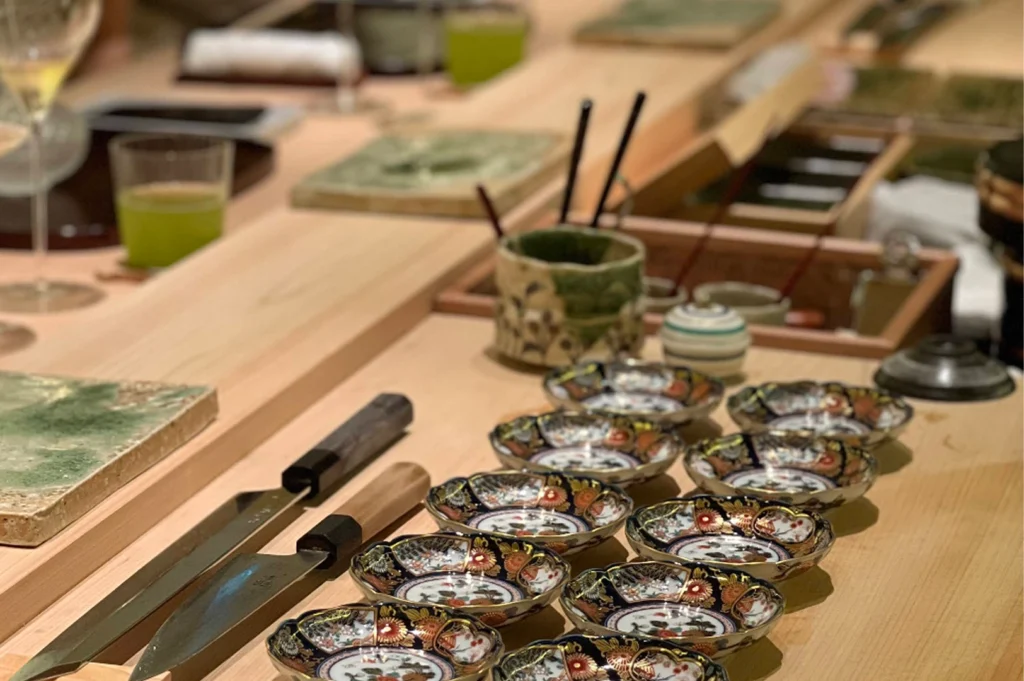
Kappo is more than just a meal; it’s a philosophy rooted in the traditions of the Edo period. It’s about seasonality, respect for ingredients, and the direct connection between the person cooking and the person eating. In a city like Singapore, where we have access to the best from around the world, kappo restaurants offer a unique window into the heart of traditional japanese cuisine and the rich food culture of Japan.
So next time you’re looking to indulge, I’d suggest you seek out a kappo counter. Go with an open mind, leave your perfume at home, and trust the chef. You won’t just eat a fantastic meal; you’ll witness a form of culinary art that engages all the senses, from the green hues of fresh vegetables to the ocean flavors of seafood, finishing with delicate sashimi and perfectly balanced dishes that showcase the finest seasonal ingredients.
To finally experience the true essence of kappo style omakase, check out our detailed review of a soulful omakase journey at Hamamoto on 58 Tras Street.