There was something profoundly humbling about my first encounter with a high-end sushi counter in Singapore. Seated before that beautiful wooden expanse, I found myself contemplating the weight of tradition that rested between chef and diner. The questions that arose whether to use hands or chopsticks, how to approach each piece revealed themselves not as sources of anxiety, but as invitations into understanding. Omakase etiquette, I came to realize, flows naturally from mutual respect and trust, a gentle choreography rather than rigid performance.
For those approaching their first omakase experience, there is wisdom in embracing the unknown with quiet confidence. What follows is a thoughtful exploration of what awaits you. We will move through the essential rhythms of this dining form, allowing you to settle into the experience with grace and appreciation.
Demystifying the Omakase Experience in Japanese Cuisine
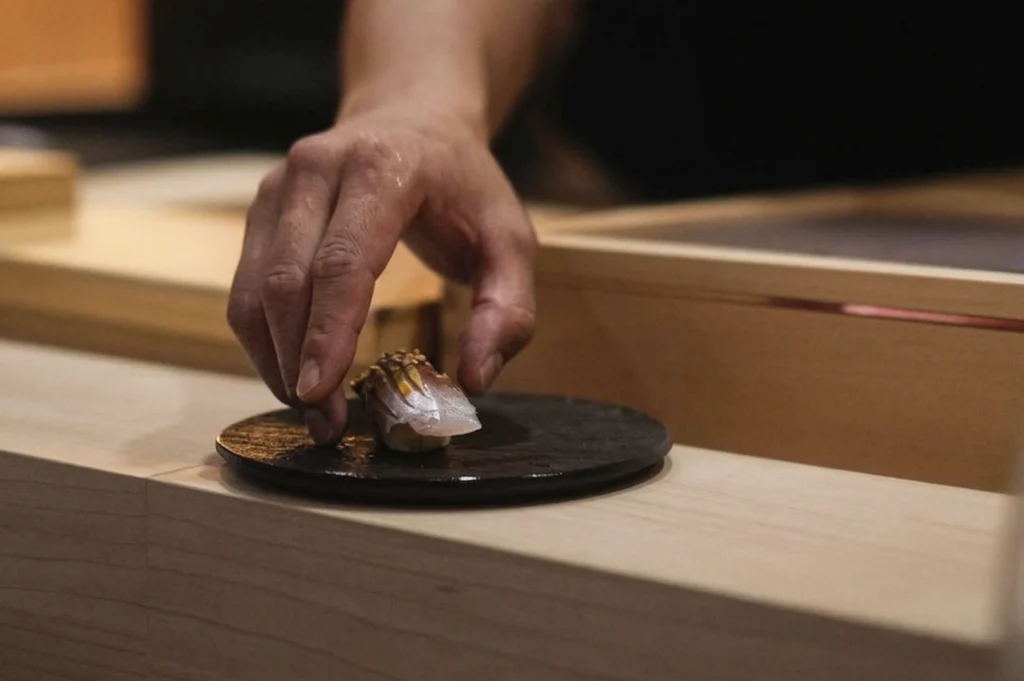
The essence of omakase lies in those three simple words: “I leave it up to you.” This gesture of trust invites the sushi chef to guide your palate through a carefully considered progression of flavors, textures, and temperatures. What emerges is something far beyond a mere meal—it becomes an expression of artistry shaped by the day’s finest offerings and the chef’s accumulated wisdom.
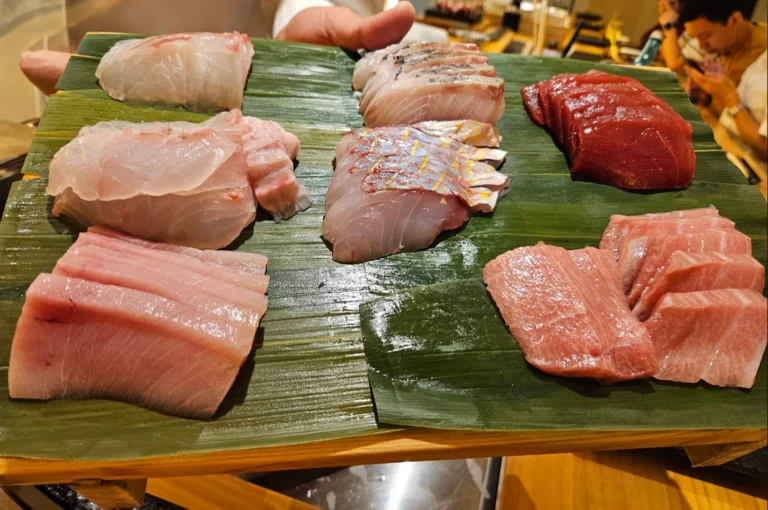
When you settle into an omakase experience, you become part of a conversation that spans generations. Each piece of seasonal sashimi, every precisely formed nigiri, carries within it the chef’s understanding of balance and timing. The menu transforms with the rhythm of the seasons and the morning’s deliveries from Japan, ensuring that no two experiences unfold in quite the same way.
Why You Must Arrive Early at an Omakase Restaurant
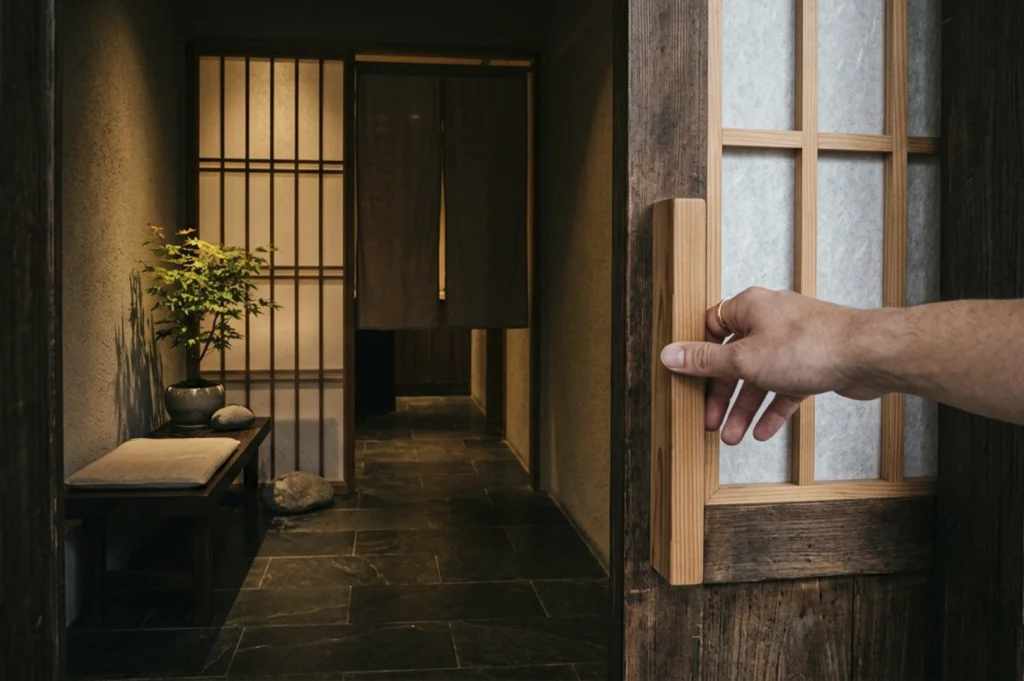
The importance of punctuality in omakase dining reveals itself in the delicate orchestration happening behind the counter. I once witnessed the quiet disruption that unfolds when timing falls out of alignment—the chef’s careful preparation, the precise temperature of rice, the readiness of fellow diners all held in suspension.
Arriving early allows the experience to begin as it was intended. Those extra moments provide space to transition into the omakase mindset, to cleanse your hands with the warm towels, and to observe the chef’s preparations. This punctuality becomes an offering of respect, ensuring that the rhythm of service flows uninterrupted for all who share in the experience.
The Role of Seasonal Ingredients in Japanese Omakase Singapore
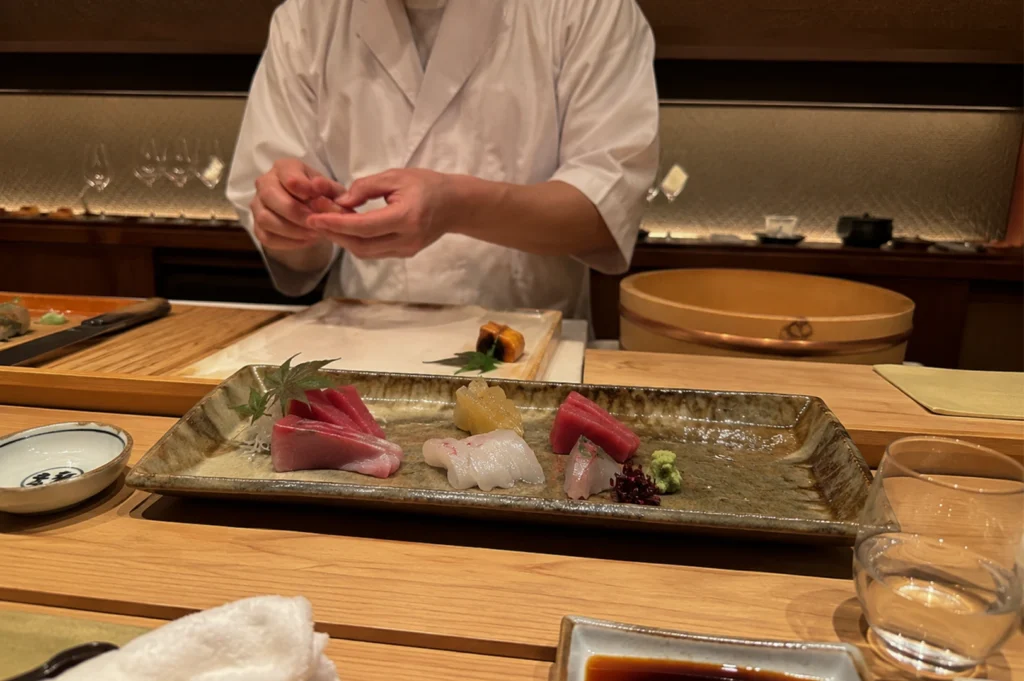
A hallmark of authentic Japanese omakase Singapore experiences is the chef’s dedication to sourcing seasonal ingredients that reflect the time of year and showcase the freshest seafood available. These ingredients are often air-flown daily from renowned Japanese fish markets such as Toyosu, ensuring that every piece of sushi embodies the pinnacle of freshness and flavor.
Seasonality guides the progression of the meal, with spring offerings featuring delicacies like bonito and firefly squid, summer highlighting conger eel and sea urchin, autumn bringing pacific saury, and winter presenting yellowtail and pufferfish. This adherence to Japanese tradition not only elevates the taste but also connects diners to the natural rhythms of the sea and land.
In this way, the omakase journey becomes a personalized exploration of Japan’s rich culinary heritage, where each course is thoughtfully curated to celebrate the season’s best. Diners are encouraged to trust the chef’s expertise in selecting these premium ingredients, enhancing the overall experience of savoring high quality food in an intimate dining room setting.
The Intimacy of Counter Seating and Counter Tables in Omakase Restaurants
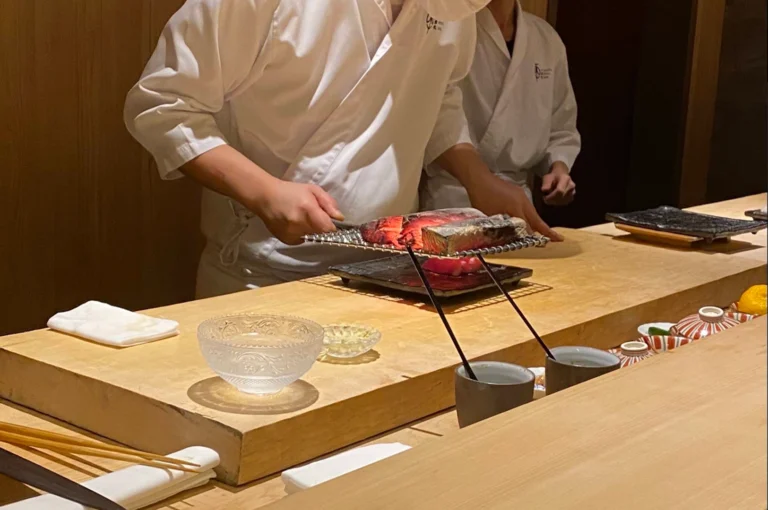
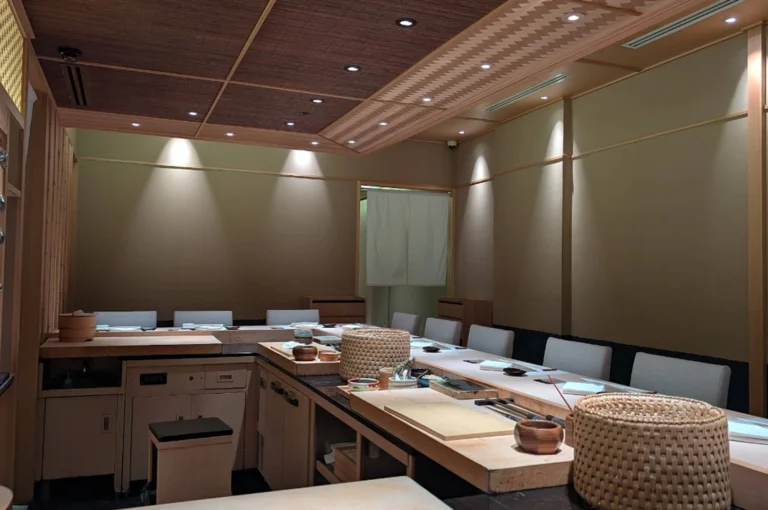
Singapore’s omakase landscape unfolds in small, carefully designed spaces where counter seating rarely extends beyond twelve seats. This intimacy creates something remarkable. You find yourself mere inches from the chef’s workspace, witnessing the precision of each cut and the thoughtful placement of every piece.
Within this shared space, awareness of volume becomes a form of respect. While conversation flows naturally between companions, maintaining a gentle tone preserves the contemplative atmosphere that allows everyone to fully engage with the experience. The finest establishments cultivate this sense of calm focus, where the sounds of knife work and the quiet sizzle of preparation become part of the experience itself.
Personal Reflection: The chef often welcomes genuine curiosity about their craft. Questions about the fish’s origin or the reasoning behind a particular preparation can deepen your understanding and create connection. Many chefs find joy in sharing their knowledge with those who approach with sincere interest.
How to Handle Dietary Restrictions in Omakase Dining
The nature of omakase preparation reveals why advance communication about dietary needs becomes essential. When you inform the premium omakase restaurants in Singapore of restrictions at reservation, you allow the chef time to thoughtfully adapt their vision. The fish curing processes, the aging techniques, the careful timing of each course—all require advance planning that last-minute changes cannot accommodate.
This advance notice becomes an act of collaboration rather than limitation, allowing the chef to craft an experience that honors both your needs and their artistic intent.
The Fundamentals of Japanese Etiquette and Sushi Etiquette
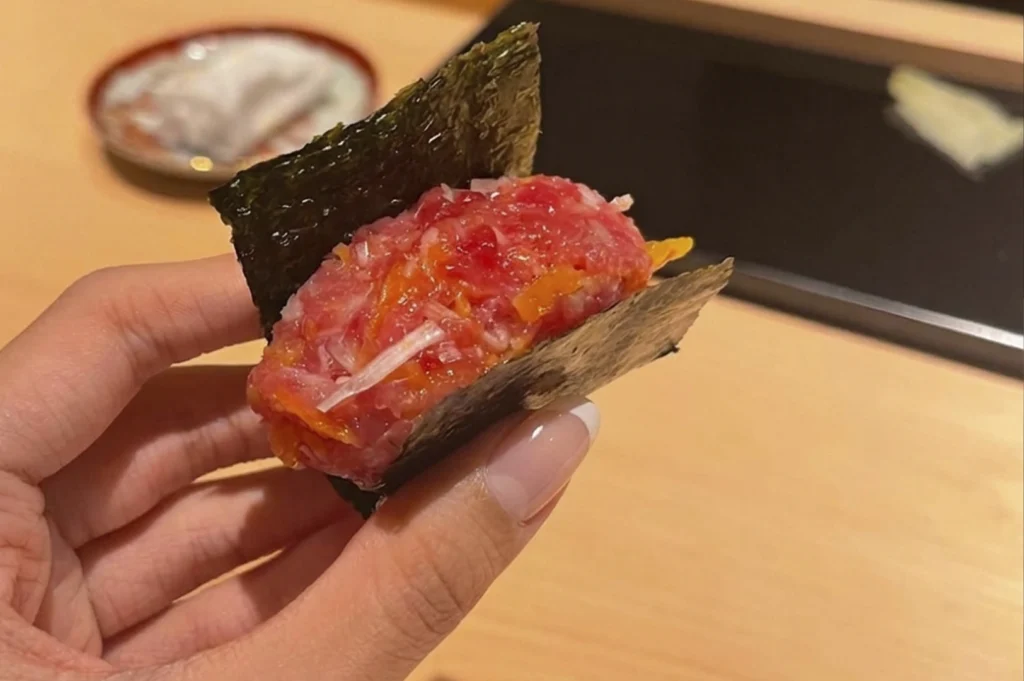
The moment when chef and diner connect through the presentation of sushi carries profound significance. When that perfect piece crosses the counter to you, time becomes essential. The rice maintains its ideal temperature and texture only briefly. Each second that passes shifts the intended balance. I have observed the quiet disappointment in a chef’s eyes when their creation grows cold while awaiting consumption. A quick appreciation, perhaps a brief photograph, but consumption within moments honors the chef’s timing.
Understanding that each piece should be consumed whole reveals the architect’s intent. The proportion of fish to rice, the precise amount of wasabi, the temperature differential. All work together as a complete thought. Dividing a piece disrupts this harmony. Whether your hands or chopsticks deliver the sushi matters far less than this preservation of the chef’s vision.
The Rules of Omakase Etiquette Regarding Soy Sauce and Wasabi
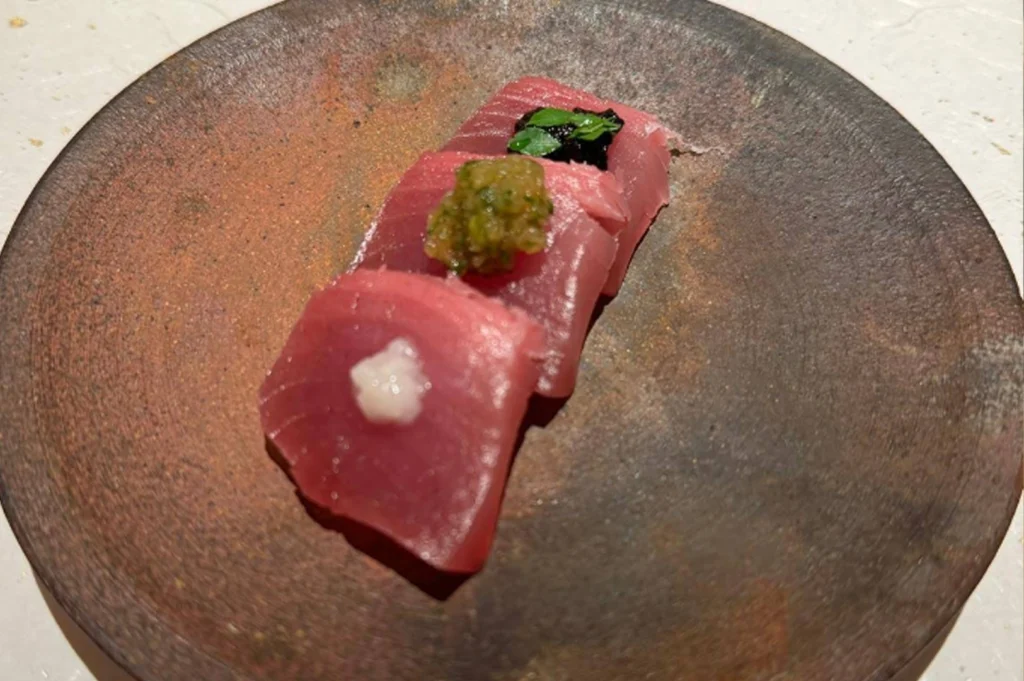
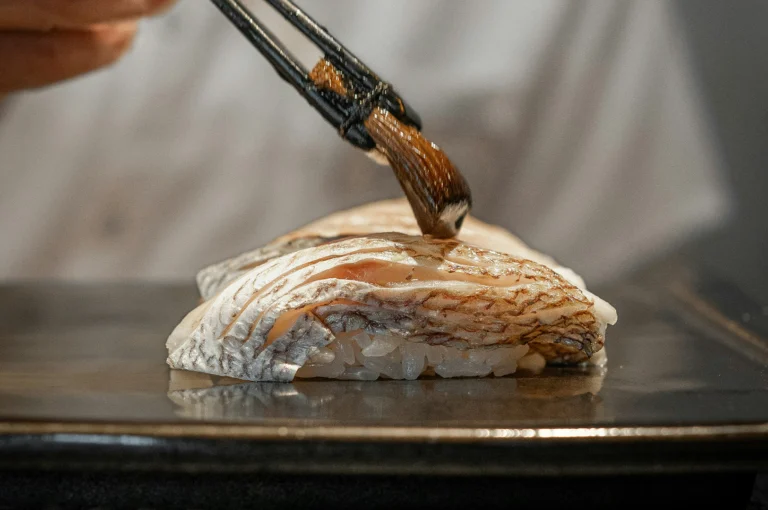
The chef’s seasoning represents the culmination of their understanding. Each brush of sauce, every placement of fresh wasabi between rice and fish, reflects years of refinement in balancing flavors. The impulse to add more seasoning, while natural, overlooks the careful calibration already achieved.
During my early explorations of this cuisine, I learned through gentle correction that mixing wasabi into soy sauce creates a harsh combination that masks the subtle interplay the chef intended. The precise amount of fresh wasabi has already found its place between rice and fish. When additional seasoning becomes necessary, allowing the fish side to briefly touch the soy preserves the rice’s texture and prevents it from absorbing excessive salt. The pickled ginger serves its own purpose—a palate reset between different fish, rather than a garnish for individual pieces.
The Joy of Omakase Dining and the Overall Omakase Experience
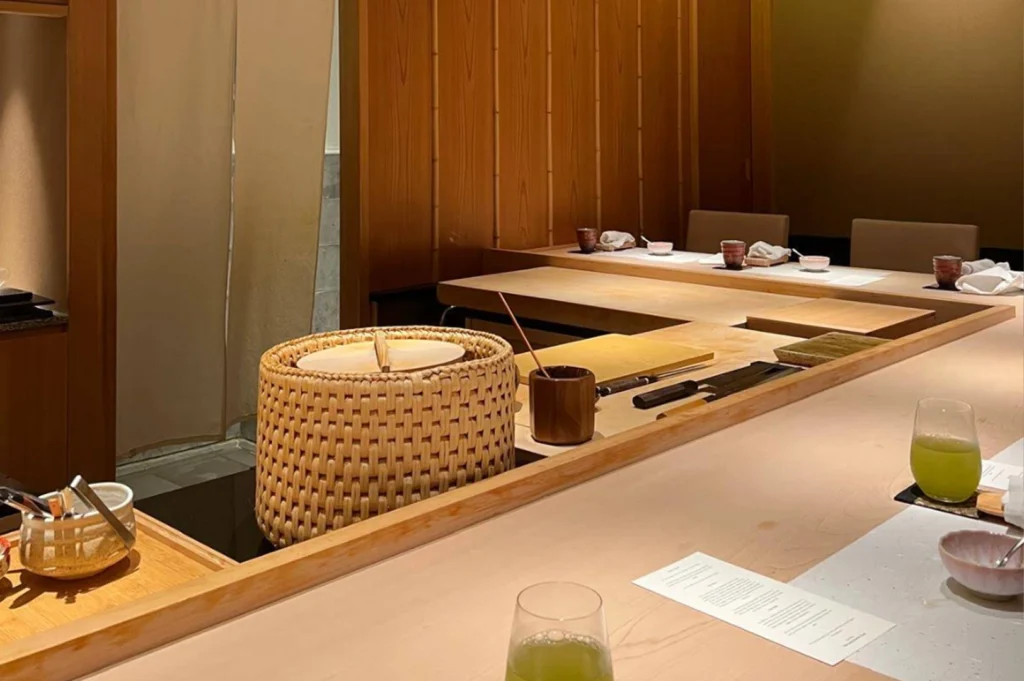
True omakase unfolds as a gradual revelation rather than performance. The chef guides you through progression—small appetizers that awaken the palate, pristine sashimi that showcases pure flavor, followed by the nigiri sequence where rice and fish unite in careful harmony. Each unfamiliar element invites curiosity rather than concern.
Thoughtful Observation: Notice how the rice temperature shifts throughout the meal. A skilled chef adjusts this warmth to complement each fish slightly warmer rice enhances fatty tuna’s richness, while cooler rice allows delicate white fish to maintain its subtle character. This attention to detail reveals the depth of consideration in every piece.
The conclusion arrives with warming soup and gentle dessert, the final towel offering one last moment of cleansing and transition back to the world beyond the counter.
Finding the Right Omakase Restaurant for Your Dining Experience
Singapore’s omakase landscape offers thoughtful entry points at every level. Budget-conscious options around the city present lunch experiences between $80 and $150, perfect for understanding the fundamental rhythms without overwhelming commitment. Mid-range establishments, typically $180 to $300, provide expanded exploration of technique and ingredient quality.
For significant celebrations, luxury destinations command $400 to $800 per person, offering access to rare ingredients and master-level craftsmanship. Lunch service often provides the same quality at reduced pricing, creating an accessible introduction to this refined dining form.
Ultimately, omakase etiquette flows from simple awareness: honoring the chef’s intentions, receiving each piece with appreciation, and allowing yourself to be fully present. When you approach the counter with quiet confidence and genuine curiosity, the experience transforms from intimidating ritual into profound connection which is one of the most rewarding ways to understand both cuisine and craft.
Final Thoughts: Embracing the Omakase Philosophy
Mastering omakase etiquette is more than learning a set of rules. It is about embracing a philosophy rooted in trust, respect, and appreciation for Japanese food culture. Each omakase sushi experience in Singapore invites you on a culinary journey that celebrates the freshest seasonal ingredients, the chef’s artistry, and the delicate flavors crafted with precision.
Whether you find yourself at a premium omakase restaurant or exploring other Japanese restaurants offering omakase menus, remember that enjoying omakase is not just a meal but a shared moment between chef and diner. By arriving punctually, savoring each piece in one bite, respecting the chef’s seasoning choices, and engaging with quiet conversation, you honor the tradition and elevate your dining experience.
As you embark on your next omakase adventure, trust the chef prepares each dish with care and intention, allowing you to fully appreciate the harmony of sushi rice, seafood, and subtle seasonings. This mindful approach transforms eating sushi into an immersive expression of Japanese culture and tradition, leaving you with memories that linger long after the end of the meal.
So, with a respectful “good evening” and an open palate, step into the world of omakase and discover why it remains one of the most treasured experiences in Japanese dining.