My first encounter with kappo Japanese dining in Singapore was a quiet revelation that reshaped my understanding of omakase. Expecting a traditional sushi experience for an anniversary, I was instead greeted with a delicate steamed fish that showcased refined cooking styles beyond raw preparations. Charcoal-grilled beef infused with smoky intention and seasonal vegetables fried to perfection followed, culminating in a modest yet exquisite nigiri sequence. This was my introduction to kappo, a dining concept that blends premium omakase menus with a dynamic culinary ethos rooted in Japanese tradition.
Kappo Japanese dining offers more than just a meal; it is an immersive omakase experience emphasizing counter seating, interaction with the chef, and a multi-course journey featuring seasonal fish and the freshest ingredients. In Singapore’s vibrant culinary scene, kappo represents a sophisticated concept that bridges artistry, technique, and storytelling, inviting diners to indulge in a full menu that highlights not only premium sushi but also hot dishes and diverse cooking styles. Understanding kappo opens the door to some of the city’s most unique and memorable Japanese dining adventures.
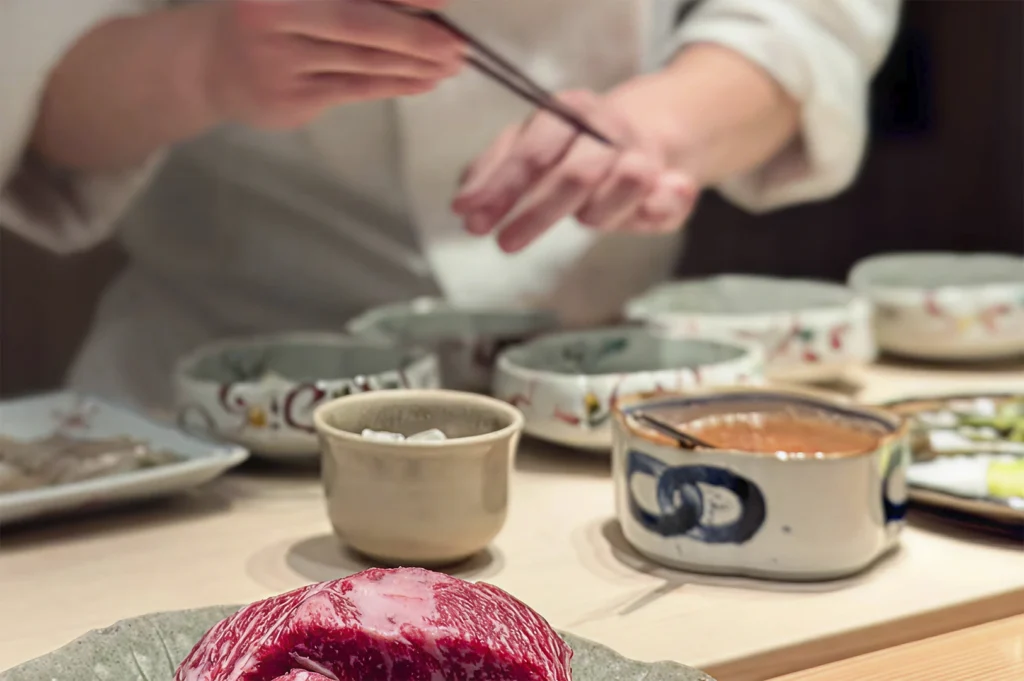
The uncertainties that accompany unfamiliar dining territory are natural, often stemming from a desire to honor the experience appropriately.
The distinction between kappo and omakase often creates the first moment of confusion.
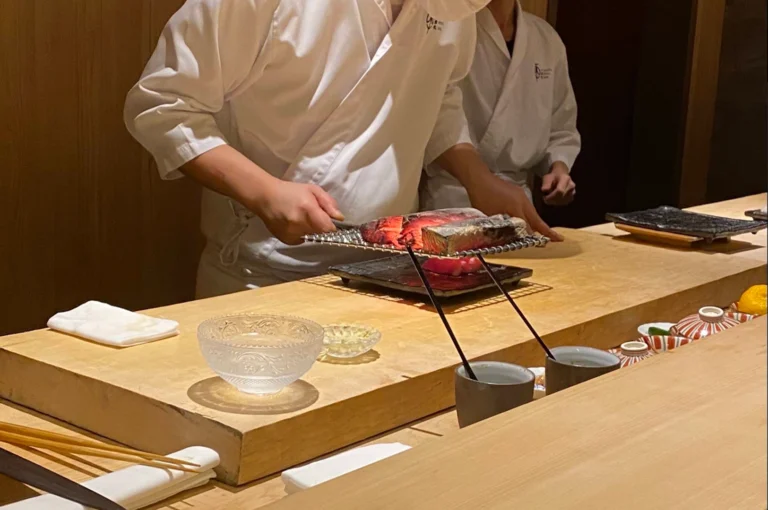
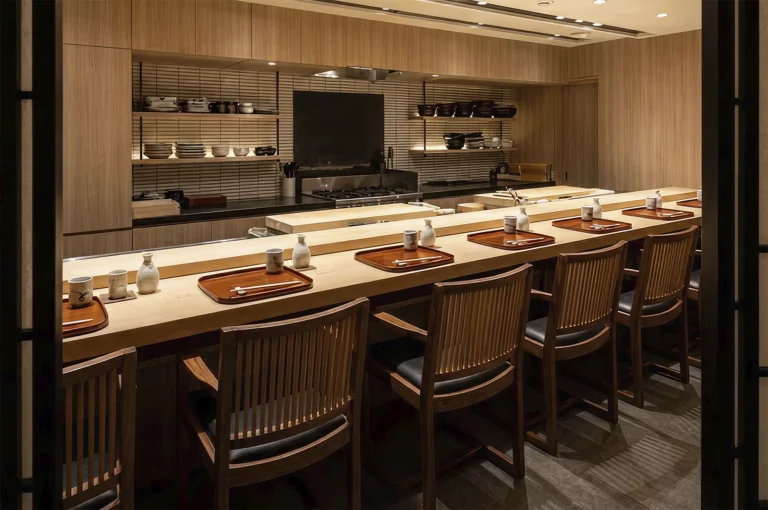
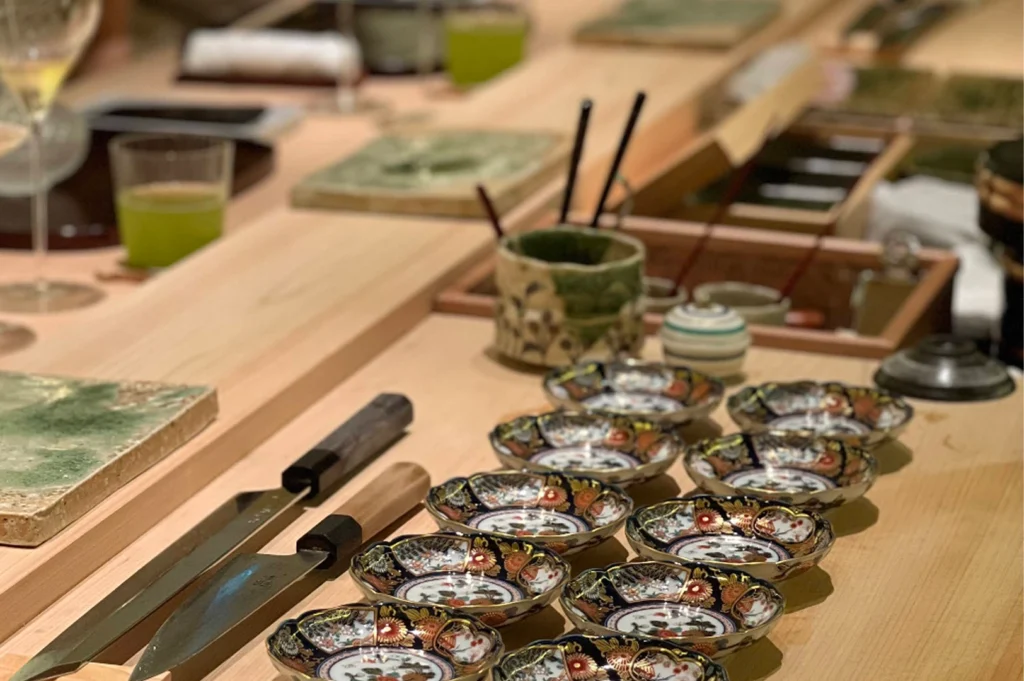
While omakase simply translates to “I’ll leave it up to you,” Kappo cuisine carries deeper intention. Derived from the words “to cut” and “to cook,” it specifically describes the practice of preparing diverse dishes—raw, grilled, steamed, simmered, and fried—directly before guests at an open kitchen counter within a traditional japanese restaurant. The chef’s movements become part of the meal’s rhythm.
Sushi’s role within kappo dining reflects this broader philosophy.
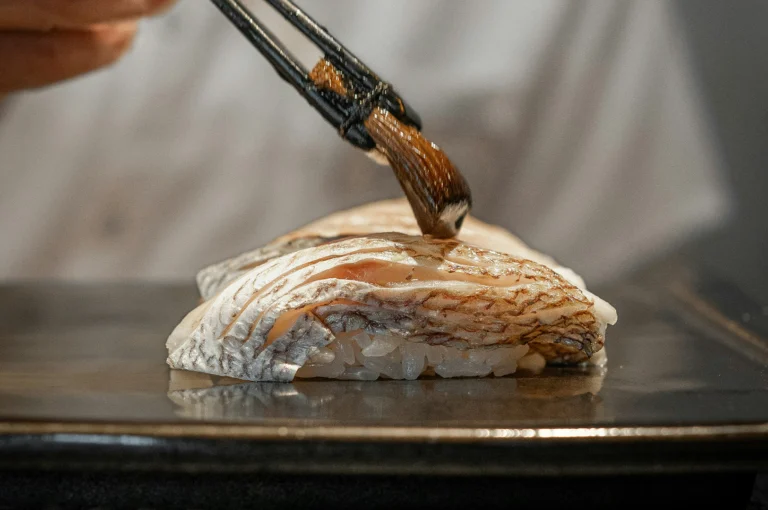
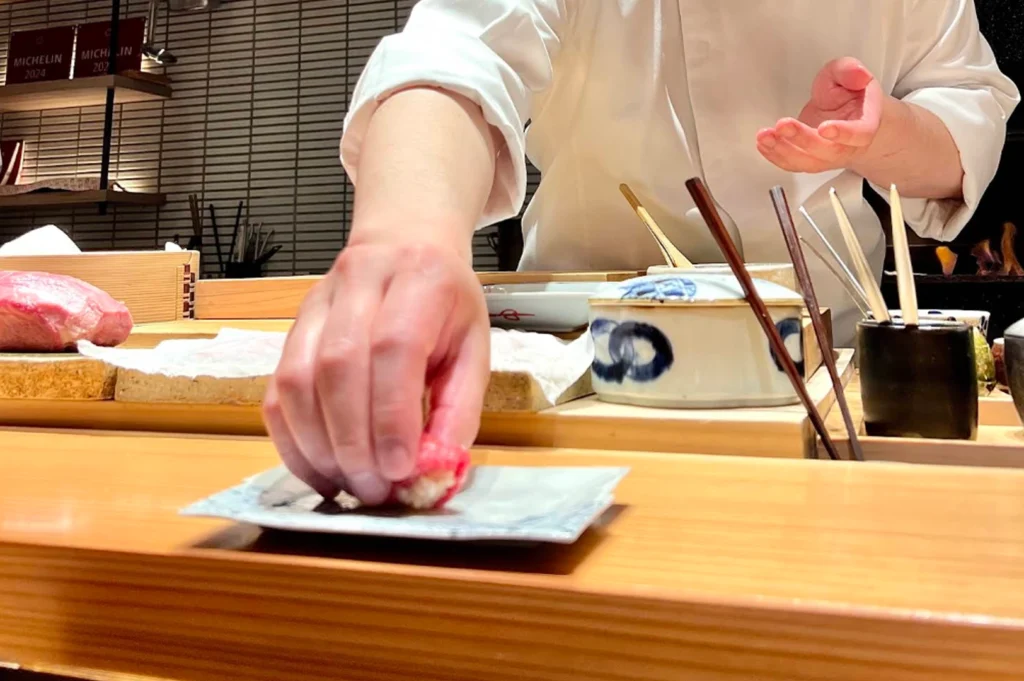
Most kappo restaurants in Singapore weave a nigiri sequence into the meal’s closing movements. Rather than serving as the primary focus, these pieces—perhaps four or five of exceptional quality—represent one voice in a larger conversation. This differs markedly from the twelve to fifteen pieces one might expect at a dedicated sushi-ya, reflecting kappo dining style’s commitment to showcasing seasonal ingredients through varied culinary techniques.
For those who approach raw fish with hesitation, Japanese kappo cuisine offers graceful accommodation.
The inclusion of numerous cooked preparations creates space for diners who might otherwise feel constrained by entirely raw presentations. The experience maintains its elevated character and chef-led intimacy while providing the comfort that comes from diverse preparation methods.
The interactive nature of kappo dining adapts to each guest’s natural inclinations.
A simple nod of appreciation or quiet “oishii” serves as meaningful communication. Skilled chefs read their guests with remarkable sensitivity, engaging those who welcome conversation while respecting the contemplative silence that others prefer. The counter becomes a space for observation as much as interaction.
The Art of Seasonal Seafood in Kappo Japanese Dining
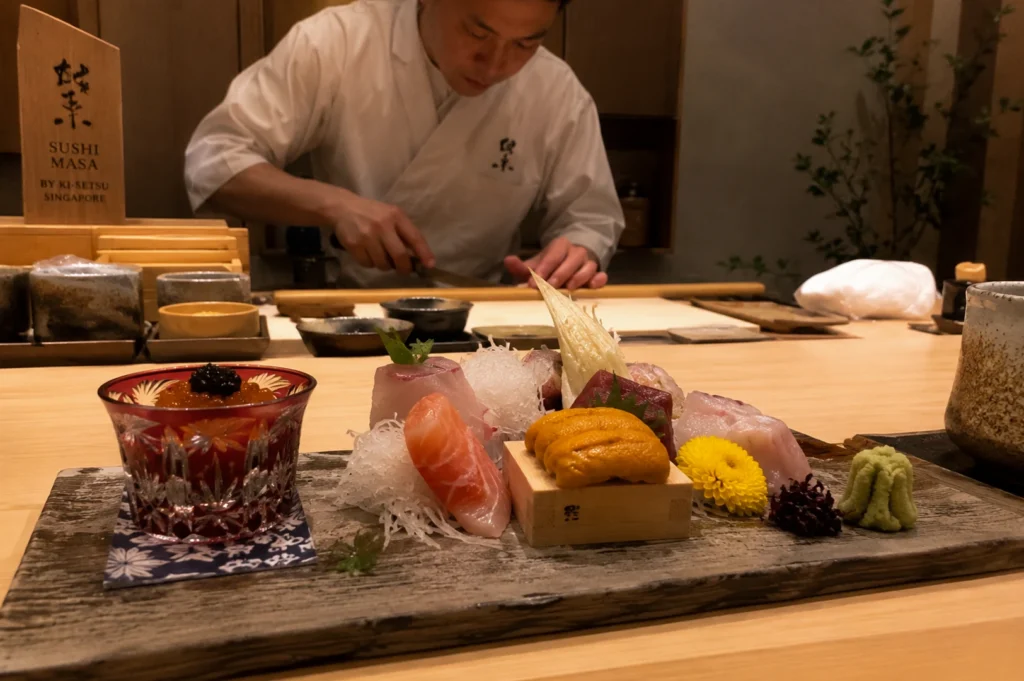
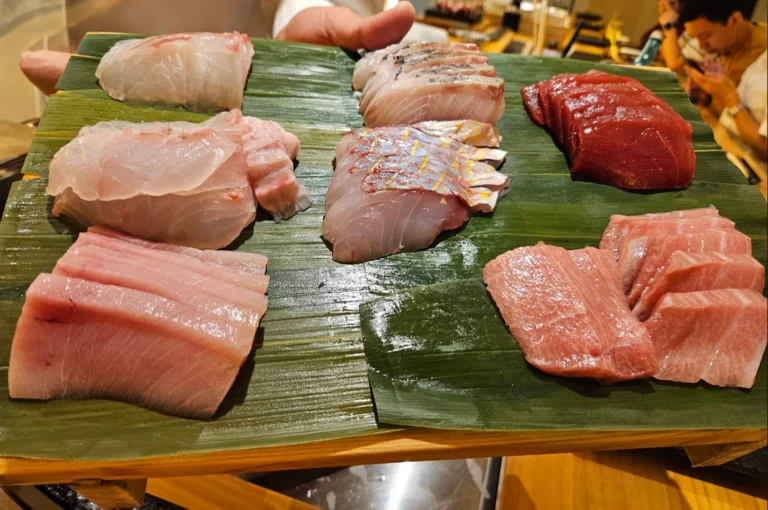
Central to the kappo japanese dining experience is the celebration of seasonal seafood, which forms the cornerstone of many dishes. Chefs meticulously source ingredients that reflect the best of each season, often flying in premium selections daily from renowned locations such as Toyosu Market in Japan. This dedication ensures that every bite bursts with freshness and authenticity, whether it’s the delicate sweetness of sea urchin or the briny richness of caviar.
In kappo style, the chef’s artistry shines as they prepare a diverse range of dishes that highlight these seasonal treasures. From sushi omakase sequences featuring pristine nigiri to expertly grilled fish and carefully steamed courses, the menu is a dynamic showcase of the sea’s bounty. Diners at Singapore outposts like Sushi Masa by Ki-setsu, located in Cuppage Plaza, can expect an intimate setting where the chef crafts each dish with precision, inviting guests to engage and even request tailored preparations.
This approach honors the Japanese culinary philosophy of respecting natural cycles and local ingredients, transforming each meal into a sensory journey that celebrates the world’s finest seafood and the art of kappo cooking.
What to Expect In A Typical Japanese Kappo Cuisine
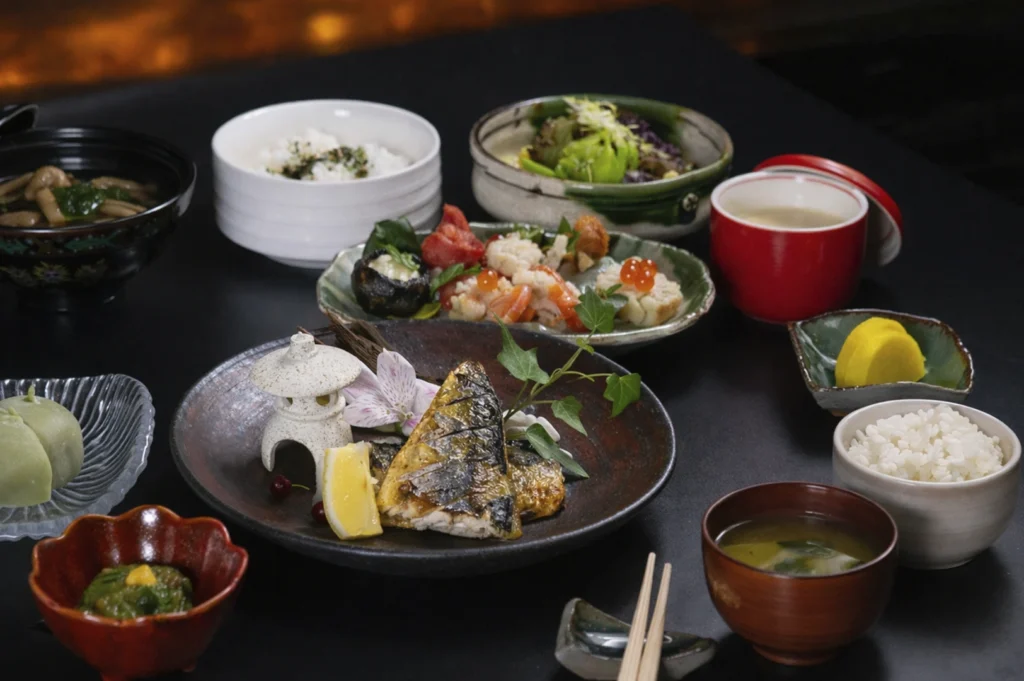
A kappo style meal unfolds as a thoughtful narrative, each course building upon the last to celebrate seasonal peaks and the finest ingredients from Japan and beyond, including the pristine waters of Hokkaido and the markets of Tokyo. While each restaurant expresses its own interpretation, the progression often follows this contemplative rhythm:
- Sakizuke (Appetizer): A single, beautiful bite designed to awaken perception, perhaps showcasing fresh green vegetables at their peak or offering the first whisper of ocean essence.
- Suimono (Soup): Clear, delicate broth that serves as a stage for a primary seasonal ingredient—shiitake mushrooms in autumn months, seasoned with careful attention to salt that enhances rather than masks natural umami.
- Hassun (Seasonal Platter): Often the meal’s most artistic expression, this collection of small preparations from both “mountain” and “sea” establishes the seasonal theme that will guide the entire experience.
- Sashimi: Several slices of pristine sashimi, selected to showcase the day’s finest offerings, their crisp texture and pure flavor serving as testament to the chef’s sourcing and knife work.
- Yakimono (Grilled Dish): A moment that often defines the meal’s character. Whether featuring perfectly grilled fish with skin rendered to crisp perfection, or premium wagyu beef prepared with evident passion, the technique speaks directly to the chef’s mastery.
- Mushimono/Agemono (Steamed/Fried Dish): This course demonstrates technique’s versatility—perhaps a silken chawanmushi crowned with uni, or tempura so light that it seems to dissolve on the tongue, each method chosen to honor specific ingredients.
- Shiizakana (The “Main” Cooked Dish): Often the meal’s most substantial course, providing the chef opportunity to display both skill and seasonal ingredient mastery in concentrated form.
- Nigiri Sushi: A focused sequence of expertly prepared sushi that reflects kappo japanese dining’s broader philosophy while honoring the pure tradition of sushi craft.
- Shokuji & Tome-wan (Rice & Closing Soup): A modest rice preparation and final miso soup that gently concludes the savory journey, providing closure and satisfaction.
- Mizumono (Dessert): Usually an understated conclusion—seasonal fruit from Japan at perfect ripeness, or house-made ice cream that balances rather than competes with what came before.
Your Ultimate Guide to Choosing the Perfect Kappo Cuisine Experience
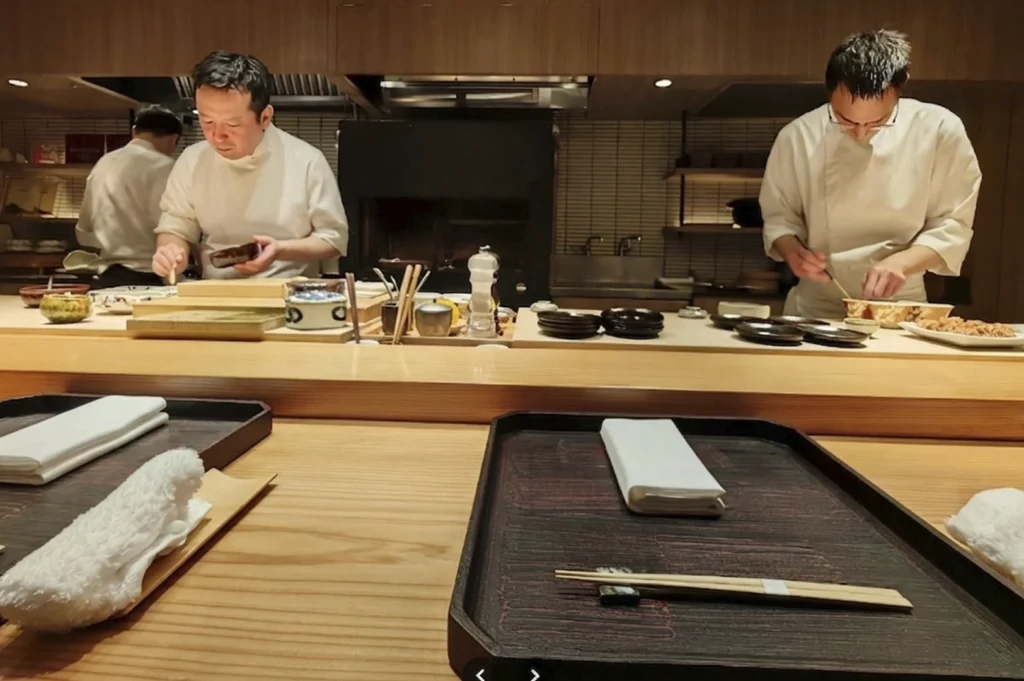
Selecting the right Japanese restaurants in Singapore requires attention to subtle indicators that reveal authentic approach and intention.
- Understanding the Style: Restaurant descriptions offer valuable insight. Look for terminology like “kappo,” “kaiseki,” or descriptions of “grilling, steaming, and simmering.” Photographs of open kitchen counters and cooked preparations often indicate the restaurant’s true focus.
- Recognizing Quality Indicators: In Singapore, careful reservation policies reflect respect for both ingredients and craft rather than exclusivity for its own sake. Restaurants sourcing expensive, perishable finest ingredients cannot accommodate uncertainty. Credit card holds or deposits around $100 per guest, coupled with 72-hour cancellation requirements, signal serious commitment to the craft.
- Considering Lunch Versus Dinner: Lunch service often provides gentler introduction to the style, offering abbreviated versions of dinner menus at more accessible prices—perhaps S$128++ compared to S$300++ for dinner. Weekday lunch also tends toward quieter, more contemplative atmosphere.
- Understanding Rhythm and Timing: Many kappo restaurants operate with fixed seatings, perhaps at 6:00 PM and 8:30 PM, because the entire counter moves together through the meal’s progression. Punctuality becomes essential, as arriving fifteen minutes late disrupts the careful choreography that guides both chef and fellow guests.
- Preparing Appropriately: Simple considerations enhance the experience for everyone. Smart casual attire shows respect for the setting. Most crucially, strong fragrances—perfume, cologne, even scented lotions—interfere with the delicate aromatics that define much of the experience, diminishing both your perception and that of neighboring guests.
A note on authenticity: When “kappo” restaurants offer extensive à la carte options alongside their tasting menus—ramen, tonkatsu, and similar dishes—they likely represent more casual interpretations of the style. True kappo dining expresses itself almost exclusively through fixed seasonal course menus that change with ingredients and season.
Is Kappo Japanese Cuisine Your Next Culinary Adventure?
Understanding when kappo style dining aligns with your intentions helps ensure the experience resonates meaningfully.
Kappo dining serves those who:
- Seek an exquisite dining experience while preferring variety beyond exclusively raw preparations.
- Appreciate observing diverse culinary techniques applied with precision and intention.
- Wish to mark special occasions with a meal that unfolds like a carefully constructed story.
- Desire counter intimacy while welcoming broader scope than pure sushi service provides.
Consider alternatives when:
- Your primary desire centers on extensive nigiri and sashimi presentations.
- Time constraints limit your availability (dinner service typically requires at least two unhurried hours).
- You prefer energetic, social atmosphere with abundant sake and shared plates—an izakaya might better match these inclinations.
Conclusion: Savoring the Symphony of Senses
Kappo represents philosophy as much as cuisine, its roots extending deep into the traditions of the Edo period. It speaks to seasonality’s importance, profound respect for ingredients, and the essential connection between those who prepare food and those who receive it. In Singapore, where global excellence converges, kappo restaurants provide intimate windows into the heart of traditional japanese cuisine and the rich food culture that defines Japan’s culinary consciousness.
When the desire for indulgence next presents itself, consider seeking out a kappo counter. Arrive with openness to surprise, leave strong scents at home, and place trust in the chef’s intention. What awaits extends beyond simply eating a remarkable meal; you’ll witness culinary expression that engages every sense, from the vibrant green of pristine vegetables to the concentrated ocean flavors of perfectly sourced seafood, concluding with delicate sashimi and precisely balanced dishes that honor the finest seasonal ingredients.
To experience the authentic essence of kappo style omakase, consider our thoughtful review of a soulful omakase journey at Hamamoto on 58 Tras Street. For an expanded omakase counter experience, explore the top omakase counters in Singapore.