I still remember my very first time sitting at a high-end sushi counter in Singapore. My palms were sweating. I stared at the beautiful wooden counter, terrified I would do something completely wrong. Would I insult the sushi chef? Was I supposed to use my hands or chopsticks? Over the years, I have learned that the omakase etiquette is not about rigid, terrifying rules. It is about mutual respect and trust.
If you feel anxious about your upcoming reservation, take a deep breath. I am going to walk you through exactly what to expect. We will cover the essentials of table manners so you can relax and fully enjoy your culinary adventure.
Demystifying the Omakase Experience in Japanese Cuisine
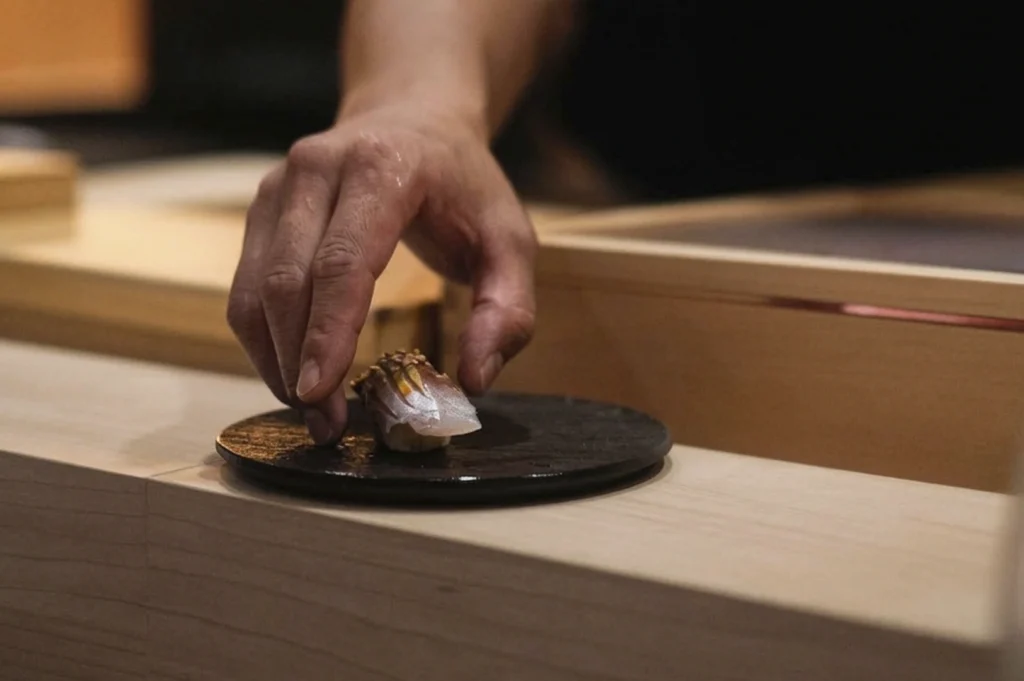
The word omakase simply means “I leave it up to you.” You are trusting the sushi chef to curate a sequence of dishes using the finest ingredients available. It is not just a meal; it is an art form. Unlike ordering from a set menu at other restaurants, the menu changes daily based on what fresh raw fish arrives from Japan.
When you sit down for an omakase meal, you are engaging in a centuries-old tradition. You will taste seasonal sashimi, delicate nigiri sushi, and other exquisite dishes. The chef carefully considers the balance of flavors, pacing the food to create exceptional dining experiences.
Why You Must Arrive Early at an Omakase Restaurant
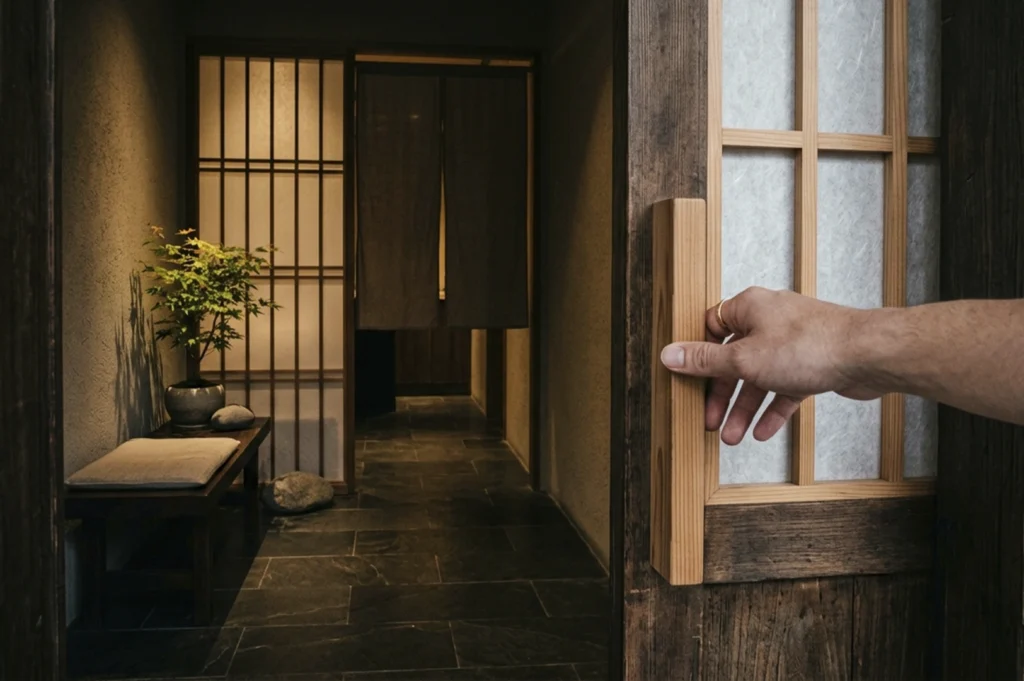
One of the biggest mistakes I ever made was showing up ten minutes late to a famous premium omakase restaurant in Orchard. I held up the entire seating. In high end restaurants, chefs prepare the rice and ingredients for a specific start time.
You should always aim to arrive early, ideally five to ten minutes early. This gives you time to settle in, order drinks, and wipe your hands with the warm wet towels provided. Being punctual shows respect for the chef and ensures you do not disrupt the flow for fellow diners and other guests.
Understanding the Dress Code and Japanese Etiquette in Omakase Dining
Most places enforce a smart casual dress code. You want to look polished but comfortable. However, the most critical rule of the dining room has nothing to do with your clothes. It is about wearing perfume.
You must avoid strong scented perfume or heavy cologne. The aroma of delicate sea urchin and warm, vinegared rice is a huge part of the sensory experience. If you wear an overpowering fragrance, it ruins the sushi experience not just for you, but for the other diners sitting nearby.
The Intimacy of Counter Seating and Counter Tables in Omakase Restaurants
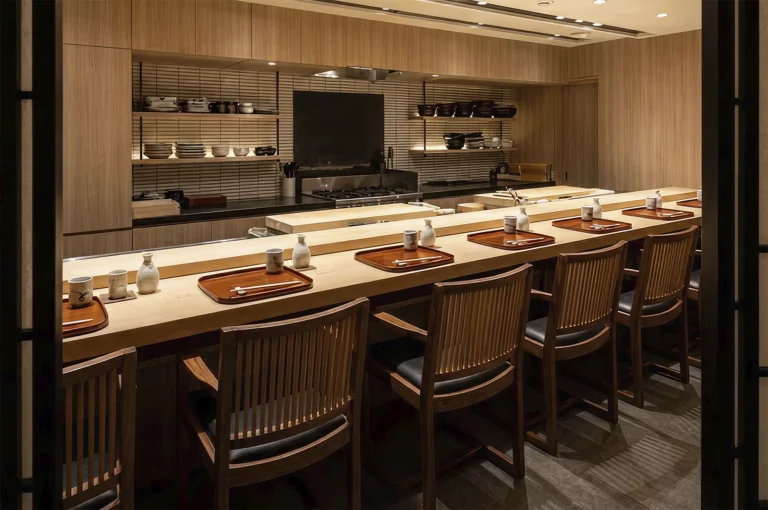
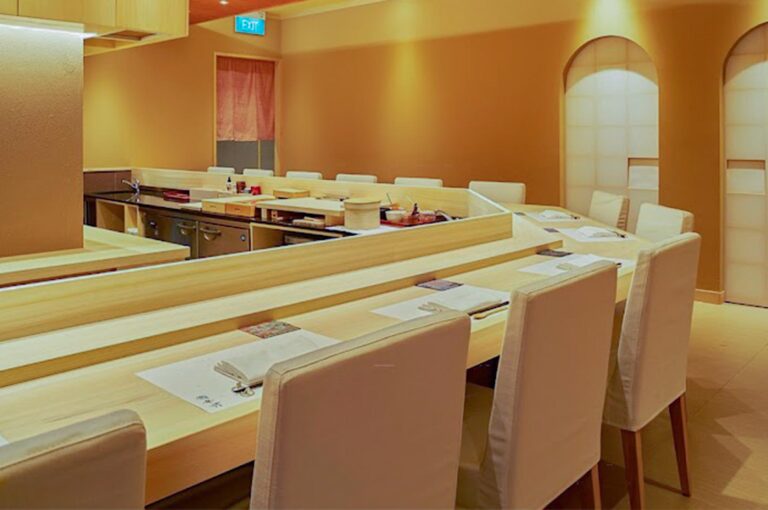
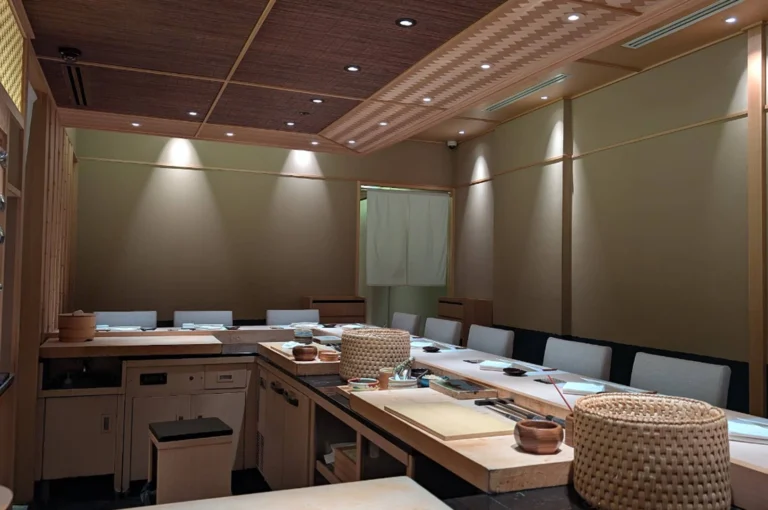
Singapore has a highly competitive scene for Japanese restaurants. Many of the best spots operate with very limited counter seating, often just six to twelve seats.
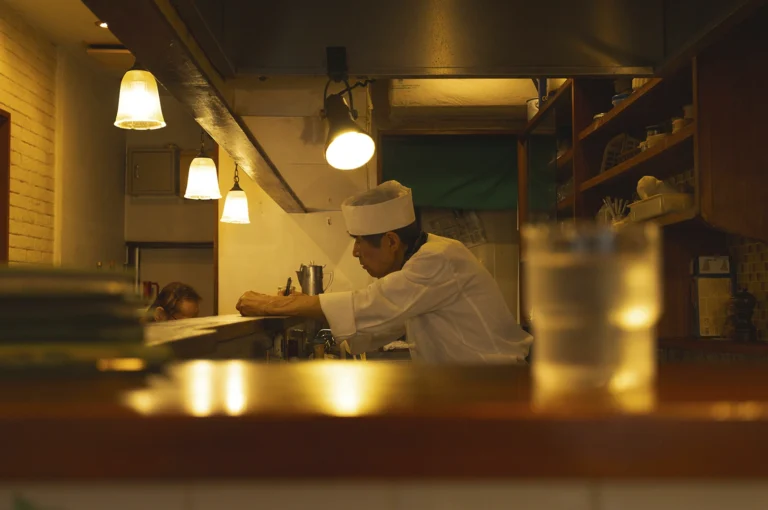
When you sit at these counter tables, you are inches away from the sushi chef. It is a shared space. Be mindful of your volume. While it is generally generally acceptable to chat with your companion, keep your voice low so you do not disturb fellow diners. High end restaurants appreciate a calm, focused environment.
Personal Advice: Do not be afraid to talk to the chef! Many first-timers think silence is required. I often ask, “Where is this fish from?” Chefs love sharing their knowledge when you show genuine interest.
How to Handle Dietary Restrictions in Omakase Dining
If you have allergies or dietary restrictions, you must inform the omakase restaurant when you make your reservation. Do not wait until you sit down. A traditional omakase requires days of preparation. Curing and aging fish takes time. If you suddenly announce you cannot eat shellfish right before the chef serves the food, it is considered rude because they cannot easily pivot their carefully planned omakase meal.
The Fundamentals of Japanese Etiquette and Sushi Etiquette
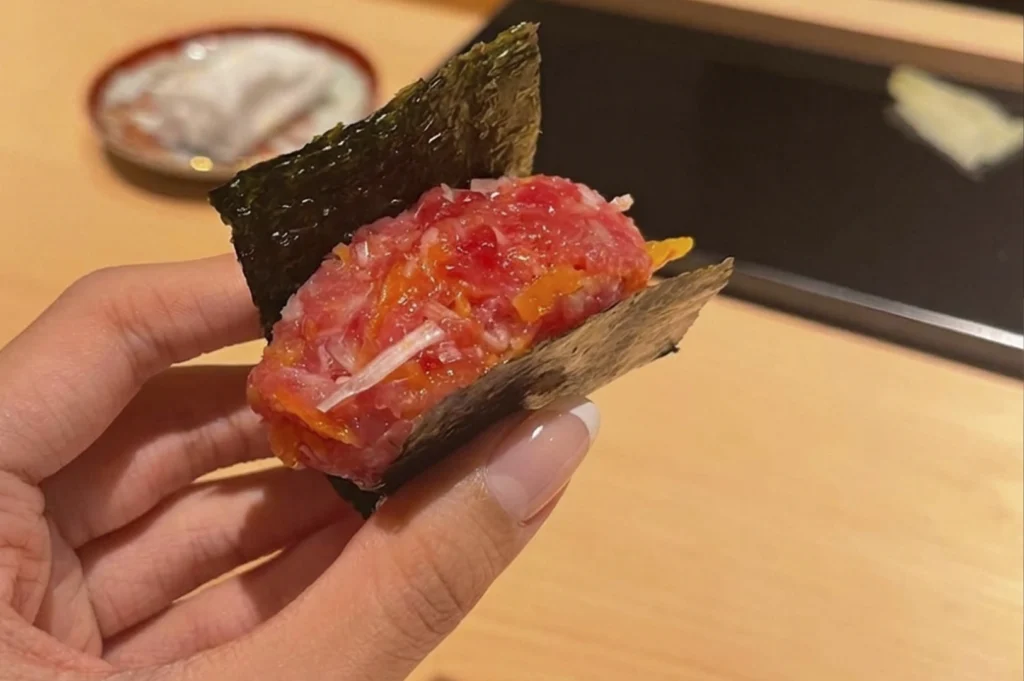
Let us talk about the mechanics of how to eat sushi. When the chef hands you a piece of sushi, you should start eating immediately. The rice begins to lose its perfect texture the second it hits your plate. I once watched a diner spend three minutes taking photos of their nigiri sushi from every angle. The chef looked heartbroken. Take a quick snap if you must, but eat sushi within ten seconds.
Also, eat every piece in one single bite. Biting a piece of sushi in half destroys the balance of fish, rice, and wasabi. Whether you use your hands or chopsticks makes no difference to most chefs, both are generally acceptable. I prefer using my hands for nigiri because it prevents the delicate rice from falling apart.
The Rules of Omakase Etiquette Regarding Soy Sauce and Wasabi
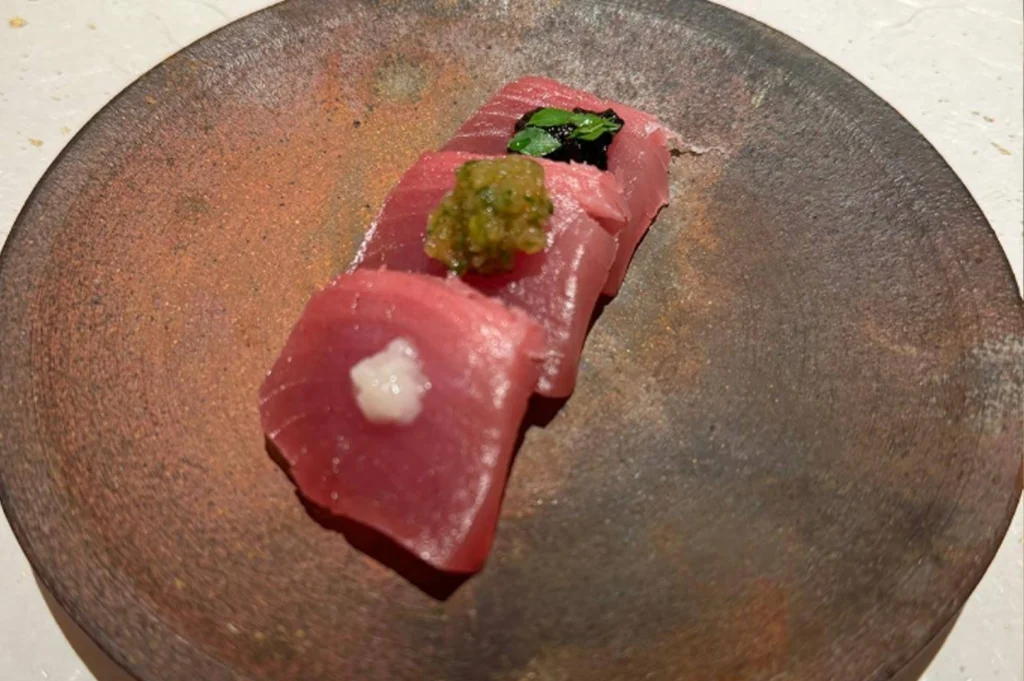
You need to trust the chef’s seasoning. In an authentic omakase restaurant, the chef already brushes just the right amount of sauce onto the fish. You do not need a side dish of soy sauce.
When I first started exploring Japanese cuisine, I made the terrible mistake of asking for extra wasabi and dipping a beautifully aged piece of tuna into a pool of soy sauce. The chef gently corrected me. Mixing wasabi into a slurry of soy sauce is a massive faux pas here. The chef has already added just the right amount of fresh wasabi between the rice and the fish.
If a dish does require dipping, dip the fish side, not the rice. Rice acts like a sponge and will absorb too much salt, ruining the flavor profile. Between courses, you will notice a small mound of pickled ginger on your plate. This is a palate cleanser. Eat a small slice between different types of fish, rather than placing it on top of your sushi.
The Joy of Omakase Dining and the Overall Omakase Experience
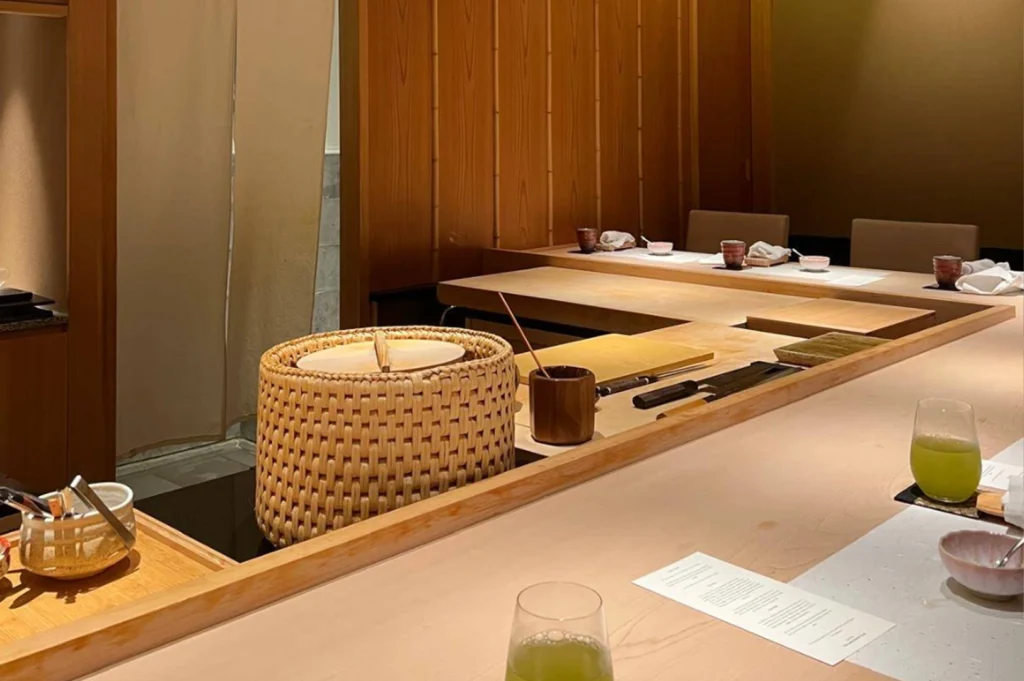
A great omakase sushi experience should feel comfortable, not intimidating. The chef wants you to enjoy the omakase meal. You will likely start with small appetizers, move into sashimi, and then the main nigiri sequence begins. You might encounter dishes you have never seen before. Keep an open mind.
Personal Advice: Notice the temperature of the rice. A master chef adjusts the temperature of the rice depending on the fat content of the fish. Warmer rice pairs beautifully with fatty tuna, while slightly cooler rice suits delicate white fish.
When you finish eating, you will usually receive a hot bowl of soup and a light dessert. It is customary to use the small towel provided to clean your fingers one last time.
Finding the Right Omakase Restaurant for Your Dining Experience
Singapore offers a wide range of options. If you want a casual introduction, budget omakase spots around the city offer lunch sets for about $80 to $150. These are fantastic for learning the ropes. Mid-range spots usually charge between $180 and $300.
If you are celebrating a major milestone, luxury spots with Michelin stars will cost anywhere from $400 to over $800 per person. I always suggest starting with a lunch service. Lunch is often 30% cheaper than dinner and offers a fantastic, slightly more relaxed entry point into sushi etiquette.
At the end of the day, omakase etiquette boils down to a few simple things: respect the chef’s craft, eat sushi promptly, and immerse yourself in the moment. Leave your worries at the door, trust the person behind the counter, and let yourself enjoy one of the most remarkable ways to eat in the world.