In the world of japanese cuisine, few formal dining experiences command as much reverence as omakase. Many readers may have heard of omakase in the context of Japanese cuisine, as it is a well-known and respected tradition. This Japanese dining tradition, which literally means “I leave it up to you,” represents the ultimate expression of trust between guest and chef. When the customer leaves their meal entirely in the hands of the chef’s expertise, the result can be nothing short of an artistic performance that engages all the senses.
Singapore has emerged as one of Asia’s premier destinations for authentic Edo-mae omakase experiences. With its sophisticated dining scene and access to the world’s finest seafood, the city-state offers some of the most remarkable omakase menus outside of japan itself. For newcomers, the omakase experience can be intimidating due to its formal nature and the unpredictability of what will be served. Omakase especially appeals to adventurous diners who are open to trying new and unexpected dishes, making each meal a unique culinary journey. Whether you’re a seasoned connoisseur or contemplating your first omakase experience, this comprehensive guide will help you navigate Singapore’s exceptional Edo-mae sushi landscape.
What is Edo‑mae Omakase? Understanding the O Ma Ka Se Tradition in Japanese Cuisine
The term “omakase” carries profound cultural significance in Japanese restaurants, representing a dining philosophy that extends far beyond simply allowing diners to experience a set menu. When you order omakase, you’re engaging in a tradition that dates back centuries, placing complete faith in the chef to create a great meal tailored to the moment.
Edo-mae sushi represents one of Japan’s most refined culinary traditions, originating during the edo period in what is now modern-day tokyo. The name literally translates to “in front of Edo,” referring to the historical Tokyo Bay where fishermen would catch the freshest seafood for the capital’s sushi establishments. This style emphasizes not just the highest quality ingredients, but also specific preparation methods that have been perfected over generations using traditional cooking techniques.
Unlike modern sushi styles that often focus on raw fish served immediately after cutting, Edo-mae techniques involve careful aging, curing, and marinating processes. Fish might be salt-cured to concentrate flavors, marinated in vinegar to develop complexity, or lightly simmered to achieve the perfect texture. The rice itself receives equal attention, seasoned with a precise blend of rice vinegar, salt, and sugar, then served at body temperature to complement each piece of fish perfectly.
What distinguishes Edo-mae omakase from other omakase styles available in Singapore is this commitment to traditional tokyo techniques combined with seasonal ingredients sourced from specific Japanese regions. While fusion omakase experiences might incorporate local or international elements, authentic Edo-mae omakase maintains strict adherence to classical preparation methods and flavor profiles developed in Japan’s former capital.
The omakase course structure in Edo-mae style typically follows a carefully orchestrated progression. The chef begins with lighter, more delicate flavors, gradually building toward richer, more intense tastes before concluding with satisfying final pieces. This isn’t simply about showcasing premium ingredients—it’s about creating a harmonious dining experience where each course prepares your palate for what follows.
Best Edo‑mae Omakase Restaurants in Singapore: Top Japanese Restaurants for an Authentic Omakase Course
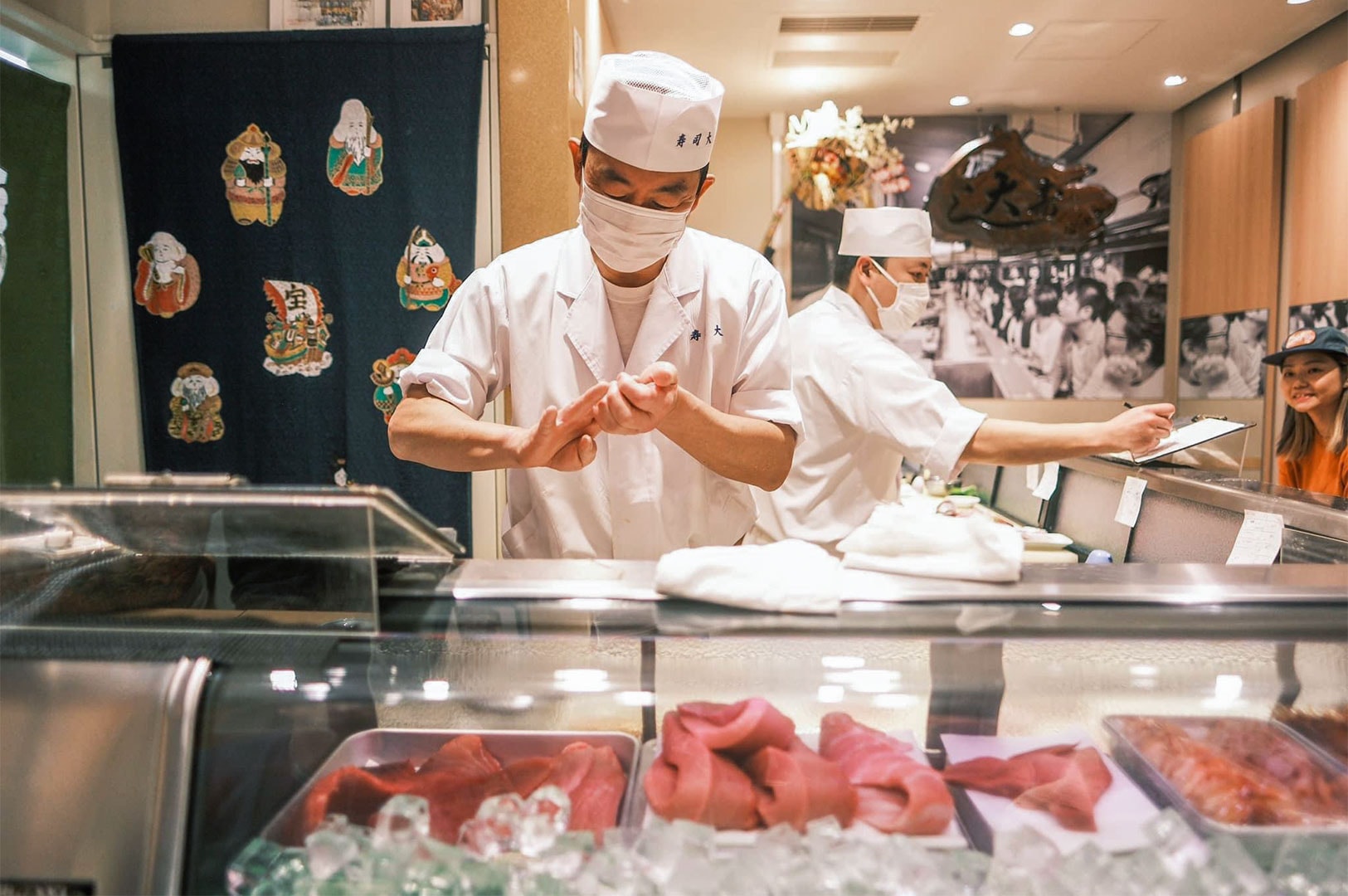
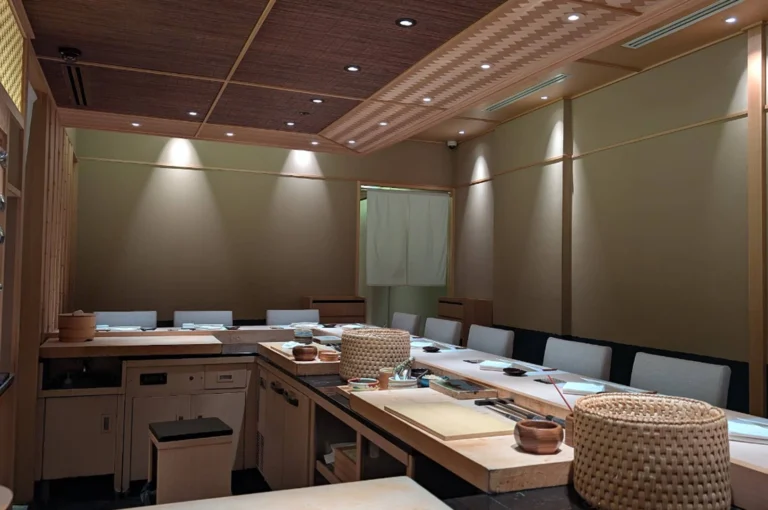
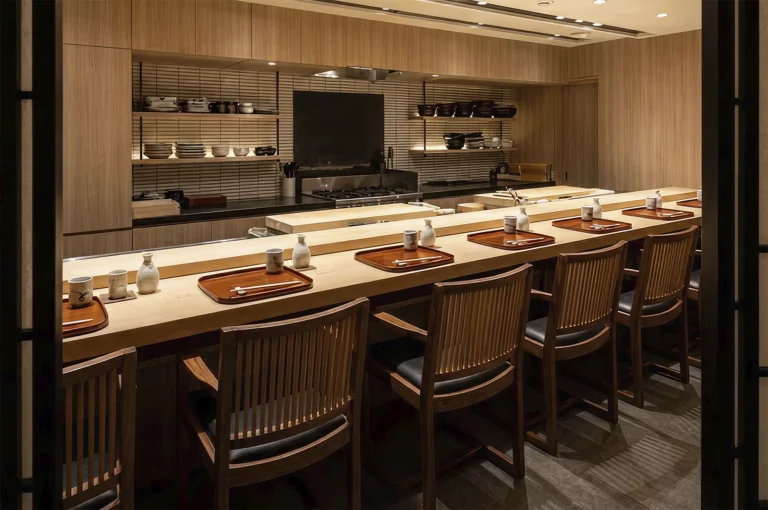
Singapore’s reputation as a global food destination extends prominently into its Japanese restaurants scene, with numerous establishments offering authentic Edo-mae omakase experiences. These venues range from intimate counter seats where you can observe the chef’s every precise movement to larger spaces that still maintain the personal touch essential to true omakase style.
The city’s top Edo-mae establishments typically feature counter seats for 8-12 guests, creating an intimate atmosphere where diners can engage with the chef throughout their multi course meal. Most restaurants import their seafood multiple times per week directly from Tokyo’s Toyosu Market, ensuring the same quality standards found in Japan’s finest establishments.
Pricing for authentic Edo-mae omakase in Singapore typically ranges from $180 for lunch experiences to over $500 for premium dinner service with sake pairings. The investment reflects not only the cost of importing the freshest Japanese seafood, but also the years of training required for chefs to master traditional techniques and the theatrical element of watching skilled artisans prepare each piece before your eyes.
Michelin Guide-Recognized Edo‑mae Experiences: Fine Dining and the Pinnacle of Omakase
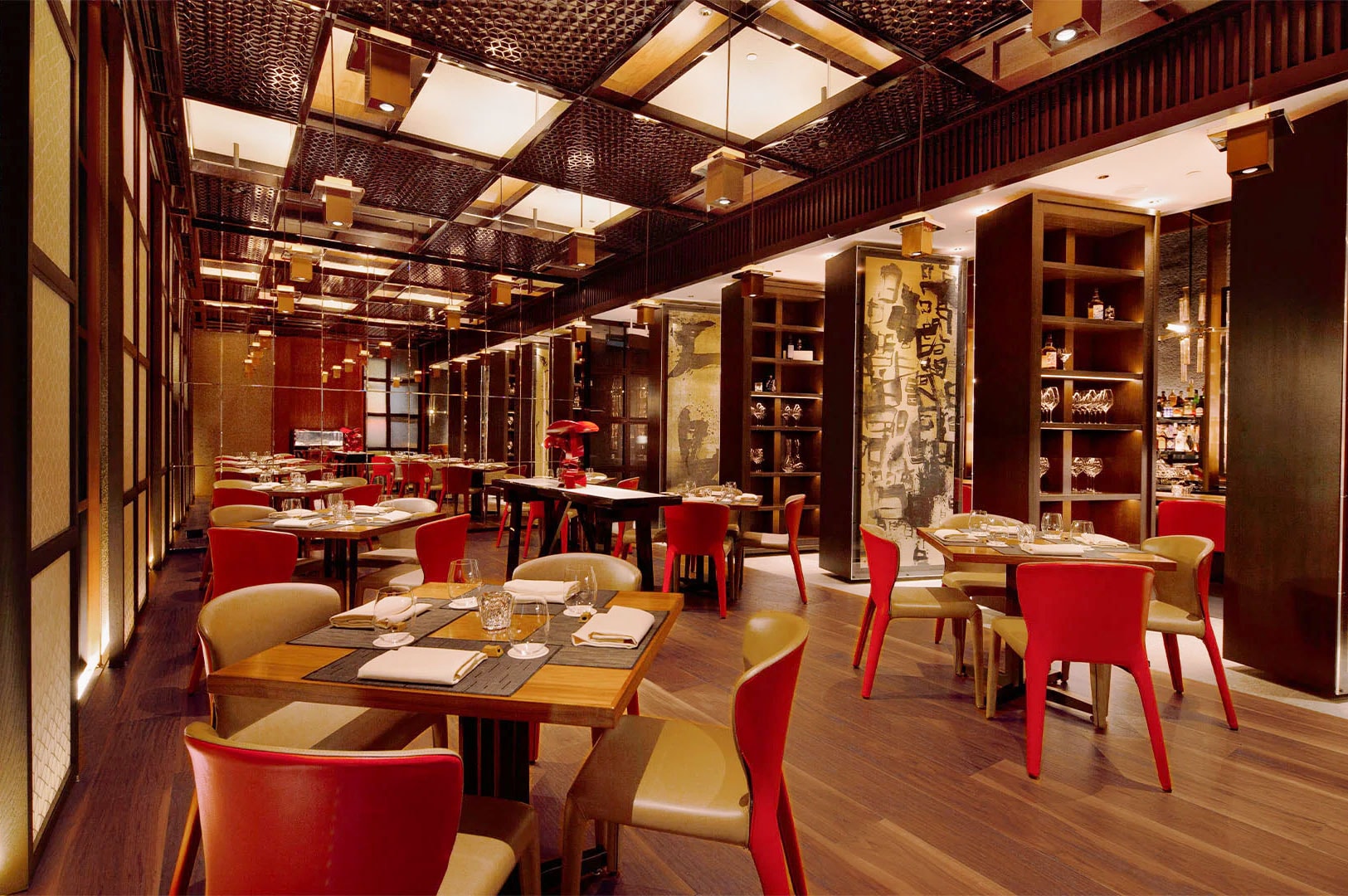
Singapore’s fine dining scene includes several establishments recognized by the michelin guide for their exceptional omakase experiences. These venues represent the pinnacle of Edo-mae sushi craft in Southeast Asia, offering experiences that rival those found in Tokyo’s most celebrated establishments.
- Waku Ghin at Marina Bay Sands: One of Singapore’s most prestigious omakase destinations, offering a broader contemporary Japanese approach rather than strictly traditional Edo-mae style. Occasionally features pure Edo-mae omakase experiences showcasing chef Tetsuya Wakuda’s training in classical techniques.
- Intimate sushi counters with Japanese-trained itamae (sushi chefs): These establishments serve 15-20 piece tasting menus, typically requiring reservations several weeks in advance and offering dinner services lasting 2-3 hours.
What justifies the premium pricing at these Michelin-starred venues extends beyond recognition itself. These chefs often trained for years in Tokyo under master sushi chefs, learning not just technical skills but the philosophy behind Edo-mae preparation. They source specific varieties of fish from particular regions of Japan, age them according to traditional methods, and present each piece with detailed explanations of the fish’s origin, preparation, and optimal eating technique. The atmosphere at these establishments deliberately emphasizes the spiritual companion relationship between chef and guest.
Hidden Gems and Emerging Restaurants: Discover New Dining Experiences in Singapore’s Japanese Cuisine Scene
While Michelin-starred venues highlight exceptional quality, Singapore’s Edo-mae omakase scene also includes numerous hidden gems offering authentic experiences at more accessible prices. These intimate restaurants, often led by Japanese-trained chefs, provide traditional Edo-mae techniques with dinner prices typically under $250 per person.
These smaller establishments emphasize direct interaction between chef and guest, adapting courses based on individual preferences, dietary needs, and diners’ reactions. Many offer both lunch and dinner omakase courses, with lunch providing excellent value at roughly half the dinner cost.
Maintaining Edo-mae fundamentals, these venues experiment with seasonal ingredients and unique preparations, showcasing the chef’s creativity while honoring traditional cooking techniques.
What to Expect During Your Edo‑mae Omakase Experience: A Multi Course Dining Experience with Seasonal Ingredients
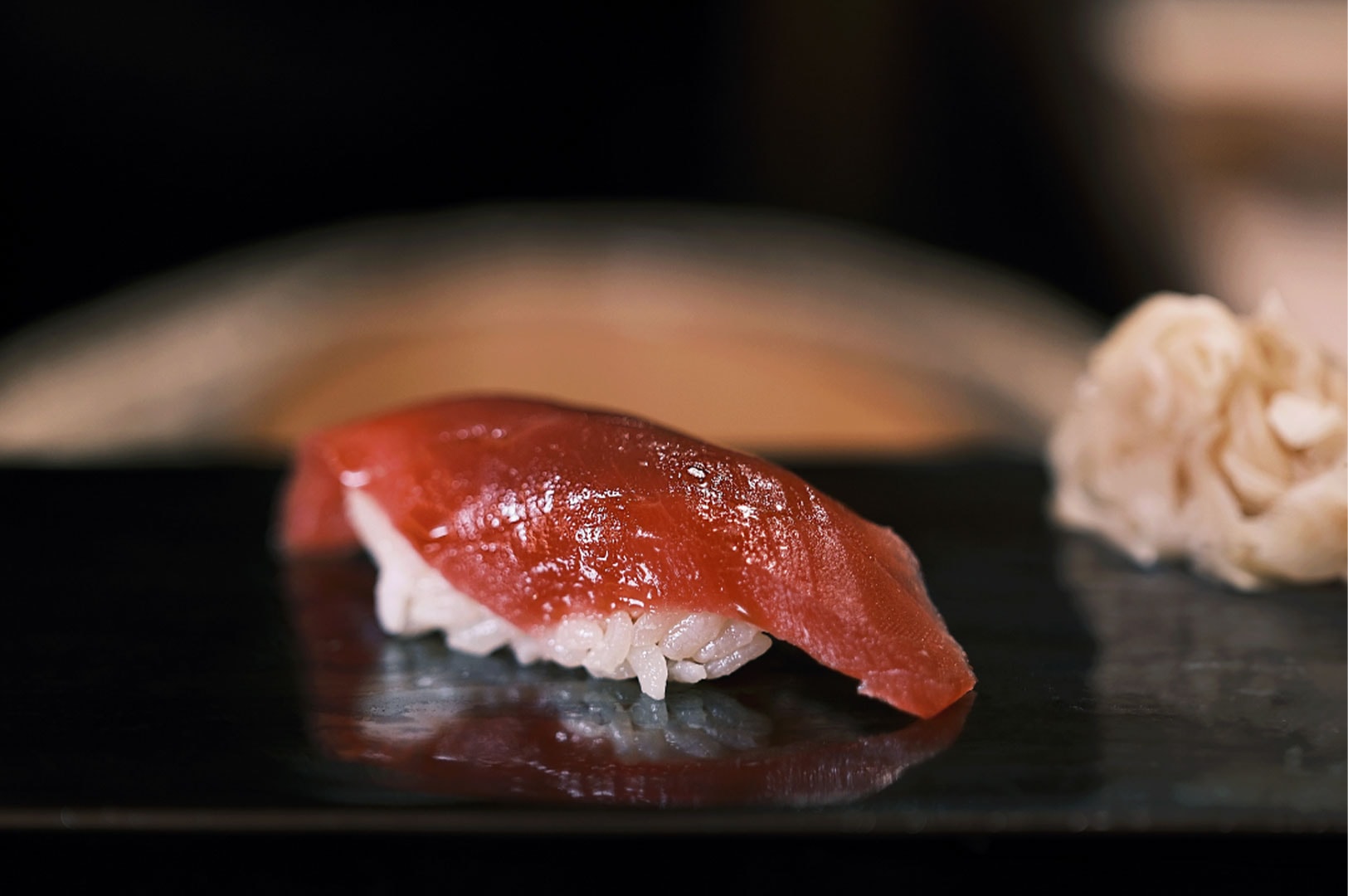
An authentic Edo-mae omakase experience is a carefully choreographed performance lasting several hours and featuring 15-20 meticulously prepared pieces. The meal begins as you take your seat at the counter, witnessing the chef’s preparation techniques firsthand as part of the overall dining experience.
The sequence starts with lighter preparations to awaken your palate, often beginning with appetizers—small, seasonal dishes crafted to set the tone for the journey. Early courses feature delicate white fish like flounder or sea bream, prepared with subtle seasonings highlighting the natural sweetness of the seafood. As the meal progresses, flavors intensify through medium-bodied fish like mackerel or yellowtail, building toward the richest preparations. Tempura may be included, showcasing the chef’s skill with seasonal ingredients beyond sushi and sashimi.
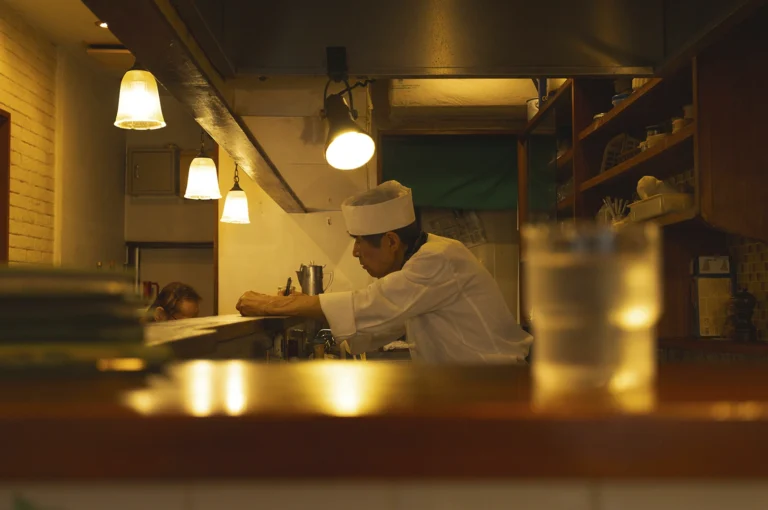
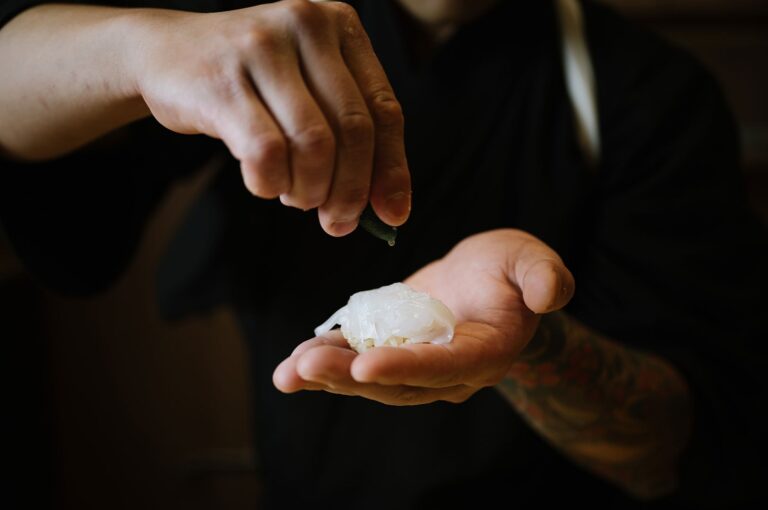
Throughout the omakase course, the chef presents each piece individually, explaining the fish’s origin, preparation technique, and optimal way to eat it. This educational aspect transforms the meal into an immersive lesson in Japanese culinary tradition and seasonal ingredients appreciation.
The rice receives equal attention in authentic Edo-mae preparation. Served at precise body temperature and seasoned with aged rice vinegar, the shari complements and enhances each topping. The chef adjusts rice preparation throughout the meal to match the intensity of different fish preparations.
Omakase Etiquette and Dining Tips for an Exceptional Dining Experience
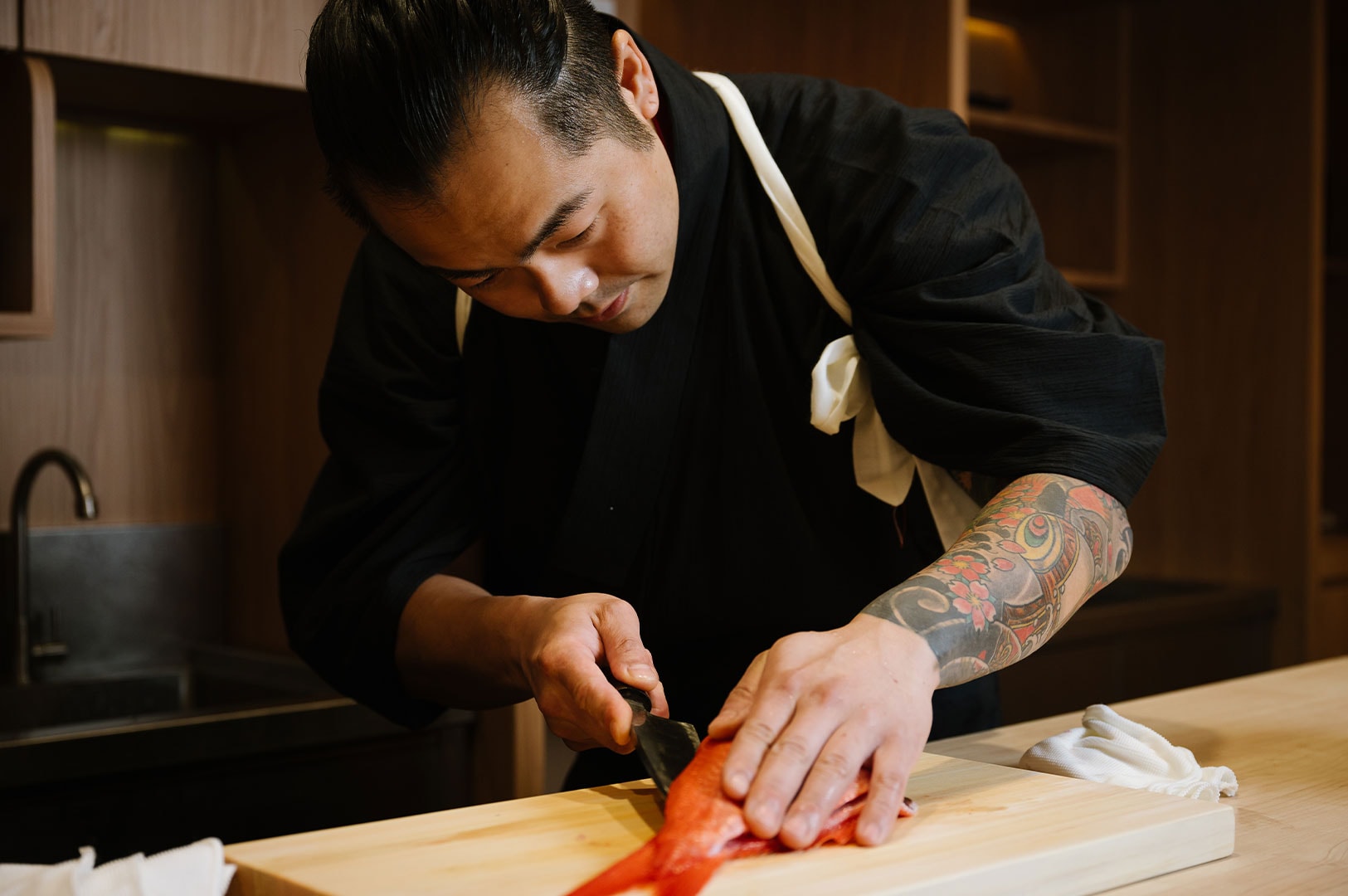
Proper etiquette enhances both your enjoyment and the chef’s ability to deliver an exceptional omakase experience. Understanding these cultural expectations allows you to engage fully with the artistic performance and shows respect for this formal dining tradition.
Counter seating is essential for authentic omakase, placing you directly before the chef to observe techniques and engage in conversation about each preparation. Arrive punctually, as the timing of the meal is carefully orchestrated and late arrivals disrupt the flow for other diners.
Eat each piece immediately when presented to enjoy the optimal harmony of rice temperature, fish texture, and seasoning. Follow the chef’s guidance on soy sauce usage—many pieces are already seasoned, and dipping should be done only on the fish side to avoid overpowering flavors.
Dress codes typically require smart casual to formal attire, reflecting respect for the culinary artistry and enhancing the refined atmosphere. Engage with your chef by asking about techniques, ingredients, or their background—most Edo-mae chefs value genuine interest, enriching the omakase experience.
Seasonal Ingredients and Fish Quality: The Heart of the Omakase Course
The foundation of exceptional Edo-mae omakase lies in securing the freshest seasonal ingredients, especially seafood sourced from renowned Japanese regions known for the highest quality. Singapore’s top establishments import fish multiple times weekly via air freight, often receiving deliveries within 24-48 hours from Tokyo’s Toyosu Market.
Seasonal specialties create natural menu variations throughout the year. Spring offers cherry blossom sea bream and young yellowtail; summer features peak uni from Hokkaido and sweet shrimp from northern waters. Autumn brings rich, fatty fish preparing for winter, including premium mackerel and the first winter bluefin tuna.
Premium ingredients are central to any serious Edo-mae experience. Sea urchin varies by season and source—Hokkaido summer uni is sweet and creamy, while winter varieties are more intense and briny. Toro ranges from lighter chu-toro to marbled o-toro, selected for ideal fat marbling and texture.
Traditional preparations like kohada (gizzard shad) highlight the chef’s mastery through precise curing in salt and vinegar for hours, balancing flavor and texture. This exemplifies how Edo-mae techniques transform simple ingredients into complex, memorable bites.
Local adaptations maintain authenticity while addressing Singapore’s unique challenges. Chefs balance traditional Japanese techniques with local regulations, supply realities, and customer expectations. Some supplement imported fish with exceptional local varieties, though purists maintain exclusively Japanese sourcing for authentic Edo-mae omakase.
Booking Your Edo‑mae Omakase Experience: How to Secure Your Spot for an Unforgettable Dining Experience
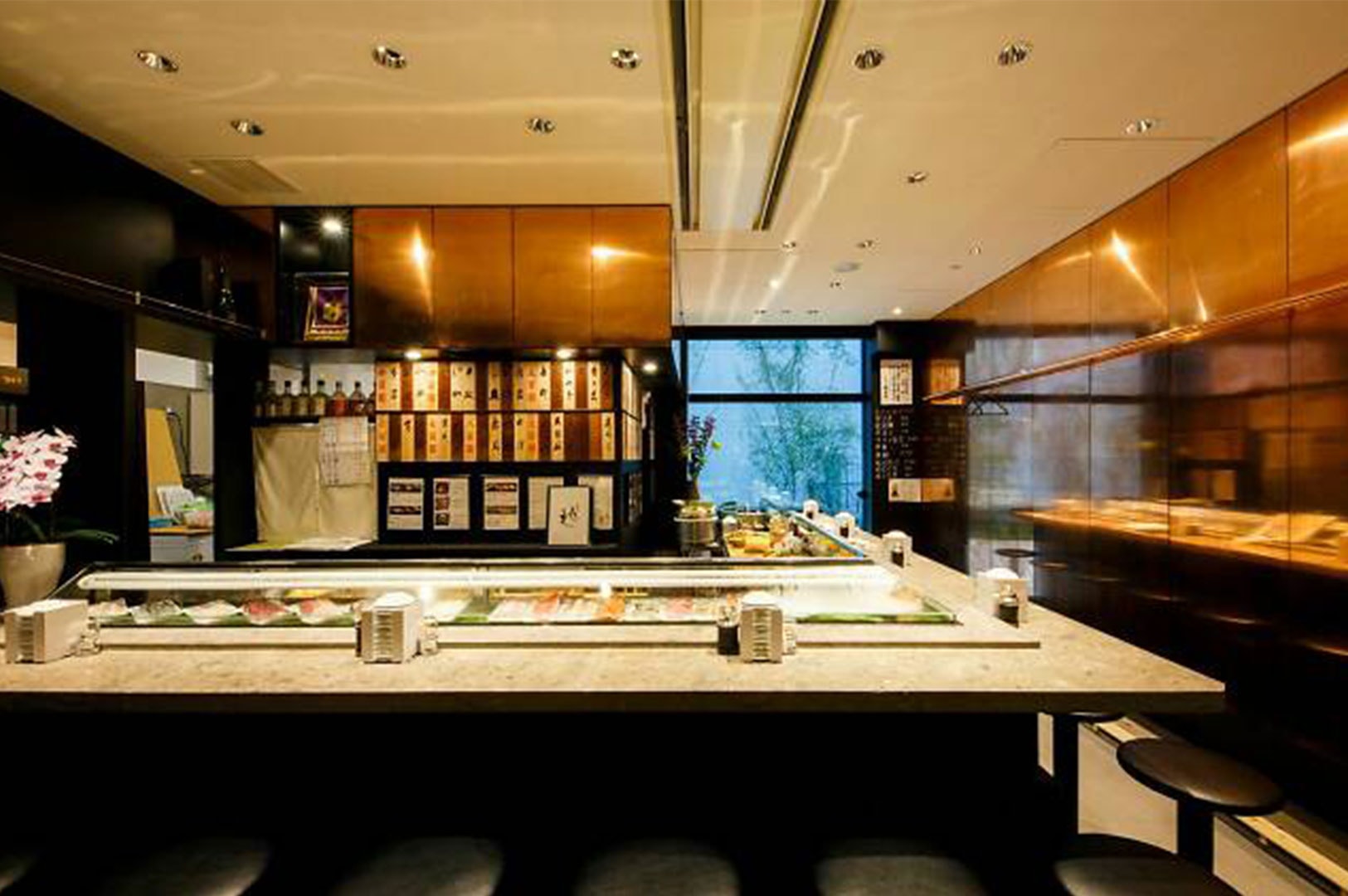
Securing reservations at Singapore’s premier Edo-mae establishments requires advance planning, with popular venues booking 2-4 weeks ahead for weekend dinner service. Limited counter seats—typically 6-10 per seating—create scarcity, so early booking is essential for preferred times.
Key reservation details include:
- Multiple seatings per evening, with early (6:00-6:30 PM) and late (8:30-9:00 PM) slots most sought after
- Each omakase experience lasts 2-3 hours, allowing limited seatings to maintain an unhurried pace
- Online reservations are standard at upscale venues; some traditional places prefer phone bookings to discuss preferences
- Clearly communicate dietary restrictions, allergies, or strong preferences when reserving to help the chef plan suitable alternatives without disrupting the meal’s flow
- Deposit requirements are common, especially for dinner and weekends, typically 50-100% of the expected cost, processed via secure online payments or bank transfers
- Peak booking times align with Singapore’s social and business entertainment patterns, with weekends booking fastest, followed by weekday dinners for special occasions
- Lunch omakase offers excellent alternatives with similar quality at lower prices and more flexible bookings
- Cancellation policies usually require 24-48 hours notice for full deposit refunds; last-minute cancellations often forfeit deposits due to challenges in sourcing premium ingredients per guest count
- For special occasions, early discussion with staff is advised to arrange celebrations, special sake selections, or private counter arrangements for larger groups
Pricing Guide and Value Considerations for Your Omakase Dining Experience
Understanding the pricing structure of Edo-mae omakase in Singapore helps diners make informed decisions and set expectations for this premium dining experience. The investment covers ingredient sourcing, chef training and expertise, venue overhead, and personalized service inherent to authentic omakase.
Price Range | Service Level | Course Count | Premium Ingredients | Typical Duration | |
|---|---|---|---|---|---|
$180-220 | Lunch | 12-15 pieces | Some premium items | 90-120 minutes | |
$280-380 | Standard Dinner | 15-18 pieces | Multiple premium items | 2-2.5 hours | |
$400-500+ | Premium Dinner | 18-22 pieces | Extensive premium selection | 2.5-3 hours |
Singapore’s omakase prices, though higher than Tokyo’s, remain competitive with New York, London, and Hong Kong. The best Edo-mae spots excel not just in premium ingredients but in chef interaction, atmosphere, and overall omakase experience.
Conclusion and Recommendation: Making the Most of Your Edo‑mae Omakase Journey in Singapore
Experiencing Edo-mae omakase in Singapore means entering a world where artistry, heritage, and innovation unite. At top Japanese restaurants, the omakase course reflects the chef’s mastery and seasonal ingredients, creating a unique culinary journey.
Choose authentic, often Michelin-recognized venues with intimate counter seats for direct interaction and personalized service. Communicate any dietary needs so the chef can tailor your meal.
The multi-course dining experience unfolds over several hours, with flavors progressing thoughtfully to celebrate the season. Whether a first-timer or connoisseur, omakase offers a revered way to savor Japanese cuisine’s soul.
Start planning your authentic omakase experience today—each meal is a special moment showcasing refined technique and artistry in an intimate setting.