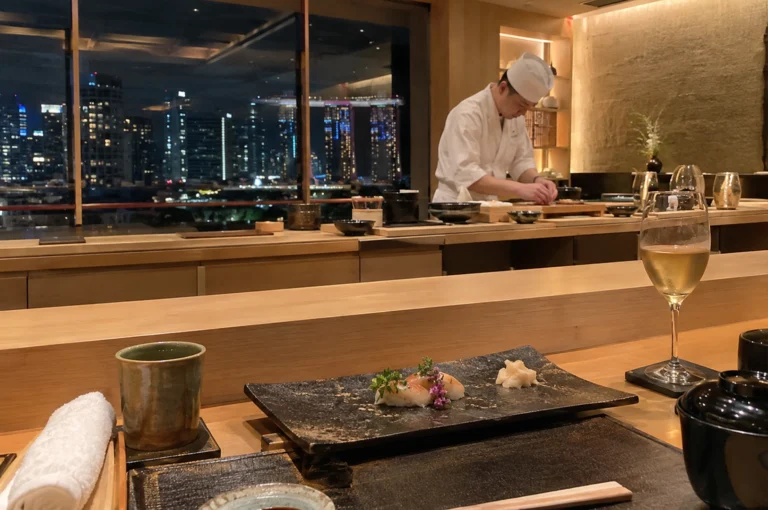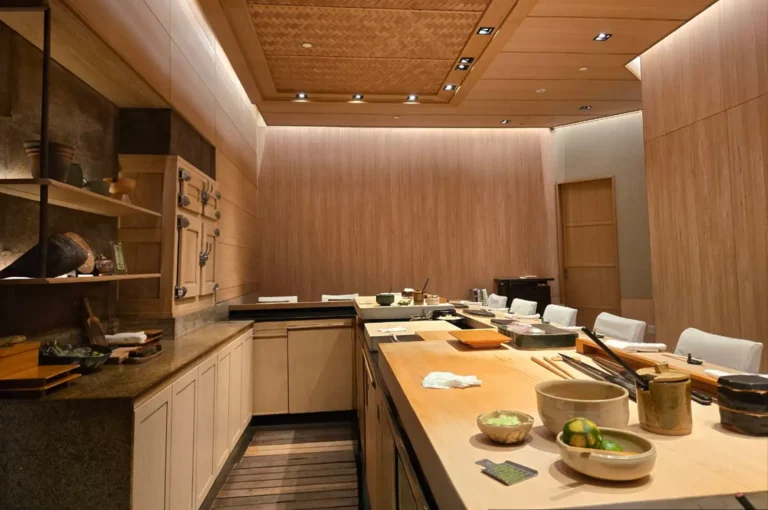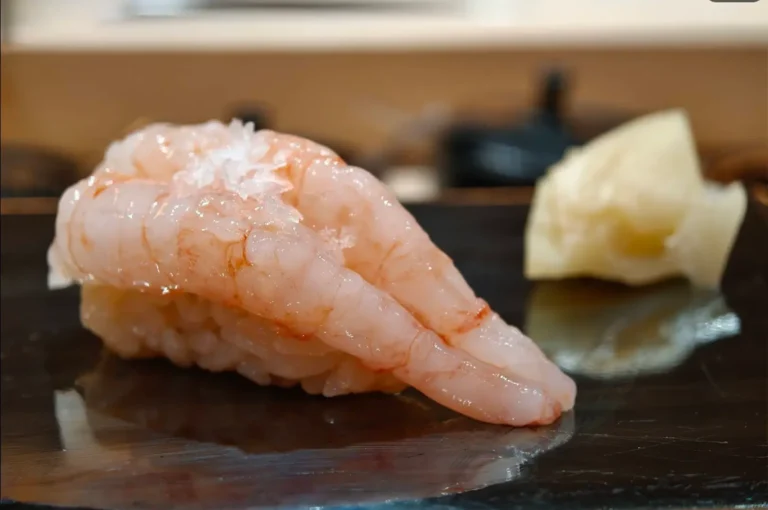
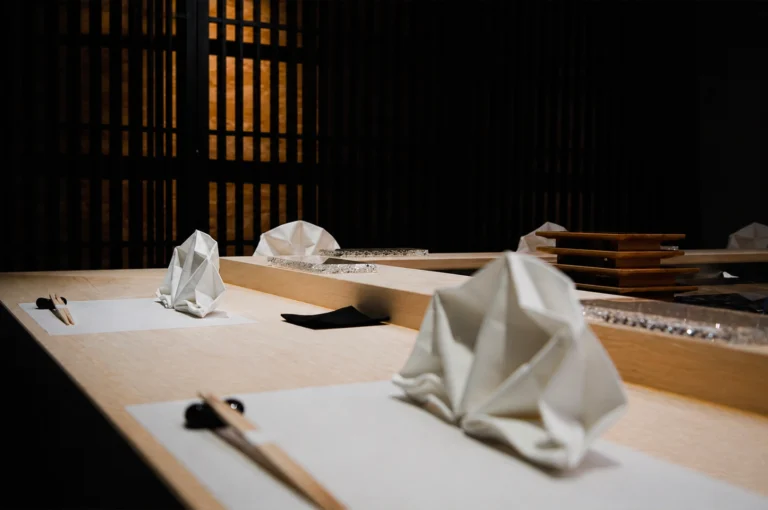
For those who follow the best omakase Singapore scene closely, there is a quiet shift happening again.
After our previous list, the conversation has naturally moved forward. What we once highlighted has not been replaced, but refined. The focus is no longer just on recognition or pricing tiers, but on something more grounded, craftsmanship, the finest ingredients, and whether the omakase experience transports diners into a world of Japanese culinary artistry, offering an immersive atmosphere that feels complete from start to finish.
This updated guide focuses on a curated selection of omakase restaurants in Singapore that uphold high standards in food quality, chef craftsmanship, and balanced courses, where each dish is intentional rather than assembled.
1. Sushi Masa by Ki-Setsu: A Hidden Counter Focused on True Craftsmanship
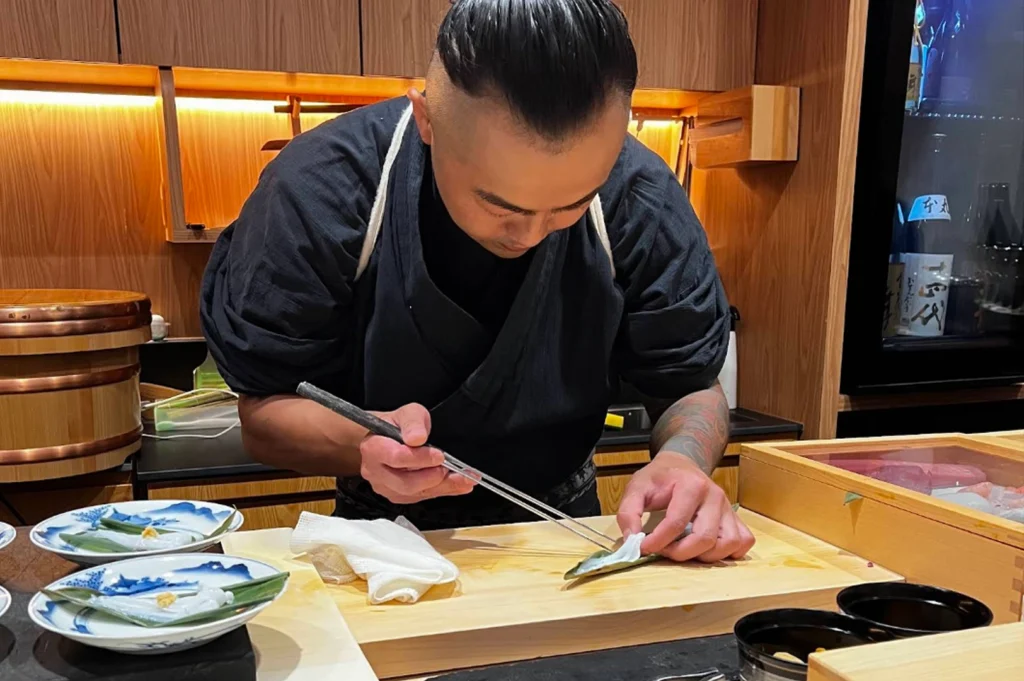
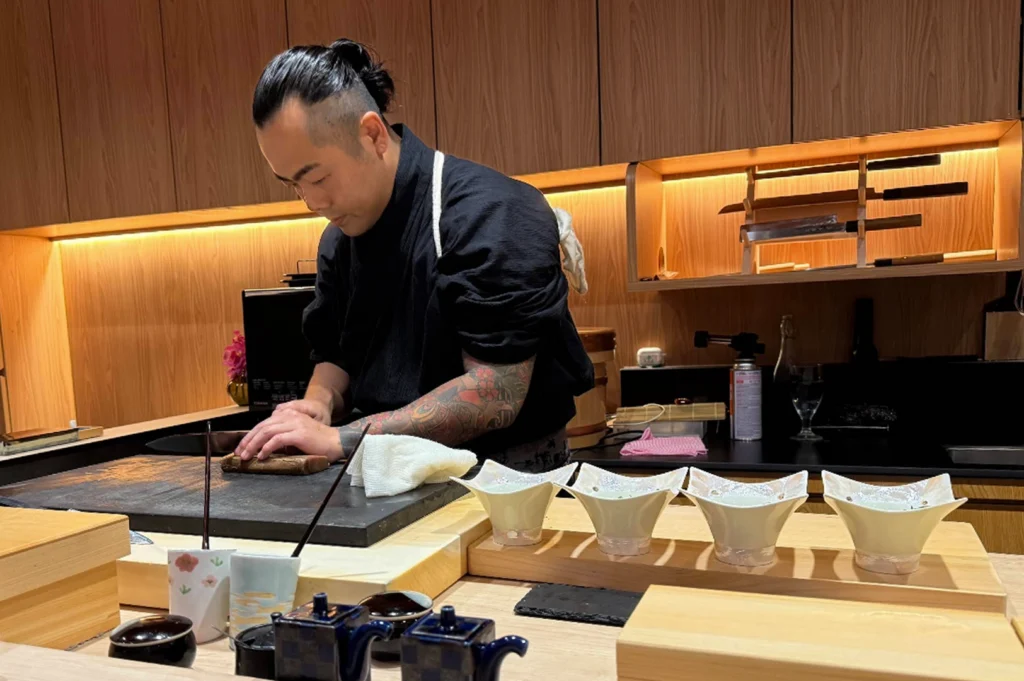
Tucked away on Level 6 of Cuppage Plaza, a building better known for its nightlife than its dining, sits one of the most quietly respected omakase restaurants in Singapore, Sushi Masa by Ki Setsu. This 8-seat counter seating is led by Chef Masa, a shokunin known for discipline, restraint, and a clear commitment to traditional Japanese craft.
Exclusive Dinner Omakase Only — No Lunch Service by Design
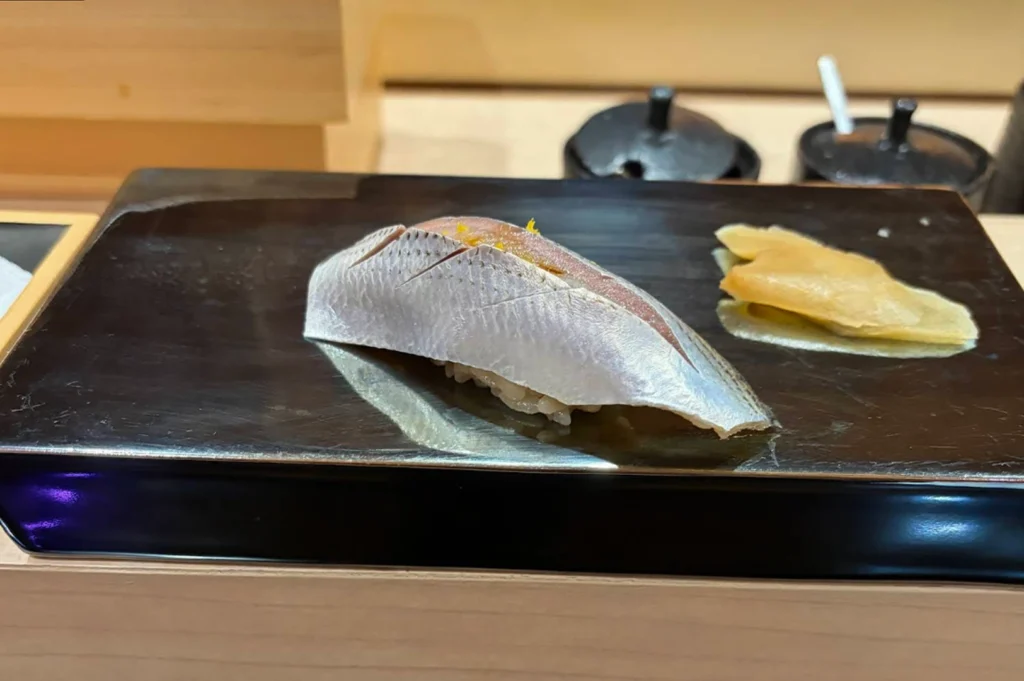
Unlike many restaurants, Sushi Masa does not offer a lunch omakase menu. The team uses the day, especially on Saturday, for preparation, aging fish, developing sauces, and assembling the dinner omakase menu with precision.
This ensures that every dish served meets the standard expected from a premium sushi omakase. By the time dinner starts, every element of the meal has been carefully considered.
What They Serve
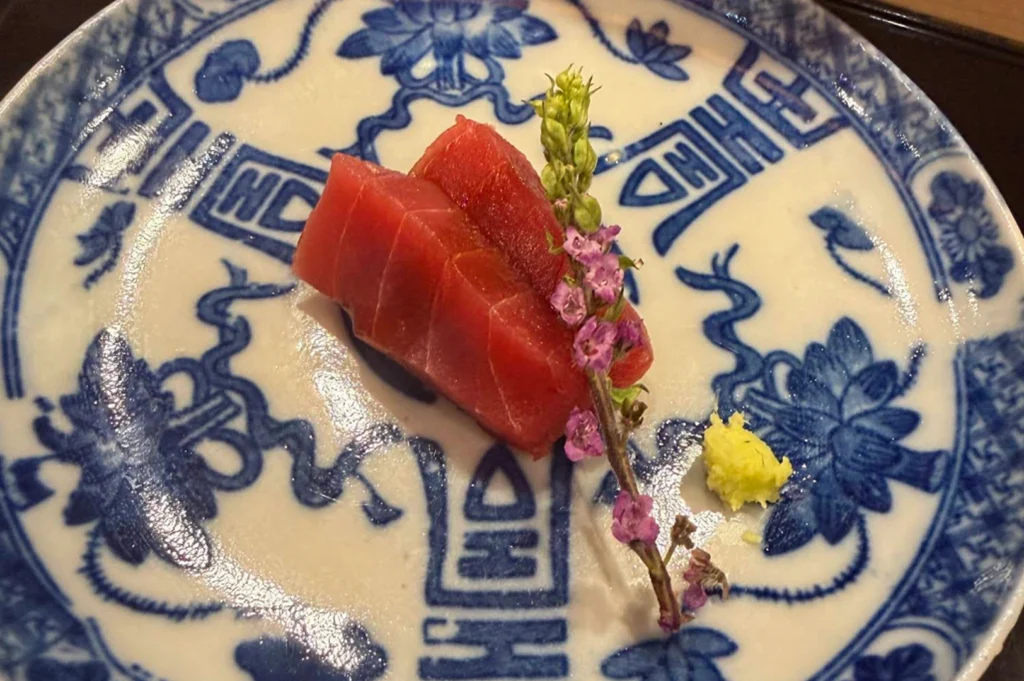
The omakase menus at Sushi Masa by Ki-Setsu are thoughtfully crafted around a core of sashimi and nigiri courses, beginning with an appetiser that sets the tone for the meal and highlights seasonal ingredients and the chef’s craftsmanship.
Featuring seasonal premium seafood such as sea urchin, scallops, and otoro, these fresh ingredients are flown in daily from Japan’s renowned Toyosu Market, ensuring exceptional quality and seasonality.
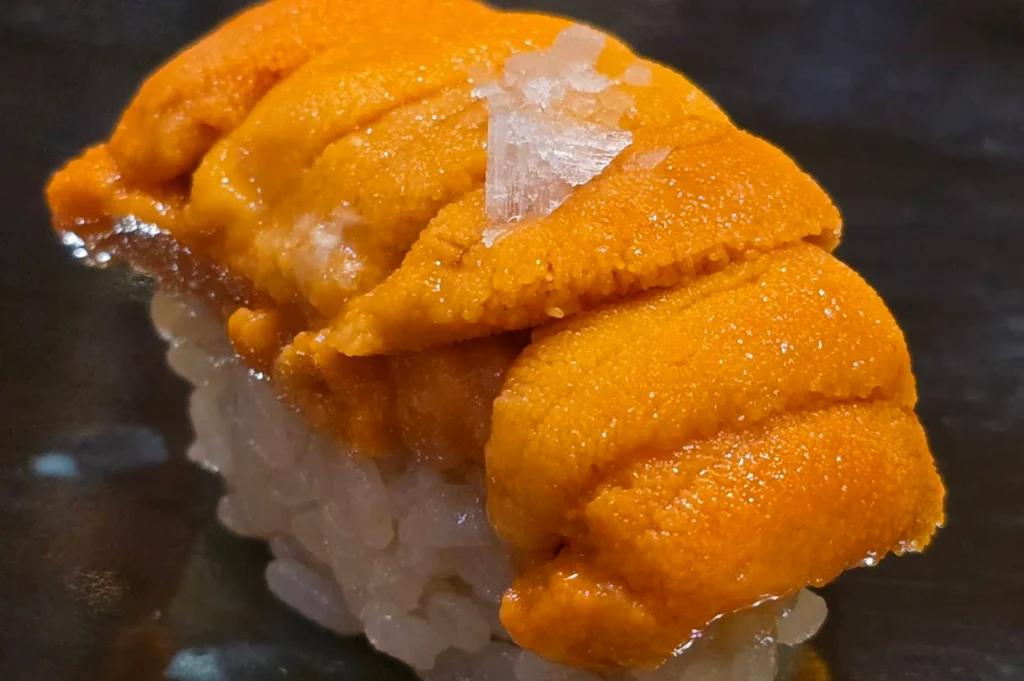
Each course is personally prepared by Chef Masa with meticulous attention to detail, allowing guests to indulge in a seamless progression of flavors. With this, it’s straight to say that Chef Masa seasons each piece according to the fish and his intended flavour balance. Diners can taste the sushi as served before deciding whether any additional seasoning is needed
The experience culminates with a carefully selected dessert that provides a delicate and satisfying conclusion to the omakase journey. This balanced combination of dishes reflects the chef’s dedication to showcasing the best of Japanese culinary tradition while providing an intimate and immersive dining experience at the sushi counter.
What They Are Known For
- Strong focus on freshness and seasonal fish
- A well-paced omakase course that allows diners to savour each moment
- Balanced inclusion of cooked dishes and sushi
- A highly intimate dining experience with limited seating capacity
Ingredients are flown directly from Toyosu Market, ensuring access to the freshest ingredients available. Despite its understated presence, Sushi Masa remains consistently fully booked, driven largely by word-of-mouth.
Among all options, Sushi Masa by Ki Setsu remains one of the clearest examples of a proper omakase experience in Singapore, especially for those seeking authenticity over scale or those celebrating a special occasion.
Reservations – Click Here to Reserve.
Facebook | Instagram | Tiktok | Youtube | Google
2. Sushi to Sumi: Standing Sushi That Rethinks Omakase in Singapore
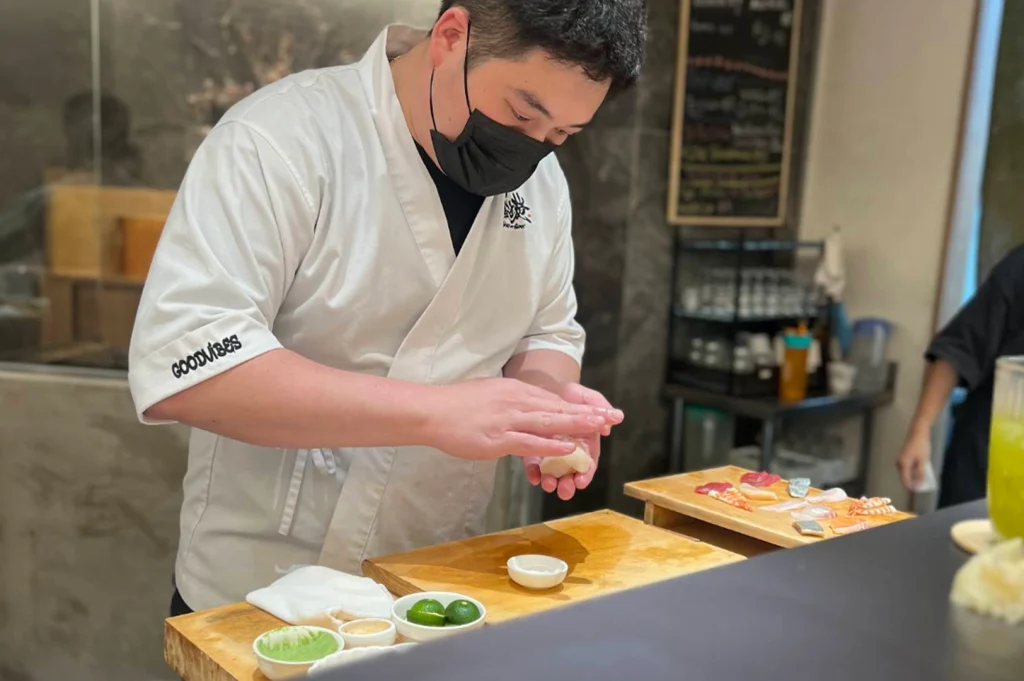
In Singapore’s omakase scene, most serious sushi experiences still follow a familiar formula: counter seating, a long progression of courses, and an omakase dinner paced over several hours. Sushi To Sumi takes almost the opposite approach.
Located at 20 Cecil Street in Raffles Place, the restaurant brings Tokyo’s standing sushi culture into the Singapore context, serving seasonal sushi in a 30–45 minute lunch format built around how people actually eat in the CBD. At night, the seats come out and the pace slows, giving diners a different way through the same seasonal fish and charcoal menu.
A Seasonal Menu Without the Long Ceremony
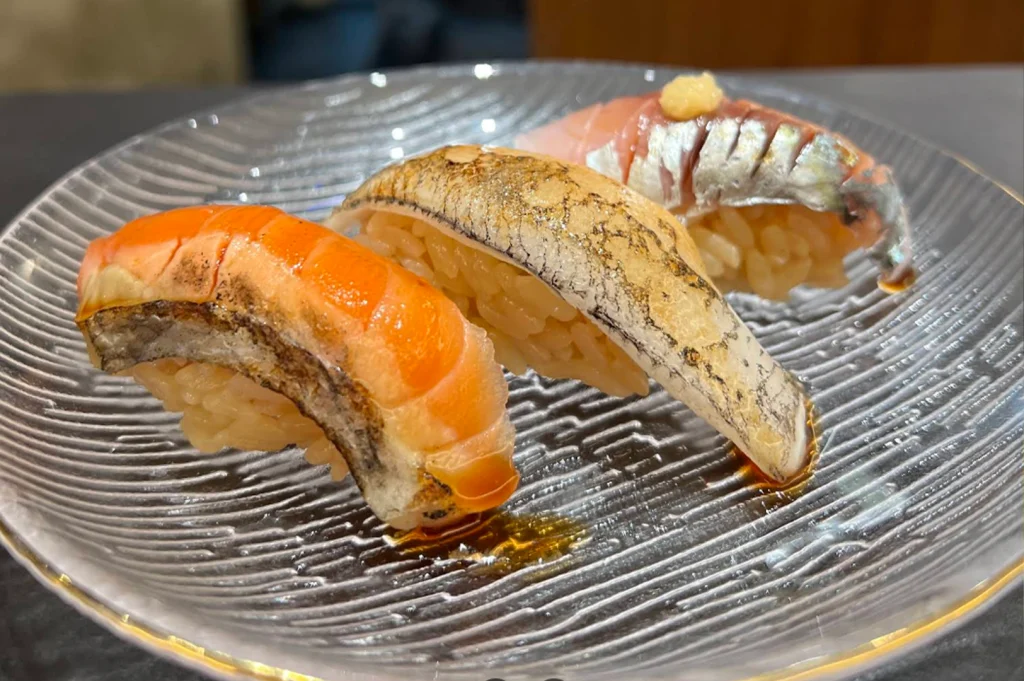
Sushi to Sumi does not rely on fixed omakase sets or a rigid seasonal tasting menu. Instead, the season writes the menu. The chef curates each preparation according to what has arrived and how the fish should be eaten, whether as nigiri, sashimi, or one of the charcoal grilled dishes cooked over binchotan.
That creates something close to a seasonal omakase in spirit without copying the traditional structure of an omakase meal. The judgement still sits with the chef, but diners are not committed to a long procession simply because the ingredients are premium.
The restaurant is backed by Araya Shouten, with sourcing lines that reach beyond Tokyo’s Toyosu Market to Hokkaido. The menu follows what is running in Japan, and the whole fish is treated with the same discipline: kama is grilled, while bones can become the day’s miso soup.
What They Serve
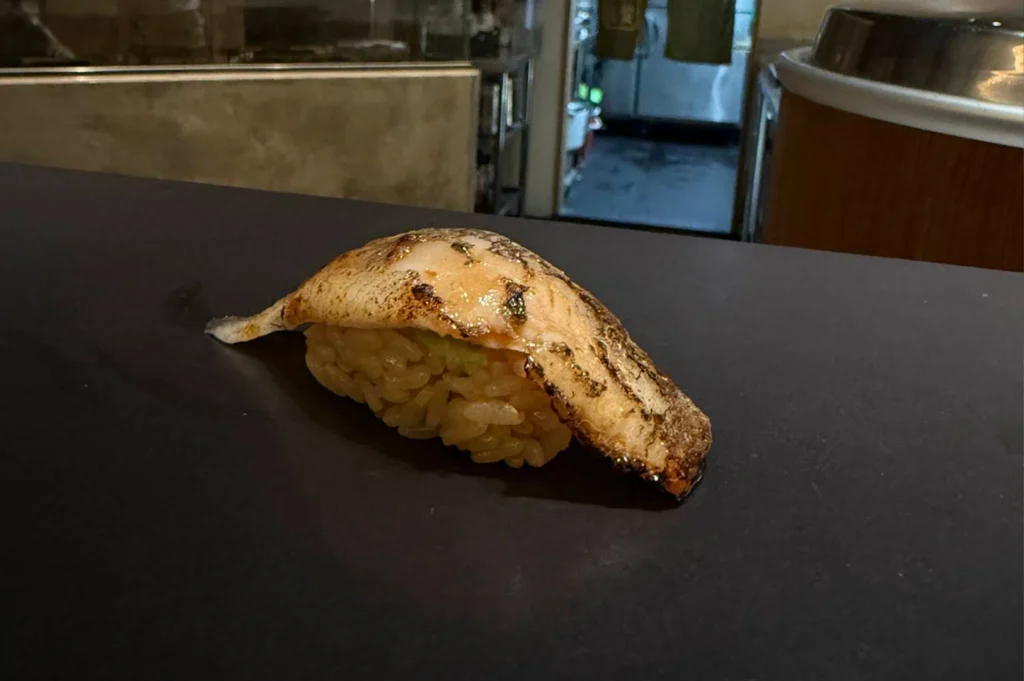
The focus is unmistakably Japanese cuisine, but the menu stays narrow. Seasonal nigiri and sashimi lead the counter, while the “Sumi” half of the name comes through in charcoal grilled dishes and other preparations suited to fire.
Rather than creating original dishes for novelty alone, the restaurant lets the ingredient dictate the technique. A fish that suits nigiri remains raw. Another may belong over charcoal. The point is serious sushi, not unnecessary theatre.
That Japanese dining style also changes with the time of day. Lunch is standing and direct. Dinner is seated and more relaxed, making it a natural option for diners who still want a slower omakase dinner rhythm without turning the evening into a highly formal ceremony.
What They Are Known For
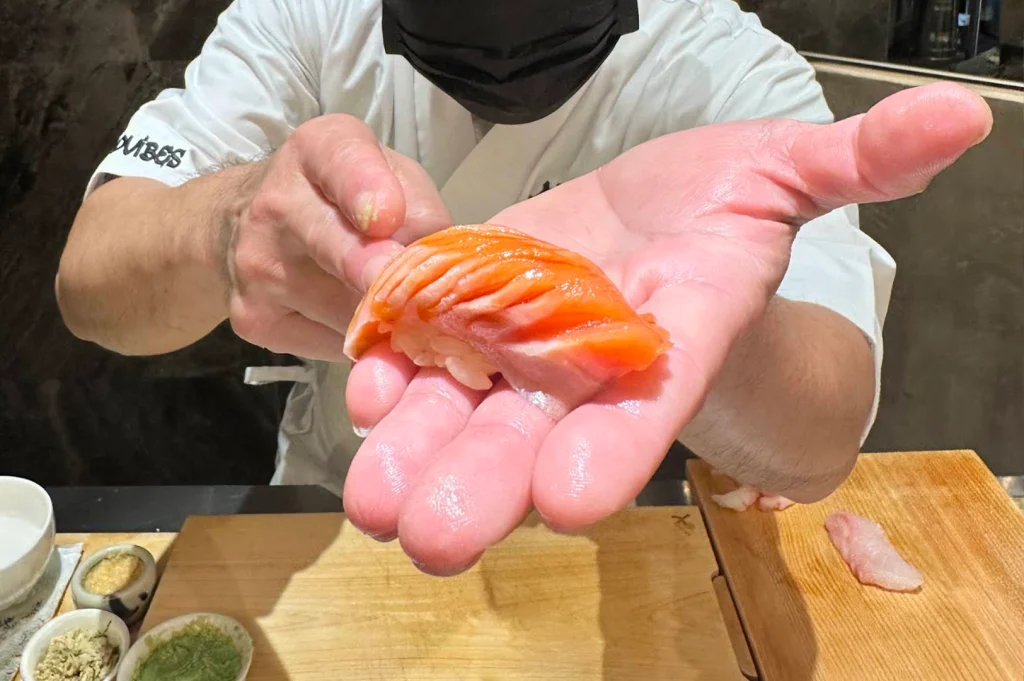
- Singapore’s standing sushi format rooted in Tokyo’s standing sushi culture
- Seasonal fish selected according to availability
- Nigiri, sashimi, and charcoal grilled dishes
- Direct Japanese sourcing backed by Araya Shoten
- A 30–45 minute lunch format built for Raffles Place
- Seated evenings for diners who want a slower pace
For omakase diners comparing the many interpretations of omakase in Singapore, Sushi to Sumi is useful precisely because it does not behave like the others. It keeps the chef-led judgement, seasonal sourcing, and ingredient discipline associated with omakase, then removes much of the ceremony around them.
That is where it earns its place.
This place is best for diners who care about fish quality and seasonality but do not necessarily want a traditional multi-hour omakase progression. And frankly, you should avoid this if you specifically want formal omakase sets, private rooms, or a highly ceremonial tasting menu.
Reservations – Click here to reserve.
3. Sushi Sakuta: Michelin-Level Precision in an Intimate Setting
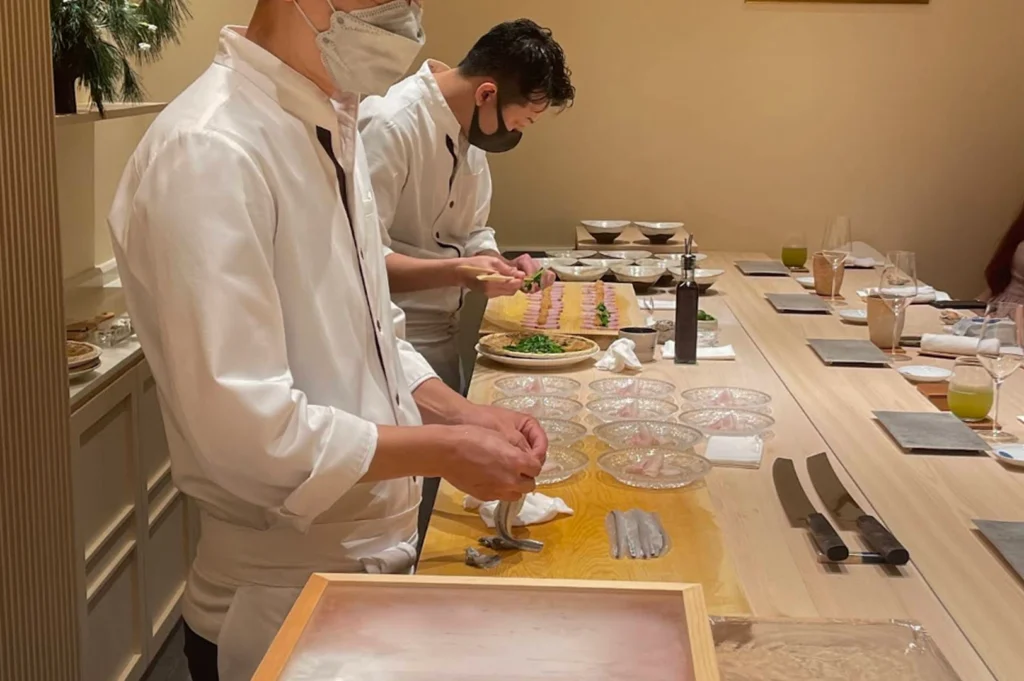
Sushi Sakuta operates as a premium omakase restaurant in Singapore with a strong focus on precision and ingredient quality. This Singapore outpost delivers a refined counter experience, maintaining a controlled environment with limited seating capacity to preserve quality.
What They Serve
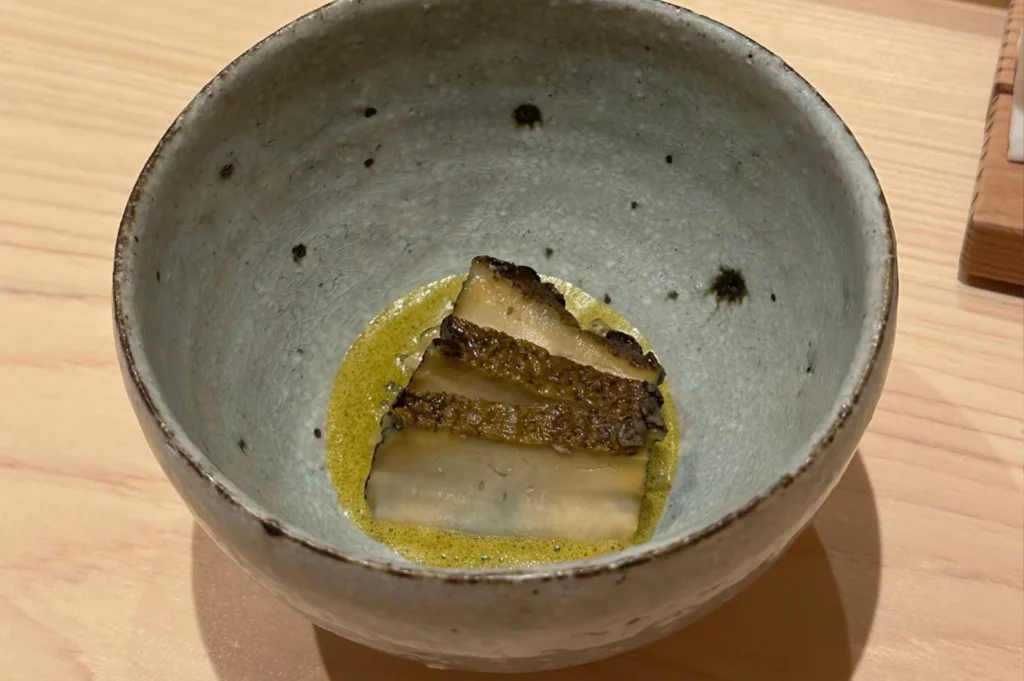
The omakase course at Sushi Sakuta includes a carefully curated selection of high-grade sashimi, followed by a structured sequence of nigiri that highlights the chef’s precision and respect for seasonality. Every course is presented artistically, often using handcrafted seasonal ceramics and meticulous plating that emphasizes color and texture harmony. Guests can also enjoy seasonal hot dishes and meticulously plated appetizers that showcase the artistry and balance of flavors characteristic of a refined omakase experience.
The meal concludes with a light dessert, providing a delicate finish that complements the overall progression. This thoughtful composition ensures diners experience a harmonious blend of textures and tastes, reflecting Sushi Sakuta’s commitment to delivering a composed and consistent omakase journey in an intimate setting. The dining counter seating facilitates a personal interaction with the chef, enhancing the immersive omakase experience.
What They Are Known For
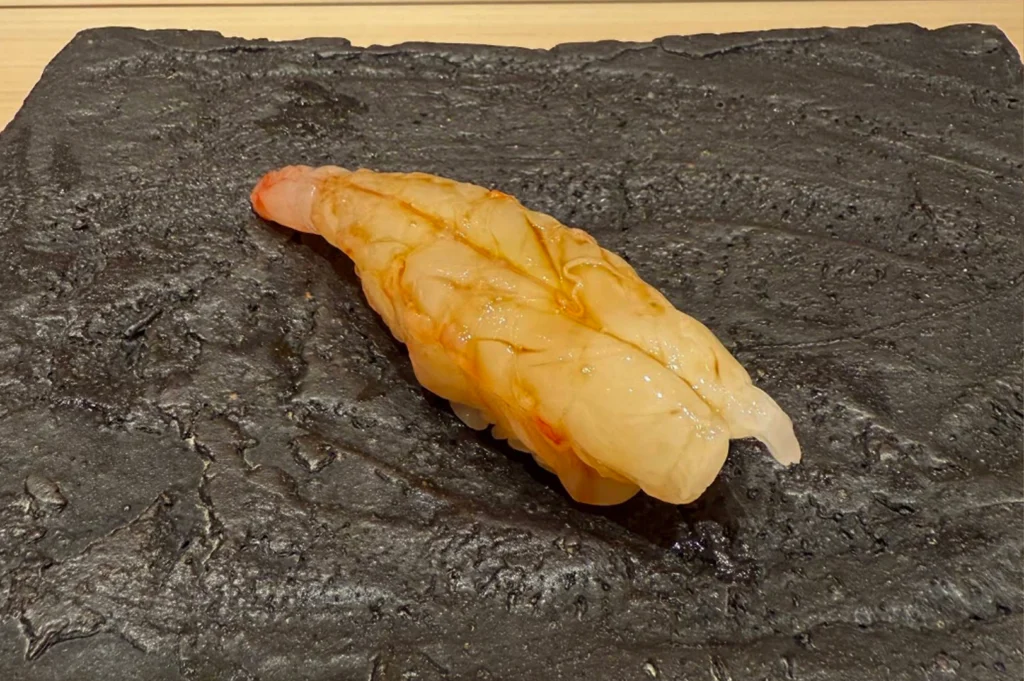
- High-quality premium seafood
- Clean, precise execution of sushi courses
- Strong balance between raw and cooked elements
- A composed and consistent omakase experience
Both lunch courses and dinner omakase menu options are available, offering flexibility for different dining occasions. Sushi Sakuta is particularly suited for those looking for a more refined interpretation of Japanese omakase without unnecessary variation.
Reservations – Click here to reserve.
4. Sushi Ayumu: A Traditional Edomae Counter Rooted in Precision
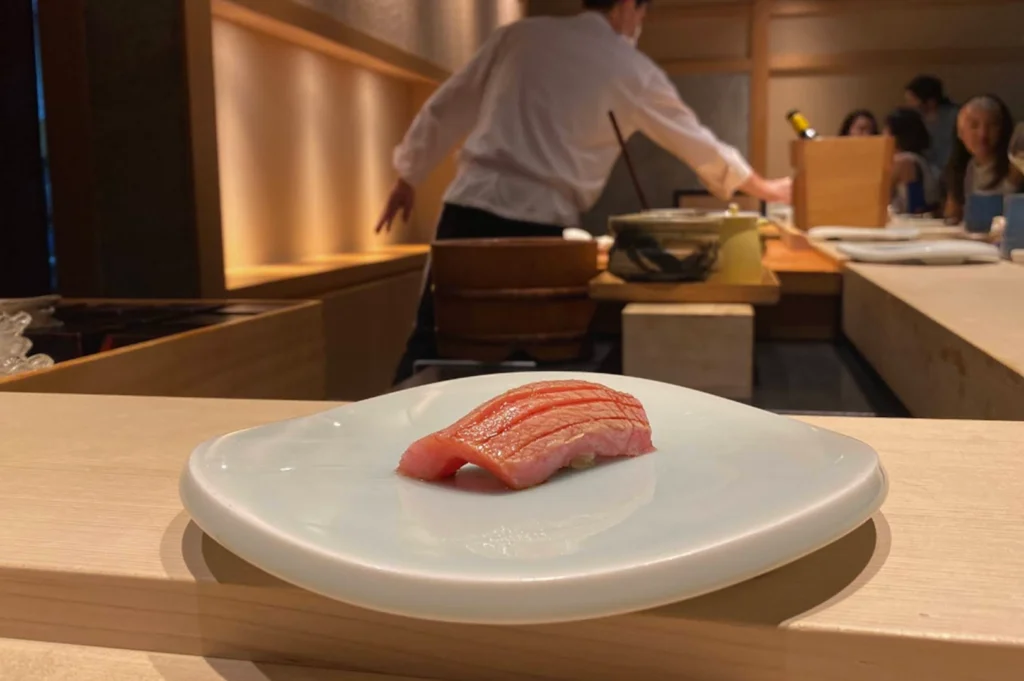
Sushi Ayumu is a traditional Japanese omakase restaurant in Singapore, located at Mandarin Gallery on Orchard Road, known for its quiet, disciplined approach to Edomae sushi. The restaurant operates as an intimate counter seating experience, designed for diners who appreciate a focused and structured style of omakase dining, where attention is placed on the fundamentals rather than presentation or variation.
What They Serve
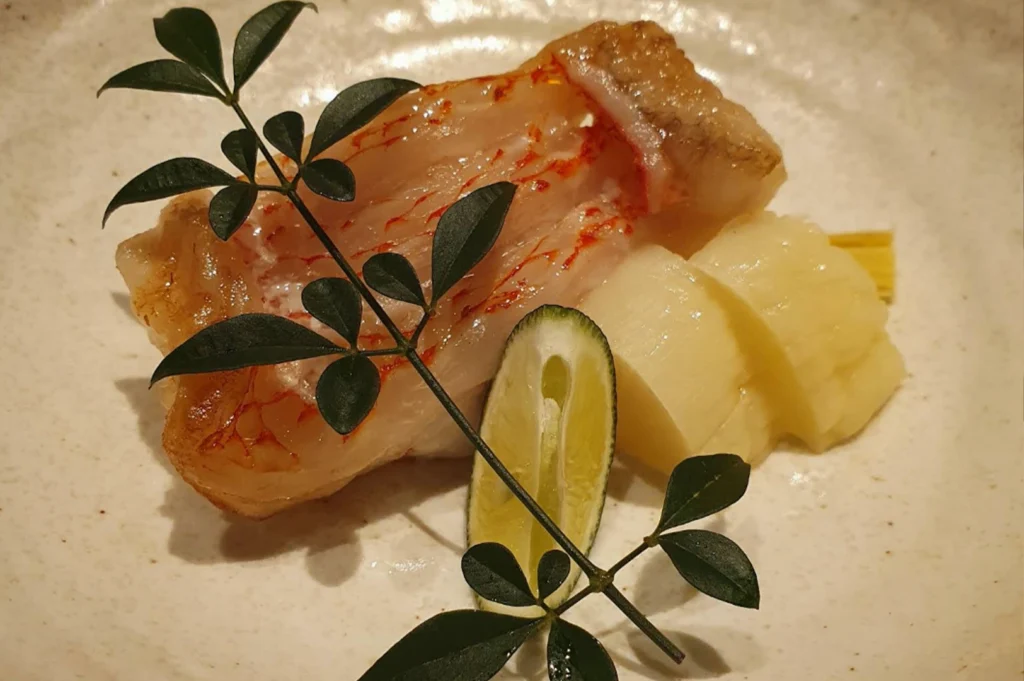
The omakase menus at Sushi Ayumu typically follow a clean and traditional progression, beginning with seasonal sashimi that highlights the natural freshness of the seafood. This is followed by a sequence of nigiri sushi, where each piece is carefully prepared to maintain balance between the fish and the rice.
The meal may include a small number of cooked dishes, such as light grilled items or warm courses, which provide contrast without shifting focus away from the sushi. The experience concludes with a simple dessert, allowing the meal to end on a composed and understated note. Menus are built around seasonal fish and carefully selected ingredients, ensuring consistency while allowing subtle variation depending on availability.
What They Are Known For
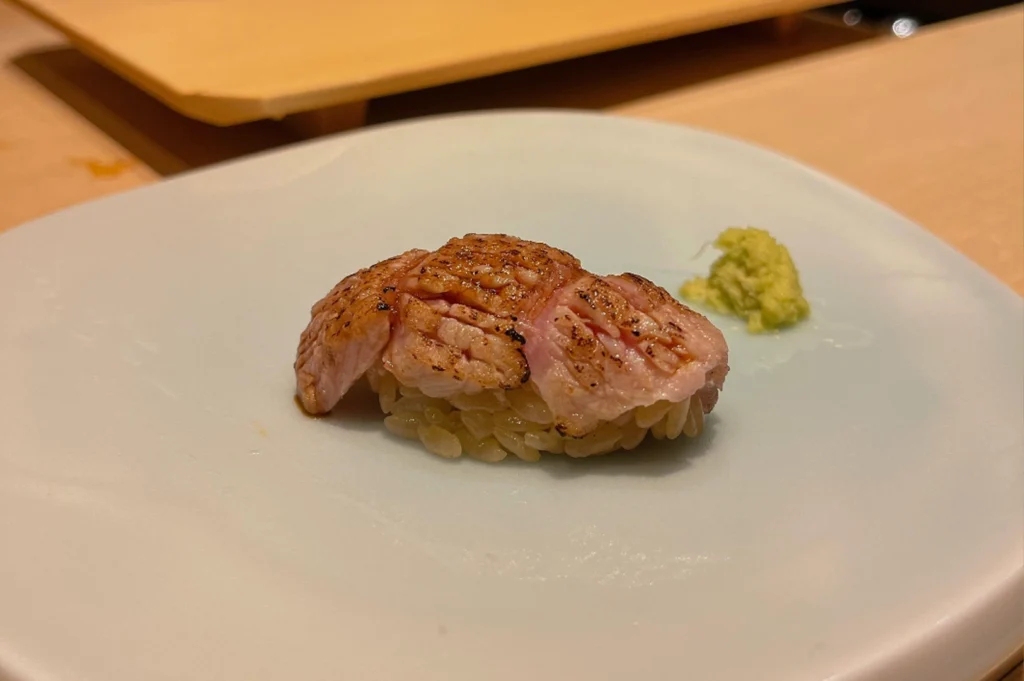
- Traditional Edomae sushi omakase approach
- Strong emphasis on ingredient quality and freshness
- Clean, precise execution of nigiri and sushi courses
- A quiet, intimate dining experience focused on discipline
Unlike more modern omakase counters, Sushi Ayumu avoids unnecessary variation or experimentation, focusing instead on clarity and technique. The experience is built around restraint, making it well suited for diners who value a more traditional and disciplined interpretation of Japanese omakase.
Reservations – Click here to reserve.
5. Sushi Muni: A Counter Focused on Ingredient Purity
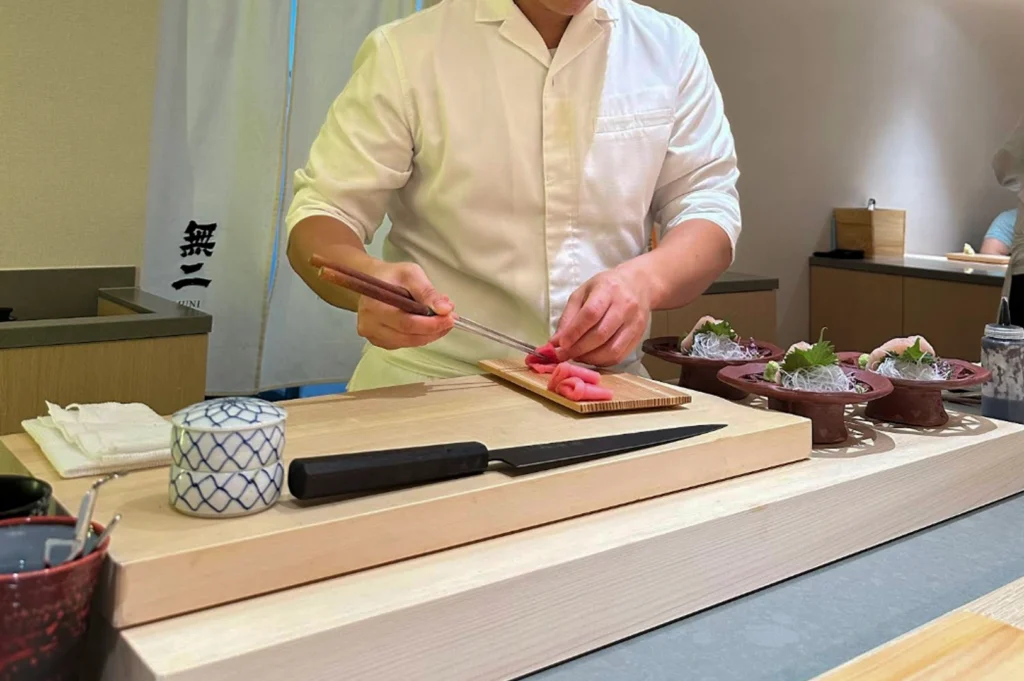
Located at International Plaza on Anson Road, Sushi Muni is a focused sushi omakase restaurant that prioritises ingredient clarity and traditional execution. The restaurant operates primarily through counter seating, creating a direct connection between the chef and diners.
What They Serve
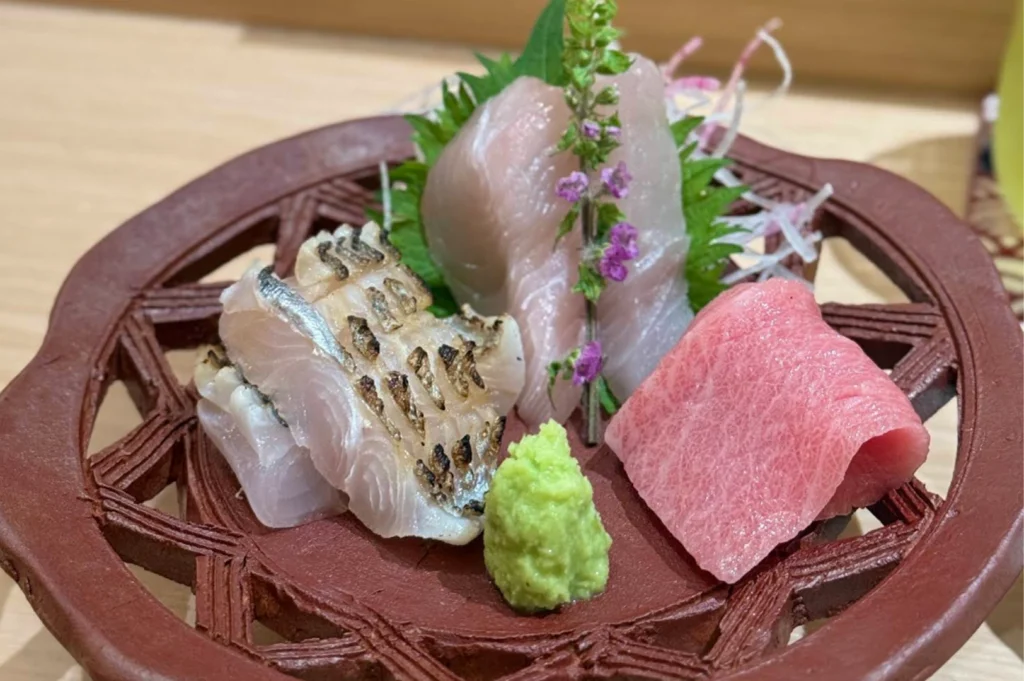
At Sushi Muni, the menu unfolds with fresh, seasonal sashimi that truly lets the quality of the fish shine. This leads into a series of nigiri sushi courses, each piece carefully prepared to highlight the natural, fresh flavors of the seafood without any unnecessary embellishments. A small selection of cooked dishes complements the meal, keeping the spotlight on the raw fish and the chef’s expert technique. The experience ends with a simple, refined dessert that gently rounds off the meal.
What distinguishes Sushi Muni is its commitment to traditional Edomae sushi methods. The harmony between fish and rice is expertly maintained, and each course displays a clear respect and restraint. Since the menu changes frequently according to the freshest catch, diners receive an authentic, seasonal experience. For those who appreciate a straightforward, authentic omakase that celebrates Japanese sushi craftsmanship, Sushi Muni is a standout option.
What They Are Known For
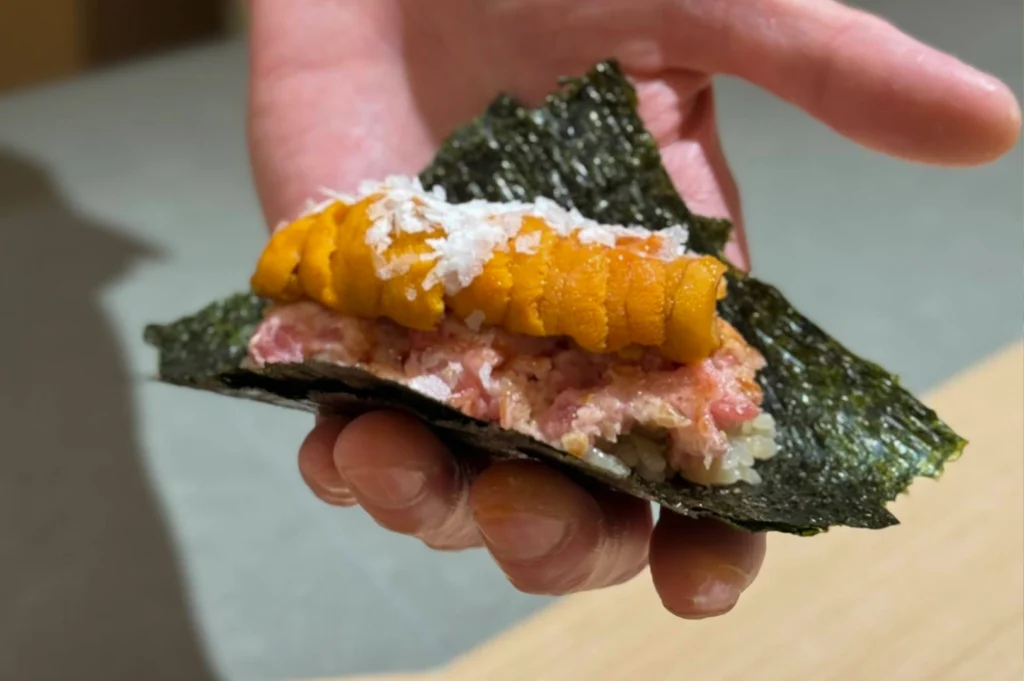
- Strong focus on freshness and simplicity
- High-quality fish and rice balance
- Traditional Edomae sushi approach
- Limited distractions from the core sushi experience
Menus change regularly depending on the availability of seasonal fish. For those who prefer a more direct and less experimental omakase, Sushi Muni delivers a consistent and disciplined offering.
Reservations – Click here to reserve.
Best Omakase Singapore: What Defines a Proper Omakase
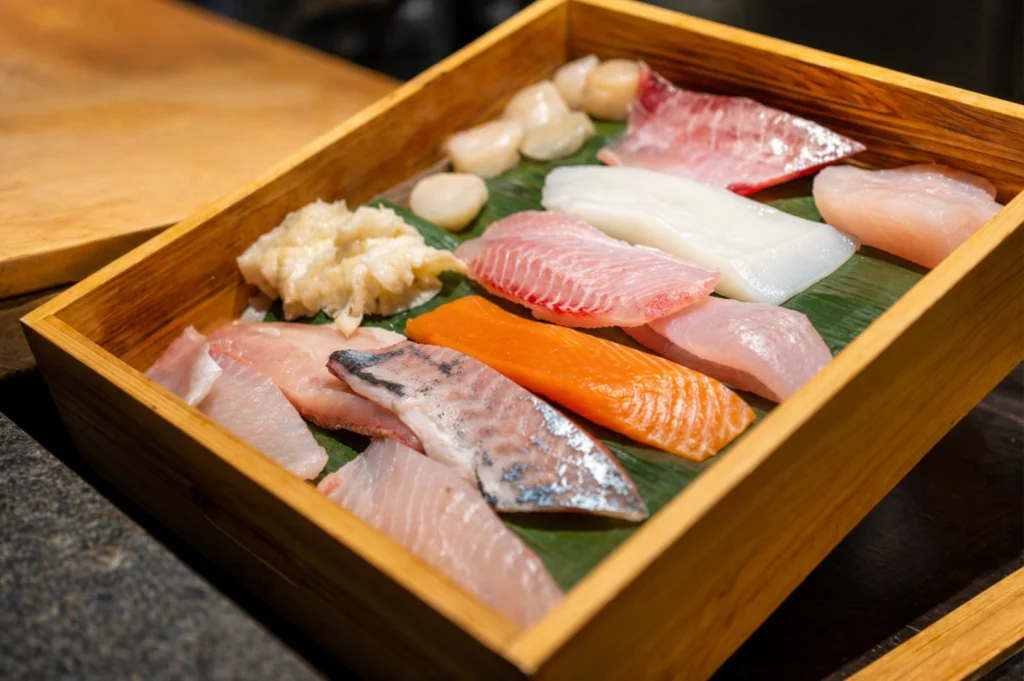
A strong Japanese omakase is not defined by how expensive the menu is. It is defined by premium seafood, the freshest ingredients, thoughtful sequencing, and the chef’s ability to keep every course consistent. A good seasonal tasting menu based on what is best that day should move naturally between sashimi, nigiri, and cooked dishes rather than relying on one standout plate.
Singapore now has a broad range of counters approaching that idea differently. Sushi Hare, Sushi Ichi, Sushi Jin, Ryo Sushi, and Ganko Sushi each reflect different interpretations of Japanese omakase, from traditional Edomae technique to more contemporary seasonal menus. Design-led destinations such as Suzuki at Mondrian Singapore Duxton show how the format can also extend beyond sushi into a wider progression of Japanese dishes.
Across these restaurants, the principle remains the same: diners surrender the selection to the chef, who builds the meal around seasonality, technique, and balance. Omakase menus may vary widely in price and course count, but the best ones feel coherent from beginning to end.
Dietary restrictions should also be communicated in advance, as many omakase menus are prepared around seasonal ingredients and cannot easily be changed at the last minute.
Final Thoughts: Unveiling Singapore’s Finest Omakase Treasures
The search for the best omakase Singapore is not about finding the most expensive menu. Instead, it is about identifying where the chef’s philosophy is clear, the ingredients are respected, and the omakase course feels complete.
These five omakase restaurants represent that balance. Each offers a distinct approach, but all remain grounded in the fundamentals of Japanese omakase, precision, restraint, and a commitment to delivering a well-structured dining experience. For those looking to discover what a proper omakase should feel like, these counters remain among the most reliable choices in Singapore.
For those seeking budget-friendly options without sacrificing quality, explore our guide to Cheap omakase Singapore, featuring top omakase experiences under $100 that deliver authentic flavors and craftsmanship.