I often think about the quiet hesitation that happens just before clicking a booking link. You stare at the screen, double-checking the date and the time, wondering if you are prepared for what comes next. For many people, making an omakase reservation feels far more intimidating than the meal itself. There is a certain weight to the word, a feeling that you are stepping into a highly orchestrated world of Japanese culture that requires a secret set of rules. I completely understand that hesitation. We often hold back from the things we do not fully understand.
But I want to gently reassure you. The process of booking an omakase menu is not a test of your culinary knowledge. It is simply the opening note of a beautiful and welcoming journey. Once you understand the gentle rhythm of how these spaces operate, the hesitation melts away. You realize that the entire experience is designed to take care of you.
Why an Omakase Reservation Feels Different
Booking an omakase meal is not quite like reserving a table at other high end restaurants. When you book a traditional dining room, you are securing a space to sit while you navigate a menu at your own pace. But when you make an omakase reservation, you are doing something entirely different. You are securing a moment in time.
These spaces operate on a foundation of deep intention. There is no menu to study because the chef has already designed the evening for you. The focus is entirely on trust. Because a sushi chef only prepares food for a handful of people at once, the seating is incredibly limited. They cater to a small room of diners so they can observe every reaction and adjust the pacing accordingly. This means the availability of seats is scarce, and the sessions are fixed. You are not just booking a chair; you are booking the chef’s undivided attention.
Understanding Seating Times at Sushi Restaurants
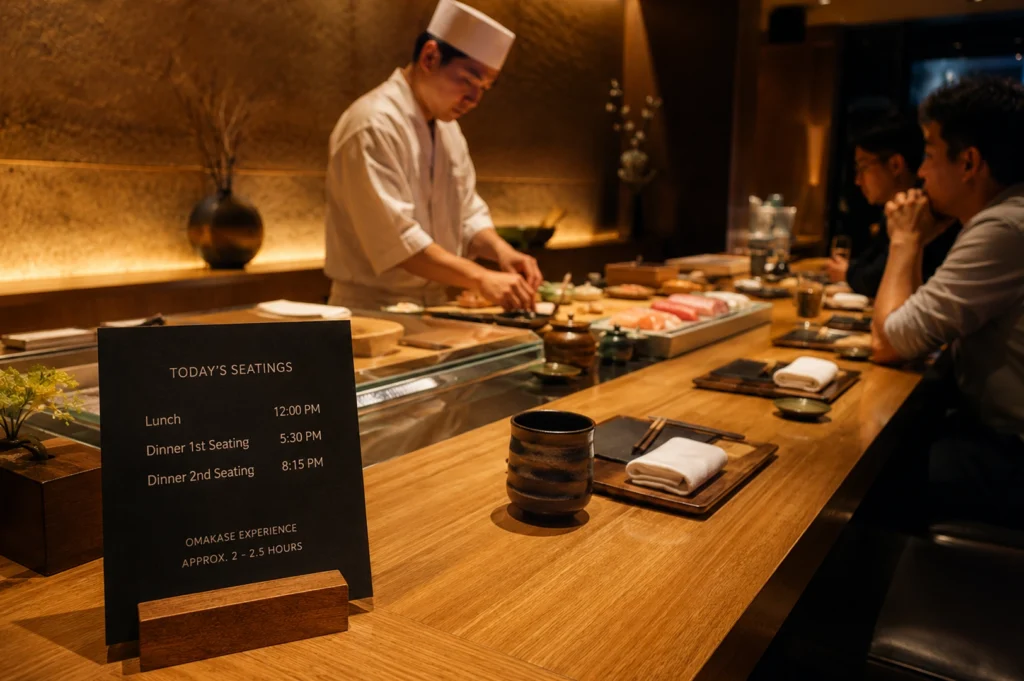
If you are visiting standard sushi restaurants, you might be used to arriving whenever you please and ordering a quick plate of nigiri. Omakase operates on a different kind of clock. When you go to a reservation site to plan your visit, you will notice that the day is divided into very specific time slots.
A restaurant might offer a session at noon for lunch, and then two distinct seatings for dinner. This structure exists because the meal is a synchronized performance. The chef needs all guests to be present so they can prepare the rice and the seasonal dishes at the exact right temperature for everyone simultaneously. A meal here often takes a couple of hours, moving at a measured, unhurried pace. While it might seem a bit rigid to have a strict start time on a Tuesday or a Sunday, this structure actually creates a deeply relaxed environment. Once the meal begins, you never feel rushed to leave. The time is entirely yours.
Counter Seats vs Table Seats for Sushi Enthusiasts
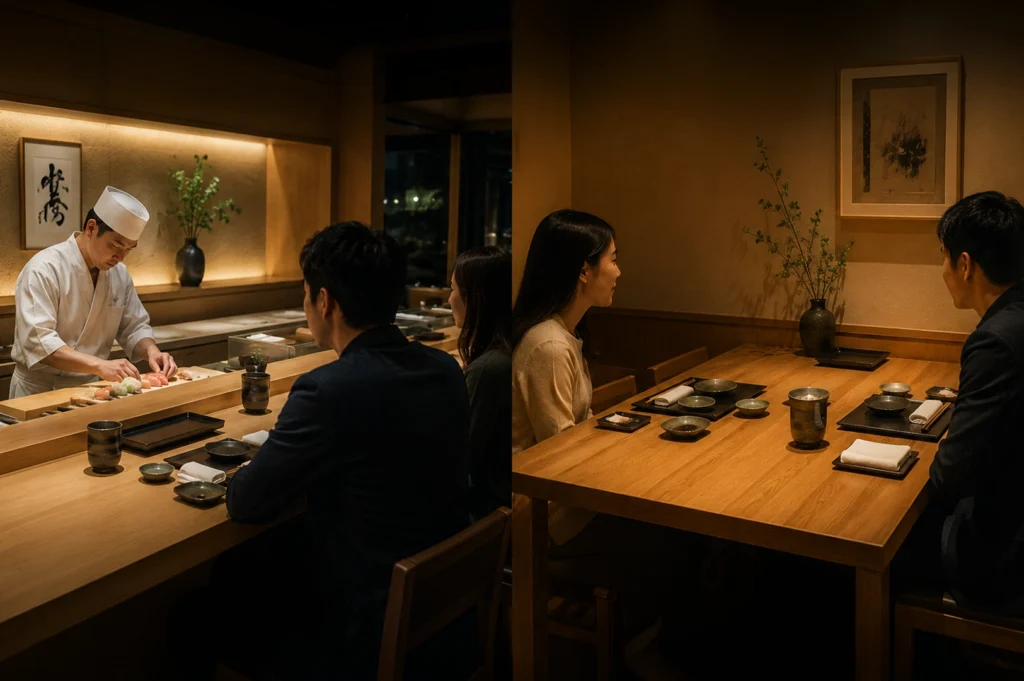
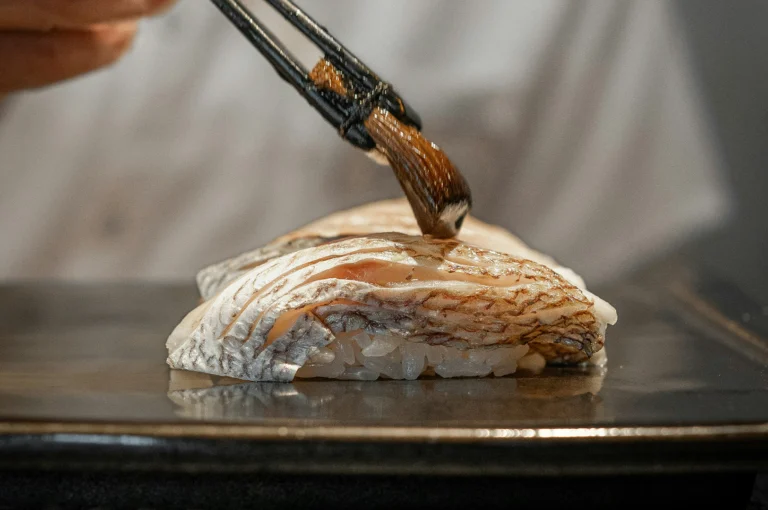
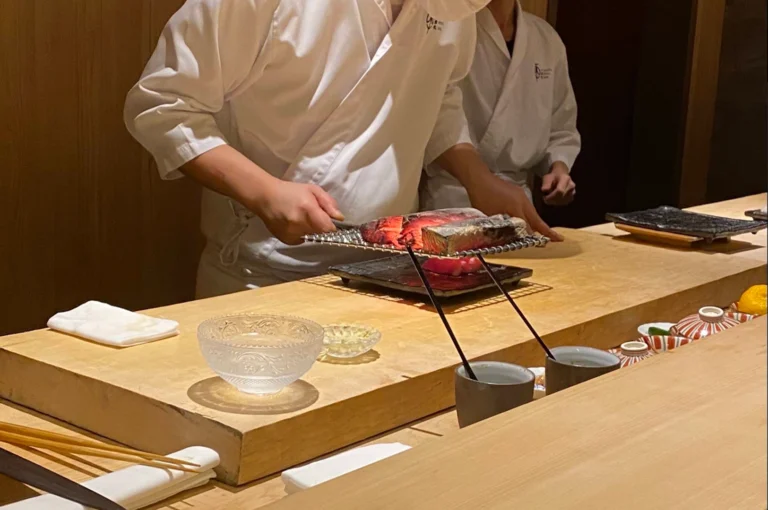
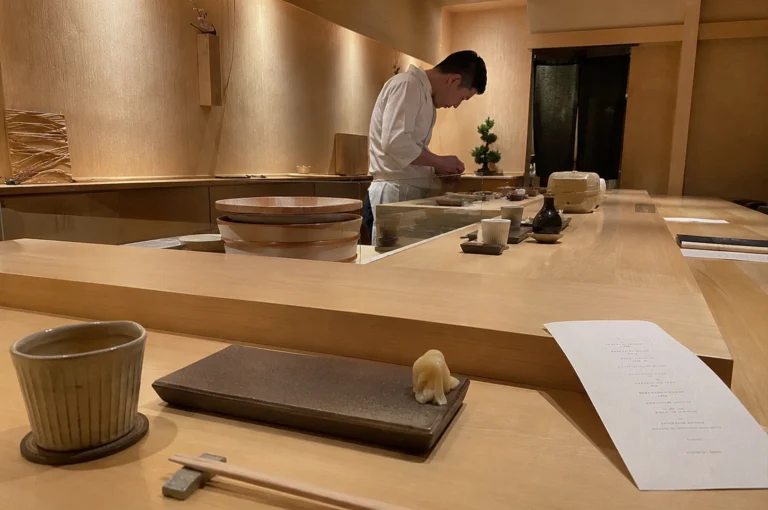
When you finally go to reserve your spot, you might be asked to choose between sitting at the counter or sitting at a private table. For sushi enthusiasts, the omakase counter is always the preferred choice. Sitting at the wooden counter is where the true art of the meal unfolds. It is an immersive space where you can watch the chef slice rare delicacies, mold the rice, and place the bite directly in front of you. You are part of the quiet energy of the room, sharing the moment with other diners.
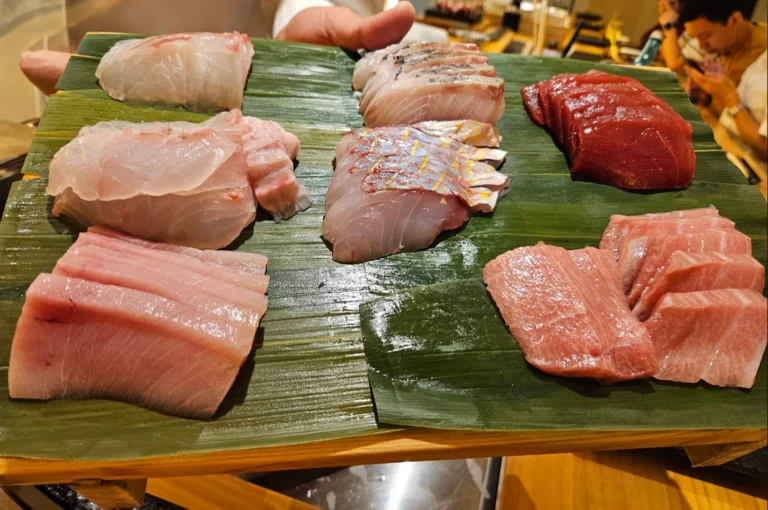
However, a table has its own unique charm. If you are celebrating a private occasion or simply want to focus entirely on your companion, a table offers a bit more distance from the immediate action. The quality of the food remains exactly the same. The preparation of the seafood, the careful balance of the wagyu, and the beautiful plating of the courses are all executed with the same expertise. It simply changes the lens through which you view the meal.
Why First Timers Need to Book Early
One of the things that surprises many first time visitors is how far in advance they need to plan. In Singapore, as in Tokyo or anywhere else in the world that respects this craft, the most beloved counters are often fully booked for a week or more in advance.
This is not an artificial scarcity meant to create hype. It is a simple reality of the math. When a chef only serves eight or ten people a night, the seats fill up remarkably fast. First timers often search for a table on the same day they wish to eat, only to find nothing available. To truly enjoy the anticipation, it is always helpful to look a few weeks ahead. If you have an account on a booking platform, you can sometimes set alerts for cancellations. But generally, early planning is the best way to secure your place without any stress.
What to Expect from Your Omakase Experience
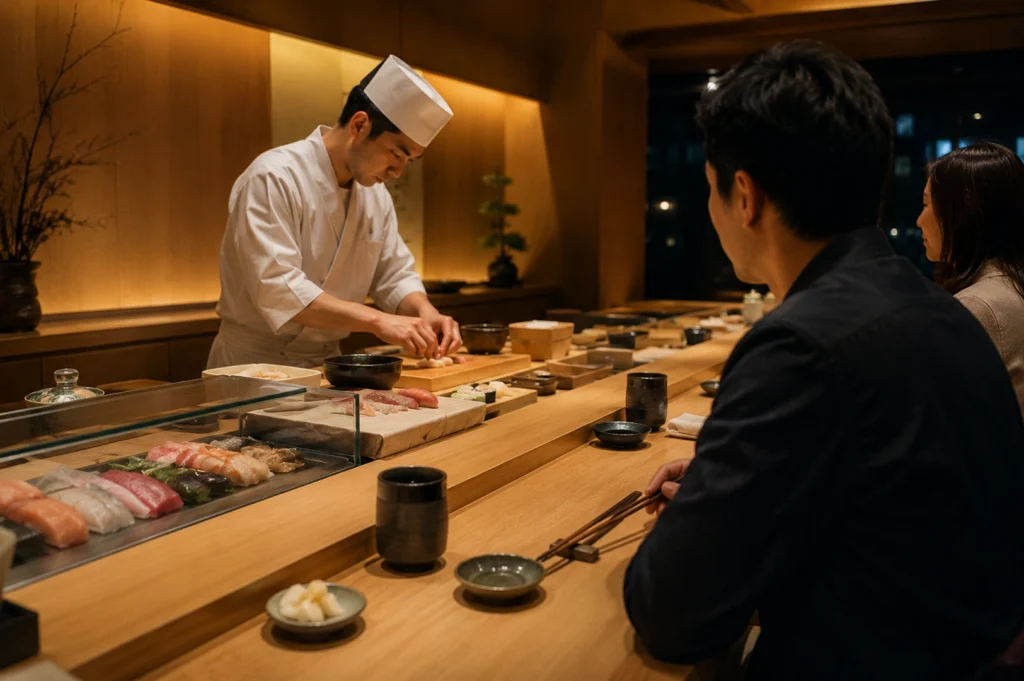
The moment you arrive for your omakase experience, you will notice a distinct shift in the atmosphere. You are usually greeted softly and guided to your seat. There is no chaotic rushing by the staff. The environment is designed to help you leave the noise of the city behind.
Your first interaction with the chef is usually a quiet nod or a warm greeting. They do not expect you to know the intricate history of Japan or the specific names of every fish. They simply want you to be comfortable. The host might ask what you would like to drink, perhaps offering a recommendation for sake that pairs well with the evening’s offerings. From there, you simply settle into your chair. There is absolutely no pressure on you to perform or behave in a certain way. You are a guest in their home, and their only goal is to serve you well.
How the Meal Moves with Seasonal Ingredients
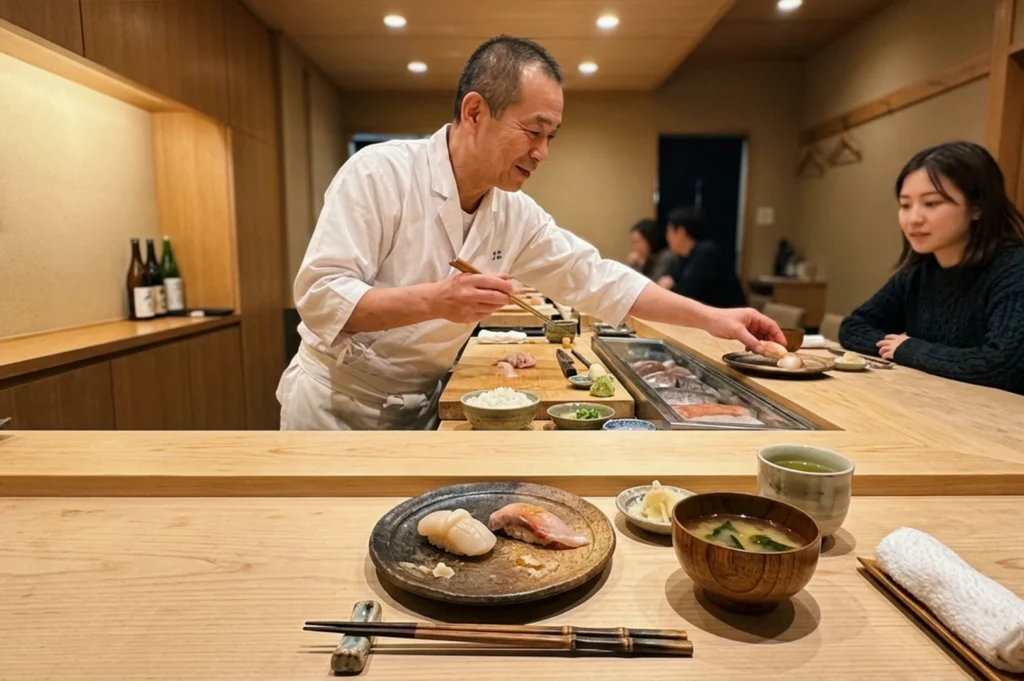
Once the first course arrives, the natural rhythm of the service takes over. The chef begins to present a sequence of dishes that highlight seasonal ingredients. You might start with something light and delicate, slowly moving toward richer flavors. The journey is carefully mapped out to awaken your senses.
The beauty of this pacing is that it relies on the chef’s quiet observation. They watch how quickly you eat. They notice if you prefer smaller portions of rice. If they serve an intricate piece of tuna or a warm preparation of authentic Japanese soup, they wait to see your reaction before adjusting the timing of the next offering. It is a dialogue without words. You do not need to ask what is coming next. Part of the joy is the surprise, allowing the chef to create a flawless balance of flavors that reference the changing seasons of the country.
Common Mistakes and Handling Dietary Restrictions
Even with the most welcoming environment, there are a few gentle missteps that first-timers occasionally make. The most common is arriving late. Because the meal is a shared journey with the other diners in the room, arriving late can disrupt the careful flow the chef has planned. It is always best to arrive a few minutes early to simply breathe and take in the space.
Another area that causes anxiety is navigating dietary restrictions. Some diners worry that they will offend the chef if they cannot eat certain things. The truth is, these restaurants want to take care of you. If you have allergies or specific preferences, you must simply inform them when you make the booking. You cannot expect a kitchen to completely change a highly specialized menu on the spot, as they source very specific ingredients each day. But if you provide notice in advance, a good chef will happily adjust the course to ensure you still have a wonderful meal.
There is also a tendency to overthink the etiquette. First-timers often spend hours looking at photos online or reading rigid rules about how to hold their chopsticks or whether they should dip their sushi in soy sauce. While respect for the craft is wonderful, you should never let the fear of doing something wrong ruin your evening. The chef has already seasoned the food perfectly for you. All you need to do is eat and enjoy.
A Quiet Confidence Before Your First Booking
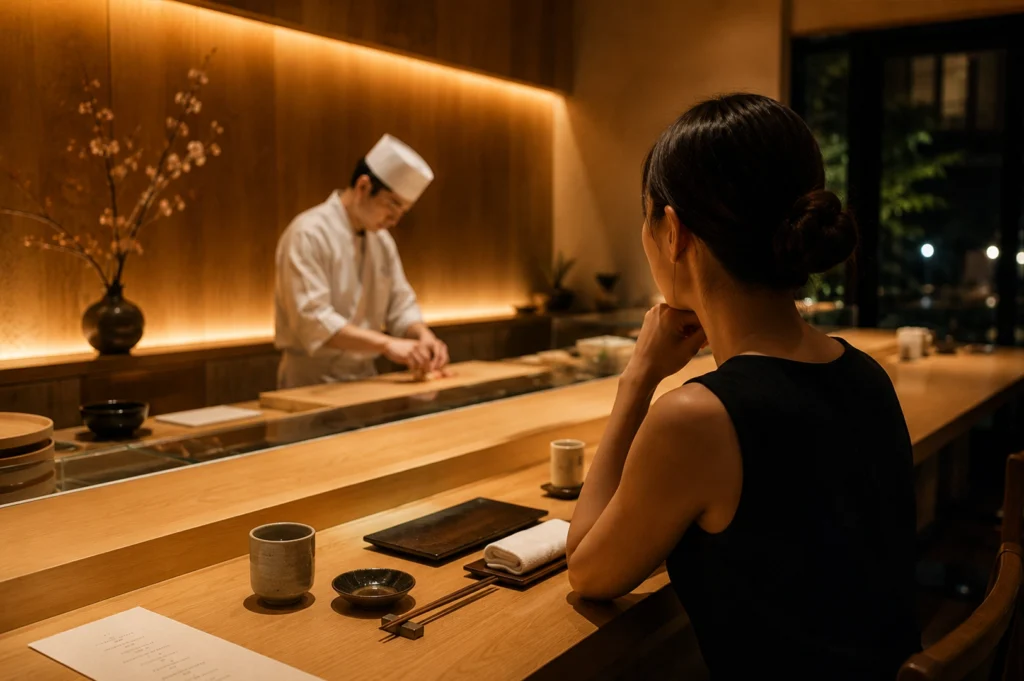
When you finally confirm your reservation, I want you to feel a sense of quiet confidence. You do not need to study a glossary of terms or pretend to be an expert. The entire philosophy of omakase is about surrender and trust. It is an invitation to be taken care of by someone who has dedicated their life to an incredibly focused art form.
Whether you are looking for an affordable introductory experience or an elaborate evening of rare seafood, Singapore offers an incredible variety of spaces that cater to this beautiful tradition. You just need to take that first step.
The Reservation Is Part of the Experience
Ultimately, the act of booking is not a hurdle (check this article for more details on this: https://bestomakase.com.sg/sushi-masa-ki-setsu-operational-decisions-hardest-omakase-booking-singapore/). It is the very first moment of your omakase journey. It is the moment you decide to set aside a few hours to simply sit, taste, and be present.
So the next time you find yourself staring at that booking page, wondering if you are ready, I hope you remember that the counter is waiting to welcome you. There is no secret test to pass. There is only a quiet room, a warm towel, and a chef ready to share their craft with you. Go ahead and confirm the reservation. The experience will be wonderful.