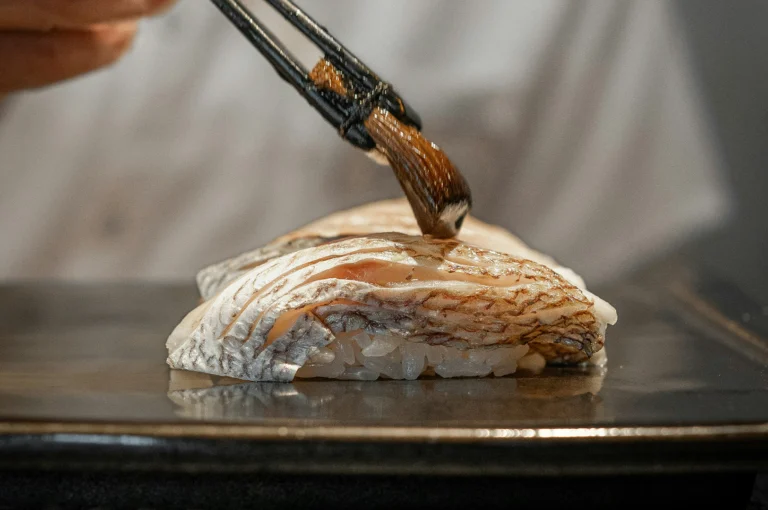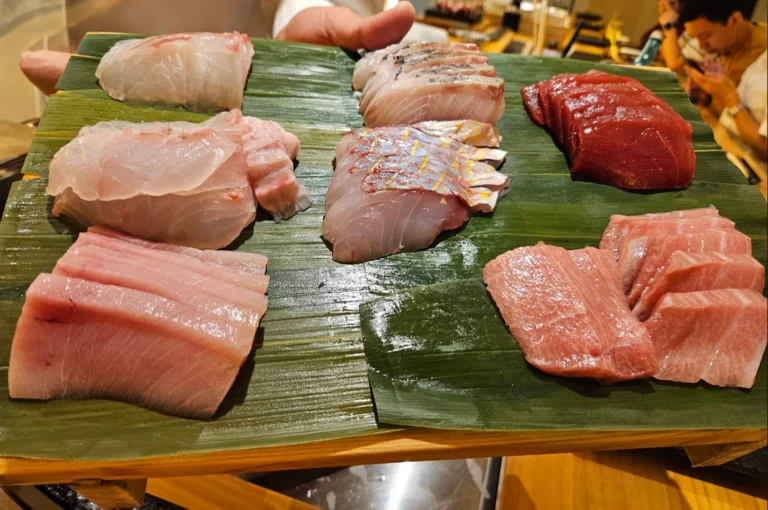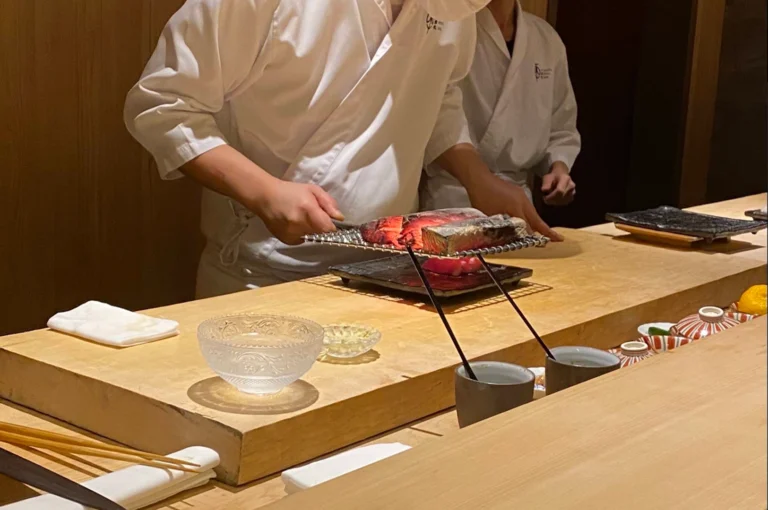
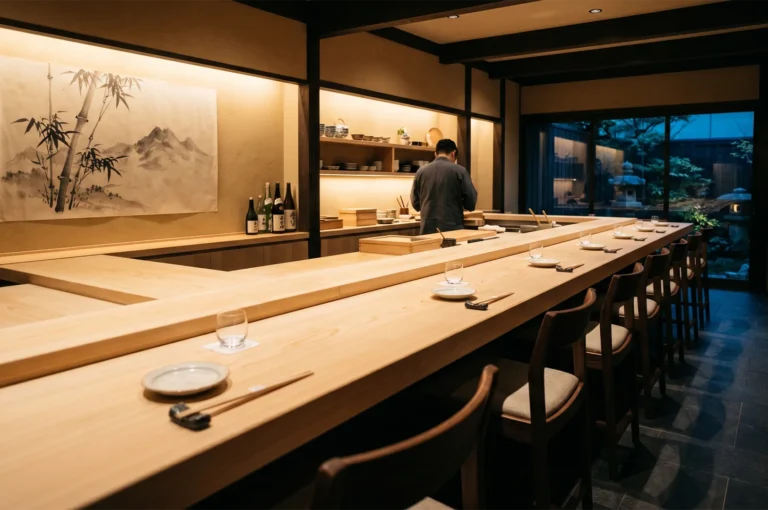
Sitting at an omakase counter offers a uniquely personal dining experience, set in a serene, intimate, and minimalist atmosphere designed to highlight every detail of the meal. With exclusive seating for only 10-12 guests, diners watch the chef’s meticulous knife skills and craftsmanship up close, creating an immersive setting where each course is thoughtfully prepared. The term omakase means “I’ll leave it up to you,” entrusting the chef to select dishes that showcase seasonal and high quality seafood flown in from Japan’s renowned Toyosu Market.
In Singapore, omakase dining has grown into a sought-after culinary adventure, blending tradition with artistry across intimate counters and Michelin-starred venues. The experience is defined by fresh, premium ingredients like uni, otoro, and seasonal shellfish served in a carefully paced meal that encourages mindfulness and appreciation. This personalized journey, marked by trust and seasonality, makes Singapore one of the best places to savor the best omakase Singapore offers.
For those seeking quality without the premium price tag, there are several options for affordable Singapore omakase that still deliver a memorable culinary experience.
The Essence of Japanese Dining in an Omakase Restaurant: A Delicate Art
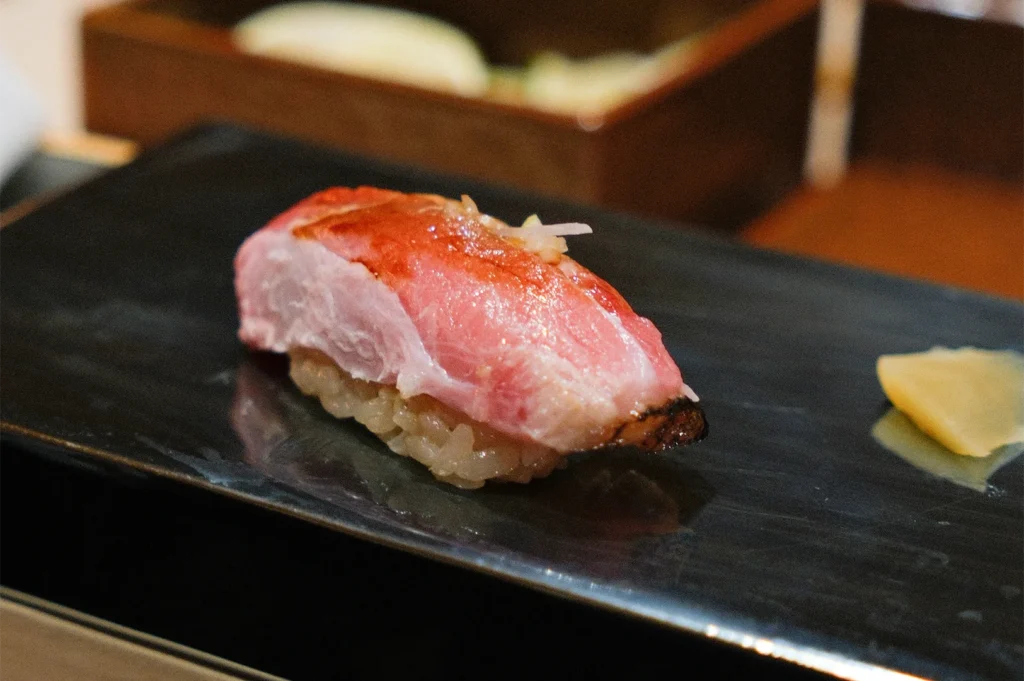
Japanese dining unfolds with quiet precision, inviting contemplation through carefully considered elements. In Singapore, this appreciation for craft resonates deeply, with kitchens honoring tradition and the trust between chef and diner. From simmered ramen broths to deliberate sushi preparation, each dish reflects intention experienced fully. The bond between chef and diner shines through ingredient quality, especially seafood, with freshness speaking volumes.
At intimate counters like Tomi Sushi and Sushi Masa by Ki-setsu, omakase becomes a quiet conversation where seasonal ingredients build understanding between hands that prepare and palates that receive. Beyond sushi counters, the slow comfort of thick broths, grilled meats, and other Japanese dishes reveals character gradually. The atmosphere leans toward welcoming rather than grand, allowing for solitary reflection or shared appreciation.
Whether immersed in the rhythm of omakase or enjoying shared plates, the experience draws satisfaction from careful attention rather than excess. A reminder that true refinement emerges from restraint.
What Does Omakase Truly Mean in Restaurants in Singapore?
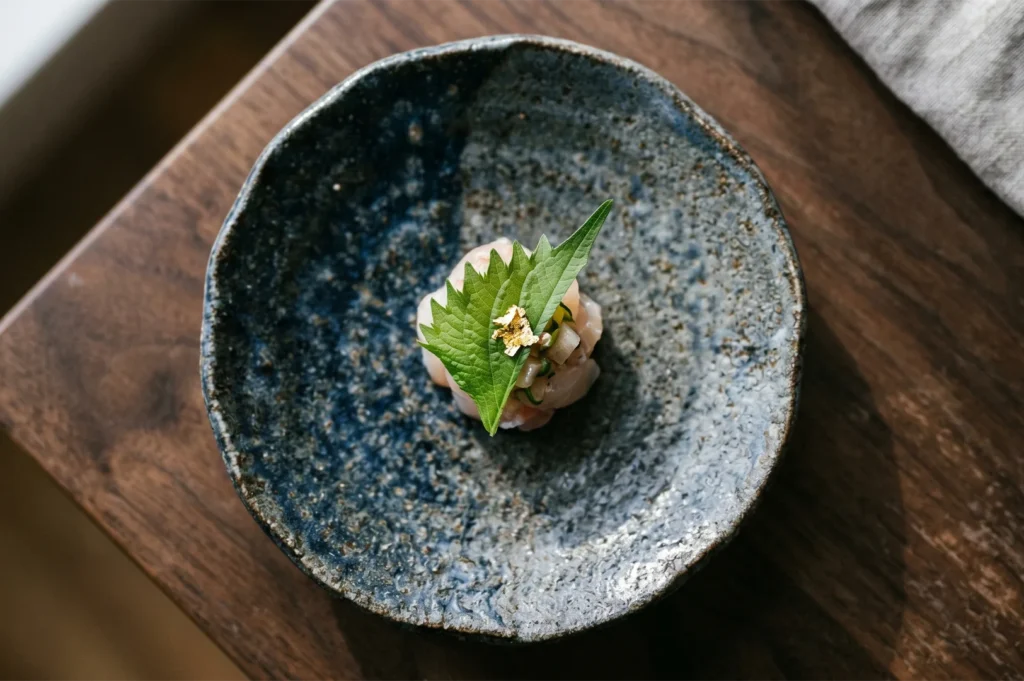
Omakase stems from the Japanese verb makaseru, meaning “to entrust.” Diners place complete trust in the chef to curate their meal. Omakase dining is a traditional Japanese experience where the chef selects and prepares a series of dishes showcasing seasonal and high quality seafood.
Unlike typical restaurants, omakase is about the chef’s creativity and expertise. Each course is thoughtfully selected based on:
- Seasonal ingredients
- Fresh seafood flown in from Japan’s renowned Toyosu Market
- The chef’s specialties
- A harmony of flavors and textures
- The meal’s rhythm
Omakase menus vary in price, often starting around S$200 per person, reflecting ingredient quality and chef expertise. No two omakase dinners are ever the same. One night might feature buttery otoro, tender sea bream, and smoky grilled fish; another highlights uni, snow crab, or delicately aged sashimi, all depending on season and quality. That element of surprise is part of omakase’s allure. Punctuality is essential as meals are paced to accommodate all diners at the counter together.
Why Omakase Feels So Different from Regular Dining
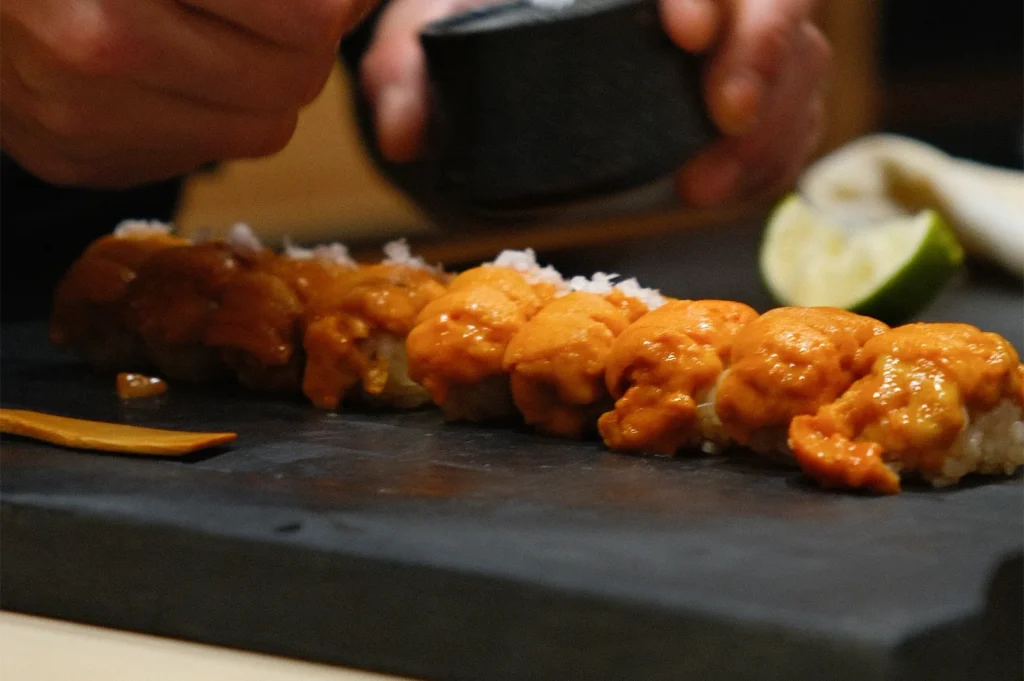
Most restaurant meals feel rushed, but omakase flips that on its head. Instead of everything arriving at once, each dish is presented deliberately and individually, with the chef orchestrating the meal’s pace so you can savor every bite before moving on. This approach immerses you in a curated culinary journey rather than just eating.
What Sets Omakase Apart:
- The Counter Experience
Omakase restaurants typically feature counter seating, allowing diners to sit directly in front of the chef. This setup creates a deeply immersive experience where guests can watch fresh sashimi and raw fish being prepared, learn about the seafood on their plates, and witness traditional Japanese culinary arts such as precise knife techniques and fish curing. The real-time interaction with the chef often becomes the highlight of the meal, adding a personal touch to the dining journey.
- Ingredient Quality Takes Center Stage
At the heart of omakase is a focus on ingredient purity and freshness. Many of the best Japanese restaurants in Singapore import seafood multiple times a week from Japan’s renowned Toyosu Market to ensure the highest quality. Premium items like Hokkaido uni, otoro tuna, Japanese scallops, botan ebi, and seasonal shellfish are served with minimal seasoning to let their natural flavors shine. In omakase, simplicity is intentional, allowing the quality of each ingredient to take center stage.
Understanding the Rhythm of an Omakase Meal
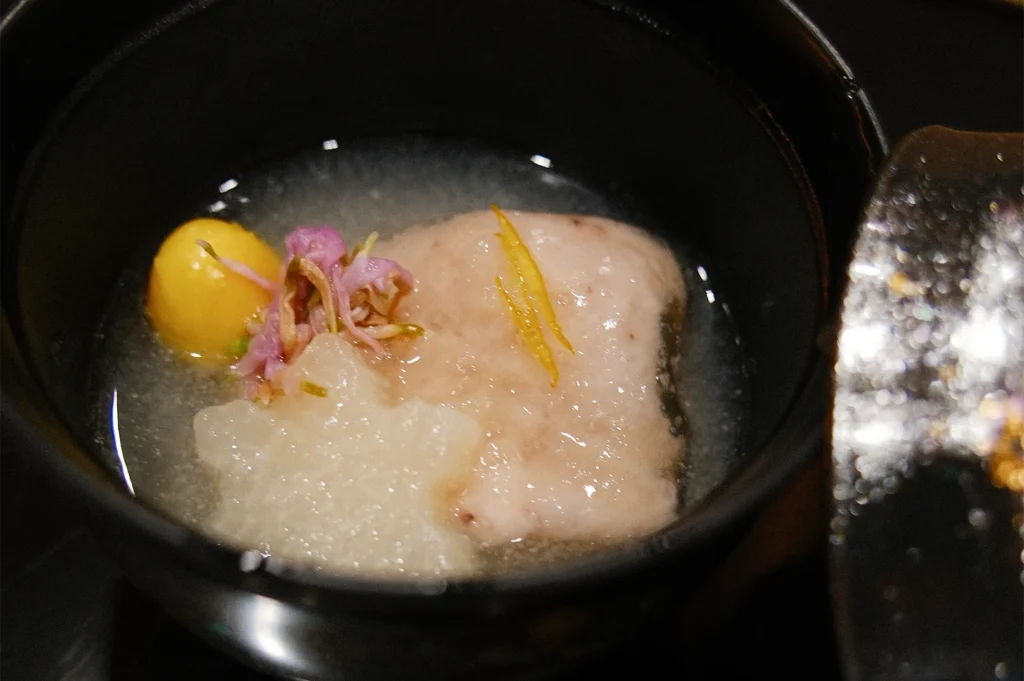
Experiencing the best omakase Singapore has to offer means immersing yourself in the carefully curated flow of a meal at a top omakase restaurant. At renowned best Japanese restaurants like Sushi Jiro and Sushi Masa by Ki-setsu, the rhythm of the dining experience is designed to highlight the freshest sashimi and seasonal ingredients. This pacing allows diners to fully appreciate each course in the intimate setting typical of Japanese dining.
A typical omakase meal at these best Japanese restaurants in Singapore often includes:
- Sakizuke (Appetizer)A delicate starter to awaken your palate, sometimes paired with a rich miso soup.
- Sashimi CoursesFeaturing fresh sashimi flown in daily, these courses highlight the natural sweetness and texture of premium seafood. Many Japanese restaurants also offer chirashi as a popular alternative.
- Cooked DishesGrilled fish, tempura, chawanmushi, and other warm plates add variety and depth, reflecting the artistry of Japanese food beyond sushi.
- Nigiri SushiServed piece by piece at the sushi counter, nigiri is the centerpiece of omakase dining, showcasing the chef’s skill and ingredient quality.
- Tamago and DessertA subtly sweet omelette followed by a light dessert concludes the meal gracefully.
Whether you’re dining at an omakase restaurant in Holland Village, One Holland Village, or other prime restaurants in Singapore, understanding this rhythm enhances your appreciation of the culinary journey. For fans of Japanese dining, establishments like Ma Maison and Ki-setsu offer exceptional experiences that blend tradition with innovation, making every visit memorable.
If you’re new to omakase, the experience might seem daunting. But knowing the flow helps you appreciate the journey.
A typical omakase meal often includes:
- Sakizuke (Appetizer)A delicate starter to awaken your palate, sometimes paired with a rich miso soup.
- Sashimi CoursesFresh seasonal seafood like salmon and tuna, served raw to highlight texture and sweetness. Many Japanese restaurants also offer chirashi, a popular dish featuring a bowl of rice topped with an assortment of fresh sashimi, as an alternative.
- Cooked DishesGrilled fish, steamed plates, tempura, chawanmushi, and fried items like garlic fried rice, chicken karaage don, or deep-fried katsu add warmth and variety. Japanese cooked dishes often feature noodles such as ramen and soba, each offering unique textures and flavors. Dry ramen, like Karami Goma Mazesoba, is a flavorful tossed ramen dish with various toppings, distinct from traditional soups.
- Nigiri SushiOften the meal’s centerpiece . Sushi is served piece by piece, with perfectly balanced rice and seafood.
- TamagoA subtly sweet Japanese omelette, typically served near the end.
- DessertLight and refreshing, to conclude the meal gracefully.
Dive Into Singapore’s Vibrant Japanese Food Scene: A Culinary Adventure Awaits!
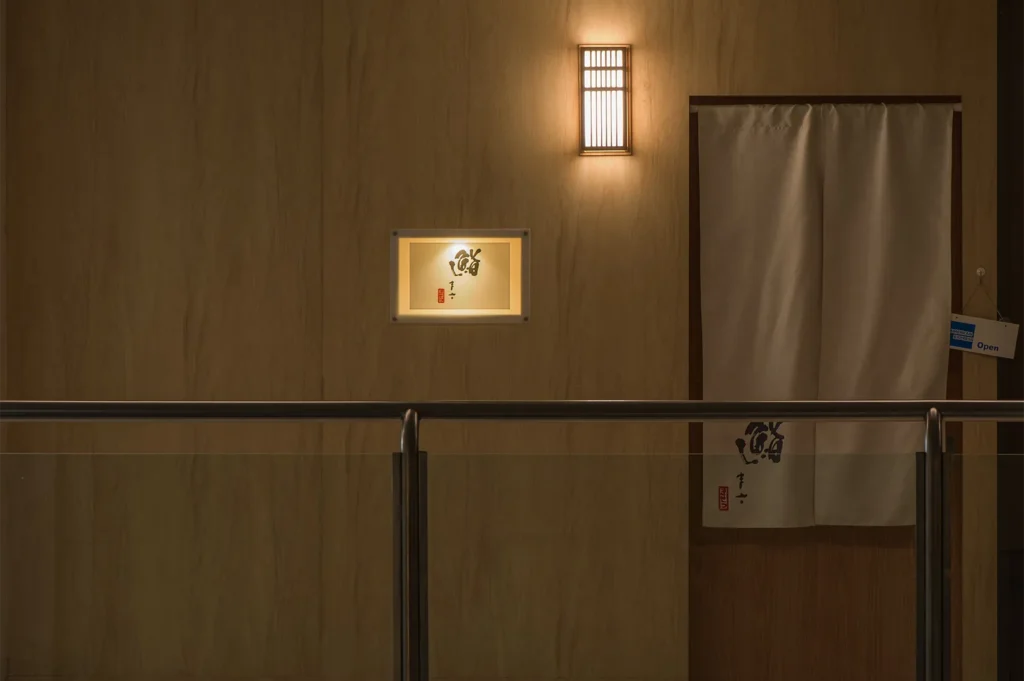
Singapore’s Japanese dining scene captures the quiet artistry and tradition of omakase, blending intimate counters like Sushi Masa by Ki-setsu with lively family spots. Areas such as Holland Village and Mandarin Gallery have become popular for fresh sashimi, expertly prepared nigiri, and carefully crafted ramen, all featuring seafood flown in directly from Japan’s Toyosu Market. This commitment to quality and seasonality defines the city’s evolving Japanese cuisine.
Diners are invited to slow down and savor each course, turning meals into mindful experiences. Loyal patrons of restaurants like Tomi Sushi and Ma Maison appreciate the subtle changes in every dish, where chef and guest share an intimate journey through seasonal flavors. Singapore’s Japanese dining culture offers a balance of tradition and personal expression, creating moments of quiet beauty amid the city’s vibrant energy.
Singaporeans’ Growing Passion for the Best Omakase Singapore Experience at Best Japanese Restaurants
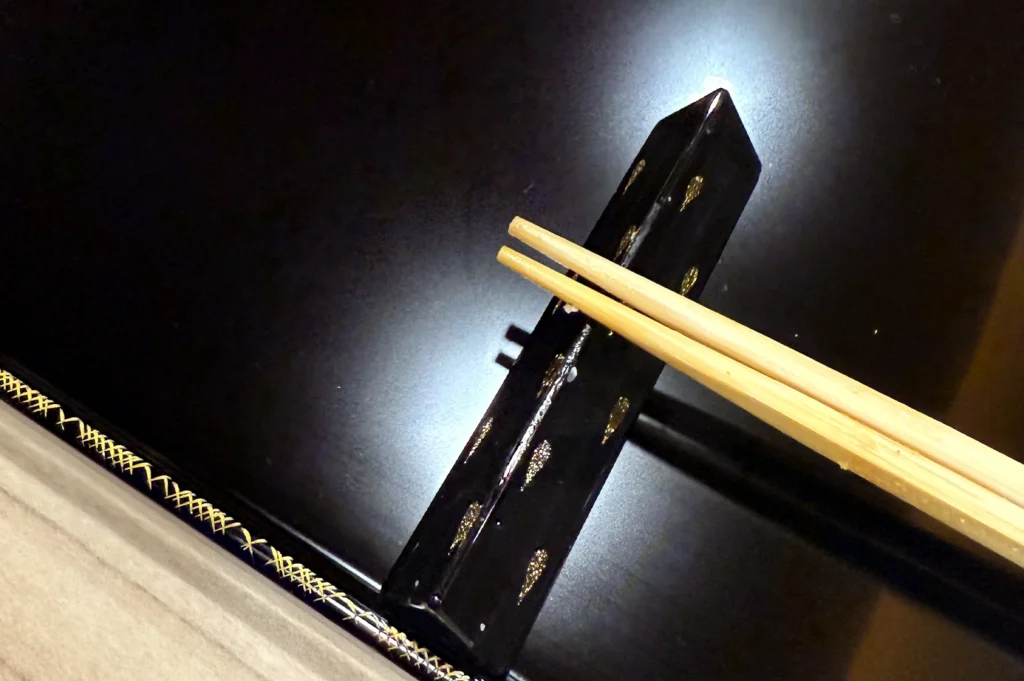
Singapore has blossomed into one of Asia’s premier destinations for Japanese dining outside Japan. Why is that? Because Singaporeans truly cherish culinary craftsmanship and seek out unique dining experiences. Imagine stepping into an omakase restaurant where every dish tells a story,whether you’re exploring affordable lunch sets as a beginner or indulging at ultra-premium counters featuring rare seafood flown in daily from Japan. From the first bite to the last, each moment invites you to savor the artistry and seasonality that define this extraordinary culinary journey.
For food enthusiasts seeking quality,explore a curated list of the best Japanese omakase dining options in Singapore that provide a comprehensive and delightful introduction to the authentic traditional Japanese omakase dining experience.
You’ll find:
- Traditional Edomae sushi counters like Sushi Masa by Ki-setsu at Cuppage Plaza
- Popular omakase destinations at Far East Plaza, East Plaza, and Ngee Ann City which is the prime shopping and dining locations known for vibrant Japanese scenes
- Contemporary omakase concepts in Holland Village, One Holland Village, and Millenia Walk
- Kaiseki-inspired tasting menus at top Japanese restaurants, including outlets at International Plaza and Raffles City Shopping Centre
- Casual omakase experiences for newcomers at places like Tomi Sushi
- Michelin-starred sushi establishments like Sushi Sato and Sushi Jiro
Many offer a wide variety of Japanese dishes, from sushi and sashimi to yakimono and specialty bowls. Some feature dedicated bars with specialty beverages and curated sake selections that complement the meal. This variety makes Singapore a thrilling place to explore Japanese fine dining, no matter your budget or experience.
Tips for Enjoying Your First Omakase at the Best Omakase Singapore Japanese Restaurant and Sushi Jiro Experience
Trying omakase for the first time? Here are some tips to enhance your experience:
- Arrive on time. Omakase meals are carefully timed and courses prepared fresh.
- Be open to trying new dishes. Trust the chef’s expertise and enjoy seasonal ingredients at their peak.
- Inform the restaurant of dietary restrictions when booking.
- Dress smartly. Most fine dining omakase venues maintain a refined atmosphere.
- Eat sushi right away. Chefs craft sushi with exact temperature and texture in mind.
- Use soy sauce sparingly. Many pieces are perfectly seasoned.
- Ask questions. Chefs often love sharing insights about ingredients and techniques.
Is Omakase Worth It? Savoring Quality Ingredients and the Art of Sushi Omakase at the Best Omakase Singapore Japanese Restaurant Experience
If you appreciate craftsmanship, storytelling, and ingredient quality, omakase offers an unforgettable experience where every slice, seasoning, and course reflects years of skill and dedication. This mindful dining transforms your view of Japanese cuisine, inviting you to connect deeply with the chef, the season, and the artistry that elevates simplicity into an extraordinary journey. Whether celebrating a special occasion or exploring diverse chefs and styles across Singapore, omakase creates a rich, personal connection that grows with each visit.
Conclusion: The Best Omakase Singapore Experience Featuring Seasonal Seafood and Intimate Dining
Japanese dining in Singapore is marked by quiet intention, where seasonality and craftsmanship shape every detail. Whether savoring slow-simmered ramen broth or witnessing precise knife work transforming fresh fish into delicate sashimi, diners appreciate subtle elements like rice temperature and cut angle. Omakase dining transcends menu choice, becoming a trust-based conversation.
At intimate counters like Sushi Masa by Ki-setsu, each piece is placed with care, creating a rhythm that fosters appreciation. Singapore’s evolving Japanese cuisine reflects a blend of simplicity and technique, offering a profound yet light experience that honors tradition and mindful presence.