There was a time when Singapore omakase felt like something reserved for birthdays with a zero at the end, business dinners behind discreet doors, or diners already deeply familiar with Japanese food. The counter was quiet, the chef seemed impossibly precise, and the menu often arrived without prices that encouraged casual experimentation.
That picture has changed.
Today, omakase in Singapore can still mean a serene, polished dinner built around rare seafood from Japan, but it can just as easily mean a weekday lunch, a compact counter in Tanjong Pagar or an accessible first taste of chef-led sushi. Somewhere along the way, omakase moved from niche Japanese fine dining into something much closer to everyday luxury.
The Early Singapore Omakase Experience: Japanese Fine Dining Comes First
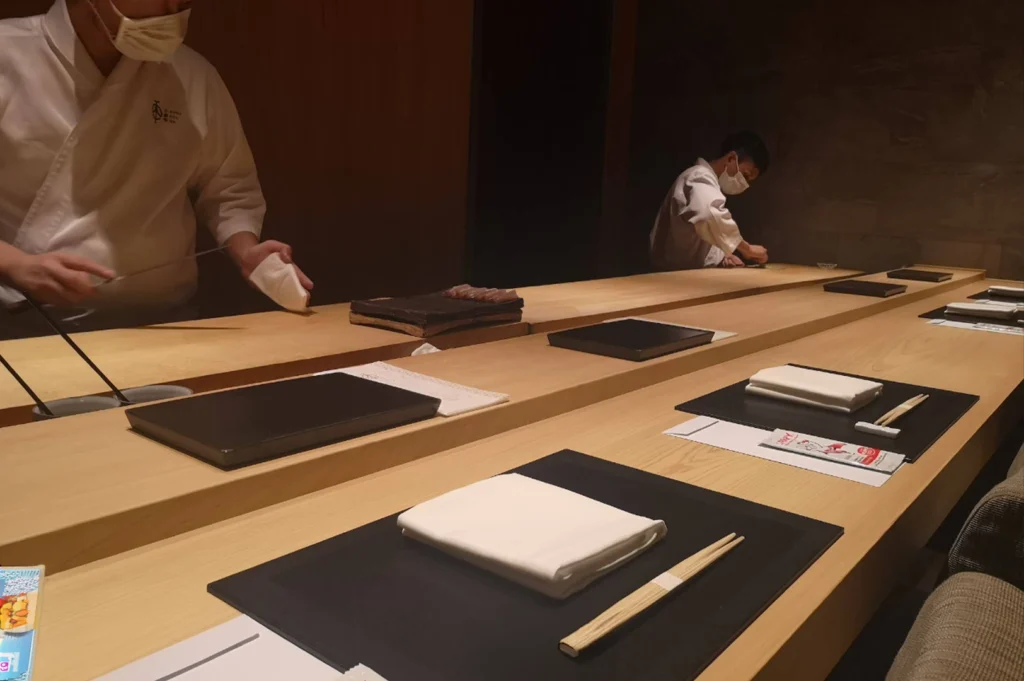
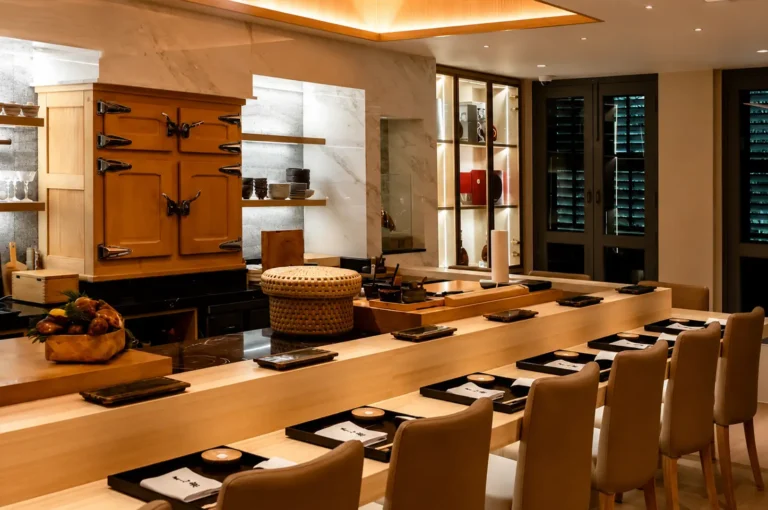
The roots of Singapore’s omakase culture are closely tied to the growth of serious Japanese restaurants here. For many years, the classic omakase restaurant followed a familiar model: limited counter seating, highly trained chefs, seafood flown from Japan and an emphasis on seasonality. These were restaurants where the chef stood centre stage and diners came partly to eat, partly to observe.
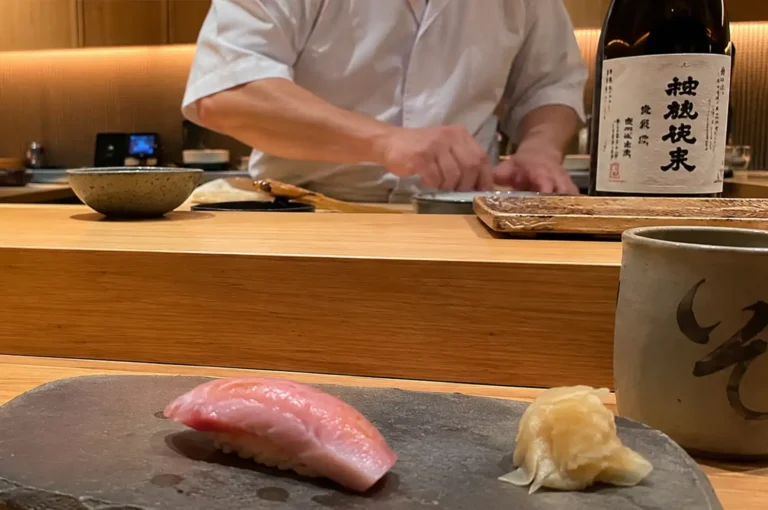
That intimate format reflected a wider Japanese dining style in which technique matters as much as luxury. Even something seemingly simple like nigiri sushi depends on the cut of the fish, temperature of the sushi rice, seasoning and timing.
Singapore developed an appetite for that precision. As more specialist Japanese omakase restaurants opened, diners gradually became familiar with terms such as omakase, Edomae, uni and seasonal sushi rather than seeing them as something intimidating.
Michelin and the Rise of Japanese Omakase Restaurants
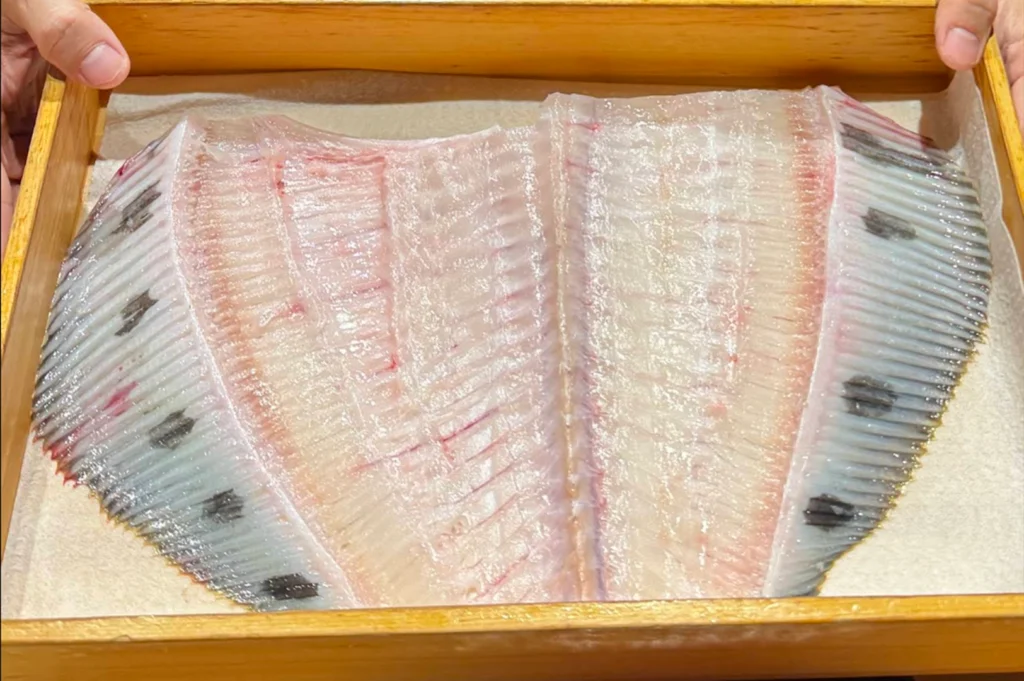
Recognition from the Michelin Guide helped give this style of dining greater visibility. Singapore’s Michelin landscape now includes several serious sushi counters. Shoukouwa holds two Michelin stars, while Sushi Sakuta was promoted to two stars in the 2025 selection. Sushi Sakuta operates around a ten-seat counter and builds its season-driven omakase entirely around Japanese fish, including a carefully calibrated blend of Japanese rice.
These restaurants reinforced an idea that diners had already begun to appreciate: a great sushi omakase is not simply expensive raw fish. The chef’s judgement is part of what you are paying for.
The seasonal tasting menu changes according to what is available, while technique brings out different qualities in each ingredient. White fish may be aged or cured; richer seafood may require a different balance of vinegar in the rice. Within the Singapore context, this helped establish omakase as a recognisable category of fine dining rather than merely another format inside a Japanese restaurant.
How Lunch Omakase Changed the Audience
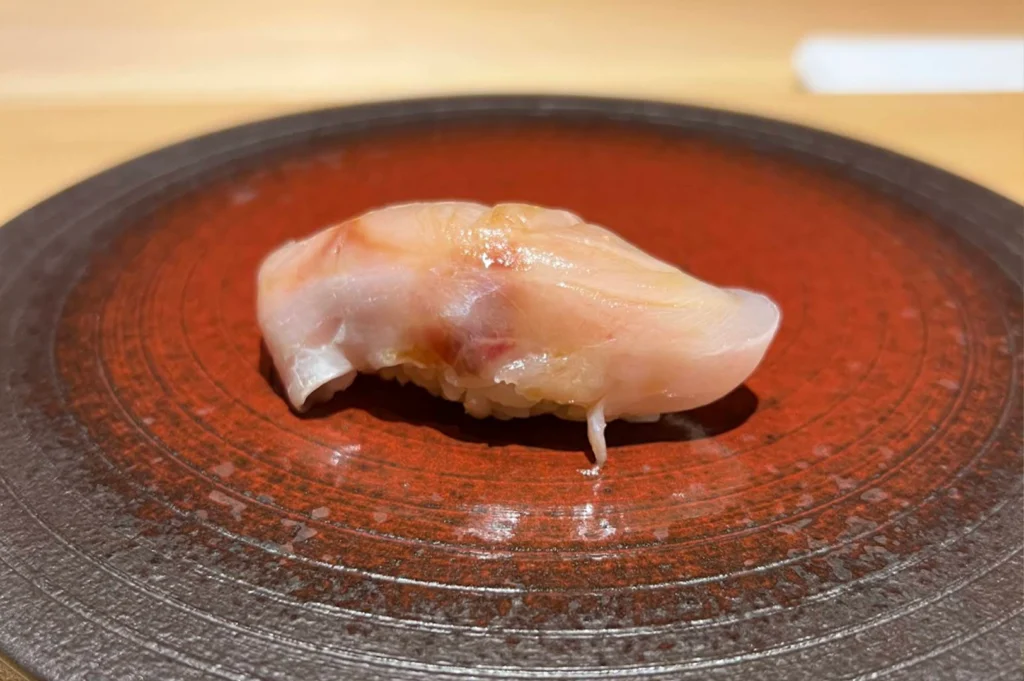
Then came one of the most important shifts: lunch omakase. Dinner remains the grander expression at many restaurants, but lunch quietly made the experience accessible to a much wider audience. A shorter lunch omakase menu could offer several appetisers and sushi courses without requiring the financial or time commitment of a long evening meal.
This changed how diners approached omakase.
Instead of saving it exclusively for a special occasion, people could book lunch out of curiosity. Colleagues could try it during a long afternoon break. Couples could enjoy an elevated meal without automatically spending several hundred dollars.
Ryo Sushi became particularly well known for this accessible end of the market. As early as 2018, it was being featured for an affordable multi-course omakase at its Tanjong Pagar location. That helped create something Singapore’s food scene is especially good at: offering different price tiers for the same dining idea.
Dinner Omakase Remained the Aspirational Side
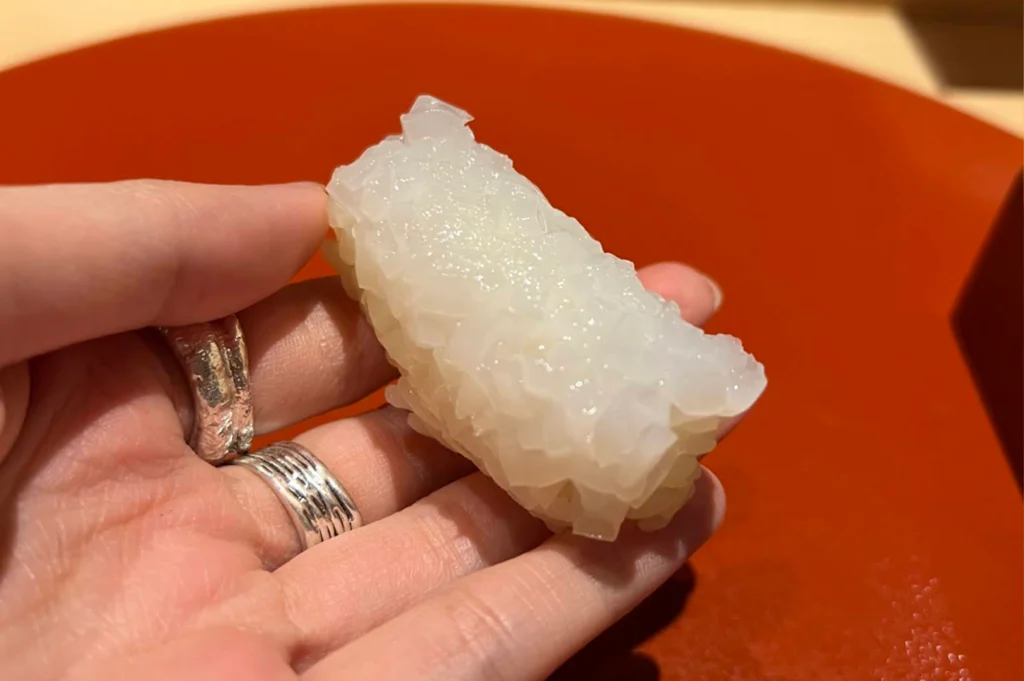
The arrival of affordable lunches did not replace dinner omakase. Instead, it created a natural ladder.
A diner might begin with a compact lunch, become more interested in the craft, then eventually book a longer dinner where the chef has more freedom. At the upper end, dinner starts becoming less about the number of pieces and more about access to premium ingredients, additional techniques and a slower progression.
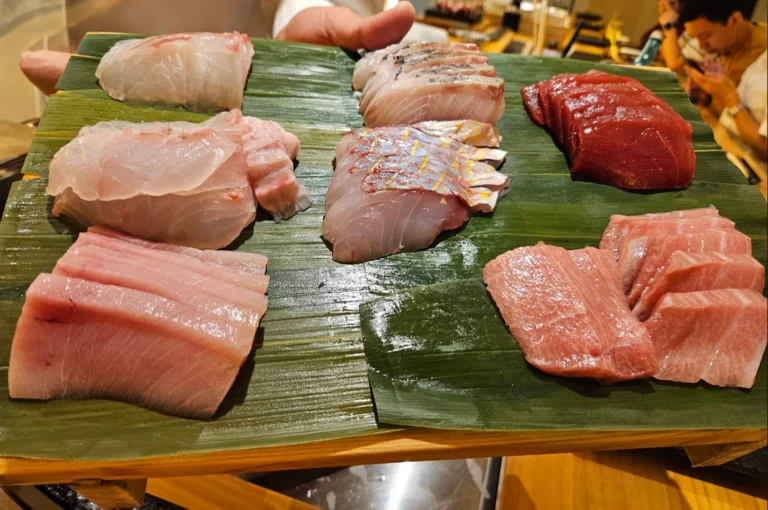
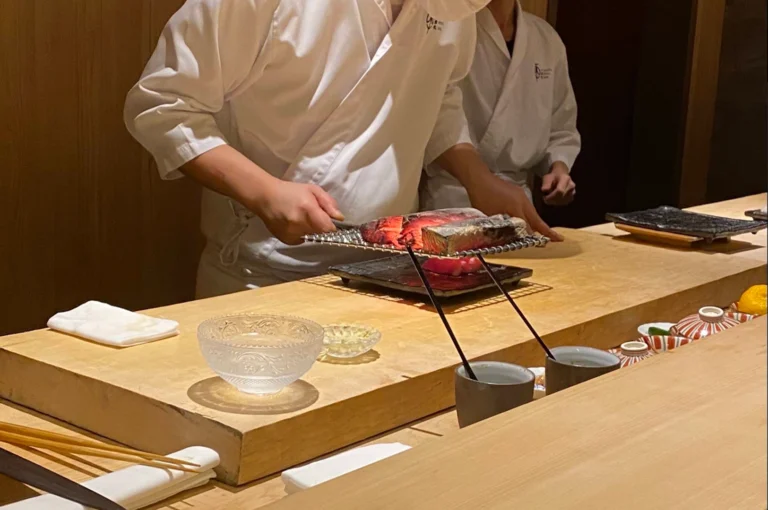
A dinner omakase menu might move between sashimi, grilled seafood, hot dishes, nigiri and dessert. Ingredients such as sea urchin, toro or particularly prized seasonal fish may appear alongside more elaborate cooked dishes. The difference is not simply “lunch is cheap, dinner is expensive.” Dinner gives the chef more space to build an entire dining experience.
Modern Japanese Omakase Became More Personal
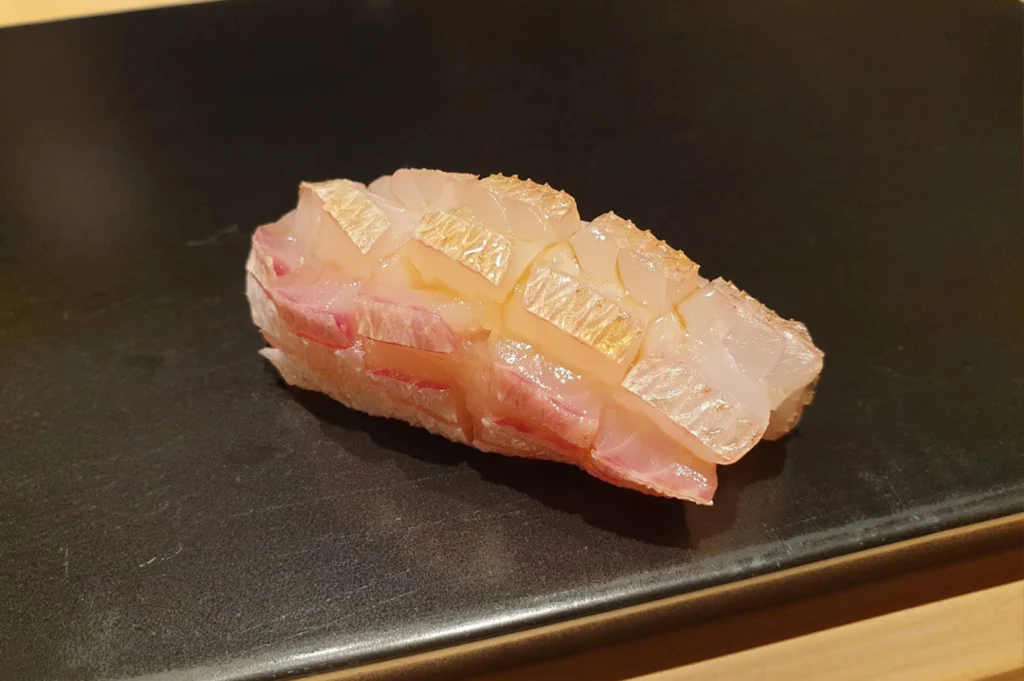
The next phase was creativity. Not every modern Japanese omakase restaurant wants to reproduce a traditional Tokyo sushi counter exactly. Some chefs increasingly use the format as a framework for their own cooking.
Sushi Yujo, established in 2022 at Amara Singapore, describes itself as a modern and unconventional Japanese omakase restaurant. Its current lunch omakase begins at S$68, while larger menus introduce more of Chef Desmond Fong’s seasonal signatures.
These menus can include sashimi, aburi sushi and other seasonal dishes rather than relying only on nigiri. Likewise, Sushi Muni on Anson Road combines traditional Edomae techniques with broader influences and seasonal ingredients.
This flexibility has made the omakase meal feel less rigid. The chef still curates the experience, but individual personality increasingly becomes part of the appeal.
Omakase Dining Today: Everyday Luxury Without Losing the Craft
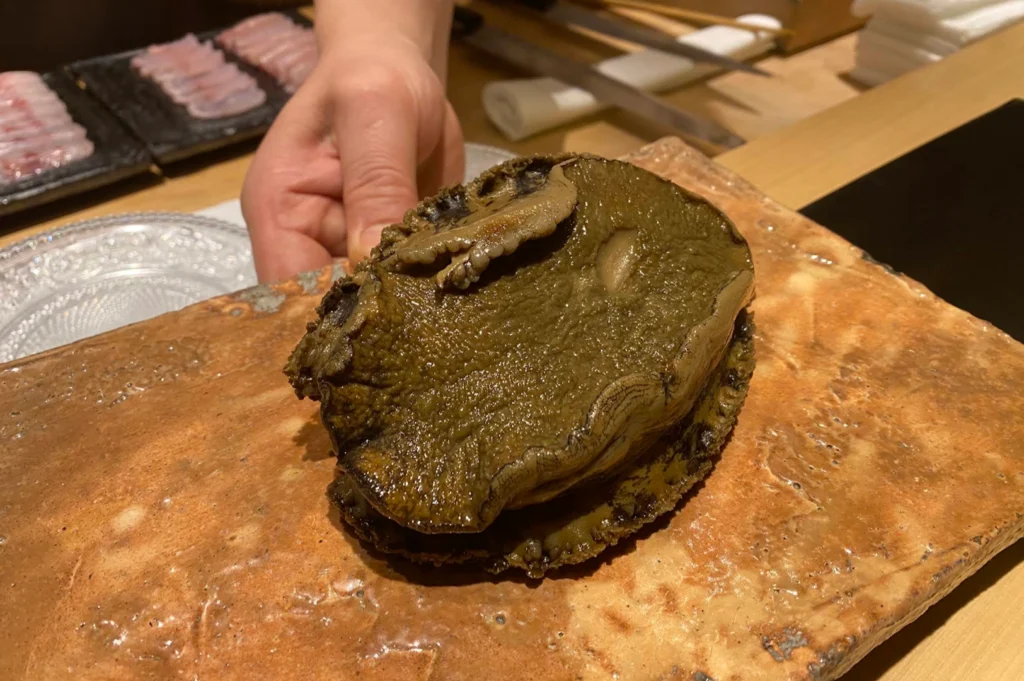
What makes modern omakase dining in Singapore interesting is the range. One restaurant may build a seasonal tasting menu based almost entirely on seafood brought directly from Japan. Another may combine sashimi with cooked courses and contemporary ingredients. One lunch may cost below S$100; another dinner may run several times that amount.
Even the dress code has softened in places, with smart casual perfectly suitable at many contemporary restaurants. Yet the central idea remains surprisingly consistent. The chef curates the menu around fresh ingredients, technique and timing. Diners surrender some control and, in return, receive a meal shaped by someone else’s judgement. That is probably why omakase has lasted beyond being a dining trend.
Why Omakase in Singapore Became So Popular
Omakase succeeded here partly because it fits Singapore’s dining culture unusually well. Singapore diners tend to be curious about ingredients, comfortable moving between casual food and fine dining, and willing to travel across the city for a particular meal. Omakase offers both discovery and craftsmanship while still feeling personal.
More importantly, restaurants in Singapore created multiple entry points. There are affordable omakase sets, compact lunch courses, modern interpretations, traditional sushi counters and elaborate dinner menus using the finest ingredients. A diner can begin with lunch and gradually explore deeper into the cuisine without feeling that the first step must be extravagant.
The result is a dining format that still feels luxurious, but no longer feels distant. That may be the most interesting chapter in Singapore’s omakase story. The counter has remained small, the seafood carefully chosen and the chef still stands in front of you. What changed was who felt welcome to take a seat.