There are meals you simply eat, and then there are meals that quietly guide the entire rhythm of your night.
The difference often reveals itself course by course.
At first, the evening feels ordinary. People arrive carrying the noise of their day with them — unfinished thoughts, hurried conversations, lingering stress. Chairs slide across the floor, phones remain visible beside glasses, and everyone still moves at the speed of the outside world.
Then the first course arrives.
Not dramatically. Not loudly. Just enough to interrupt the momentum people unknowingly brought into the room.
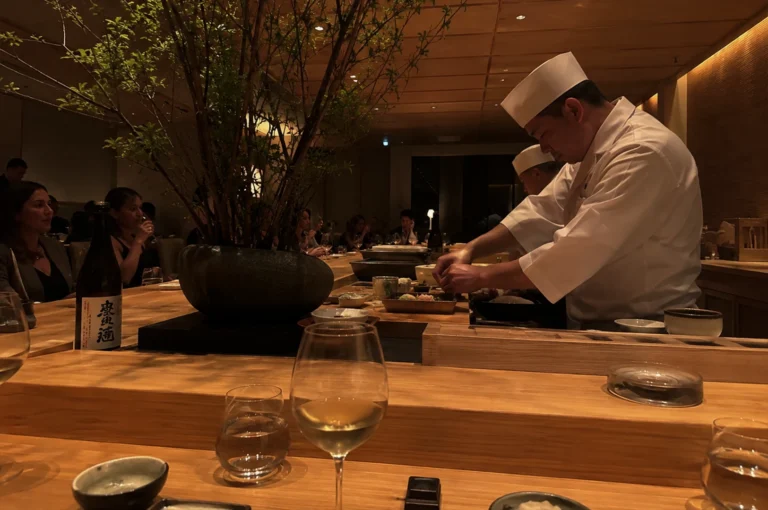
A small plate placed carefully in front of each guest has a strange ability to slow conversation. Someone pauses before taking the first bite. Another leans forward slightly to notice the details. The table becomes quieter, not from awkwardness, but from attention.
By the second course, the atmosphere begins to shift.
People stop checking notifications. Conversations become more thoughtful instead of reactive. Even posture changes. Shoulders loosen. Laughter becomes softer and more natural. It no longer feels like a group of people rushing through dinner before moving on to the next part of the night. The meal itself becomes the evening.
This is what thoughtful dining experiences understand better than most places. Food is not only about flavor. Timing matters just as much. The sequence of a meal can shape emotion without guests fully realizing it.
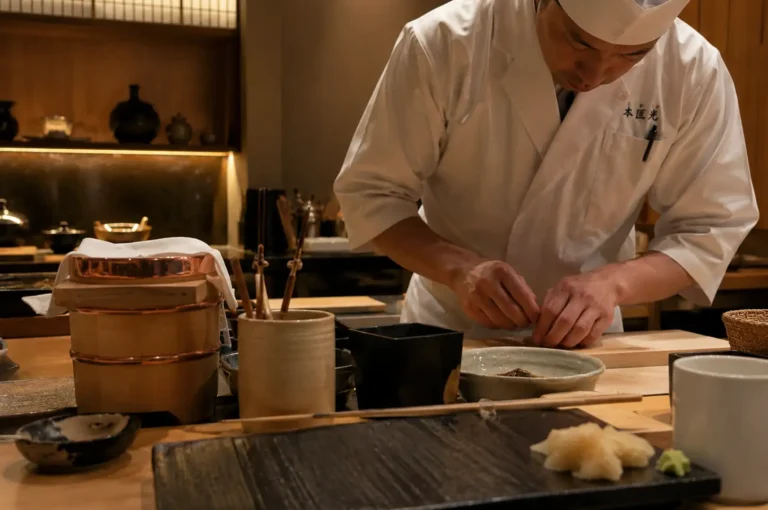
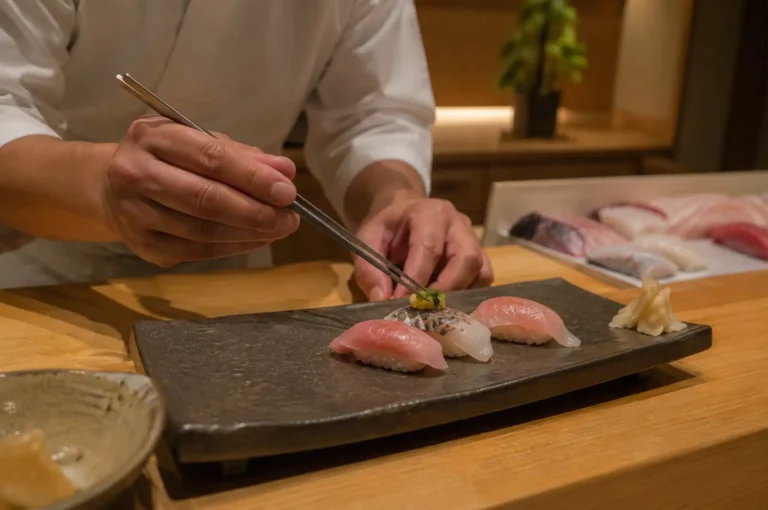
At an omakase counter, this pacing becomes even more noticeable. Each piece arrives with intention, creating pauses between moments instead of overwhelming the guest all at once. The chef controls not only what is served, but the emotional tempo of the experience itself.
Even cafés understand this in quieter ways.
A warm drink encourages people to stay longer. Dessert arrives near the moment conversations become more personal. Refilled cups create natural pauses where nobody feels pressured to leave immediately. Good hospitality understands rhythm.
And rhythm changes memory.
Most people do not remember every ingredient from a meal years later. What they remember is how the evening felt. Whether the atmosphere allowed them to relax. Whether time seemed slower for a while. Whether the experience created space for connection, reflection, or silence.
That is why some meals stay unforgettable long after the table is cleared.
Because every course did more than serve food.
It slowly changed the pace of the evening until everyone at the table became fully present inside it.