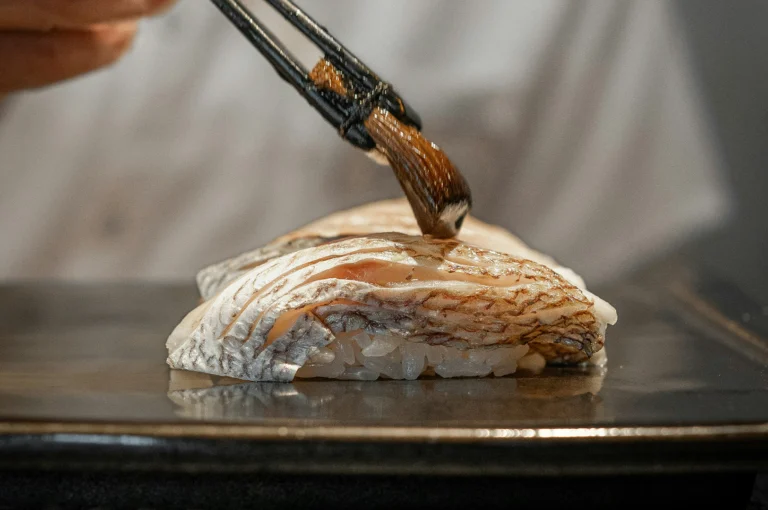
When you settle into an omakase counter, something shifts in the rhythm of the evening. The finest expressions of this dining form unfold not as spectacle, but as quiet conversation between craft and appreciation. There’s an honesty in these moments that theatrical dining can never quite capture a devotion to seasonal ingredients and meticulous preparation that speaks through each carefully composed dish rather than announcing itself.
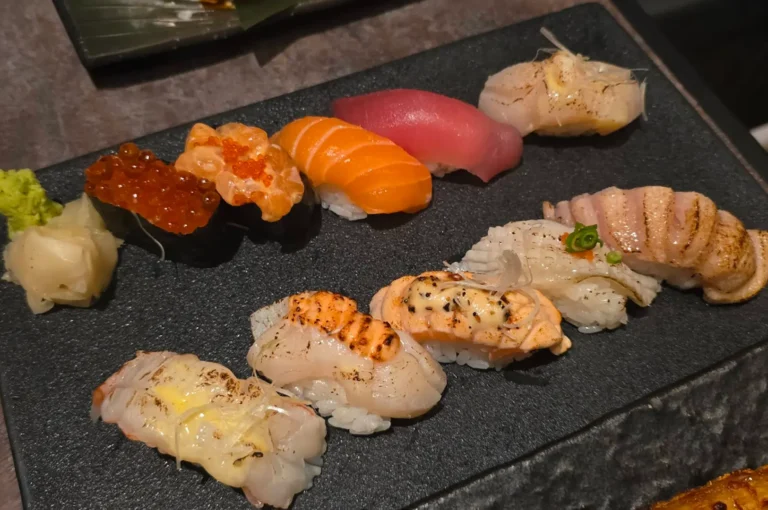
What emerges from this approach feels authentic in ways that surprise. Each plate becomes a gentle revelation of technique applied with intention, where the chef’s years of practice manifest not in grand gestures, but in the precise temperature of rice against your palm, the exact moment when seasonal fish meets your palate. This progression from lighter preparations toward richer, more complex expressions creates a natural arc that mirrors how our own appreciation deepens throughout the meal, each course building understanding rather than simply filling space.
Discover more about the premium omakase experience in Singapore and embark on a culinary journey like no other.
The Essence of Omakase Dining
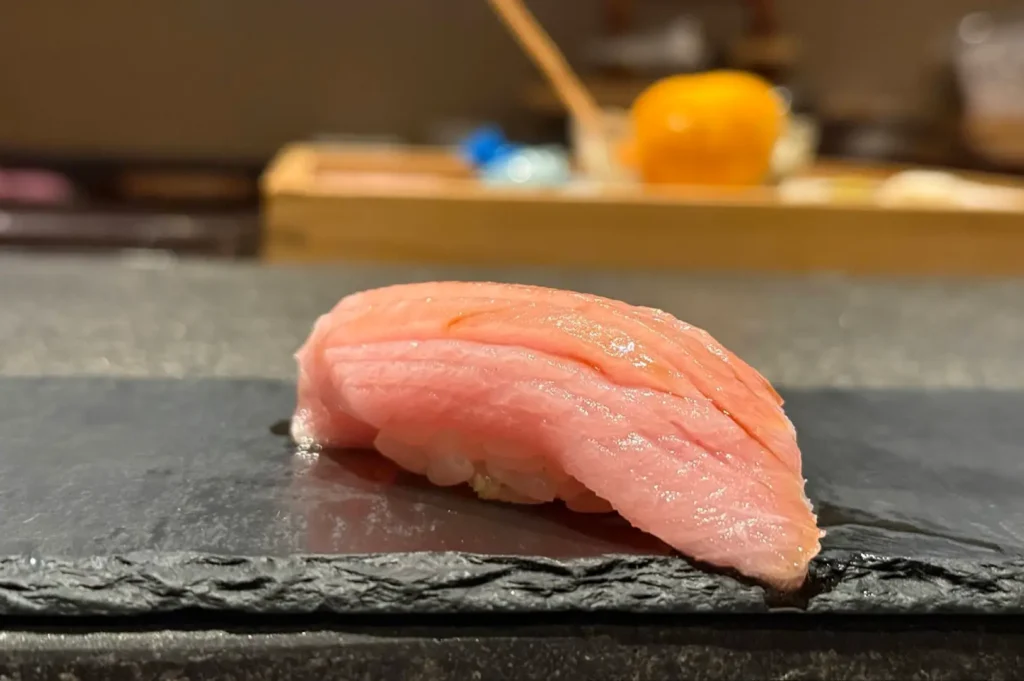
The phrase “I’ll leave it up to you” carries weight when whispered across a counter. This simple act of trust transforms what might otherwise be a transaction into something more intimate, a shared exploration of what the season offers, what the morning’s delivery from Toyosu Market revealed, what possibilities exist when technique meets the day’s finest ingredients.
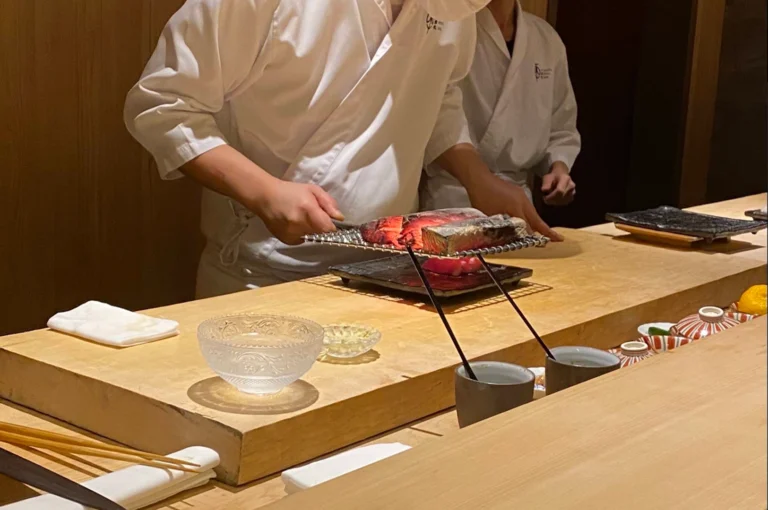
There’s something profoundly moving about watching a chef curate each course with quiet precision, their movements economical and purposeful. The personal connection that builds through these moments often surprises guests; conversations about preparation methods or the story behind a particular fish become part of the experience itself, weaving understanding into appetite.
The Importance of Shari in Sushi Craftsmanship
Perfect sushi rice reveals itself not through explanation, but through feeling. When shari achieves its proper balance: vinegar, sugar, and salt harmonizing in proportions that complement rather than compete with the fish, you understand something essential about the craft. This foundation, prepared with the kind of attention that borders on meditation, elevates each piece from mere combination to small revelation.
The texture speaks first: warm against cool fish, yielding yet structured, seasoned with restraint that allows the seafood’s character to emerge fully. In these moments, you begin to appreciate how much care goes unseen, how years of practice distill into something that feels effortless.
The Duration and Flow of an Omakase Meal
Two to three hours pass differently when you’re present to each moment. An omakase course can also include hot dishes or non-sushi items such as yakitori or tempura as part of the meal’s flow. This pacing, deliberate and unhurried, creates space for appreciation to develop naturally. As flavors progress from delicate to rich, your palate learns to follow, anticipating yet continually surprised by how each course connects to the last while standing entirely on its own.
The rhythm allows for pauses that feel essential rather than forced moments to absorb what you’ve just experienced, to engage with the chef about technique or seasonality, to let your understanding deepen course by course.
Seasonal Ingredients and Culinary Journey
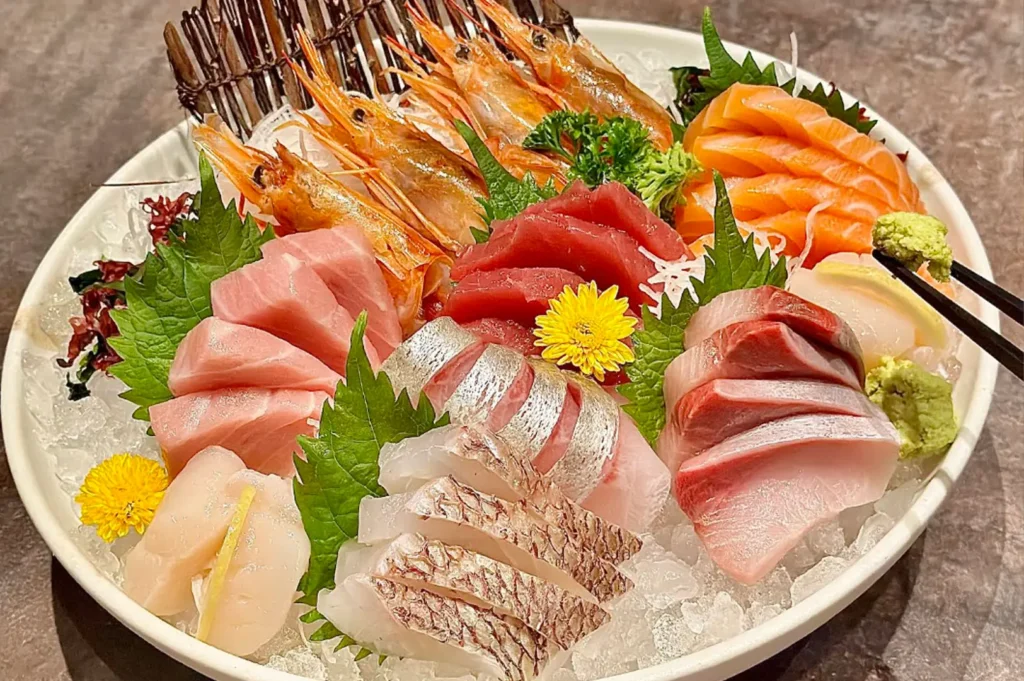
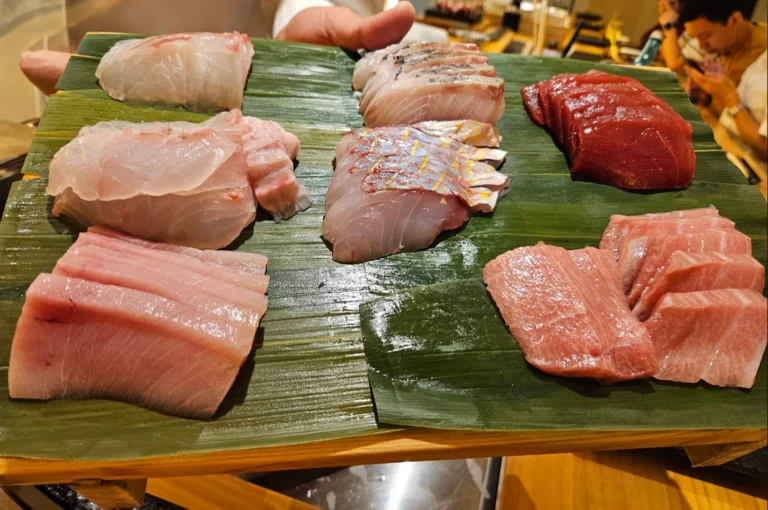
Following the seasons through omakase creates a connection to cycles larger than the meal itself. When menus shift daily based on morning market selections, you’re invited into a conversation with time and place that extends beyond the restaurant walls. The freshness of seasonal sashimi, the sweetness of sea urchin at its peak, the particular character of fish that arrives only when conditions align these elements speak to rhythms that feel both ancient and immediate. A seasonal tasting menu built around the freshest seasonal ingredients might highlight fatty tuna in winter and cherry blossom sea bream in spring.
This approach grounds the experience in something authentic. You’re not simply consuming dishes; you’re participating in a tradition that honors timing, respects ingredients, and celebrates the moments when preparation and seasonality converge.
The Role of Chef and Personal Interaction
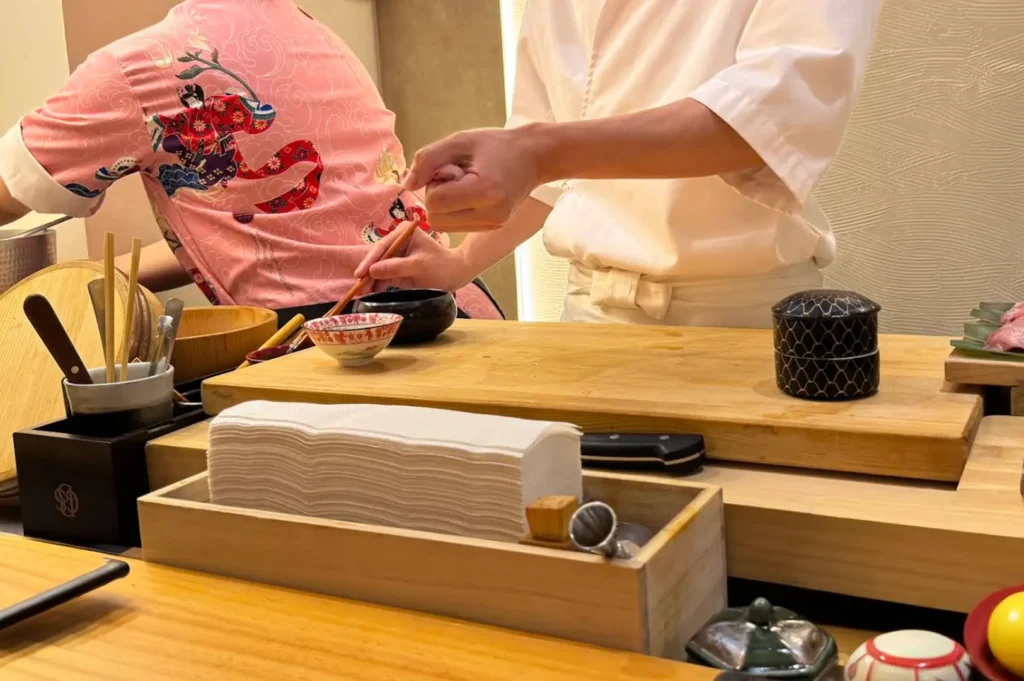
The dialogue that emerges across the counter often becomes the meal’s most memorable element. Unlike dining experiences that maintain distance between preparation and consumption, omakase invites conversation about technique, about seafood sourced directly from Toyosu Market in Japan, and about why certain preparations enhance rather than mask natural flavors. In Singapore, the freshest ingredients may arrive within 48 hours, with premium seafood flown in daily and some chefs sourcing from Toyosu three times a week as the chef prepares each course.
These exchanges feel organic rather than scripted. The chef’s knowledge emerges through demonstration and gentle explanation, their expertise shared in ways that illuminate without overwhelming. You find yourself understanding not just what you’re eating, but why it matters.
Dinner Omakase Menu: A Culinary Highlight
Evening meals carry a different weight, a sense of occasion that allows for more elaborate expressions of the chef’s vision. When Chef Masa, for instance, designs his dinner progression, the menu reads as a seasonal tasting menu, with more developed sushi courses that elevate seasonal ingredients through technique that respects rather than transforms their essential character. Each course builds anticipation for what follows while remaining complete in itself.
The evening’s longer format creates space for this complexity to unfold naturally. Rich preparations earn their place through careful progression, aiming for a good balance from lighter to richer flavors, your appreciation guided by the meal’s internal logic rather than arbitrary sequencing.
Lunch Courses: Accessible Elegance
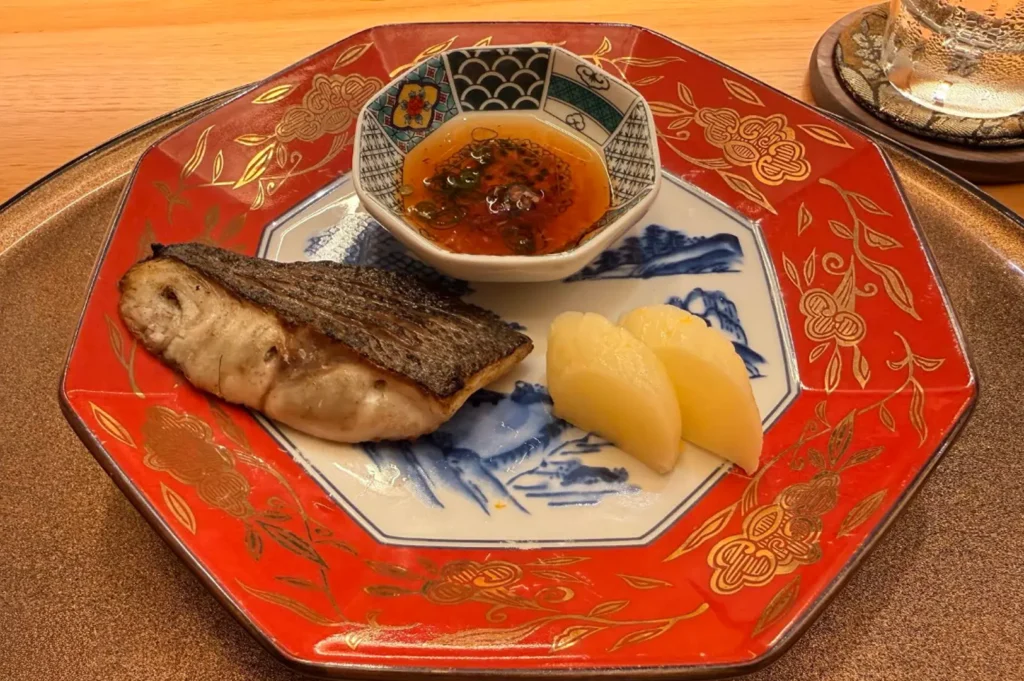
A lunch omakase menu offers a different kind of intimacy, more immediate, perhaps, but no less thoughtful. These shorter expressions still honor the principles that make the experience meaningful: attention to seasonal ingredients, precise preparation, and presentation that reveals rather than conceals each course, while the food remains carefully curated despite the shorter format.
The abbreviated format focuses your attention differently, creating intensity through concentration rather than duration. Each piece of nigiri, each seasonal preparation, carries the weight of careful selection within a more compressed timeframe.
Special Occasions and Reservations
Certain moments call for this level of attention, this quality of presence that omakase naturally cultivates. The intimate setting and personalized service create an intimate dining experience where celebration feels authentic rather than performed. At places like Sushi Masa by Ki Setsu, an omakase restaurant where seating remains limited by intention, advance planning becomes part of the anticipation. Many keep just 8 to 14 seats to preserve personal interaction at the counter rather than at a table.
This scarcity serves the experience rather than frustrating it. When you finally settle at the counter, the exclusivity feels earned rather than artificial, creating space for the kind of focused attention that the meal deserves.
Why Intimate Settings Matter
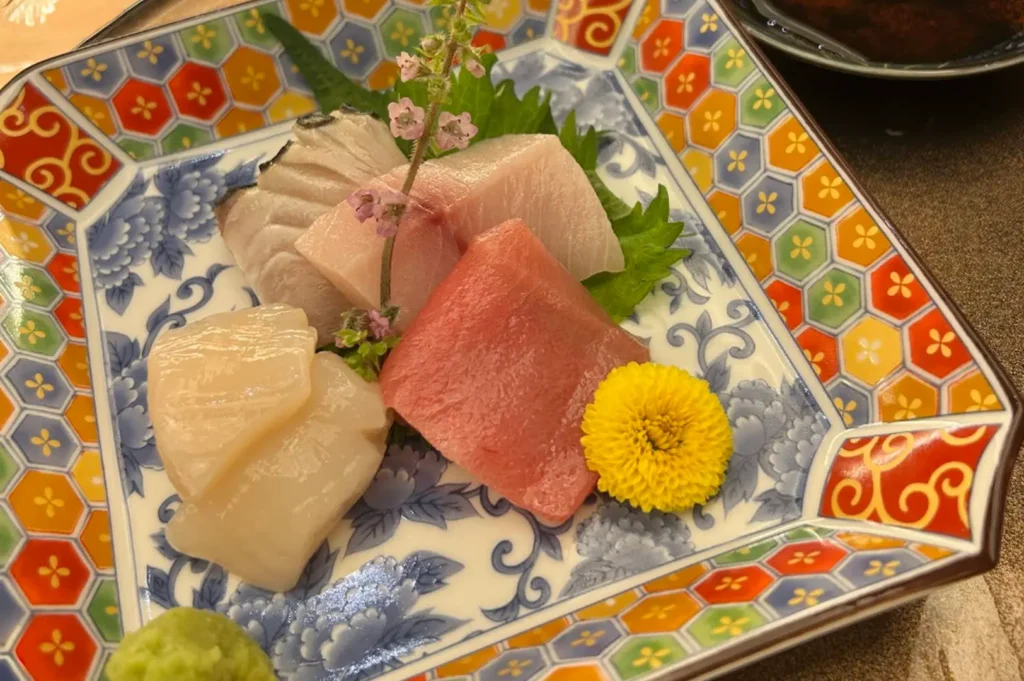
Limited seating in omakase in Singapore spans many small counters and more than 50 dedicated omakase restaurants, creating more than exclusivity; it enables the kind of focused preparation that makes each dish arrive at precisely the right moment, at exactly the right temperature. When you watch the chef’s knife work up close, often from a front-row view at the counter, when you observe the careful attention to plating, when you feel the warmth of freshly formed sushi rice, you understand why this proximity matters.
This japanese dining style in Singapore often blends traditional techniques with local preferences, with kaiseki principles shaping menu structure.The intimate environment allows for adjustments that would be impossible in larger spaces modifications based on your responses, conversations about preferences, the kind of personalized pacing that makes the experience feel crafted for you rather than simply delivered to you.
Conclusion: Embracing the True Spirit of Omakase
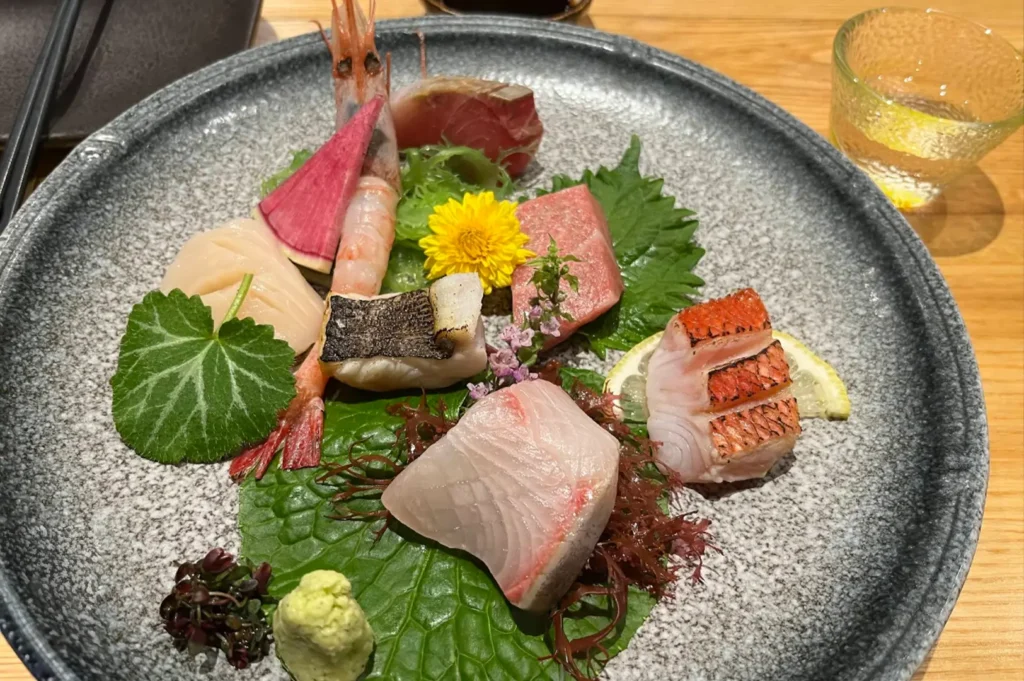
Omakase is an art form rooted in Japanese cuisine, where authenticity arises from tradition, respect for premium ingredients, and craftsmanship honed over years. The finest premium omakase experiences invite appreciation through skillful preparation rather than spectacle.
In Singapore, venues like Sushi Masa by Ki Setsu showcase this blend of technique, intimate settings, and seasonal produce, offering a refined culinary artistry that highlights the true spirit of Japanese dining.Diners should come with an open mind to savor the omakase journey, whether a midday expression or an elaborate evening progression. The meal connects you to seasonal rhythms and traditional artistry, concluding thoughtfully with dessert that marks the proper flow of this culinary delight.
Discover the best omakase restaurants in Singapore has to offer and elevate your dining experience. Visit Best Omakase to explore top restaurants and exclusive guides.