In the quiet corners of Icon Village, Miraku Singapore unfolds as a space where omakase tradition finds its rhythm in careful deliberation. Here, the chef’s dedication to seasonal ingredients and precise technique creates a dialogue between kitchen and counter, the one that invites you to slow down and observe the intention behind each course. The restaurant carries the spirit of Japanese hospitality, where timing and presentation speak as clearly as flavor itself.
The intimate setting allows for something more than dining; it becomes a conversation between chef and guest, where each course builds understanding course by course. When occupancy remains deliberately limited, the space breathes with intention, creating room for the kind of attention that omakase requires. This thoughtful approach to service creates an atmosphere where guests can settle into the experience, allowing the meal to unfold at its natural pace. Whether you visit in September or another season, the chef’s commitment to bringing Kyoto’s culinary wisdom to Singapore’s dining landscape remains constant, with each gesture of service reflecting genuine care for the guest’s journey.
For those eager to discover more about affordable omakase Singapore options, an inviting starting point balances quality and value awaits here.
The Miraku Sushi Omakase Experience
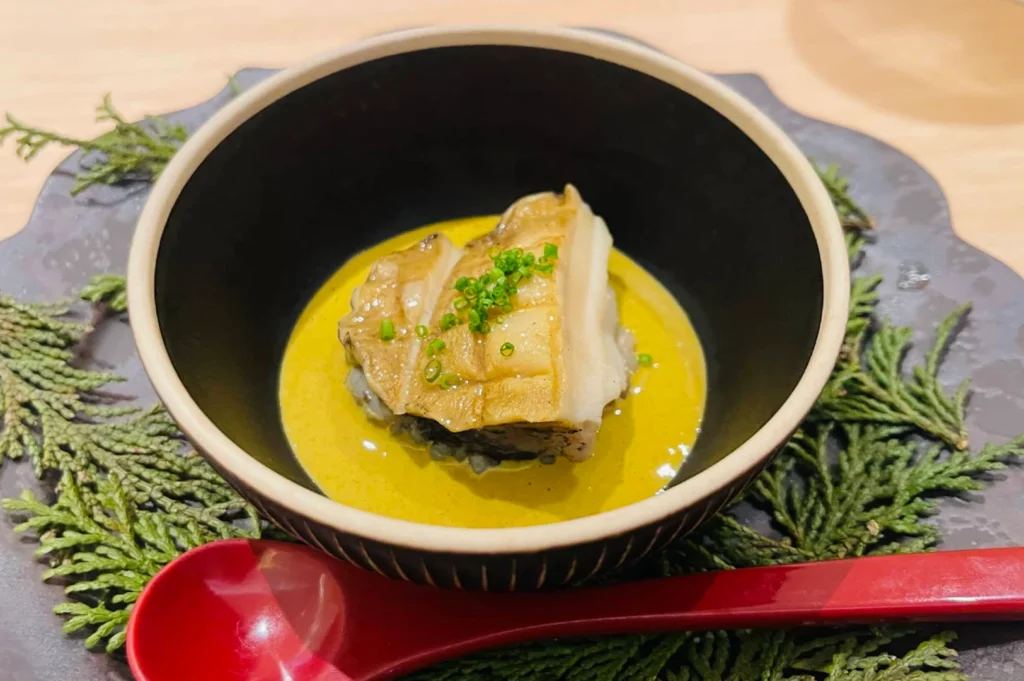
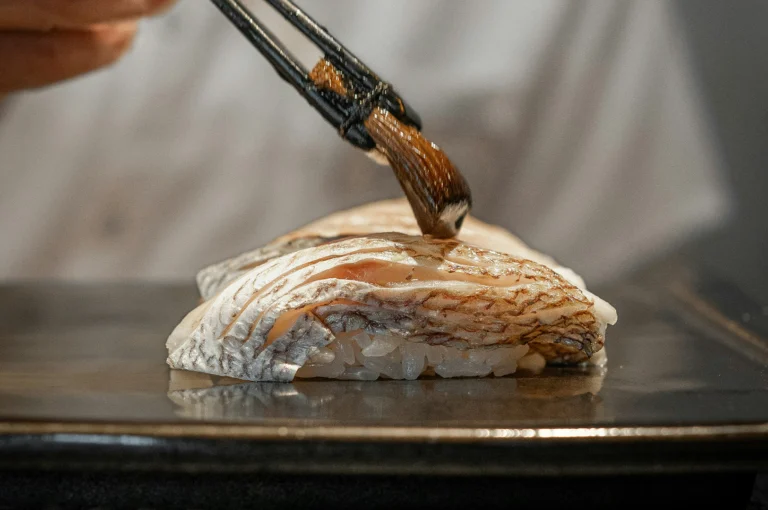
At Miraku, the chef curates each course with the kind of meticulous attention that reveals itself slowly, building a harmony of flavors and textures that feels both intentional and intuitive. The omakase progression typically spans 11 to 15 courses, each piece of sushi crafted from fish that arrives daily from Japan’s Toyosu Market. The chef’s selection might include fatty tuna that melts with gentle pressure, Japanese tiger prawn with its natural sweetness, botan ebi, the delicate complexity of hotaru ika, and uni served directly from its shell. Before each piece is placed before you, the chef shares the story behind it, the technique, the timing, the reason for its place in the meal’s progression.
Signature Dishes and Menu Highlights
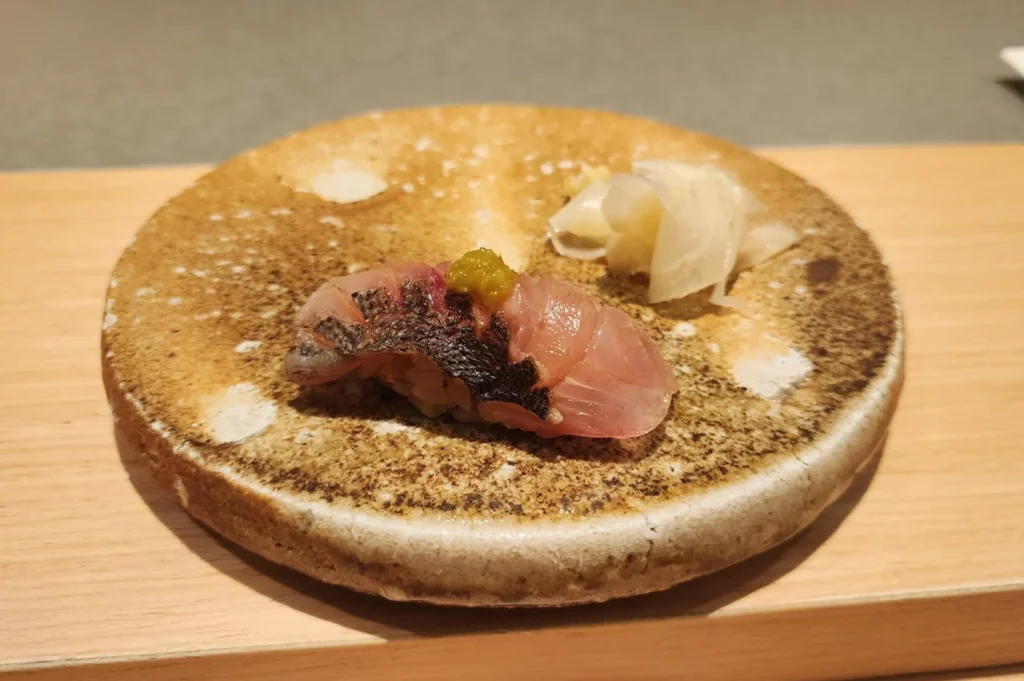
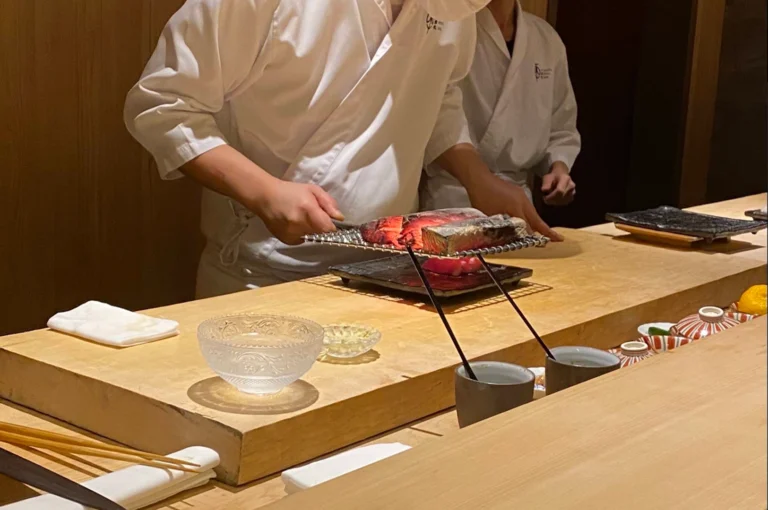
Miraku offers two thoughtfully structured omakase paths: the Miraku Omakase and the Miraku Sushi Omakase. The Miraku Omakase features Hokkaido Wagyu Sukiyaki, where the chef’s technique transforms tender wagyu beef into a composition that balances richness with restraint. The wagyu beef croquette and sliced wagyu arrive with sukiyaki sauce that has been carefully calibrated, paired with seasonal accompaniments that shift with the chef’s understanding of the moment. The toro maki and otoro sashimi, when combined with egg yolk, create a texture that speaks to the chef’s precision, each element supporting the others in a way that feels both deliberate and effortless.
Seasonal Seafood Highlights: Japanese Tiger Prawn
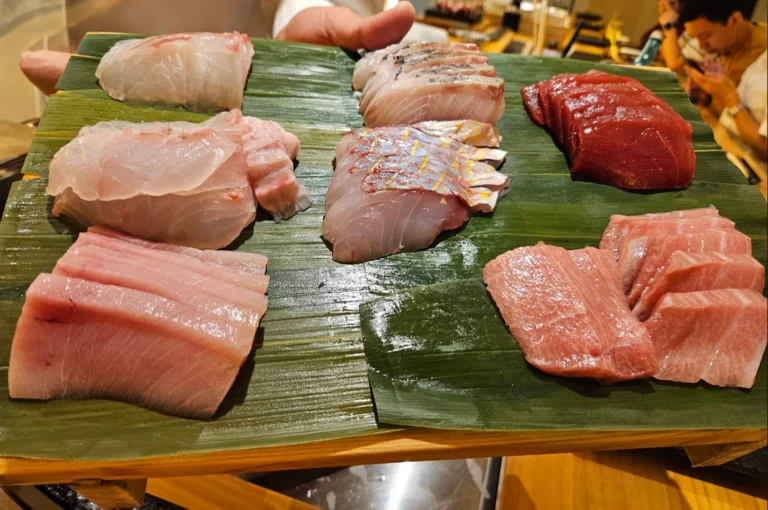
The chef at Miraku Singapore builds each menu around seafood that arrives daily from Japan’s Toyosu Market, a practice that speaks to his commitment to working with ingredients at their peak. The assorted sashimi showcases five distinct preparations, with prawns that offer a natural sweetness and texture that requires careful handling to preserve their character. The uni, served fresh from the shell, delivers the kind of creamy richness that reveals the chef’s understanding of timing served at the moment when its flavor reaches fullest expression.
Unique Omakase Touches
The omakase experience here unfolds through the chef’s advance curation, where seasonal ingredients guide the menu’s direction rather than preset expectations. The meal moves through 11 to 15 courses at a pace that allows for appreciation, including nine types of sushi where the fish’s freshness and the chef’s knife work combine to create something greater than their parts. Throughout the meal, the chef shares insights about technique and ingredient selection, building the kind of trust that omakase requires. Sake pairings, when offered, extend this dialogue of flavor, while the dessert, a Tamagoyaki cake with its careful balance of sweetness and texture provides a thoughtful conclusion to the meal’s progression.
Ambiance and Service at the Omakase Restaurant
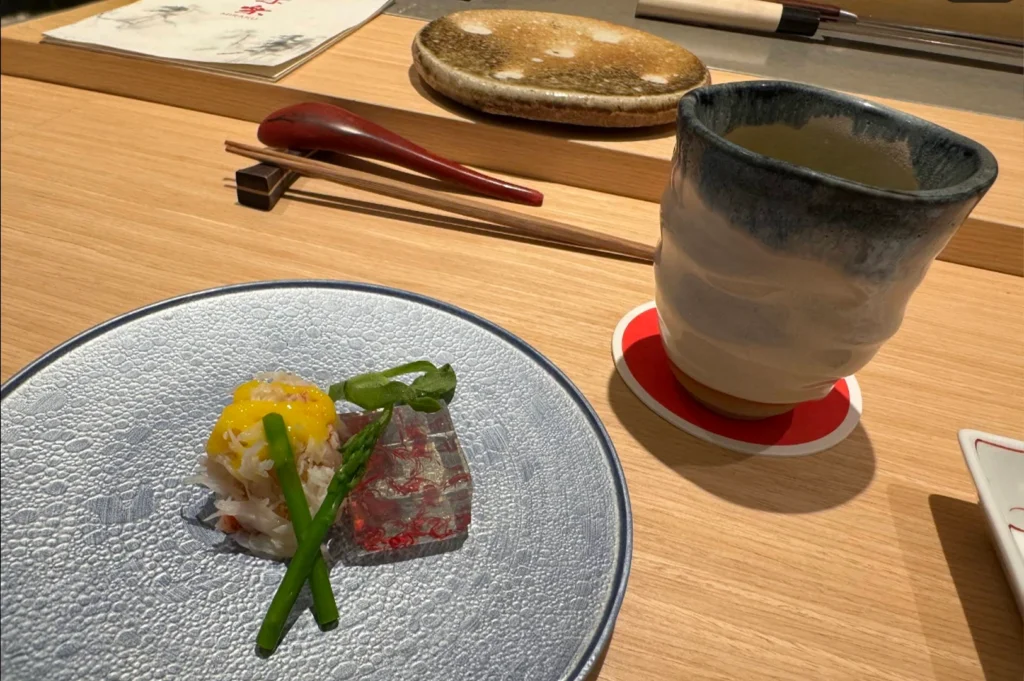
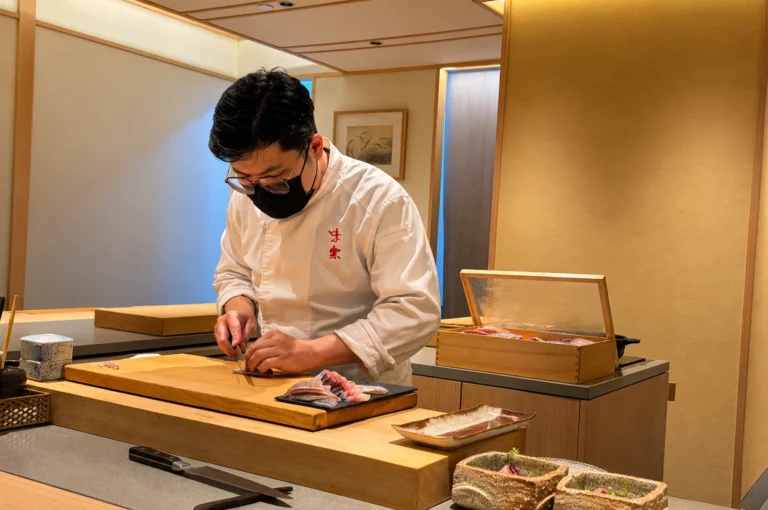
Miraku’s minimalist design reflects an understanding that the space should support rather than compete with the meal’s unfolding. The calm, intimate atmosphere allows each course to be received with full attention, while the chef and staff embody omotenashi through gestures that feel genuine rather than performed. The limited seating ensures that each guest receives the kind of attention that omakase depends upon a practice that requires advance planning but rewards patience with an experience that feels both personal and complete.
Reservations and Seating
Due to the intimate nature of Miraku Singapore, reservations are strongly recommended. The restaurant limits occupancy to ensure each diner receives attentive service and a calm atmosphere. This careful management of seating means that securing a spot often requires booking well in advance, especially for weekend dinners. Guests can expect a personal and unhurried dining experience that reflects the essence of traditional omakase.
Pairing Tea and Sake with Your Meal
Miraku enhances the omakase meal with thoughtfully selected tea and sake options. The tea ceremony-inspired service highlights the importance of tea in Japanese cuisine, providing a refreshing complement to the rich flavors of the seafood and wagyu beef. Sake pairings are also available, chosen to balance and elevate the taste of each course, ensuring a harmonious dining journey from start to finish.
Location and Accessibility at Icon Village
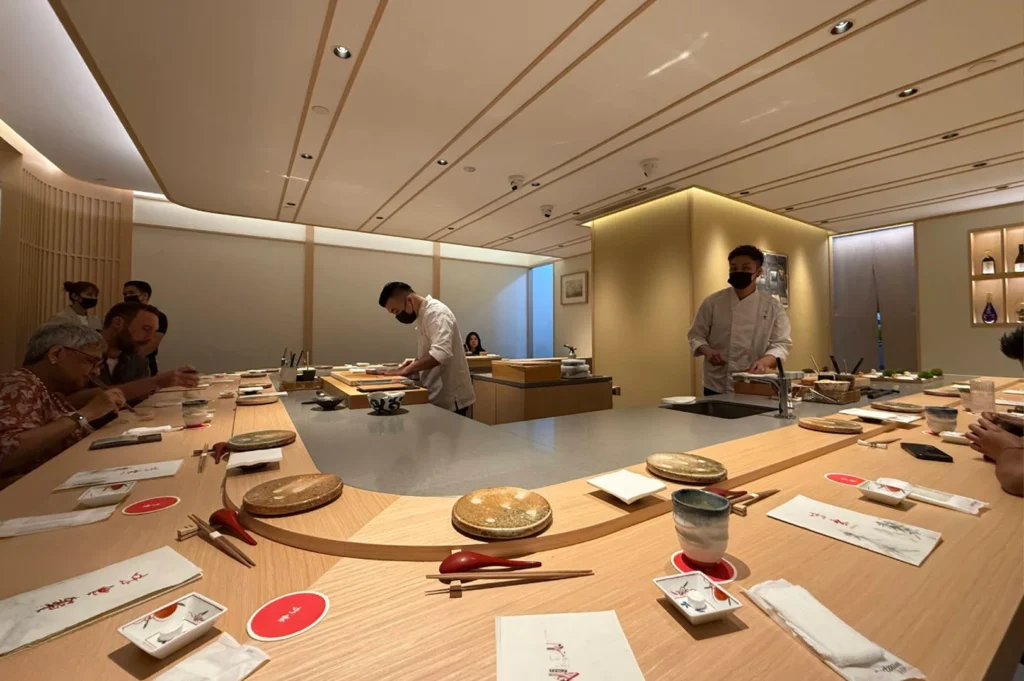
Located at 12 Gopeng St, #01-01 to 04, Icon Village, Miraku Singapore sits within reach of Chinatown, Raffles Place, and Telok Ayer MRT stations, making the restaurant accessible while maintaining its sense of quiet retreat. Whether for lunch or dinner, the location offers an opportunity to step away from the city’s pace and into the measured rhythm that Japanese dining culture encourages.
Conclusion
For those seeking an omakase experience where tradition and precision create space for discovery, Miraku Singapore offers something worth considering. From the first careful presentation of sushi to the final thoughtful gesture of dessert, each course contributes to an understanding of Japanese dining that extends beyond technique into the realm of genuine hospitality. The experience invites you to slow down, to observe the intention behind each preparation, and to appreciate the craft that transforms ingredients into moments of genuine connection.
Discover the best omakase restaurants in Singapore and allow your understanding to expand through thoughtful exploration. Visit Best Omakase to find restaurants where craft and intention converge.