There is something unusual about sitting at an omakase counter. Before the first piece of sushi is served, there are no menus to study, no endless choices to compare, and no pressure to make the “right” decision. Instead, you simply take your seat, trust the chef, and allow the meal to unfold one course at a time.
In a world built around customization and convenience, omakase feels almost old-fashioned. Yet that is exactly what makes it so personal.
The word omakase translates to “I’ll leave it up to you”, but what you’re really handing over isn’t just your dinner order. You’re placing your trust in someone else’s experience, creativity, and understanding of hospitality. That simple act transforms a meal into something far more meaningful than choosing from a list of dishes.
What surprises many first-time diners is how quickly the experience becomes a conversation, even when very few words are exchanged.
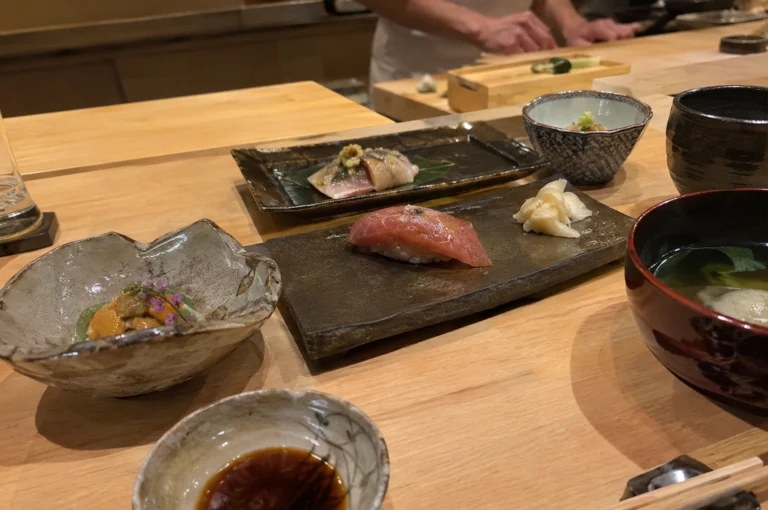
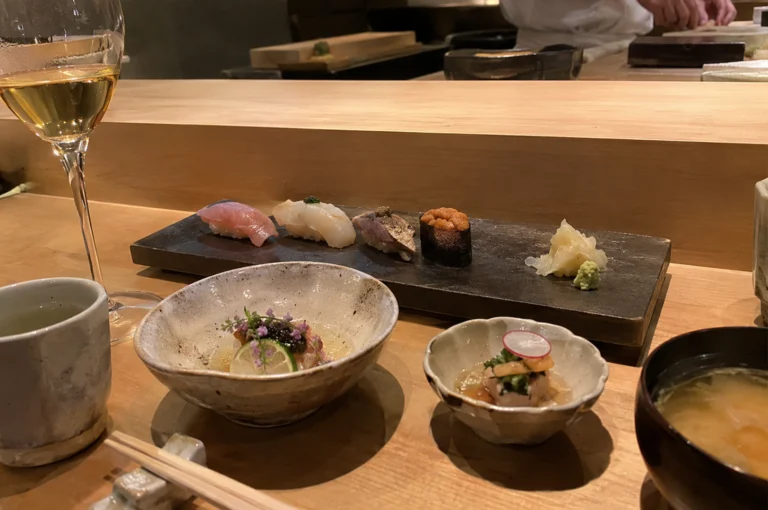
The chef notices what excites you. Perhaps you linger a little longer on a piece of aged tuna or smile after tasting a lightly torched scallop. Maybe you ask a question about where a particular fish was sourced, or you’re curious about the preparation behind a delicate broth. These subtle moments help shape the rhythm of the meal. While the menu is often predetermined by seasonal ingredients, the atmosphere becomes uniquely yours.
That quiet attentiveness is difficult to replicate elsewhere.
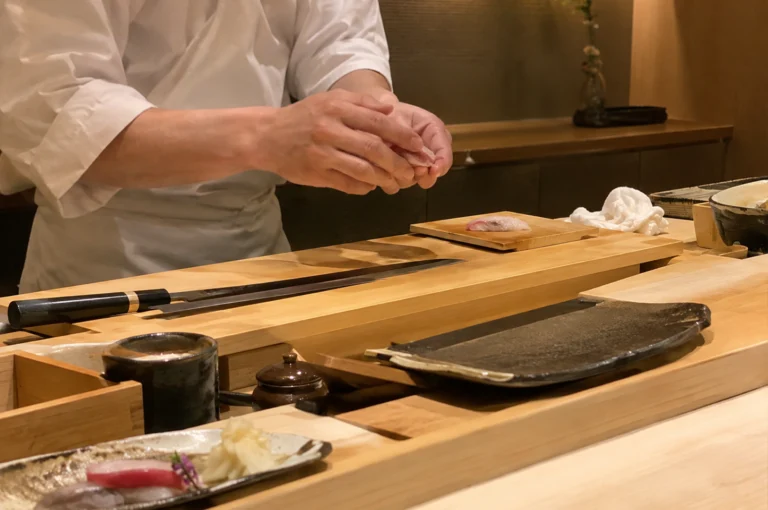
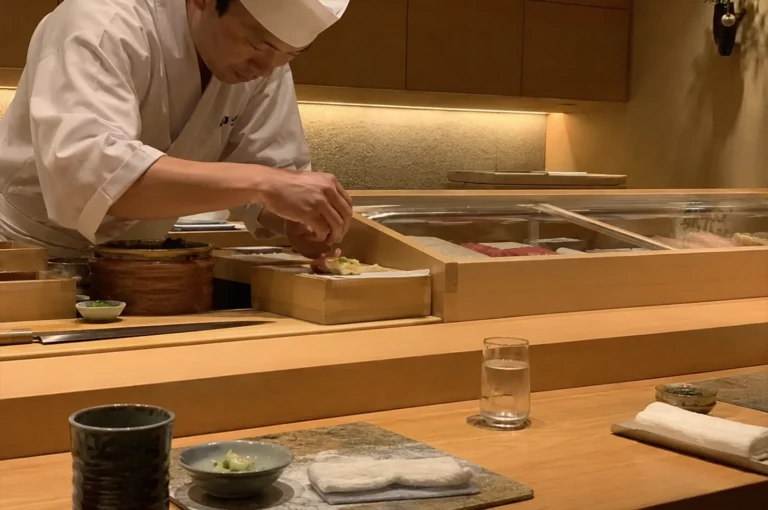
Unlike larger restaurants where interactions can feel rushed, omakase invites genuine presence. The chef prepares each course just a few feet away, carefully observing timing, pace, and reactions. Every slice, brush of soy, or garnish is intentional. Rather than serving dozens of anonymous plates, the chef creates an experience for the handful of guests seated before them.
As diners, we often remember these moments more vividly than individual flavors.
Years later, we may forget exactly how many courses were served or every ingredient that appeared on the plate. Yet we remember the chef explaining why a certain fish tastes sweeter in winter. We remember the laughter shared with neighboring diners or the quiet anticipation before each new course arrived. Those memories stay with us because they are tied to human connection rather than consumption alone.
Perhaps that’s why omakase often becomes part of life’s milestones.
People choose it for birthdays, anniversaries, reunions, or personal celebrations because it naturally slows time. Phones remain untouched a little longer. Conversations become more intentional. Instead of rushing through dinner, everyone experiences the same unfolding story together. Each course creates another shared memory.
The beauty of omakase also lies in its unpredictability.
There is excitement in not knowing what comes next. Every course carries a sense of discovery that reminds us how rare surprise has become in everyday life. Instead of making dozens of decisions, we simply remain curious. That childlike anticipation is refreshing, especially in an age where nearly everything can be previewed before it happens.
Ironically, surrendering control often makes the experience feel more personal.
By stepping away from endless choices, we become more attentive to taste, texture, aroma, and conversation. We notice details we might otherwise overlook. The meal becomes less about selecting food and more about appreciating craftsmanship.
This philosophy extends beyond sushi itself.
At its heart, omakase celebrates trust between people. The chef trusts years of training and instinct. The diner trusts that every course has been chosen with care. That mutual confidence creates an atmosphere where hospitality feels sincere rather than transactional.
In many ways, the meal reflects relationships in everyday life. Some of our most meaningful experiences happen not because we planned every detail, but because we allowed ourselves to be present, open, and receptive.
That may be the greatest lesson omakase quietly offers.
It reminds us that personalization isn’t always about algorithms, preferences, or customization. Sometimes, feeling seen comes from another person paying close attention. It comes from thoughtful craftsmanship, genuine hospitality, and the willingness to create something memorable for someone sitting just across the counter.
In the end, omakase feels personal not because every meal is different, but because every moment is shared. Long after the final piece of sushi is enjoyed, what remains is the feeling that, for a little while, the meal was created not for everyone—but just for you.