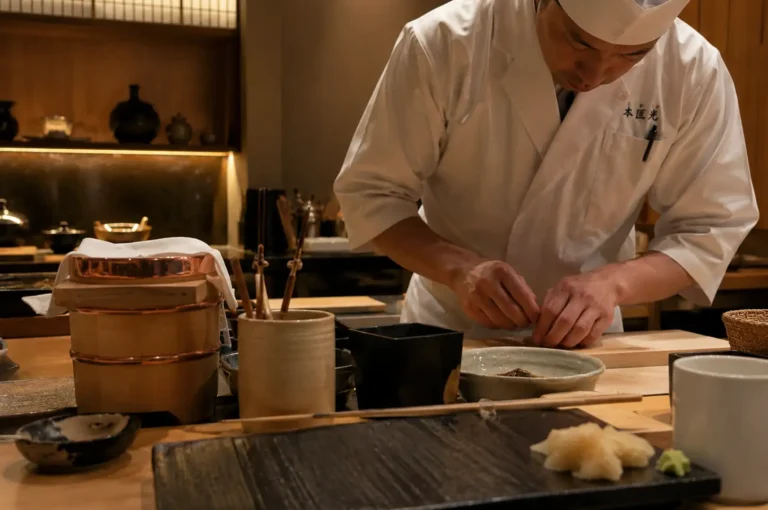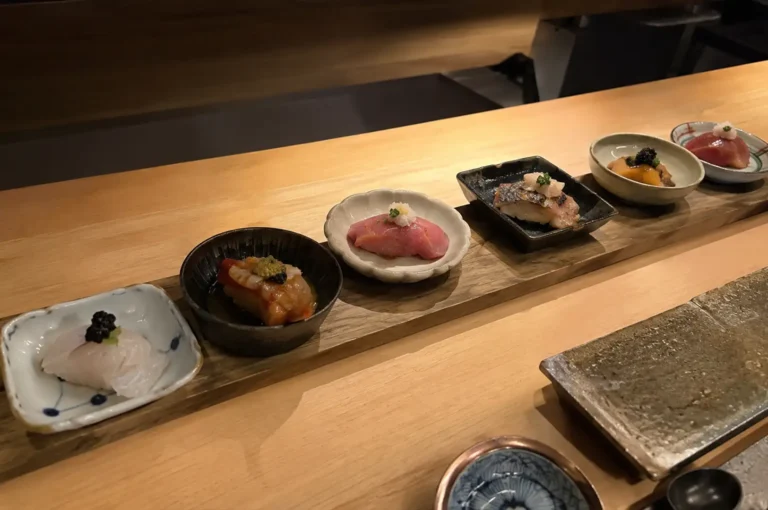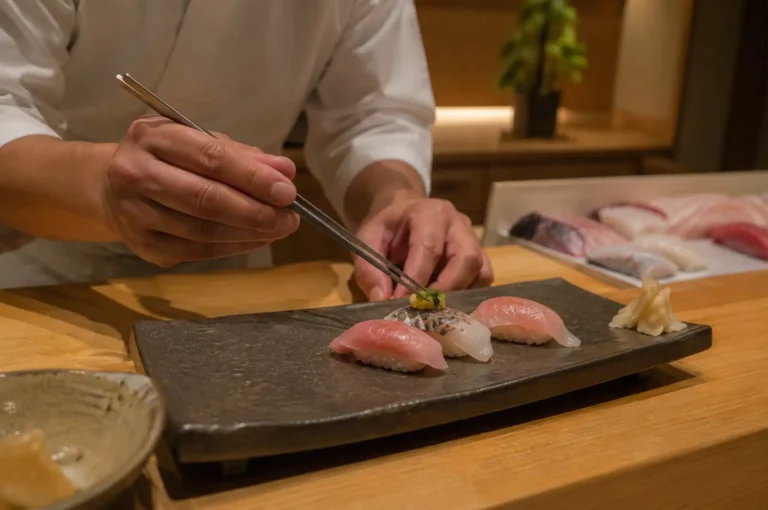

A chef’s tasting menu is often described through the language of technique, ingredients, and creativity. Diners talk about the number of courses, the quality of produce, and the artistry of presentation. Critics evaluate execution and innovation. Yet beneath the carefully plated dishes and thoughtfully curated pairings lies something far more personal.
The best chef’s tasting menus are not simply collections of recipes. They are expressions of emotion.
Every tasting menu tells a story, whether the chef openly shares it or not. Behind each course is a memory, an inspiration, a lesson learned, or a moment that shaped the chef’s perspective. While guests may arrive expecting a meal, what they often experience is a narrative told through flavor, texture, aroma, and presentation.
Food has always been one of humanity’s most powerful forms of emotional expression. Long before written language, meals brought people together to celebrate, mourn, connect, and remember. Today, chef’s tasting menus continue that tradition in a more refined setting. The difference is that the story is told course by course, allowing diners to experience the chef’s thoughts and emotions in a uniquely immersive way.
A tasting menu often reflects a chef’s personal journey.
Some chefs draw inspiration from childhood memories, recreating flavors they grew up with in unexpected ways. Others use their menus to honor cultural heritage, preserving traditions while introducing contemporary interpretations. For many, certain dishes represent milestones in their careers—moments of discovery, challenges overcome, or places that influenced their culinary identity.
What appears on the plate may seem simple, but the meaning behind it can be deeply personal.
This emotional connection is part of what distinguishes a tasting menu from traditional dining. When guests order à la carte, they select dishes according to their own preferences. In a tasting menu, however, the chef guides the experience. Diners are invited to trust someone else's vision and perspective, creating a relationship that feels surprisingly intimate.
That trust transforms the meal into something more than a transaction.
As courses arrive one after another, guests begin to experience the rhythm the chef has intentionally designed. Moments of comfort may be followed by surprise. Familiar flavors may lead to unexpected combinations. Rich dishes give way to lighter ones. The progression often mirrors storytelling itself, complete with anticipation, tension, discovery, and resolution.
The emotional impact is rarely accidental.
Great chefs understand that memorable dining experiences are not defined solely by flavor. They are shaped by how a guest feels throughout the evening. A dish that evokes nostalgia can be just as powerful as one that showcases extraordinary technical skill. Sometimes the most unforgettable course is not the most complex, but the one that reminds a diner of a childhood meal, a family gathering, or a meaningful place.
This is why conversations about tasting menus often focus on emotions rather than ingredients.
Guests leave remembering how a particular course surprised them, comforted them, or sparked a memory they had not revisited in years. The food becomes attached to a feeling, and feelings tend to stay with us far longer than details.
The emotional side of a tasting menu also extends beyond the plate. The pacing of the meal, the interaction with service staff, the atmosphere of the dining room, and the chef's presence all contribute to the experience. Together, these elements create an environment where guests can become fully immersed in the moment.
In today's fast-moving world, that immersion feels increasingly valuable.
A chef's tasting menu encourages diners to slow down and engage with the experience unfolding before them. It asks them to pay attention, remain curious, and appreciate the intention behind each course. In doing so, it creates space for genuine emotional connection—both with the food and with the people sharing the table.
Ultimately, the most successful chef's tasting menus are remembered not because they were elaborate, expensive, or exclusive. They are remembered because they made people feel something.
And perhaps that is the highest achievement in dining.
Beyond technique, beyond presentation, and beyond culinary trends, a chef's tasting menu becomes truly exceptional when it resonates on a human level. It becomes a reflection of memory, identity, passion, and storytelling—proof that food can nourish not only the body, but also the emotions that make every experience meaningful.